Attractions and Places To See around Szaflary - Top 20
Best attractions and places to see around Szaflary include a variety of natural and cultural sites in Poland's Lesser Poland Voivodeship. Situated in the heart of Podhale, the village offers access to the Tatra and Gorce mountains. The area is characterized by its thermal hot pools, historical landmarks, and traditional wooden architecture. It serves as a base for exploring the region's diverse landscapes and heritage.
Best attractions and places to see around Szaflary
- The most popular attractions is Chochołów – Traditional Wooden Village, a settlement that is one of the best-preserved wooden villages in the region. It features 109 protected wooden houses, many over a century old, traditionally washed with water and soap before major religious occasions.
- Another must-see spot is Nowy Targ Market Square (Rynek), a settlement featuring old brick houses and ice cream shops. The market has a tradition of over 500 years, with Thursday markets still active today.
- Visitors also love Obłazowa Cave and Kramnica Rock, a cave and distinctive rock formation. It is known for significant archaeological discoveries, including human artifacts up to 150,000 years old.
- Szaflary is known for its thermal hot pools, historical sites, and natural landscapes. Visitors can explore a variety of attractions, from ancient caves to traditional villages and market squares.
- The attractions around Szaflary are appreciated by the komoot community, with 23 photos and 110 upvotes shared by visitors.
Last updated: August 11, 2026
Holy Family Church (Kościół Świętej Rodziny), Zakopane
Highlight • Religious Site
Translated by Google •
Tip by

Chochołów – Traditional Wooden Village
Highlight • Settlement
Showing Translation
Tip by

Sign up now to discover places like this
Get recommendations on the best single tracks, peaks, & plenty of other exciting outdoor places.
Sign up for free
Nowy Targ Market Square (Rynek)
Highlight • Settlement
The town had quite a bad luck, it was damaged in many fires during its history, the last big one in 1784, hence the today's aspect is mostly a result of the reconstruction and a re-urbanisation that followed. By 1914 the city had a population of some 9.000 inhabitants, 15% of whom were Jewish. Hardly anyone of them survived WW2. After the 1945 several big factories were built, including a shoe factory (after 1989 its part turned into private factory - Wojas). At its best time it had 10.000 workers. The city keeps growing, attracting the people from the villages.
Nowy Targ Sightseeing - as the town was damaged by fires a number of times, what we can see today is generally not older than 19th century. Market Square (Rynek) features some old brick houses and also some ice cream shops, famous in the region. Apart from Rynek, there is St Catherine church, the oldest in Nowy Targ. Damaged and rebuilt many times, with a Baroque interior and many wooden replicas in other styles. The main altar from 1892 with a St Catherine painting. St Anne Church, a wooden church constructed in 15th century, later damaged,.changed and rebuilt many times. Located north from the centre, on a hill overlooking the town.
Tip by

Cyclist Sheep Statue in Nowy Targ
Highlight • Monument
The heroes of the Sheep Trail are:
1. A sheep that rides a bike wears a highlander costume and a hat with a parzenica.
2. A sheep aviator sits in an airplane wearing a pilot hat with glasses.
3. A tourist sheep carries a backpack and a shepherdess in the company of a wolf.
You can find these cute animals by the bicycle path, the shelter at Łapsowa Polana and the airport. But that's not the end of the sheep's stories in this city. In Nowy Targ you will also see the famous bench with two "romancing" sheep located in the city park and the monumental sculpture "Dialog" on the market square. Who among you found them all?
nocowanie.pl/owczy_szlak_w_nowym_targu,225163.html
Translated by Google •
Tip by

Obłazowa Cave and Kramnica Rock
Highlight • Cave
Well, if you discover that it hides human objects as old as 150 000 year old - it definitely is. Cave lion, reindeer, cave hyena, woolly rhinoceros bones were found here. The human livings used to live here as early as the Stone Age, including the Neanderthals. Believe it or not, the World oldest boomerang was discovered here - it’s more than 32 000 year old, made of a mammoth tusk. The present day throw record is 66m long (using a replica, not the original one :) ). It didn’t come back.
Before discoveries in Obłazowa Cave all Carpathian Paleolithic sites were dated to the Late Paleolithic. No traces of earlier settlements were apparent. This situation has changed with the discovery of the Upper and Middle Paleolithic sequence in the Obłazowa Cave; it means discovering that people used to live here dozens of thousand years earlier than it was thought.
How could such an archaeological treasure remain unknown and so well-conservated? Well, the river sediments would make the riverbed grow higher and higher until literally closing the cave. No one knew what did it hide inside, until the 1985 works started and revealed great discoveries.
Apart from its archeological value, its geology and fauna are also interesting. For example, some High Tatras species grow here (because their seeds were brought down by the waters of Białka River).
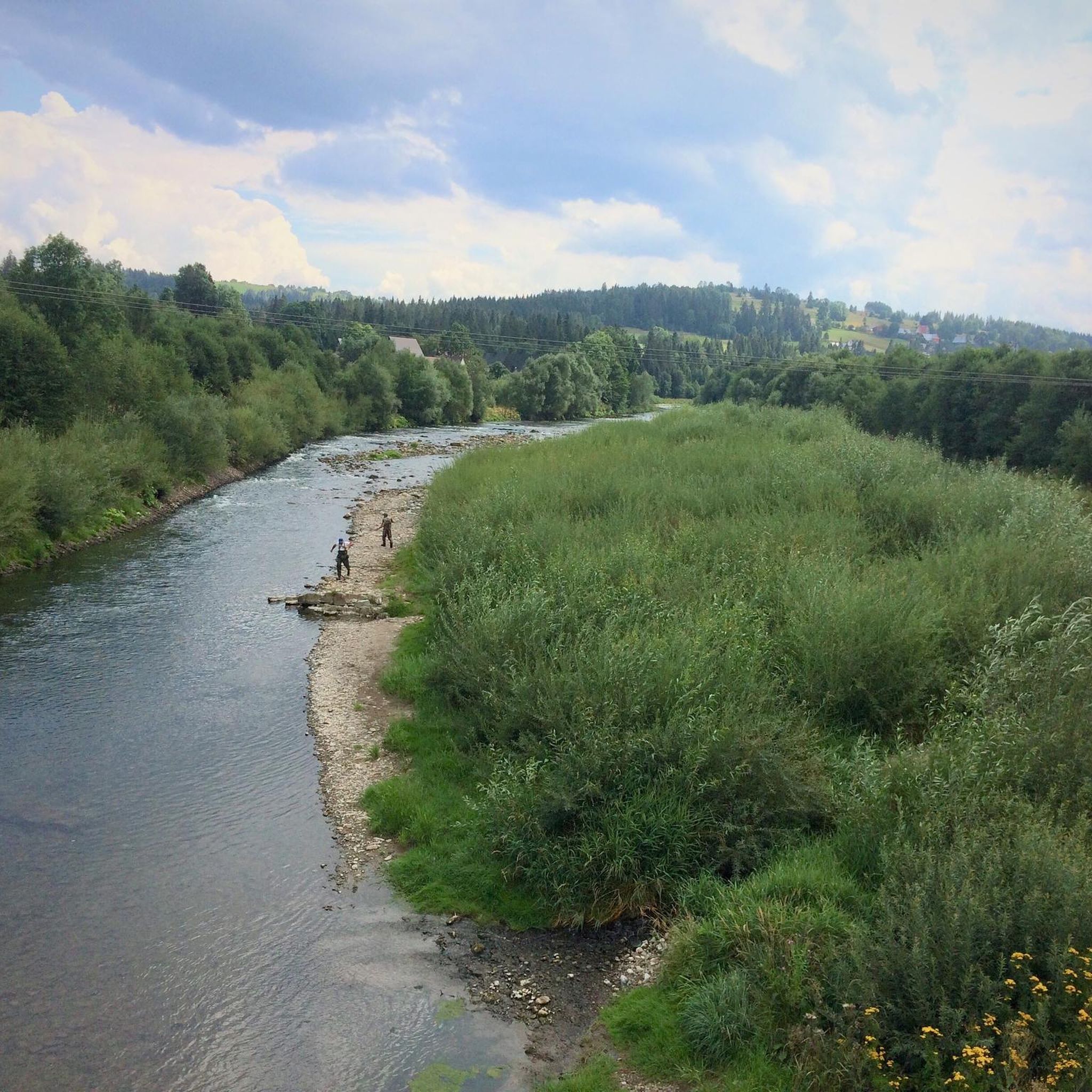
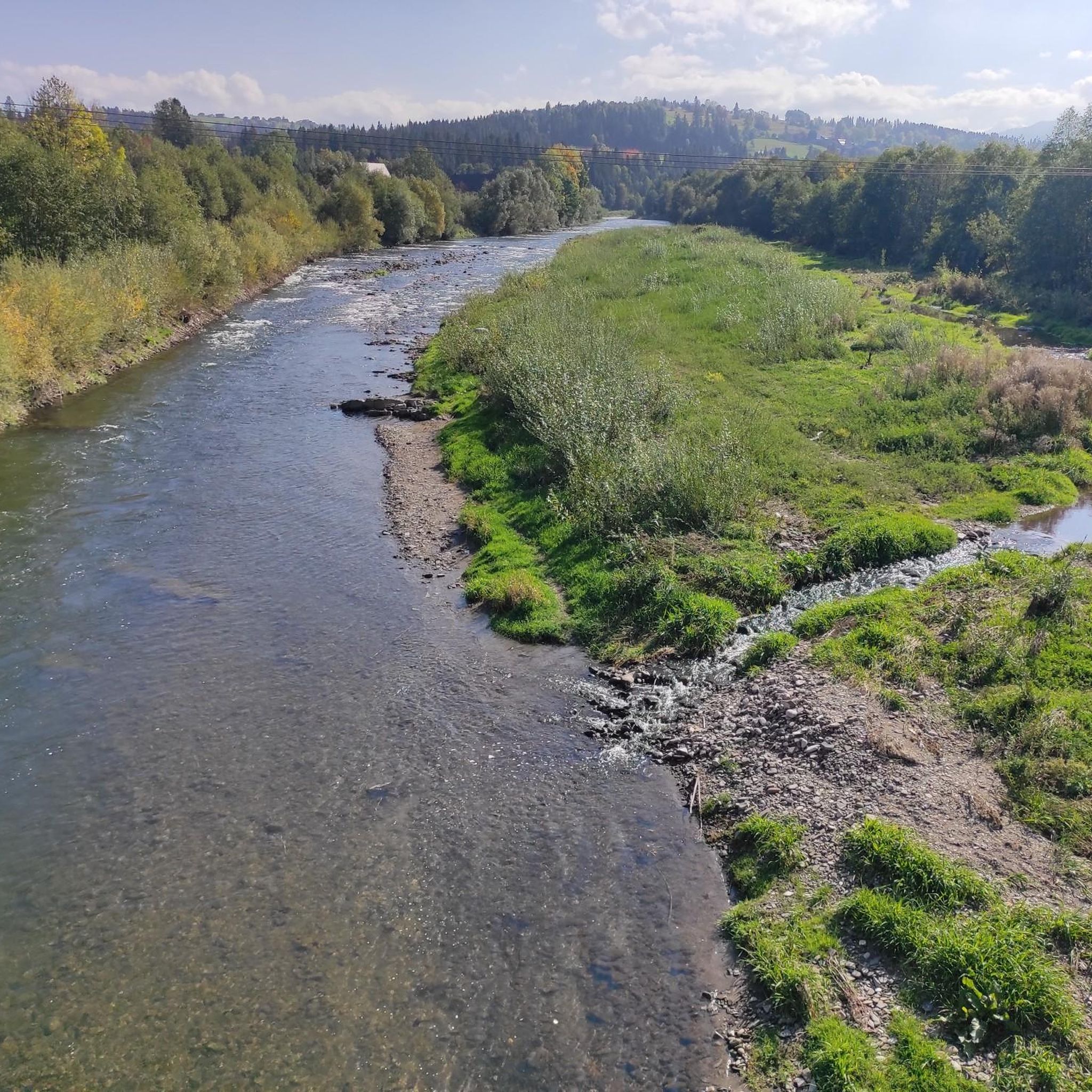
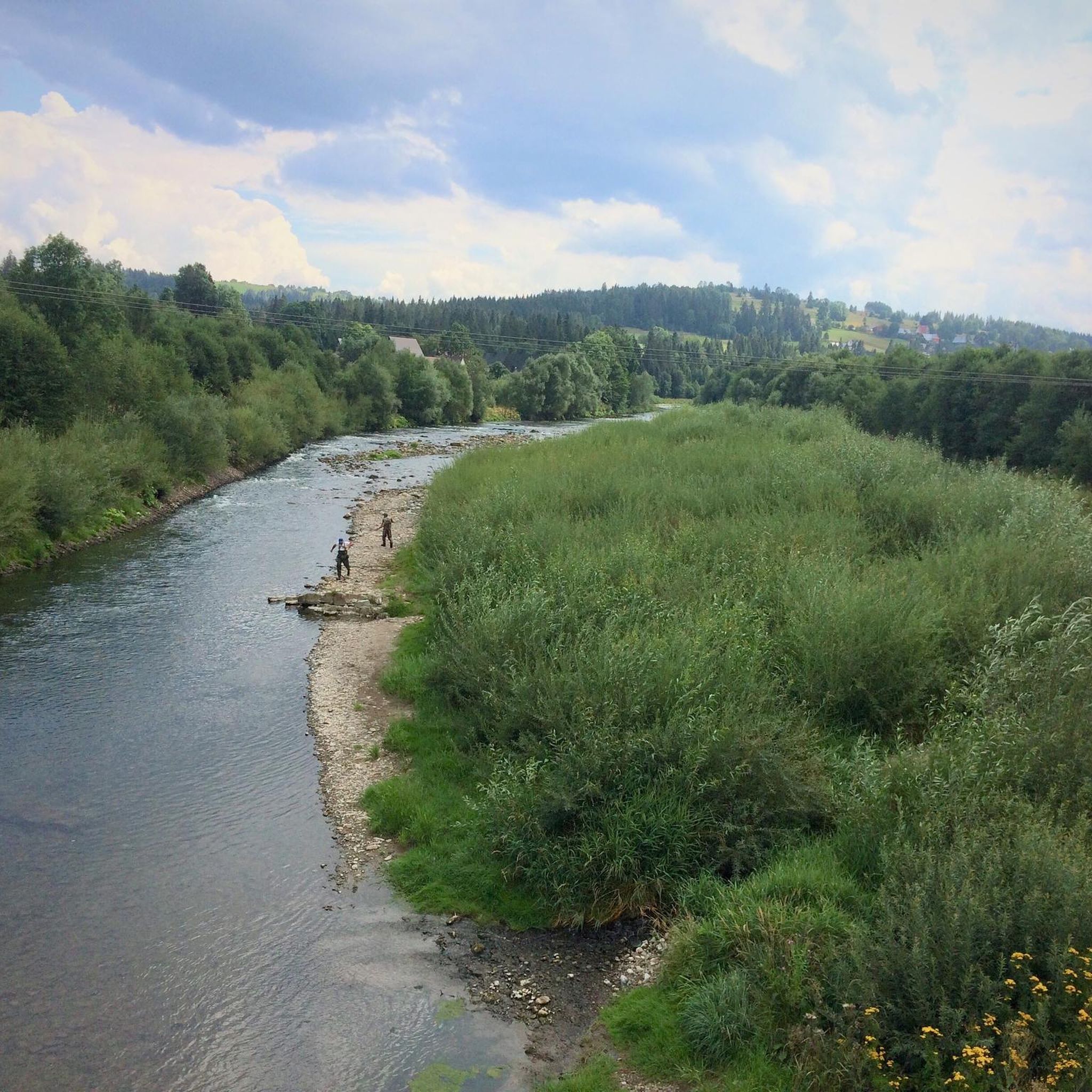
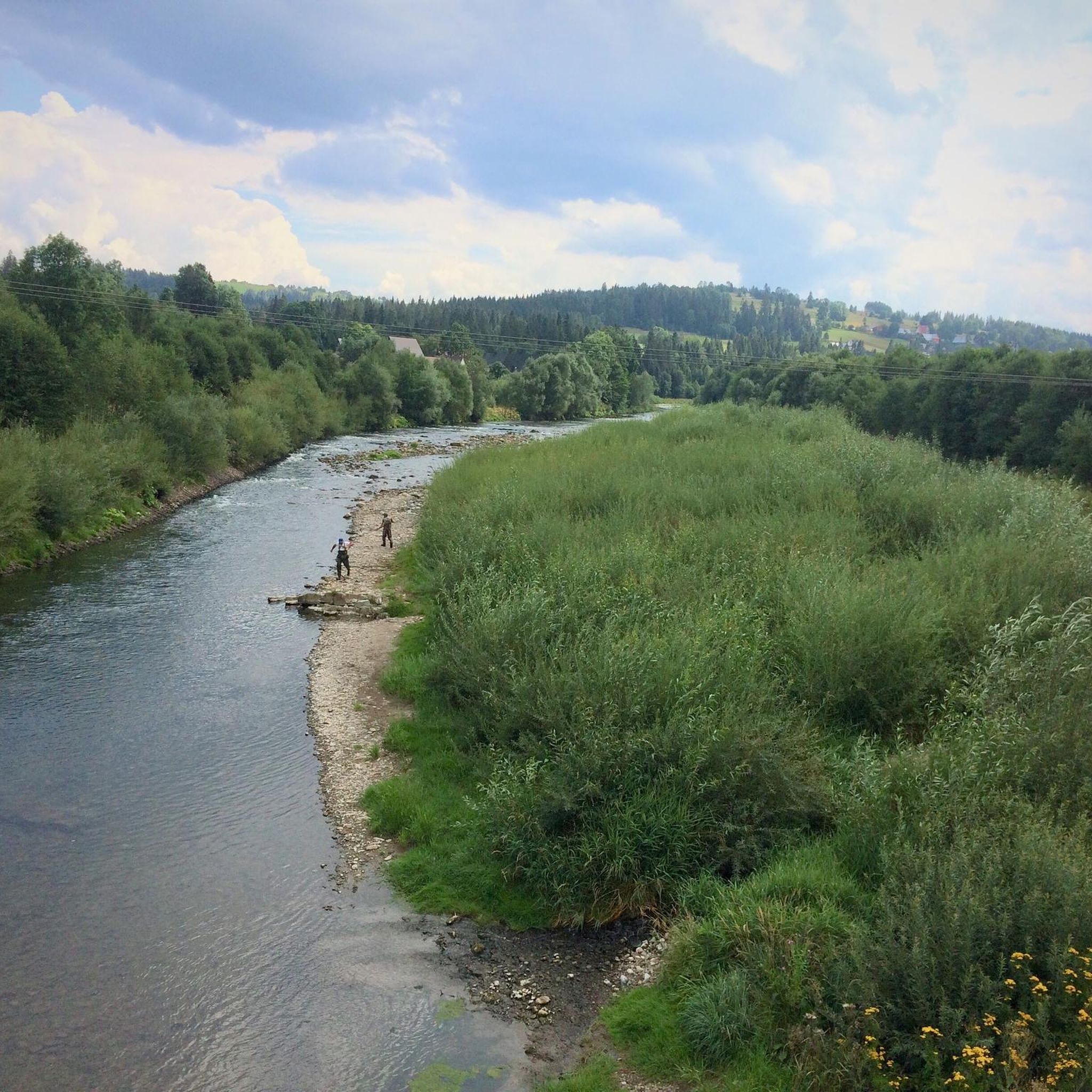
If you have a moment, you can hike up Obłazowa rock (by the road); Kramnica lies on the other side of the river. They both stand up some 50 meters above the riverbed level offering splendid views, their walls were used by climbers until it was forbidden due to the Reserve rules.
There are plans to build an archeological museum here.
Tip by
Sign up for free to discover even more attractions around Szaflary.
Sign up for free
Already have an account?
Start today with a free account
Your next adventure awaits.
Login or Signup


Tips from the Community

The Holy Family Church in Zakopane is the oldest parish church in the city and one of its most important sights. It was built at the end of the 19th century in the Neo-Gothic style and played an important role in the development of Zakopane from a mountain village to a well-known health and holiday resort. The interior of the church impresses with its artistically designed altars, colorful stained-glass windows, and numerous elements inspired by the Goral culture. In the immediate vicinity is the historic Old Cemetery "Pęksowy Brzyzek", where many well-known personalities from the region have found their final resting place. To this day, the Holy Family Church remains a vibrant place of faith and, at the same time, a popular destination for visitors interested in the history, architecture, and traditions of the Tatra region.
0
0

Beautiful church
4
0
Wooden houses washed to the right and to the left
5
0

Nice, lots of pocket options and good ice cream
0
0

The Church of the Holy Family was completed in 1896 in the Neo-Romanesque style. The interior of the Catholic church was designed in the Zakopane style.
4
0

Church of the Holy Family - Roman Catholic parish church, the oldest brick temple in Zakopane.
0
0

Cycle path, interlocking paving, good trafficability. The city's symbol, the goat, shows its sporty side. Famous for the goat cheese!!!
0
0

Krakow has a dragon, Trzebiatów has an elephant, Wrocław has gnomes, and Nowy Targ ... sheep! The sculptures made of aluminum attract the eyes of everyone who visits them in Nowy Targ, and at the same time remind of the rich history of the city and pastoral traditions in Podhale. The heroes of the Sheep Trail are: 1. A sheep that rides a bike wears a highlander costume and a hat with a parzenica. 2. A sheep aviator sits in an airplane wearing a pilot hat with glasses. 3. A tourist sheep carries a backpack and a shepherdess in the company of a wolf. You can find these cute animals by the bicycle path, the shelter at Łapsowa Polana and the airport. But that's not the end of the sheep's stories in this city. In Nowy Targ you will also see the famous bench with two "romancing" sheep located in the city park and the monumental sculpture "Dialog" on the market square. Who among you found them all? https://www.nocowanie.pl/owczy_szlak_w_nowym_targu,225163.html
2
0
Frequently Asked Questions
What historical sites can I explore near Szaflary?
Near Szaflary, you can visit the ruins of the "Cat Castle" (Szaflary Castle), a historical landmark with origins likely in the 13th century. Although mostly covered by modern buildings, some foundations and rampart remains are still visible. For more details on its history, you can visit medievalheritage.eu. Additionally, the St. Elizabeth's Wooden Church in Trybsz, a 17th-century wooden church, is renowned for its well-preserved wall paintings, including a 17th-century panorama of the Tatra Mountains.
Are there any unique natural formations or caves to visit?
Yes, you can explore Obłazowa Cave and Kramnica Rock. These distinctive rock formations rise about 50 meters above the riverbed and offer splendid views. Obłazowa Cave is particularly significant for its archaeological discoveries, including human artifacts as old as 150,000 years and a 32,000-year-old boomerang made from a mammoth tusk.
What kind of outdoor activities are available around Szaflary?
Szaflary's location provides excellent access to the Tatra and Gorce mountains, making it ideal for hiking and cycling. You can find various routes, from easy walks to challenging mountain hikes. For easy hikes, explore options like the Rezerwat Bór na Czerwonem loop or the River View loop, detailed in the Easy hikes around Szaflary guide. For more challenging adventures, consider routes like the PTTK Turbacz Mountain Hostel – Turbacz Summit loop, found in the Mountain Hikes around Szaflary guide. Cycling enthusiasts can discover scenic trails through the mountains, such as the View of Lake Czorsztyńskie loop, available in the Cycling around Szaflary guide.
Are there family-friendly attractions in the Szaflary area?
Absolutely. Szaflary is well-known for its thermal hot pools, including Termy Szaflary and Termy Gorący Potok Szaflary, which offer multiple indoor and outdoor pools with waterslides and dedicated children's areas, perfect for family fun. Additionally, the nearby town of Nowy Targ features the Cyclist Sheep Statue trail, a charming and interactive experience for families.
Where can I experience traditional Podhale culture?
To experience traditional Podhale culture, visit Chochołów – Traditional Wooden Village. Often called the "pearl of Podhale," it's one of the best-preserved wooden villages in the region, featuring 109 protected wooden houses, many over a century old. These houses are traditionally washed with water and soap before major religious occasions, showcasing a unique local custom.
Can I find places for relaxation and wellness in Szaflary?
Yes, Szaflary is a popular destination for relaxation and wellness, primarily due to its thermal hot pools. Facilities like Termy Szaflary and Termy Gorący Potok Szaflary offer mineralized thermal water known for its therapeutic properties, aiding muscular, osteoarticular, and skin ailments. The pools maintain temperatures between 30°C and 38°C and include hydro-massage systems.
What historical landmarks are there in the nearby town of Nowy Targ?
In Nowy Targ, you can visit the Nowy Targ Market Square (Rynek), which has a tradition of over 500 years and features old brick houses. The town also hosts St. Catherine Church, the oldest church in Nowy Targ, and the 15th-century wooden St. Anne Church, both rich in history and architectural details.
Are there any interesting religious sites to visit?
Beyond the St. Elizabeth's Wooden Church in Trybsz, Szaflary and its surroundings feature several roadside shrines and crosses. These include a late 19th-century chapel of Our Lady of the Immaculate Conception, a 1926 chapel of Our Lady with the Infant Jesus, and an 1893 chapel founded by Wojciech Kamiński, offering glimpses into local religious heritage.
What is the best time of year to visit Szaflary for outdoor activities?
Szaflary is suitable for outdoor activities throughout the year. Spring and autumn offer pleasant temperatures for hiking and cycling in the Tatra and Gorce mountains. Summer is ideal for enjoying the thermal pools and exploring the natural landscapes. In winter, the region transforms into a hub for winter sports, with several ski resorts nearby.
What are some options for winter sports near Szaflary?
For winter sports enthusiasts, several ski resorts are located in the vicinity of Szaflary. Popular options include Stacja Narciarska Kaniówka, Stacja Narciarska GrapaSki, Jurgow Ski, and Kotelnica Białczańska, offering a variety of slopes and facilities for skiing and snowboarding.
What do visitors particularly enjoy about the attractions in Szaflary?
Visitors particularly enjoy the blend of natural beauty and cultural heritage. The well-preserved wooden architecture of Chochołów – Traditional Wooden Village is a highlight, with many appreciating its unique character. The archaeological significance of Obłazowa Cave and Kramnica Rock also captivates those interested in history and geology. The therapeutic thermal hot pools are a major draw for relaxation.
Are there any unique local markets or shopping experiences?
Yes, the nearby Nowy Targ Market Square (Rynek) is famous for its traditional Thursday markets, a tradition that has continued for over 500 years. It's a great place to experience local commerce and find unique items.
Most popular routes around Szaflary
Most popular attractions around Szaflary

Get inspired with the komoot mobile app


Explore more
Still not found the Highlight you’re looking for? See guides of the top attractions in other regions:
