The best MTB trails around gmina Oświęcim
4.5
(60)
315
riders
71
rides
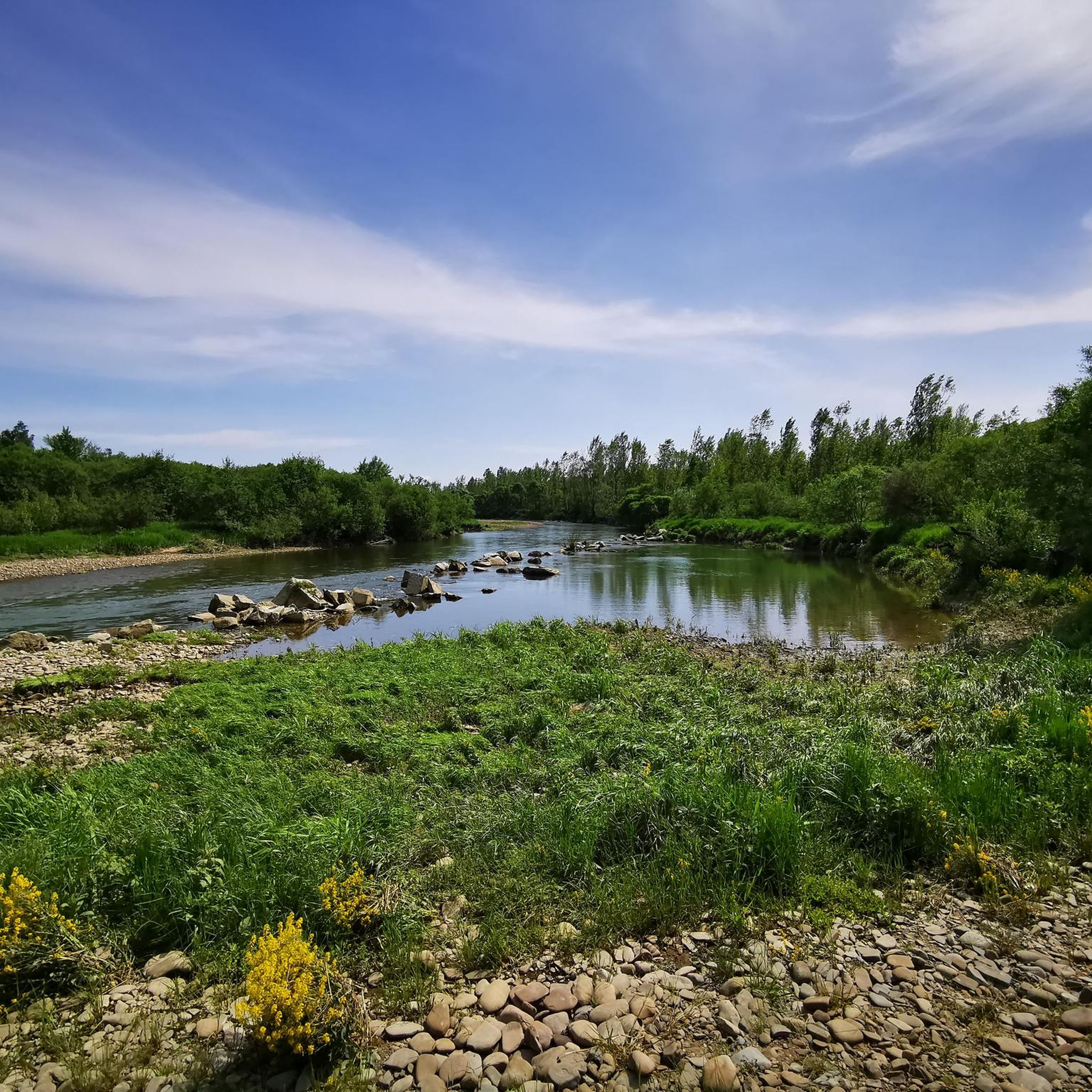
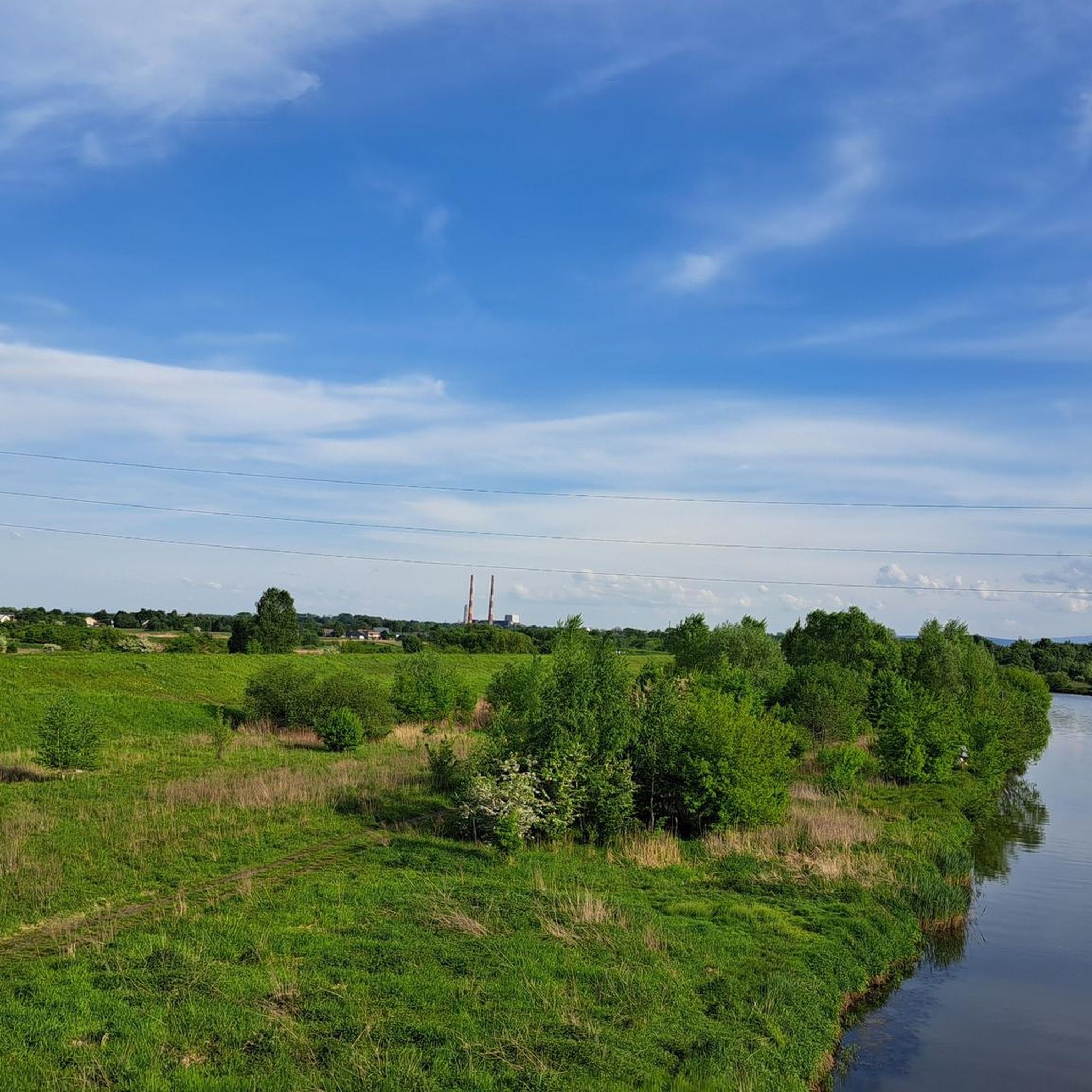
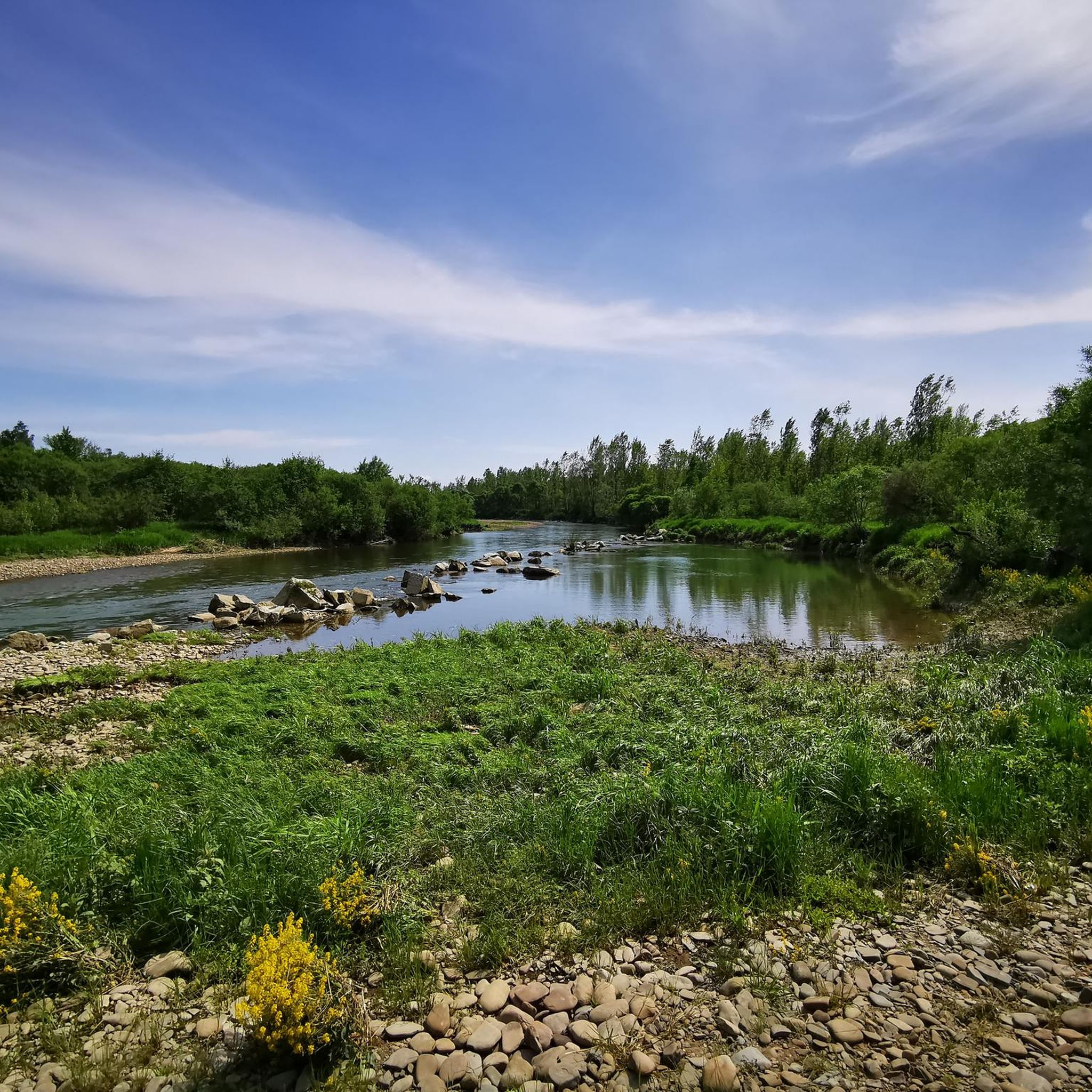
Mountain biking around gmina Oświęcim offers diverse terrain shaped by the Vistula and Soła river systems, providing varied experiences for cyclists. The region features extensive river valleys with oxbow lakes, numerous forest complexes, and areas with rolling hills such as around Grojec and Łazy. These natural features create a landscape suitable for a range of mountain biking routes, from flat riverside paths to more challenging trails with elevation changes.
Best mountain bike trails around gmina Oświęcim
- The most popular mountain…
Last updated: May 14, 2026
5.0
(1)
16
riders
Hard mountain bike ride. Very good fitness required. Advanced riding skills necessary. Some portions of the route may require you to push your bike.
4.5
(4)
23
riders
53.8km
02:55
80m
80m
Moderate mountain bike ride. Good fitness required. Suitable for all skill levels.

Sign up for free
4.3
(4)
11
riders
52.7km
02:54
100m
100m
Moderate mountain bike ride. Good fitness required. Advanced riding skills necessary.
4.0
(1)
10
riders
77.8km
04:13
150m
150m
Moderate mountain bike ride. Good fitness required. Advanced riding skills necessary.
7
riders
52.4km
03:00
210m
210m
Moderate mountain bike ride. Good fitness required. Advanced riding skills necessary.
Get access to more routes and recommendations from other explorers.
Sign up for free
Already have an account?
Our route recommendations are based on thousands of hikes, rides, and runs completed by other people on komoot.
Start today with a free account
Your next adventure awaits.
Login or Signup

Tips from the Community

A cool attraction. We used it when going from Oświęcim to Kraków. The ferry trip costs only 1zł.
0
0
Nice market square. Currently under renovation.
0
0

A beautiful bridge over the Skawinka river, with green, rural views - perfect for taking photos. Right next to the Vistula Cycling Route.
0
0

Historic 14th-century church
0
0

Unfortunately, it was impossible to even enter the square in front of the castle. It was closed. Photos taken from behind the fence.
0
0

Reconstructions and Changes of Ownership The Swedish Deluge: In the 17th century, the building was destroyed during the war with Sweden. Neo-Gothic style (19th century): In 1836, Count Aleksander Poniatowski commissioned a neo-Gothic reconstruction of the castle, which was carried out by the architect Franciszek Maria Lanci. Further Changes of Ownership: After the Poniatowski family, the castle continued to change owners. During this time, it belonged to the Institute of Animal Production and later to the Institute of Inland Fisheries. Contemporary Fate and Renovation Post-War Damage: After World War II, the castle was destroyed, its furnishings were stolen, and the building was repeatedly converted for various purposes. Contemporary Renovations: Between 1964 and 1973, the castle was partially renovated, and revitalization work is currently underway to restore its gastronomic and museum functions. Private Owners: Currently (following a court decision in 2013), the castle is in the hands of its rightful owners – the heirs of the Potocki family. Closed to Visitors: The castle is currently undergoing renovation.
1
0
The history of Zator Castle dates back to the mid-15th century, when the Duchy of Zator was established and construction began on its seat. In later years, the building was rebuilt numerous times, including in the neo-Gothic style in the 19th century. It was destroyed (e.g., during the Swedish Deluge) and changed owners, from the Piast and Potocki dynasty to the Institute of Zootechnics. After wartime destruction and nationalization, the castle underwent renovations, and currently, revitalization work is underway to restore it to its new function. The Original Castle and the Development of the Duchy Construction of the Castle (circa 1455): Construction began around 1455, when the Duchy of Zator was established following the division of the Duchy of Oświęcim. Wenceslaus became the first duke, obliging his subjects to work on the construction of the residence. Defensive Character: The original castle had defensive features and served as the seat of the Piast Dukes of Zator. Incorporation into Poland (1564): The Duchy of Zator, along with the fortress, was incorporated into the Crown of the Kingdom of Poland. At that time, the castle belonged to the Dunin and Potocki families, among others.
1
0

The old, prestigious market square in Auschwitz. The weekly market no longer takes place here.
2
1
Frequently Asked Questions
What kind of terrain can I expect on mountain bike trails in gmina Oświęcim?
Gmina Oświęcim offers a diverse range of terrain. You'll find extensive river valleys along the Vistula and Soła rivers, often featuring mostly flat, paved sections ideal for relaxed cycling. However, the region also includes numerous forest complexes and areas with rolling hills, particularly around Grojec and Łazy, which provide more challenging, unpaved segments suitable for mountain biking. Some routes may involve significant elevation changes and require good fitness.
Are there any family-friendly mountain bike trails in gmina Oświęcim?
Yes, while some routes are challenging, many trails in gmina Oświęcim are suitable for families. The Vistula Cycling Route (WTR) along the river embankments offers extensive, largely asphalted paths that are mostly flat and ideal for relaxed cycling with children. These routes allow families to explore the scenic river valley at an easier pace.
What natural features can I see while mountain biking in gmina Oświęcim?
The region is rich in natural beauty. You can expect to see picturesque oxbow lakes (starorzecza) like those in Babice and Dwory Drugie, which are home to diverse aquatic vegetation and birdlife. Many routes also pass through forest complexes and groves, and near numerous fish ponds, especially around Rajsko and Grojec. The Bukowica Nature Reserve, with its multi-species forest and rock formations, also offers a unique natural experience.
Are there any circular mountain bike routes in gmina Oświęcim?
Yes, many of the mountain bike routes in gmina Oświęcim are designed as loops, allowing you to start and finish in the same location. For example, the Vistula Oxbow Lake – Oświęcim Castle loop from Oświęcim is a moderate 73.1 km (45.4 miles) route that combines riverside cycling with historical views. Another option is the Oświęcim Castle loop from Oświęcim, a shorter 11.7 km (7.3 miles) moderate trail.
What are the difficulty levels of mountain bike trails in gmina Oświęcim?
The trails vary significantly in difficulty. You'll find easy rides on mostly paved surfaces, suitable for any fitness level, particularly along the river valleys. There are also moderate and difficult routes that require good to very good fitness, often featuring unpaved sections and significant elevation gains. Overall, there are 12 easy, 40 moderate, and 16 difficult mountain bike routes available in the area.
What landmarks or points of interest can I explore near the mountain bike trails?
Several interesting landmarks are accessible from the trails. You can visit Oświęcim Castle, which is featured in several loop routes. Other nearby attractions include the Ruins of Lipowiec Castle and Zator Castle. For a different kind of attraction, the Dziećkowice Reservoir and various ponds offer scenic views and opportunities for relaxation.
Is there public transport access to the mountain biking areas in gmina Oświęcim?
Gmina Oświęcim is generally well-connected, and Oświęcim itself is a transport hub. While specific public transport options directly to trailheads may vary, the presence of the Vistula Cycling Route (WTR) and other integrated cycling paths, including those near the Nations Reconciliation Park, suggests accessibility. It's advisable to check local bus or train schedules for connections to Oświęcim and surrounding villages.
What do other mountain bikers enjoy most about mountain biking in gmina Oświęcim?
The komoot community highly rates mountain biking in gmina Oświęcim, with an average score of 4.6 stars from over 40 reviews. Reviewers often praise the diverse terrain, from the peaceful river valleys to the more challenging forest and hilly sections. The scenic views, especially those encompassing the Beskid Mały mountains and the outline of the Kraków-Częstochowa Upland from higher points, are also frequently highlighted.
Are there any challenging mountain bike trails in gmina Oświęcim?
Yes, for those seeking a challenge, gmina Oświęcim offers several difficult mountain bike routes. An example is the Oświęcim Castle loop from Dwory, a 54.9 km (34.1 miles) trail with significant elevation gain, often completed in about 3 hours 44 minutes. These routes can involve unpaved sections and require good technical skills and fitness.
What is the best time of year to go mountain biking in gmina Oświęcim?
The best time for mountain biking in gmina Oświęcim is generally from spring through autumn (April to October). During these months, the weather is typically mild, and the trails are in good condition. Spring offers lush greenery, while autumn provides beautiful foliage. Winter mountain biking is possible but may involve colder temperatures, snow, and potentially icy conditions on some trails, especially in forested or higher elevation areas.
Are there opportunities for long-distance mountain biking in the region?
Yes, the Vistula Cycling Route (WTR) provides excellent opportunities for long-distance cycling, which can be adapted for mountain biking. This route offers extensive paths along the Vistula River, including a 161 km (100 miles) loop option along both banks from Kraków to Oświęcim. While much of it is paved, some older sections may include gravel, adding variety for mountain bikers looking for longer rides.
Where can I find cafes or pubs near the mountain bike trails in gmina Oświęcim?
While specific establishments directly on every trail are not guaranteed, the towns and villages within gmina Oświęcim, particularly Oświęcim itself, offer various amenities. Cycling routes often pass through or near populated areas where you can find cafes, pubs, and restaurants. The boulevards near the Soła River in Oświęcim, for instance, are popular spots for recreation and are likely to have nearby facilities.
Most popular routes around gmina Oświęcim
Most popular attractions around gmina Oświęcim

Get inspired with the komoot mobile app


Explore more
Browse the best MTB trails in other regions.
