Attractions and Places To See around Polanka Wielka - Top 20
Best attractions and places to see around Polanka Wielka include historical sites, cultural landmarks, and natural features. This village in Oświęcim County, Lesser Poland Voivodeship, offers a selection of points of interest. The area features a mix of historical structures, such as the Palace and Park Complex, and outdoor opportunities like cycling trails and breeding ponds. Visitors can explore sites that reflect the region's history and natural environment.
Best attractions and places to see around Polanka Wielka
- The most popular attractions is Vistula Cycling Route WTR Oświęcim–Miętków, a cycle way that offers a quality asphalt section along the Vistula embankments. This route provides views of the Vistula River and is characterized by its natural surroundings.
- Another must-see spot is Ruins of Crematorium III, Auschwitz-Birkenau, a historical site within the Auschwitz-Birkenau complex. These facilities were constructed between March and June 1943 as part of the camp's expansion.
- Visitors also love Auschwitz-Birkenau State Museum and Memorial, a complex of German Nazi concentration and extermination camps that operated from 1940 to 1945. It is inscribed on the UNESCO World Heritage List.
- Polanka Wielka is known for its historical sites, cultural landmarks, and cycling routes. The area offers a variety of attractions to see and explore, from medieval castles to natural landscapes.
- The attractions around Polanka Wielka are appreciated by the komoot community, with 10 highlights having received more than 270 upvotes and 130 photos.
Last updated: July 15, 2026
Vistula Cycling Route WTR Oświęcim–Miętków
Highlight (Segment) • Cycleway
There is a view of the Vistula River from the route.
We liked the stage from Oświęcim the most - the first-class surface on the Vistula embankment is a recipe for the success of this route. On both sides of the embankment, my eyes were filled with vigorous green, and my nose was dizzy with the scent of blooming trees and flowers. The area around the route is a kingdom of nature due to the limited human interference in the floodplain.
In the meadows we searched for pheasants absorbed in courtship, hares flashed in the fields, and we accidentally scared a herd of deer out of the bushes. Sometimes the route rubbed against the forest wall, other times it approached small towns, but we still saw the thin thread of the Vistula and the spring nature exploding in its surroundings.
polskapogodzinach.pl/wislana-trasa-rowerowa-oswiecim-krakow
Translated by Google •
Tip by

Oświęcim Castle
Highlight • Castle
The castle consists of an early gothic bergfried tower built at the end of the 13th century and a two-storey, basement building erected on a rectangular plan (old castle wing from the beginning of the 16th century) and a link from 1929–1931 built on the site of older buildings. A significant part of the fortifications was taken by the river - which changed its course for centuries.
On the castle hill there are remains of defensive walls and bastions. The royal castle was located in the second half of the 16th century in the Silesian poviat of the Kraków voivodeship. There are two tunnels under the castle: the older one (built before 1914) and the other one drilled by the Germans (1940–1944). This tunnel served as an air-raid shelter.
The first mentions of the Oświęcim castellany come from the period when it was incorporated into the Duchy of Opole (1177–1179). The reconstruction and fortification of the castle are attributed to the son of Mieszko Plątonogi, Prince Kazimierz. This is evidenced by archaeological discoveries near the tower confirming the existence of a brick structure on the castle hill in the first half of the 13th century.
pl.wikipedia.org/wiki/Zamek_w_O%C5%9Bwi%C4%99cimiu
malopolska.szlaki.pttk.pl/1568-pttk-malopolska-zamek-w-oswiecimiu
Translated by Google •
Tip by
Sign up now to discover places like this
Get recommendations on the best single tracks, peaks, & plenty of other exciting outdoor places.
Sign up for free
Ruins of Crematorium III, Auschwitz-Birkenau
Highlight • Historical Site
In the summer of 1942, the German company Hoch und Tiefbau AG, with its Katowice branch, began building four massive crematoria complexes (II, III, IV and V). Crematoria II and III had underground undressing rooms and gas chambers. Crematoria IV and V were entirely above-ground buildings. The crematorium furnaces were built by the company Topf i Synowie from Erfurt. These facilities were put into use between March and June 1943.
The people dying there died painful deaths, in humiliation, intensified by the sight of their dying loved ones.
pl.wikipedia.org/wiki/Auschwitz_II_%E2%80%93_Birkenau
Translated by Google •
Tip by
Auschwitz-Birkenau State Museum and Memorial
Highlight • Historical Site
From 2020, you also need a ticket to enter Camp Birkenau.
Sometimes the number of visitors is so large that it may turn out that they do not issue tickets on a given day, so if you want to be sure of entry, it is best to order such a ticket online in advance.
There is a bus between the camps Auchwitz and Birkenau.
Translated by Google •
Tip by
Gate of Death, Auschwitz II–Birkenau
Highlight • Historical Site
The name is not accidental. It was in the former German Nazi concentration and extermination camp Birkenau that the overwhelming number of KL Auschwitz victims died - over a million people, Jews, Poles, Gypsies, as well as Soviet prisoners of war and prisoners of other nationalities. The vast majority, as much as 90% of the victims, were Jews.
The contemporary shape of the Birkenau Death Gate comes from 1943. The direct railway line under the crossing was not built until the spring of 1944. Above the gate, through which the railway track runs today, there is a two-story watchtower. From its windows you can see the panorama of the former camp. Inside, however, there are still single-storey buildings made of raw brick and the main guardhouse of the camp.
The Birkenau Death Gate is located on the site of the former Auschwitz II concentration camp and is part of the Auschwitz-Birkenau State Museum.
krakowbooking.com/pl/attractions/brama-birkenau-brama-smierci
Translated by Google •
Tip by
Sign up for free to discover even more attractions around Polanka Wielka.
Sign up for free
Already have an account?
Start today with a free account
Your next adventure awaits.
Login or Signup

Tips from the Community

The Castle in Oświęcim is a medieval defensive stronghold located on a hill on the right bank of the Soła River. Currently, the site is home to the Museum of the Castle in Oświęcim, which presents the rich history of the city, the former Duchy of Oświęcim, and valuable historical and archaeological collections. It was here that a great diplomatic turning point occurred: in 1454, the last Piast duke of this region, Jan IV, bowed to the might of Poland and ceded the castle and his entire duchy as a fief to King Casimir Jagiellon. Three years later (in 1457), he completely sold these lands to him. The castle ceased to be a Silesian borderland and became Polish royal property for centuries. It is worth taking a look at the mighty, 13th-century Gothic tower, which remembers those events and that agreement! The history of the castle in Oświęcim dates back to the 11th century, when there was an early medieval agricultural settlement on the hill above the Soła. After it burned down, a fortified castellany stronghold was erected here. The first official documentary mention of it dates from 1179. It was then that King Casimir the Just transferred these lands to the Duke of Opole, Mieszko Plątonogi. Early Gothic tower – dates from the end of the 13th century, it is a defensive building type (bergfried) and is one of the oldest preserved brick structures in Lesser Poland. Royal history – the castle hosted prominent historical figures, including the future Queen of Poland, Bona Sforza. Underground tunnels – there are two corridors under the castle, including an air-raid shelter built by the Germans during World War II. Address: ul. Zamkowa 1, 32-600 Oświęcim Opening hours: Tuesday to Sunday from 10:00 AM to 6:00 PM (the museum is closed on Mondays).
1
0

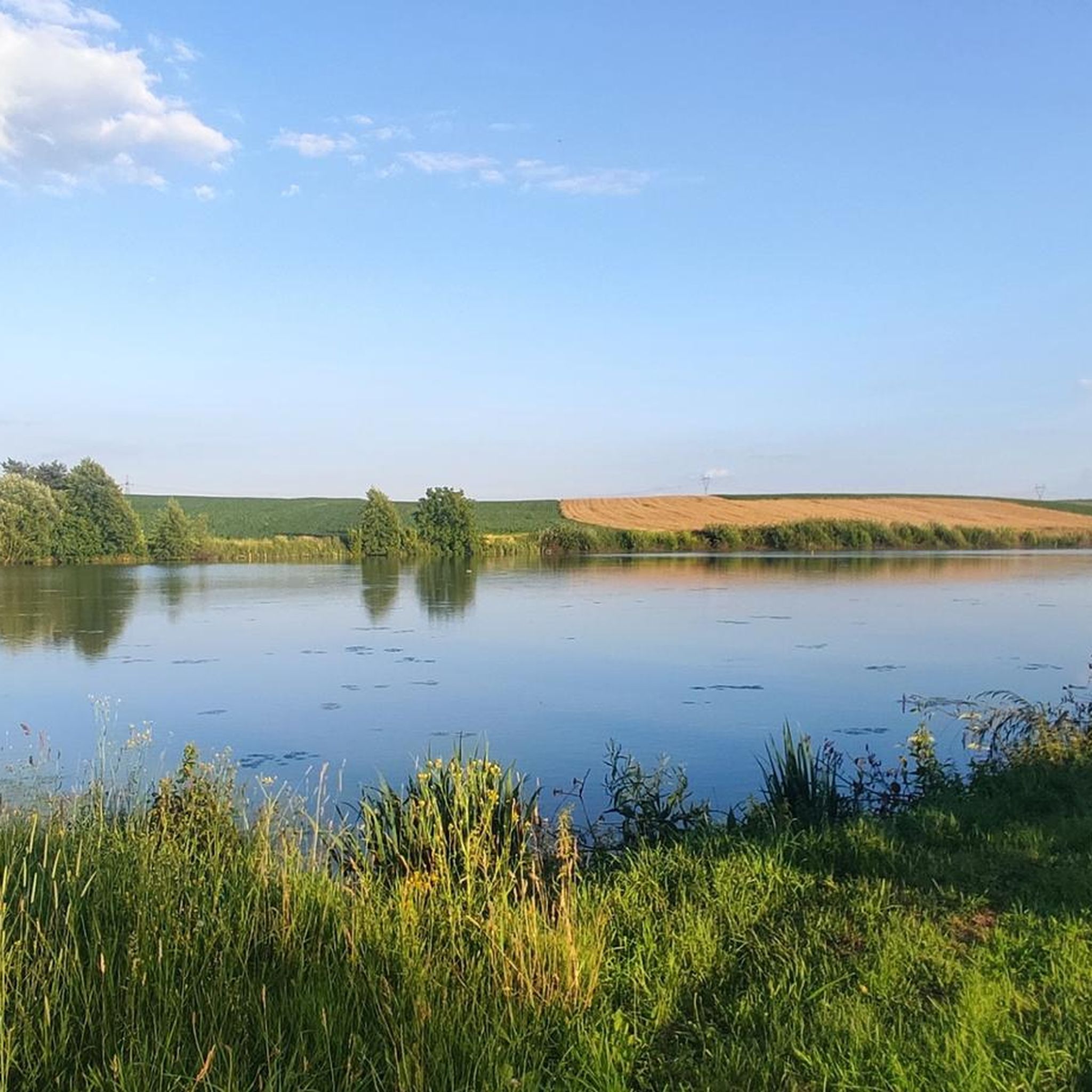
Very picturesque cycle path along the Vistula river embankment
0
0

A special and indefinable place, not for its history, but which is nevertheless worth visiting.
0
0
A superb cycle path which is, among other things, the EuroVelo 4 which crosses Poland. I realize that I can take it all the way to Krakow, my final destination, but the wind is blowing hard today and the path is elevated, so I am not at all sheltered from the wind. I decide to leave it further on to follow my initial itinerary.
0
0
The castle in Oświęcim is the royal castle of King Casimir IV Jagiellon.
2
0
whenever I go, it's windy.. such a boring route for one time ok
1
0

The tracks behind the main gate lead to the so-called new Jewish ramp, built for the extermination of Hungarian Jews. Selections took place here, which meant immediate death for the majority of the deportees. The extermination campaign began in May 1944. In 56 days, over 400,000 people died. https://www.yadvashem.org/de/holocaust/about/fate-of-jews/hungary.html
0
0
Auschwitz II, the actual extermination camp. The "platform" visible behind the entrance is the so-called new Jewish ramp, built for the extermination of Hungarian Jews. Selections took place here, which meant immediate death for the majority of the deportees. The extermination campaign began in May 1944. In 56 days, over 400,000 people died. https://www.yadvashem.org/de/holocaust/about/fate-of-jews/hungary.html
0
0
Frequently Asked Questions
What historical sites can I explore in and around Polanka Wielka?
Polanka Wielka and its surroundings offer several significant historical sites. Within the village, you can find the Palace and Park Complex, St. Nicholas Church, and the Church of the Nativity of the Blessed Virgin Mary. A poignant reminder of past events is the Monument to the Victims of Both World Wars. Nearby, you can visit the medieval Oświęcim Castle, a building erected on a hill overlooking the Soła river.
Are there any natural attractions or features to see in Polanka Wielka?
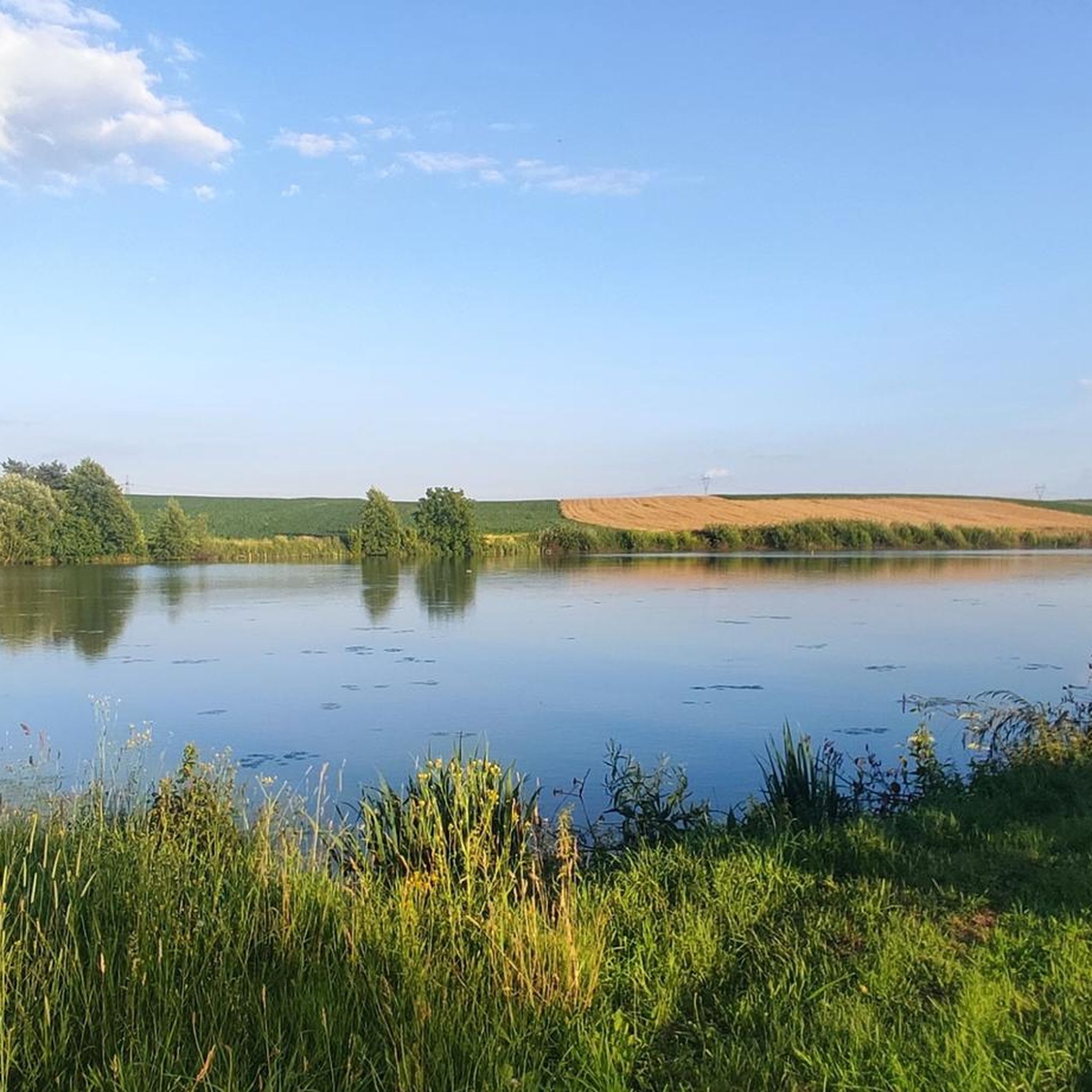
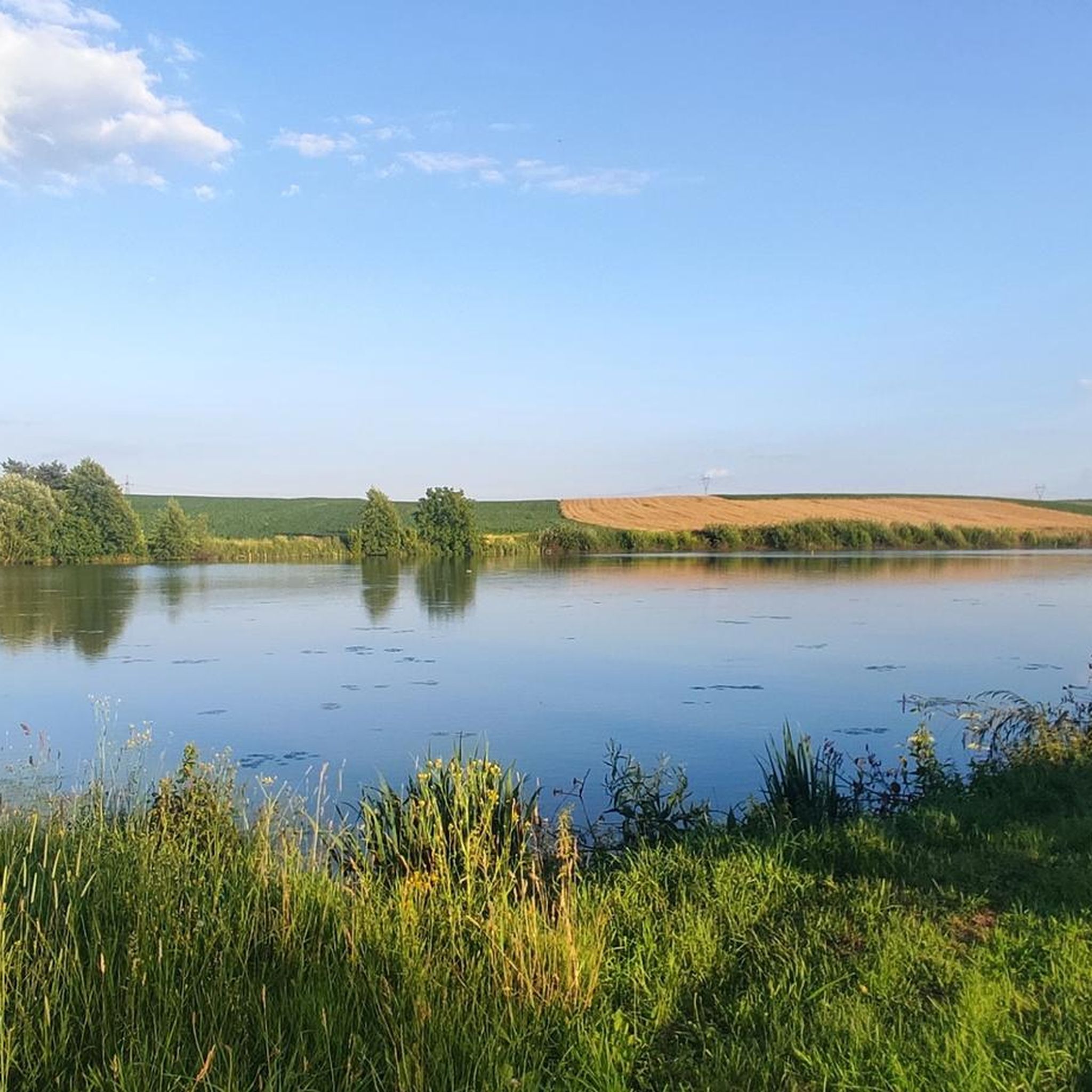
Yes, Polanka Wielka features several natural points of interest. The Brine Graduation Tower offers a unique health-related attraction. You can also explore the local Breeding Ponds, which contribute to the natural landscape and provide opportunities for observing local flora and fauna. The area around the Vistula River, accessible via cycling routes, is also rich in natural beauty.
What cycling opportunities are available near Polanka Wielka?
Polanka Wielka is well-suited for cycling enthusiasts. The Vistula Cycling Route WTR Oświęcim–Miętków offers a high-quality asphalt section along the Vistula embankments, providing scenic views and a natural environment. Additionally, the village has a dedicated Cycling Trail and a Pumptrack for recreational cycling. For more routes, check out the Cycling around Polanka Wielka guide.
Are there family-friendly attractions in the Polanka Wielka area?
Many attractions in the Polanka Wielka area are suitable for families. The Vistula Cycling Route WTR Oświęcim–Miętków is categorized as family-friendly, offering an enjoyable outdoor activity. The Oświęcim Castle is also a family-friendly historical site. While somber, the Auschwitz-Birkenau State Museum and Memorial is also listed as family-friendly, though it requires careful consideration due to its historical significance.
What hiking trails can I find around Polanka Wielka?
You can find various hiking opportunities around Polanka Wielka. There are easy routes like the "Osiek Pier loop from gmina Osiek" and "Court - Ślebarski House – Market Square in Oświęcim loop from Oświęcim." For a moderate challenge, consider the "Piast Bridge – Oświęcim Castle loop from Oświęcim." Discover more options in the Hiking around Polanka Wielka guide.
What are the most significant cultural landmarks near Polanka Wielka?
The most significant cultural landmarks near Polanka Wielka are deeply rooted in history. The Palace and Park Complex in Polanka Wielka itself is a notable historical landmark. However, the Auschwitz-Birkenau State Museum and Memorial, a UNESCO World Heritage site, stands as a profound cultural and historical institution documenting German crimes during World War II.
Are there any accessible attractions for visitors with mobility needs?
Yes, the Vistula Cycling Route WTR Oświęcim–Miętków is categorized as wheelchair accessible, offering a smooth asphalt surface along the Vistula embankments. This allows visitors with mobility needs to enjoy the natural surroundings and river views.
What do visitors particularly enjoy about the attractions near Polanka Wielka?
Visitors frequently appreciate the quality of the cycling infrastructure, especially the Vistula Cycling Route WTR Oświęcim–Miętków for its excellent surface and natural scenery. The historical significance of sites like the Auschwitz-Birkenau State Museum and Memorial, though difficult, is recognized as a crucial and impactful experience. The blend of historical exploration and outdoor activities is a common highlight.
Can I find religious sites in Polanka Wielka?
Yes, Polanka Wielka is home to several religious sites that are part of its cultural landscape. These include St. Nicholas Church and the Church of the Nativity of the Blessed Virgin Mary. Additionally, you can observe traditional roadside crosses and shrines scattered throughout the area, offering a glimpse into local customs and beliefs.
What are the main historical sites related to World War II in the region?
The most significant sites related to World War II in the region are the Auschwitz-Birkenau State Museum and Memorial, which includes the Ruins of Crematorium III and the iconic Gate of Death at Auschwitz II–Birkenau. These sites serve as a powerful testament to the atrocities of the Holocaust and are crucial for understanding this period of history.
Are there any less crowded outdoor areas for walking or relaxation?
For a more tranquil experience, consider exploring the areas around the Breeding Ponds in Polanka Wielka, which offer a peaceful natural setting. The Vistula embankments along the Vistula Cycling Route, especially away from the main towns, can also provide quiet stretches for walking and enjoying nature with limited human interference.
Most popular routes around Polanka Wielka

Get inspired with the komoot mobile app


Explore more
Still not found the Highlight you’re looking for? See guides of the top attractions in other regions:
