Attractions and Places To See around Pacyna - Top 20
Best attractions and places to see around Pacyna are found in this rural gmina located in central Poland, within the Masovian Voivodeship. The village of Pacyna itself is small, with a population of 220 people, and much of the surrounding area is agricultural land. Points of interest are primarily located in neighboring towns and communities within the broader administrative district of Gmina Pacyna. This region offers a variety of historical and cultural sites.
Best attractions and places to see around…
Last updated: May 4, 2026
Oporów Castle and Park
Highlight • Castle
Translated by Google •
Tip by

Sanniki Palace
Highlight • Historical Site
Translated by Google •
Tip by

Sign up now to discover places like this
Get recommendations on the best single tracks, peaks, & plenty of other exciting outdoor places.
Sign up for free
St. Martin's Church and Pauline Monastery in Oporów
Highlight • Religious Site
Translated by Google •
Tip by
Luszyn Palace and Former State Agricultural Farm
Highlight • Historical Site
Translated by Google •
Tip by

Słudwia and Przysowa Valley
Highlight • River
Translated by Google •
Tip by
Sign up for free to discover even more attractions around Pacyna.
Sign up for free
Already have an account?
Start today with a free account
Your next adventure awaits.
Login or Signup

Tips from the Community

The Palace in Sanniki is one of two registered historic monuments in the town of Sanniki, in Gostynin County, Masovian Voivodeship. The palace is located in the town center.
0
0
the castle from 1453 is basically a castle
0
0

The castle, or rather, a small castle. Tickets cost 23 złoty. I recommend stopping by, even if only for a moment. It's worth seeing.
0
0

The palace in Sanniki is a classicist residence from the late 18th century, located in the center of the town, surrounded by a picturesque landscape park. In 1828, the young Fryderyk Chopin stayed here, composing and giving concerts during his stay with his friend Konstanty Pruszak. Currently, the palace houses the Fryderyk Chopin European Artistic Center, which organizes concerts, exhibitions and cultural events. For road cyclists, it is an attractive destination for a trip - access via asphalt roads from Płock or Sochaczew is convenient, and the area around the palace offers places to rest and explore. It is worth taking a bike lock to safely explore the interior of the palace and the park.
1
0

The palace was built in the first half of the 19th century in the form of an Italian villa with a quadrangular tower for the Grabski family. In 1909, at the request of Stanisław Godlewski and his wife Zofia, the palace was rebuilt using the walls of the earlier building according to the design of Jan Heurich the Younger. In 1927, the interiors were modernized according to the design of Juliusz Nagórski. In 1937, after the death of Zofia Godlewska, the estate passed to her siblings Teodora née Krzymuska Godlewska, Maria née Krzymuska Wartaszewska and Czesław Krzymuski. After the end of World War II, the palace became the property of the State Agricultural Farm (PGR). This state of affairs continued into the 1990s. After WWII, the estate was nationalized - a State Agricultural Farm was established there, and after its collapse - the Role Company. The palace returned to the heirs, badly damaged only in 2006 and was resold. Conference center, hotel. House and park in decent condition. Property available.
1
0
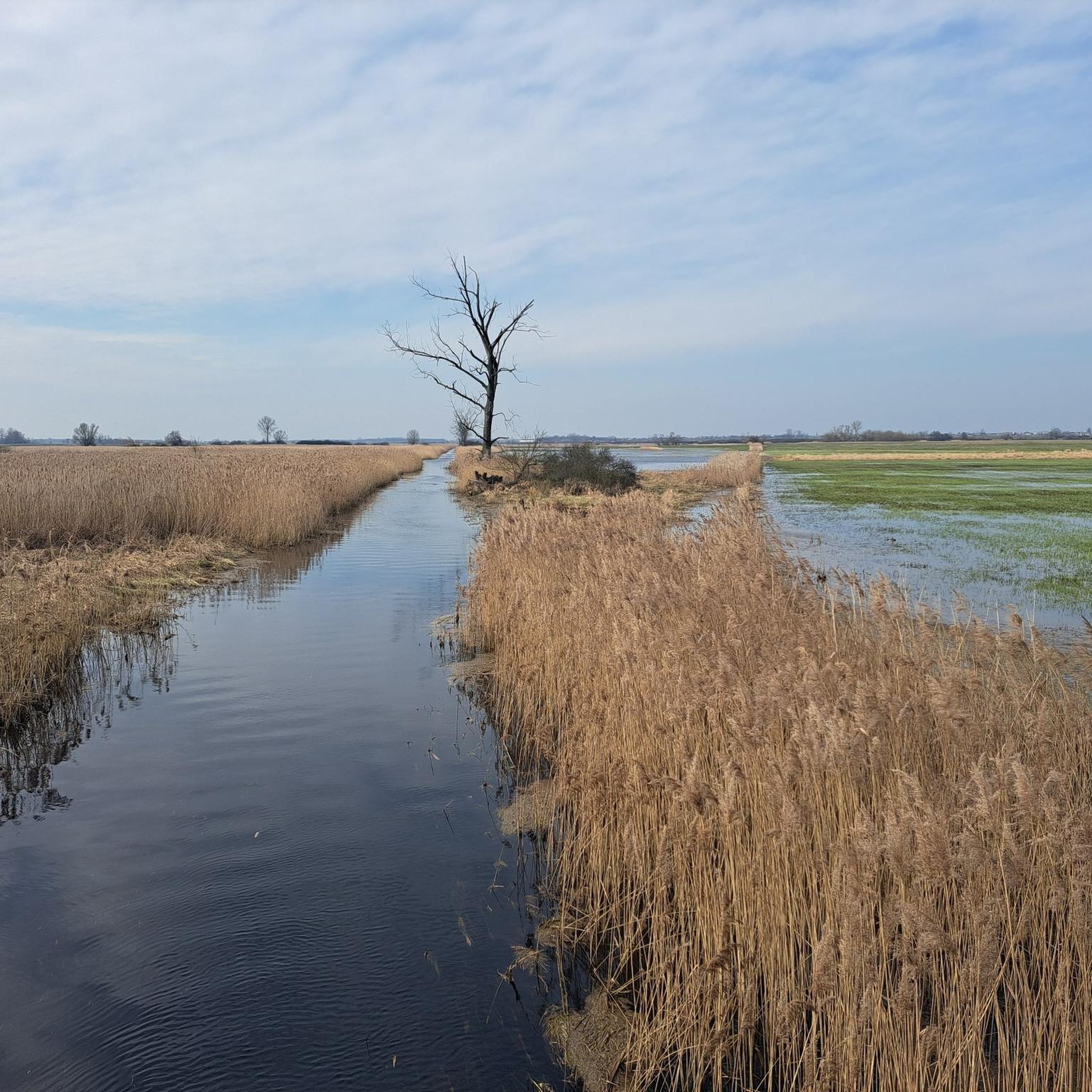
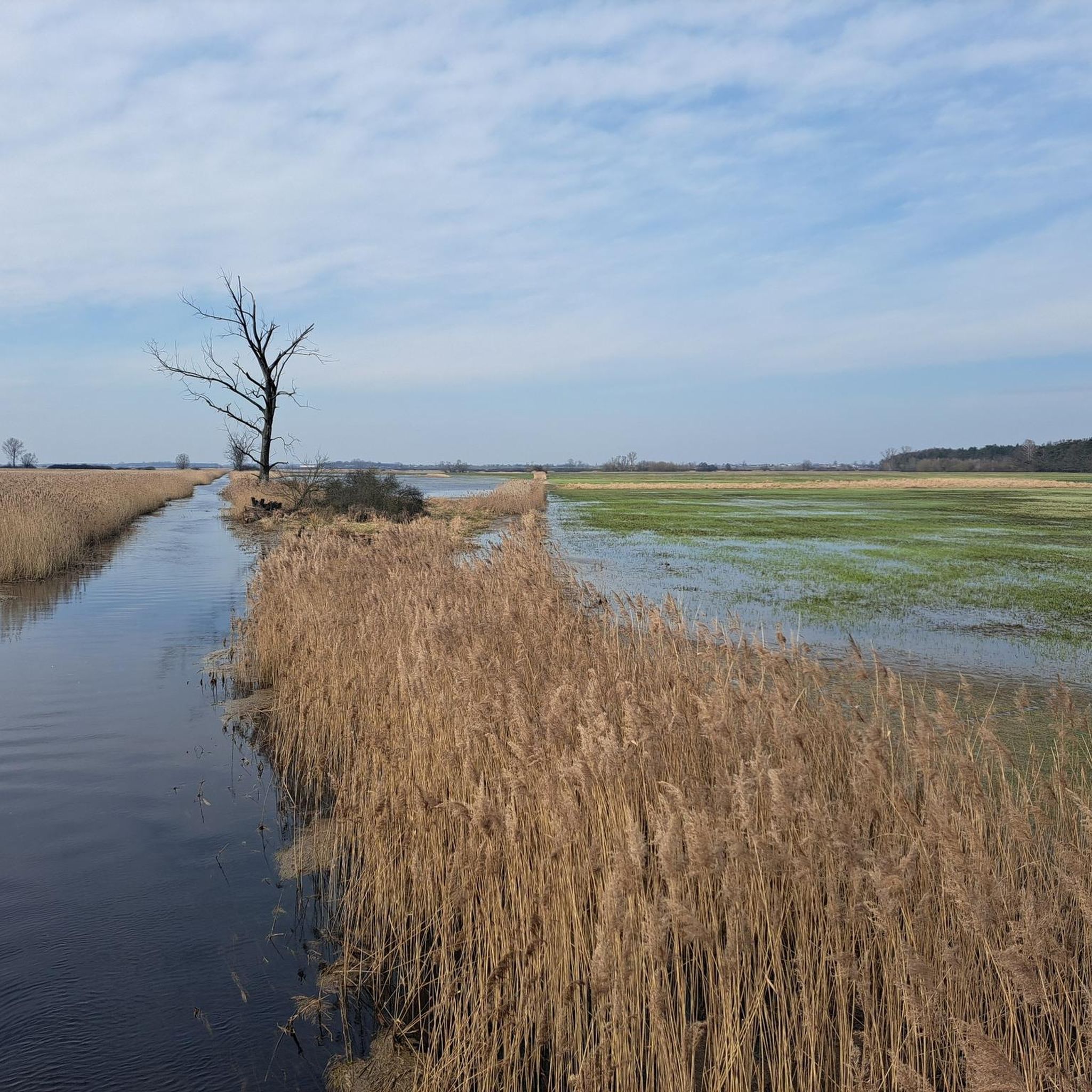
The Natura 2000 Special Protection Area for Birds established in 2012 in central Poland, on the border of the Łódź and Mazovian Voivodeships. It covers an area of 3980.66 ha. It includes small valleys of the Słudwia River and its left tributary Przysowa, located in the Kutno, Łowicz and Gostynin counties. A bird sanctuary has also been established in this area, designated in the IBA nomenclature as sanctuary no. 145, with an area of 3284 ha. The Przysowa Valley (apart from the estuary section to the Słudwia) is also part of the Przysowa Valley Protected Landscape Area. In the northern part of the sanctuary there is the "Szczawińskie Lake" reserve.
0
0
The original parish church of St. Martin mentioned in 1399 was made of wood. The brick church in the Gothic style was built in the first half of the 15th century, and its construction was started before 1425 by Mikołaj Oporowski, the voivode of Łęczyca. The construction was completed by his sons Władysław Oporowski, after taking over the family estate in 1428, Władysław was the bishop of Włocławek from 1434, later the archbishop of Gniezno and primate of Poland, and Piotr Oporowski - the voivode of Łęczyca. The single-nave church with an unseparated presbytery and a burial crypt was built on the plan of an elongated rectangle, with a porch on the southern side. The interior was covered with a wooden ceiling. The modest decoration of the external elevations consisted of white plastered pointed arch panels, a brick frieze made of squared timber crowning the walls of the nave and rhombuses made of zendrówka bricks. The western elevation was most likely crowned with a decorative gable, as evidenced by two half-peaks preserved under the roof by the tower. In 1453, the Oporowskis - Władysław and Piotr donated the church to the Order of St. Paul the First Hermit, the rule of St. Augustine. The motive was the desire to honor the memory of Krystyna and Mikołaj Oporowski's parents, buried in the church's basement. The church building is connected to the monastery building.
0
0
A brick castle in the Gothic style built in the years 1434–1449 by the bishop of Kujawy, Władysław Oporowski. Formerly, it was the centre of the extensive landed estates of the Oporowski family of the Sulima coat of arms. In 2007, it was entered into the State Register of Museums. The beginning of the castle complex was a knight's residential tower, built at the beginning of the 15th century on an artificial island, built in the middle of one of the branches of the Słudwia River. Later, residential buildings were built surrounding a small cobblestone courtyard, defensive walls and a semicircular tower with a chapel on the first floor. The castle is dominated by the north-west corner tower decorated with a Gothic dagger. Despite many reconstructions made in the 17th, 18th and 19th centuries, only minor changes were made. They left behind Renaissance ceilings, Baroque window openings on the first floor, and Classicist stucco. The annex in the courtyard, the so-called "cupboard", as well as the neo-Gothic portal of the entrance gate and the terrace in front of the bridge, date from around 1840. The castle is surrounded by a landscape park established in the first half of the 19th century.
0
0
Frequently Asked Questions
What historical sites can I explore around Pacyna?
The region around Pacyna is rich in history. You can visit Oporów Castle and Park, a Gothic brick castle built in the 15th century. Another significant site is Sanniki Palace, a classicist residence where Fryderyk Chopin once stayed. Don't miss Luszyn Palace and Former State Agricultural Farm, an Italian villa-style palace from the 19th century, or the historic St. Martin's Church and Pauline Monastery in Oporów, dating back to the 15th century.
Are there any natural attractions or scenic viewpoints near Pacyna?
Yes, the Słudwia and Przysowa Valley is a picturesque natural area, designated as a Natura 2000 Special Protection Area for Birds. It's known for its lowland rivers and is a nesting place for many bird species, especially in spring. While Pacyna is largely agricultural, this valley offers beautiful natural scenery.
What kind of outdoor activities can I do around Pacyna?
The area around Pacyna offers various outdoor activities. You can explore numerous running trails, with options like the 'Plaża -ogólnodostępna loop from Koszelówka' or 'Running loop from Zofiówka'. For cyclists, there are MTB trails, including the 'Zdworskie Lake — Small Beach – Górskie Lake loop', and road cycling routes such as the 'Road Along the Vistula loop from Gąbin' or 'Oporów Castle and Park loop'. You can find more details on these routes in the dedicated guides for Running Trails around Pacyna, MTB Trails around Pacyna, and Road Cycling Routes around Pacyna.
Are there family-friendly attractions in the Pacyna area?
Several attractions around Pacyna are suitable for families. Oporów Castle and Park is a great historical site that can engage children. Sanniki Palace and Luszyn Palace also offer interesting historical exploration within their grounds. Additionally, the Słudwia and Przysowa Valley provides opportunities for nature walks and birdwatching. Further afield, the MIEJSKI OGRÓD ZOOLOGICZNY W PŁOCKU and Aquapark Kutno are popular family destinations.
What makes the Oporów Castle and Park a must-see attraction?
Oporów Castle and Park is highly regarded for its excellent preservation. It's a Gothic brick castle built between 1434–1449, surrounded by a beautiful landscape park established in the 19th century. Visitors appreciate the interesting interior exhibitions and the historical significance of the site, which was once the center of the Oporowski family's estates.
What is the significance of Sanniki Palace?
Sanniki Palace is a classicist residence from the late 18th century, notable for its picturesque landscape park. Its historical significance is amplified by the fact that Fryderyk Chopin stayed here in 1828, composing and giving concerts. Today, it houses the Fryderyk Chopin European Artistic Center, hosting cultural events, concerts, and exhibitions.
Are there any religious buildings of historical interest in the area?
Yes, the St. Martin's Church and Pauline Monastery in Oporów is a significant religious site. The brick church, built in the Gothic style in the first half of the 15th century, features interesting fittings and epitaphs. It was donated to the Order of St. Paul the First Hermit in 1453 and is connected to a monastery building.
What is the best time to visit the attractions around Pacyna?
The best time to visit the attractions around Pacyna largely depends on your interests. For enjoying the landscape parks and outdoor activities like cycling or running, spring and summer (May to September) offer pleasant weather. Historical sites like castles and palaces are generally accessible year-round, but the surrounding parks are most vibrant during warmer months. Birdwatching in the Słudwia and Przysowa Valley is particularly rewarding in spring.
What kind of cultural experiences can I find near Pacyna?
Beyond the historical palaces and churches, you can delve into regional culture at the Open-air museum of Łowicz's Folk Culture, located about 21.9 km from Gmina Pacyna. This museum offers insights into the traditional life and heritage of the Łowicz region, providing a unique cultural experience.
Are there any unique or 'hidden gem' attractions worth discovering?
While Pacyna itself is a small rural village, the broader Gmina Pacyna area holds some less-known but interesting spots. The Luszyn Palace and Former State Agricultural Farm, though once a state farm, has been restored and offers a glimpse into a different kind of historical estate. Its Italian villa style and the story of its rebuilding and modernization make it a unique find. The peaceful Słudwia and Przysowa Valley, with its rich birdlife, also offers a tranquil escape for nature lovers.
What do visitors enjoy most about the attractions near Pacyna?
Visitors particularly enjoy the historical depth and preservation of sites like Oporów Castle and Park, appreciating its well-maintained interior exhibitions and picturesque surroundings. The cultural significance of Sanniki Palace, especially its connection to Fryderyk Chopin and its role as an artistic center, is also highly valued. Many also appreciate the peaceful natural beauty of the Słudwia and Przysowa Valley for birdwatching and quiet contemplation.
Most popular routes around Pacyna

Get inspired with the komoot mobile app


Explore more
Still not found the Highlight you’re looking for? See guides of the top attractions in other regions:
