Attractions and Places To See around Baranów - Top 20
Best attractions and places to see around Baranów include a blend of historical sites, religious buildings, and natural features. This region in southeastern Poland is known for its rich history and architectural heritage, particularly its Renaissance castle. Baranów is situated near the Vistula River and offers a variety of landscapes, from historical parks to artificial lakes.
Best attractions and places to see around Baranów
- The most popular attractions is Adam Chelmonski Manor House, a historical site that features a…
Last updated: October 5, 2026
Adam Chełmoński Manor
Highlight • Historical Site
Translated by Google •
Tip by

Old Mill
Highlight • Structure
Translated by Google •
Tip by

Sign up now to discover places like this
Get recommendations on the best single tracks, peaks, & plenty of other exciting outdoor places.
Church of Saints Martyrs John and Paul
Highlight • Religious Site
Showing Translation
Tip by

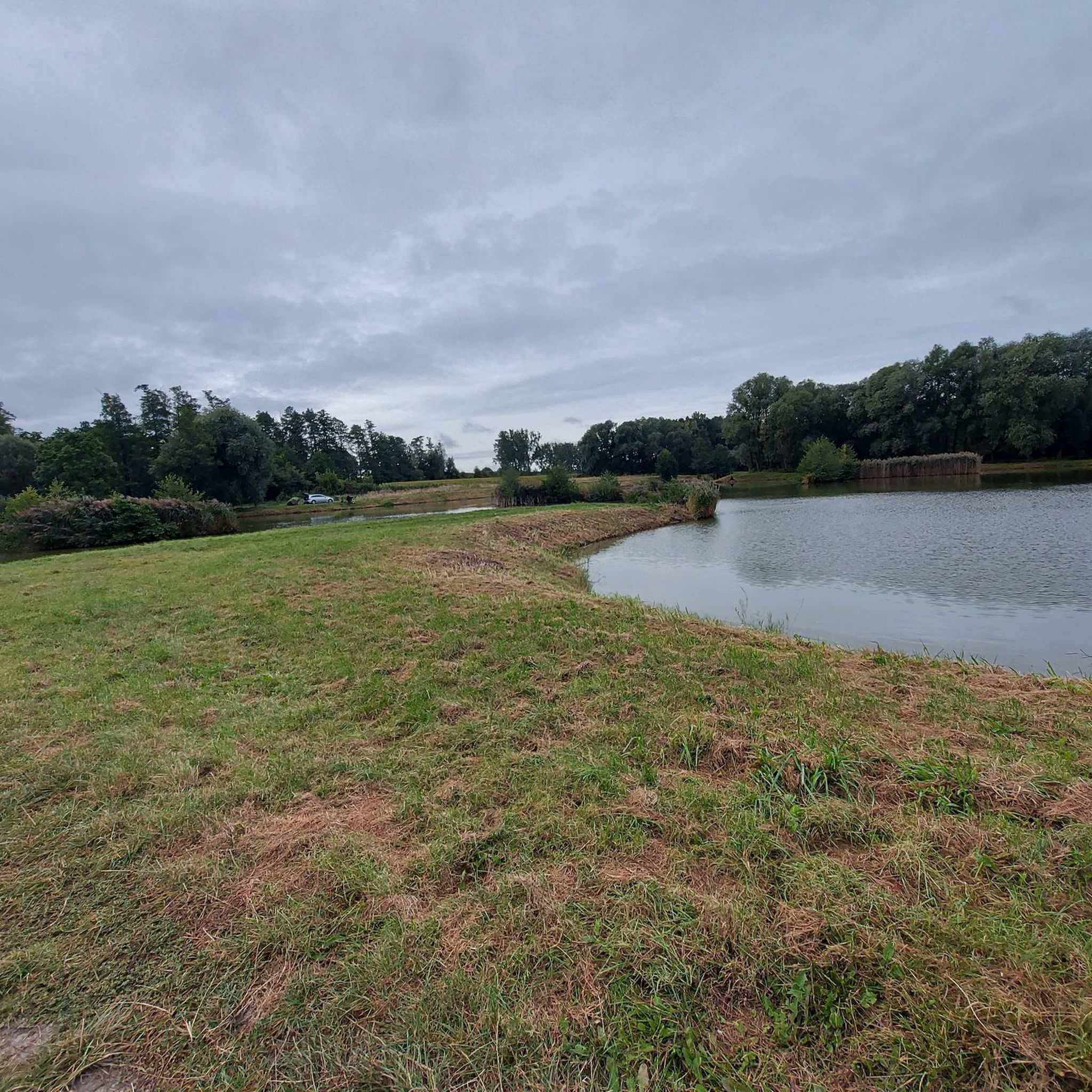
Goliana Ponds
Highlight • Lake
Translated by Google •
Tip by
Nowa Przędzalnia (Lofty de Girarda)
Highlight • Monument
Translated by Google •
Tip by

Sign up for free to discover even more attractions around Baranów.
Already have an account?
Start today with a free account
Your next adventure awaits.

Tips from the Community

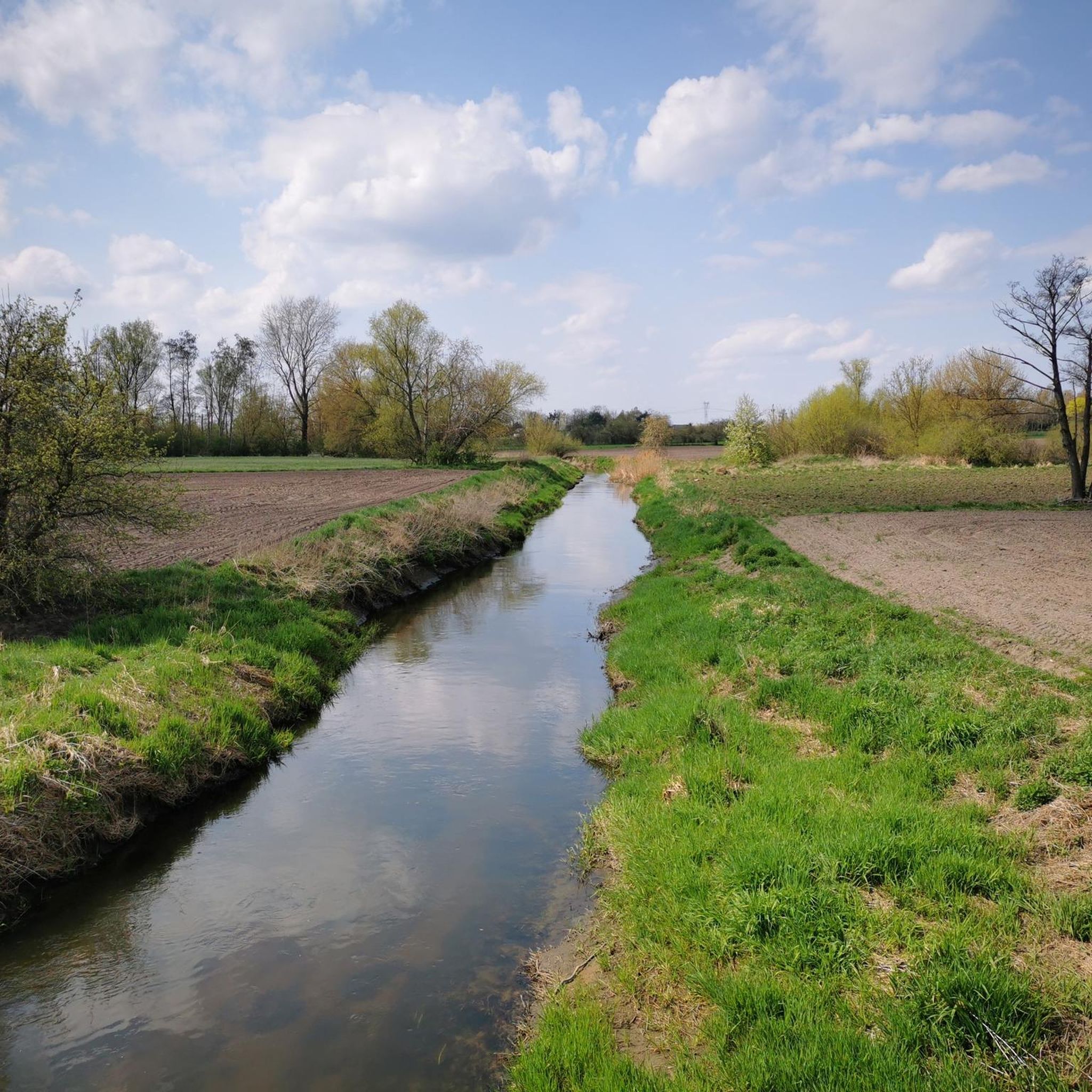
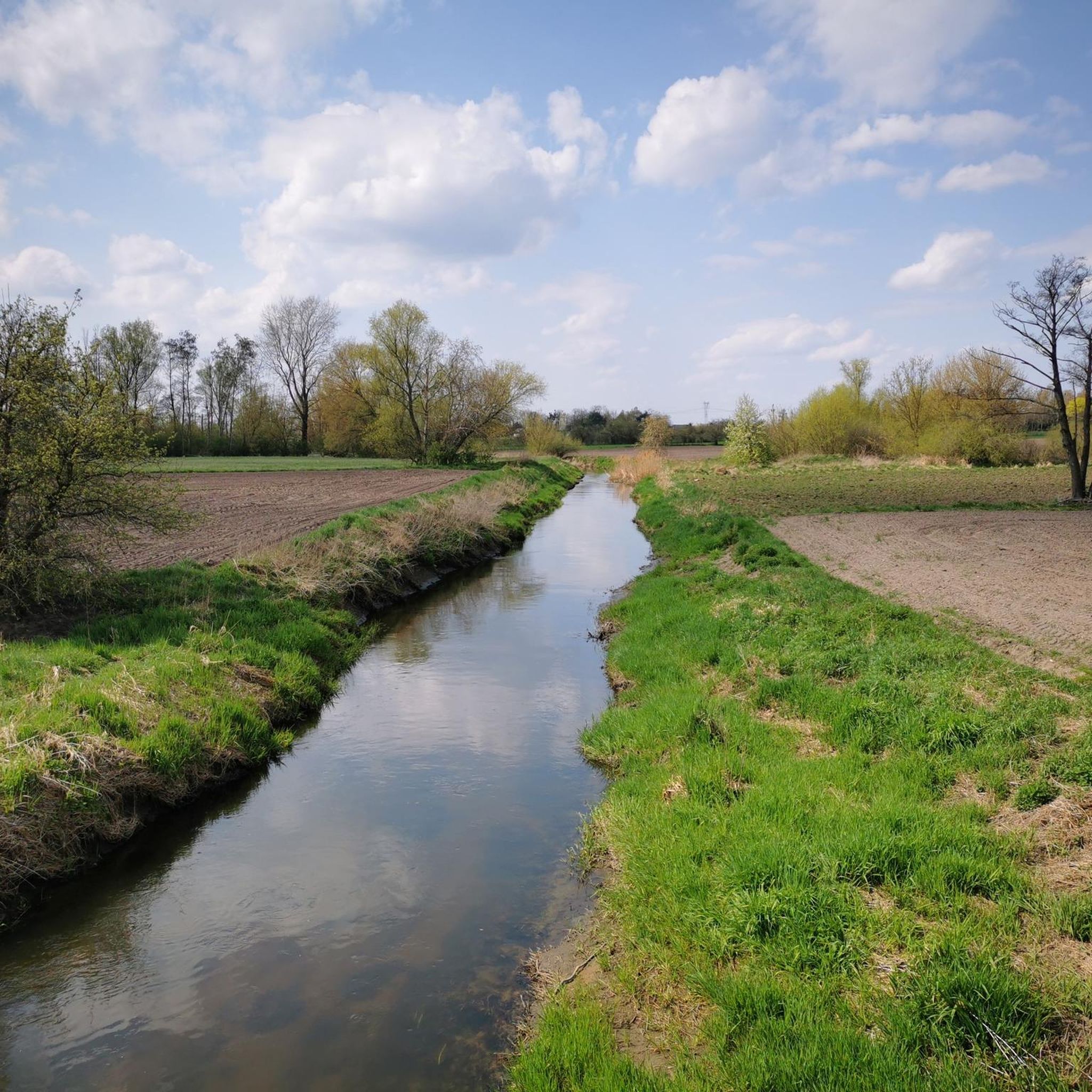
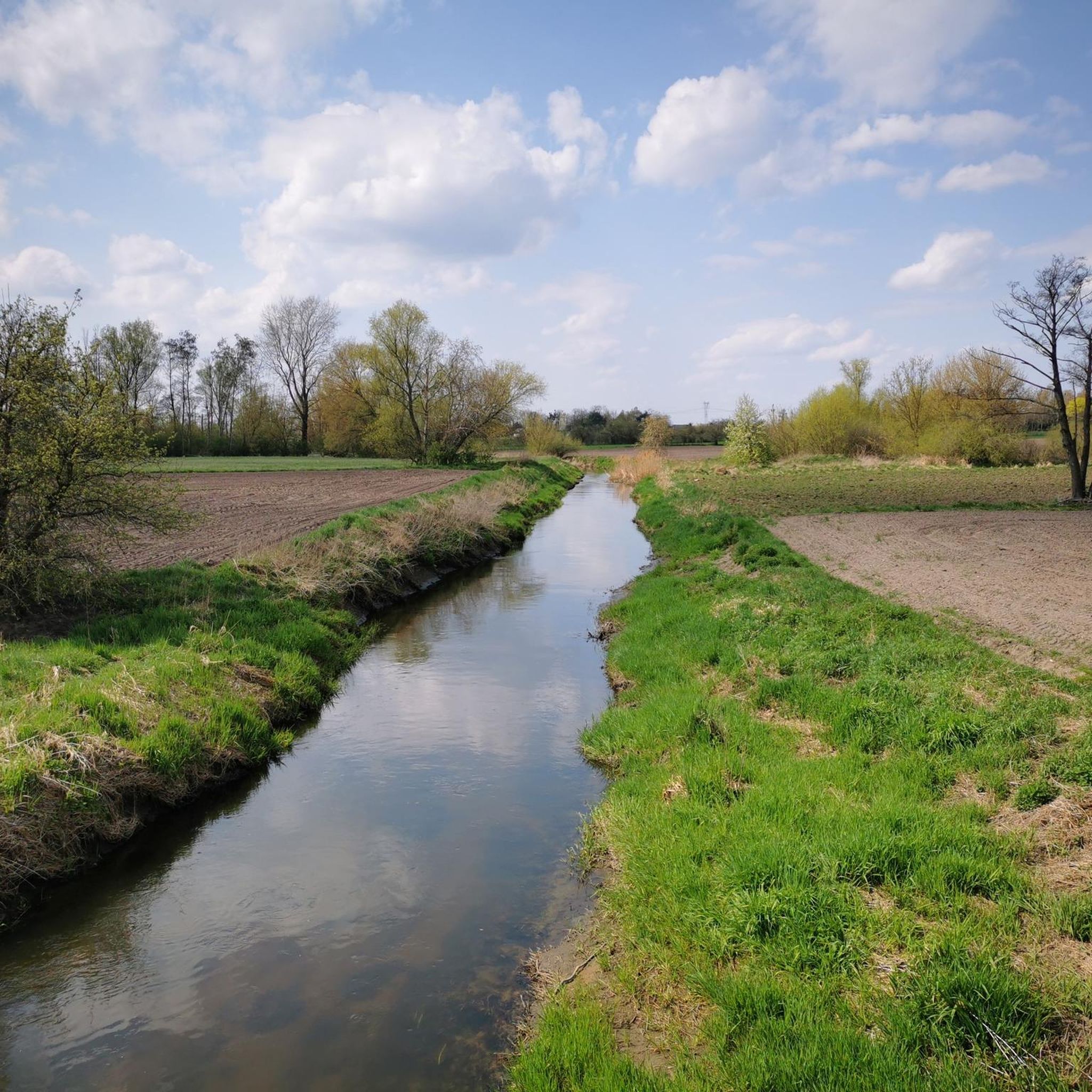
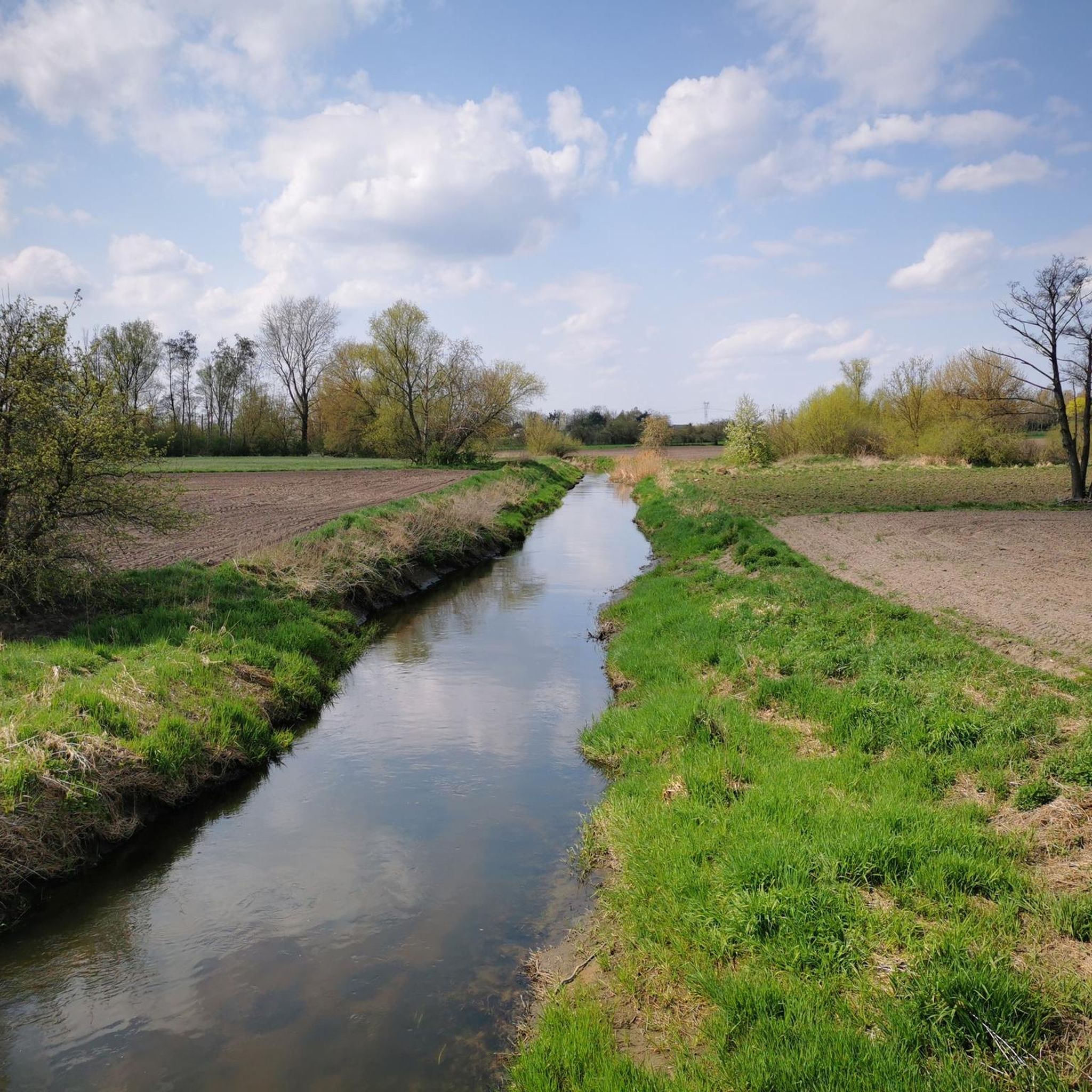
The old water mill in Korytowo is a historic, 19th-century building on the Pisia Gągolina river. Built in the 1870s, it supplied flour for the workers of the developing Żyrardów. Today, it is a picturesque ruin, accessible on local cycling and hiking routes.
0
0

Unfortunately, on a weekday, before noon, the church is closed.
0
0

Dworek and park, a nice place to rest
0
0

I don't know if it's more beautiful inside or out. I've been there several times, and it always makes me stop and go inside.
1
0

Beautiful and quiet place. The area has an interesting sculpture, squeezed between streams and ponds. Interesting history and two manor houses, separated by 40 years. Built by a father and son, famous doctors. I was enchanted by the silence and atmosphere of this place
0
0

The manor house was built around 1930 according to the designs of the architect Witold Pokrowski, commissioned by Dr. Mateusz Chełmoński. In the 1990s, the manor house was owned by Piotr Stefański, the grandson of the founder of the manor house. Wooden and plastered manor house, set on a rectangular plan, with a regular shape, the building set on a stone foundation, single-storey, partially basemented, with a residential attic covered with a mansard roof with slopes covered with ceramic roof tiles. On the slopes of all four elevations there are extensions. On the longitudinal elevations they are topped with triangular gables, on the side elevations they are covered with a pediment roof. The front elevation is composed of 3 wide axes, of which the middle one in the form of a four-column Tuscan portico. On the garden elevation on the axis there is a terrace and a four-column Tuscan portico supporting the balcony of the first floor. The interior layout is two-bay with a hall and a living room on the axis. The whole is composed in a manor style with clear elements of classicism.
0
0
The residential building, rebuilt from a flax spinning mill, was built in 1913 in Żyrardów. It was one of the most modern buildings of the Linen Plant and one of the first in the world made of reinforced concrete, adapted to the loads resulting from the work of several thousand spindles. In order to evenly distribute the stresses and vibrations of the building, the roof structure was loaded with earth, and then plants were planted. There was a fire tank on the roof of the building. The water, which was drawn from the Górny Staw on Pisia Gągolin, was to flood all the floors of the building in turn in the event of a fire. On the top floor, below the fire tank, there were two other huge water tanks used to store water used for flax processing (so-called wet spinners). The water was drawn from a source located on the factory premises. It was the cleanest and healthiest water in Żyrardów.
0
0
Mill on the Pisi River in Korytów. The history of the 3-storey mill is partly connected with Dittrich and Hielle; the then owners of the Żyrardów Plants. They decided to start their own brick production. This was connected with the dynamic development of Żyrardów and the expansion of the factory, as well as the need to provide housing for an increased number of workers and administrative and technical staff. For this purpose, they leased 20 morgas of land from the Krasińskis, where there were rich deposits of high-quality clay, and in 1870 a brickyard was built. The brick from Radziejowice, apart from its good properties, was characterized by a dark red color. It was exported to Russia. The entire Żyrardów factory was built from it, as well as many public utility buildings. Hielle and Dittrich established social relations with Count Krasiński, who willingly hosted wealthy entrepreneurs from Żyrardów. Both parties liked gambling. After winning at cards with Count Krasiński, Dittrich and Hielle became owners of the mill settlements of Koryty and Hamernia, and consequently of the mills. For the exploitation of the forest and the transport of bricks, Żyrardów entrepreneurs built a narrow-gauge railway line Żyrardów - Radziejowice.
2
0
Frequently Asked Questions
What historical sites can I visit in Baranów Sandomierski?
Baranów Sandomierski is rich in history. The most prominent historical site is the magnificent Baranów Sandomierski Castle, often called 'Little Wawel,' a late-Renaissance palace with a museum and picturesque park. You can also explore the historic Rynek (Market Square) and the Parish Church of the Beheading of St. John the Baptist. Other notable historical sites include the Adam Chelmonski Manor House and Adamowizna Manor and Park, both offering a glimpse into the region's gentry life.
What is the significance of the Baranów Sandomierski Castle?
The Baranów Sandomierski Castle is a true 'Pearl of the Polish Renaissance,' built between 1591 and 1606. It's renowned for its architectural beauty, attributed to Santi Gucci, featuring richly decorated attics, side towers, and an arcaded courtyard. The castle houses a historical museum, period furniture, and early Baroque decorations. Its basement also features a permanent exhibition, including one of Europe's largest dugout canoes. For more information, you can visit the Wikipedia page.
Are there any notable religious buildings in the Baranów area?
Yes, the region features several significant religious buildings. The Parish Church of the Beheading of St. John the Baptist is a notable Calvinist church from the early 17th century. You can also visit the Church of Saints John and Paul, Martyrs, in Mikołajew, a brick church built in a classicist style with Baroque influences, featuring three altars and a 19th-century Baroque pulpit. Another important site is the Sanctuary of Our Lady of the Holy Family in Miedniewice, known for its miraculous image and rich history.
What natural attractions can I find around Baranów?
The Baranów area offers several natural points of interest. You can visit the Kopiec (Mound) for great views of the surroundings, or the 500th Anniversary of Grunwald Mound. The Baranów Sandomierski Castle Park provides a beautiful green space. Just 6 km away, Jezioro Tarnobrzeskie (Tarnobrzeg Lake), created from a former sulfur mine, offers a sandy beach with amenities. The region is also located within the former Sandomierz Forest, home to natural monuments and rare animal species. Additionally, the Goliana Ponds offer a pleasant spot for a short stop or rest.
Are there family-friendly attractions in Baranów?
Many attractions in Baranów are suitable for families. The Baranów Sandomierski Castle, with its museum and surrounding park, offers an engaging historical experience. The Kopiec (Mound) is a popular spot for families to enjoy views. The Adamowizna Manor and Park is an oasis for walkers and cyclists, hosting cultural events and family picnics. The Jezioro Tarnobrzeskie (Tarnobrzeg Lake) provides a sandy beach for recreation. The Goliana Ponds also offer recreational and sports areas.
What outdoor activities can I do near Baranów's attractions?
The area around Baranów is great for outdoor activities. You can find various routes for hiking and cycling. For easy walks, explore guides like Easy hikes around Baranów, which includes routes like the Zalew Żyrardowski Beach loop. If you're into mountain biking, check out MTB Trails around Baranów, featuring routes like the Bolimowski Reservoir loop. More general hiking options are available in Hiking around Baranów.
What do visitors enjoy most about the attractions around Baranów?
Visitors particularly appreciate the blend of historical richness and natural beauty. The historical sites, such as the Adam Chelmonski Manor House and Adamowizna Manor and Park, are valued for their picturesque settings and peaceful atmosphere. Natural spots like the Goliana Ponds are noted as good places for a short stop or rest. The architectural details of religious buildings like the Church of Saints John and Paul, Martyrs, in Mikołajew also receive positive feedback.
Are there any hidden gems or less-known spots worth visiting in Baranów?
Beyond the main castle, consider exploring the Kaplica cmentarna (Cemetery Chapel) and the Kaplica Dobrego Pasterza (Chapel of the Good Shepherd) for their unique architecture and peaceful surroundings. The Amfiteatr (Amphitheater) in a local park also hosts various events. For a unique natural feature, seek out the 11 natural monuments (trees of remarkable size) within the former Sandomierz Forest area.
What is the best time to visit Baranów Sandomierski for outdoor activities?
The best time to visit Baranów Sandomierski for outdoor activities is generally during the spring (April-June) and autumn (September-October) months. During these periods, the weather is typically mild and pleasant for hiking, cycling, and exploring the natural landscapes and castle grounds. Summer (July-August) is also popular, especially for enjoying Jezioro Tarnobrzeskie, but can be warmer.
Is there parking available at the main attractions in Baranów?
Yes, parking is generally available at the main attractions. For instance, the Baranów Sandomierski Castle has designated parking facilities for visitors. The Adamowizna Manor and Park also offers parking. For smaller sites or specific trails, it's advisable to check local signage or information upon arrival.
Can I find places to eat or stay near the attractions?
Yes, the Baranów Sandomierski Castle itself houses a hotel and conference center, offering accommodation and dining options. The town's Rynek (Market Square) is a good place to find local eateries and cafes. For a wider selection of accommodation and dining, you might consider nearby towns or check local listings for guesthouses and restaurants in the Baranów area.
Most popular attractions around Baranów

Get inspired with the komoot mobile app


Explore more
Still not found the Highlight you’re looking for? See guides of the top attractions in other regions:
