The best cycling routes around Platerów
4.7
(133)
578
riders
76
rides
Touring cycling routes around Platerów traverse a landscape characterized by tranquil countryside, the scenic Bug River, and protected natural areas. The region offers varied terrain, including mostly paved surfaces with segments of unpaved paths and forest tracks. Cyclists can explore charming towns and historic sites, providing a diverse experience through rural Poland.
Best touring cycling routes around Platerów
- The most popular touring cycling route is Church of St. Nicholas – Przekop Nature Reserve loop from Sarnaki, a 39.5 miles (63.5 km) trail that takes 3 hours 56 minutes to complete. This moderate route leads through the protected Przekop Nature Reserve.
- Another top favourite among local touring cyclists is Bridge Over the Bug River – Bug River Observation Tower loop from Zajęczniki, a moderate 26.2 miles (42.1 km) path. This route offers views of the Bug River and includes an observation tower.
- Local touring cyclists also love the V-2 Rocket Monument in Sarnaki – Tourist Shelter loop from Sarnaki, a 15.6 miles (25.1 km) trail leading through a historic area, often completed in about 1 hour 27 minutes.
- Touring cycling around Platerów is defined by the tranquil countryside, the Bug River, and nature reserves, with varied terrain including paved roads and unpaved tracks. The network offers options for easy, moderate, and difficult ability levels.
- The routes in Platerów are highly rated by the komoot community with an average score of 4.6 stars from over 100 reviews. More than 500 touring cyclists have used komoot to explore Platerów's varied terrain.
Last updated: May 7, 2026
4.8
(13)
38
riders
63.9km
04:02
290m
290m
Moderate bike ride. Good fitness required. Mostly paved surfaces. Suitable for all skill levels.
5.0
(1)
11
riders
65.7km
03:57
250m
250m
Moderate bike ride. Good fitness required. Mostly paved surfaces. Suitable for all skill levels.

Sign up for free
5.0
(2)
12
riders
84.8km
05:11
370m
370m
Hard bike ride. Very good fitness required. Mostly paved surfaces. Suitable for all skill levels.
9
riders
25.1km
01:27
100m
100m
Easy bike ride. Great for any fitness level. Mostly paved surfaces. Suitable for all skill levels.
5.0
(1)
9
riders
29.1km
01:43
110m
110m
Easy bike ride. Great for any fitness level. Mostly paved surfaces. Suitable for all skill levels.
Get access to more routes and recommendations from other explorers.
Sign up for free
Already have an account?
Our route recommendations are based on thousands of hikes, rides, and runs completed by other people on komoot.
Start today with a free account
Your next adventure awaits.
Login or Signup
Tips from the Community

The Church of St. Nicholas is an Orthodox parish church in Drohiczyn. It belongs to the Siemiatycze deanery of the Warsaw-Bielsko diocese of the Polish Autocephalous Orthodox Church. The church is located on the market square – Tadeusz Kościuszko Square. The church represents a classicist style. Built in 1792, funded by Konstancja née Kuczyńska and Jakub Ciecierski, it was dedicated to St. Nicholas, a Uniate church for the Basilian monastery. After the Uniate parish church (also dedicated to St. Nicholas) burned down in 1806, services were moved here. In 1826, it was handed over to the Uniate secular clergy. In 1839, following the Synod of Polotsk, the church was seized from the Uniates and placed under the jurisdiction of the Orthodox Church by the Russian partitioning authorities. After the fall of the January Uprising, the church was rebuilt around 1870 to give it a more Orthodox appearance. As a result, the exterior was topped with three additional onion-shaped bell towers, while the interior was modified and a new interior was created, including by removing the side altars, organs, and pulpit.
1
0
Franciscan Church in Drohiczyn, dedicated to the Assumption of the Blessed Virgin Mary – according to the monastery tradition recorded in 1797 by Father Karol Gaudenty Żero (1743–1802) in his work entitled "Fenix de pulveribus resuscitatus svaviter suam candit modulenam," the Franciscan convent in Drohiczyn was founded by Mikołaj Nassuta, mentioned in 1430 as the starost of Drohiczyn. The monks are said to have settled on a square known as "Narożnik" (Corner). The first endowments for the monks were confirmed in 1407 by Duke Witold Kiejstutowicz, who also provided offerings from the castle. During the reign of Janusz I the Elder, Duke of Mazovia, a wooden monastery and church dedicated to the Assumption of the Blessed Virgin Mary were built in 1409. In 1451, the guardian was Father Jan of Ruda, and in 1470, Father Szymon of Kraków. In the years 1460–1470, funds for the monastery were donated by, among others, the Drohicz court assessor Maciej Miłkowski (d. ca. 1478) and his wife Katarzyna. The Franciscan monastery was burned down by dissenters in 1583, and around 1595, the wooden church burned down. In 1595–1596, it was rebuilt thanks to the efforts of Father Mateusz Studziński, guardian, but in 1601, both buildings were destroyed by fire again. Another wooden Franciscan church was built in 1615 through the efforts of the guardian, Father Bartłomiej Klucziata vel Klimczata, and consecrated on October 4, 1618, by the titular bishop of Argivensis and suffragan of Lutsk, Father Stanisław Udrzycki (d. 1621). During this period, a new monastery building was constructed. In 1657, during the Swedish Deluge, following Misericordiae Sunday, the monastery was destroyed again, and several monks were murdered by Cossack, Transylvanian, and Swedish troops commanded by Magnus Gabriel de La Gardie.
1
0
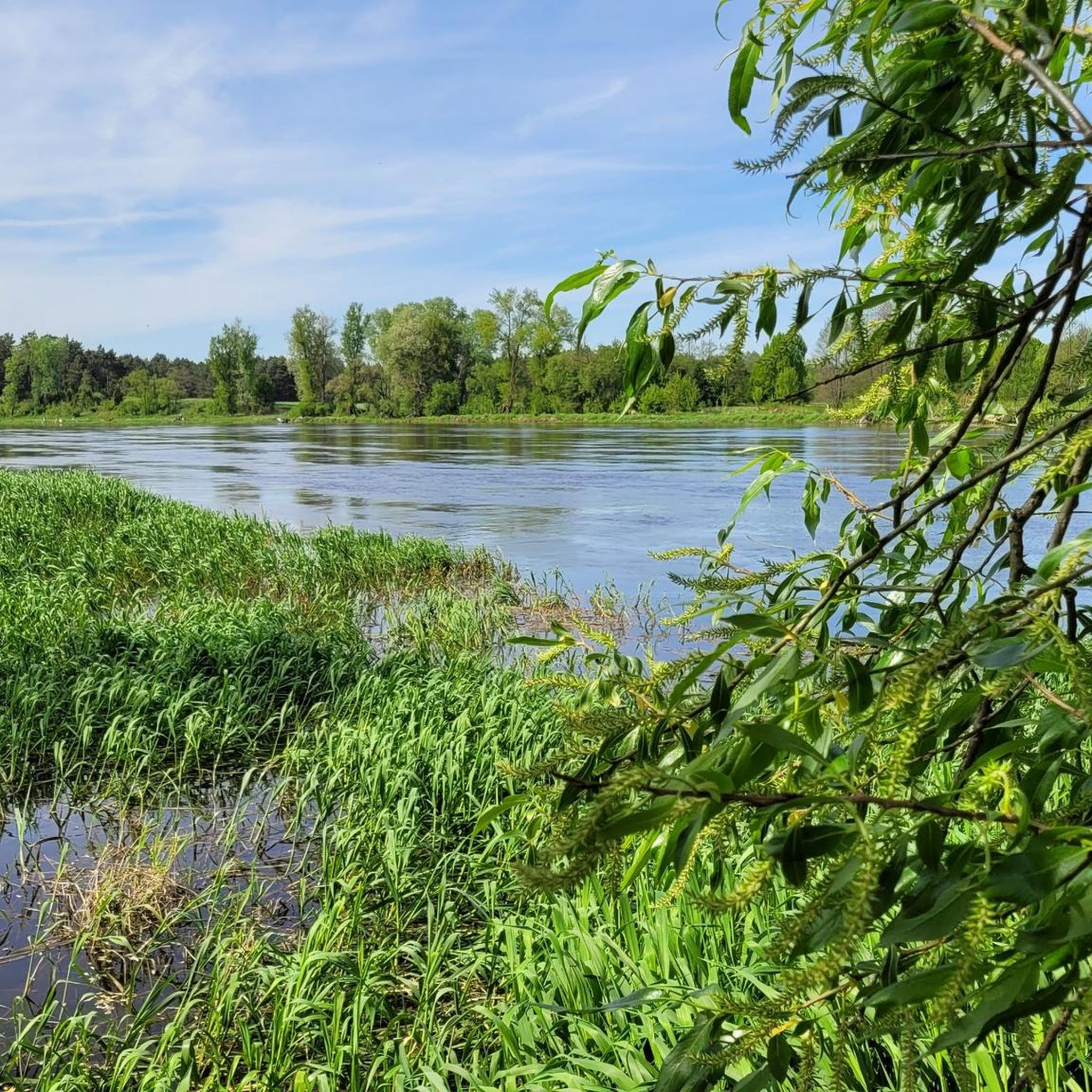
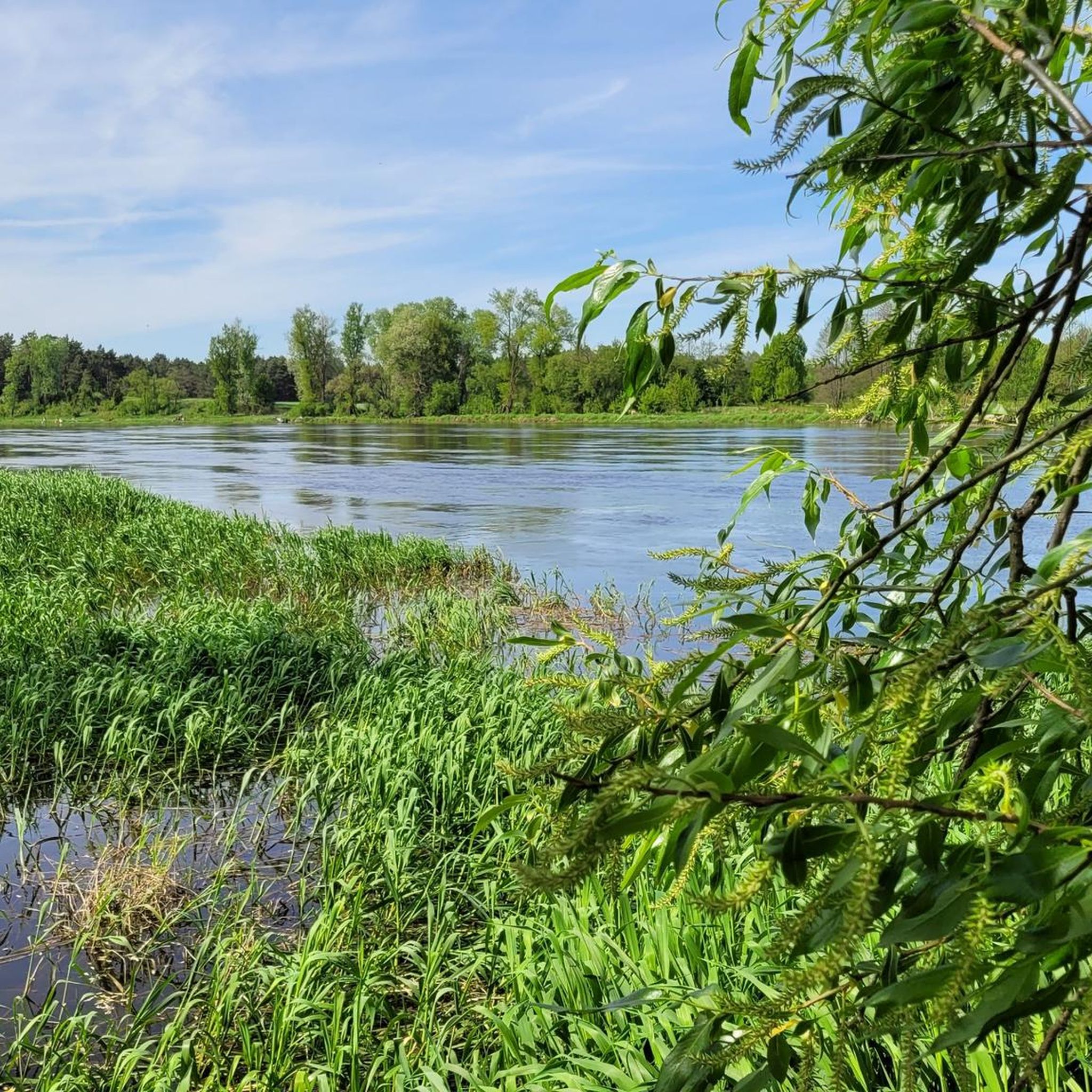
View of the Bug River and the beach in Drohiczyn
1
0
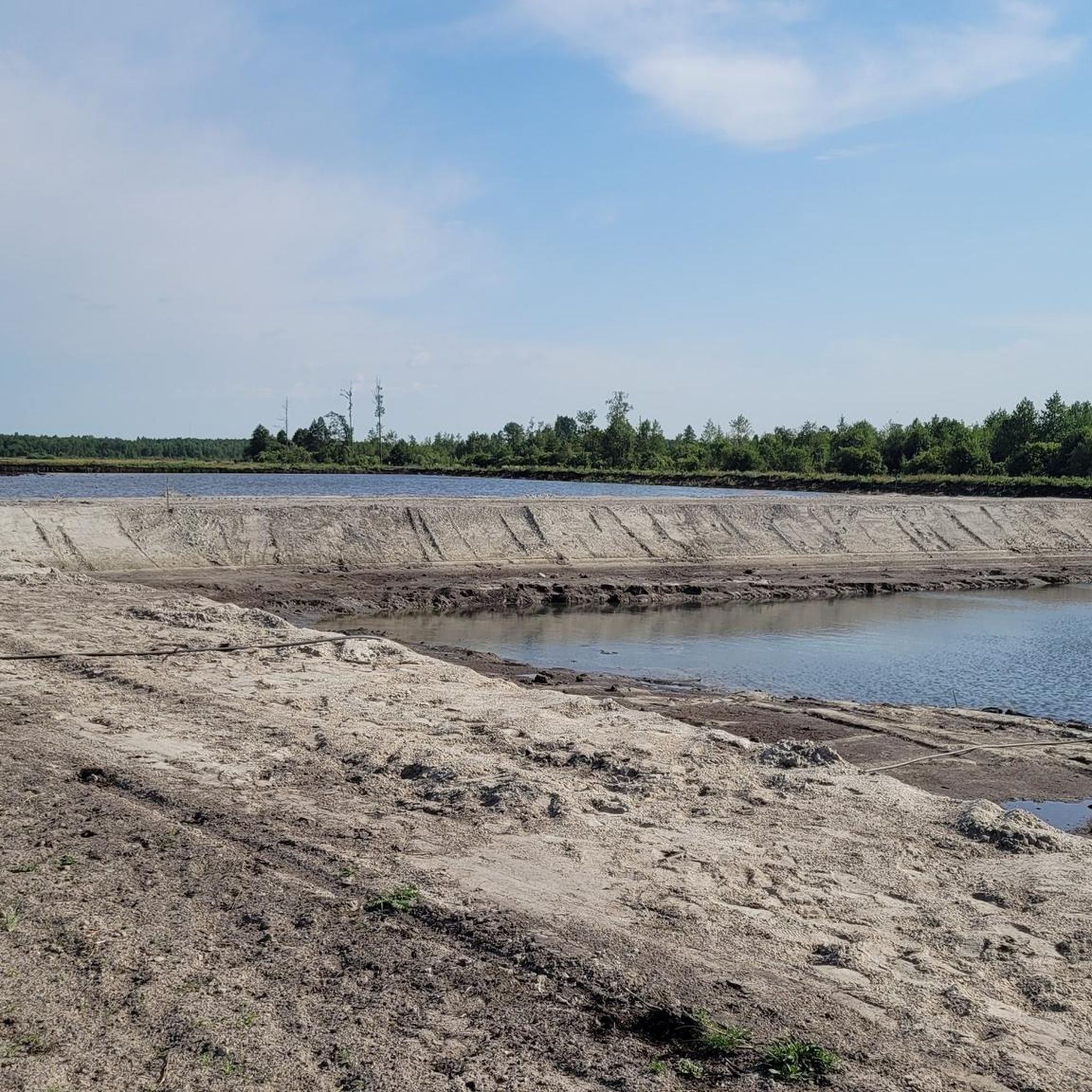
a forest nature reserve established in 1964 with an area of 21.08 ha
1
0
The Bużyska-Drohiczyn hand-car ferry, a unique vantage point on the Bug River! This is a unique way to get away from the main roads and take a few extra minutes to admire the beauty of nature from the middle of the river. Unforgettable views guaranteed!
1
0
A settlement. Near the bridge over the Toczna River, an old water mill from 1935 stands here. Originally, a wooden mill belonged to the estate of Count Ostrowski of Korczew. After him, the mill was taken over by Aleksander Mincewicz, a native of Drohiczyn and from a family with a long milling tradition. A few years before the war, he completed the construction of a brick mill in Drażniewo, which was blown up by retreating Germans during the war. Aleksander rebuilt the mill after the war and, despite harassment from the communist authorities, ran it until 1965. Since 2009, the settlement has been run by Anna and Marcin Wawrzyński.
1
0

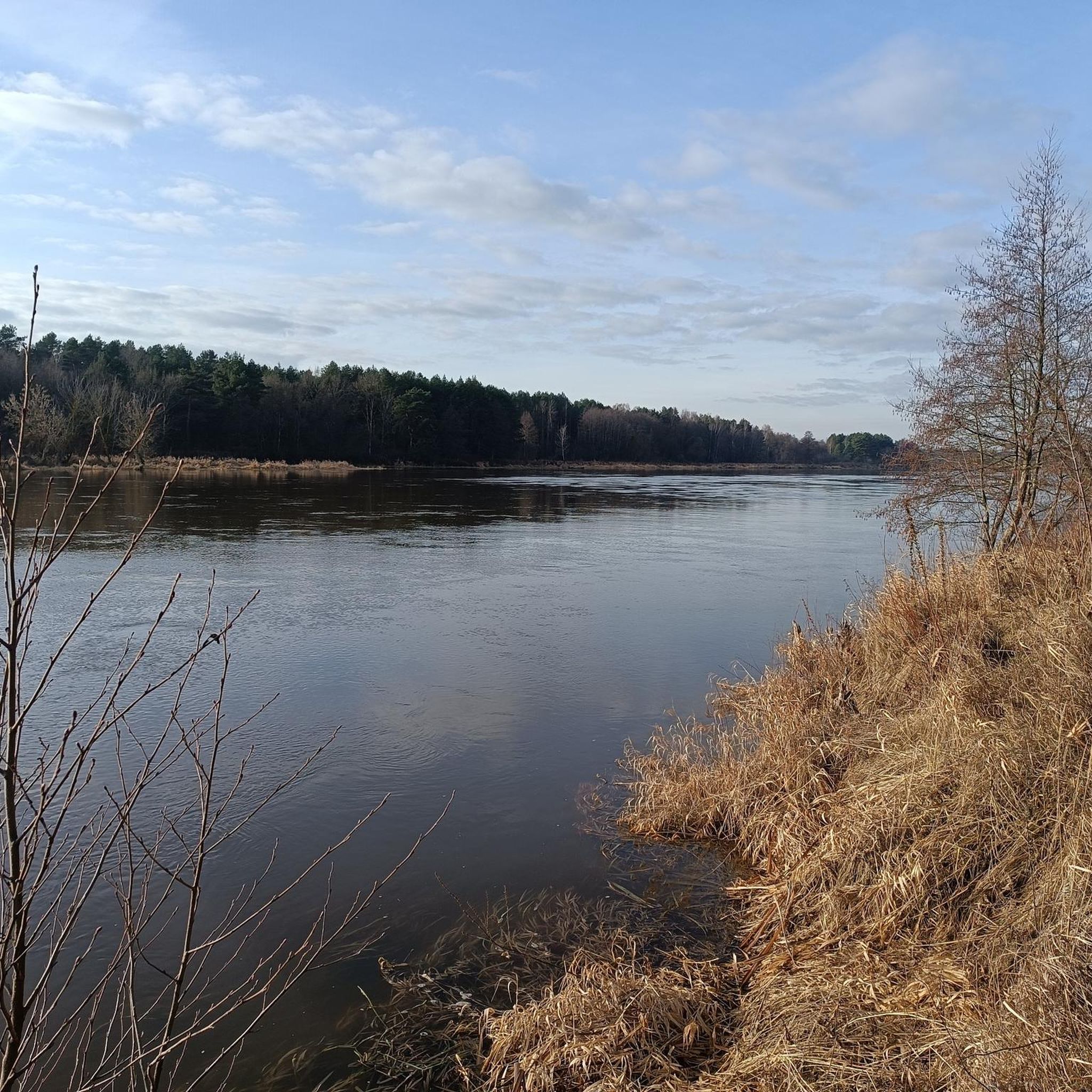
For me, the worst tower on the Bug that I have ever visited. I was there in May, the river is almost invisible, from every side "only trees". However, the roads leading to it compensated me with their charms for the disappointment with the tower.
0
0

Next to the tower there is a large, decent shelter with a place to rest, and from the tower itself there are beautiful views of the Bug River sands.
0
0
Frequently Asked Questions
What kind of terrain can I expect on touring cycling routes around Platerów?
The touring cycling routes around Platerów feature varied terrain. You can expect mostly paved surfaces, but some segments include unpaved paths and forest tracks, offering a diverse experience through rural Poland.
Are there touring cycling routes suitable for all skill levels in Platerów?
Yes, Platerów offers a range of touring cycling routes catering to different abilities. There are approximately 40 easy routes for beginners, around 28 moderate routes, and a few more challenging options for experienced cyclists.
What natural attractions can I see along the touring cycling routes?
Many routes offer views of the picturesque Bug River, a central natural feature of the region. You can also cycle along the edges of the Przekop Nature Reserve, a preserved forest environment rich in local wildlife and diverse flora. Some routes, like the Bridge Over the Bug River – Bug River Observation Tower loop from Zajęczniki, lead to an observation tower with panoramic views of the Bug River.
Are there any family-friendly touring cycling routes in Platerów?
For families or those seeking an easier ride, the V-2 Rocket Monument in Sarnaki – Tourist Shelter loop from Sarnaki is an excellent choice. This route is 15.6 miles (25.1 km) long, mostly paved, and accessible for cyclists of all fitness levels, leading through a historic area.
Can I find circular touring cycling routes in the Platerów area?
Yes, many touring cycling routes in Platerów are designed as loops, allowing you to start and end in the same location. An example is the Bug River Near Drohiczyn – Bridge Over the Bug River loop from Wólka Nadbużna, which offers scenic views of the Bug River.
What are some notable landmarks or historical sites accessible by bike?
You can explore various points of interest. The V-2 Rocket Monument in Sarnaki – Tourist Shelter loop from Sarnaki takes you through a historic area. Other highlights in the region include the Korczew Palace, the Church of St. Nicholas, and the Landowners’ Museum in Dąbrowa.
What is the best time of year for touring cycling in Platerów?
The best time for touring cycling in Platerów is generally during the warmer months, from spring to early autumn, when the weather is pleasant and the natural landscapes are at their most vibrant. This allows for comfortable exploration of the Bug River and nature reserves.
Are there any unique experiences on the touring cycling routes?
Yes, some routes near Drohiczyn offer a unique experience with a hand-car ferry across the Bug River. This provides a charming and scenic way to cross the river, enhancing the touring experience and offering unique views.
Can I bring my dog on the touring cycling routes in Platerów?
While many outdoor areas in Poland are dog-friendly, it's always advisable to keep dogs on a leash, especially when cycling near nature reserves like Przekop, to protect local wildlife and ensure their safety. Check local regulations for specific areas.
Are there places to eat or find accommodation near the cycling routes?
The towns of Platerów, Sarnaki, and Drohiczyn, which serve as common starting points or pass-throughs for many routes, offer various amenities including cafes, pubs, and grocery stores where you can refuel and find refreshments. Accommodation options are also available in these towns.
Do I need any special permits to cycle through nature reserves like Przekop?
Generally, cycling on marked trails within nature reserves like Przekop Nature Reserve is permitted. However, it's always recommended to check for any specific local regulations or signage at the entrance of the reserve regarding cycling permits or restrictions to ensure compliance.
What do other touring cyclists enjoy most about cycling in Platerów?
The area is highly rated by the komoot community, with an average score of 4.6 stars from over 100 reviews. Reviewers often praise the tranquil countryside, the scenic Bug River, and the well-maintained paths that offer a diverse and enjoyable cycling experience.
Most popular attractions around Platerów

Get inspired with the komoot mobile app


Explore more
Browse the best Cycling routes in other regions.
