Top 20 Castles around Künzelsau
Castles around Künzelsau are situated in the Hohenlohe district of Baden-Württemberg, Germany, a region known for its historical significance and varied landscapes. The area features the Kochertal valley and mountain spurs, providing elevated positions for many historical structures. This setting offers a blend of cultural heritage and natural scenery for exploration.
Best castles around Künzelsau
- The most popular castles is Lichteneck Castle Ruins, a castle that offers a wonderful view of the Kocher Valley. Built around 1250, it provides…
Last updated: September 26, 2026
Bartenau Castle
Highlight • Castle
Showing Translation
Tip by

Neuenstein Castle
Highlight • Castle
Translated by Google •
Tip by

Sign up now to discover places like this
Get recommendations on the best single tracks, peaks, & plenty of other exciting outdoor places.
Langenburg Castle
Highlight • Castle
Translated by Google •
Tip by

Lichteneck Castle Ruins
Highlight • Castle
Translated by Google •
Tip by
Waldenburg Castle and Historic Old Town
Highlight • Castle
Translated by Google •
Tip by

Sign up for free to discover even more castles around Künzelsau.
Already have an account?
Start today with a free account
Your next adventure awaits.
Popular around Künzelsau
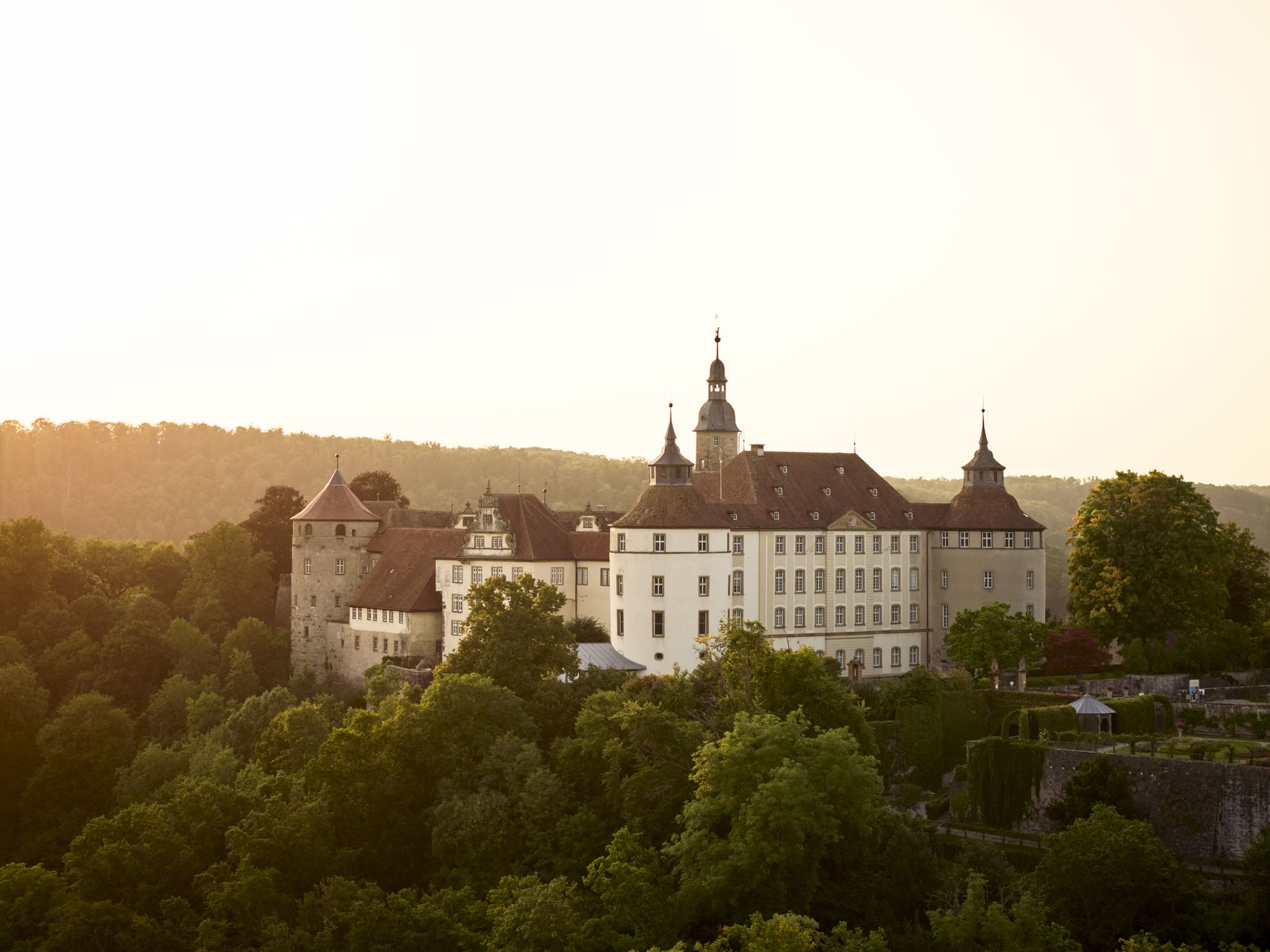
Where castles reign and palaces shine – cycling in the Süden ganz oben
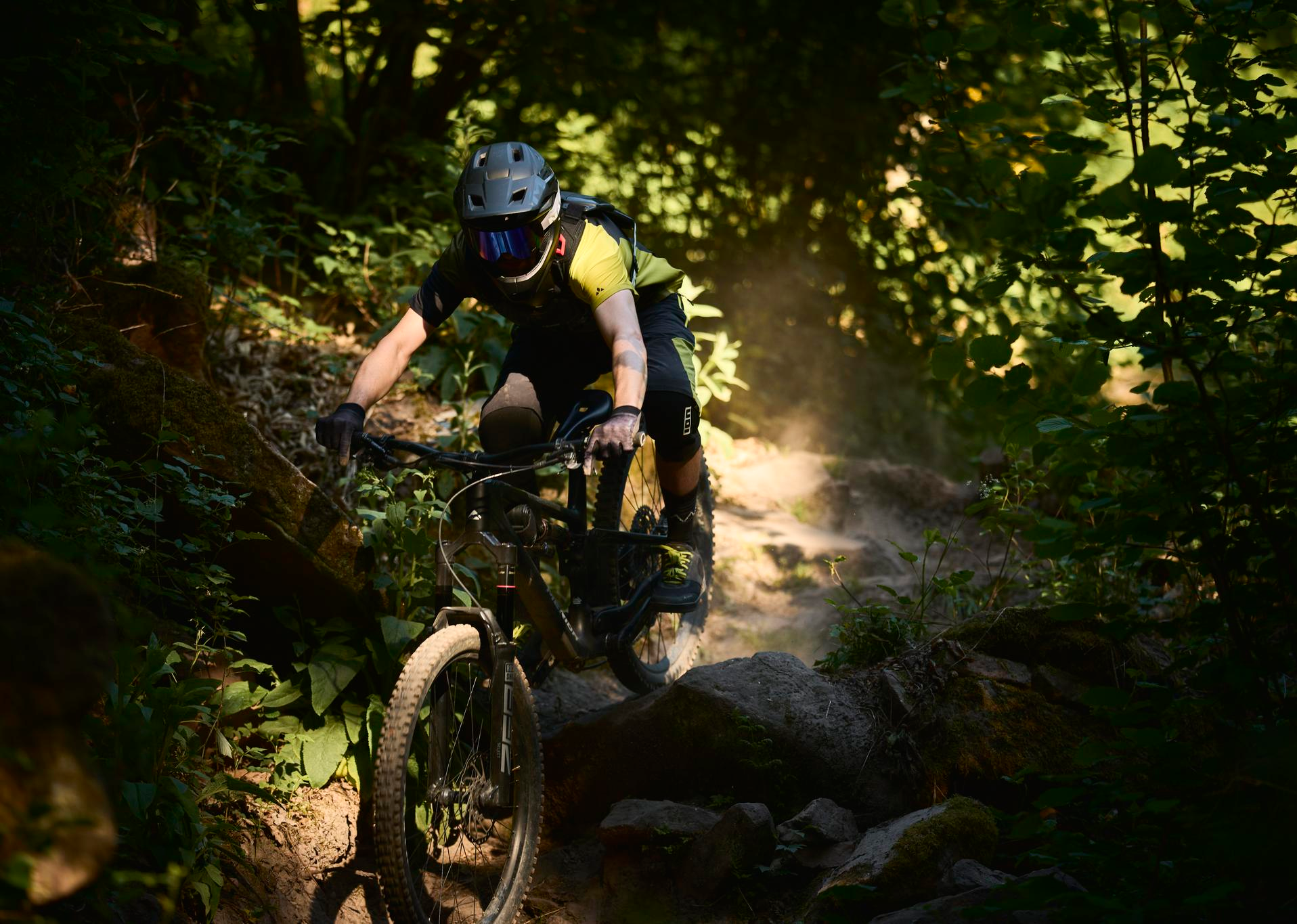
MTB, gravel and bikepacking in the Süden ganz oben
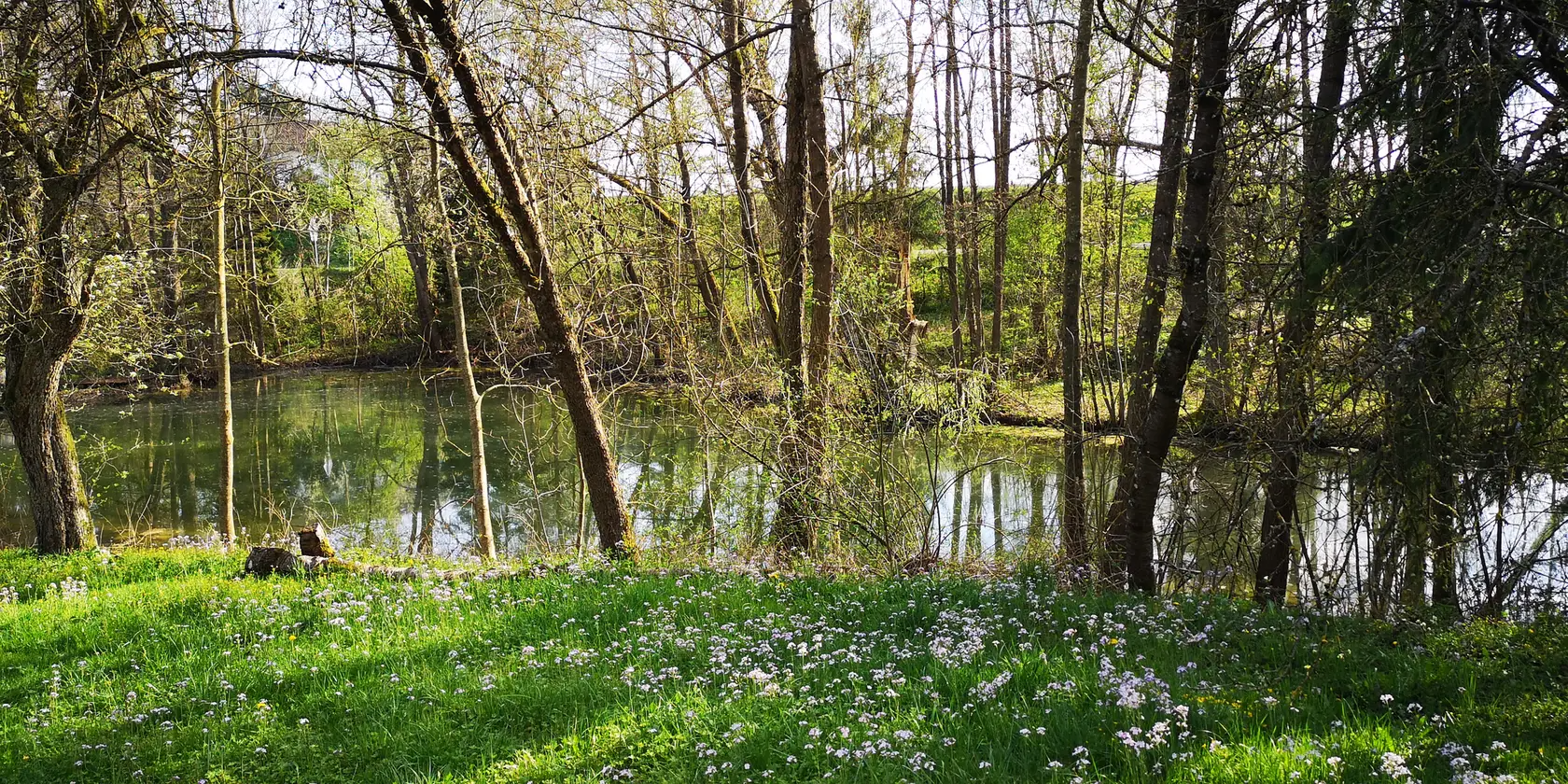
Aktiv in die längeren Tage – Frühlingsradeln im Norden Baden-Württembergs
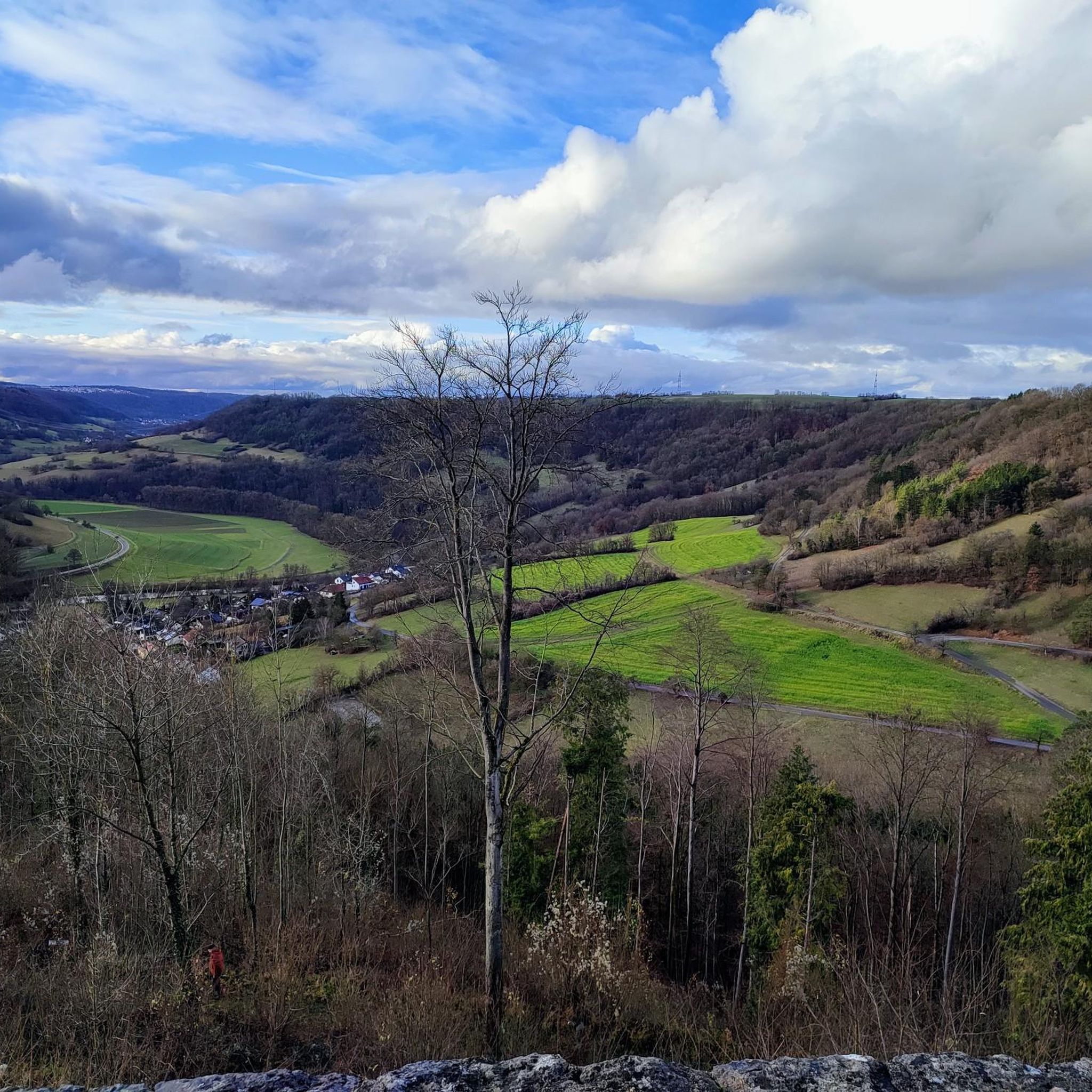
Cycling around Künzelsau
Road Cycling Routes around Künzelsau
Hiking around Künzelsau
Running Trails around Künzelsau
MTB Trails around Künzelsau
Gravel biking around Künzelsau
Other adventures around Künzelsau


Tips from the Community

Discovered Burg Waldenburg while cycling
0
0

The castle was built between 1679 and 1691 on the site of a medieval moated castle as a four-wing complex by Count Johann Ludwig von Hohenlohe-Künzelsau. From 1679 to 1868 it was a residence of the House of Hohenlohe and from 1873 to 1934 a teachers' seminary. From 1937 to 1939 the building was completely rebuilt and today houses a state gymnasium with a boarding school.
4
0

Around Waldenburg Castle and through the historic old town, you'll find cobblestones, ancient walls, and narrow, atmospheric alleyways. From the walls and squares surrounding the castle, sweeping views open up across the Hohenlohe Plain – a perfect blend of history, architecture, and panorama, and a must-see on any tour around Waldenburg.
6
0

Due to its east orientation a good spot for a sunset
0
0
Around 1250, Kraft von Boxberg built Lichteneck Castle, which was presumably destroyed by lightning in the mid-15th century. Today, one can enjoy a wonderful view of the Kocher Valley from here.
6
0
The moated castle in the heart of the town of Neuenstein, dating back to the Staufer period in the 12th century, was once a residence of the Princes of Hohenlohe-Öhringen. Around 1550 it was expanded into an impressive Renaissance residence. Since around 1700 the castle has no longer served as the residence of the House of Hohenlohe, but was used for various other purposes until the Hohenlohe Museum was opened there in 1878.
5
0

There is always something going on here because of the car museum
4
0

Bartenau Castle is a castle in Künzelsau in the north-east of Baden-Württemberg. The noble family of Stein is documented in Künzelsau from the 11th century. After they died out, their relatives, such as the Lords of Künzelsau and the Lords of Bartenau, inherited the estate of the Stein family. The von Künzelsau family built their Kunzelsawe Castle around 1248. After the Künzelsau family died out in 1341, their residence became Bartenau Castle. When the Lords of Bartenau also died out, the Lords of Stetten inherited the castle in 1390, which they sold in part to the Archbishopric of Mainz in 1484. Bartenau Castle passed to the House of Hohenlohe through inheritance. Count Johann Ludwig von Hohenlohe-Langenburg-Gleichen had Bartenau Castle demolished in 1679 and built a three-storey castle in the late Renaissance style with four round towers in its place. From 1873 onwards, the building served as a teacher training college, then as an educational institution, and today it houses a state secondary school with boarding school. Source: https://de.wikipedia.org/wiki/Schloss_Bartenau
4
1
Frequently Asked Questions
Which castles around Künzelsau offer the best views?
For breathtaking panoramas, consider visiting Lichteneck Castle Ruins, which provides a wonderful view of the Kocher Valley. Waldenburg Castle, situated on a mountain spur, offers a unique view over the Hohenlohe Plain. Additionally, the grounds of Schloss Stetten provide picturesque views over the Kocher Valley.
Are there family-friendly castles to visit in the Künzelsau region?
Yes, several castles are suitable for families. Neuenstein Castle, Langenburg Castle Gardens, and Lichteneck Castle Ruins are all categorized as family-friendly. The exterior grounds of Schloss Stetten are also accessible for exploration.
What historical insights can I gain from visiting castles near Künzelsau?
The region is rich in history. Schloss Stetten is one of the best-preserved Staufer-era castles in Germany, offering a vivid picture of medieval architecture and continuous family ownership for 900 years. Neuenstein Castle, originally a 12th-century Staufer residence, was expanded into an impressive Renaissance palace and now houses the Hohenlohe Museum. Burg Tierberg also dates back to the Staufer era, providing further insight into the region's medieval past.
Can I explore the interiors of the castles, or are they mostly exterior views?
Access varies by castle. While the interior of Schloss Stetten is generally not open for tours due to its use as a senior living facility, its historical grounds can be explored year-round. Burg Tierberg is privately owned, and only its exterior can be viewed. Waldenburg Castle is privately inhabited, but its courtyard is freely accessible. Neuenstein Castle offers guided tours and houses the Hohenlohe Museum.
Are there hiking trails that lead to or connect castles in the Künzelsau area?
Yes, the region offers hiking opportunities. For instance, there's a moderate hiking route called "Stetten Castle – View of Schloss Tierberg loop from Kocherstetten" which connects these two historical sites. You can find more hiking trails around the castles in the Hiking around Künzelsau guide.
What outdoor activities can I combine with a castle visit in Künzelsau?
Beyond hiking, the Künzelsau region is excellent for cycling and mountain biking. You can find various routes in the Cycling around Künzelsau and MTB Trails around Künzelsau guides. Many of these routes pass by or near historical sites, allowing you to combine outdoor sports with cultural exploration.
What is the best time of year to visit the castles around Künzelsau?
The castles and their surrounding landscapes are beautiful year-round. Summer offers the chance to experience events like the Künzelsauer Burgfestspiele at Schloss Stetten. Spring and autumn provide pleasant weather for outdoor activities like hiking and cycling to the castles, with vibrant natural scenery. Winter visits can offer a unique, serene atmosphere, though some facilities might have reduced hours.
Are there any castles directly within the town of Künzelsau?
Yes, the Künzelsau Castle and Town Hall is located within the town. While it serves as the town hall, it is a well-preserved historical building that contributes to the town's architectural charm and local history.
What unique features does Langenburg Castle offer?
Langenburg Castle Gardens is known for its castle with beautiful gardens and a car museum. It also offers a gigantic panorama from its elevated position. The town of Langenburg itself is famous for its 'Wibele' pastries.
Are there any castles that are particularly well-preserved or have unique architectural elements?
Schloss Stetten is renowned as one of Germany's best-preserved Staufer-era castles, never having been destroyed, and showcasing both medieval and Baroque architecture. Its original high medieval knight's castle form, including a Romanesque shield wall and bergfried, is still evident today.
What should I know about visiting Lichteneck Castle Ruins?
Lichteneck Castle Ruins, built around 1250, offers a wonderful view of the Kocher Valley. Be aware that the path to the ruins can be steep, involving various steps, but the panoramic reward is well worth the effort.
Are there any castles near Künzelsau that are privately owned and not open to the public?
Yes, several castles in the region are privately owned. Burg Tierberg, while historically significant and scenically located, is not open for interior visits, though its exterior can be viewed. The Schlössle in Künzelsau is an 18th-century Baroque castle that is a private residence and not open to the public.
Most popular routes around Künzelsau
Most popular attractions around Künzelsau

Get inspired with the komoot mobile app


Explore more
Looking for the best castles somewhere else? Discover other guides around Künzelsau:
