Attractions and Places To See around gmina Pułtusk - Top 20
Best attractions and places to see around gmina Pułtusk, located north of Warsaw in the Masovian Voivodeship, offers a blend of historical landmarks, cultural sites, and natural attractions. The region is known for its unique geography, with Pułtusk situated on the Narew River, often referred to as an "island town" due to its branches. This area provides diverse opportunities for exploration, from ancient architecture to scenic river views.
Best attractions and places to see around gmina Pułtusk
- The most popular…
Last updated: May 20, 2026
Pułtusk Town Hall Tower
Highlight • Historical Site
Translated by Google •
Tip by

Pułtusk Market Square
Highlight • Historical Site
Translated by Google •
Tip by

Sign up now to discover places like this
Get recommendations on the best single tracks, peaks, & plenty of other exciting outdoor places.
Sign up for free
Basilica of the Annunciation of the Blessed Virgin Mary (Bazylika Zwiastowania NMP)
Highlight • Religious Site
Translated by Google •
Tip by

View of the Pultusk Canal
Highlight • Viewpoint
Translated by Google •
Tip by
Bishop's Castle in Pułtusk
Highlight • Castle
Translated by Google •
Tip by

Sign up for free to discover even more attractions around gmina Pułtusk.
Sign up for free
Already have an account?
Start today with a free account
Your next adventure awaits.
Login or Signup
Tips from the Community

The longest market square in Europe, whose main function is parking. A filter that cuts out cars from souvenir photos will come in handy in your camera :)
0
0

"The history of the town hall dates back to the early 15th century. Bishop Jakub of Płock is said to have funded the seat of the town authorities in 1405. The Gothic tower added to the town hall fulfilled both judicial and penitentiary functions as well as defense. Initially, it reached a height of 15 m and was built on a rectangular plan. During the 15th and 16th centuries, it was gradually raised, with additional storeys built on an octagonal plan. A new town hall was also built - lower, more modern - in the Renaissance style, topped with a crested attic. The 30-meter tower at that time gained a domed spire with a lantern, and a clock was also ordered for it. During the wars in the 17th and 18th centuries, the town hall burned down several times. In 1728, it was rebuilt with funds from Bishop Andrzej Stanisław Kostka Załuski. The two-bay building surrounded the tower in a horseshoe shape from the east. The entrance was located on the north and covered with a wooden arcade. The tower roof was changed to an octagonal one, and the clock was abandoned. In this form, the town hall survived until the end of the 19th century. At that time, in addition to the city authorities, the army was quartered here, and there was a prison and even warehouses for Pułtusk merchants. At the end of the 19th century, a shelter was organized in the ruined building, and from 1880, the ground floor and the tower were put into use by the Volunteer Fire Department. After 1902, a new, smaller building was erected on the site of the former building, in the neo-Gothic style, only for the use of the fire department. The tower was deprived of its roof, replacing it with an uncovered platform. It turned out to be completely non-functional and the original roof covering of the tower top was quickly restored. Also at that time, a clock was placed on the north side, on the seventh floor." Source: https://arch.pultusk.pl/wieza-dawnego-ratusza-gotycko-renesansowa/
1
0
Initially, the church had a single nave, now it has three naves. The greatest changes in the church took place in the 16th century after 1546, thanks to John the Baptist of Venice, who built, among other things, a vault decorated with polychrome, a burial chapel for the founder of the reconstruction, Bishop Andrzej Noskowski (currently the Chapel of the Blessed Sacrament). The Renaissance polychromes on the vault, discovered in 1994, raised the rank of the basilica as a historic monument, and the phrase Pułtusk vault entered the history of art. More at the source: https://pl.wikipedia.org/wiki/Bazylika_kolegiacka_Zwiastowania_Naj%C5%9Bwi%C4%99tszej_Maryi_Panny_w_Pu%C5%82tusku
1
0

The market square is located in the old part of the city, between the Basilica and the Chapel of St. Mary Magdalene. Currently, the market square in Pułtusk is 400 meters long and 50 meters wide. It received a rectangular surface of these dimensions during the great expansion of the settlement in the 15th century.
0
0

In the 14th century, there was a stronghold on the castle hill, which was moved and construction began on the castle in Pułtusk, which became the seat of the bishops of Płock. The first castle buildings were wooden, at the beginning of the 15th century, brick buildings began to be built, probably after the destruction during the Lithuanian invasions. The most important expansion took place in the 6th century, when the castle was given the character of a Renaissance residence. The bishop's castle was modernized and decorated by artists, but it was destroyed during the Swedish Deluge. The castle was rebuilt at the end of the 17th century, the north-west wing was added. At that time, the castle acquired its current shape of a horseshoe - several connected buildings around the courtyard. An arcaded bridge and a gate building lead to the castle. The castle was devastated during the Napoleonic Wars, and suffered the greatest damage in 1945. Rebuilt after the war, later rebuilt for hotel purposes as the House of Polonia. Being in Pułtusk at the castle, we will definitely come across a huge and long Market Square - at one end the castle, at the other the Collegiate Basilica of the Annunciation of the Blessed Virgin Mary. It is worth walking through the old streets, visiting several old churches, and all of this is basically within the old town, on an island surrounded by branches of the Narew River. https://discover.pl/zamek-biskupi-w-pultusku/
3
0

Coffee and cake next to the town hall
0
0

A beautiful market square in a typical Polish town.
0
1

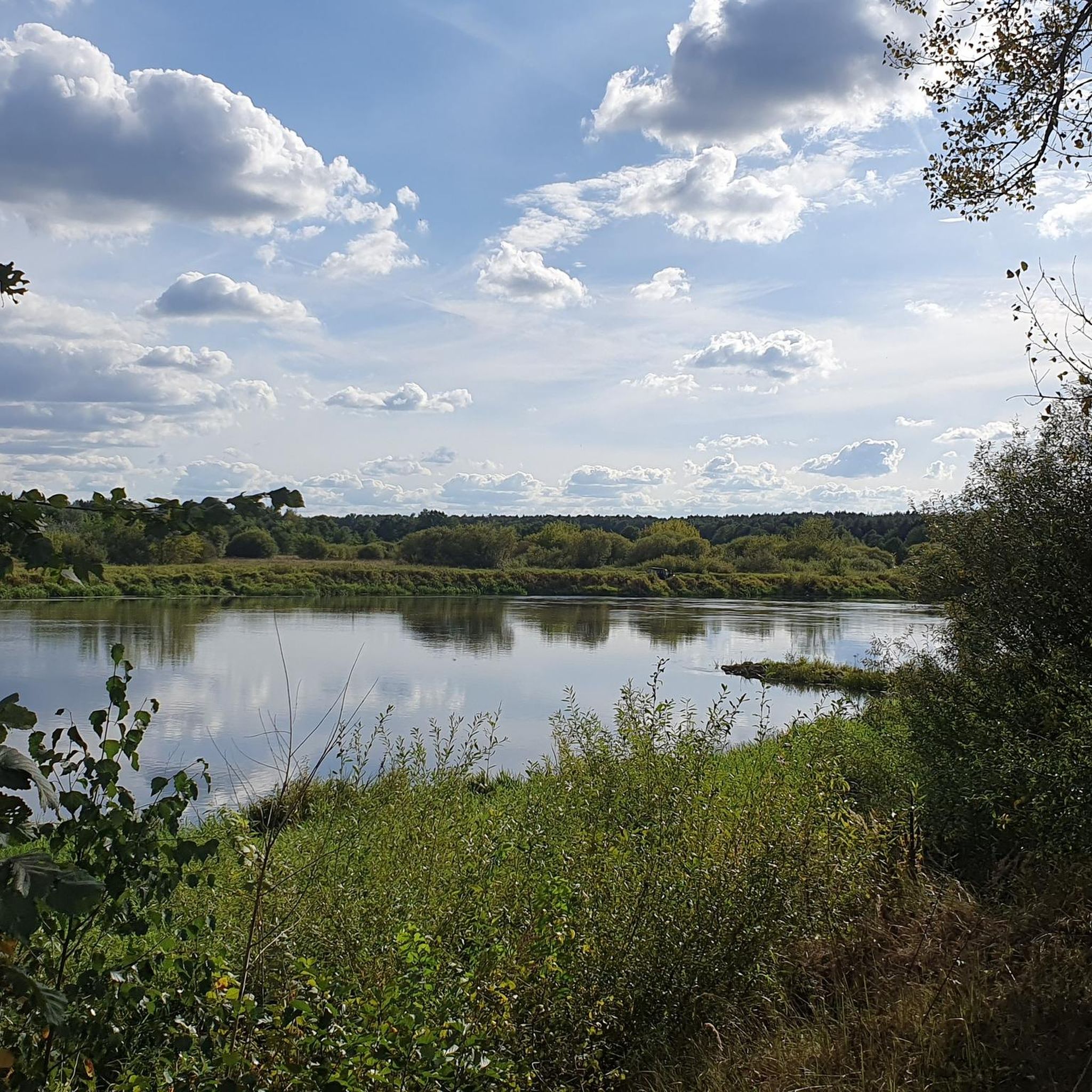
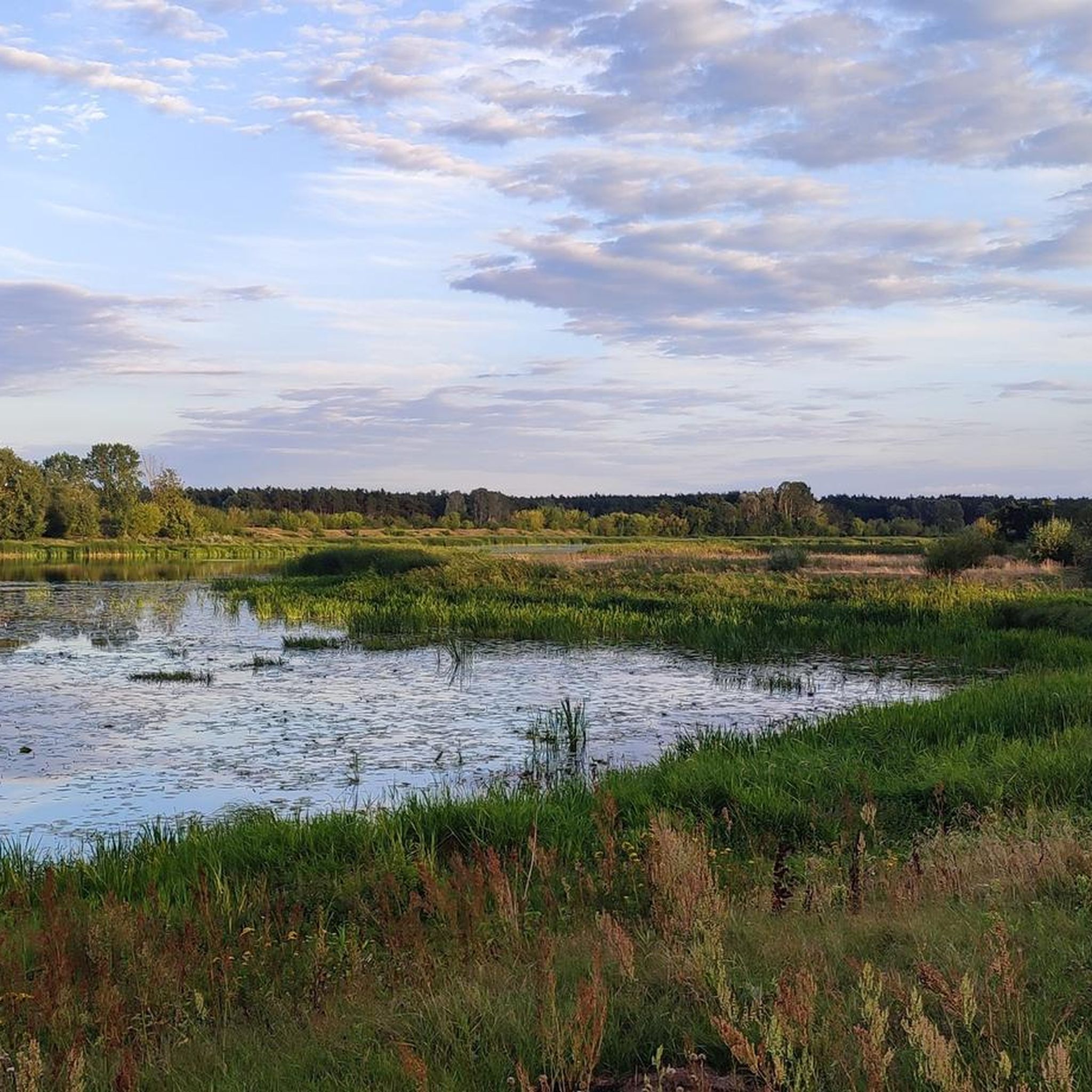
These canals are branches of the Narew River transformed into canals. Canal A is the longest of the canals that surrounds the market square and the entire old town from the rest of the city. Channel B surrounding the old town from Rybitew - part of the town located on the banks of the Narew river was built on the site of a former settlement destroyed centuries ago by a great flood and buried by landslides. Channel C partially flowing around Rybitew. Numerous (9 pcs.) bridges and footbridges connecting the old town with the rest of the city over the canals
1
0
Frequently Asked Questions
What historical landmarks can I explore in gmina Pułtusk?
Gmina Pułtusk is rich in history. You can visit the Pułtusk Town Hall Tower, a Gothic structure from the early 15th century that now houses the Regional Museum. The Pułtusk Market Square, reputedly the longest paved market square in Europe, is surrounded by historic tenement houses. Don't miss the Collegiate Basilica of the Annunciation of the Blessed Virgin Mary, known for its Renaissance vaulting and polychrome decorations. The Bishop's Castle, now the Dom Polonii, also has a long and storied past.
Are there any unique natural features or viewpoints in the area?
Yes, Pułtusk is uniquely situated on the Narew River, often called an "island town." You can enjoy views of the Narew River and its canals, such as from the View of the Pultusk Canal. The Narew Riverside Trail offers beautiful vistas of the backwaters. The extensive White Wilderness (Puszcza Biała) also provides a haven for diverse plant and animal life.
What kind of outdoor activities can I do near Pułtusk's attractions?
The region offers various outdoor activities. You can enjoy cycling on routes like the "View of the Pultusk Canal – Pułtusk Town Hall Tower loop" or the "Pub & Restaurant Magdalenka – View of the Pultusk Canal loop." For more cycling options, check out the Cycling around gmina Pułtusk guide. Running enthusiasts can find routes such as the "Running loop from Pułtusk County" or the "Pułtusk Castle – Pułtusk Town Hall Tower loop." Explore more running trails in the Running Trails around gmina Pułtusk guide. Gravel biking is also popular, with routes like the "Pułtusk Castle – Pułtusk Town Hall Tower loop" available in the Gravel biking around gmina Pułtusk guide.
What is special about the Pułtusk Market Square?
The Pułtusk Market Square is renowned for being one of the longest paved market squares in Europe, stretching almost 400 meters. It serves as the vibrant heart of the Old Town, lined with charming 18th and 19th-century tenement houses. Historically, it has hosted significant figures, including Napoleon Bonaparte.
Is there a museum in Pułtusk?
Yes, the Regional Museum is located within the historic Pułtusk Town Hall Tower. It features exhibits on the history of Pułtusk, including a notable display of the Pułtusk meteor, which fell nearby in 1868. The tower also offers a viewing point with telescopes.
Can I go boating or kayaking on the Narew River?
Absolutely. The Narew River is central to Pułtusk's charm. You can rent kayaks and water bikes to explore its waters. Gondola cruises are also available, often departing from the Bishop's Castle (Dom Polonii), offering a unique perspective of the town and its surroundings.
What is the White Wilderness (Puszcza Biała) and what can I do there?
The White Wilderness (Puszcza Biała) is an extensive forested area stretching from Pułtusk towards Masovian Ostrów. It's a significant natural habitat with diverse plant and animal life. The area is ideal for nature lovers, offering numerous biking and walking trails. Several nature reserves, such as Stawinoga and Popławy, are located within it.
Are there any attractions related to Polish culture or heritage?
The Bishop's Castle in Pułtusk, now known as Dom Polonii, hosts the Center for Documentation of Polish Emigration, preserving important aspects of Polish heritage abroad. Additionally, the Kurpiowska Forge in Pniew is a meeting place for the White Wilderness Association, dedicated to preserving the cultural heritage of the White Wilderness region.
What is the significance of the Collegiate Basilica of the Annunciation of the Blessed Virgin Mary?
The Collegiate Basilica, built in the 15th century, is an architectural gem. Its historical significance was greatly elevated by the rediscovery in 1994 of 16th-century Renaissance vaulting and polychrome decorations, which were introduced during renovations by John the Baptist of Venice. These unique decorations are a highlight for visitors interested in art and history.
Is there anything for families with children to enjoy?
Many attractions in gmina Pułtusk are considered family-friendly. Exploring the historic Pułtusk Market Square and visiting the Regional Museum in the Town Hall Tower can be engaging. The Narew River offers opportunities for gondola cruises, kayaking, and water bike rentals, which are popular with families. The nearby White Wilderness also provides easy walking trails suitable for all ages.
What is the Romanticism Museum in Opinogóra?
Located near Pułtusk, the Romanticism Museum in Opinogóra is housed in a beautiful neo-Gothic palace. It is dedicated to the Krasiński family, particularly the Romantic poet Zygmunt Krasiński, and showcases souvenirs related to their lives. The museum is set within a lovely palace-park complex, offering a pleasant cultural excursion.
Most popular routes around gmina Pułtusk

Get inspired with the komoot mobile app


Explore more
Still not found the Highlight you’re looking for? See guides of the top attractions in other regions:
