The best walks and hikes around Mordy
5.0
(1)
53
hikers
10
hikes
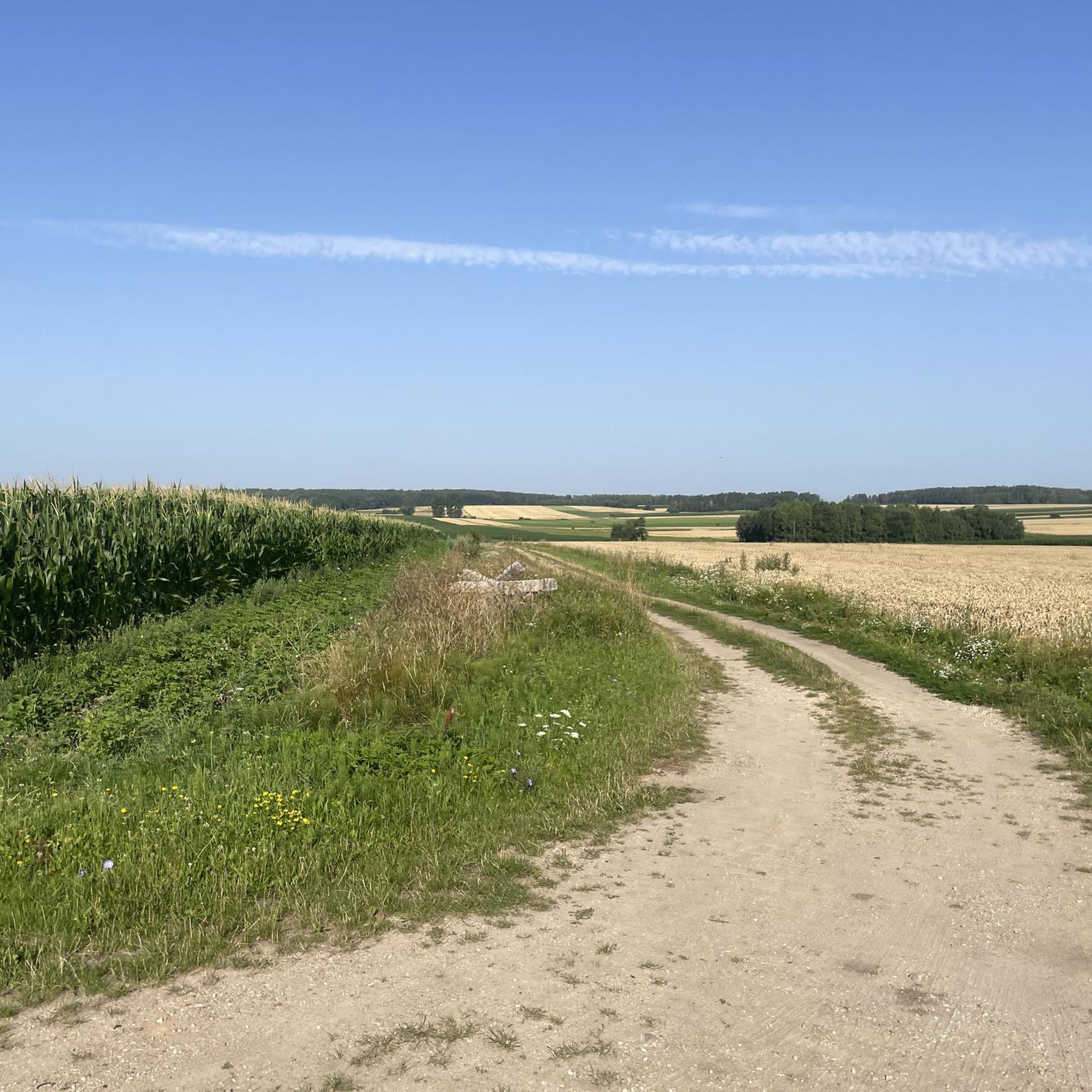
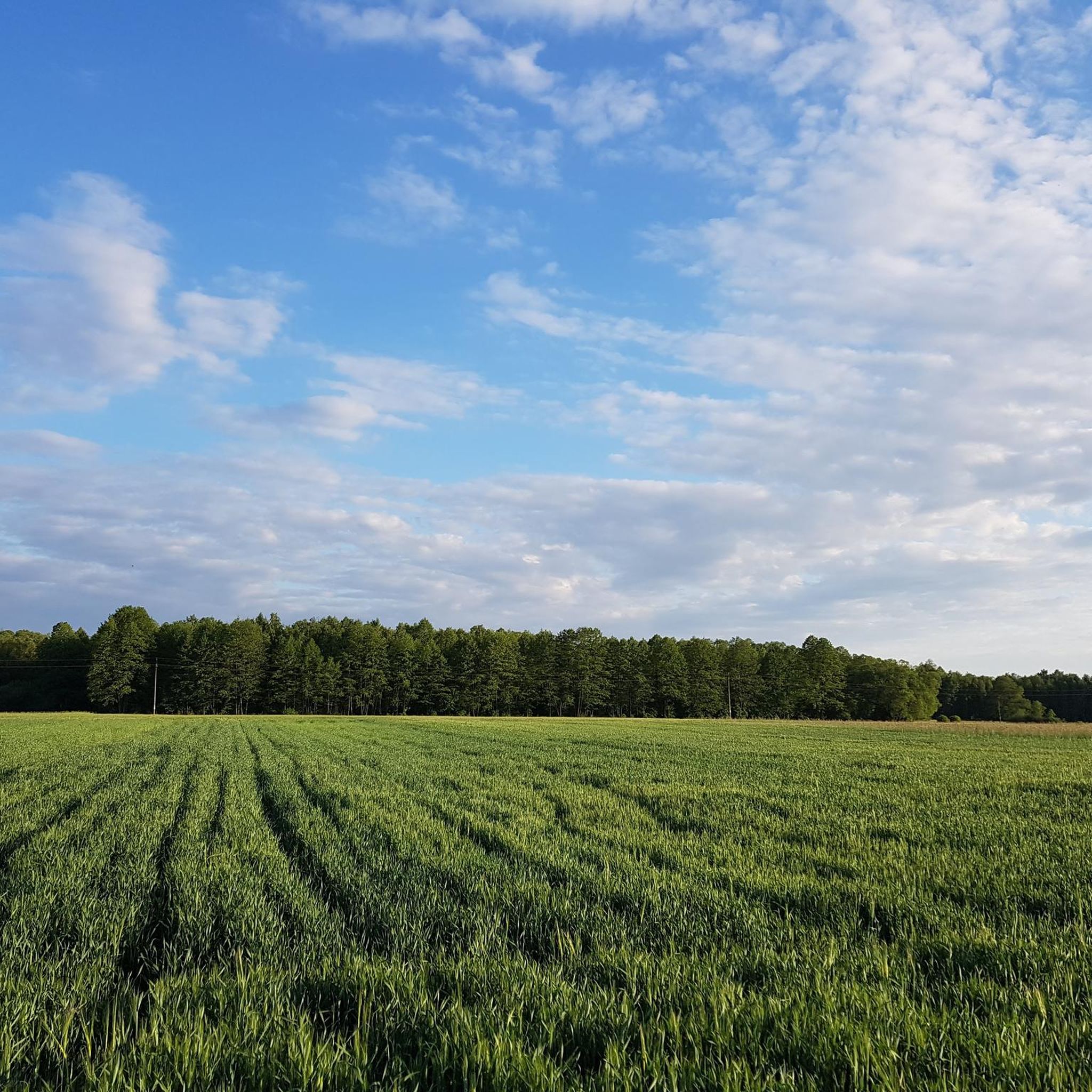
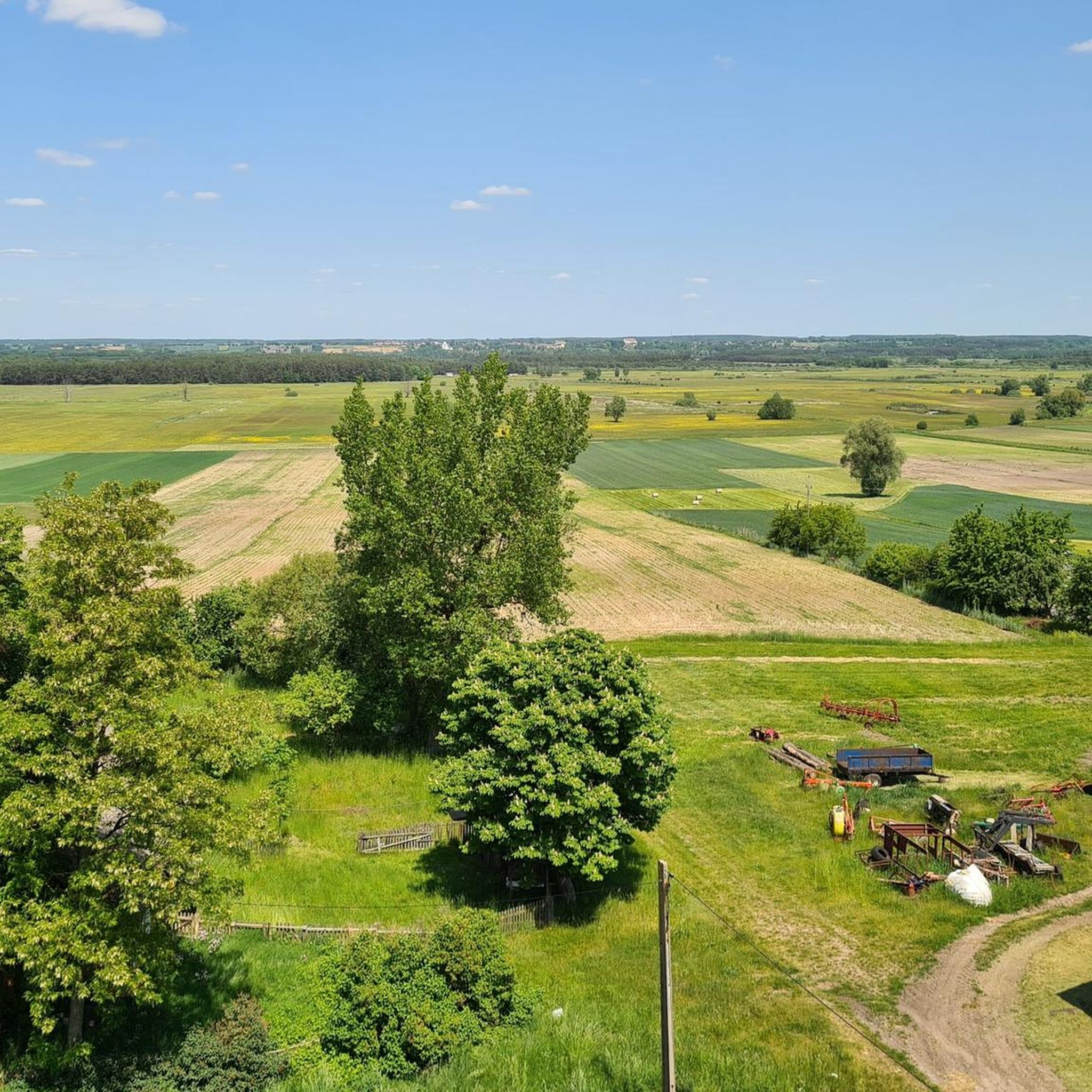
Hiking around Mordy features routes through local parks, past historical palaces, and alongside a reservoir. The terrain is generally flat with minimal elevation changes, offering accessible paths for various activities. The region's trails often traverse open countryside and connect points of local interest.
Best hiking trails around Mordy
- The most popular hiking route is Tuscan Column in Siedlce loop from Siedlce, a 3.7 miles (6.0 km) trail that takes 1 hour 31 minutes to complete. This easy route explores…
Last updated: May 23, 2026
6
hikers
6.72km
01:43
20m
20m
Easy hike. Great for any fitness level. Easily-accessible paths. Suitable for all skill levels.
5
hikers
6.00km
01:31
10m
10m
Easy hike. Great for any fitness level. Easily-accessible paths. Suitable for all skill levels.

Sign up for free
4
hikers
19.6km
05:00
70m
70m
Moderate hike. Good fitness required. Easily-accessible paths. Suitable for all skill levels.
5.0
(1)
4
hikers
4.35km
01:07
20m
20m
Easy hike. Great for any fitness level. Easily-accessible paths. Suitable for all skill levels.
3
hikers
13.2km
03:23
40m
40m
Moderate hike. Good fitness required. Easily-accessible paths. Suitable for all skill levels.
Get access to more routes and recommendations from other explorers.
Sign up for free
Already have an account?
Our route recommendations are based on thousands of hikes, rides, and runs completed by other people on komoot.
Start today with a free account
Your next adventure awaits.
Login or Signup
Popular around Mordy
Tips from the Community

In 1912, the Mordy estate, together with the palace and park complex, passed into the hands of Konstanty Przewłocki, who bought it from Jan II Zembrzuski for his son, Henryk Przewłocki, a landowner and philanthropist educated at the Higher School of Agriculture in Lipsko, later a long-term president of the Landowners' Association in the Siedlce district. In the interwar period, the palace in Mordy remained in the hands of the Przewłocki family, who also owned a nearby distillery. Among the many guests and residents who visited it were, among others, the painter Józef Czapski, the writer Maria Czapska and Archbishop Edward von der Ropp, who was a friend of the family, and Father Władysław Korniłowicz; the later opposition activist in the Polish People's Republic, Janusz Przewłocki, was born and spent his childhood there[5]. In 1930, Jerzy Hutten-Czapski, the father of Józef Czapski and Maria Czapska, died in the palace. The building contained a chapel, established thanks to the support of bishops Łoziński and Przeździecki. After the war, the palace and the adjacent garden were nationalized (Henryk Przewłocki was sent to a labor camp in Borowicze in the USSR, where he died[5]). After 1946, the palace housed a nursery and a kindergarten. The palace complex was renovated in 1963–1964 and then a Complex of Agricultural and Green Area Management Schools with boarding facilities was placed there. Since 1978, the palace has belonged to the Higher School of Agriculture and Pedagogy in Siedlce, renamed the Podlasie Academy[3]. The palace was renovated again in the late 1980s, but it was not completed. However, the building was then neglected and fell into ruin[4]. The Przewłocki family filed their claims to the estate in 1990, but for a long time they fought fruitlessly to regain the property. In 2002, the property was sold to a private person. In January 2005, the court invalidated the sale agreement and the palace returned to the Podlasie Academy in Siedlce. The Przewłocki family finally regained the palace and park complex in 2018. Currently, the palace, surrounded by a historic park, is in very poor condition and is not accessible to tourists due to the long-term neglect of the previous owner. The Przewłocki family declares that after renovation, the palace will be open to residents and tourists. The revitalization of the facility will cost at least PLN 20 million. The area cannot be entered.
1
0
Classicist palace built in the first half of the 17th century and expanded in the 19th century surrounded by a park. The building is two-storey, with three-storey wings. From the front, a projection is visible, topped with a pediment, in which there is a cartouche with the coat of arms of the Zembrzuski family, Doliwa. In front of the projection, a portico with four columns supporting a balcony with a cast iron balustrade [3]. Attention is drawn to the wrought-iron balconies with elaborate decorations (the most interesting one is the one on the southern elevation of the palace - its forms refer to the neo-Gothic). A Baroque entrance gate in the form of a tower with an arcade leads to the palace courtyard. Around the palace stretches an 18th-century park with an area of 6 hectares, with a pond. The diverse tree stand is dominated by linden trees, ash trees, maples, elms and hornbeams. There are also species that are less frequently found in parks, such as the yellow horse-chestnut, the Canadian hemlock, and the American tulip tree.
1
0

The Ciecierski Palace in Mordy is a Baroque residence from the first half of the 18th century, built on the site of an earlier defensive manor house. Located in the town of Mordy, about 20 km east of Siedlce, it is surrounded by a vast landscape park with rare species of trees, such as the American tulip tree and the Canadian hemlock. Currently, the palace is in ruins, but renovation works are planned to restore it to its former glory. For road cyclists, access via asphalt roads is convenient, and the area offers quiet routes with little traffic.
1
0
The Ciecierski Palace in Mordy is a Baroque residence from the first half of the 18th century, built on the site of an earlier defensive manor house. Located in the town of Mordy, about 20 km east of Siedlce, it is surrounded by a vast landscape park with rare species of trees, such as the American tulip tree and the Canadian hemlock. Currently, the palace is in ruins, but renovation works are planned to restore it to its former glory.
0
0
The Tuscan Column in Siedlce is a late Baroque monument erected in 1783 on the initiative of Princess Aleksandra Ogińska, commemorating the planned visit of King Stanisław August Poniatowski. Located at Mieczysława Asłanowicza Street, it served as a signpost showing the royal procession the way to the Ogiński Palace. Thanks to the appropriate slope of the terrain and the use of perspective, the people guarding the palace could see the approaching guests from a distance of one verst (approx. 1077 m). For road cyclists, it is an excellent landmark in the city center, with convenient access by asphalt roads and the possibility of combining sightseeing with a visit to the nearby palace park.
1
0
Frequently Asked Questions
How many hiking trails are available around Mordy?
There are over 10 hiking routes available around Mordy, offering a variety of experiences from easy strolls to more moderate excursions. The komoot community has rated these trails highly, with an average score of 5.0 stars.
What kind of terrain can I expect on hikes near Mordy?
The terrain around Mordy is generally flat with minimal elevation changes, making for accessible paths. You'll find routes traversing open countryside, local parks, and paths connecting historical palaces. For example, the Tuscan Column in Siedlce loop from Siedlce explores local landmarks on gentle paths.
Are there any circular routes for hiking in Mordy?
Yes, many of the trails around Mordy are designed as loops, allowing you to start and finish in the same location. A popular option is the Pier at Zalew nad Muchawką loop from Strzała, which offers scenic views of the reservoir.
What are some historical sites or landmarks I can see while hiking?
The Mordy area is rich in history. You can explore routes that pass by historical palaces and other significant sites. For instance, the Ciecierski Palace – View of Mordy Palace loop from gmina Mordy leads through rural landscapes and past historical sites. Additionally, you can visit the Landowners’ Museum in Dąbrowa or the Grave of the Soldier Fallen in 1920.
Are there any easy hikes suitable for beginners or families?
Absolutely! Mordy offers several easy routes perfect for beginners or families. The Tuscan Column in Siedlce loop from Siedlce is an easy 3.7-mile trail that takes about 1 hour 31 minutes to complete, exploring local landmarks.
What are some points of interest or attractions near the hiking trails?
Beyond the trails themselves, you can find several interesting attractions. These include the Landowners’ Museum in Dąbrowa, the Tenement houses by the Cathedral of the Immaculate Conception of the Blessed Virgin Mary, and the Church of St. Stanislaus the Bishop and Martyr and St. Anne in Knychówek. For something unique, look out for the Moose Statue.
What is the best time of year to go hiking in Mordy?
While specific seasonal details are not provided, the gentle paths and varied landscapes around Mordy suggest that hiking is enjoyable throughout the warmer months, from spring to autumn, when the weather is mild and the scenery is vibrant. Winter hiking might be possible, but conditions could be colder.
Are there any parks with walking trails in the Mordy area?
Yes, the region features routes through local parks. For example, the Aleksandria City Park – Jacek Town Hall loop from Siedlce offers a pleasant walk through a city park, connecting to local town hall landmarks.
What do other hikers enjoy most about hiking in Mordy?
The area is highly rated by the komoot community, with an average score of 5.0 stars. Hikers often praise the gentle paths, the accessibility of routes through local parks, and the opportunity to connect with historical sites and rural landscapes.
How long are the typical hiking trails around Mordy?
Hiking trails around Mordy vary in length. You can find shorter routes like the Storczykowa łąka loop from gmina Łosice, which is about 2.7 miles (4.3 km), or longer, moderate excursions such as the Pier at Zalew nad Muchawką loop from Strzała, covering 12.1 miles (19.5 km).
Most popular attractions around Mordy

Get inspired with the komoot mobile app


Explore more
Browse the best Hikes in other regions.
