Attractions and Places To See around gmina Teresin - Top 20
Best attractions and places to see around gmina Teresin include a variety of historical sites, religious buildings, and natural features. This region in Masovian Voivodeship, Poland, offers opportunities to explore cultural heritage and engage in outdoor recreation. Visitors can find landmarks, churches, and areas suitable for cycling and hiking. The area provides a mix of historical exploration and natural landscapes.
Best attractions and places to see around gmina Teresin
- The most popular attractions is Kampinoska Cottage, a historical site that is a renovated wooden cottage. It is part of the Forest Construction Open-Air Museum, showcasing how people lived in the Kampinos Forest.
- Another must-see spot is Church of Saints John and Paul, Martyrs, in Mikołajew, a religious building established as a parish in 1815. The church features a Baroque pulpit from the first half of the 19th century and numerous epitaphs.
- Visitors also love 1863 Insurgents' Pine and Memorial Site in Górki, a historical site located within the Kampinoski National Park. This site commemorates insurgents from 1863, featuring a monument and the remains of a pine tree.
- gmina Teresin is known for its historical sites, religious buildings, and natural areas. The region offers a variety of attractions to see and explore, including cultural monuments and outdoor spaces.
- The attractions around gmina Teresin are appreciated by the komoot community, with 8 highlights and 27 photos. These spots have received more than 70 upvotes from visitors.
Last updated: October 5, 2026
1863 Insurgents' Pine and Memorial Site in Górki
Highlight • Historical Site
Translated by Google •
Tip by

Church of Saints Martyrs John and Paul
Highlight • Religious Site
The church in Mikołajew was built in the Neoclassical style with a touch of Baroque. It is a brick, single-nave building. The church has three altars. The main altar features a painting of the Crucified Lord Jesus, and next to it on the wall, a painting of the church's patrons: Saints John and Paul. The side altars contain votive paintings of thanksgiving for protecting the church from destruction during World War I. The left altar displays an image of Christ with a Burning Heart, and the right one, Our Lady of Częstochowa. The Baroque pulpit from the first half of the 19th century is noteworthy. The church contains numerous epitaphs and memorial plaques.
Showing Translation
Tip by

Sign up now to discover places like this
Get recommendations on the best single tracks, peaks, & plenty of other exciting outdoor places.
War Cemetery 1939
Highlight • Historical Site
Translated by Google •
Tip by
Nowa Przędzalnia (Lofty de Girarda)
Highlight • Monument
Translated by Google •
Tip by

Sanctuary of Our Lady of the Holy Family in Miedniewice
Highlight • Religious Site
W roku 1674 r. jeden z gospodarzy z miedniewickiej wsi – Jakub Trojańczyk – przyniósł do swego domu zakupiony na odpuście w Studziannej drzeworytowy obrazek (50x50 cm) z wizerunkiem Świętej Rodziny. Umieścił go na drewnianym słupie w stodole, albowiem tu najwięcej pracował w ciągu dnia. Mieszkańcy wsi codziennie rano i wieczorem dostrzegali dziwny blask nad jego stodołą. Nawet sądzili, że to pożar, ale gdy wszystko się wyjaśniło, sami bardzo chętnie przychodzili tu na modlitwę. Wtedy zaczęły się również dziać cuda, np. uzdrowienia. A najbardziej tajemnicze okazały się być ślady stóp widoczne każdego ranka na piasku, dwóch dorosłych osób i dziecka… Wieść o niezwykłych wydarzeniach szybko dotarła do ówczesnego właściciela Miedniewic – Mikołaja Wiktoryna Grudzińskiego, który wystąpił z prośbą do biskupa poznańskiego Stefana Wierzbowskiego o powołanie komisji, która zbadałaby ich prawdziwość. Komisja odwiedziła Miedniewice trzykrotnie w latach 1675-77. Potwierdzono autentyczność cudów, a biskup Wierzbowski w 1677 r. ogłosił obrazek za cudowny. Grudziński natomiast już w 1676 r. na miejscu stodoły ufundował drewnianą kapliczkę, oraz sprowadził OO. Reformatów. Z powodu coraz bardziej licznie przybywających do Miedniewic pielgrzymów powstawała konieczność budowania nowszych, większych świątyń. Obecna murowana pochodzi z 1737 r., a zaprojektowali ją najprawdopodobniej Józef Fontanna wraz z Tomaszem II Bellottim. Poprzedni drewniany kościół rozebrano i przeniesiono staraniem Goszczyńskiego generała wojsk polskich do Kurdwanowa oddalonego o 8 km od Miedniewic. Kamień węgielny pod nową świątynie wmurował w 1737 roku Prymas Teodor Potocki. Budowa trwała do 1748 roku. Środki na budowę sanktuarium pochodziły z datków magnaterii, szlachty i mieszczaństwa (np. Izabela Czartoryska, przekazała dary na ten cel). Uroczysta konsekracja odbyła się 28 września 1755 roku pod przewodnictwem Prymasa Adama Ignacego Komorowskiego. Biskup sam ciężko chorując doznał uzdrowienia za sprawą cudownego obrazu. Niebawem podjęto też starania o koronację cudownego obrazu. 8 lipca 1764 r. Kapituła Watykańska wydała odpowiedni dekret. Uroczystości przewodniczył biskup Ignacy Krasicki. Warto w tym miejscu zaznaczyć, że koronacja miedniewickiego obrazu-kopii miała miejsce 100 lat wcześniej niż jego oryginału ze Studziannej. W latach 1793-94 przeprowadzono gruntowny remont dachu – wymieniono strop i więźbę dachową. W 1864 r. miała miejsce kasata klasztoru OO. Reformatów jako kara za pomoc udzieloną powstańcom styczniowym. Przed ucieczką zakonnicy pomalowali wnętrze świątyni na czarno. Od tego momentu sanktuarium pozostawało pod opieką dwóch zakonników (ostatni zmarł w 1900 r., potem opiekę przejęli księża diecezjalni do 1919 r., kiedy to na nowo utworzono tu parafię). Przez ten czas świątynię poddawano remontom.
W 1878 r. świątynię poddano remontowi, który objął głównie skrzydło południowe i był połączony z jego częściową rozbiórką. Przebudowano zakrystię. Kolejny remont przeprowadzono w 1929 r. Zachowały się oryginalne zdjęcia (przechowywane w Instytucie Sztuki PAN), które pozwalają odtworzyć przebieg wykonanych prac. Przede wszystkim przerobiono dwie przybudówki przylegające do prezbiterium od północy i południa wieńczone absydami. W zakrystii Chwalisław Zieliński wykonał polichromię (konserwowano ją w 1971 r.). W 1930 r. odnawiano fasadę, przebudowano taras przed wejściem głównym (tu znajdowała się piwnica, której strop się zawalił podczas odpustu), wzmacniając go żeliwnymi płytami. Przeprowadzono remont południowego krużganku. Zburzono walącą się kapliczkę św. Antoniego przy południowo-zachodnim narożu fasady kościoła i zbudowano tu zejście do krypt pod kościołem. Również odmalowano na nowo świątynię we wnętrzu na czarno. W roku 1962 zespół kościelno-klasztorny wpisano do rejestru zabytków. W 1966 r. kardynał Stefan Wyszyński przekazał parafię w Miedniewicach i pieczę nad sanktuarium OO. Franciszkanom. Od 1986 r. znajduje się tu również zakon klauzurowy sióstr klarysek, przybyłych ze Starego Sącza.
Tip by

Sign up for free to discover even more attractions around gmina Teresin.
Already have an account?
Start today with a free account
Your next adventure awaits.
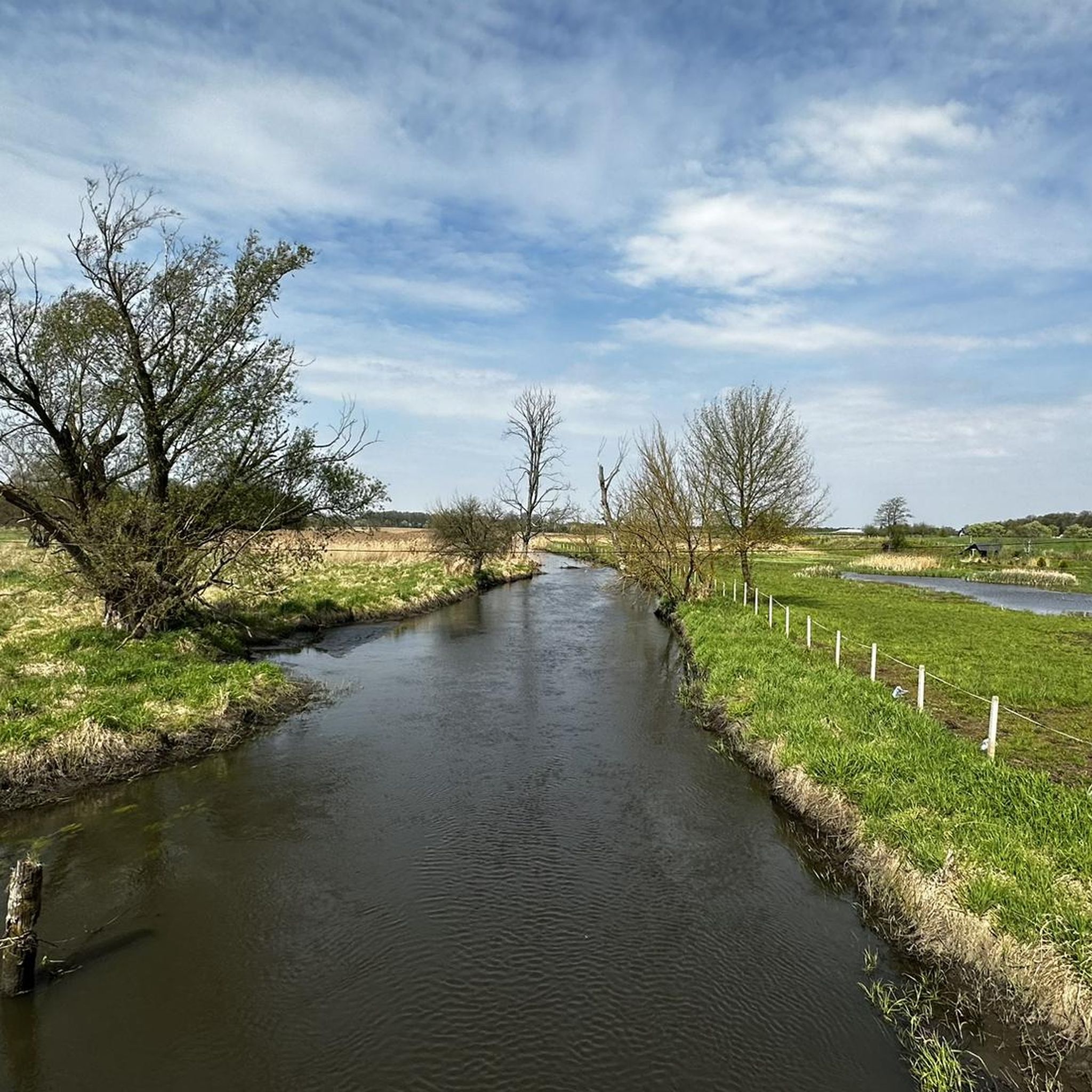
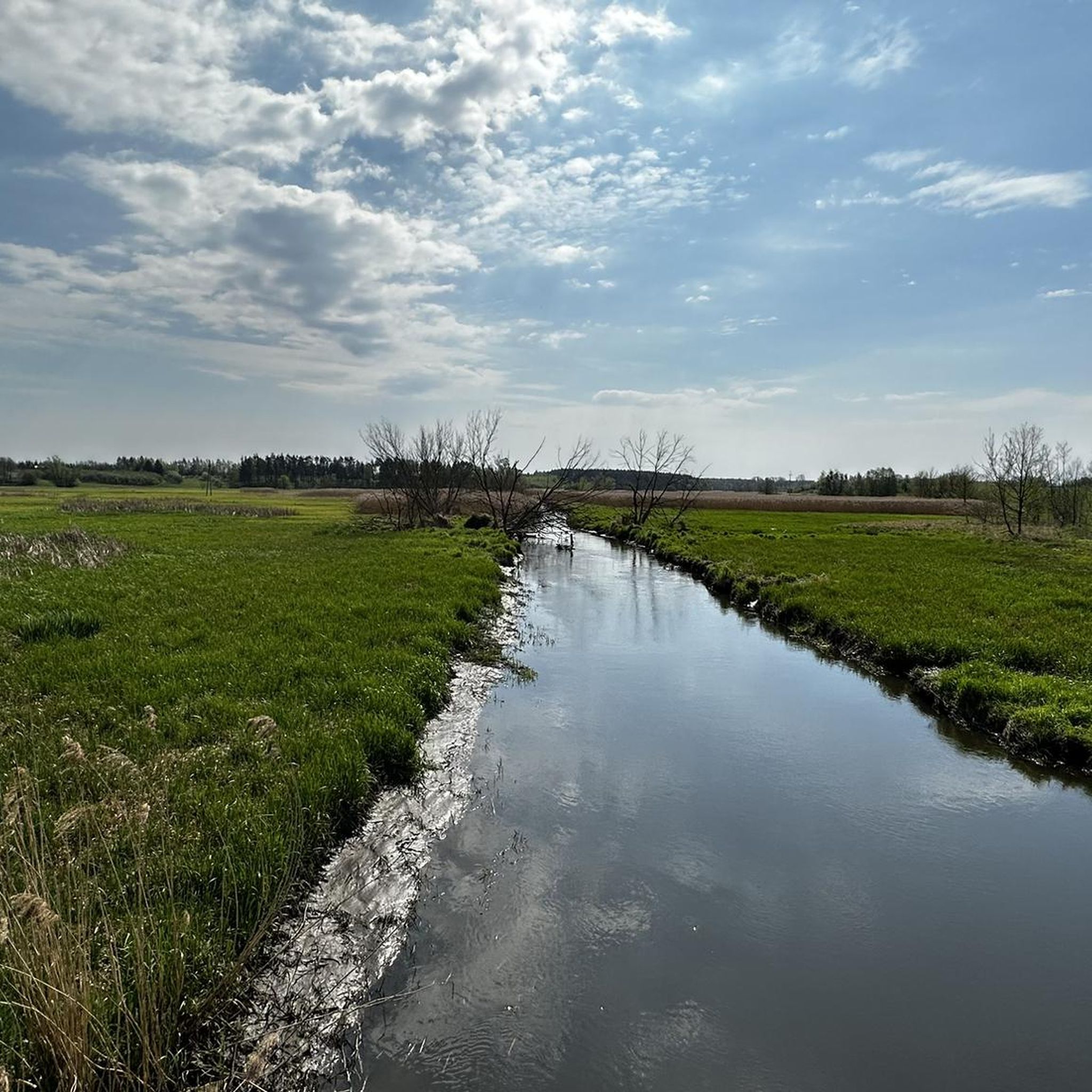
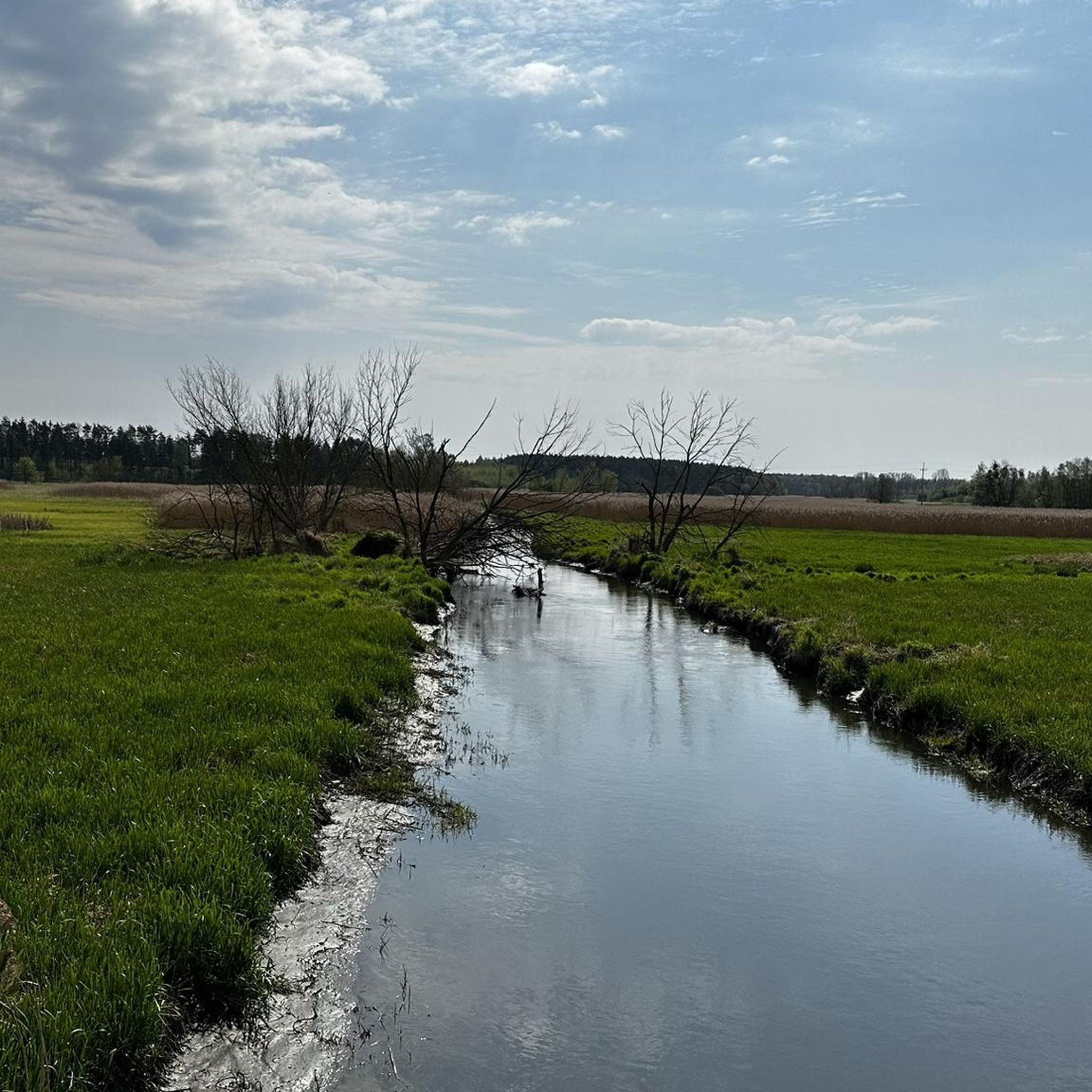

Tips from the Community

The cemetery is the resting place of about 800 Polish soldiers of the "Poznań" Army and the "Pomorze" Army, who fell in September 1939, primarily between the 16th and 18th of September, during battles after the Battle of the Bzura River. Units of the 7th Greater Poland Uhlan Regiment and the 14th Jazłowiec Uhlan Regiment fought here, among others. After the battles on the Bzura River, Polish units attempted to break through the Kampinos Forest towards Warsaw. Very heavy fighting occurred in the Zamość, Górki, and Cisowy area. Many soldiers died right here.
0
0

Unfortunately, on a weekday, before noon, the church is closed.
0
0
The cemetery is truly impressive.
0
0

The residential building, rebuilt from a flax spinning mill, was built in 1913 in Żyrardów. It was one of the most modern buildings of the Linen Plant and one of the first in the world made of reinforced concrete, adapted to the loads resulting from the work of several thousand spindles. In order to evenly distribute the stresses and vibrations of the building, the roof structure was loaded with earth, and then plants were planted. There was a fire tank on the roof of the building. The water, which was drawn from the Górny Staw on Pisia Gągolin, was to flood all the floors of the building in turn in the event of a fire. On the top floor, below the fire tank, there were two other huge water tanks used to store water used for flax processing (so-called wet spinners). The water was drawn from a source located on the factory premises. It was the cleanest and healthiest water in Żyrardów.
0
0
The name of the village Mikołajew probably comes from the Mikołajewski family, who have lived in this area since ancient times. At the end of the 16th century, the village was called Mikołajewo. The first mention of the settlement dates back to 1603. At that time, the Bishop of Poznań, Wawrzyniec Goślicki, while visiting the parish of Sochaczew, arrived in Mikołajew to see the local filial chapel-church of the Holy Trinity. On July 26, 1815, a foundation was established for the construction of a church. According to its provisions, the inventory of the chapel in Skotniki was allocated to the parish church, while councilor Netrebski undertook to erect the temple in Mikołajew and allocate appropriate funds for the maintenance of a priest and his successors. By decree of November 20, 1815, Primate Raczyński established a parish in Mikołajew under the patronage of Saints John and Paul, martyrs, which included, among others, the villages of Mikołajew, Kawęczyn, Skotniki, and Struga, excluded from the parish of Sochaczew. The first administrator was the parish priest from Szymanów, Father Melchior Gromulski.
0
0

was established in 1914
0
0
On the southern edge of the village of Górki grew a magnificent 170-year-old pine tree, whose branches hung down to the ground. On these branches, the Cossacks hanged the insurgents who had escaped into the forest after the Battle of Buda Zaborowska (April 10, 1863) and were captured in this area. During the fight, the commander of the insurgent unit, Major Walerian Remiszewski, sent some of the unarmed insurgents into the forest. After defeating the unit, the Russians chased the escapees, and those captured without trial were hanged. A pine tree struck down by lightning on April 1, 1984 lies next to a small monument in the form of a boulder in honor of the Insurgents of 1863. Traces of the severed branches, from which commemorative crosses were made, are visible. Next to it, on a hill, there is a field chapel in the form of two wooden roofs-tents with figures of saints (by Małgorzata Tomaszkiewicz) and a stone altar table. The whole is crowned by a high wooden cross.
1
0

It is impressive, on the side of the memorial there is a rest area and a bus stop
0
0
Frequently Asked Questions
What historical sites can I visit in Gmina Teresin?
Gmina Teresin offers several historical sites. You can explore the Kampinoska Cottage, a renovated wooden cottage part of the Forest Construction Open-Air Museum, showcasing traditional life. Another significant site is the 1863 Insurgents' Pine and Memorial Site in Górki, located within the Kampinoski National Park, commemorating the 1863 insurgents. Additionally, the region features the historic Palace in Szymanów, now housing a school, and the Neo-Baroque Palace in Teresin-Gaj, both surrounded by expansive parks. The Inn "Forge of Napoleon" in Paprotnia and the Manor in Kawęczyn are also recognized cultural heritage monuments.
Are there any significant religious sites in Gmina Teresin?
Yes, Gmina Teresin is home to several notable religious sites. The Sanctuary of Our Lady of the Holy Family in Miedniewice is a significant pilgrimage site known for its miraculous image and rich history dating back to the 17th century. You can also visit the Church of Saints John and Paul, Martyrs, in Mikołajew, established in 1815 and featuring a Baroque pulpit. The Saint Bartholomew Church in Pawłowice, built in the early 19th century, houses a late-Gothic crucifix and a painting by Józef Chełmoński.
What natural attractions can I find in Gmina Teresin?
For nature lovers, Gmina Teresin offers the Recreational and Leisure Park in Granice, a multi-generational park with a water playground, outdoor gym, and a saline graduation tower. The region borders the Kampinoski National Park, which provides beautiful routes for cycling and hiking. You can also explore Uroczysko, a forest area near Teresin characterized by a meandering river, offering a natural setting for relaxation.
What outdoor activities are available near Gmina Teresin's attractions?
Gmina Teresin is well-suited for various outdoor activities, especially cycling and hiking. You can find numerous routes for touring bicycles, gravel biking, and mountain biking. For example, there are easy cycling routes like the "Palace in Teresin – Żabka Convenience Store loop from gmina Teresin" (22.2 km) or more challenging options like the "View of the Utrata Valley – Wilcze Tułowskie Station loop from Teresin Niepokalanów" (73.8 km). For more details on routes, check the Cycling around gmina Teresin, Gravel biking around gmina Teresin, and MTB Trails around gmina Teresin guides.
Are there family-friendly attractions in Gmina Teresin?
Yes, families will enjoy the Recreational and Leisure Park in Granice, which features a water playground, a children's play area with a bike town, and an outdoor gym. The Kampinoska Cottage, part of the Forest Construction Open-Air Museum, also offers an educational and engaging experience for all ages, showing how people lived in the Kampinos Forest.
What is the best time to visit Gmina Teresin for outdoor activities?
The best time to visit Gmina Teresin for outdoor activities is generally during the spring, summer, and early autumn months (April to October). During these periods, the weather is most favorable for cycling, hiking, and exploring the natural parks and historical sites. The Kampinoski National Park, in particular, is beautiful during these seasons.
Where can I learn about the 1863 January Uprising in Gmina Teresin?
You can visit the 1863 Insurgents' Pine and Memorial Site in Górki. This site, located within the Kampinoski National Park, commemorates the insurgents of 1863. It features a monument and the remains of the original pine tree, which was struck by lightning in 1984, next to a memorial dedicated to those killed after the Battle of Buda Zaborowska.
Are there any palaces or historical estates to see in the area?
Gmina Teresin boasts two notable palaces. The Palace in Szymanów is an example of Mazovian palace architecture from the turn of the 19th and 20th centuries, now housing a school and surrounded by an 18th-century park with natural monuments and a unique Baroque-Classicist garden fountain. The Neo-Baroque Palace in Teresin-Gaj, built by Mieczysław Epstein, is also set within an expansive landscaped park, forming one of the region's most beautiful complexes.
What do visitors enjoy most about the attractions around Gmina Teresin?
Visitors appreciate the diverse blend of historical and natural attractions. The Kampinoska Cottage is popular for its historical insight into traditional life. Religious sites like the Church of Saints John and Paul, Martyrs, in Mikołajew and the Sanctuary of Our Lady of the Holy Family in Miedniewice are valued for their cultural and spiritual significance. The natural areas, especially those bordering Kampinoski National Park, are enjoyed for their scenic beauty and opportunities for outdoor recreation.
Are there hiking trails near the attractions in Gmina Teresin?
Yes, Gmina Teresin is known for its beautiful routes suitable for hiking, particularly within and around the Kampinoski National Park. The 1863 Insurgents' Pine and Memorial Site in Górki is located at the intersection of the red Main Trail of the Kampinos Forest and the green Southern Forest Trail, offering a starting point for exploring the park's natural landscapes on foot. You can find more detailed hiking routes in the Attractions and Places To See around gmina Teresin guide.
Can I visit a traditional inn or manor house in Gmina Teresin?
Yes, Gmina Teresin preserves examples of traditional architecture. The Inn "Forge of Napoleon" in Paprotnia is recognized as a cultural heritage monument, offering a glimpse into the region's past. Additionally, the Manor in Kawęczyn is another cultural heritage site that was historically owned by notable figures, providing insight into the area's aristocratic history.
Most popular routes around gmina Teresin
Most popular attractions around gmina Teresin

Get inspired with the komoot mobile app


Explore more
Still not found the Highlight you’re looking for? See guides of the top attractions in other regions:
