Attractions and Places To See around gmina Korytnica - Top 20
Best attractions and places to see around gmina Korytnica, located in east-central Poland, encompass historical landmarks, cultural sites, and natural features. The region provides opportunities for exploring historical buildings and engaging in outdoor activities. Visitors can find a variety of sites, from ancient castles to nature reserves and religious structures.
Best attractions and places to see around gmina Korytnica
- The most popular attractions is Liw Castle and Armory Museum, a castle that features the ruins of a 15th-century Gothic…
Last updated: July 29, 2026
Liw Castle and Armory Museum
Highlight • Castle
Tip by

Church of Divine Mercy
Highlight • Religious Site
Tip by
Sign up now to discover places like this
Get recommendations on the best single tracks, peaks, & plenty of other exciting outdoor places.
Sign up for free
Śliże Nature Reserve
Highlight • Natural Monument
Translated by Google •
Tip by

Łochów Palace
Highlight • Historical Site
Translated by Google •
Tip by

Basilica of the Assumption of the Blessed Virgin Mary in Węgrów
Highlight • Religious Site
Translated by Google •
Tip by

Sign up for free to discover even more attractions around gmina Korytnica.
Sign up for free
Already have an account?
Start today with a free account
Your next adventure awaits.
Login or Signup
Tips from the Community

As a rule, the patronage over a place of worship and the associated parish community is entrusted to one of the many people whom we venerate as blessed or saints due to their exemplary Christian life. Here, however, we encounter – in my experience, something very rarely found – the patronage of God's Mercy. In the dawning third millennium, Pope John Paul II enriched the church calendar with a corresponding feast, which goes back to the visions of the Polish nun Faustyna, whom he beatified. In a homiletic aid, the following text is found: „One of the particularly precious pearls from John Paul's rich heritage is the ... Sunday of Divine Mercy. In the great Jubilee Year 2000, the Holy Father, on the octave day of Easter – White Sunday – reintroduced the feast of Divine Mercy for the whole Church. The origin of this feast is closely linked to the life story of Karol Wojtyła and can therefore be described as something of his personal gift to the Church of the 21st century.“
0
0

The temple was built in 1932 in the village of Wólka Dobryńska, in the Zalesie commune, in the Biała Podlaska district. It was originally named after St. Stanislaus Kostka. The church was built thanks to the efforts of Father Franciszek Michalik. It was designed by the architect Mr. Mazur. The builders of the temple were carpenters Józef Kozerski, Antoni Lewczuk, Wiktor and Antoni Arseniuków, Julian Romaniuk. In 2009, the building was moved by the Arche SA company to its current location. Thanks to the support of the president of this company, Władysław Grochowski, the church was restored. On May 13, 2010, on the Sunday of the Ascension of the Lord, the then bishop of Drohiczyn Antoni Dydycz consecrated the temple, giving it the name of Divine Mercy. During this ceremony, a plaque commemorating the founder was placed in the church.
1
0

The palace and park complex is a 19th-century building commissioned by Count Józef Hornowski. Originally, it was a single-storey building with a columned portico, the construction of which was completed in 1830. During the later expansion, carried out in the years 1852-1854 according to the design and under the supervision of the leading architect of the era, Bolesław Paweł Podczaszyński, two-storey projections and a front portico with cast iron columns were made. The interiors were maintained in the neo-Gothic style typical of the 19th century. https://www.palacifolwarklochow.pl/o-nas/historia-palacu-z-xix Currently a hotel with beautiful grounds!
1
0

19th century manor house, currently a hotel facility with SPA and restaurant. Large recreational area around the manor house.
1
0

here is a historical note: https://www.polskiezabytki.pl/m/obiekt/3478/Lochow/
0
0

In the Węgrów Market Square by the Municipal Public Library, a bench was placed on which Master Jan Twardowski sits holding a magic mirror, there is also an open book in which a text in Polish and English is written translating the Latin inscription on the mirror frame: "Twardowski played with this mirror, performing magic arts, now he is destined to serve God". The bench was made from a cast by the Kruszewski Brothers Bell Foundry in Węgrów. It refers to the legends of the famous Master Twardowski and the Twardowski Mirror, which is located in the Minor Basilica in Węgrów. The mirror was donated to the Węgrów church in the 18th century by the founder of the church, Jan Dobrogost Krasiński.
1
0
Basilica of the Assumption of the Blessed Virgin Mary and Saints Peter, Paul, Andrew and Catherine in Węgrów – parish and collegiate church in Węgrów. Minor basilica since 1997.
1
0
Frequently Asked Questions
What historical landmarks can I explore in Gmina Korytnica and its vicinity?
The region offers several historical sites. A prominent one is the Liw Castle and Armory Museum, featuring 15th-century Gothic ruins and an 18th-century Baroque manor house with weapon exhibitions. You can also find the late 19th-century Łuniewski Manor House and the early 20th-century Organist's House within Gmina Korytnica itself.
Are there any notable religious sites in the Gmina Korytnica area?
Yes, the area has several significant religious buildings. The Church of Divine Mercy is a 19th-century wooden church, originally built in Wólka Dobryńska and later moved and restored. In Węgrów, you can visit the Basilica of the Assumption of the Blessed Virgin Mary, a historic 16th-century church known for its Baroque decor and the legendary Twardowski Mirror. Additionally, the Neoclassical Parish Church of St. Lawrence the Martyr, built between 1876 and 1880, is located within Korytnica.
Where can I find natural attractions and scenic views near Gmina Korytnica?
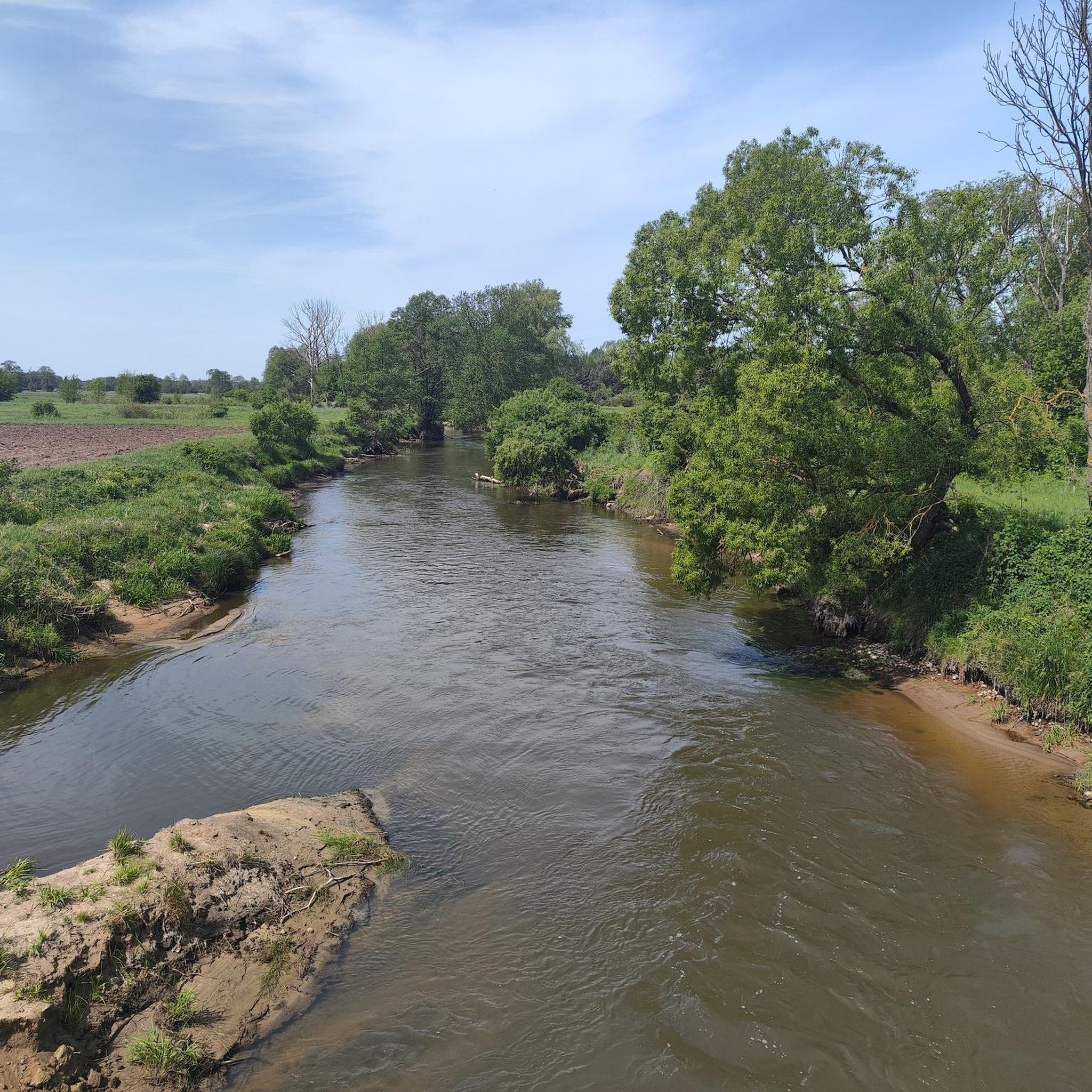
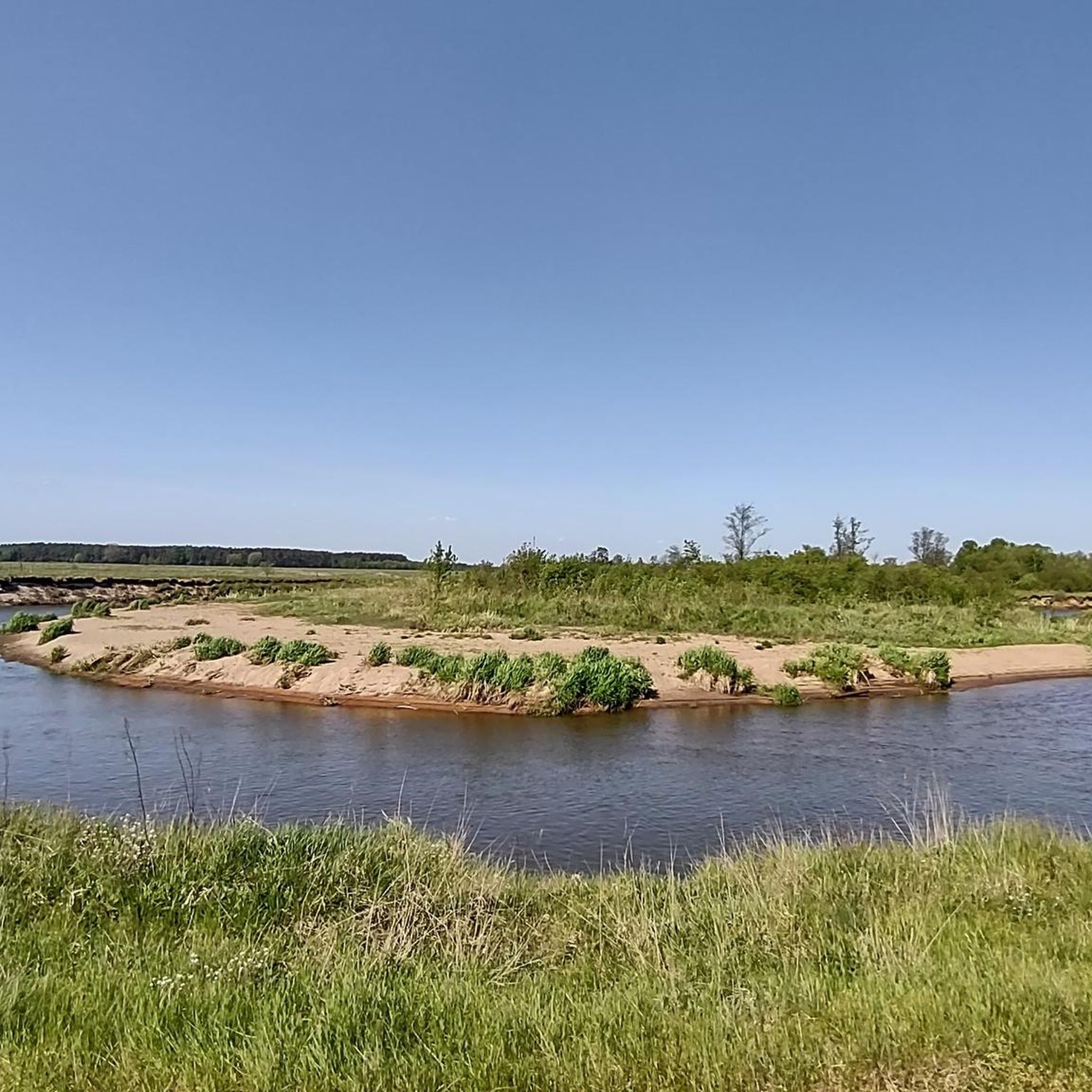
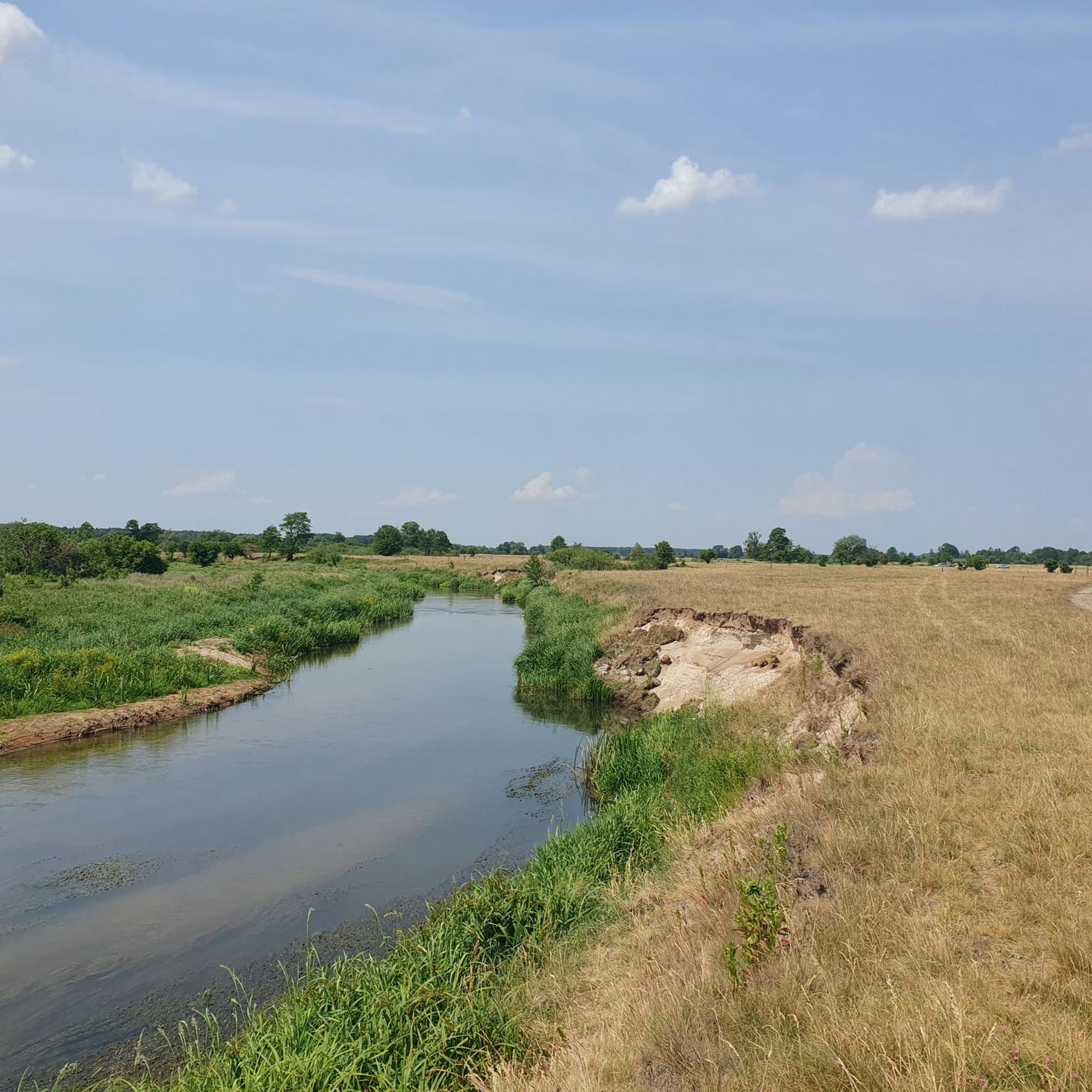
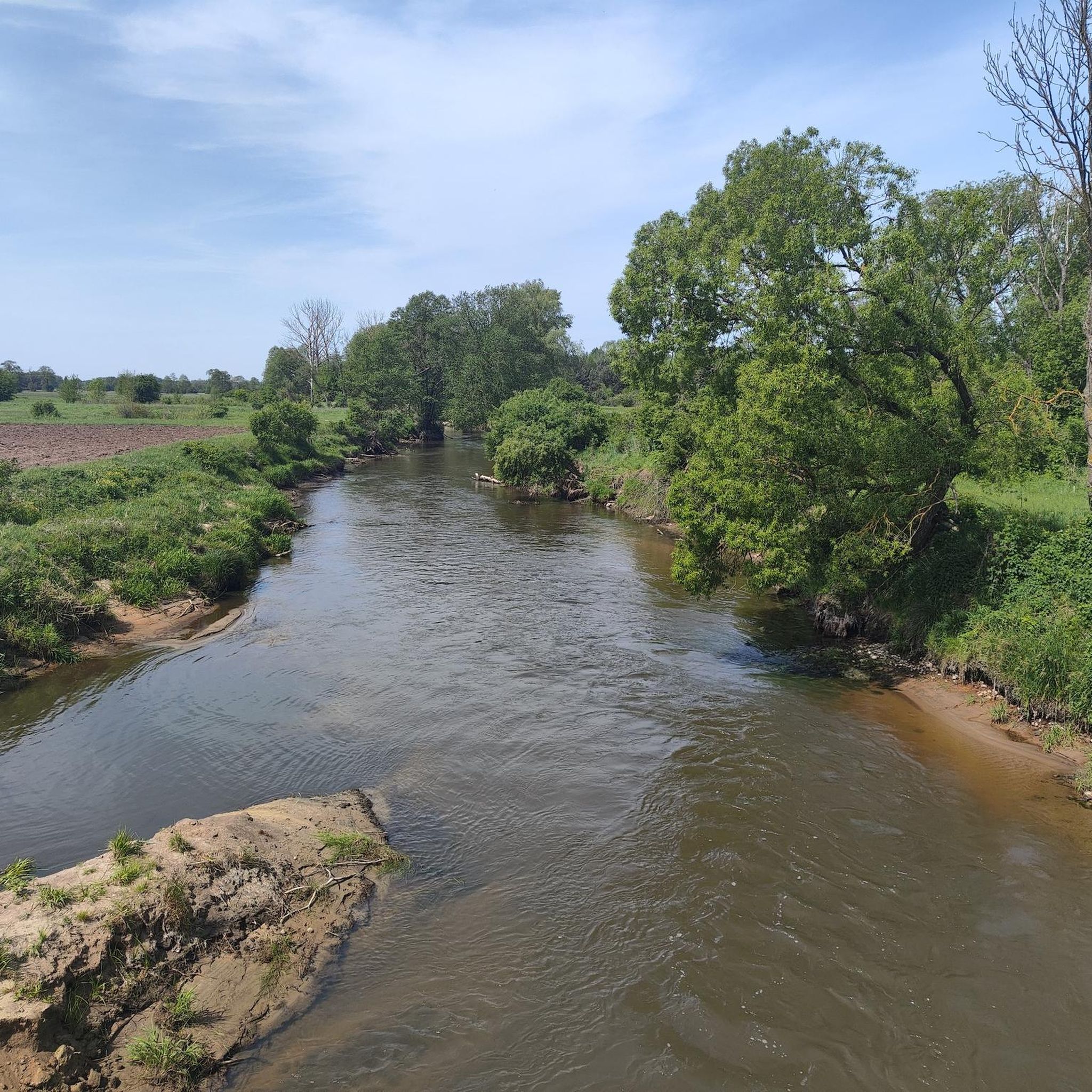
For nature lovers, the Śliże Nature Reserve is a must-see, protecting a peat bog and two dystrophic lakes with a singletrack trail. The Liwiec River provides scenic views, especially behind Liw Castle, and offers opportunities for kayaking. Further afield, you might explore Zalew Węgrowski for recreational activities or visit Lookout Mountain Sowia for panoramic vistas.
What outdoor activities are available around Gmina Korytnica?
The region is well-suited for various outdoor activities. You can find numerous routes for cycling and hiking. For specific trails, explore the easy hikes around gmina Korytnica, running trails, and gravel biking routes. The Liwiec River also offers opportunities for kayaking.
Are there family-friendly attractions in Gmina Korytnica?
Yes, several attractions are suitable for families. The Liw Castle and Armory Museum offers an engaging historical experience. Religious sites like the Church of Divine Mercy and the Basilica of the Assumption of the Blessed Virgin Mary are also welcoming. The Łochów Palace, now a hotel, has large recreational grounds that families can enjoy.
What kind of hiking trails can I find near Gmina Korytnica?
You'll find a variety of hiking trails, including easy options suitable for a leisurely walk. For example, there's an easy 5.2 km loop around Węgrów Artificial Lake and a 1.9 km loop around the Church of Divine Mercy from Łochów. The Śliże Nature Reserve also features a moderately difficult singletrack trail. More options can be found in the easy hikes guide for gmina Korytnica.
Are there cycling routes available in the Gmina Korytnica area?
Absolutely. The region is popular for cycling, particularly gravel biking. You can explore routes like the 30 km 'Wayside shrine – Shelters loop' from Laski or the 42 km 'Beautiful Asphalt Avenue – Former Distillery loop' from Zakrzew. These routes offer varying distances and moderate difficulty. For more details, check out the gravel biking guide for gmina Korytnica.
What is the Łochów Palace and what does it offer visitors?
The Łochów Palace is a 19th-century manor house that has been transformed into a hotel facility with a spa and restaurant. It features extensive recreational grounds and a rich history, with its original construction dating back to 1830. It's a great place to walk around, enjoy nature, or have a meal.
What do visitors enjoy most about the attractions around Gmina Korytnica?
Visitors frequently appreciate the blend of historical significance and natural beauty. The Liw Castle and Armory Museum is praised for its historical depth and the scenic views of the Liwiec River. The Śliże Nature Reserve is valued for its unique peat bog landscape and peaceful trails, especially in spring and autumn. The restored Łochów Palace is also popular for its beautiful grounds and amenities.
Are there any unique historical figures or legends associated with the area?
Yes, the Basilica of the Assumption of the Blessed Virgin Mary in Węgrów is famously associated with the legend of Master Jan Twardowski. Inside the church, there is a mirror in which the devil supposedly appeared to him. A bench in Węgrów Market Square depicts Master Twardowski with this magic mirror, referencing the local folklore.
Can I find places to eat or stay near Gmina Korytnica's attractions?
Yes, for dining and accommodation, the Łochów Palace operates as a hotel with a restaurant and café. Near the Liw Castle and Armory Museum, you can find an inn serving Polish cuisine and a campsite with facilities.
What is the Śliże Nature Reserve known for?
The Śliże Nature Reserve is a protected area known for its peat bog and two overgrowing dystrophic lakes. It's an example of a secondary formation of a raised bog, with moss floating on the water's surface. The reserve is located in the buffer zone of the Nadbużański Landscape Park and features a scenic singletrack trail, offering a nice break from paved routes.
Most popular attractions around gmina Korytnica

Get inspired with the komoot mobile app


Explore more
Still not found the Highlight you’re looking for? See guides of the top attractions in other regions:
