Attractions and Places To See around gmina Zabrodzie - Top 20
Best attractions and places to see around gmina Zabrodzie, a rural gmina in Poland's Masovian Voivodeship, offer a mix of historical landmarks, cultural sites, and natural features. The region is characterized by its preserved historical monuments and diverse landscapes. Visitors can explore various points of interest, from ancient churches to natural reserves. This area provides opportunities for outdoor activities and cultural discovery.
Best attractions and places to see around gmina Zabrodzie
- The most popular attractions is St. Stanislaus Bishop Wooden…
Last updated: May 20, 2026
St. Stanislaus Bishop Wooden Church in Barcice
Highlight • Religious Site
The Church of St. Stanisław Bishop in Chotk from 1527 is the …
Translated by Google •
Tip by

Church of Divine Mercy
Highlight • Religious Site
Tip by

Sign up now to discover places like this
Get recommendations on the best single tracks, peaks, & plenty of other exciting outdoor places.
Sign up for free
Flooded Crossing with Concrete Beam
Highlight • Structure
Tip by

Łochów Palace
Highlight • Historical Site
Translated by Google •
Tip by

Sanctuary of St. Idzi (Wyszków)
Highlight • Religious Site
Translated by Google •
Tip by
Sign up for free to discover even more attractions around gmina Zabrodzie.
Sign up for free
Already have an account?
Start today with a free account
Your next adventure awaits.
Login or Signup
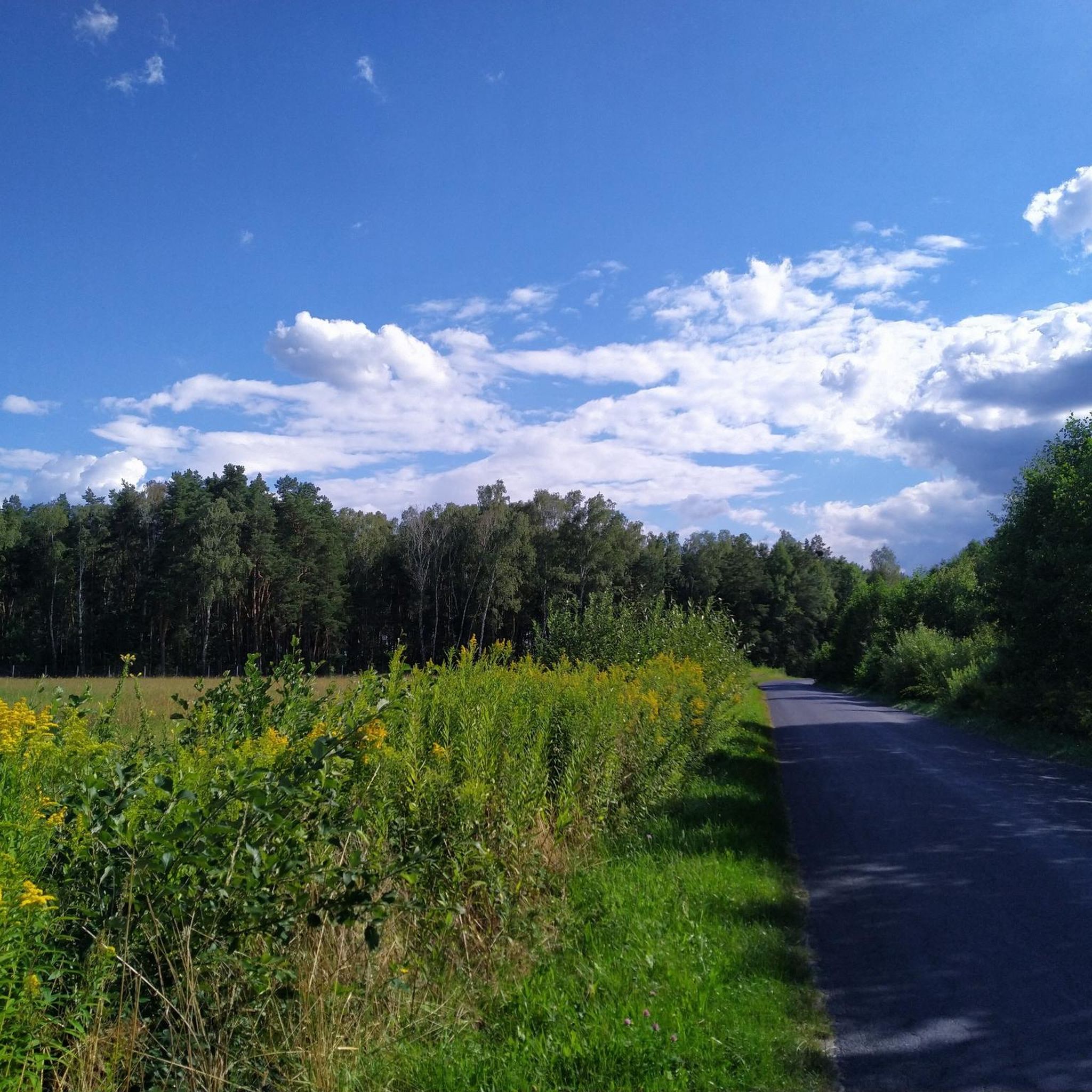
Tips from the Community

There is a store right across the street. Convenient for recharging.
0
0

The temple was built in 1932 in the village of Wólka Dobryńska, in the Zalesie commune, in the Biała Podlaska district. It was originally named after St. Stanislaus Kostka. The church was built thanks to the efforts of Father Franciszek Michalik. It was designed by the architect Mr. Mazur. The builders of the temple were carpenters Józef Kozerski, Antoni Lewczuk, Wiktor and Antoni Arseniuków, Julian Romaniuk. In 2009, the building was moved by the Arche SA company to its current location. Thanks to the support of the president of this company, Władysław Grochowski, the church was restored. On May 13, 2010, on the Sunday of the Ascension of the Lord, the then bishop of Drohiczyn Antoni Dydycz consecrated the temple, giving it the name of Divine Mercy. During this ceremony, a plaque commemorating the founder was placed in the church.
0
0

The palace and park complex is a 19th-century building commissioned by Count Józef Hornowski. Originally, it was a single-storey building with a columned portico, the construction of which was completed in 1830. During the later expansion, carried out in the years 1852-1854 according to the design and under the supervision of the leading architect of the era, Bolesław Paweł Podczaszyński, two-storey projections and a front portico with cast iron columns were made. The interiors were maintained in the neo-Gothic style typical of the 19th century. https://www.palacifolwarklochow.pl/o-nas/historia-palacu-z-xix Currently a hotel with beautiful grounds!
1
0

19th century manor house, currently a hotel facility with SPA and restaurant. Large recreational area around the manor house.
1
0

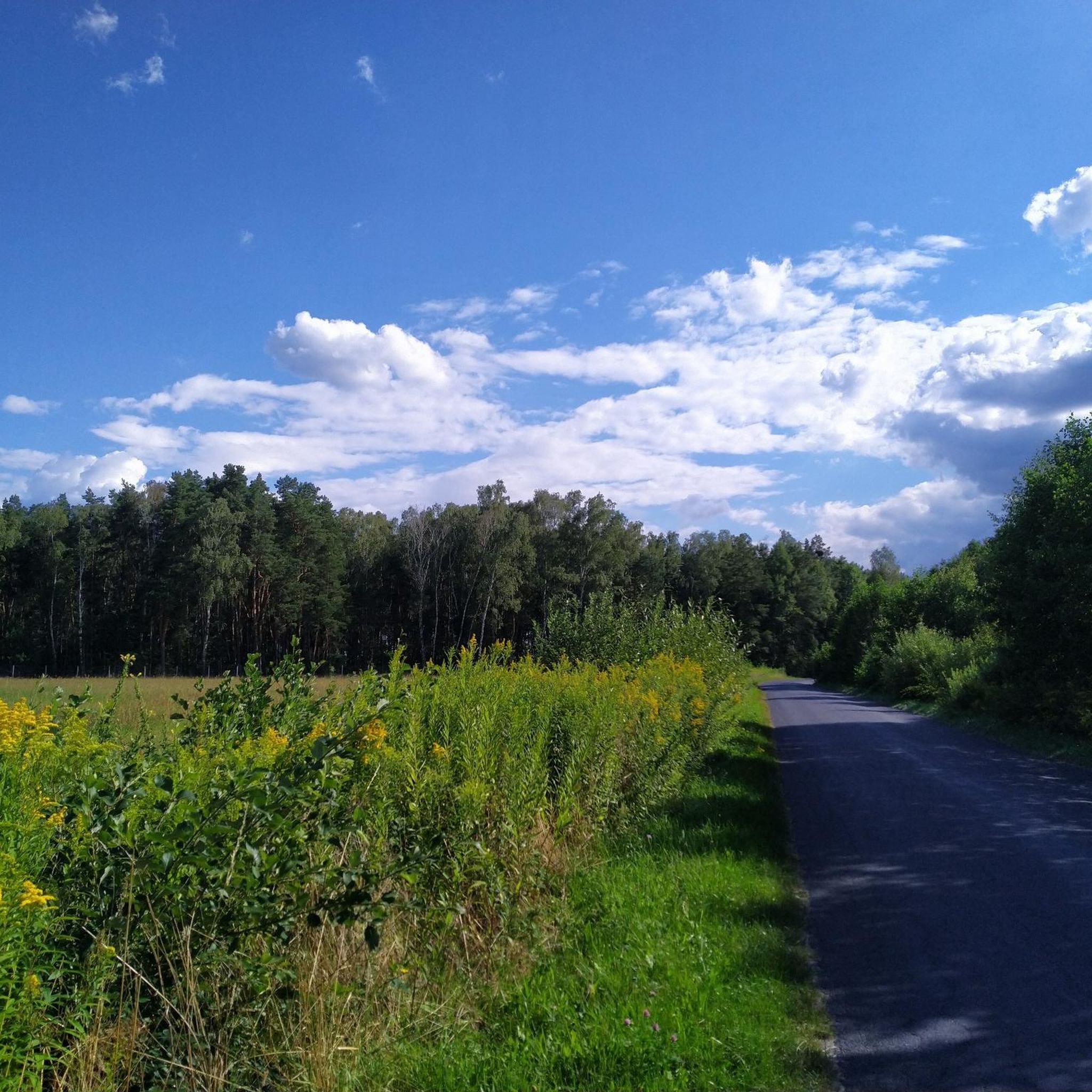
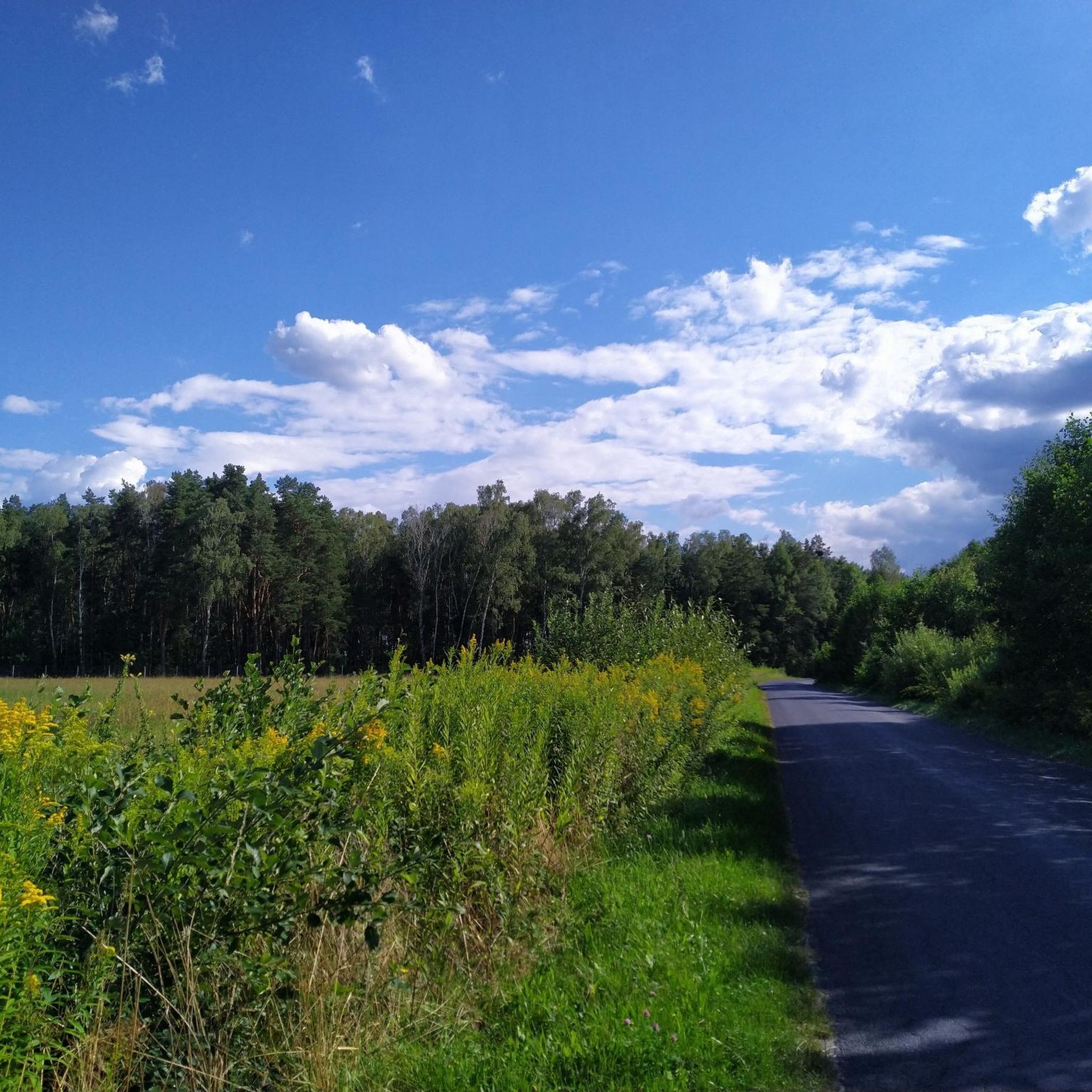
It's not too deep, maybe 0.5m. There's also a concrete post lying on which you can lean, so it's a real luxury 😁
0
0

here is a historical note: https://www.polskiezabytki.pl/m/obiekt/3478/Lochow/
0
0

You can walk on the concrete pillars on the side and bike on the water
0
0
Frequently Asked Questions
What historical and cultural sites can I explore in Gmina Zabrodzie?
Gmina Zabrodzie is rich in historical and cultural landmarks. You can visit the historic St. Stanislaus Bishop Wooden Church in Barcice, a 16th-century wooden church featuring Gothic stone pews and Renaissance polychrome. Another notable site is the Church of Divine Mercy, a 19th-century wooden church that was moved and restored. The region also boasts the Modrzewiowy Dworek in Głuchy, birthplace of poet Cyprian Kamil Norwid, and the historic "Nowość" Mill in Niegów, an industrial heritage site. Additionally, there are palaces in Dębinki and Niegów, with the former housing the Cyprian Norwid Museum.
Are there any natural attractions or reserves in Gmina Zabrodzie?
Yes, Gmina Zabrodzie offers several natural points of interest. The Śliże Nature Reserve is a peat bog reserve featuring two overgrowing dystrophic lakes and a floating moss mat, offering a unique ecological experience. You can also explore the Lucynowsko-Mostowieckie Dunes, an ecologically interesting natural area east of Mostówka. The powerful Bug River forms the northern boundary of the gmina, and the smaller Fiszor River flows into it, providing scenic river landscapes.
What outdoor activities are available near the attractions in Gmina Zabrodzie?
Gmina Zabrodzie is ideal for outdoor enthusiasts. You can find various routes for hiking, cycling, and gravel biking. For hiking, consider trails like the 'View of the Bug – Zofia and Oskar Hansen House loop' or the 'Mostówka Dune loop'. Cyclists can enjoy routes such as the 'Bug River – Skarżyński Palace in Wyszków loop'. Gravel biking options include the 'View of the Bug River – Ostoja Nadbieżańska Shelter loop'. Many of these routes are accessible from the attractions and offer diverse landscapes. You can find more details on these activities in the hiking guide, cycling guide, and gravel biking guide for the region.
Are there family-friendly attractions in Gmina Zabrodzie?
Many attractions in Gmina Zabrodzie are suitable for families. Historical sites like the St. Stanislaus Bishop Wooden Church in Barcice and the Church of Divine Mercy offer cultural insights. Nature reserves such as the Śliże Nature Reserve provide opportunities for gentle walks and exploring nature. The region's commitment to preserving its historical monuments and charming landscapes makes it an engaging destination for all ages.
What is the best time of year to visit Gmina Zabrodzie?
Gmina Zabrodzie offers attractions year-round. Spring and autumn are particularly beautiful for exploring the natural landscapes, such as the Śliże Nature Reserve, with pleasant weather for hiking and cycling. Summer is ideal for enjoying the rivers and longer outdoor activities. The gmina also provides marked routes for winter activities, catering to enthusiasts even in colder months.
Can I find easy hiking trails in Gmina Zabrodzie?
Yes, Gmina Zabrodzie offers easy hiking options. For example, the 'Heather Field loop from Mostówka' is an easy 2.4 km hike. Many of the trails around the natural features, like those in the Śliże Nature Reserve, can be enjoyed at a leisurely pace. You can explore more easy routes in the hiking guide for Gmina Zabrodzie.
Are there any unique man-made features to see?
Beyond historical buildings, you might encounter interesting man-made features like the Flooded Crossing with Concrete Beam. While it's a shallow ford that might require careful crossing, a fallen concrete pole can be used as a bridge when water levels are low, offering a unique, albeit practical, point of interest.
What is the significance of the Modrzewiowy Dworek in Głuchy?
The Modrzewiowy Dworek (Larch Manor) in Głuchy holds significant cultural importance as it is the birthplace of Cyprian Kamil Norwid, a renowned Polish poet, prose writer, dramatist, essayist, graphic artist, sculptor, painter, and philosopher. It's a key site for those interested in Polish literary and artistic history.
What is the 'Nowość' Mill in Niegów?
The Historic 'Nowość' Mill in Niegów is a unique example of industrial heritage, dating back to the 1920s. It has preserved its authentic atmosphere and original machinery, offering a glimpse into the region's past. Beyond its historical value, it also functions as a cultural space, hosting various workshops and events.
What do visitors enjoy most about the attractions in Gmina Zabrodzie?
Visitors appreciate the blend of historical depth and natural beauty. The St. Stanislaus Bishop Wooden Church in Barcice is often praised for its beauty and historical significance, despite sometimes being locked. The Śliże Nature Reserve is enjoyed for its peaceful singletrack trails and unique ecosystem, especially during spring and autumn. The overall charm of the landscapes and the well-preserved historical sites contribute to a rewarding experience.
Are there any religious buildings of particular note in the area?
Yes, Gmina Zabrodzie and its surroundings feature several significant religious buildings. The St. Stanislaus Bishop Wooden Church in Barcice is a 16th-century architectural gem. The Church of Divine Mercy, a restored 19th-century wooden church, also stands out. Additionally, the Sanctuary of St. Idzi in Wyszków, built in the late 18th century, is another important historical religious site nearby.
Where can I find information about local events or heritage days?
For information on local events, cultural activities, or heritage days in Gmina Zabrodzie, you can check the official gmina website. For instance, details about European Heritage Days, which often feature local historical sites, might be found at samorzad.gov.pl.
Most popular routes around gmina Zabrodzie
Most popular attractions around gmina Zabrodzie

Get inspired with the komoot mobile app


Explore more
Still not found the Highlight you’re looking for? See guides of the top attractions in other regions:
