Attractions and Places To See around Lubowidz - Top 20
Best attractions and places to see around Lubowidz include a mix of natural features, historical landmarks, and cultural sites. The region, located in north-central Poland, offers diverse landscapes from river valleys to ancient forests. Visitors can explore significant natural monuments and historical buildings that reflect the area's rich past. Lubowidz serves as a starting point for discovering these varied points of interest.
Best attractions and places to see around Lubowidz
- The most popular attractions is Church of the Exaltation of the Holy Cross in Górzno, a religious building with a history dating back to the 15th century. The current brick church was completed in 1812, with its towers added in the 19th century.
- Another must-see spot is Wel River in Lidzbark, a left tributary of the Drwęca River. Historically, the Teutonic Knights redirected the waters of the Wkra River into the Wel's bed, making it a navigable waterway.
- Visitors also love Oak of the Republic, a significant natural monument. This pedunculate oak is estimated to be 500 years old, with a trunk circumference of 649 centimeters and a height of 33 meters.
- Lubowidz is known for its historical sites, natural monuments, and scenic rivers. The area provides a variety of attractions to see and explore, from ancient trees to historically significant waterways and churches.
- The attractions around Lubowidz are appreciated by the komoot community, with 16 upvotes and 28 photos shared by visitors.
Last updated: August 12, 2026
Oak of the Republic
Highlight • Natural Monument
Translated by Google •
Tip by

Palace in Turza Mała
Highlight • Monument
The palace is on private property, but you can feel free to enter and take photos. Right next to it there is a nice place by the water to rest.
Translated by Google •
Tip by

Sign up now to discover places like this
Get recommendations on the best single tracks, peaks, & plenty of other exciting outdoor places.
Sign up for free
Church of the Exaltation of the Holy Cross in Górzno
Highlight • Religious Site
The first temple, built immediately after the establishment of the parish, was plundered and burned by the Teutonic Knights in 1409.
The new wooden church survived only until 1443. Another building, more impressive, with a free-standing belfry, was destroyed during the Swedish invasion in 1629.
The next temple was erected thanks to the efforts of the Holy Sepulcher Wojciech Ślęcki and survived until 1763.
Two years later, another parish priest from Górzno, Antoni Januszewski, started construction work on the brick church, which has survived to our times. The construction was completed only in 1812, and in the 19th century the towers of the building were added.
Translated by Google •
Tip by

Wel River in Lidzbark
Highlight • River
In the early Middle Ages, the Wel was a small river, and the Wkra, called Wkra Wielka in its upper reaches, flowed to Cibórz, where it changed its course to the south.
At the turn of the 14th and 15th centuries, the Teutonic Knights commissioned a ditch, directing the waters of the larger Wkra River into the bed of the Wel River, which became a navigable river.
Translated by Google •
Tip by
Brynica River
Highlight • River
Translated by Google •
Tip by
Sign up for free to discover even more attractions around Lubowidz.
Sign up for free
Already have an account?
Start today with a free account
Your next adventure awaits.
Login or Signup
Tips from the Community

Complex: palace, 2nd half 19th and 20th centuries, registration number: 251/80 of 22/06/1980 and 14/07/1997 Current state After 1945 Due to nationalization, the estate was partially divided and passed into less noble hands - the State Agricultural Farm, which mainly damaged the manor house located next to the palace and several other farm buildings. After the liquidation of the State Agricultural Farm - resources in the possession of the ANR. The current ownership status of former State Agricultural Farm facilities is difficult to determine. More detailed information about the palace – unknown .. History The palace dates back to 1895. and was built for the then owner of the village - Friedrich von Kownatzki. In 1905 the estate was sold to Alfred Oehrlich. The estate and the palace remained in the hands of the Oehrlich family until 1945
0
0

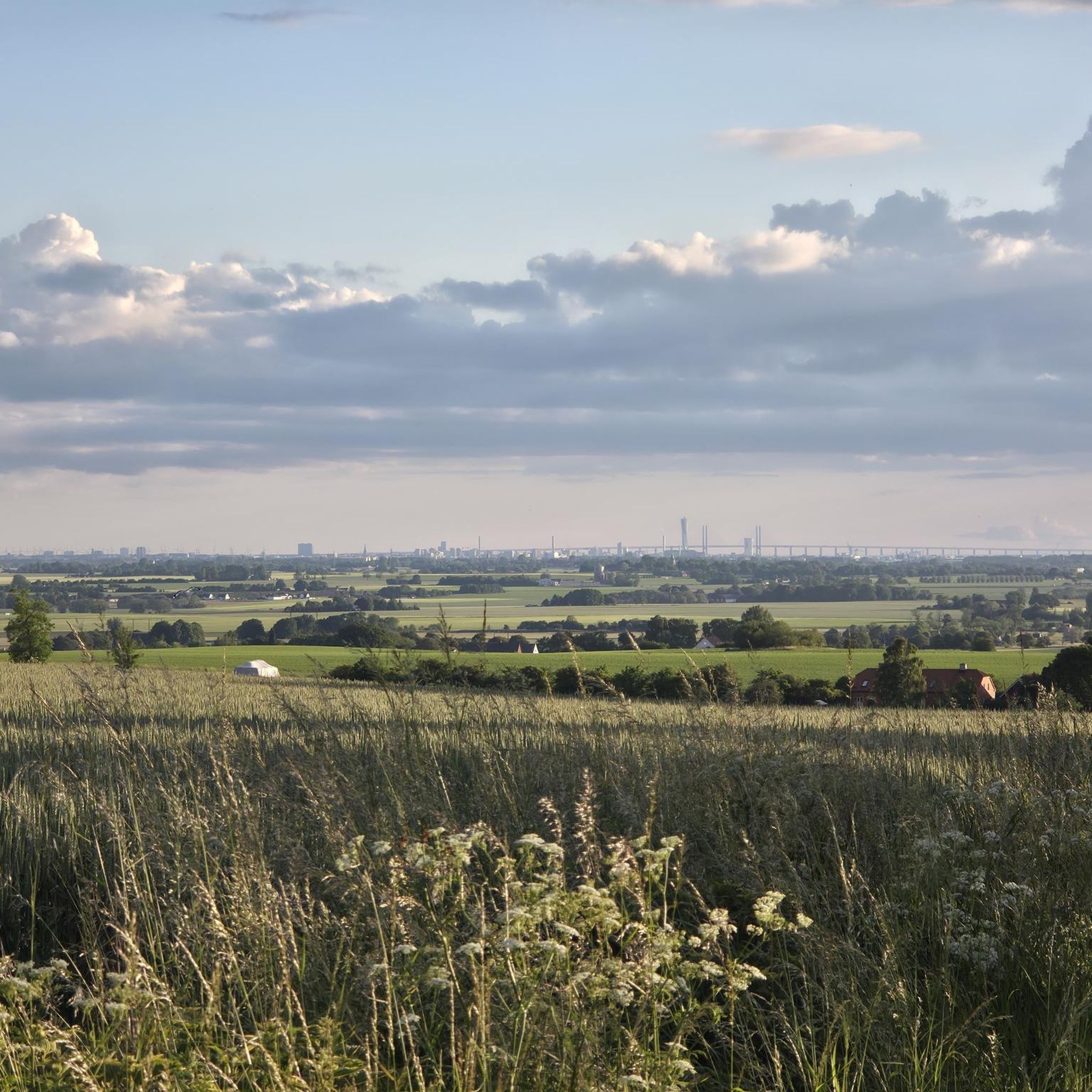
The highest point in the area.
1
0

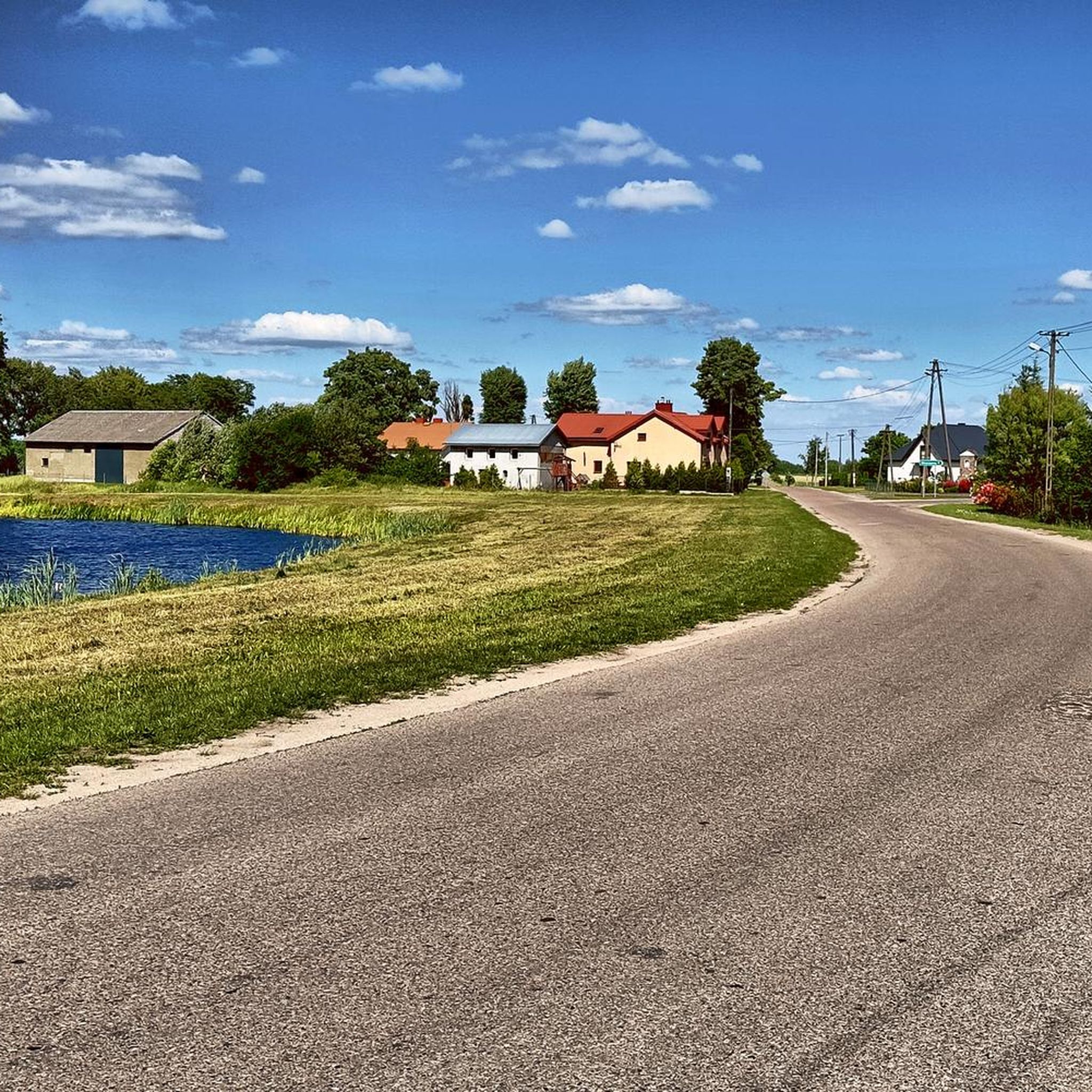
The palace dates back to 1895. and was built for the then owner of the village - Friedrich von Kownatzki. The palace is on private property, but you can feel free to enter and take photos. Right next to it there is a nice place by the water to rest.
0
0

On December 25, 2020, an unknown perpetrator set fire to the Oak, which collapsed weakened. I have attached pics from 2019 when I last saw him grow. I feel a special sentiment for this place, because as a few years old I listened to stories about this tree and its importance for the local residents from the mouth of my saint. in memory of my grandfather, who was a forester in nearby Klonów. The first four years of my life I grew up with him in a forester's lodge, and as a child I spent hours wandering around this area. And I will say this - you have to be a completely dull and limited pitcher to mindlessly burn a tree that has not bothered anyone for 500 years, where soldiers swore an oath of allegiance to their homeland, where young couples confessed their first love. Perhaps the realization of the hopeless stupidity, senselessness and irreversibility of the consequences of this act - if the perpetrator ever matures - will be some kind of punishment for him.
0
0
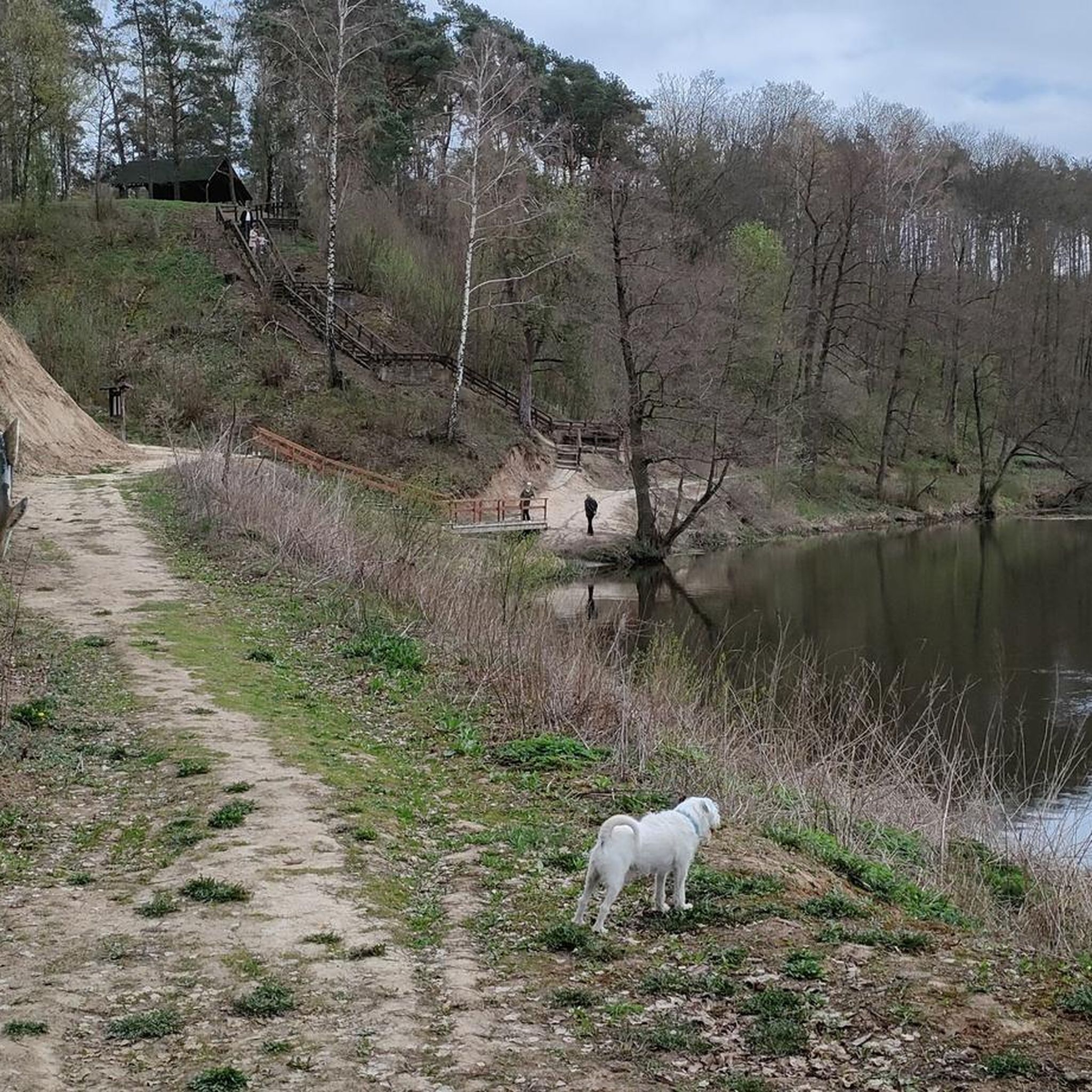
The Brynica River (also known as Branica) is a forest stream that cuts deep into the moraine plateau called the Brynica Jar. The slopes of the ravine carved by the former river are very steep in some sections and reach a height of up to 20 m, while the river itself is very winding and has a large slope.
1
0
The Wel River in Lidzbark, the left tributary of the Drwęca River, 107.45 km long. In the early Middle Ages, the Wel was a small river, and the Wkra, called Wkra Wielka in its upper reaches, flowed to Cibórz, where it changed its course to the south. At the turn of the 14th and 15th centuries, the Teutonic Knights commissioned a ditch, directing the waters of the larger Wkra River into the bed of the Wel River, which became a navigable river.
1
0
Church of Exaltation of the Holy Cross in Górzno. The first temple, built immediately after the establishment of the parish, was plundered and burned by the Teutonic Knights in 1409. The new wooden church survived only until 1443. Another building, more impressive, with a free-standing belfry, was destroyed during the Swedish invasion in 1629. The next temple was erected thanks to the efforts of the Holy Sepulcher Wojciech Ślęcki and survived until 1763. Two years later, another parish priest from Górzno, Antoni Januszewski, started construction work on the brick church, which has survived to our times. The construction was completed only in 1812, and in the 19th century the towers of the building were added.
2
0

Here grows the largest natural monument of the Górznieńsko-Lidzbarski nature reserve, the oak "Dąb Rzeczpospolitej".
0
0
Frequently Asked Questions
What natural attractions can I explore around Lubowidz?
The region offers several notable natural features. You can visit the ancient Oak of the Republic, a 500-year-old pedunculate oak with a trunk circumference of 649 centimeters. The Wel River in Lidzbark is historically significant, as the Teutonic Knights once redirected the Wkra River into its bed. Additionally, the Brynica River carves a deep jar with slopes up to 20 meters high, offering a scenic landscape.
Are there any historical sites or landmarks to visit near Lubowidz?
Yes, the area is rich in history. The Church of the Exaltation of the Holy Cross in Górzno is a brick church with a history dating back to the 15th century, though the current structure was completed in 1812. You can also see the Palace in Turza Mała, built in 1895, which is on private property but allows visitors to enter and take photos. The Saint Andrew Church in Lubowidz also serves as a local landmark.
What kind of outdoor activities can I do near Lubowidz?
The area around Lubowidz is excellent for outdoor enthusiasts. You can find numerous hiking trails, including easy loops around Jezioro Młyńskie and Jezioro Lidzbarskie, or moderate routes like the Hiking loop from gmina Lidzbark. For cycling, there are MTB trails such as the Weltrack MTB Trail in Lidzbark. Running trails are also available, including routes around Jezioro Lidzbarskie. You can find more details on these activities in the dedicated guides for hiking, MTB, and running around Lubowidz.
Are there family-friendly attractions around Lubowidz?
Beyond the natural beauty, families can enjoy several attractions in the broader region. These include the Kaszubski Park Miniatur, which features miniature replicas of Kashubian landmarks, and Łeba Park, a dinosaur park. For marine life and regional culture, Sea Park Sarbsk is an option, and the Educational Park Zoo - Exotic Kashubia offers a chance to see exotic animals.
What do visitors enjoy most about the attractions near Lubowidz?
Visitors particularly appreciate the blend of natural beauty and historical significance. The Oak of the Republic is often described as a 'magical place' and a 'real giant.' The historical depth of sites like the Church of the Exaltation of the Holy Cross in Górzno also draws significant interest. The community has shared 28 photos and given 16 upvotes to the attractions, highlighting their visual appeal and engaging nature.
Are there any specific hiking trails recommended near Lubowidz?
Yes, there are several hiking trails for various skill levels. Easy options include the Jezioro Młyńskie loop and the Jezioro Lidzbarskie loop, both starting from gmina Górzno or Lidzbark. For a slightly longer, moderate hike, consider the Hiking loop from gmina Lidzbark. The Oak of the Republic loop from Klonowo is another easy and scenic choice. More details can be found in the Hiking around Lubowidz guide.
What are the options for cycling around Lubowidz?
Cyclists can enjoy several MTB trails in the vicinity. The Weltrack MTB Trail in Lidzbark offers moderate loops ranging from 15 km to over 35 km. There's also a longer, moderate route from gmina Lidzbark that includes the Tuczki Observation Tower. These routes provide diverse terrain for mountain biking enthusiasts. Explore more in the MTB Trails around Lubowidz guide.
Can I visit the Palace in Turza Mała?
The Palace in Turza Mała, dating back to 1895, is on private property. However, visitors are generally welcome to enter the grounds and take photos. There's also a pleasant spot by the water nearby for resting, making it a nice stop for a historical glimpse.
What is the significance of the Wel River?
The Wel River in Lidzbark holds historical importance. In the 14th and 15th centuries, the Teutonic Knights redirected the waters of the larger Wkra River into the Wel's bed, transforming it into a navigable waterway. Today, it remains a significant left tributary of the Drwęca River.
Are there any unique natural formations like gorges or ravines?
Yes, the Brynica River is known for cutting deep into a moraine plateau, forming the Brynica Jar. This ravine features very steep slopes in some sections, reaching heights of up to 20 meters, and the river itself is notably winding with a significant slope, creating a dramatic natural landscape.
What is the best way to experience the natural beauty of the Brynica River?
The Brynica River and its jar are best experienced by exploring the surrounding forest trails. The ravine's steep slopes and the winding river offer picturesque views, ideal for intermediate-level walks or simply enjoying the tranquil forest environment.
What kind of wildlife can be spotted in the Lubowidz area?
While specific wildlife spotting details are not extensively documented, the presence of significant natural areas like the Oak of the Republic, the Brynica Jar, and the Wel River suggests a diverse ecosystem. Forested areas and riverbanks typically host various bird species, small mammals, and insects. Exploring these natural monuments and river valleys offers opportunities for observing local flora and fauna.
Most popular attractions around Lubowidz

Get inspired with the komoot mobile app


Explore more
Still not found the Highlight you’re looking for? See guides of the top attractions in other regions:
