The best cycling routes around Radziejowice
4.6
(466)
2,152
riders
49
rides
Touring cycling around Radziejowice offers routes through the Central Masovian Lowland, characterized by plains interspersed with moraine hills and river valleys. The landscape features varied terrain with rolling hills and ravines, providing dynamic rides. Cyclists can explore remnants of extensive forest complexes, such as the Radziejowice and Skalskie Forests, which offer shaded paths and tranquil views. The area also includes the Mszczonów Heights, contributing to a picturesque setting, and is dotted with small rivers and water bodies like the Pisia…
Last updated: October 9, 2026
4.3
(3)
7
riders
Easy bike ride. Great for any fitness level. Mostly paved surfaces. Suitable for all skill levels.
7
riders
Easy bike ride. Great for any fitness level. Mostly paved surfaces. Suitable for all skill levels.

5.0
(1)
8
riders
Easy bike ride. Great for any fitness level. Mostly paved surfaces. Suitable for all skill levels.
5.0
(2)
12
riders
19.9km
01:21
80m
80m
Easy bike ride. Great for any fitness level. Mostly paved surfaces. Suitable for all skill levels.
8
riders
Easy bike ride. Great for any fitness level. Mostly paved surfaces. Suitable for all skill levels.
Get access to more routes and recommendations from other explorers.
Already have an account?
Our route recommendations are based on thousands of hikes, rides, and runs completed by other people on komoot.
Start today with a free account
Your next adventure awaits.

Tips from the Community

There's a large tree growing by the café behind the palace. I remember it being a rare species, and I think it's a Ginkgo biloba. Such a specimen is unique in Poland. It might be a tulip tree, though. I can't remember exactly, but I think someone might be interested in this tree, especially if they're as interested in plants and trees as she is.
1
0

Crosses were erected to commemorate an important event or to affirm religious commitment. They were built in gratitude for saving a life or receiving a grace. They also served as boundary markers, marking the end and beginning of a village, and as signposts. Karawaks protected against epidemics. In Poland, there is also the custom of erecting crosses along roads to commemorate tragic deaths in road accidents. Crosses are made from various materials. An example is the cross with the figure of Christ carved from sheet metal. They were mainly created between the second half of the 19th and the mid-20th centuries.
0
0

On the other side of the street where the palace is located.
0
0
The current palace was built between the tower and the early Baroque palace (currently non-existent) and received its current form at the turn of the 18th and 19th centuries after a classicist reconstruction carried out by Kazimierz Krasiński, the Crown Campiander, according to the design of Jakub Kubicki. At that time, a columned porch with a terrace in front of the main entrance was also built. The expansion of the palace complex was later continued by Józef Wawrzyniec Krasiński, who created a landscape park around the palace that exists to this day and rebuilt the small castle in the neo-Gothic style, which is the remains of the former Radziejowski tower. Over the following decades, Radziejowice was visited by people of culture, including Juliusz Kossak, Henryk Sienkiewicz, Lucjan Rydel, Jarosław Iwaszkiewicz, Józef Chełmoński, Stanisław Masłowski.
2
0
The current palace was built between the tower and the early Baroque palace (currently non-existent) and received its current form at the turn of the 18th and 19th centuries after a classicist reconstruction carried out by Kazimierz Krasiński, the Crown Campiander, according to the design of Jakub Kubicki. At that time, a columned porch with a terrace in front of the main entrance was also built. The expansion of the palace complex was later continued by Józef Wawrzyniec Krasiński, who created a landscape park around the palace that exists to this day and rebuilt the small castle in the neo-Gothic style, which is the remains of the former Radziejowski tower. Over the following decades, Radziejowice was visited by people of culture, including Juliusz Kossak, Henryk Sienkiewicz, Lucjan Rydel, Jarosław Iwaszkiewicz, Józef Chełmoński, Stanisław Masłowski.
1
0
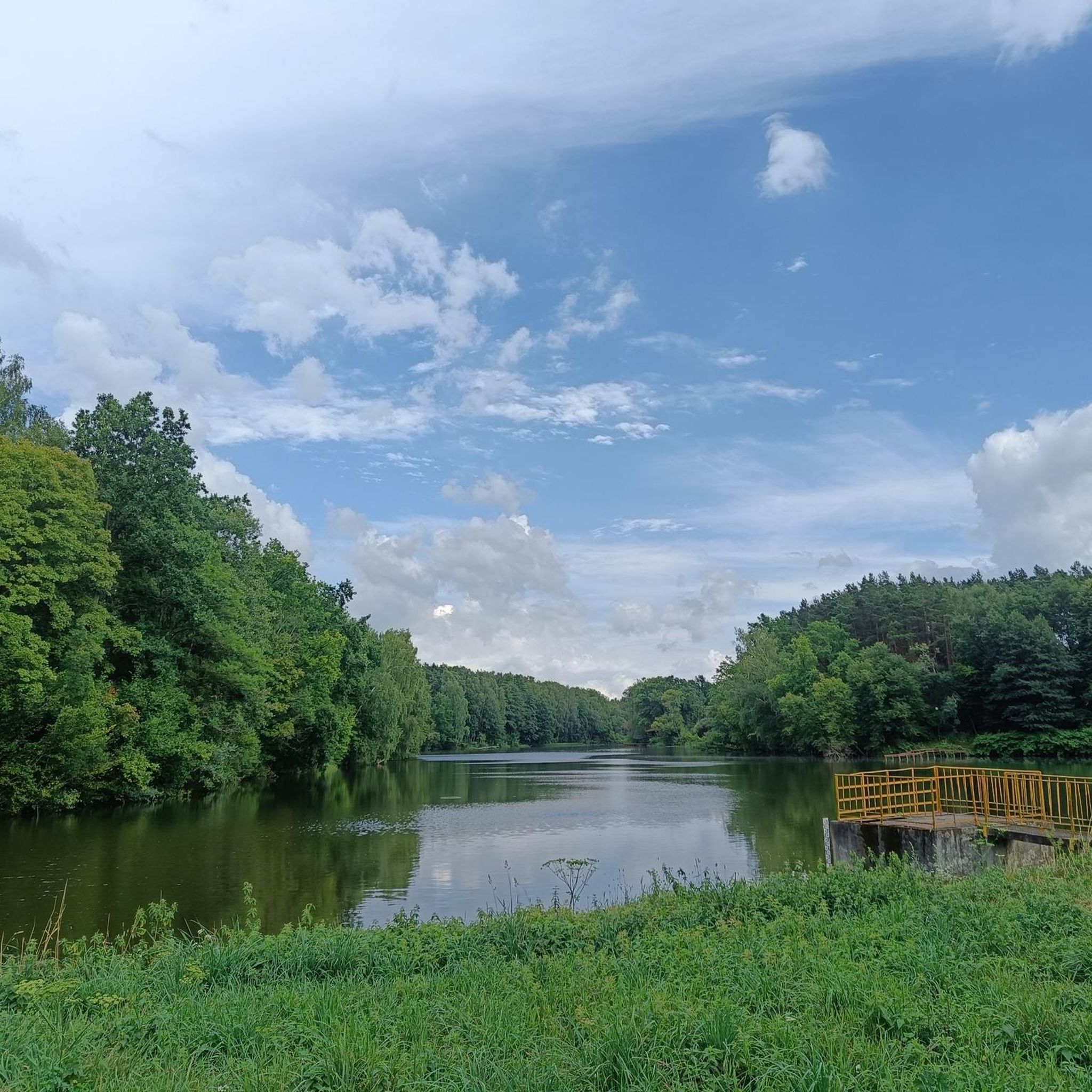
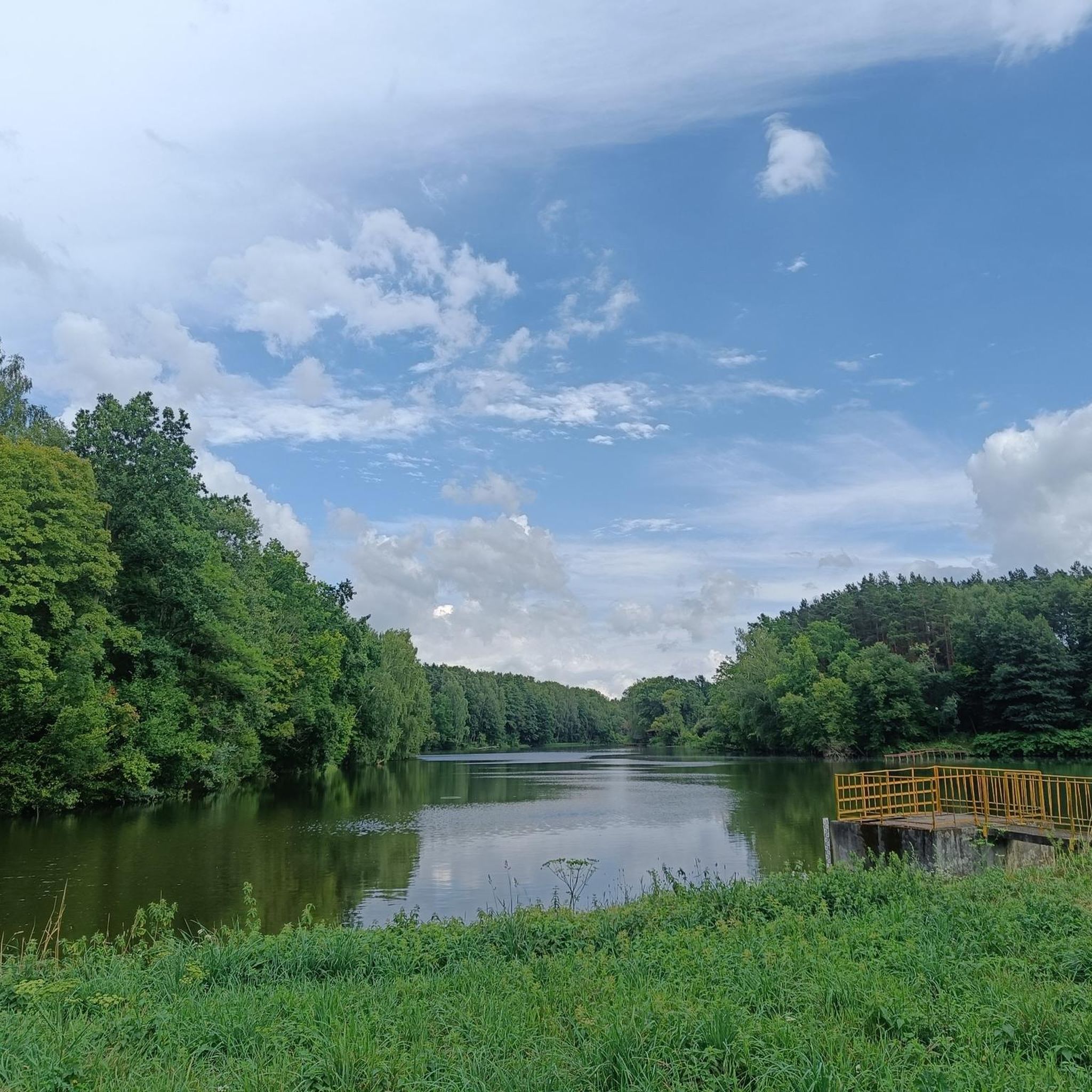
Dąbrowa Radziejowska – a nature reserve located in the Radziejowice commune in the Masovian Voivodeship, within the Radziejowskie Forests complex. It is part of the Bolimowsko-Radziejowickie with the middle Rawka valley Protected Landscape Area.
0
0
When leaving Radziejowice. Cross were erected to commemorate an important event or to confirm one's religious commitment. They were built in gratitude for saving a life or receiving grace. They were also boundary markers that marked the end and beginning of a village or as road signs. Karawaks protected against epidemics. In Poland, there is also a custom of erecting crosses by the roads to commemorate tragic deaths in road accidents. Cross are made of various materials. An example are crosses with Christ cut out of sheet metal. They were mainly created in the period from the second half of the 19th to the mid-20th century.
0
0
In 1783, Grzegorzewice belonged to Władysław Mieczyński, the standard-bearer of Mszczonów. In 1879, the estate was bought by the famous Polish architect Julian Ankiewicz. Later, his daughter Małgorzata Teodora Wiśniewska inherited the estate. In 1882, Julian Ankiewicz submitted an application to the mayor of Warsaw to be released from his duties as city architect. His arguments were his advanced age and poor health. The resignation was accepted. After leaving Warsaw, he settled in Grzegorzewice with his wife Michalina Julia Alojza Glotz and their daughter. At that time, he almost completely abandoned the profession of architect. Towards the end of his life, he moved with his wife to Rokotów. They lived in the house of his daughter Małgorzata Teodora Wiśniewska. Julian died on January 31, 1903 in Rokotów. He was buried in the Powązki Cemetery in Warsaw. Grzegorzewice together with the Kotbus farm in 1905 was sold by Małgorzata Teodora Wiśniewska. In 1909 the owner was Jan Kijewski, and in the 1920s Zofia Kuszell. At that time the estate had 230 hectares. In 1927 it was sold to professor of dentistry Alfred Meissner.
1
0
Frequently Asked Questions
How many touring cycling routes are available around Radziejowice?
There are over 40 touring cycling routes around Radziejowice, catering to various skill levels. The majority, about 33, are classified as easy, with 9 moderate routes and 1 challenging option for experienced cyclists.
What kind of terrain can I expect on touring cycling routes in Radziejowice?
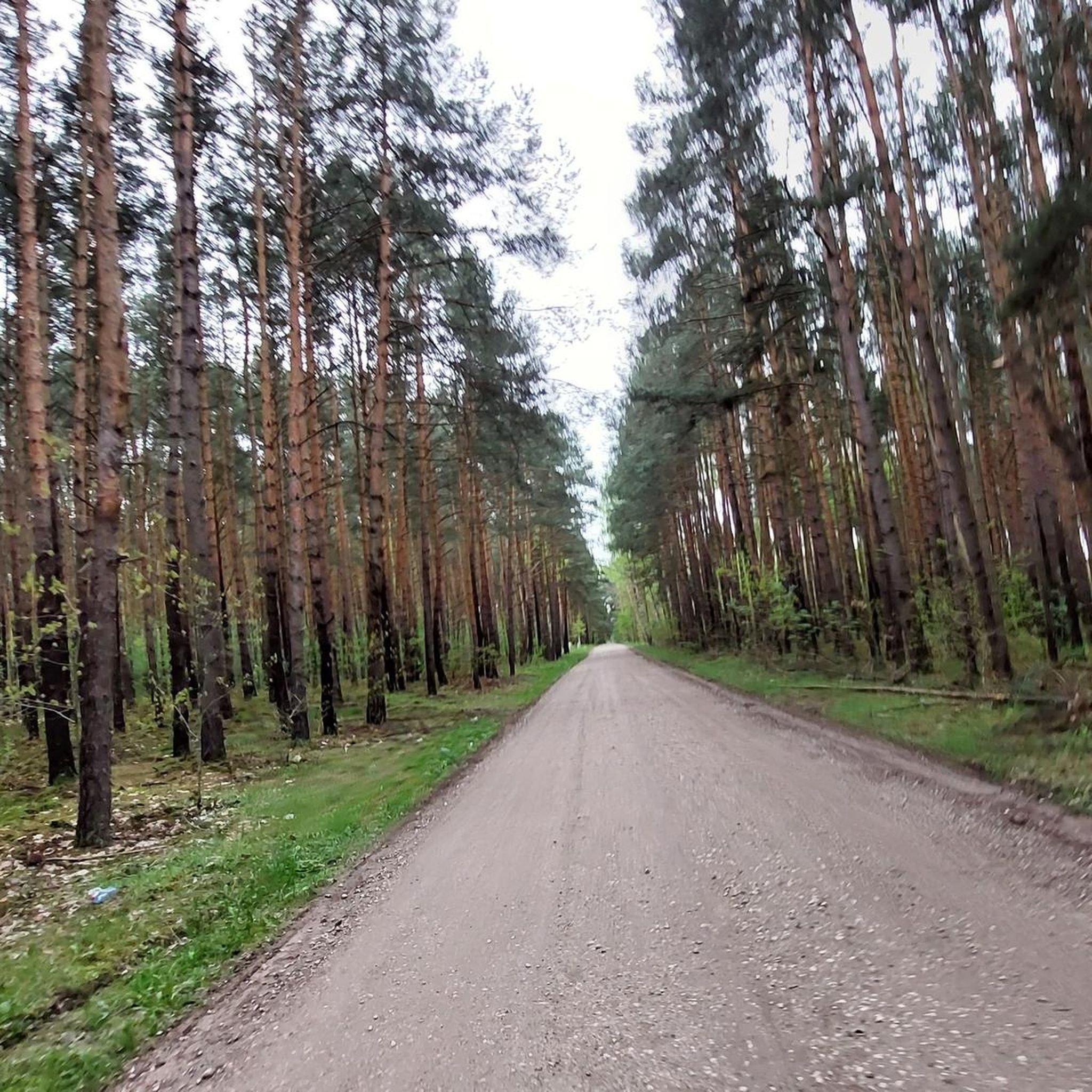
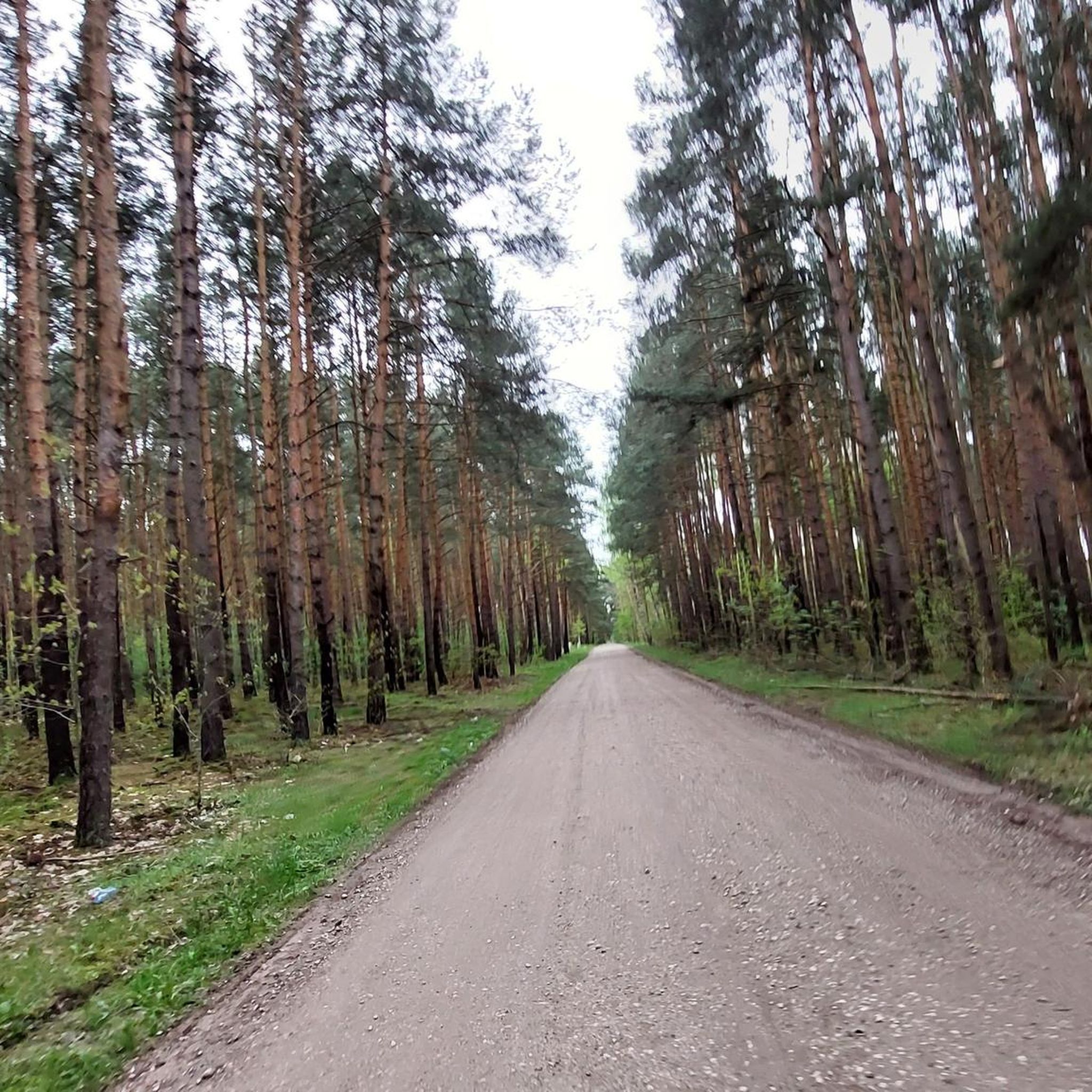
The routes in Radziejowice traverse the Central Masovian Lowland, featuring plains interspersed with moraine hills and river valleys. You'll encounter varied terrain with rolling hills and ravines, offering a dynamic ride. Many routes also pass through remnants of extensive forest complexes, providing shaded paths and tranquil views.
Are there any family-friendly touring cycling routes in Radziejowice?
Yes, Radziejowice is well-suited for family cycling, with a significant number of easy routes. These often feature gentle gradients and scenic surroundings. For example, the Footbridge Over the Stream – Radziejowice Palace and Park loop from gmina Radziejowice is an easy 12.4 km route that takes about 50 minutes, perfect for a leisurely family outing.
What are some notable landmarks or attractions I can visit while cycling in Radziejowice?
Many routes pass by significant cultural and natural attractions. You can explore the historic Radziejowice Palace and Park, which includes a classical palace, a neo-Gothic tower, and an English-style landscape park with a lake. Other natural highlights include the Młochowski Grąd Nature Reserve and the Dąbrowa Radziejowska Nature Reserve, offering serene forest environments.
Are there circular touring cycling routes available?
Yes, many of the touring cycling routes in Radziejowice are designed as loops, allowing you to start and end at the same point. Examples include the Radziejowice Palace and Park – Footbridge Over the Stream loop from Nowe Budy, an easy 13.4 km path, and the Grzegorzewice Palace – St. Francis Shrine loop from Radziejowice, which covers 20.2 km.
What do other touring cyclists say about the routes in Radziejowice?
The touring cycling routes in Radziejowice are highly regarded by the komoot community, with an average rating of 4.5 stars from over 380 reviews. Cyclists often praise the varied terrain, the tranquility of the forest sections, and the picturesque views, especially around the palace complex and local waterways.
Are there any routes that offer a more challenging touring cycling experience?
While most routes are easy to moderate, there is one route classified as difficult for those seeking a greater challenge. The varied topography with rolling hills and ravines ensures that even moderate routes can provide engaging climbs and scenic descents.
Can I find routes that pass by lakes or other water bodies?
Absolutely. The Radziejowice Castle complex itself features a lake and canals, which are often incorporated into nearby routes. Additionally, the area is dotted with small rivers like the Pisia Gągolina, and you can find highlights such as St. Anne's Ponds and Chapel or Goliana Ponds, offering serene waterside cycling opportunities.
What is the typical distance and elevation gain for touring cycling routes here?
The routes vary in length and elevation. Easy routes, like the Footbridge Over the Stream – Radziejowice Palace and Park loop, are around 12-13 km with about 50-55 meters of elevation gain. Longer easy routes, such as the Stacja Lodova – Roadside Shrine loop from Radziejowice, can be up to 29 km with around 85 meters of elevation, offering longer rides without excessive climbing.
Are there any less crowded touring cycling routes in Radziejowice?
While some popular routes, especially those around the Radziejowice Palace, can see more visitors, the extensive network of over 40 routes means you can often find quieter paths. Exploring routes that venture deeper into the forest complexes or towards less central villages might offer a more secluded experience.
Are there opportunities to explore nature reserves by bike?
Yes, the region includes natural reserves like Młochowski Grąd Nature Reserve and Dąbrowa Radziejowska Nature Reserve. These areas feature old oak-pine and oak stands, providing scenic paths ideal for exploration by bike, offering shade and a sense of tranquility.
Can I find routes that connect to other historical sites or cultural points of interest?
Beyond the Radziejowice Palace, routes can lead you to other historical and cultural points. For instance, the Grzegorzewice Palace – St. Francis Shrine loop takes you past the Grzegorzewice Palace and a local shrine, offering a blend of natural beauty and historical exploration.
Most popular routes around Radziejowice
Most popular attractions around Radziejowice

Get inspired with the komoot mobile app


Explore more
Browse the best Cycling routes in other regions.
