The best road cycling routes around Georgsmarienhütte
4.3
(152)
1,630
riders
100
rides
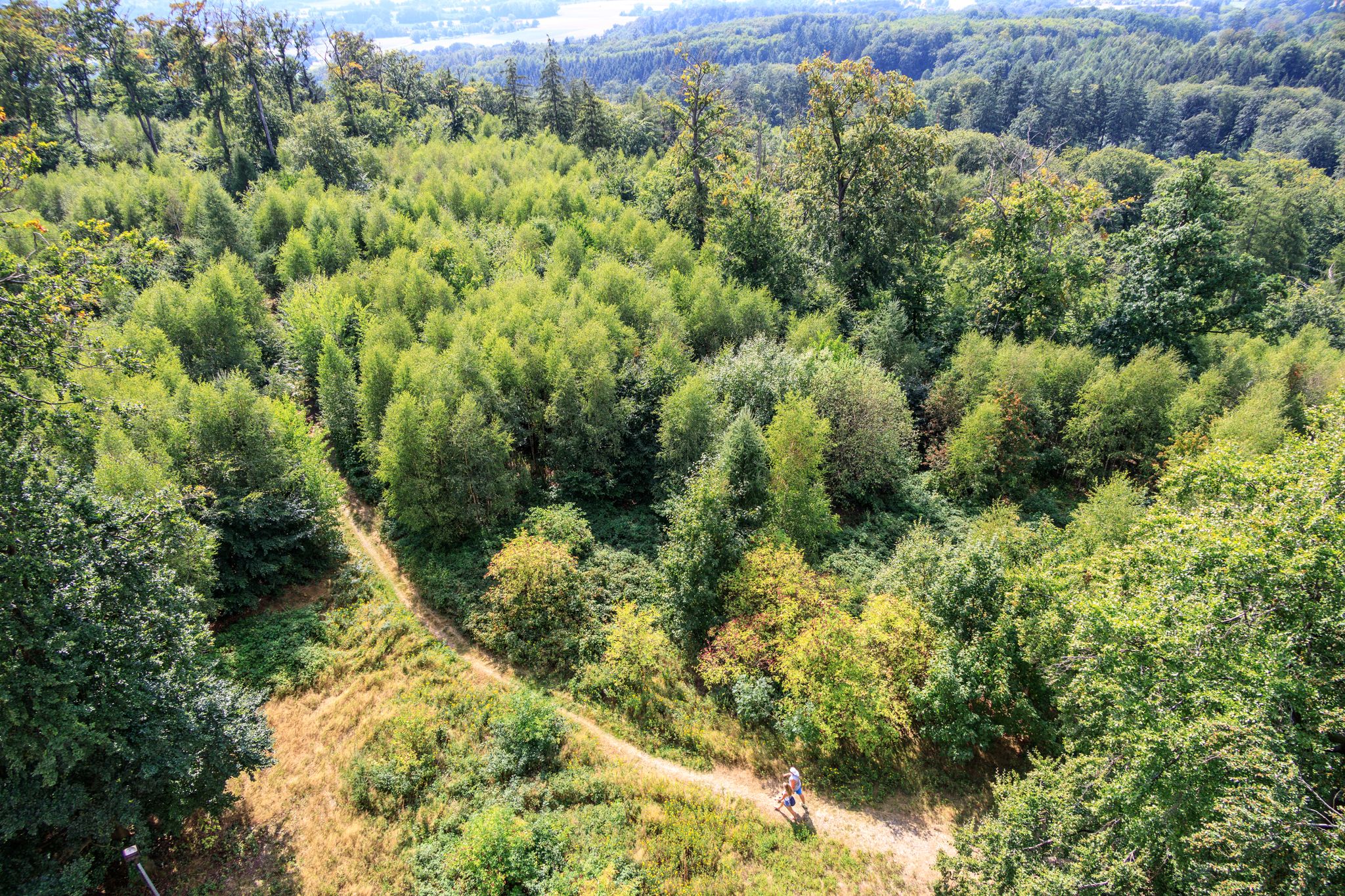
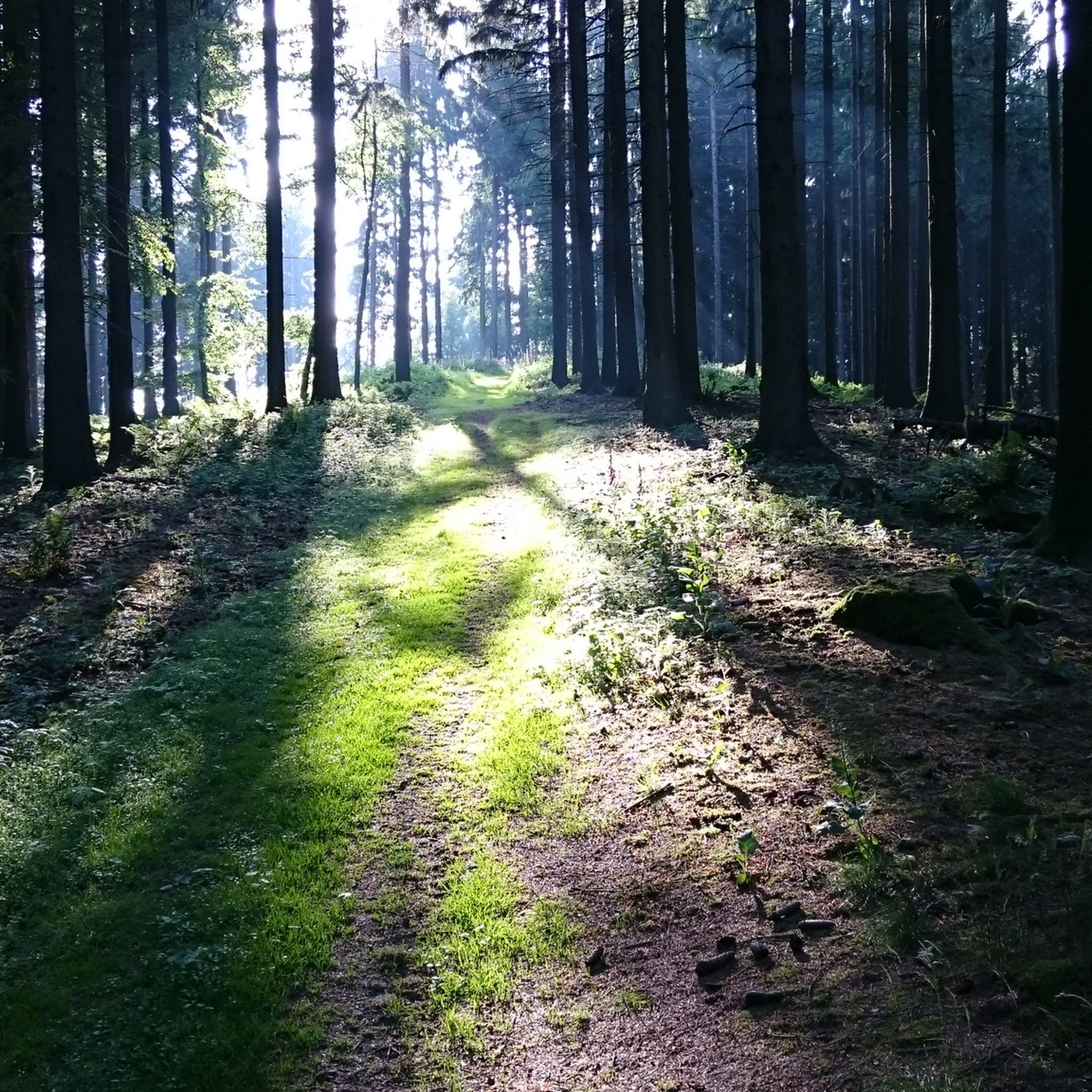
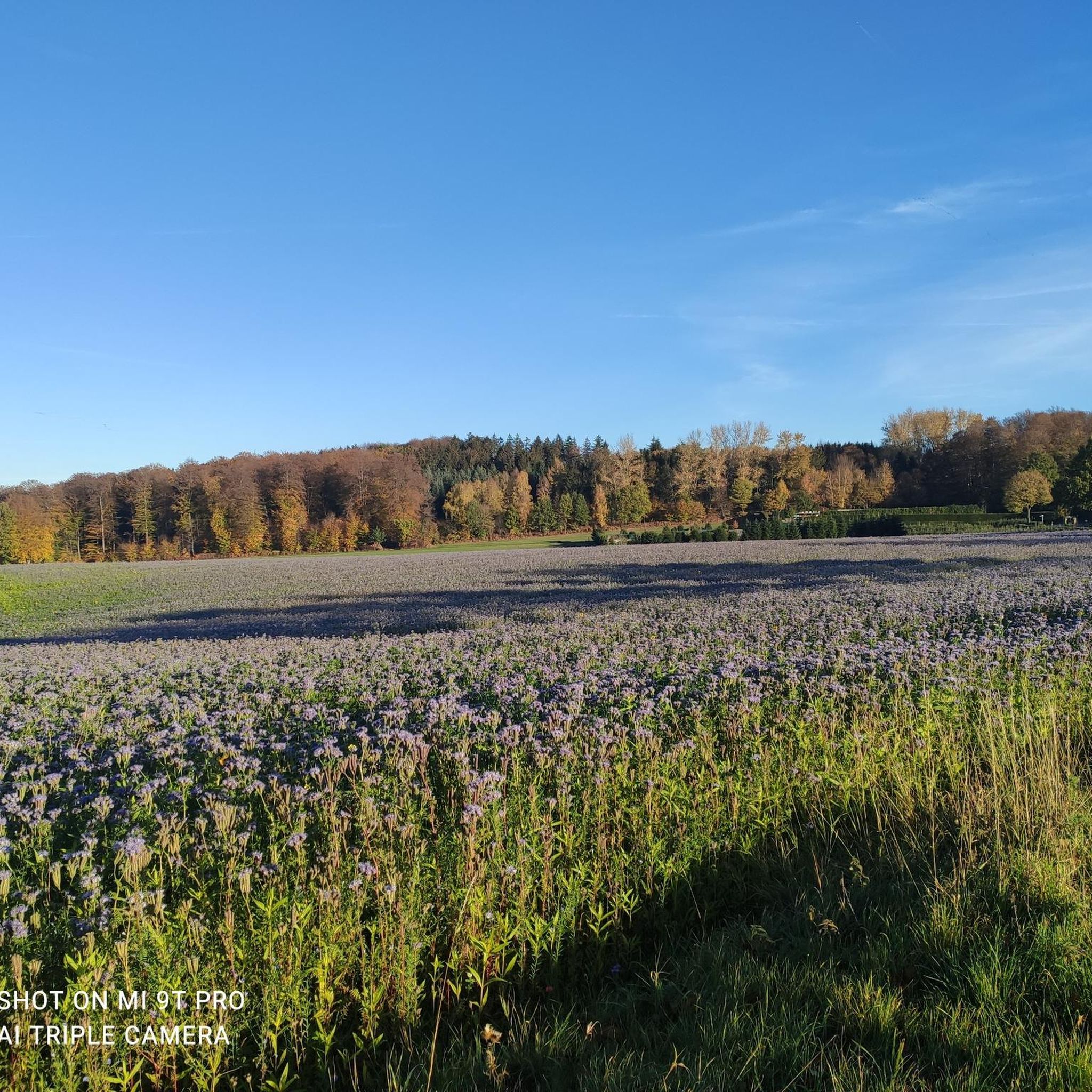
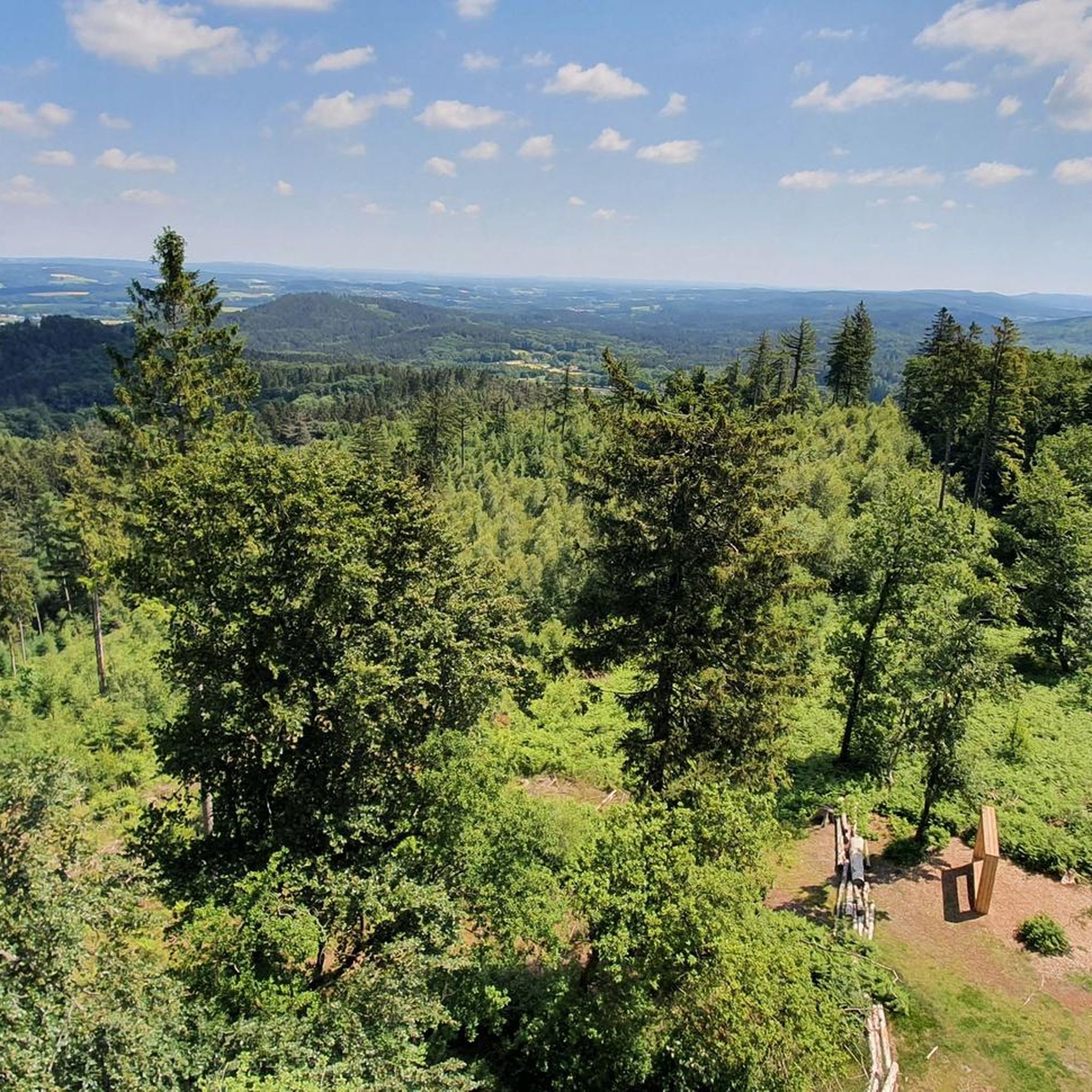
Road cycling routes around Georgsmarienhütte are set within the varied terrain of the Teutoburg Forest. The region features rolling hills, wooded areas, and picturesque valleys, offering both challenging ascents and enjoyable descents. Notable elevations include the Dörenberg at 331 meters and the Musenberg at 256 meters, providing opportunities for varied cycling experiences. This landscape composition makes Georgsmarienhütte a destination for road cyclists seeking diverse routes.
Best road cycling routes around Georgsmarienhütte
- The most popular road cycling route is St. John…
Last updated: August 15, 2026
4.6
(69)
295
riders
30.3km
01:17
200m
200m
Easy road ride. Great for any fitness level. Mostly well-paved surfaces and easy to ride.
4.8
(5)
77
riders
Moderate road ride. Good fitness required. Mostly well-paved surfaces and easy to ride.

Sign up for free
3.7
(10)
55
riders
39.7km
01:57
400m
400m
Moderate road ride. Good fitness required. Mostly well-paved surfaces and easy to ride.
3.4
(5)
33
riders
Moderate road ride. Great for any fitness level. Some segments of this route may be unpaved and difficult to ride.
3.5
(2)
41
riders
39.0km
01:44
240m
240m
Easy road ride. Great for any fitness level. Mostly well-paved surfaces and easy to ride.
Get access to more routes and recommendations from other explorers.
Sign up for free
Already have an account?
Our route recommendations are based on thousands of hikes, rides, and runs completed by other people on komoot.
Start today with a free account
Your next adventure awaits.
Login or Signup

Other adventures around Georgsmarienhütte

Tips from the Community

The name of the place dates back to the Benedictine convent Kloster Oesede, founded in the 12th century and closed in 1803.
0
0

Really a real challenge, at least for me. (up to 17% gradient)
0
0

Saint Johannes is an important name in connection with the Sutthausen estate. The castle chapel, which is part of the Sutthausen estate, is a remarkable building that was built by Gottfried v. Korff in the style of the Romantic architect in 1894. The chapel is known for its colorful carved altar, which is decorated with Gothic figures and reliefs and comes from the workshop of the famous master of Osnabrück around 1520. The castle chapel is a popular place for bridal couples who would like to say yes in front of the colorful altar.
0
0

The Baroque town hall, built in 1752 with its bright yellow paint, is an architectural gem in Hilter. The Baroque architect Johann Conrad Schlaun, who was working on the monastery in Bad Iburg at the same time, likely contributed to its construction.
1
0

If you need a refreshment as a runner, you can stop here.
2
0

In 2015/2016, the Oesede Monastery Local History Society rebuilt the historically significant Stone Tower at the roundabout at the entrance to Oesede Monastery. Its history dates back to the late Middle Ages. In 1441, Count Johann von Hoya (the "Wild Jan") robbed the Osnabrück citizens of their cattle in the Fledder during a feud. The citizens rushed after him, but broke off their pursuit at nightfall at the Stone Tower. That same year, Johann von Hoya was captured during the storming of Fürstenau Castle by the city of Osnabrück and imprisoned in the Johanniskasten (Steiniger Turm) in Osnabrück's Bucksturm (Bucksturm) for six years until 1447. During another feud between Osnabrück and the robber baron Friedrich von Buck, an unsuccessful meeting took place in 1450 in the Steiniger Turm between representatives of the city of Osnabrück and the Osnabrück cathedral dean Albert von Bevessen († 1458), whose epitaph has been preserved in the ambulatory of the Osnabrück cathedral.
0
0

Created in 1981 by the Aachen sculptor Bonifatius Stirnberg. The figures are movable.
2
0

The Estates Fountain was created in 1981 by the Aachen sculptor Bonifatius Stirnberg and stands in front of St. John's Church, facing Johannisstraße. It consists of six bronze figures representing the estates (clergy, knights, and citizens) of the Middle Ages. The figures are placed on the rim of a triangular, rounded bronze basin. They have movable stainless steel joints at the feet, knees, hips, elbows, hands, and head, allowing them to be posed like dolls. Only the Prince-Bishop of the time sits enthroned in his own designated spot. In the center of the fountain rises a stele, from whose uppermost plate water cascades down over two further plates. From there, it flows through three spiral channels, each pointing towards a corner, into the basin. The fountain's total height is approximately 2.80 meters. ... The figures, all modeled after people in the 17th century, were constructed by Marga Sommerkamp. This era was deliberately chosen because it represents an eventful hundred years, during which significant events took place, such as the great city fire of 1613 and the conclusion of the peace negotiations ending the Thirty Years' War in 1648. https://erleben.osnabrueck.de/de/stadt-erleben/sehenswertes/staendebrunnen/
3
0
Frequently Asked Questions
How many road cycling routes are available around Georgsmarienhütte?
There are nearly 90 road cycling routes around Georgsmarienhütte, offering a wide range of options for different skill levels and preferences. The komoot community has explored over 80 routes in the area.
What kind of terrain and difficulty levels can I expect for road cycling in Georgsmarienhütte?
The region, nestled in the Teutoburg Forest, features varied terrain with rolling hills, wooded areas, and picturesque valleys. You'll find routes ranging from easy, with gentle gradients, to moderate and difficult, which include more challenging ascents. Approximately 18 routes are considered easy, while 67 are moderate, and a few are more challenging.
Are there options for longer road cycling tours in the Georgsmarienhütte area?
Yes, for those seeking longer rides, Georgsmarienhütte offers several routes that extend into the surrounding region. For example, the Wind Turbine at Borgholzhausen – Borgholzhausen region loop from Oesede is a moderate 59.3 km path that includes challenging ascents through the Teutoburg Forest.
What are some scenic viewpoints or natural landmarks I can encounter on road cycling routes?
Road cycling routes in Georgsmarienhütte often lead through the scenic Teutoburg Forest. Notable elevations like the Dörenberg (331 meters) and Musenberg (256 meters) offer opportunities for panoramic views. While specific viewpoints are not always marked on every route, the natural beauty of the forest and valleys provides a consistently picturesque backdrop.
Are there family-friendly road cycling routes suitable for all ages around Georgsmarienhütte?
Yes, Georgsmarienhütte offers several easy road cycling routes that are suitable for families or those looking for a more relaxed ride. These routes typically navigate through scenic countryside with gentle gradients, allowing for an enjoyable experience for various ages and fitness levels. An example is the St. John of Nepomuk Monument – Hasbergen Train Station loop from Potthoff, an 18.8-mile easy trail.
What do other road cyclists enjoy the most about road cycling in Georgsmarienhütte?
The area is highly rated by the komoot community, with an average score of 4.2 stars from over 100 reviews. Road cyclists often praise the diverse terrain, which offers a good mix of challenging climbs and enjoyable descents within the beautiful Teutoburg Forest, as well as the variety of routes suitable for different abilities.
Can I find routes that incorporate historical sites or local attractions?
Many routes can be planned to include nearby attractions. For instance, you might pass by the Bad Rothenfelde Graduation Towers or the historic Bad Iburg Castle and Charlottensee Park. The region's dedication to cycling infrastructure makes it easy to combine cultural stops with your ride.
Are there any routes that offer a good challenge for advanced road cyclists?
Absolutely. The Teutoburg Forest provides ample opportunities for advanced cyclists. Routes that tackle the higher elevations, such as the Dörenberg, will offer strenuous ascents and rewarding descents. Look for routes with higher elevation gains and longer distances for a significant challenge.
What is the best time of year for road biking in Georgsmarienhütte?
The spring, summer, and early autumn months generally offer the most pleasant conditions for road cycling in Georgsmarienhütte. During these seasons, the weather is typically mild, and the natural landscapes of the Teutoburg Forest are at their most vibrant, providing an ideal setting for your rides.
Are there any circular road cycling routes available?
Yes, many of the road cycling routes around Georgsmarienhütte are designed as loops, allowing you to start and finish at the same point. This makes planning your ride convenient, especially if you're driving to a trailhead. An example is the Sonnensee – Descent from Borgloh loop from Oesede.
How does road cycling in Georgsmarienhütte compare to nearby Osnabrück?
Georgsmarienhütte, being within the Teutoburg Forest, offers a more pronounced hilly and varied terrain compared to some flatter regions. While Osnabrück also has a strong cycling culture and diverse routes, Georgsmarienhütte provides direct access to the rolling hills and wooded landscapes that define the Teutoburg Forest, making it particularly appealing for those seeking more elevation changes.
Most popular routes around Georgsmarienhütte
Most popular attractions around Georgsmarienhütte

Get inspired with the komoot mobile app


Explore more
Browse the best Road cycling routes in other regions.
