Attractions and Places To See around gmina Rymanów - Top 20
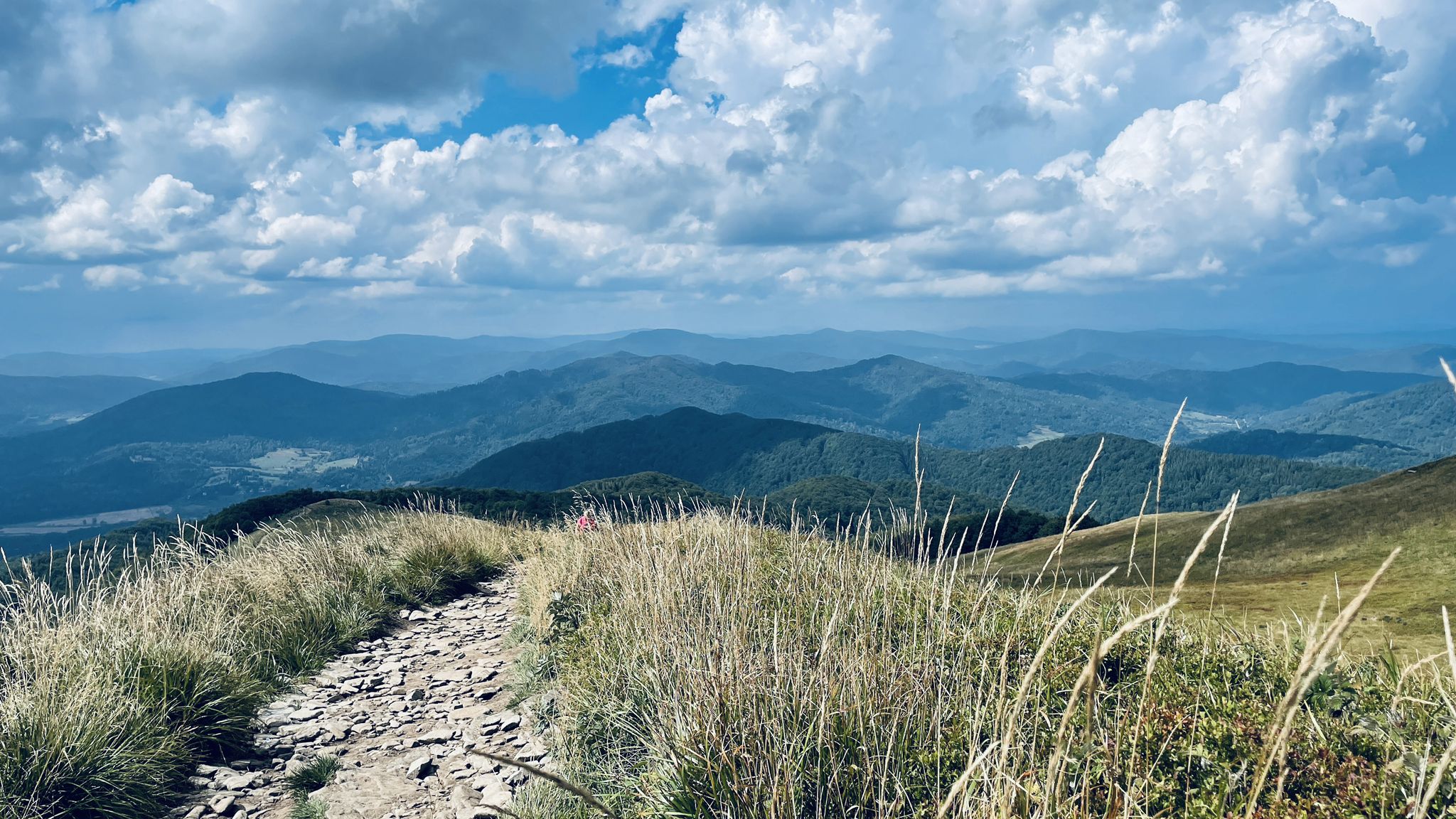
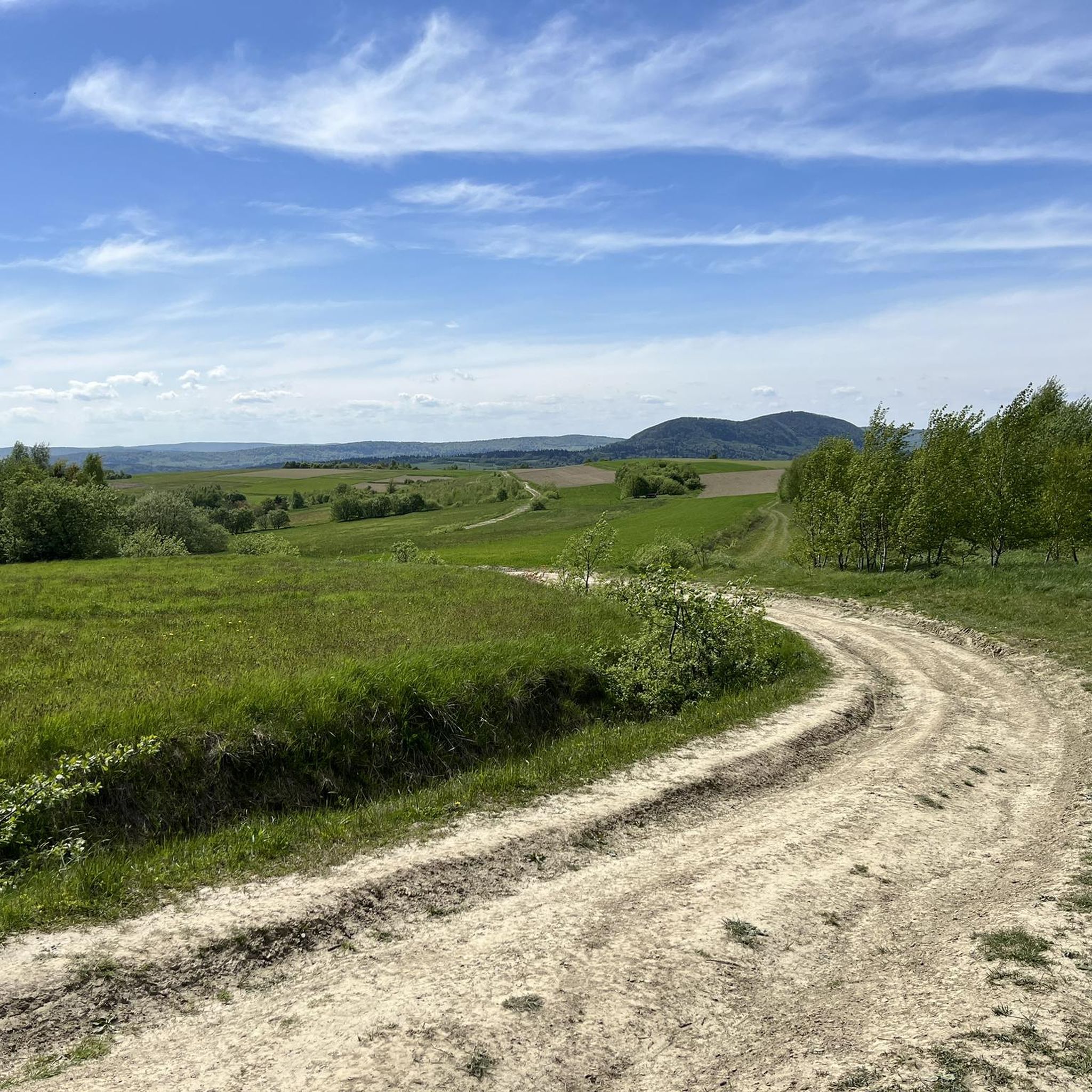
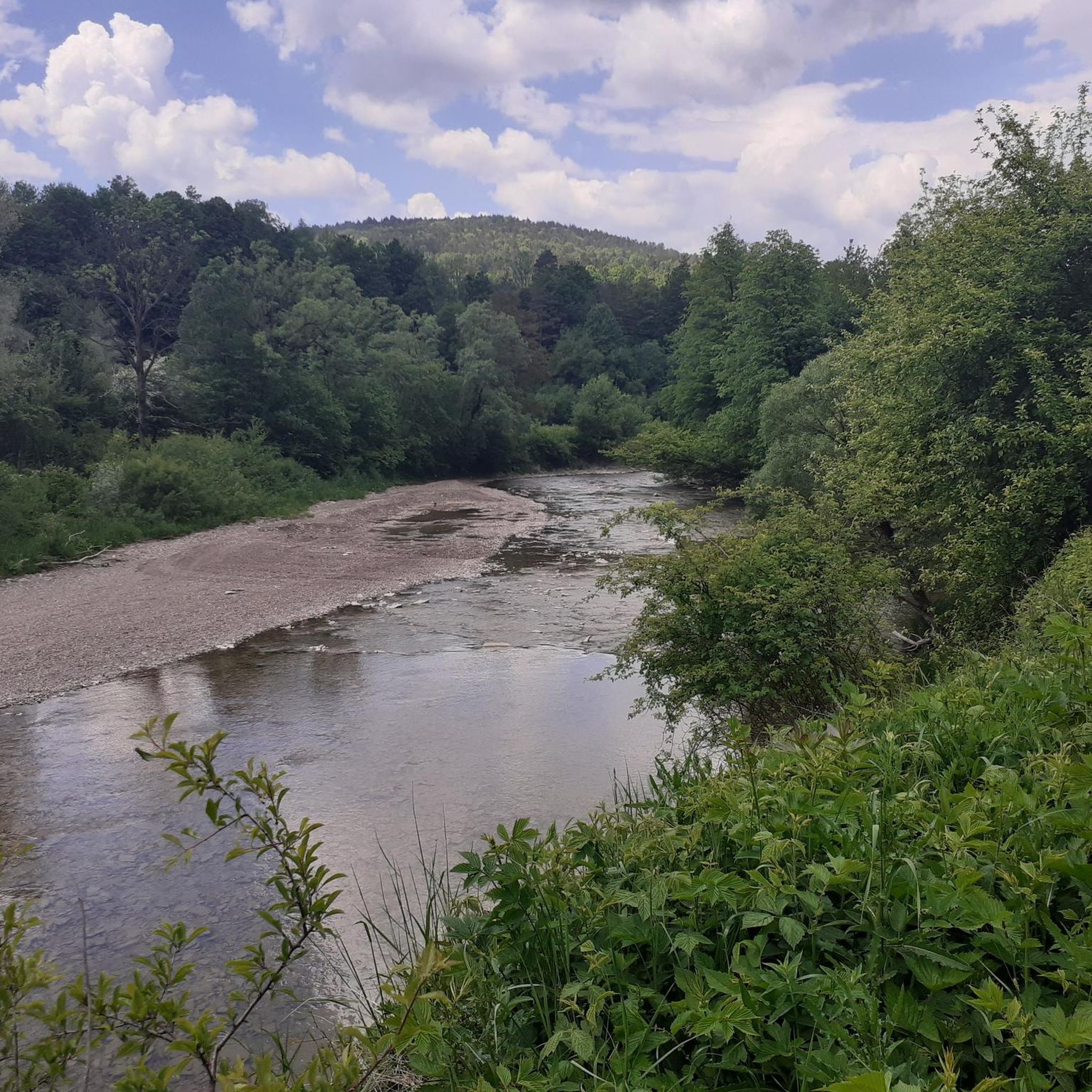
Best attractions and places to see around gmina Rymanów include a diverse range of historic landmarks, cultural sites, and natural features within the Low Beskids of southeastern Poland. The region is characterized by its picturesque mountain scenery and the spa town of Rymanów-Zdrój, known for its historic architecture. Visitors can explore scenic hills, river formations, and significant religious sites. The area offers opportunities for both cultural exploration and outdoor activities.
Best attractions and places to see around gmina Rymanów
- The most popular attractions is Iwonicz-Zdrój Market Square, a historic market square that serves recreational and commercial purposes. Stalls offer regional products and souvenirs, with options for dining and relaxation.
- Another must-see spot is St. John of Dukla hermitage, a religious building and historical site. This Neo-Gothic brick chapel, built between 1906 and 1908, features polychrome depicting the life of St. John of Dukla.
- Visitors also love Golden Spring (Holy Spring of St. John of Dukla), a religious site and natural monument. This pilgrimage site, located on the trail from Dukla to Cergowa, is associated with the hermit life of St. John of Dukla.
- gmina Rymanów is known for its historic landmarks, cultural sites, and natural features. The region offers a variety of attractions, from spa architecture and market squares to religious sites and scenic natural formations.
- The attractions around gmina Rymanów are appreciated by the komoot community, with more than 20 upvotes and 46 photos shared.
Last updated: July 15, 2026
St. John of Dukla hermitage
Highlight • Religious Site
In 1887, thanks to the foundation of Cezary Męciński, a new wooden chapel was built. The third neo-Gothic brick chapel, still present today, was built in the years 1906-1908 thanks to the efforts of the guardian of the Bernardines of Dukla, Ambroży Ligas. The project was created by a Saint Bernard named Kamil Żarnowski, and the polychrome depicting the life of Blessed John was painted by Władysław Lisowski. The neo-Gothic oak altar was made by Kazimierz Konieczkowski from Strzyżów.
Translated by Google •
Tip by

John Paul II Forest Avenue
Highlight • Trail
Translated by Google •
Tip by

Sign up now to discover places like this
Get recommendations on the best single tracks, peaks, & plenty of other exciting outdoor places.
Sign up for free
Willa Bazar
Highlight • Historical Site
Translated by Google •
Tip by

Iwonicz-Zdrój Market Square
Highlight • Settlement
Translated by Google •
Tip by

Golden Spring (Holy Spring of St. John of Dukla)
Highlight • Religious Site
The Golden Well remains a pilgrimage site, and indulgence masses are held there on the third Sunday of July.
Translated by Google •
Tip by
Sign up for free to discover even more attractions around gmina Rymanów.
Sign up for free
Already have an account?
Start today with a free account
Your next adventure awaits.
Login or Signup

Other adventures around gmina Rymanów

Tips from the Community

This impressive two-story wooden building was built between 1876 and 1880. Covered terraces, arcades, balconies... you can probably guess that it was once a luxury hotel for high-end guests!
1
0


One of the most impressive buildings in Iwonicz-Zdrój (Podkarpackie Voivodeship) is the Bazar villa. Located in the center, on the promenade, the wooden building appears on almost all souvenirs from the spa town – it is its showpiece. The two-story building was built between 1876 and 1880, with a plan similar to the letter H. It was founded by Michał Załuski, owner of the Iwonicz estate from 1860. It was during his lifetime that an iodine-bromine salt works was built, and a railway line was built 12 km away. During Michał Załuski's reign, Iwonicz had 19 villas with six hundred rooms for spa guests. The ground floor of Bazar once housed a post office and telegraph office, and later shops. The upper floors were occupied by luxurious rooms. The hotel featured an indoor swimming pool, terraces, balconies, and arcades supported by columns. In one corner, a three-story tower was erected on a square plan, topped with a gazebo on poles, serving as an observation deck. Source and more: https://proszewycieczki.wordpress.com/2020/12/25/iwonicz-zdroj-bazar/
0
0

Karol Wojtyla, better known to many as "Pope John Paul II", was born in Wadowice, Poland, in 1920 and was elected as the successor to the head of the Catholic Church after the death of Pope John Paul I in the "Three Popes Year" of 1978 - to the surprise of almost everyone. As a young man, he had experience of dictatorships under the Nazi regime of German-occupied Poland and later under communist rule. During the so-called "Cold War" at the time, his support for the freedom movement, especially in the countries of Eastern Europe, and his part in the fall of the so-called "Iron Curtain" that separated the Western European states from the Eastern Bloc was correspondingly great and passionate. Karol Wojtyla (Pope John Paul II) died in the Vatican in 2005 after a long illness.
1
0

On the Zaśpit hill there is the third temple dedicated to Saint. John of Dukla, also known as the Church in the Forest. The history of this place began with a brick temple built in 1769 on the initiative of Maria Amelia Mniszchowa née Brühl after the beatification of the saint. After the ceremonial consecration, accompanied by salvos from 24 mortars, a procession took place from the Dukla parish church to the Zaśpit hill. Unfortunately, both the chapel and the hermitage burned down in a fire in 1883. In 1887, thanks to the foundation of Cezary Męciński, a new wooden chapel was built. The third neo-Gothic brick chapel, still present today, was built in the years 1906-1908 thanks to the efforts of the guardian of the Bernardines of Dukla, Ambroży Ligas. The project was created by a Saint Bernard named Kamil Żarnowski, and the polychrome depicting the life of Blessed John was painted by Władysław Lisowski. The neo-Gothic oak altar was made by Kazimierz Konieczkowski from Strzyżów.
2
0
The "Golden Well" is the name given to the site with the chapel of St. John of Dukla above a spring on the trail from Dukla to Cergowa. This site, also accessible via the nature trail from Cergowa, is, according to local tradition, associated with the hermit's life of St. John of Dukla, born around 1414. He founded a well here, dubbed the "Golden Well." The Golden Well remains a pilgrimage site, and indulgence masses are held there on the third Sunday of July.
2
0

A beautiful place to reflect and think.
0
2
A beautiful place for walks.
0
0
Frequently Asked Questions
What natural attractions can I explore in Gmina Rymanów?
Gmina Rymanów boasts several impressive natural features. You can explore the scenic Rymanów Hills, which offer excellent hiking and views, with the highest peak being Jawornik (761 m). Don't miss the Breakthrough Wisłok - Rudawka Rymanowska, where the Wisłok River has carved through the landscape, revealing the largest outcrop of menilite shales in the Polish Carpathians. Another highlight is the approximately 3-meter-high Waterfall on the Wisłoczek, a significant cascade for the Low Beskids region.
Are there any significant historical or cultural sites to visit?
Yes, the region is rich in history and culture. In Rymanów-Zdrój, you'll find historic wooden villas from the 19th century, such as "Opatrzność" and "Zofia." The town of Rymanów features a noteworthy Baroque Church from 1780. You can also visit the preserved old synagogue and the Jewish cemetery, which are important sites reflecting the region's Jewish heritage. The St. John of Dukla hermitage is a significant religious and historical site with a Neo-Gothic brick chapel.
What kind of spa architecture can I see in Rymanów-Zdrój?
Rymanów-Zdrój is renowned for its historic spa architecture, particularly its 19th-century wooden villas and guesthouses. These buildings, often inspired by the Tyrolean style, include notable examples like "Opatrzność," "Gołąbek," "Zofia," "Leliwa," "Pogoń," and "Pod Matką Boską" (Villa Maria). The Church of St. Stanislaus the Bishop, a Neo-Gothic former spa chapel from 1909-1910, also contributes to the town's unique architectural character.
Where can I find hiking trails in Gmina Rymanów?
Gmina Rymanów is an excellent base for active tourism, with numerous walking and cycling routes throughout the Low Beskids. Popular hiking options include the Beskid Courier Trail "Jaga-Kora" and a green trail connecting Rymanów-Zdrój with Iwonicz-Zdrój. For more detailed routes, you can explore the Hiking around gmina Rymanów guide, which features trails like the "Loop Rymanów Zdrój - Przymiarki - Iwonicz Zdrój" and the "Nature trail Rymanów Zdrój (loop)."
Are there cycling routes available in the area?
Yes, Gmina Rymanów offers various cycling routes. For road cycling, you can find options like the "Route Along the Wind Turbines loop from Rymanów" or the "Jaśliska Gate – Fairy Tale Arbor loop from gmina Rymanów" in the Road Cycling Routes around gmina Rymanów guide. If you prefer gravel biking, the Gravel biking around gmina Rymanów guide includes routes such as "Waterfall on the Wisłoczek – Wisłoczek Tent Base loop from Rymanów."
What activities are suitable for families with children?
Families can enjoy several attractions in Gmina Rymanów. The Spa Park in Rymanów-Zdrój offers sports facilities, including a swimming pool, sports fields, and tennis courts, and an ice rink in winter. The John Paul II Forest Avenue is a recreational path free from vehicle traffic, perfect for walks and observing waterfowl. The Iwonicz-Zdrój Market Square is also family-friendly, with stalls offering regional products and places to relax.
Can I find any religious pilgrimage sites in the region?
Absolutely. Gmina Rymanów is home to significant religious sites. The St. John of Dukla hermitage on Zaśpit hill features a Neo-Gothic chapel dedicated to St. John of Dukla. Another important pilgrimage site is the Golden Spring (Holy Spring of St. John of Dukla), located on the trail from Dukla to Cergowa, associated with the saint's hermit life. Indulgence masses are held here annually.
What are the best viewpoints in Gmina Rymanów?
The Rymanów Hills, including peaks like Jawornik (761 m), Mogiła, Sucha Góra, and Dział, offer beautiful views of the surrounding area. On clear days, you might even catch a glimpse of the Tatra Mountains from Kopa (Przymiarki). These forested hills provide excellent opportunities for scenic vistas during hikes.
Is there anything to do in Gmina Rymanów during winter?
During the winter months, Gmina Rymanów offers opportunities for skiing. Ski lifts are available in Bałucianka, Puławy Górne, and Rymanów-Zdrój, catering to various skill levels. The Spa Park in Rymanów-Zdrój also features an ice rink, providing another recreational option for visitors.
What is the John Paul II Forest Avenue?
The John Paul II Forest Avenue (Aleja Jana Pawła II) is a recreational path that offers an alternative, vehicle-free access to the church and spa center. It's a peaceful place where visitors can enjoy the forest environment, observe waterfowl on a small lake, and take leisurely walks away from the main street.
Are there any unique historical buildings beyond the spa architecture?
Beyond the spa architecture, Gmina Rymanów is home to several historic wooden churches, such as the wooden church of St. Michael the Archangel in Klimkówka (from 1854) and the wooden church of the Assumption of the Blessed Virgin Mary in Bałucianka, which features a 17th/18th-century iconostasis. The town of Rymanów also has a notable Baroque church from 1780 with a distinctive high tower.
What is the Jewish heritage like in Rymanów?
Before World War II, the Jewish community was a significant part of Rymanów's population. Today, visitors can explore the preserved old synagogue, which has been restored, and the Jewish cemetery. The cemetery is considered one of the most interesting Jewish necropolises in the Subcarpathia region due to its picturesque location above a cliff, offering a poignant glimpse into the town's past.
What do visitors enjoy most about the attractions in Gmina Rymanów?
Visitors appreciate the diverse range of experiences, from the historic charm of the spa town and its architecture to the tranquility of the natural landscapes. Many enjoy the opportunity for reflection at religious sites like the St. John of Dukla hermitage and the Golden Spring. The recreational values of places like the John Paul II Forest Avenue and the regional products found at the Iwonicz-Zdrój Market Square are also highly valued.
Are there any places for wild swimming or water activities?
The Breakthrough Wisłok - Rudawka Rymanowska offers ideal conditions for swimming in the Wisłok River up to Sieniawa. Additionally, the Waterfall on the Wisłoczek, with its approximately 3-meter height, has a depth at its base suitable for bathing, providing a refreshing natural spot for water activities.
Can I visit a museum related to the region's industry?
While slightly outside the immediate Gmina Rymanów, the Museum of Oil and Gas Industry in Bóbrka is a notable attraction nearby. It offers fascinating insights into the history of oil and gas extraction, which played a significant role in the broader region's development.
Most popular routes around gmina Rymanów
Most popular attractions around gmina Rymanów

Get inspired with the komoot mobile app


Explore more
Still not found the Highlight you’re looking for? See guides of the top attractions in other regions:
