The best walks and hikes around gmina Dobrzyniewo Duże
4.6
(114)
2,694
hikers
421
hikes
Hiking around gmina Dobrzyniewo Duże is characterized by its location within and bordering the expansive Knyszynska Forest Landscape Park. The terrain features dense woodlands, including pine, spruce, birch, alder, and oak stands, with the Supraśl River flowing through the area. The region encompasses parts of the Krzemianka Nature Reserve, known for its alder-ash carrs, meadows, and ancient flint mines. Elevation changes are generally gentle, making for accessible trails.
Best hiking trails around gmina Dobrzyniewo Duże
- The most popular hiking route…
Last updated: November 7, 2026
4.3
(8)
125
hikers
5.73km
01:29
30m
30m
5.0
(2)
29
hikers
Easy hike. Easily walkable paths.

4.0
(2)
16
hikers
2.72km
00:41
10m
10m
Easy hike. Easily walkable paths.
8
hikers
9.08km
02:21
50m
50m
Moderate hike. Good fitness required. Easily walkable paths.
7
hikers
Easy hike. Easily walkable paths.
Get access to more routes and recommendations from other explorers.
Already have an account?
Our route recommendations are based on thousands of hikes, rides, and runs completed by other people on komoot.
Start today with a free account
Your next adventure awaits.


Tips from the Community

A walk through the Podlaskie Muzeum Kultury Ludowej is like a journey back in time to the rural past of eastern Poland. Among traditional wooden houses, barns, and workshops, you can experience the simple life of previous generations firsthand. The tour is particularly beautiful on a dry day – in rain, the grounds can become muddy and unpleasant. The extensive grounds are idyllically situated on the edge of the forest, just a few kilometers outside of Białystok, and are perfect for a quiet stroll with plenty of photo opportunities. Ideal as a cultural stop during a bike ride or hike through the region. 📸 Tip: Be sure to bring your camera or smartphone – the play of light on the old wooden facades is particularly atmospheric at sunset!
1
0

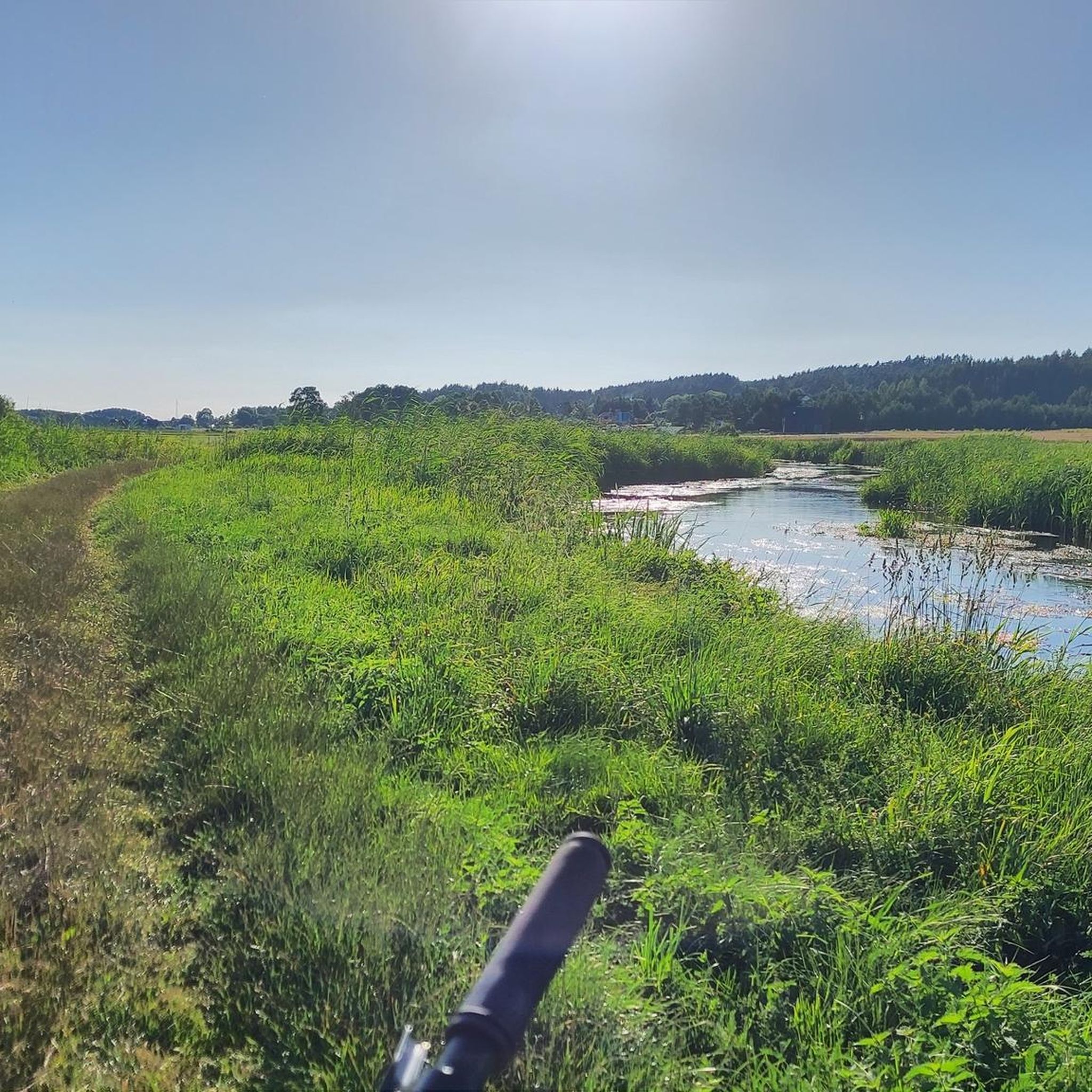
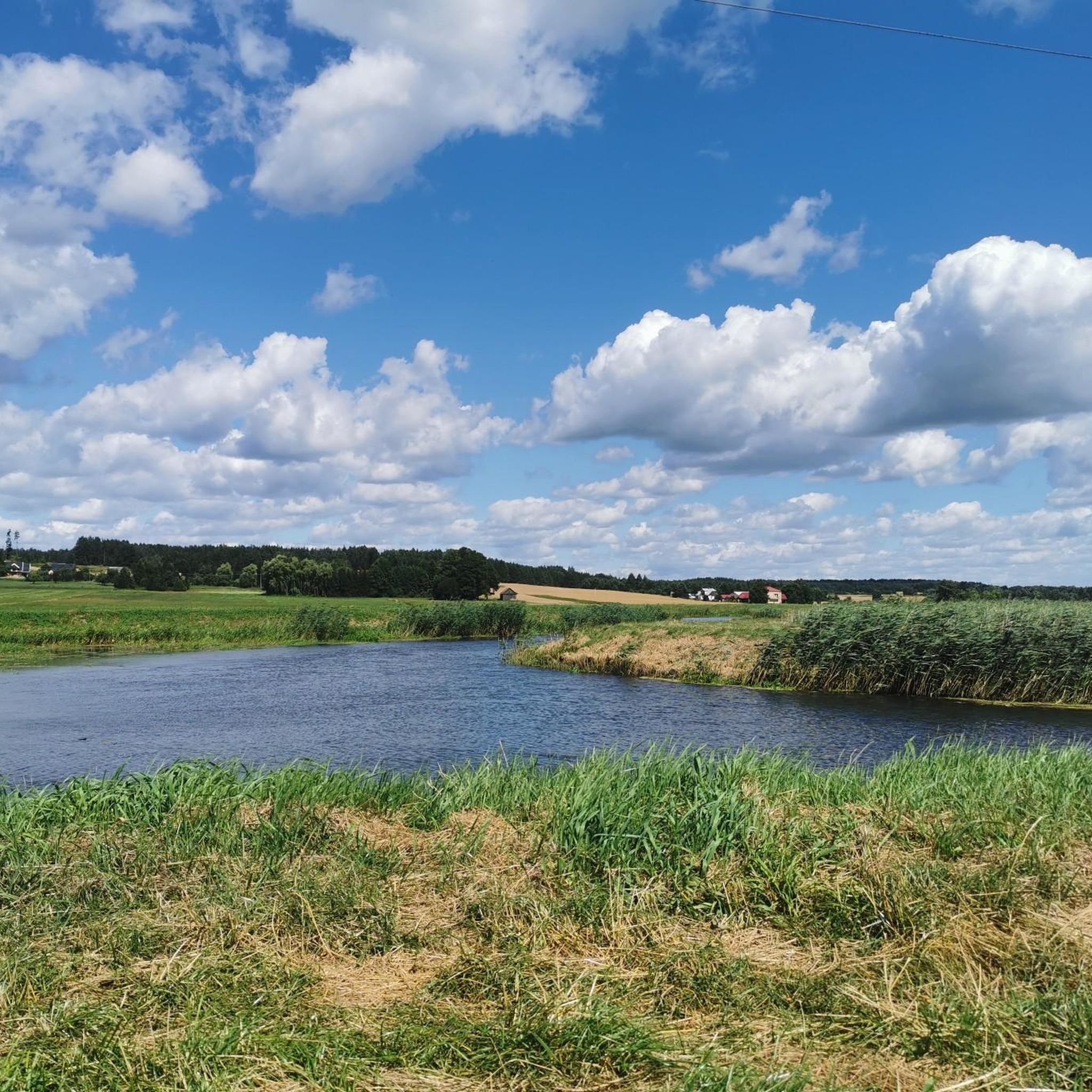
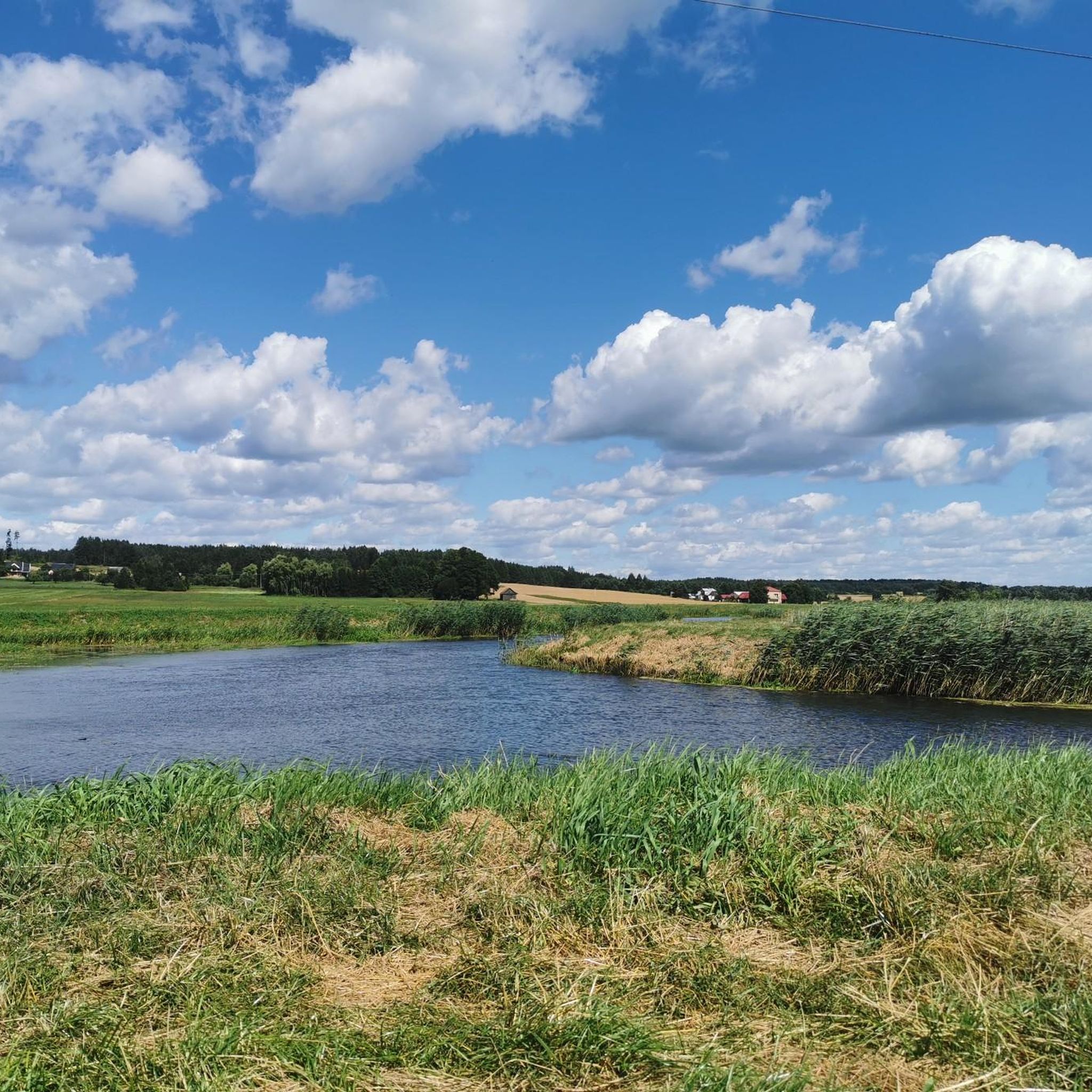
Opposite the parking lot on the other side of the road we have the entrance to the Rybniki - Krzemianka walking and cycling trail. After 500m through the forest we have 300m of beautiful wetlands with a view of the valley, river and a shelter with a table. Being here it is worth visiting there. The trail goes further but at least the 800m to the shelter is definitely worth walking.
0
0
This is the entrance to the Rybniki - Krzemianka Reserve hiking and cycling trail. From the road we have 500m of forest with a good forest road, then 300m of road along beautiful wetlands and we have a shelter with a table and a bike rack. There are beautiful views of these wetlands. Then the trail goes through various forests and meadows. You can meet many different rare birds in these wetlands and other animals.
0
0

Currently, the area around the monument is very well maintained, after the last reconstruction there is lighting, benches for rest, garbage cans and at the same time the artesian well located in the complex was renovated.
2
0

Signs at the entrance to the reserve inform about the ban on cycling. In the season, on a nice weekend, there are a lot of visitors. I suggest planning a trip outside of the obvious days and times.
1
0

One of the viewing terraces in the reserve. Very well maintained - looks brand new. There is also a great information board about the local springs feeding the Krzemionka stream: according to the information, such springs are rare in Poland, so they are protected here. Most of these springs are oval in shape and animals use them to drink water.
0
0

Podlaskie Museum of Folk Culture (until September 2016 Białystok Village Museum) – an open-air museum, collecting wooden architecture monuments and ethnographic collections from the Białystok, Łomża and Suwałki regions. It was created by merging the Białystok Village Museum and the Ethnography Department of the Podlaskie Museum, previously it was a branch of the Museum. The Museum is located on the northern border of Białystok, in the town of Wasilków, on the road to Augustów. The Ethnography Department has been operating since 1962, and the open-air museum was established in 1982 as a branch of the then District Museum in Białystok. The open-air museum was to implement projects to protect the wooden architecture of the Białystok region, created in the 1960s. The author of one of the first program assumptions was Prof. Ignacy Tłoczek. The project finally accepted for implementation was authored by Prof. Marian Pokropek. It assumed the reconstruction of entire settlement systems found in north-eastern Poland, such as: terraced houses, linear houses, small-nobility hamlets, colonial buildings, and manor and forest complexes.
0
0
Podlaskie Museum of Folk Culture (until September 2016 Białystok Village Museum) – an open-air museum, collecting wooden architecture monuments and ethnographic collections from the Białystok, Łomża and Suwałki regions. It was created by merging the Białystok Village Museum and the Ethnography Department of the Podlaskie Museum, previously it was a branch of the Museum. The Museum is located on the northern border of Białystok, in the town of Wasilków, on the road to Augustów. The Ethnography Department has been operating since 1962, and the open-air museum was established in 1982 as a branch of the then District Museum in Białystok. The open-air museum was to implement projects to protect the wooden architecture of the Białystok region, created in the 1960s. The author of one of the first program assumptions was Prof. Ignacy Tłoczek. The project finally accepted for implementation was authored by Prof. Marian Pokropek. It assumed the reconstruction of entire settlement systems found in north-eastern Poland, such as: terraced houses, linear houses, small-nobility hamlets, colonial buildings, and manor and forest complexes.
1
0
Frequently Asked Questions
How many hiking trails are available in gmina Dobrzyniewo Duże?
Gmina Dobrzyniewo Duże offers an extensive network of trails, with over 390 hiking routes available on komoot. These trails cater to various preferences, from leisurely strolls to more challenging excursions through the diverse landscapes of the Knyszynska Forest Landscape Park.
What are the different difficulty levels for hiking trails in gmina Dobrzyniewo Duże?
The hiking trails in gmina Dobrzyniewo Duże are predominantly easy, with nearly 300 routes suitable for beginners or those seeking a relaxed walk. There are also around 90 moderate trails for hikers looking for a bit more challenge, and a few difficult routes for experienced adventurers. This variety ensures there's something for every fitness level.
Are there any family-friendly hiking options in gmina Dobrzyniewo Duże?
Yes, many trails in gmina Dobrzyniewo Duże are suitable for families. The region's generally gentle elevation changes and well-maintained paths, especially within the Krzemianka Nature Reserve, make for pleasant family outings. For example, the didactic path in Krzemianka Reserve is designed to be accessible, featuring wooden footbridges and resting benches, perfect for exploring with children.
Can I bring my dog on the hiking trails in gmina Dobrzyniewo Duże?
Many trails in gmina Dobrzyniewo Duże are dog-friendly, allowing you to enjoy the natural beauty with your canine companion. However, as the area is rich in wildlife, including deer, wild boars, and even European bison within the Knyszynska Forest, it's always recommended to keep dogs on a leash to protect both your pet and the local fauna.
What natural features and landmarks can I see along the hiking trails?
Hiking in gmina Dobrzyniewo Duże offers a chance to explore diverse natural features. A highlight is the Krzemianka Nature Reserve, known for its alder-ash carrs, meadows, and ancient flint mines. You can also discover other natural monuments like the Zwierzyniecki Forest, and various picturesque ponds and lakes such as the Wasilków Reservoir, Mickiewicz Ponds, and Marczukowski Ponds.
Are there any circular hiking routes in the area?
Yes, gmina Dobrzyniewo Duże features several circular hiking routes that allow you to start and end at the same point. An example is the Krzemianka Nature Reserve loop from Rezerwat Krzemianka, which is an easy 2.7 km trail, perfect for a shorter, immersive experience in the reserve's unique environment.
What is the best time of year to go hiking in gmina Dobrzyniewo Duże?
The best time for hiking in gmina Dobrzyniewo Duże is generally from spring through autumn (April to October). During these months, the weather is pleasant, and the Knyszynska Forest is vibrant with lush greenery or autumn colors. Spring offers blooming flora, while autumn provides stunning foliage. Winter hiking is also possible for those prepared for colder conditions and snow, offering a different, serene experience.
What do other hikers enjoy most about hiking in gmina Dobrzyniewo Duże?
The area is highly rated by the komoot community, with an average score of 4.7 stars from around 80 reviews. Reviewers often praise the unspoiled natural environment, the tranquility of the Knyszynska Forest, and the well-marked paths, especially within the Krzemianka Nature Reserve. The opportunity for wildlife observation is also a frequently mentioned highlight.
Are there any trails that offer a mix of natural and cultural sights?
Absolutely. Some routes in gmina Dobrzyniewo Duże blend natural beauty with local landmarks. For instance, the Hiking loop from Cerkiew św. Apostoła Jana Teologa offers a journey through varied landscapes while passing by cultural points of interest, providing a richer hiking experience.
Is public transport available to reach hiking trailheads in gmina Dobrzyniewo Duże?
While specific public transport connections to every trailhead can vary, gmina Dobrzyniewo Duże is situated near larger towns like Białystok, which serves as a regional transport hub. It's advisable to check local bus schedules for routes that might connect to villages or areas bordering the Knyszynska Forest, from where many trails begin. Planning ahead is recommended.
Are there any specific regulations or permits needed for hiking in the Knyszynska Forest Landscape Park or Krzemianka Nature Reserve?
Generally, hiking on designated trails within the Knyszynska Forest Landscape Park and Krzemianka Nature Reserve does not require special permits for individual visitors. However, it's always good practice to respect nature reserve rules, such as staying on marked paths, not disturbing wildlife, and refraining from littering. For larger groups or specific activities, it's best to consult local park authorities.
What kind of wildlife might I encounter while hiking?
The Knyszynska Forest is a haven for wildlife. Hikers might spot various bird species, deer, wild boars, and even rarer animals like elk, badgers, wolves, and lynx. Notably, the forest is also home to wild European bison. Early mornings or late afternoons offer the best chances for wildlife observation.
Most popular routes around gmina Dobrzyniewo Duże
Most popular attractions around gmina Dobrzyniewo Duże

Get inspired with the komoot mobile app


Explore more
Browse the best Hikes in other regions.
