Attractions and Places To See around Siemiatycze - Top 20
Attractions and places to see around Siemiatycze offer a diverse range of experiences, from historical landmarks to significant natural features. The region is characterized by its location along the Bug River, providing natural landscapes and opportunities for outdoor activities. Siemiatycze and its surroundings feature important cultural sites, including religious buildings and historical monuments. Visitors can explore a blend of history, nature, and local heritage.
Best attractions and places to see around Siemiatycze
- The most popular attractions is Holy Mount Grabarka…
Last updated: July 29, 2026
Holy Mount Grabarka (Święta Góra Grabarka)
Highlight • Religious Site
Translated by Google •
Tip by

Molotov Line Bunkers
Highlight • Historical Site
Translated by Google •
Tip by

Sign up now to discover places like this
Get recommendations on the best single tracks, peaks, & plenty of other exciting outdoor places.
Sign up for free
Holy Mountain Chapel and Spring
Highlight • Religious Site
Translated by Google •
Tip by

Drażniew Watermill
Highlight • Monument
Translated by Google •
Tip by
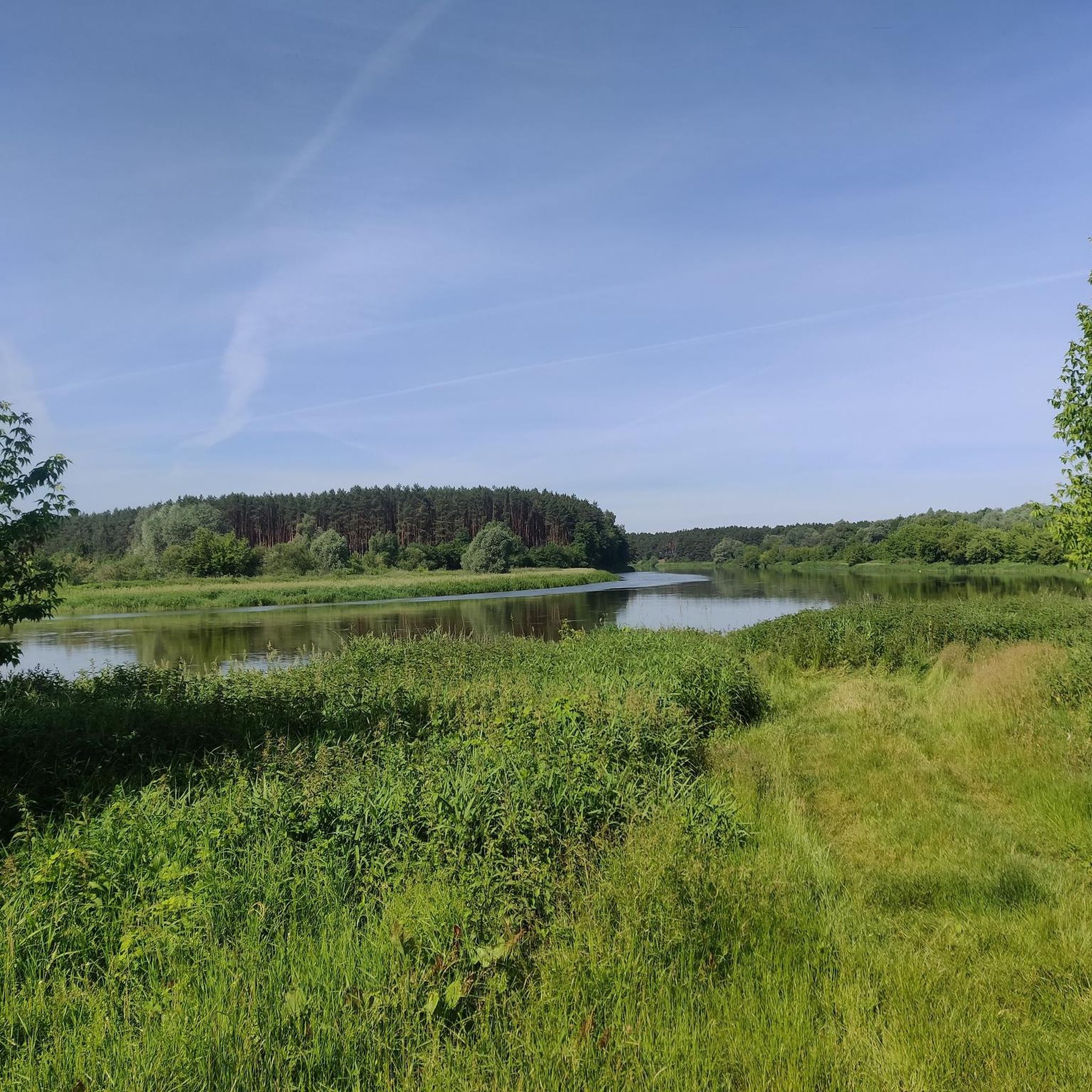
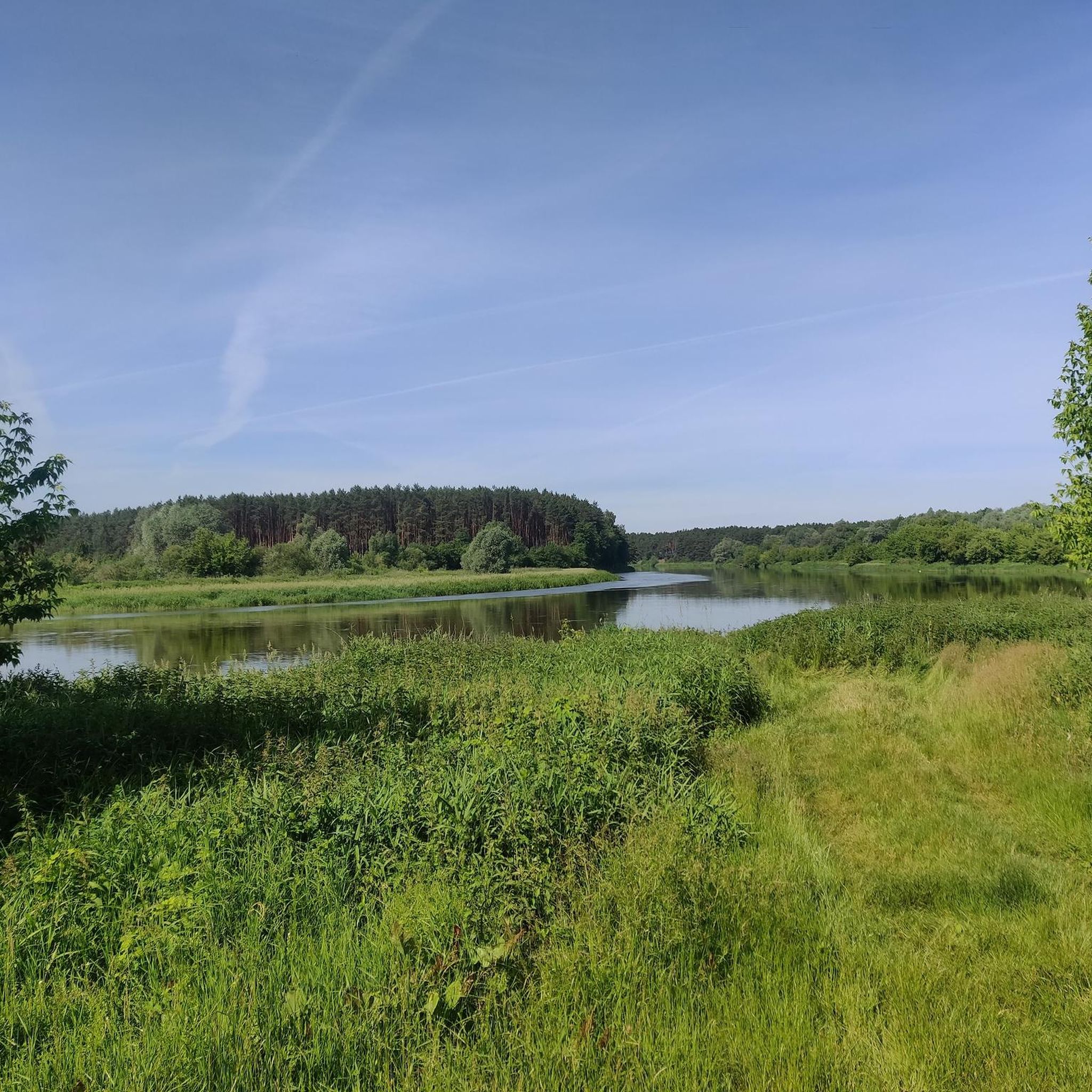
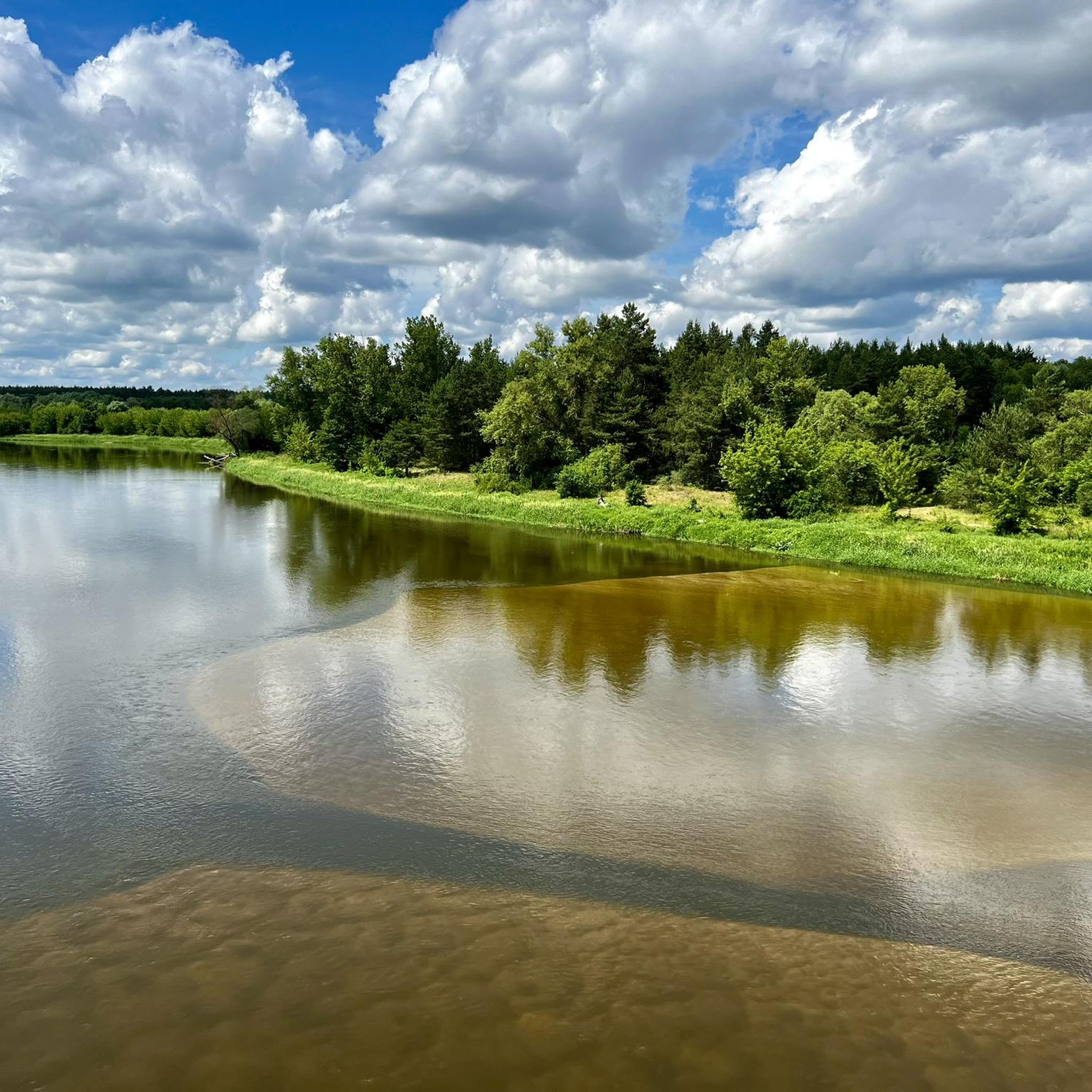
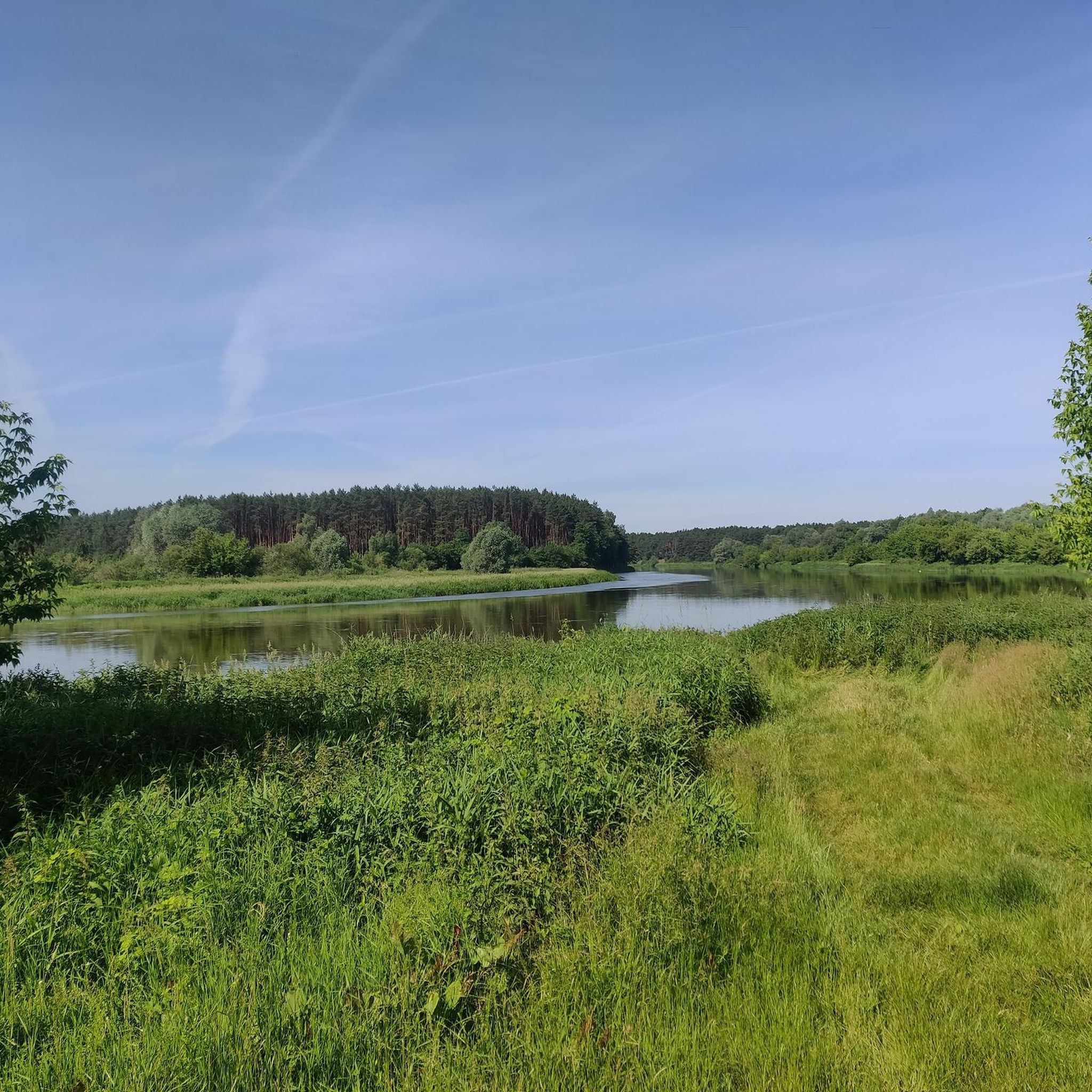
Mężenin – Natura 2000 Lower Bug Valley
Highlight • Natural Monument
The settlement was established at the …
Translated by Google •
Tip by

Sign up for free to discover even more attractions around Siemiatycze.
Sign up for free
Already have an account?
Start today with a free account
Your next adventure awaits.
Login or Signup


Tips from the Community

Holy Mount Grabarka is the most important Orthodox center in Poland, located in the Podlaskie Voivodeship, near Siemiatycze. It is a pilgrimage site known as the "Hill of Crosses" because for centuries the faithful have brought votive crosses here, symbolizing prayers and thanksgiving. The complex includes the Saints Martha and Mary Monastery and three Orthodox churches.
1
0

A beautiful and magical place. It's impossible to describe, it must be seen.
1
0
A settlement. Near the bridge over the Toczna River, an old water mill from 1935 stands here. Originally, a wooden mill belonged to the estate of Count Ostrowski of Korczew. After him, the mill was taken over by Aleksander Mincewicz, a native of Drohiczyn and from a family with a long milling tradition. A few years before the war, he completed the construction of a brick mill in Drażniewo, which was blown up by retreating Germans during the war. Aleksander rebuilt the mill after the war and, despite harassment from the communist authorities, ran it until 1965. Since 2009, the settlement has been run by Anna and Marcin Wawrzyński.
1
0

Most of the "Molotov Line" bunkers along the Bug River are in very poor condition.
0
0
The Bug Valley tempts with picturesque views, but this is not the only attraction of this area. History enthusiasts flock here to discover the remains of one of the most famous fortifications of World War II. Around 1,900 structures of various purposes, over 150,000 soldiers and civilians working on their construction in 1940, over 1,000 km long – the scale of this undertaking is still admirable today. And all this in order to separate themselves from the German ally, with whom Minister Molotov had signed a friendship treaty just a few months earlier. However, Stalin knew that an alliance with Germany was as fleeting as the smoke from his favorite pipe. Hence the construction of large-scale fortifications, which were to stop the aggressor, enable mobilization in the event of war and support offensive operations. The Molotov Line, like its French “cousin” – the Maginot Line, did not live up to the hopes placed in it. The German attack surprised the Russians, some of the bunkers were not even occupied, others did not resist for long. Abandoned almost without a fight, some turned into a pile of rubble, after the war they became a treasure trove of engines and generators for the local population.
0
0
Large reinforced concrete shells of combat bunkers hide from the view of outsiders in the forest shade or grow from the tops of the Bug River hills. Overgrown with grass and bushes, covered with thick moss, they are beginning to resemble more and more the creations of nature, not human hands. The memory of them is slowly fading away along with their outlines. And yet eighty years ago, Soviet staff officers proudly referred to them as... Stalin's fangs. They were supposed to bite all those who dared to raise their hands against the Soviet Union. The belt of famous Soviet fortifications stretches across a significant part of the southern and western edges of the Podlaskie Voivodeship. The Molotov Line, because that is the name under which they are currently best known, is a real treat for lovers of military equipment and military architecture.
0
0
At the foot of the Mountain there is a miraculous spring. It was those who washed themselves here and drank the water that were saved from the cholera epidemic in 1710. To this day, people come here and wash their sick and sore places, drink water from the well and take it home. In 1910, on the bicentennial of the miracle, a round roof was built over the spring. Currently, the well is surrounded by a new chapel from 2001. According to Orthodox tradition, water is blessed several times a year. The Great Consecration takes place on the eve and on the feast of the Baptism of the Lord itself. The Little Consecration traditionally takes place on parish feast days (here: the Transfiguration of the Lord, the 10th Friday after Easter, the feast of the icon of the Mother of God "Joy of All Who Sorrow"), as well as on other days designated by the liturgical calendar (e.g. the feast of the icon of the Mother of God "Life-giving Source", half of the period of Pentecost).
2
0

Legend has it that during the plague epidemic in 1710, an old man from Siemiatycze had a revelation. With a few companions, he carried a cross to Mount Grabarka, washed his face and drank water from the spring gushing at its foot and prayed. A miracle happened and he and his companions recovered. The news quickly spread around the area and from that time on, to this day, people have been bringing their own crosses with their intentions written on them, which have become a symbol of this place. --- https://www.youtube.com/watch?v=mcsvnGc5xtg
0
0
Frequently Asked Questions
What historical sites can I explore in and around Siemiatycze?
The region offers a rich history. You can visit the Former Synagogue, which now houses the Siemiatycze Culture Centre gallery, or the Roman Catholic Church of the Assumption of the Blessed Virgin Mary, a beautiful Baroque church. Don't miss the Molotov Line Bunkers along the Bug River, remnants of a Soviet defense system. Other notable sites include the Sphinx Statues, marking the former entrance to Duchess Anna Jabłonowska's palace, and the historic Jewish Cemetery.
Are there any significant religious sites to visit near Siemiatycze?
Yes, the area is home to several important religious landmarks. The most prominent is Holy Mount Grabarka (Święta Góra Grabarka), Poland's most important Orthodox pilgrimage site, known as the "Hill of Crosses." It features the Saints Martha and Mary Monastery and three Orthodox churches. Nearby, you'll also find the Holy Mountain Chapel and Spring, where a miraculous spring is believed to offer healing. Other significant churches include the Orthodox Church of the Holy Apostles Peter and Paul in Siemiatycze and the Church of St. Nicholas in Drohiczyn.
Where can I experience nature and outdoor activities in the Siemiatycze region?
The Siemiatycze region is perfect for nature lovers. The Bug River is a central feature, offering opportunities for kayaking, fishing, and scenic views, including a unique experience on the Bużyska-Drohiczyn hand-car ferry. You can also explore the "Siemiony" Nature Reserve, home to impressive 450-year-old oak trees. For recreation, there are three artificial lakes/reservoirs with a guarded beach, water sports equipment rental, and an educational nature path. The area also has numerous parks and green spaces for leisurely strolls.
Are there family-friendly attractions in Siemiatycze?
Absolutely! The three artificial lakes/reservoirs offer extensive recreational opportunities for families, including a playground, guarded beach, volleyball courts, and water sports equipment rental. The Holy Mountain Chapel and Spring is also listed as family-friendly. For active families, a rope park in Wólka Nadbużna provides adventurous recreation, and the town itself has an indoor swimming pool (Wodne Tarasy) and a skatepark.
What kind of hiking trails are available near Siemiatycze?
The Siemiatycze area offers various hiking opportunities, particularly around the artificial lakes. You can find easy loops like the "Zalew II loop from Siemiatycze" or the "Bużysko loop from Wólka Nadbużna." For more options, explore the Hiking around Siemiatycze guide or the Easy hikes around Siemiatycze guide for detailed routes.
Can I go cycling around Siemiatycze?
Yes, the region is excellent for cycling, with routes suitable for road cycling, MTB, and gravel biking. Popular routes include the "Czeremcha - Siemiatycze Bicycle Trail" and loops connecting sites like the Sacred Spring of Grabarka and Kasztelik Korona Podlasia. You can find more cycling routes and details in the Cycling around Siemiatycze guide.
What is the Drażniew Watermill?
The Drażniew Watermill is a historic man-made monument from 1935, located near the bridge over the Toczna River. It has a fascinating history of being rebuilt after wartime damage and was run by the Mincewicz family for generations. It's considered a charming place with historical significance.
Are there any cultural centers or museums in Siemiatycze?
Yes, the Siemiatycze Culture Centre, housed in the former synagogue, is a vibrant hub offering artistic education, concerts, and movie screenings. Additionally, the Regional Museum of the Municipal-Communal Cultural Center provides insights into the local history and culture of the region.
What is the best way to experience the Bug River?
The Bug River offers various ways to enjoy its natural beauty. You can go kayaking or fishing, or take a scenic ride on the unique Bużyska-Drohiczyn hand-car ferry. The riverbanks also provide picturesque views and opportunities for leisurely walks.
Are there any places for wildlife spotting or nature reserves?
The "Siemiony" Nature Reserve is a prime spot, known for its concentration of ancient oak trees and diverse flora. The general area along the Bug River and its surrounding green spaces also offer opportunities for observing local wildlife, especially birds and small mammals in their natural habitats.
What recreational facilities are available in Siemiatycze town?
Siemiatycze town provides a range of modern recreational facilities. These include an indoor swimming pool (Wodne Tarasy), a sports hall, multi-purpose fields, a skatepark, and a stadium with an athletic track. During summer, the city also hosts events like the Siemiatycze Cinema under the Stars and concerts at the new municipal amphitheater.
What is Mężenin and its significance?
Mężenin is a historically significant village located on the Bug River. Once an important harbor and grain transshipment point, it was also the seat of the Jundziłłów family. Today, it retains the character of a summer resort, with remnants of its former manor park, including several-hundred-year-old monumental oaks.
Most popular routes around Siemiatycze

Get inspired with the komoot mobile app


Explore more
Still not found the Highlight you’re looking for? See guides of the top attractions in other regions:
