Attractions and Places To See around gmina gmina Janów - Top 20
Best attractions and places to see around gmina gmina Janów, located on the picturesque Kraków-Częstochowa Upland, offers a rich array of historical landmarks, cultural sites, and natural features. This region is known for its beautiful forests, clear waters, and distinctive rock formations. Visitors can explore a diverse landscape, from river valleys and nature reserves to historical churches and manors. The area provides opportunities for various outdoor activities, including exploring natural features and historical sites.
Best attractions and places to see…
Last updated: May 20, 2026
Sokółka Reservoir
Highlight • Lake
Translated by Google •
Tip by

Resting place - Trail of the January Uprising.
Highlight • Rest Area
Translated by Google •
Tip by

Sign up now to discover places like this
Get recommendations on the best single tracks, peaks, & plenty of other exciting outdoor places.
Sign up for free
Church of Our Lady of the Angels
Highlight • Religious Site
Translated by Google •
Tip by

Czapielówka Observation Tower
Highlight • Viewpoint
Translated by Google •
Tip by
St. Anthony of Padua Sanctuary in Sokółka
Highlight • Religious Site
Translated by Google •
Tip by

Sign up for free to discover even more attractions around gmina gmina Janów.
Sign up for free
Already have an account?
Start today with a free account
Your next adventure awaits.
Login or Signup
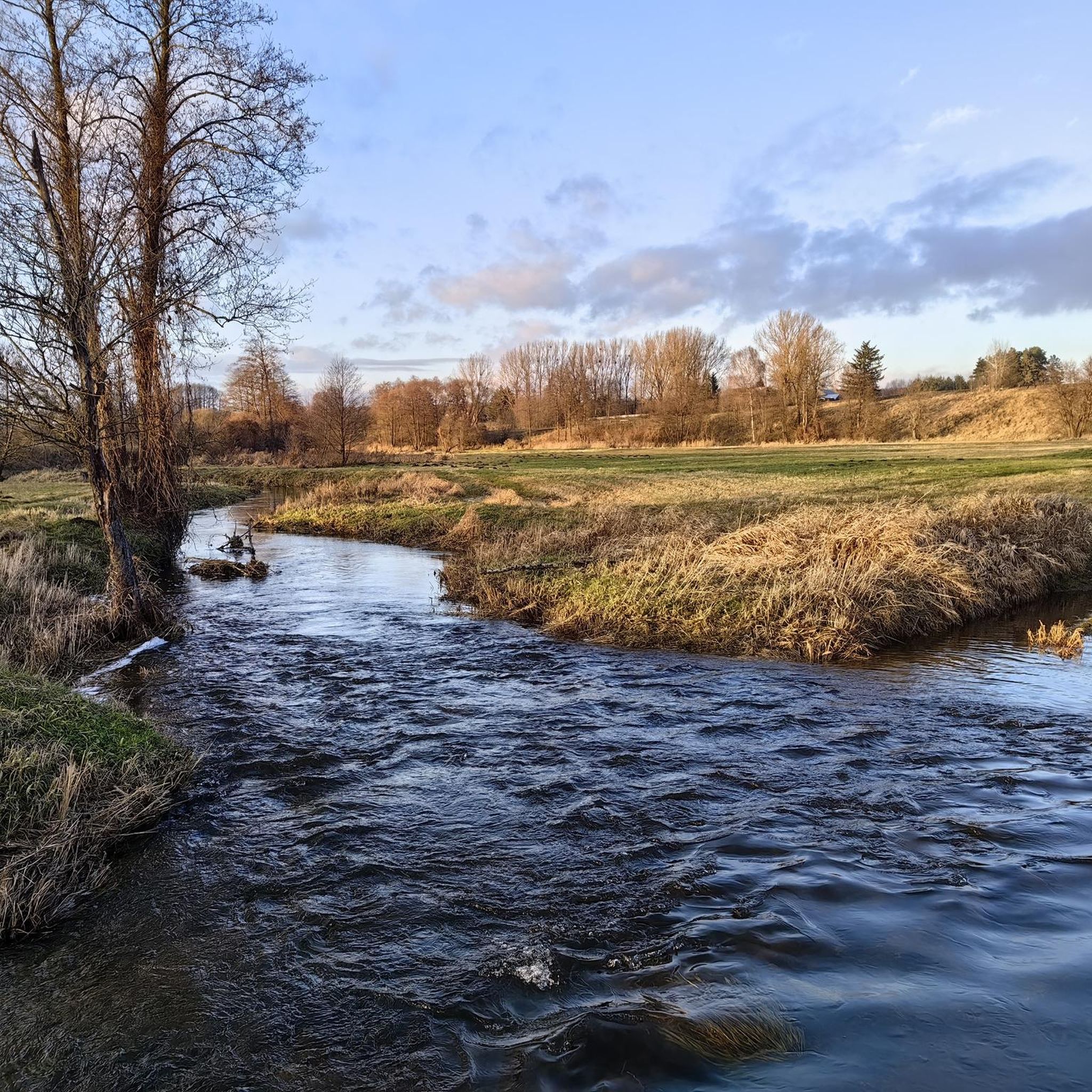
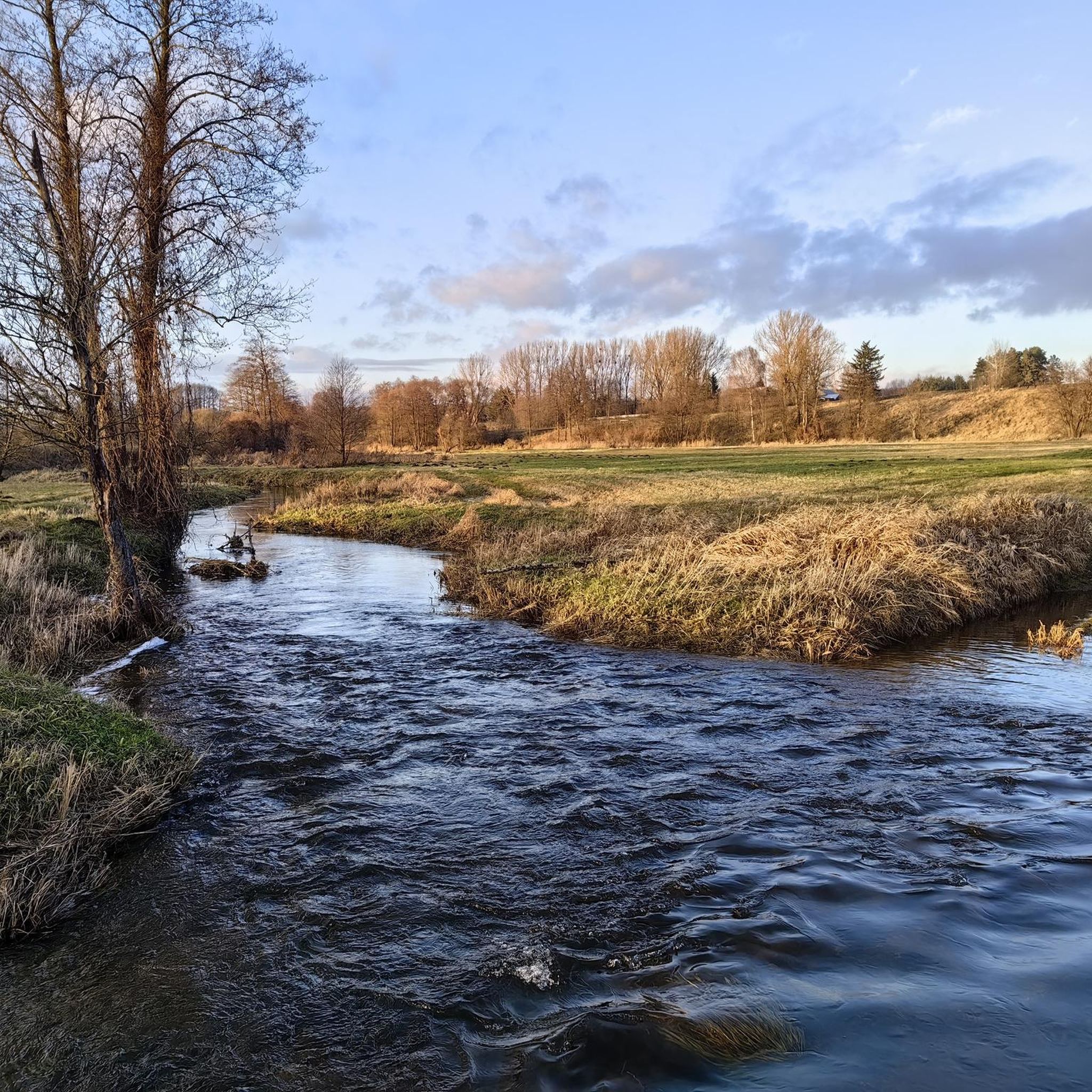
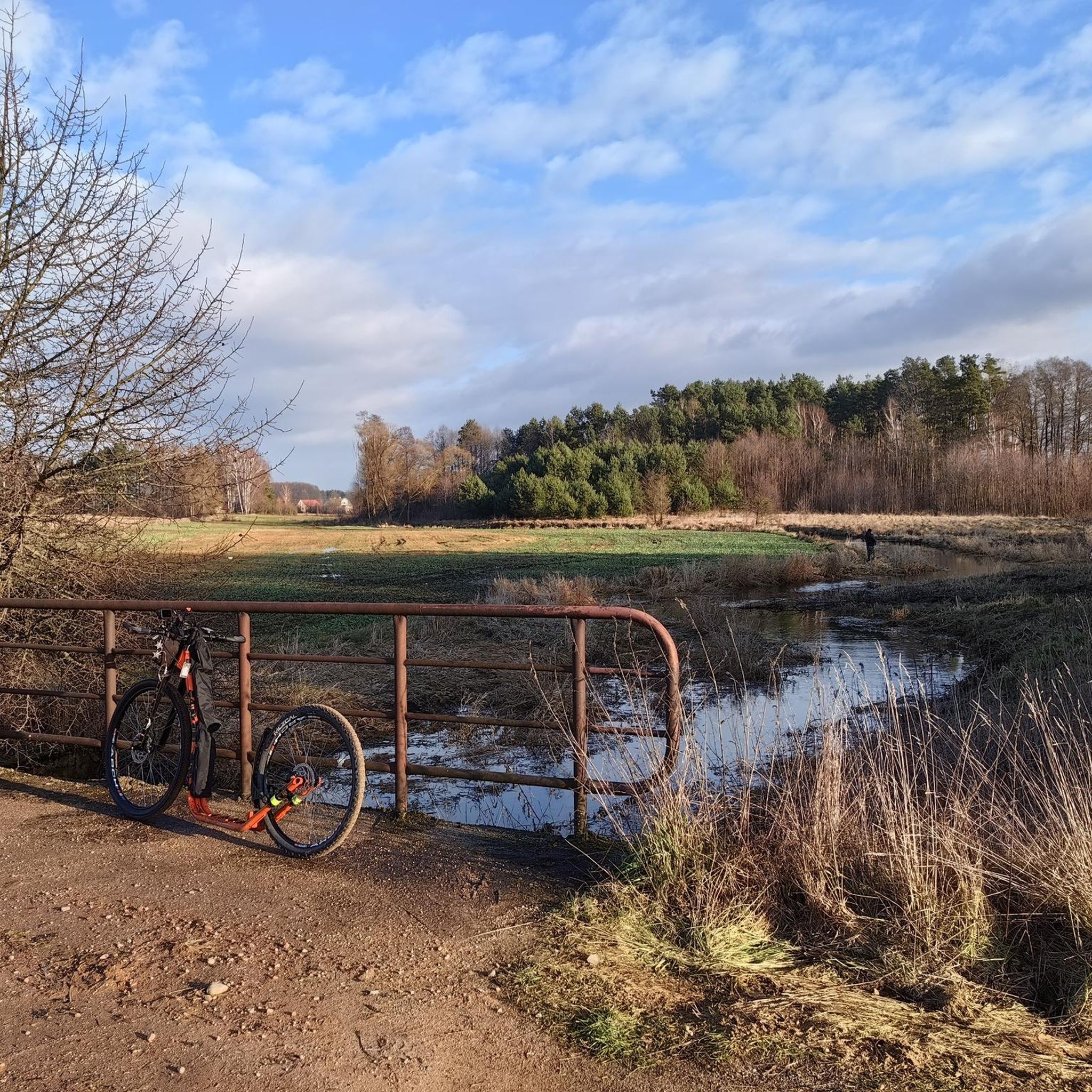
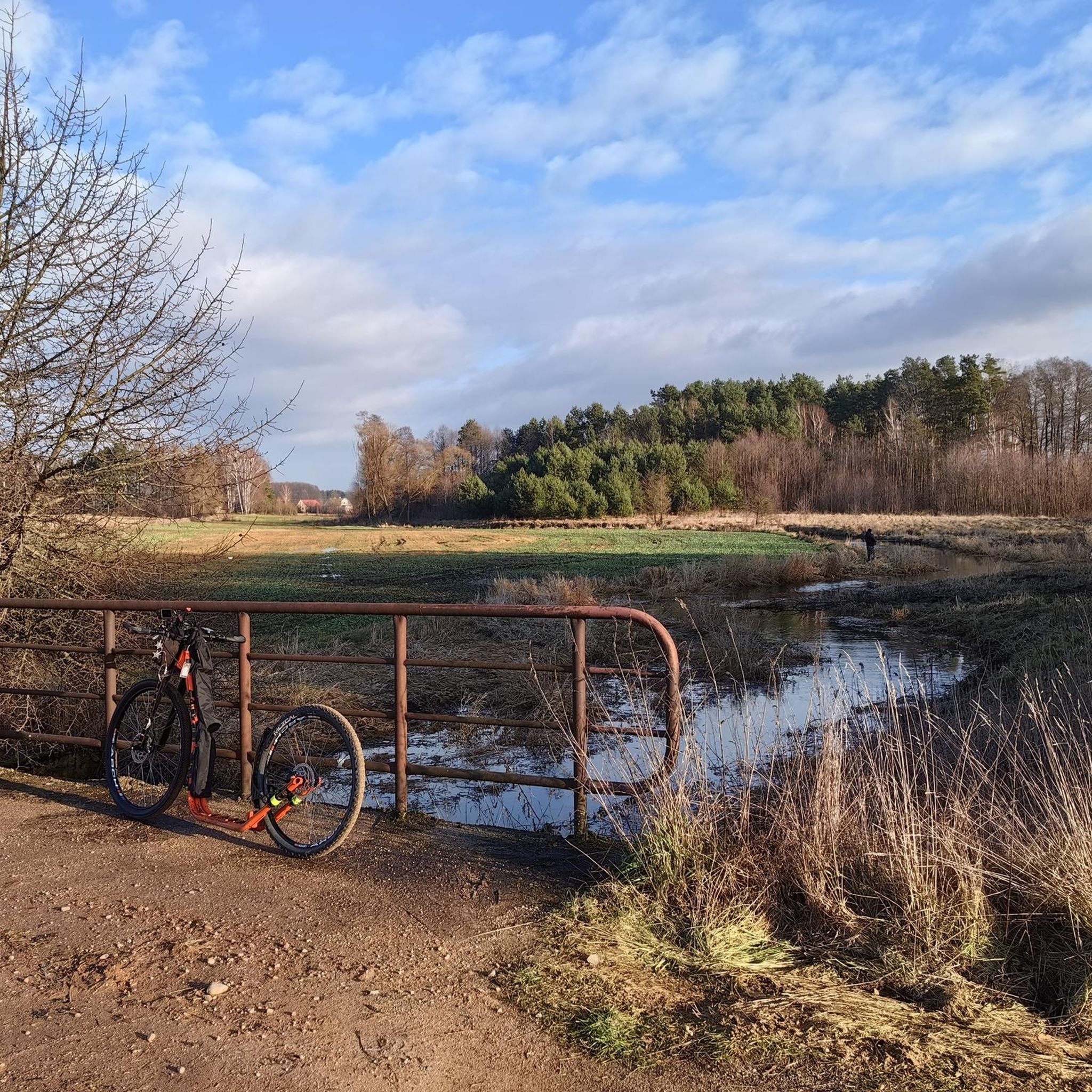
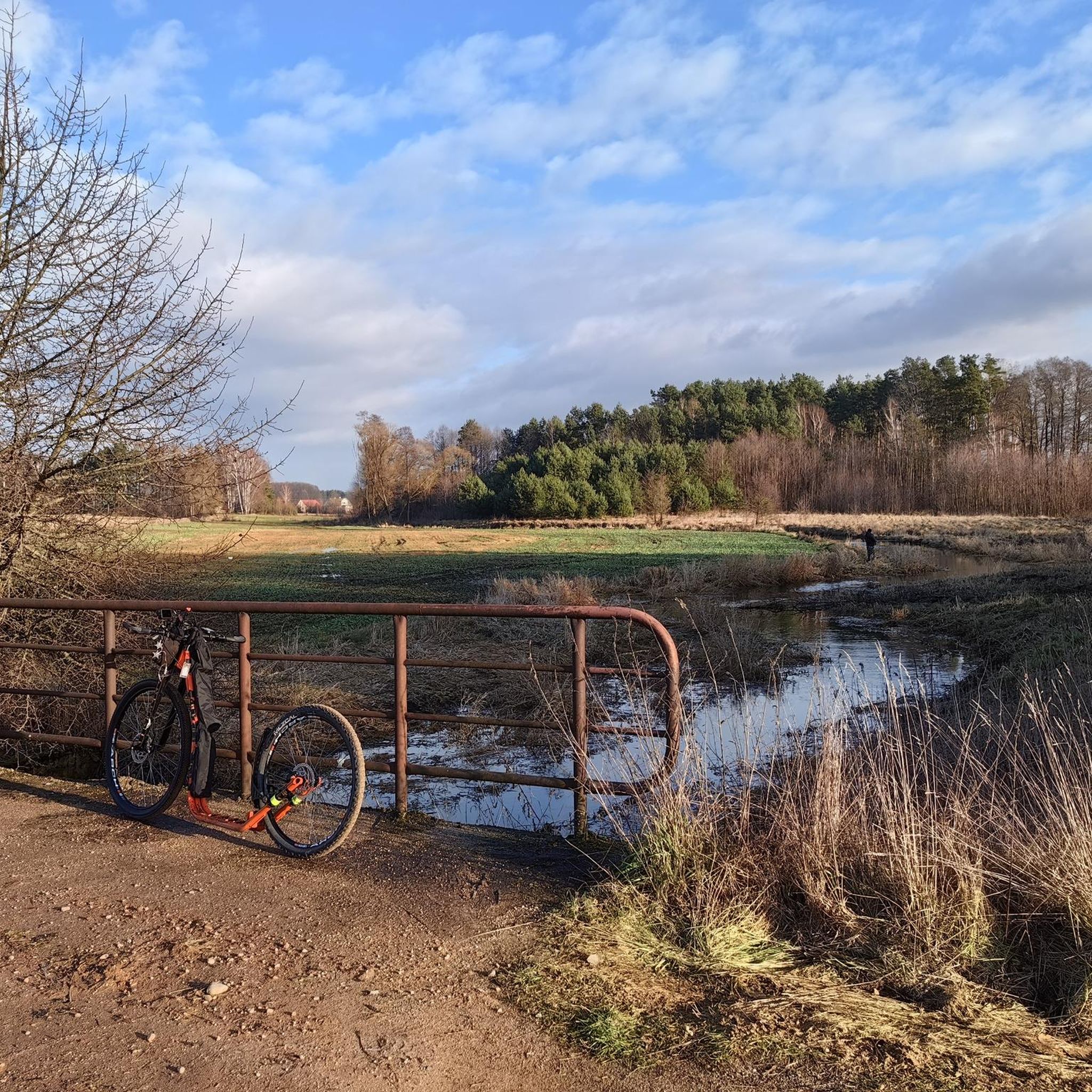
Tips from the Community

The trail is designed for hiking and cycling. Its length is 71 km. It can be completed in its entirety in a few days, or you can simply visit selected sections or points of interest.
3
0
The January Uprising Trail in the Knyszyn Forest was prepared by foresters from the Regional Directorate of State Forests in Białystok and the Czarna Białostocka, Supraśl, Żednia, and Waliły Forest Districts. It leads through sites associated with the dramatic events of the January Uprising, but also includes sites from other eras. The trail includes battlefields, insurgent graves, monuments, and a war cemetery of soldiers who died in 1831 near Sokołda, an exhibition on the history of the Knyszyn Forest, and a Forest Sculpture Gallery dedicated to the 1863 insurgents. The trail includes an observation tower, a footbridge over the marshes, shelters and canopies, and information boards. https://czarna-bialostocka.bialystok.lasy.gov.pl/szlak-powstania-styczniowego-w-puszczy-knyszynskiej
3
0

Sanctuary in Sokółka with the Eucharistic Miracle.
0
0

The reservoir was created in 1942, during the German occupation. The workforce for the construction of this investment was Polish Jews. There are two versions of the purpose for which the reservoir was built: - the first mentions German soldiers-patients staying in a nearby military hospital, located in barracks buildings. Perhaps they wanted to create a kind of resort for them - according to the second version, it was related to the lowering of the groundwater level due to the drainage of the Sokółka marshes, which began before the war.
0
0

The entire bicycle path around the reservoir
0
1

historic Roman Catholic temple, belonging to the parish of Saint Antoniego w Sokółka [2], located in Sokółka, built in the years 1840–1848 in the classicist style with two towers, thanks to the efforts of the dean, Father Józef Kryszczun. On October 2, 2011, the Eucharist was placed on public display in the reliquary in the church nave. April 9, 2009 church Saint Anthony in Sokółka was raised to the rank of a collegiate church and the Collegiate Chapter of the Blessed Sacrament was established there. On March 25, 2017, the collegiate church was raised to the rank of a sanctuary Wikipedia.pl Eucharistic miracle On October 12, 2008, while giving Holy Communion, Fr. vicar Jacek Ingielewicz picked up a slightly dirty host from the floor, which was shown to him by a woman waiting for Holy Communion. In accordance with established liturgical regulations, the communicant was placed in a vasculum filled with water, in which it was supposed to dissolve. The vessel was locked in a safe in the sacristy. After a week, a stain that appeared to be blood was found in the vessel on the immersed host. On October 30, 2008, the host was taken out and placed on the corporal, which left a red mark on it. The Białystok episcopal curia, informed about the event, ordered the examination of host samples by two pathologists (Prof. Stanisław Sulkowski and Prof. Maria Sobaniec-Łotowska) from the Medical University of Białystok[5], who unanimously stated that "the material sent for evaluation (...) indicates cardiac muscle tissue, or at least, of all the living tissues of the body, it most closely resembles it." Prof. Sobaniec-Łotowska described the research results as follows: "We examined the fragment of material collected from the corporal histologically, (...) using an optical microscope, i.e. light microscope, and ultrasound, (...) using a transmission electron microscope (...), we observed the phenomenon of mutual penetration of the structure of the communicant with heart muscle fibers. The tissue that appeared on the Host was very closely and inextricably connected to it, which is important proof that there could be no human interference. (...) the cytoplasm of fragments of muscle fibers embedded in the substrate, which may correspond to the structure of the Host, was stained pink, focally quite intensely, when stained with Mayer's hematoxylin and eosin. However, cell nuclei, located mainly in the center (...) are dark blue. Well, the central location of the cell nuclei indicates that it is the muscle of the human heart. (...) we observed features of more pronounced fiber segmentation, i.e. cell damage at the insertions (i.e. structures characteristic of the heart muscle), and fragmentation - this is fiber damage outside the inserts; We also found images along the course of single fibers that could correspond to contraction nodes. Such changes occur only in non-necrotic fibers and reflect contractions of the heart muscle in the antemortem, i.e. agonal, period.
1
0
Tourists can observe nature from a wooden observation tower, and anglers can use three new fishing piers.
0
0
From 1908, the inhabitants of Czarna Wieś and the surrounding villages applied for permission to build a church and establish a parish. Since the tsarist authorities made it difficult to obtain a building permit for the church, a permit for a temporary chapel was first obtained. It was built by Szymon Prozorowski in a farming way and on the land he donated. On Christmas 1910, it was consecrated by the dean of Sokółka, Fr. Antoni Songajło. Since then, services have been held there. The first permanent priest in December 1911 was Fr. Edward Szapel. In 1912, he started keeping metric books. This year is considered the founding date of the parish. On February 20, 1913, the Russian Ministry of Internal Affairs issued a permit to build a church in Czarna Wieś. The construction work was supervised by Fr. Scapel. The design of the temple was made by Eng. Lavoronkov, and some changes were made by H. Luft from Warsaw. Construction began on April 1, 1913 under the technical supervision of Eng. Marian Beer. Soon the First World War broke out and the works were stopped. They were resumed in May 1919, and on November 27, 1921, the temple was solemnly consecrated by Fr. Songajla. In the same year, the town began to be called Czarna Wieś Kościelna. The temple dedicated to Our Lady of Angels was consecrated only on June 16, 1957 by Bishop Władysław Suszyński.
0
0
Frequently Asked Questions
What natural features can I explore in Gmina Janów?
Gmina Janów boasts a rich array of natural features. You can discover the charming Sokółka Reservoir, which offers a scenic bicycle path. The region is also home to the picturesque Wiercica River Valley, originating from the "Elżbieta" and "Zygmunt" springs, and features a unique system of ponds including the historic Raczyński Trout Farm. Don't miss the distinctive limestone rock formations like the "Devil's Bridges" and "Twardowski's Gate", which has become a symbol of the region.
Are there opportunities for hiking or cycling in Gmina Janów?
Yes, Gmina Janów offers numerous marked tourist trails for hiking, cycling, and horseback riding, including sections of the "Trail of the Eagles' Nests". For cycling, you can explore routes like the ones found in the Road Cycling Routes around gmina gmina Janów guide. Hikers can enjoy trails such as the Resting place - Trail of the January Uprising, which covers 71 km and leads through historical sites.
What historical landmarks or cultural sites are there in Gmina Janów?
The region is rich in history. You can visit the historic Złoty Potok Village, home to the Krasiński Manor and Raczyński Palace. Other notable sites include the Collegiate Basilica of the Holy Trinity in Janów Podlaski, the Basilica of Saints Peter and Paul in Leśna Podlaska, and the famous Janów Podlaski Stud Farm, established in 1817 and renowned for its Arabian horses. The Church of Our Lady of the Angels is another historic religious building worth seeing.
Are there any nature reserves in Gmina Janów?
Yes, Gmina Janów is home to several nature reserves within the Jurassic Landscape Park Complex, such as "Parkowe," "Kaliszak," "Bukowa Kępa," and "Ostrężnik." The "Jesionowe Góry Nature Reserve" is noted for its diverse landscape, including wetlands and ash hills. Additionally, the Imielty Ług Nature Reserve, located within the Janów Forests Landscape Park, protects extensive marshes and rare vegetation, serving as a bird sanctuary with an accessible viewpoint.
Where can I find viewpoints with scenic vistas?
For panoramic views, you can visit the Czapielówka Observation Tower, which offers views of the surrounding lake. The Olsztyn Castle Ruins, while not directly in Gmina Janów but nearby on the Trail of the Eagles' Nests, also provide a wide panorama of the Kraków-Częstochowa Upland.
Are there family-friendly attractions in Gmina Janów?
Many attractions in Gmina Janów are suitable for families. The Czapielówka Observation Tower and the Sokółka Reservoir with its bicycle path are great for outdoor family fun. The Janów Podlaski Stud Farm offers a unique experience to see Arabian horses. The Zalew Janowski, an artificial lake, provides beaches, swimming areas, and pedal boat rentals, perfect for a family day out.
What kind of outdoor activities can I do near these attractions?
Beyond hiking and cycling, the Janów Forests Landscape Park offers opportunities for horseback riding and fishing. The Zalew Janowski is ideal for swimming and other water activities. For running enthusiasts, there are various trails, including those listed in the Running Trails around gmina gmina Janów guide.
What is the Janów Podlaski Stud Farm known for?
The Janów Podlaski Stud Farm, established in 1817, is Poland's first state horse breeding farm. It is internationally recognized and famous for its breeding of Arabian horses. The stud farm has a rich history, including rebuilding its herd after the Napoleonic Wars, and is a significant cultural and historical site in the region.
Can I visit any caves in the area?
Yes, the region is home to numerous caves. The most notable ones include Ostrężnicka Cave and Niedźwiedzia Cave (Bear Cave), where bones of large cave bears were discovered. These offer an interesting natural exploration opportunity.
What is the significance of the St. Anthony of Padua Sanctuary in Sokółka?
The St. Anthony of Padua Sanctuary in Sokółka is a historic Roman Catholic temple built between 1840–1848. It gained significant recognition when it was raised to the rank of a sanctuary in 2017, following an event in 2008 that was described as a Eucharistic miracle, involving a host that reportedly showed cardiac muscle tissue.
Where can I find information about the January Uprising Trail?
The January Uprising Trail, which includes the Resting place - Trail of the January Uprising, was prepared by foresters and leads through sites associated with the dramatic events of the January Uprising. It covers battlefields, insurgent graves, monuments, and a war cemetery. The trail is designed for both hiking and cycling, with a total length of 71 km.
Are there any unique animal sanctuaries in the area?
Yes, the Biłgoraj Horse Sanctuary in Szklarnia is unique in Poland. It serves as a refuge for horses descended from wild European horses. The Czartosowa River flows through the sanctuary, providing a natural watering hole for these animals, offering a chance to observe them in a natural setting.
What is the Zalew Janowski and what does it offer?
The Zalew Janowski is an artificial lake located near Janów Lubelski, on the outskirts of the Janowskie Forests. Formed by damming the Wieprz River, it offers a variety of recreational activities including beaches, designated swimming areas, campsites, and walking trails. Pedal boat rentals are also available for those wishing to explore the water.
Most popular attractions around gmina gmina Janów

Get inspired with the komoot mobile app


Explore more
Still not found the Highlight you’re looking for? See guides of the top attractions in other regions:
