Attractions and Places To See around gmina gmina Stara Kiszewa - Top 20
Best attractions and places to see around gmina gmina Stara Kiszewa, a rural district in northern Poland, offers a variety of sites for those interested in history, culture, and nature. Situated between the Kashubian and Kociewie regions, the gmina features rolling terrain, lakes, and forests. The area provides opportunities for exploring cultural landmarks and engaging in outdoor activities. It is an appealing location for both active pursuits and understanding local heritage.
Best attractions and places to see around gmina gmina…
Last updated: July 29, 2026
Przytarnia Observation Tower
Highlight • Viewpoint
The Przytarnia observation tower was built a few kilometers from Wiele near the village of Przytarnia on a hill reaching 195 …
Translated by Google •
Tip by

Bridge over the Wda Canal
Highlight • Bridge
Translated by Google •
Tip by

Sign up now to discover places like this
Get recommendations on the best single tracks, peaks, & plenty of other exciting outdoor places.
Sign up for free
Kashubian Ethnographic Park
Highlight • Historical Site
Translated by Google •
Tip by

Fountain at Kościerzyna Market Square
Highlight • Monument
Translated by Google •
Tip by

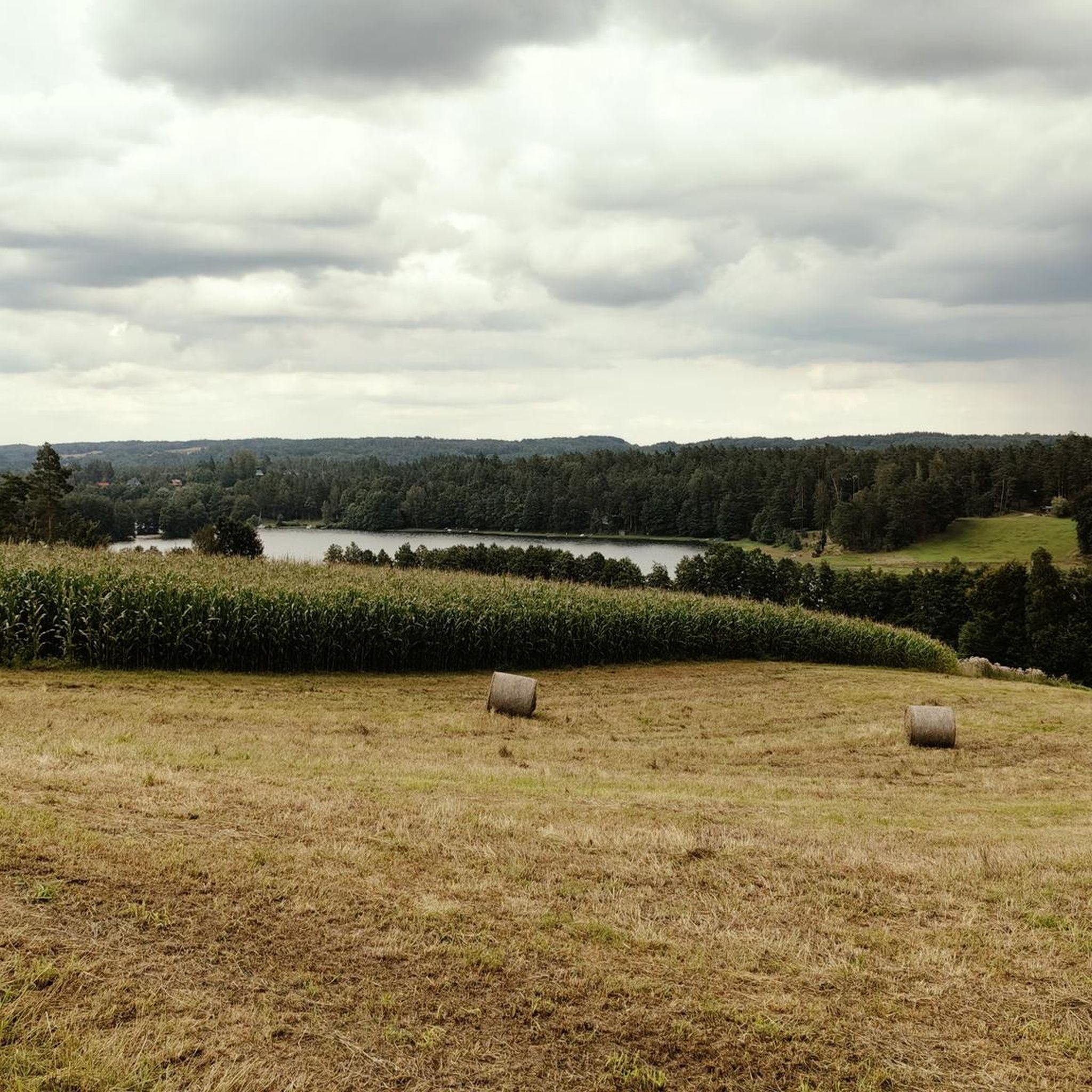
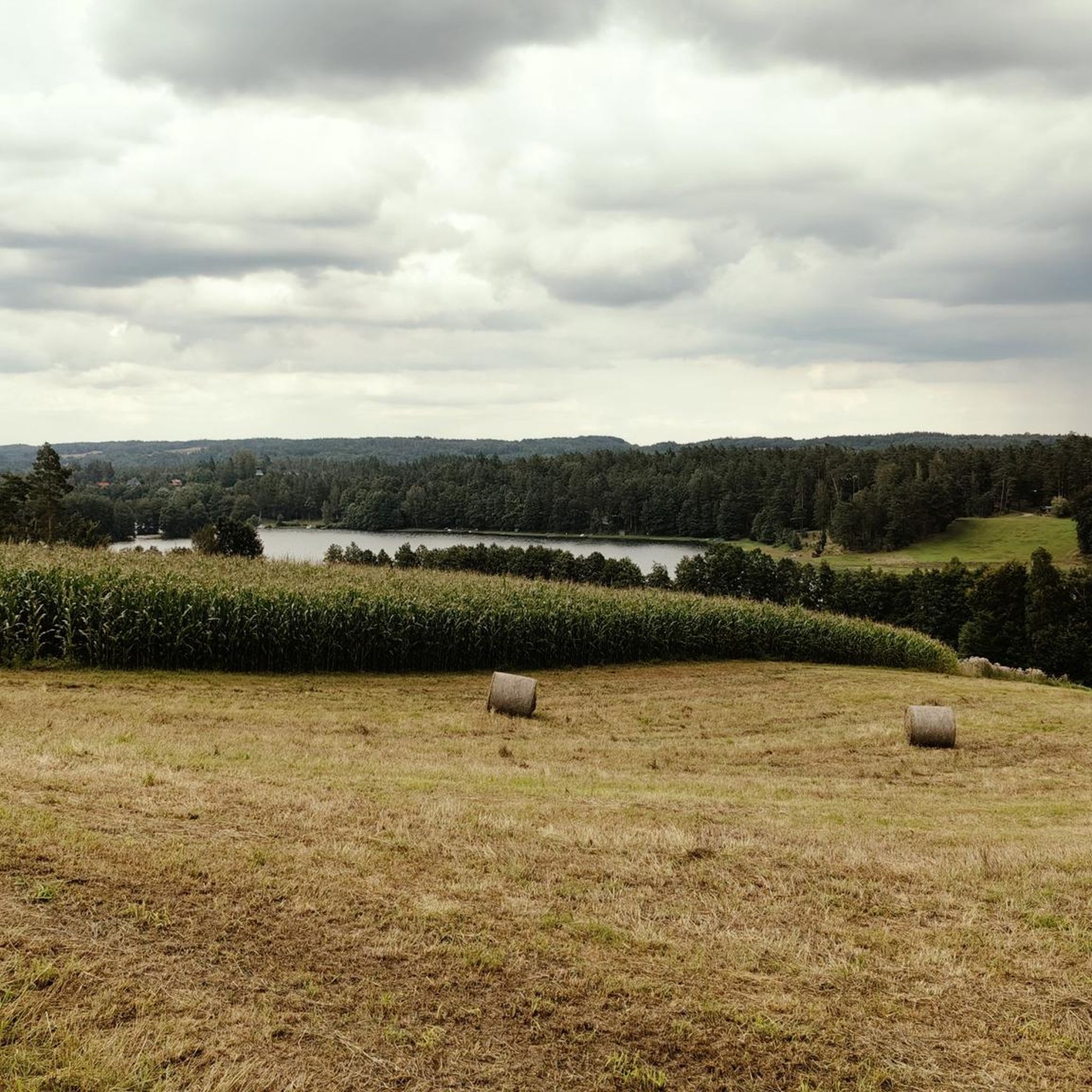
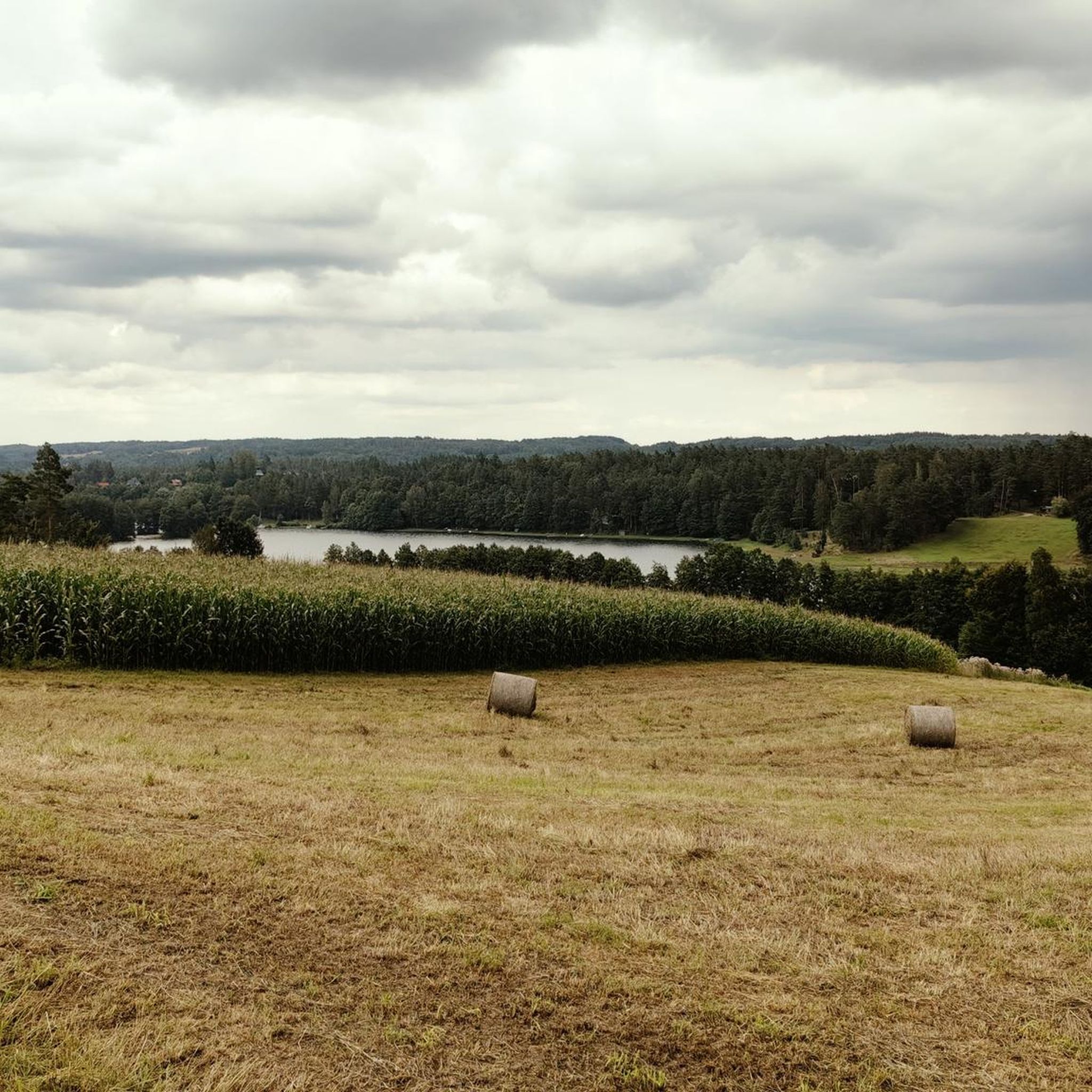
Pond in Bartel Wielki
Highlight • Lake
Translated by Google •
Tip by
Sign up for free to discover even more attractions around gmina gmina Stara Kiszewa.
Sign up for free
Already have an account?
Start today with a free account
Your next adventure awaits.
Login or Signup
Popular around gmina gmina Stara Kiszewa

Tips from the Community

A wonderful place. Here you can admire ancient buildings from Kashubia, Kociewie, and the Tuchola Forest. There are wooden cottages, windmills, an inn, churches, and entire old farmsteads. Travel back in time to see what people did when there was no internet! A truly interesting place, such living, fascinating history. You can peek into each building and see what it was like. Don't forget to buy tickets! http://www.muzeum-wdzydze.gda.pl/
1
0

The Wda Canal Trail is an interesting alternative to rafting down the Wda River. The section from Borsk to Cegielnia is about 18 km long and is easy. Interestingly, you can paddle the Canal in both directions. You should allocate one day for the kayaking trip. We start below Borsk at the fork of the Wda River and the Wda Canal. The start of the rafting trip is where the canal forks from the Wda oxbow lake. This place is also called the Mountain Bridges. We sail through the village of Żebrowo. After 3.5 km, we reach the kayaking port in Bąk. We enter a forest area. The first fallen trees appear, which are trimmed in places. This makes the rafting easier. At 5.6 km of the trail, there is a marked place where it is possible to carry your canoe across the Wda River (200 m). At the height of the village of Uroży, there are many leaning and fallen trees in the riverbed (8.5 km of the trail). Further on we pass sluices used to irrigate nearby meadows. At 11.5 km we sail under a railway bridge, and 1 km further under a local road bridge. Next to a good descent we have a rest stop. There is a settlement nearby, approx. 650 m to the village of Wojtal. We enter a section away from people and buildings. At 16 km of the trail there is a road bridge, from here approx. 2 km to the settlement of Leśna Huta. After 3 km another bridge - also 2 km to Leśna Huta. Further on we pass settling tanks, cleaning pollutants from wood processing plants in Czarna Woda. At approx. 20 km of the trail there is a rather difficult sluice to overcome. In the kayak you have to lie down. We reach the settlement of Cegielnia. We sail under a destroyed steel footbridge and over Studzieniczna Struga. The trip ends at a wooden bridge behind Cegielnia. https://kajaki.pomorskie.eu/kanal-wdy-latwy/?doing_wp_cron=1730662800.4690411090850830078125
1
0

for those who are curious about what this place looked like 100 years ago https://koscierzyna.naszemiasto.pl/rynek-w-koscierzynie-dawniej-i-dzis-sprawdz-jak-przed-laty/ar/c9-8247498
2
0
At the corner of the building there is a polygonal bay window supported by consoles decorated with two characteristic gargoyles and palm leaf ornamentation. The whole is topped with a cupola topped with a pinnacle. An undoubted curiosity of the Kościerzyna market square is Remus, the hero of the Kashubian epic entitled "Żëcé i przigòdë Remùsa" written by Aleksander Majkowski, a native of Kościerzyna, the initiator of the Young Kashubian movement, sitting on his wheelbarrow near the gushing fountain.
3
0
The market square is similar in shape to a square with diagonals running in accordance with the directions of the cardinal directions. Currently, the square is mainly surrounded by three-storey tenement houses built at the turn of the 19th and 20th centuries. Among them, the corner tenement house with no. 12, built at the beginning of the 20th century, deserves special attention, standing at the end of Gdańska Street.
3
0
he heart of the city, which is also the center of the historic urban layout of the city center, preserved in an unchanged form since the times of the Teutonic Knights' foundation of the city, is the market square. The principle of the market square layout and the layout of Kościerzyna streets was based on a layout with a square enclosed by eight streets extending perpendicularly from its corners.
3
0
Beautifully renovated old market square. You can cool off here with a beer or by the gushing water.
2
0
Once a year, the open-air museum hosts the Wdzydzki Fair, which lasts two days and is worth seeing
1
1
Frequently Asked Questions
What are the best viewpoints in Gmina Stara Kiszewa?
For panoramic views, visit the Przytarnia Observation Tower. This 40-meter-high tower, situated on a hill reaching 235 meters above sea level, offers stunning vistas of the Tuchola Forest. Another spot with good views is the Bridge over the Wda Canal, which also serves as a popular kayaking access point.
Are there family-friendly attractions in Gmina Stara Kiszewa?
Yes, several attractions are suitable for families. The Kashubian Ethnographic Park is a wonderful place where families can explore ancient buildings and experience a living history. The Pond in Bartel Wielki is located in a village known for its annual Family Festival. Additionally, the Przytarnia Observation Tower and the Bridge over the Wda Canal are also considered family-friendly.
What historical sites can I visit in the region?
Gmina Stara Kiszewa offers a rich historical experience. The Kashubian Ethnographic Park allows you to travel back in time through its collection of wooden cottages, windmills, churches, and old farmsteads from Kashubia, Kociewie, and the Tuchola Forest. You can also explore the ruins of the Teutonic Castle Complex in Zamek Kiszewski, the Historic Blacksmith Shop in Wilcze Błota, and the impressive Skórzewscy Manor in Stare Polaszki. Several historic churches are also present throughout the gmina.
What natural features are prominent in Gmina Stara Kiszewa?
The region is characterized by its diverse natural landscape. The Wdzydzki Landscape Park covers the southern part of the gmina, offering beautiful scenery. You can find several lakes, including Krąg Lake, which is a nature reserve for waterfowl, and the Polaszkowskie Lakes in the northern part. The 'Krwawe Doły' Forest Reserve protects rare plant and lichen species. The Wda Canal is also a significant natural feature, popular for kayaking.
What outdoor activities can I do near these attractions?
The area is ideal for various outdoor pursuits. You can enjoy hiking, cycling, sailing, and kayaking, especially in the Wdzydzki Landscape Park and along the Wda Canal. The Bridge over the Wda Canal is a popular spot for kayaking, offering access to the shore, shelters for bonfires, and even overnight camping. The region is also popular for angling and hunting. For specific routes, you can explore hiking trails, running trails, and gravel biking routes in the area.
Are there opportunities for kayaking in Gmina Stara Kiszewa?
Yes, the Wda Canal is a popular destination for kayaking. The Bridge over the Wda Canal provides easy access to the water, with facilities like shelters for bonfires, relaxation areas, and even possibilities for overnight camping. The Wda Canal Trail offers an interesting kayaking experience, with sections suitable for a day trip.
Where can I learn about Kashubian culture and heritage?
The Kashubian Ethnographic Park (Muzeum - Wdzydze Kiszewskie) is the primary place to immerse yourself in Kashubian culture. It features ancient buildings, including wooden cottages, windmills, and churches, showcasing the traditional way of life in Kashubia, Kociewie, and the Tuchola Forest. The Kashubian Gate in Wilcze Błota also serves as a Tourist Information Center, offering insights into the region.
What do visitors enjoy most about the attractions in Gmina Stara Kiszewa?
Visitors particularly appreciate the stunning views from the Przytarnia Observation Tower, often highlighting the panoramic vistas of the Tuchola Forest. The Kashubian Ethnographic Park is praised for its immersive, 'living, fascinating history' experience, allowing visitors to explore each building. The accessibility and facilities for kayaking at the Bridge over the Wda Canal are also highly valued.
Are there any lakes suitable for swimming or relaxation?
Yes, the region offers several lakes. The largest is Krąg Lake, which is also a nature reserve. For swimming and relaxation, there is a designated Bathing Area at Wielkie Lake. The Polaszkowskie Lakes in the northern part of the gmina also provide ideal conditions for various forms of tourism and leisure.
Where can I find information about local events or festivals?
The village of Bartel Wielki, home to the Pond in Bartel Wielki, is known for its annual Family Festival. For broader local event information, the Kashubian Gate in Wilcze Błota functions as a modern, year-round Tourist Information Center, which would be a good resource for current happenings.
What kind of wildlife can be spotted in the area?
The region's diverse natural landscape supports various wildlife. Krąg Lake, for instance, is a nature reserve and a sanctuary for waterfowl and wetland birds. The 'Krwawe Doły' Forest Reserve protects rare plant and lichen species, indicating a rich biodiversity. The Wdzydzki Landscape Park, with its forests and lakes, provides habitats for many species, making it a good area for wildlife observation.
Most popular routes around gmina gmina Stara Kiszewa
Most popular attractions around gmina gmina Stara Kiszewa

Get inspired with the komoot mobile app


Explore more
Still not found the Highlight you’re looking for? See guides of the top attractions in other regions:
