Attractions and Places To See around gmina Wiślica - Top 20
Attractions and places to see around gmina Wiślica include historical sites, cultural landmarks, and natural features in south-central Poland. This rural administrative district, located in the Świętokrzyskie Voivodeship, offers insights into centuries of Polish heritage. Visitors can explore ancient churches, archaeological sites, and parts of the Nida Landscape Park. The area is characterized by its historical significance and unique natural landscapes along the Nida River.
Best attractions and places to see around gmina Wiślica
- The most popular attractions is Basilica…
Last updated: October 4, 2026
Basilica of the Nativity of the Blessed Virgin Mary in Wiślica
Highlight • Religious Site
Translated by Google •
Tip by

Solec-Zdrój
Highlight • Settlement
Translated by Google •
Tip by

Sign up now to discover places like this
Get recommendations on the best single tracks, peaks, & plenty of other exciting outdoor places.
Medieval Stronghold in Wiślica
Highlight • Historical Site
Translated by Google •
Tip by

St. Stanislaus Church in Nowy Korczyn
Highlight • Religious Site
Translated by Google •
Tip by
Długosz House in Wiślica
Highlight • Historical Site
Translated by Google •
Tip by
Sign up for free to discover even more attractions around gmina Wiślica.
Already have an account?
Start today with a free account
Your next adventure awaits.
Tips from the Community

The Wiślica stronghold, currently known as "Na Łąkach", was built at the earliest around the second half of the 10th century. The nature of the fortifications' construction would indicate that its construction was related to Czech influences and the period of Czech rule in Lesser Poland, although it is also possible that its foundation was carried out by the Piast dynasty at the turn of the 10th and 11th centuries, but the construction was carried out according to the building traditions known in the region. Since there was another, slightly older stronghold in Wiślica, in the area of which later developed monumental palace and sacral buildings, it is possible that the seat "Na Łąkach" was associated exclusively with a military function. Alternatively, the stronghold "Na Łąkach" was built after the destruction of the older stronghold and both establishments did not initially function at the same time. In the 11th century, in addition to the stronghold "Na Łąkach", at least three nearby settlements developed in Wiślica, one of which was located on the site of an older stronghold that was destroyed at that time. At the end of the 11th century or at the beginning of the 12th century, the stronghold "Na Łąkach" was also burned down. Its fall may have occurred in 1135, during the invasion of the Ruthenians and Cumans, associated with the policy of supporting the pretender to the Hungarian throne, Boris Kolomanović, by the Polish prince. Boris was probably settled in the stronghold of Wiślica at that time, so when Krzywousty stopped supporting him, he could take revenge by handing him over to the allied Ruthenians, led by Władymirka, son of Włodar, the prince of Przemyśl and Galicia. After rebuilding from the destruction, Bolesław Krzywousty did not restore the rank of Wiślica, which initially, as one of the less significant centers, became part of the senior district.
1
0
Collegiate Basilica of the Nativity of the Blessed Virgin Mary in Wiślica – a Gothic church built in the 14th century by Casimir the Great in Wiślica, on the foundations of two older Romanesque temples. It bears the title of collegiate church, and since September 8, 2005 also of minor basilica[2]. In 2018, the basilica (together with the relics of St. Nicholas' Church and the hillfort) was entered on the list of historical monuments as part of the campaign "100 Historical Monuments for the Centenary of Regaining Independence".
1
0
Collegiate Basilica of the Nativity of the Blessed Virgin Mary in Wiślica – a Gothic church built in the 14th century by Casimir the Great in Wiślica, on the foundations of two older Romanesque temples. It bears the title of collegiate church, and since September 8, 2005 also of minor basilica. In 2018, the basilica (together with the relics of St. Nicholas' Church and the hillfort) was entered on the list of historical monuments as part of the campaign "100 Historical Monuments for the Centenary of Regaining Independence".
0
0

The fortified settlement is just outside the city
0
0
The dominant feature of the Wiślica landscape is the collegiate church complex, considered one of the most valuable Gothic historic complexes in Poland. It consists of a Gothic church. Nativity of the Blessed Virgin Mary, bell tower and curate's house - the so-called Długosz House. In the immediate vicinity of the collegiate church there are relics of the Romanesque church, currently covered with an exhibition pavilion. Saint Nicholas (?). Presumably, it was a parish church built for a pre-foundation settlement. The Wiślica collegiate church is considered one of the foundations of Casimir the Great as an expiation for the king's order to kill canon Marcin Baryczka. https://zabytek.pl/pl/obiekty/wislica-zespol-kolegiaty-pw-narodzina-najswietszej-maryi-p
0
0
Canon Jan Długosz built a house (next to the collegiate church) for canons and vicars "pietate et compassione religiosa motus"... (guided by piety and religious inspiration) on the site of two houses standing next to the church, which he purchased from Jan Ranogut and the Bernardine sisters (filias Bednarcze ). Długosz founded a house for 12 vicars, which had a library, 3 halls, 6 rooms, a kitchen, a bathhouse, a well and comfort. The building had a heating system, from which vertical channels in the walls have been preserved. The house was covered with tiles, which saved it from the fire that broke out on August 19. 1471 he destroyed the city during the night. There was a garden adjacent to the house in question. In exchange for funding the house, the vicars were obliged to celebrate a certain number of Holy Masses. for the soul of the founder. Under the house there are 6 basements where the inhabitants of Wiślica hid during the invasions and bombings.
0
0
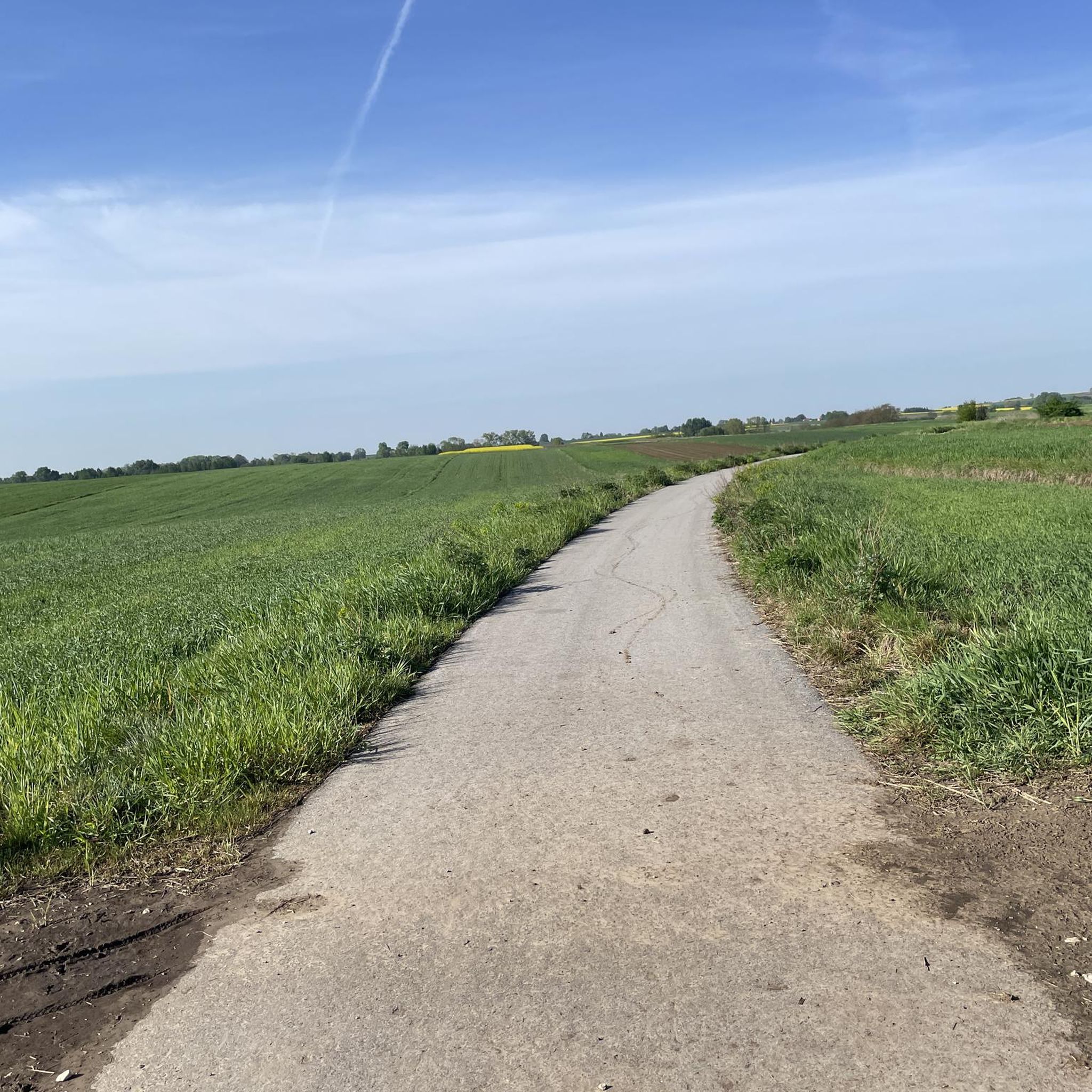
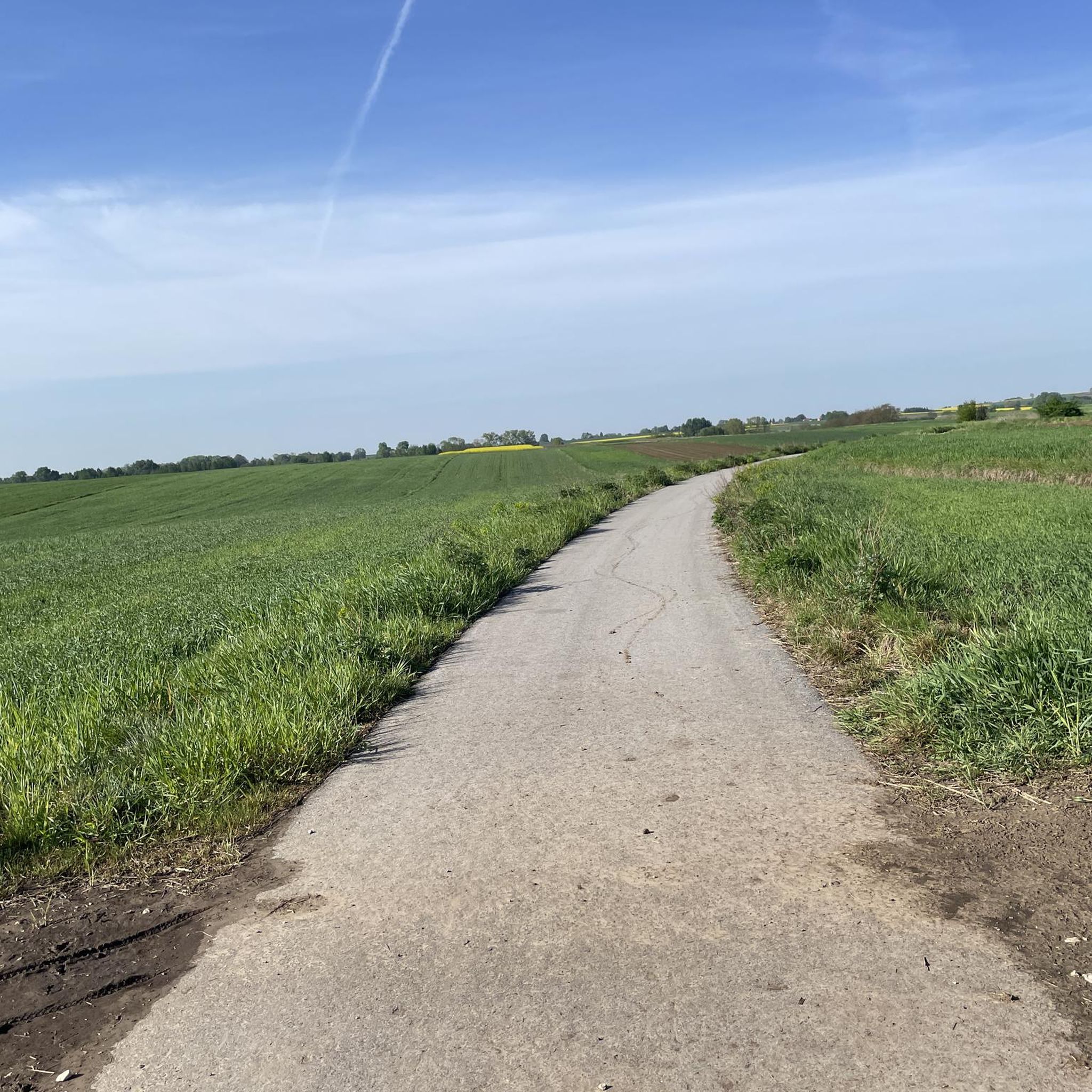
You can't drive here, but you can relax :-)
0
0

Frequently Asked Questions
What historical and cultural sites can I explore in Gmina Wiślica?
Gmina Wiślica is rich in history. You can visit the Collegiate Basilica of the Nativity of the Blessed Virgin Mary in Wiślica, a Gothic church built on Romanesque foundations. Nearby, the Długosz House, founded by chronicler Jan Długosz, offers a glimpse into 15th-century life. Don't miss the Medieval Stronghold in Wiślica, an early medieval castle that played a defensive role.
Are there any significant religious buildings to visit in the area?
Yes, beyond the main basilica, you can explore the St. Stanislaus Church in Nowy Korczyn, a Gothic church founded in 1257 and enlarged by Casimir the Great. There's also a Renaissance church in Gorysławice and the noble Gothic church in Chotel Czerwony, which resembles a miniature version of the Wiślica collegiate church.
What natural attractions are there in Gmina Wiślica?
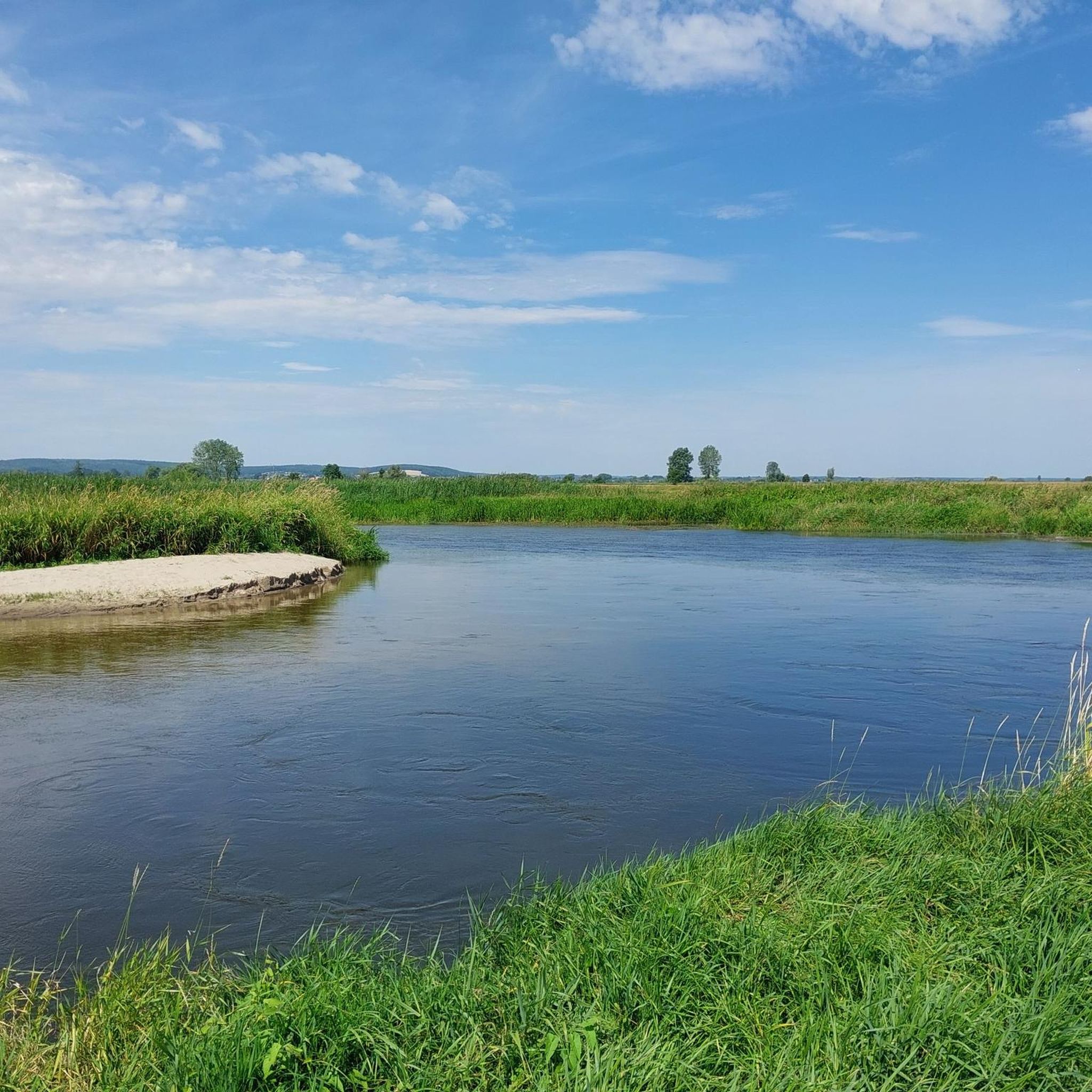
The region offers beautiful natural landscapes, including parts of the Nida Landscape Park. The Nida River itself, with its scenic bends, is a notable feature. For a unique natural phenomenon, visit the Crosstalk Reserve in Chotel Czerwony, known for its large gypsum crystal outcrops.
Are there opportunities for outdoor activities like hiking or cycling near these attractions?
Absolutely! Gmina Wiślica and its surroundings offer various routes for outdoor enthusiasts. You can find easy hiking trails like 'To the Skorocice and Winiary reserves' or 'Spa Park in Busko-Zdrój – Tadeusz Kościuszko Monument loop'. For cycling, there are routes such as 'Cyclist Shelter Koszyczek – View of the Pumpkin Fields loop from Wiślica'. You can explore more options on the hiking guide and cycling guide for the area.
Can I learn about the region's ancient past and archaeological discoveries?
Yes, the Archaeological Museum in Wiślica, located beneath the basilica, provides a fascinating journey through the remains of two Romanesque churches. It features multimedia displays and artifacts, including the unique 'Orants' slab and a mysterious stone recess theorized to be a 9th-century baptistery.
Are there any family-friendly attractions in Gmina Wiślica?
Many historical and religious sites, such as the Basilica of the Nativity of the Blessed Virgin Mary and St. Stanislaus Church, are suitable for families. The revitalized urban space around the Medieval Stronghold offers benches and sculptures, and the nearby Psia Górka hill has developed areas with benches and sculptures, associated with a local legend.
What is Solec-Zdrój and why is it a notable place to visit?
Solec-Zdrój is a spa town known for its unique saline springs. It specializes in treating musculoskeletal, rheumatic, skin diseases, and allergies. Its mineral water spring boasts a hydrogen sulfide content eight times higher than previously used springs, making it a unique therapeutic destination.
Are any attractions in Gmina Wiślica wheelchair accessible?
While specific accessibility details for all sites vary, Solec-Zdrój is listed as wheelchair accessible, offering facilities for visitors with mobility needs. It's always advisable to check with individual sites for the most current accessibility information.
What is the best time of year to visit Gmina Wiślica attractions?
The spring and autumn months generally offer pleasant weather for exploring historical sites and natural landscapes. Summer is also popular, especially for enjoying outdoor activities along the Nida River. Winter can be charming for cultural visits, though some natural areas might be less accessible.
What do visitors enjoy most about Gmina Wiślica?
Visitors frequently appreciate the rich historical significance, particularly the ancient churches and archaeological discoveries. The serene natural beauty of the Nida Landscape Park and the unique therapeutic properties of Solec-Zdrój are also highly valued. The blend of history, culture, and nature provides a diverse experience.
Are there any 'hidden gems' or less-known spots worth discovering?
Beyond the main attractions, consider visiting the Crosstalk Reserve in Chotel Czerwony for its stunning gypsum crystals and rare steppe beetle. The Market Square in Wiślica, with its thousand-year history and 17th-century tenement houses, also offers a charming, less-crowded experience.
Most popular routes around gmina Wiślica
Most popular attractions around gmina Wiślica

Get inspired with the komoot mobile app


Explore more
Still not found the Highlight you’re looking for? See guides of the top attractions in other regions:
