Attractions and Places To See around gmina Skarżysko Kościelne - Top 20
Best attractions and places to see around gmina Skarżysko Kościelne include a mix of historical, natural, and recreational sites within the Świętokrzyskie Voivodeship, Poland. The region features significant historical landmarks, protected natural areas like the "Skarżyskie Forests" Natura 2000 area, and various recreational opportunities. Its landscape is characterized by forests, rivers, and reservoirs, offering diverse outdoor experiences. The area provides opportunities to explore both cultural heritage and natural beauty.
Best attractions and places to see around gmina Skarżysko Kościelne
- The…
Last updated: May 20, 2026
Szydłowiec - Castle
Highlight • Castle
pl.wikipedia.org/wiki/Zamek_w_Szyd%C5%82owcu
Translated by Google •
Tip by

Wykus Home Army Memorial
Highlight • Monument
Translated by Google •
Tip by

Sign up now to discover places like this
Get recommendations on the best single tracks, peaks, & plenty of other exciting outdoor places.
Sign up for free
Mostki Reservoir
Highlight • Lake
Translated by Google •
Tip by

Wykus Nature Reserve
Highlight • Forest
Translated by Google •
Tip by
Langiewicz Glade Memorial
Highlight • Historical Site
Translated by Google •
Tip by
Sign up for free to discover even more attractions around gmina Skarżysko Kościelne.
Sign up for free
Already have an account?
Start today with a free account
Your next adventure awaits.
Login or Signup
Popular around gmina Skarżysko Kościelne
Tips from the Community

The Castle in Szydłowiec, also known as the Castle of the Szydłowiecki and Radziwiłł families, is a historic residence with a rich history. The Castle in Szydłowiec was built between 1470–1480 by Stanisław Szydłowiecki on the site of a former knightly stronghold. Between 1515 and 1526, it underwent a significant reconstruction in the Renaissance style, carried out by Mikołaj Szydłowiecki. The final reconstruction took place between 1619 and 1629, when Albrycht Władysław Radziwiłł added late Renaissance and Baroque elements, giving the castle a unique character. The castle is situated on an artificial island, surrounded by a moat and a beautiful park, known as Radziwiłłowski Park. Its architecture is characterized by the maximum use of natural obstacles, which increased its defensibility. The structure consists of three basement wings with an inner courtyard, and its form is distinguished by a two-story loggia and a gate tower. The Castle in Szydłowiec is one of the most important monuments in the region and is a significant point on Poland's cultural map. Inside, you will find the Museum of Folk Musical Instruments, which presents rich collections and organizes various cultural events. The castle is open for visits, and its surroundings are conducive to walks and relaxation.
0
0

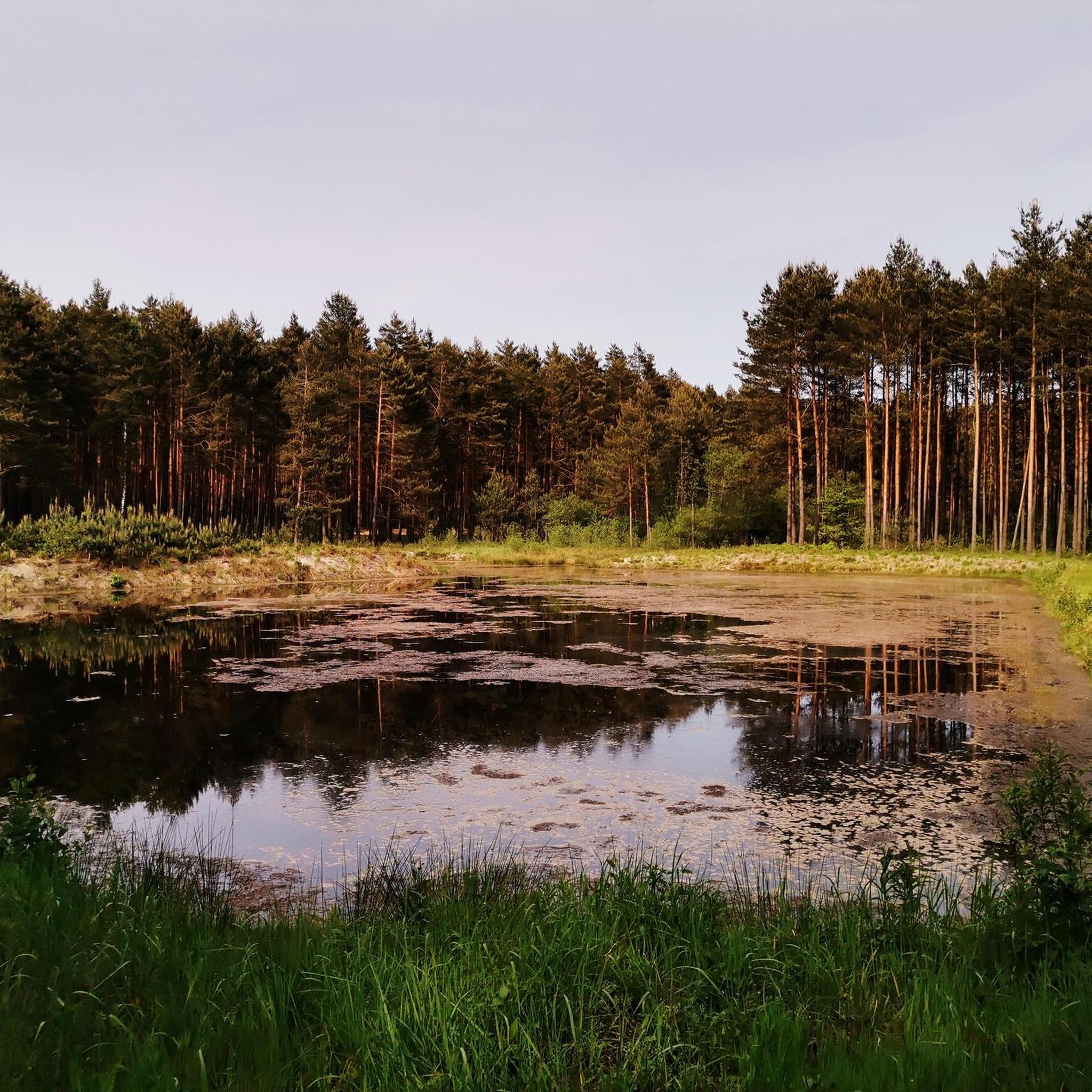
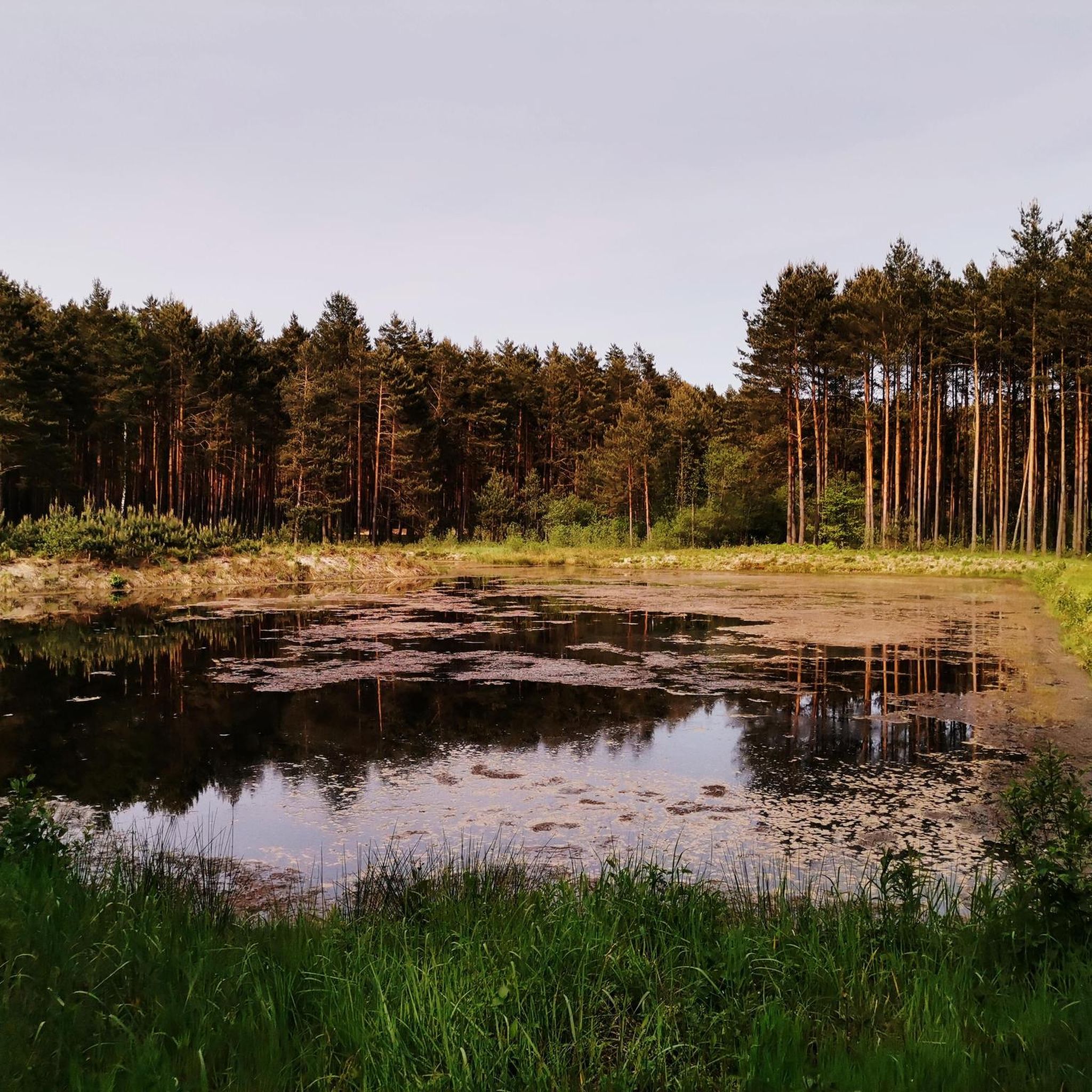
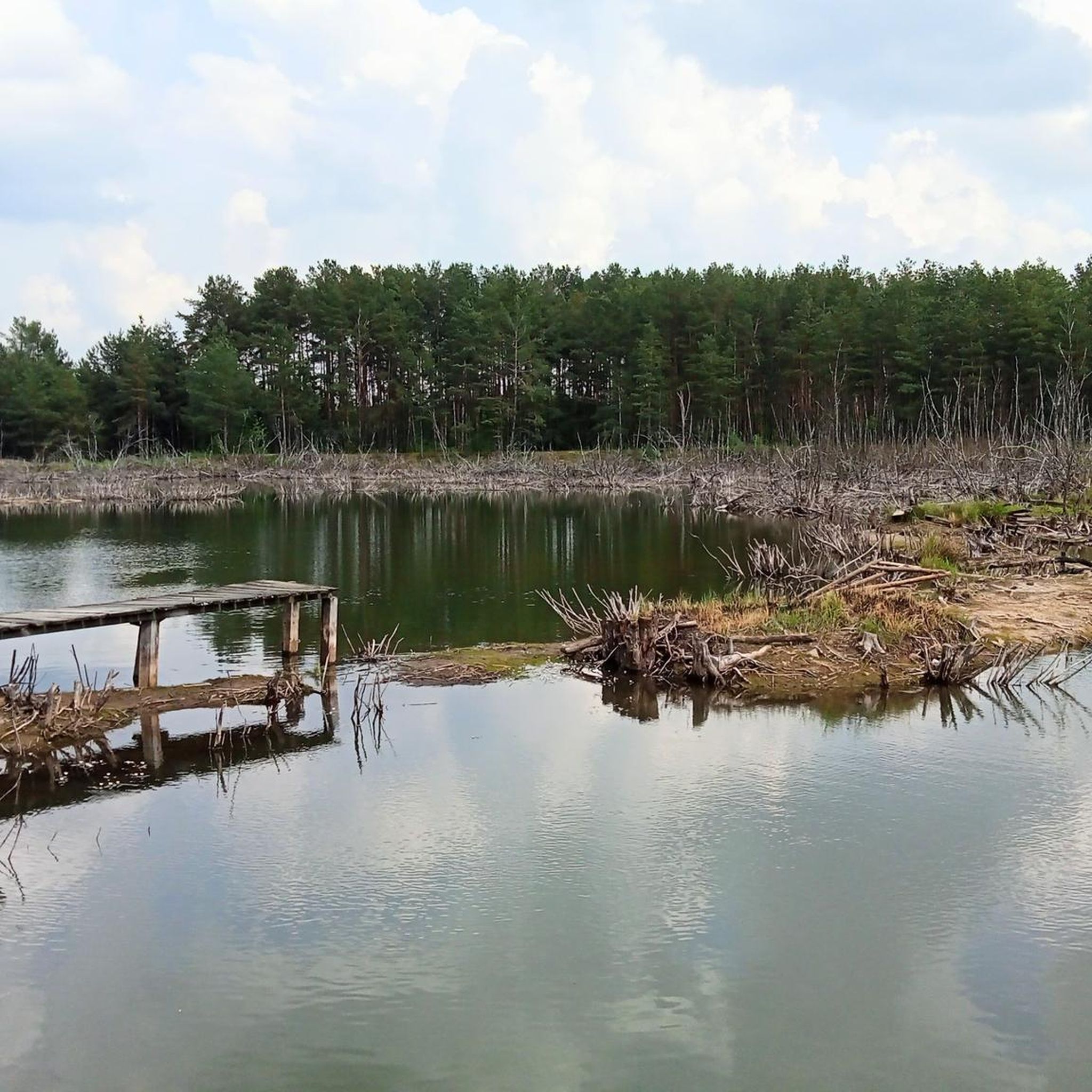
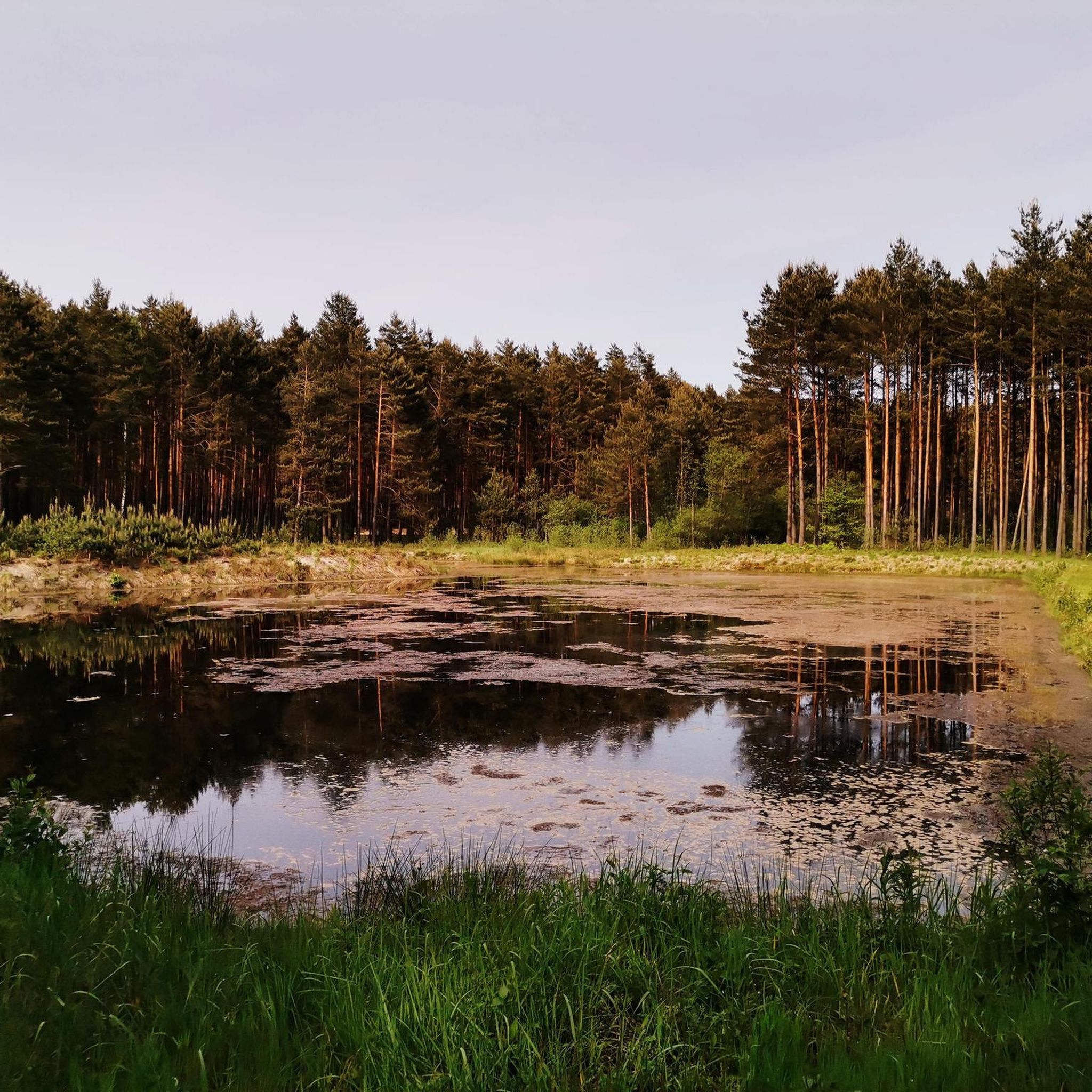
A 21ha reservoir located on the Żarnówka River, which is a right tributary of the Kamienna River. The fishing ground is located in the village of Mostki near Suchedniów in Skarżysko County. The reservoir is located on the Suchedniów-Starachowice route and is approximately 2 km long.
0
0

A must visit on Sieradowicki
0
0

this is one big attraction this single track
0
0
Wykus was the base of Polish partisans. During the January Uprising, insurgents commanded by Marian Langiewicz were stationed here. During World War II, camps of Polish underground soldiers were located here, first under the command of Maj. Henryk Dobrzański "Hubal", later the Home Army Partisan Groups "Ponury" - lieutenant cc. Jan Piwnik "Ponury". On On September 15, 1957, in the place of the former camp, a chapel with the image of Our Lady of Sorrows was unveiled, commemorating those who died in the fight for the homeland. On its walls there are 123 nicknames of soldiers who died during the war. The shrine is surrounded by a wall, on which there are several hundred plaques with the names of the dead soldiers of the "Ponury" and "Nurt" groups. The chapel with the surrounding area within a radius of 30 m is the "Wykus" National Memorial Site and is entered in the register of immovable monuments. Every year, on the second Saturday of June, ceremonies commemorating the fallen soldiers of the Partisan Groups of the Home Army "Ponury" are organized in Wykus. Wykus (326 m above sea level) is also a nature reserve.
0
0
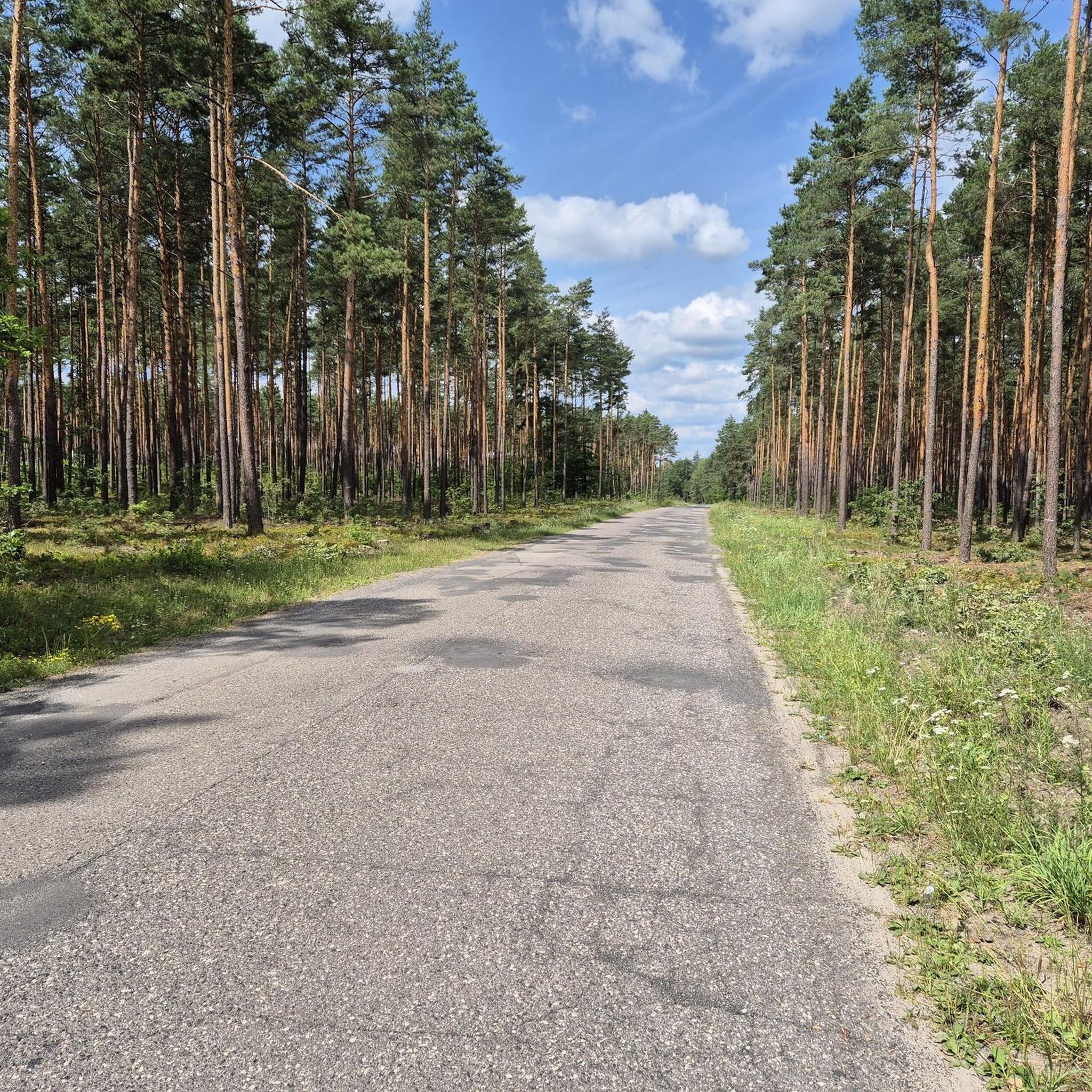
The Wykus partial reserve was established by the Ordinance of the Minister of Forestry and Wood Industry of October 11, 1978. The total area of the reserve is 53.01 ha, including 52.7 ha of forest and 0.31 ha of non-forest land. The reserve belongs to the Suchedniów Forest District, Bronkowice Forest District, Bodzentyn and Wąchock communes. The subject of protection in the reserve are diversified and highly natural forests with the participation of pine, fir and oak, hornbeam, birch, aspen and alder. The age of the upper layer of trees varies from 70 to 100 years, with specimens reaching 140 years. They are a great natural asset of the reserve. The highest degree of naturalness is characteristic of forest-like fir and alder stands. The area of the reserve is overgrown with a number of forest vegetation communities, among which the following deserve attention: Carpathian beech forest, oak-hornbeam forest, upland fir forest, mixed forest, Central Polish mixed forest with fir and alder and ash riparian forest. Many interesting and protected species of plants grow in the undergrowth and undergrowth, including: hepatica, live onion, three-needle moss, bugle, laurel and clubmoss. However, Wykus is famous above all for its many historical places. Large complexes of forests have long provided shelter to patriots fighting for the independence of our country. It was here that the January insurgents found shelter and the partisans of World War II. The Wykus Reserve is an important junction of tourist trails. They lead to it: - green hiking trail from Skarżysko (Mostek) - blue pedestrian from Wąchock and Bodzentyn - black pedestrian from Starachowice - red bicycle from Mostki, Wąchock and Bronkowice
0
0
Polana Langiewicza is commonly regarded as a campsite for insurgent troops led by General Marian Langiewicz during the January Uprising in 1863. However, there is no evidence that the insurgents were stationed in this exact place and that General Langiewicz himself stayed there. This place was indicated by Capt. Wojdacki, writing that "there was a spring and an oak grew, where General Marjan Langiewicz sat as if on a stool". The place was marked for the first time in 1925, during the convention of veterans of the 1863 uprising. Then, after the holy mass in Wąchock, the participants of the reunion went to the clearing, where a commemorative plaque was consecrated. The plaque was made in a foundry in Skarżysko, owned by Kazimierz Jan Witwicki, son of Jan Witwicki, an insurgent. At that time, the plaque was hung on an oak - today it is hung on a pine.
0
0

In this place there is a monument commemorating the soldiers of the Home Army (Polish independence underground) from groups operating against the Germans in the Świętokrzyskie Mountains under the command of the legendary Jan Piwnik pseudonym "Gloomy". Next to it, there is a place for the Holy Mass and benches for those gathered during the ceremony.
0
0
Frequently Asked Questions
What natural attractions can I explore in and around gmina Skarżysko Kościelne?
The region offers several natural highlights. You can visit the Mostki Reservoir, a popular spot for recreation with a bathing beach. The "Skarżyskie Forests" Natura 2000 area is significant for its biodiversity, including valuable ecosystems like wet meadows and peat bogs. Additionally, the Wykus Nature Reserve features diversified and highly natural forests, providing a serene environment for nature lovers.
Are there historical sites to visit in gmina Skarżysko Kościelne?
Yes, the area is rich in history. The Wykus Home Army Memorial commemorates soldiers of the Home Army from groups operating in the Świętokrzyskie Mountains. You can also find the Holy Trinity Church, erected between 1637 and 1643, and the Archaeological Reserve "Rydno" with traces of Stone Age human presence. The Langiewicz Glade Memorial marks a site associated with the January Uprising.
What outdoor activities are available for hikers near these attractions?
There are numerous hiking opportunities. The Wykus Nature Reserve is an important junction for tourist trails, including green, blue, and black pedestrian routes. For more options, explore the hiking routes around gmina Skarżysko Kościelne, which include easy loops like the Wąchock Dam – View of the Wąchocki Lagoon loop.
Are there cycling routes in the gmina Skarżysko Kościelne area?
Absolutely. The gmina is part of a network of attractive and well-marked bicycle tourist trails. You can find various routes, such as the View of the Wąchocki Lagoon – Wąchock Dam loop or the Workers' Colony – Rejov Lake loop. Discover more options on the cycling guide for gmina Skarżysko Kościelne.
What family-friendly attractions are there?
Families can enjoy the Mostki Reservoir, which features a bathing beach and parking facilities, perfect for a day out. The Nordic Walking Park "Skarżysko Kościelne" in Lipowy Pole offers a marked route suitable for active families. Many of the natural areas and easy hiking trails are also suitable for family outings.
What is the best time of year to visit gmina Skarżysko Kościelne?
The region is enjoyable throughout the warmer months, typically from spring to early autumn (April to October), when the weather is most favorable for outdoor activities like hiking, cycling, and visiting natural reserves. Summer offers the best conditions for swimming at the Mostki Reservoir.
Are there any unique or quirky cultural sites nearby?
Yes, in the nearby town of Wąchock, you can find the Statue of the Sołtys. This monument playfully commemorates the village leader, a figure often featured in local jokes, and is located near the historic Wąchock Abbey.
What are some notable historical sites in the broader Skarżysko County?
Beyond gmina Skarżysko Kościelne, Skarżysko County offers the White Eagle Museum in Skarżysko-Kamienna, which houses one of Poland's largest collections of military items. Other significant sites include Szydłowiec Castle and Wąchock Abbey. The Sanctuary of Our Lady of the Gate of Dawn, a replica of the Vilnius landmark, is also in Skarżysko-Kamienna.
Can I find easy hiking trails suitable for beginners or casual walkers?
Yes, there are several easy hiking options. The easy hikes around gmina Skarżysko Kościelne guide lists routes such as the Rejów Reservoir loop from The White Eagle Museum and the Wąchock Dam – View of the Wąchocki Lagoon loop, which are generally considered easy.
What kind of natural landscapes characterize the region?
The landscape around gmina Skarżysko Kościelne is characterized by extensive forests, picturesque water reservoirs, and rivers like the Kamienna. Protected areas such as the Suchedniowsko-Oblęgorski and Sierakowicki Landscape Parks, along with numerous nature reserves, highlight the region's rich biodiversity and scenic beauty.
Are there any specific places for Nordic walking?
Yes, the Nordic Walking Park "Skarżysko Kościelne" is located in Lipowy Pole. It features a clearly marked red loop route spanning 10.6 kilometers, complete with exercise suggestions and a pulse measuring point, making it ideal for Nordic walking enthusiasts.
What do visitors particularly enjoy about the attractions here?
Visitors appreciate the blend of historical significance and natural beauty. For instance, the Wykus Home Army Memorial is valued for its commemorative importance and serene setting. The Mostki Reservoir is popular for its recreational opportunities, including swimming and fishing. The region's well-marked trails for hiking and cycling also receive positive feedback for offering active recreation amidst nature.
Most popular routes around gmina Skarżysko Kościelne
Most popular attractions around gmina Skarżysko Kościelne

Get inspired with the komoot mobile app


Explore more
Still not found the Highlight you’re looking for? See guides of the top attractions in other regions:
