Attractions and Places To See around Kiwity - Top 20
Best attractions and places to see around Kiwity, a village in Poland's Warmian-Masurian Voivodeship, offer a mix of historical landmarks and cultural sites. The surrounding region is part of the Olsztyn Lake District, characterized by numerous forests and lakes. Visitors can explore a variety of architectural heritage and natural settings in the area.
Best attractions and places to see around Kiwity
- The most popular attractions is Basilica of Our Lady of Peace, Stoczek Klasztorny, a religious building. This site,…
Last updated: July 15, 2026
Basilica of Our Lady of Peace, Stoczek Klasztorny
Highlight • Religious Site
Translated by Google •
Tip by

High Gate (Wysoka Brama) in Lidzbark Warmiński
Highlight • Historical Site
Translated by Google •
Tip by

Sign up now to discover places like this
Get recommendations on the best single tracks, peaks, & plenty of other exciting outdoor places.
Sign up for free
Collegiate Church of Saints Peter and Paul in Lidzbark Warmiński
Highlight • Religious Site
Translated by Google •
Tip by
Stoczek Monastery
Highlight • Religious Site
Translated by Google •
Tip by

Palace and Estate Galiny (Hotel, Restaurant, and Stud Farm)
Highlight • Historical Site
Translated by Google •
Tip by

Sign up for free to discover even more attractions around Kiwity.
Sign up for free
Already have an account?
Start today with a free account
Your next adventure awaits.
Login or Signup

Tips from the Community

The Bernardine Monastery (a branch of the Franciscans) in Stoczek Klasztorny is one of the most important places related to the history of the Church in Poland. In the years 1953–1954, it was the place of internment for Primate Stefan Wyszyński, the head of the Catholic Church in Poland in the mid-20th century, by the communist authorities. Currently, the monastery houses a museum dedicated to his stay and the preserved internment cell. The physical conditions that Wyszyński had in this prison were significantly better than those of other opposition activists. I don't understand why this insignificant 2-year period of imprisonment is the object of such veneration. A place worth visiting. Especially since the sanctuary and monastery are currently under the care of the Marian Fathers (Congregation of Marian Fathers of the Immaculate Conception of the Blessed Virgin Mary), who have served there since 1959.
0
0

The High Gate in Lidzbark Warmiński is a Gothic defensive structure built in the second half of the 15th century (ca. 1466–1478) as part of the medieval city walls and was one of three gates leading into the city. Only this gate, now also known as the Foregate, remains today. It is a four-story brick structure with two semicircular towers and a pointed archway, constituting one of the most valuable Gothic monuments in Warmia and Mazury. In the 17th–19th centuries, the structure was adapted for artillery fire, and after being rebuilt in the mid-19th century, it served, among other purposes, as a courthouse. The gate walls still contain remnants of the 1520 bombardment, in the form of embedded cannonballs. Today, the High Gate is an important symbol of the city and a tourist attraction.
2
0
The Collegiate Church of Saints Peter and Paul in Lidzbark Warmiński was built in the 14th century as a Gothic three-nave church. The church tower reaches approximately 66 meters and dominates the city skyline. The church was rebuilt several times – after the fire in 1698 and in the 18th and 19th centuries, combining the Gothic structure with Baroque and neo-Gothic elements. Currently, the collegiate church serves as the chapter's seat and boasts valuable historic furnishings, including Gothic vaults and works of sacred art.
2
0

In this village founded on November 18, 1349 by the Bishop of Warmia, there are around 330 inhabitants. The place is surprising, because it also houses the sanctuary of Our Lady of Peace. Before the construction of the imposing church, there was only a modest chapel dedicated to the Virgin Mary. The title of minor basilica was awarded to the church by Pope John Paul II on May 19, 1987.
0
0

The High Gate in Lidzbark Warmiński is an element of the city that every resident and visitor should get to know. Preserved as the only one of the three gates leading to the city, it served many functions over the years. There are also embedded spheres in its walls, which remind us of the fire outbreaks of 1520.
0
0

Stoczek Warmiński - the first place of imprisonment of Primate Stefan Wyszyński (September 25, 1953 - October 6, 1954)
0
0

At the latest since the beginning of the 17th century there was a Marienkapelle with a statue of Mary near Springborn, which was visited by pilgrims. Bishop Szyszkowski had a round stone church built on the site of the chapel in 1639-1641 as a votive offering after the end of the First Polish-Swedish War. The church was handed over to the St. Bernards from Wartenburg. Initially, the monks lived in wooden buildings until 1666, when Bishop Jan Wydżga donated the stone monastery buildings. From 1708 onwards, under Bishop Zaluski, a cloister with four corner chapels was built around the church, based on the example of Saint Linde. The construction was completed under Bishop Teodor Andrzej Potocki. During his tenure, the monastery was expanded, which as a four-wing complex with an inner courtyard adjoins the cloister to the east. In 1716 Bishop Potocki dedicated the church to "Mary, the Queen of Peace" (Regina Pacis). The pilgrimage site experienced its heyday in the 1740s and 1750s, when it almost equaled Heiligenlinde in popularity. After the secularization of the religious orders in Prussia, the state took over the church and monastery (the last religious died in 1826). During the tenure of Bishop Andreas Stanislaus von Hatten (1838-1841), however, the church and monastery were returned to the Diocese of Warmia. In 1870 Bishop Philipp Krementz handed over the monastery to Lazarists from the Rhineland. As a result of the Kulturkampf, they had to withdraw three years later. In 1909 the cloister tracts were increased by one floor, in 1913 the cloister received an extension on the garden side. In 1926 the complex was handed over to the Franciscans. From October 1953 to October 1954 the primate of Poland, Cardinal Stefan Wyszyński, was interned in the monastery by the communists. He occupied rooms on the first floor of the monastery and was attended by a priest and a nun. After Radio Free Europe made the primate's whereabouts public, he was taken to Prudnik in Upper Silesia. In 1987, Pope John Paul II gave the church the rank of minor basilica (Wikipedia).
1
0
The three-aisled church was built in the 14th century and, with its bell tower and brick construction, which is characteristic of the region, is one of the most popular photo motifs in the city. A special treasure is the organ created by Bruno Goebel from Königsberg in 1929, which is one of the most important in the region and is still in its original condition.
2
0
Frequently Asked Questions
What historical landmarks can I explore around Kiwity?
The region is rich in history. You can visit the impressive High Gate (Wysoka Brama) in Lidzbark Warmiński, a late-Gothic building from 1352 and the only surviving gate of its kind. Another significant site is the Collegiate Church of Saints Peter and Paul in Lidzbark Warmiński, a 14th-century brick temple with stellar vaults and a 66-meter tower. In Kiwity itself, the Gothic Church of Saints Peter and Paul, dating back to the 14th-15th century, features a beautiful late-Baroque altar.
Are there any notable religious sites near Kiwity?
Yes, the most prominent religious site is the Basilica of Our Lady of Peace, Stoczek Klasztorny. This 17th-century Baroque sanctuary holds the title of minor basilica and is a significant pilgrimage destination. You can also explore the associated Stoczek Monastery, known for its cloisters and historical significance as a place of imprisonment for Cardinal Stefan Wyszyński.
What natural features can I enjoy in the Kiwity area?
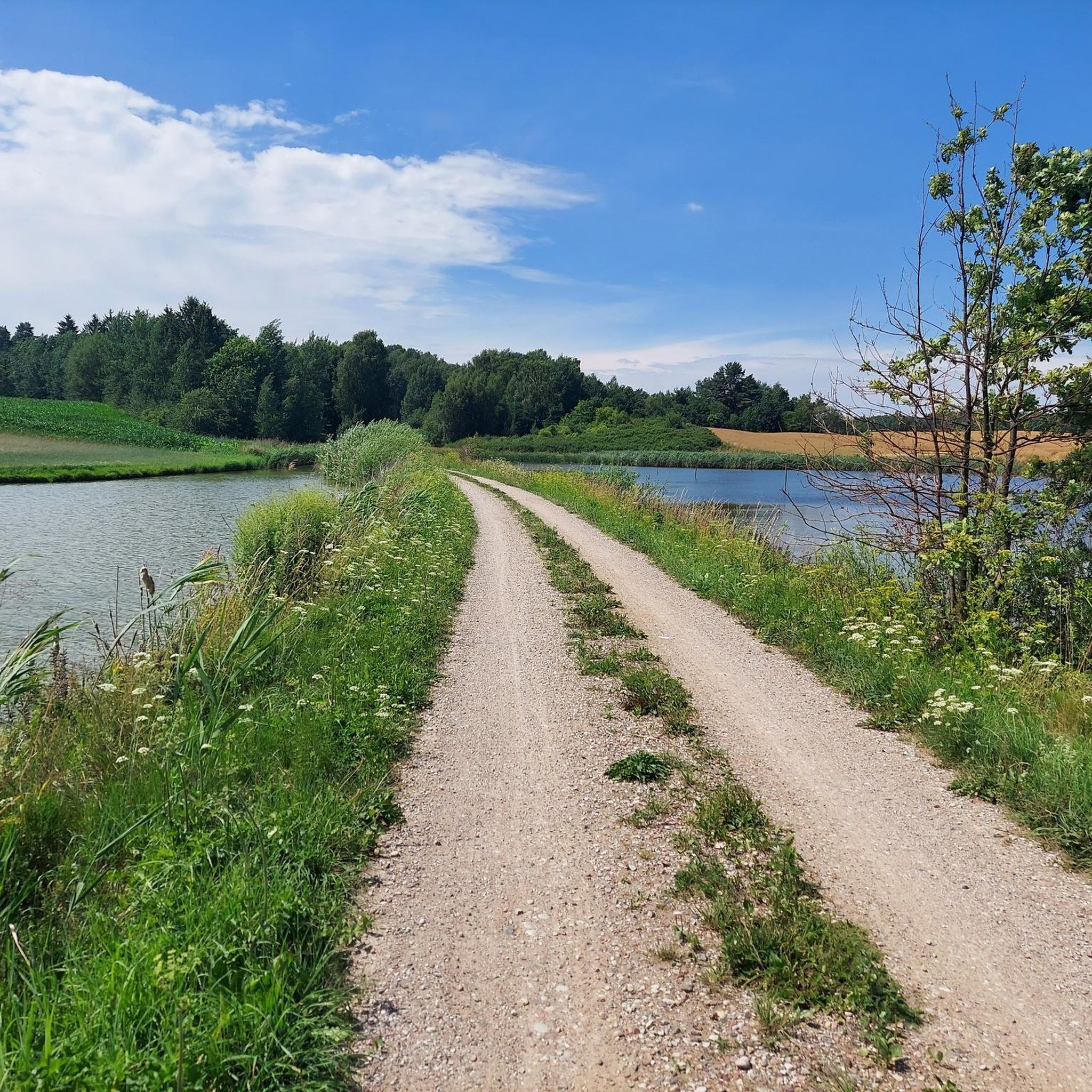
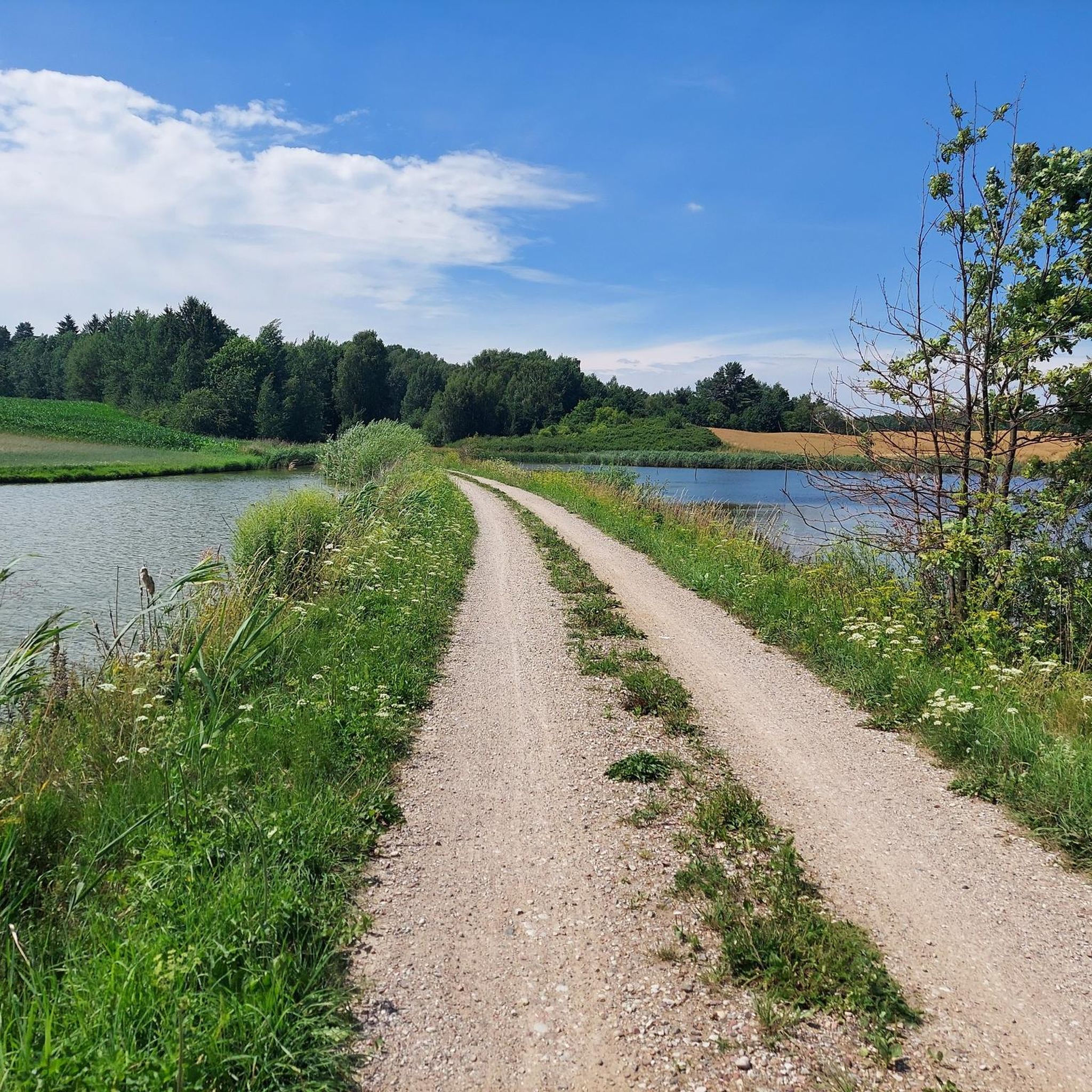
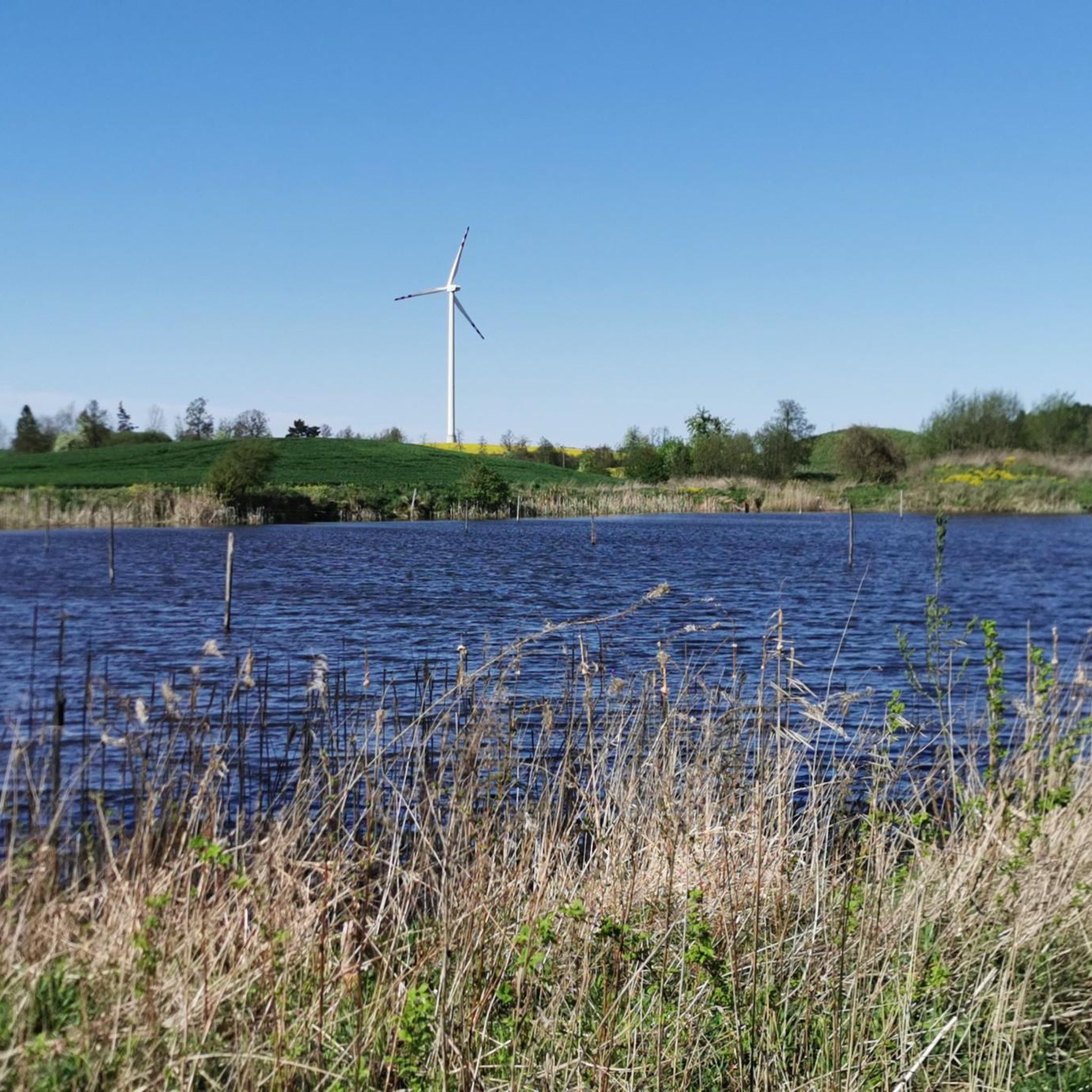
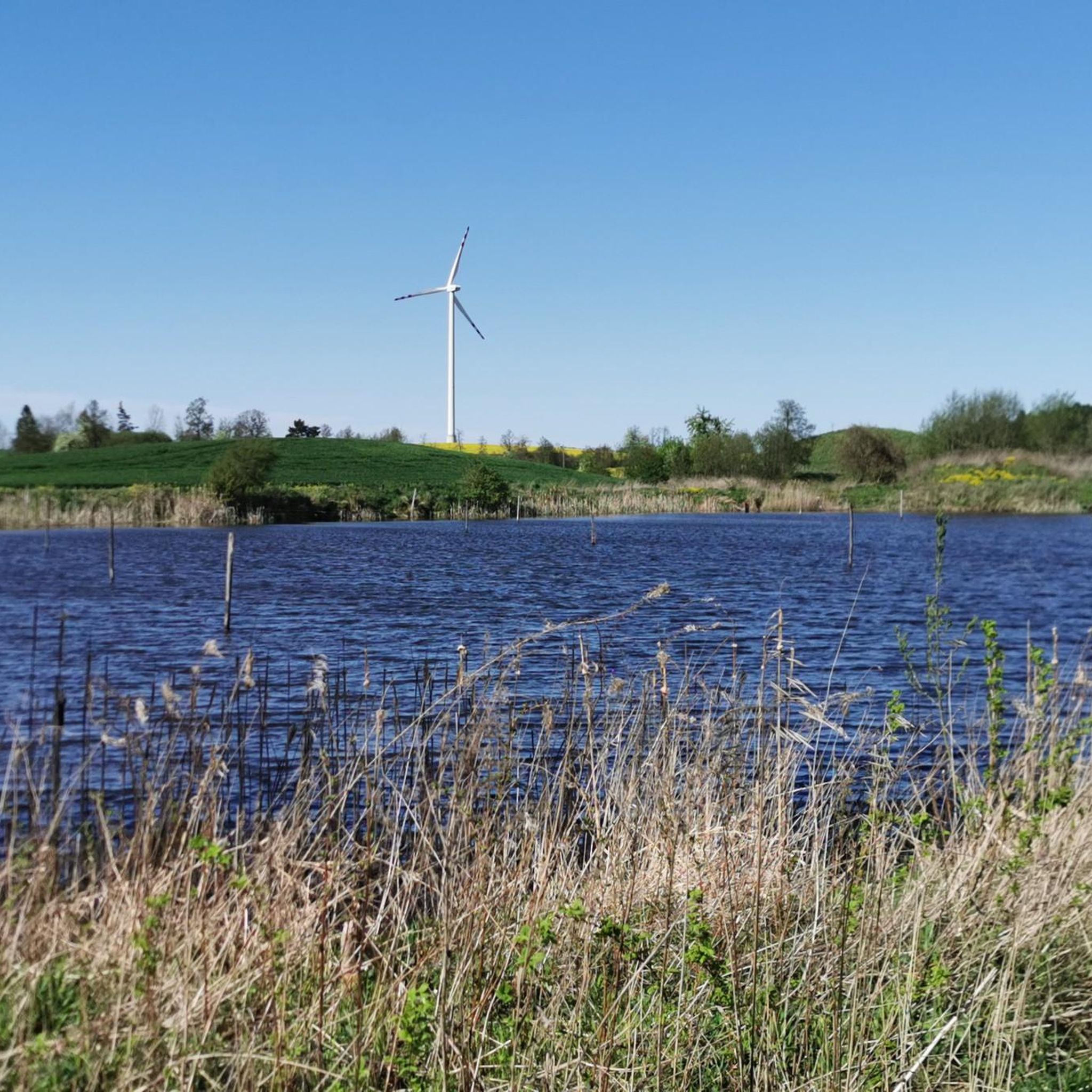
Kiwity is situated within the beautiful Olsztyn Lake District, characterized by numerous forests and serene lakes. This natural landscape provides ample opportunities for enjoying the outdoors, from peaceful walks to more active pursuits like cycling.
Are there family-friendly attractions around Kiwity?
Absolutely. Many historical sites like the Basilica of Our Lady of Peace and the High Gate in Lidzbark Warmiński are suitable for families. A particularly enjoyable visit for families is the Palace and Estate Galiny, which features beautiful gardens, a stud farm, and offers a pleasant half-day excursion.
What kind of cycling routes are available near Kiwity?
The region around Kiwity is excellent for cycling. You can find various routes for different preferences. For mountain biking, explore trails like the 'MTB Trail – MTB Trail 2 loop from Bartoszyce'. If you prefer road cycling, there are easy routes such as 'Bartbetowskie – Przedwojenny Ewangelicki loop from Bartoszyce'. For general touring, consider routes like 'Blanki Lake – Lidzbark Warmiński Castle loop from Blanki'. You can find more details on these and other routes in the MTB Trails around Kiwity, Road Cycling Routes around Kiwity, and Cycling around Kiwity guides.
Can I visit a palace or estate in the area?
Yes, the Palace and Estate Galiny is a must-see. This estate features a neo-Baroque palace, beautiful 19th-century gardens with a pond and waterfall, and a stud farm. It also functions as a hotel and restaurant, making it a great place to spend a few hours.
What is the best way to experience the natural beauty of the Olsztyn Lake District near Kiwity?
To truly experience the natural beauty, consider exploring the numerous forests and lakes by bike or on foot. The region offers serene landscapes perfect for outdoor activities. Cycling routes, including sections of the Green Velo, are a popular way to immerse yourself in the scenery.
How much time should I allocate for visiting the main historical sites?
For sites like the Basilica of Our Lady of Peace, Stoczek Klasztorny, or the Collegiate Church of Saints Peter and Paul in Lidzbark Warmiński, 1-2 hours should be sufficient for a thorough visit. The Palace and Estate Galiny, with its gardens and stud farm, might require a half-day to fully explore.
What do visitors particularly enjoy about the attractions around Kiwity?
Visitors appreciate the blend of historical landmarks, religious sites, and natural beauty. The medieval architecture, such as the Gothic structures in Lidzbark Warmiński, and the serene landscapes of the Olsztyn Lake District are frequently highlighted. The komoot community has shared many photos and upvotes, indicating a strong appreciation for the area's diverse offerings.
Are there any unique architectural features to look out for?
Yes, the High Gate (Wysoka Brama) in Lidzbark Warmiński is a prime example of late-Gothic architecture, built with red brick and featuring two semicircular towers. The Collegiate Church of Saints Peter and Paul boasts impressive stellar vaults from the 14th century. In Kiwity, the local Gothic church is noted for its late-Baroque altar and rococo confessionals.

Get inspired with the komoot mobile app


Explore more
Still not found the Highlight you’re looking for? See guides of the top attractions in other regions:
