Attractions and Places To See around gmina gmina gmina Kozłowo - Top 20
Best attractions and places to see around gmina gmina gmina Kozłowo include historical sites, natural landscapes, and cultural points of interest within the Warmian-Masurian Voivodeship. The region features a landscape shaped by diverse historical influences and is home to protected areas like the Nida and Szkotówka River Valleys. Visitors can explore villages with long histories, significant lakes, and a network of cycling and hiking trails. The area offers a blend of historical depth and natural beauty, with opportunities to observe…
Last updated: July 15, 2026
Nidzica Castle
Highlight • Castle
Translated by Google •
Tip by

Grunwald Monument
Highlight • Monument
Translated by Google •
Tip by

Sign up now to discover places like this
Get recommendations on the best single tracks, peaks, & plenty of other exciting outdoor places.
Sign up for free
Działdowo Castle
Highlight • Castle
Translated by Google •
Tip by

Łyński Młyn
Highlight • Cafe
Tip by

Łyna River Source
Highlight • River
Translated by Google •
Tip by
Sign up for free to discover even more attractions around gmina gmina gmina Kozłowo.
Sign up for free
Already have an account?
Start today with a free account
Your next adventure awaits.
Login or Signup
Popular around gmina gmina gmina Kozłowo
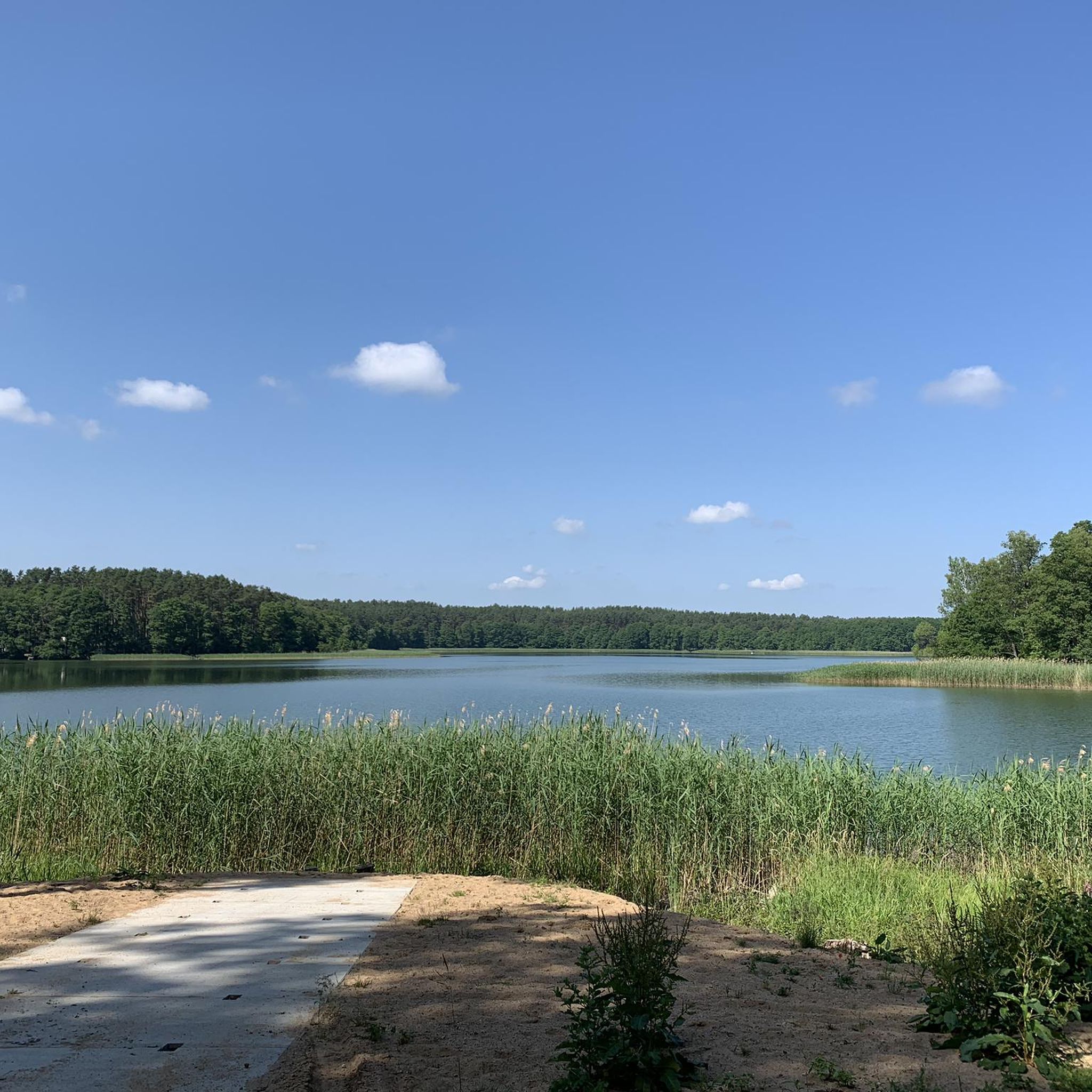
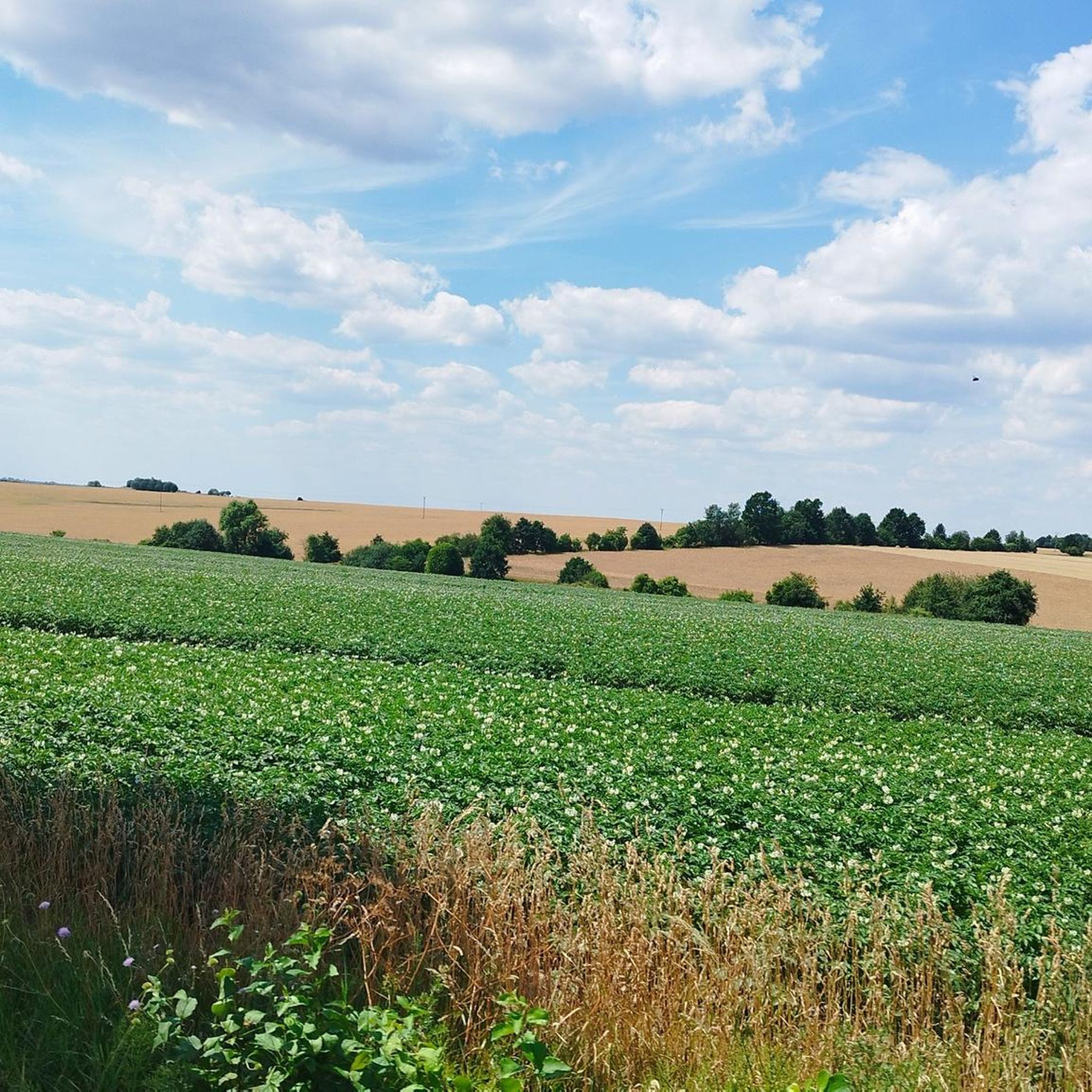
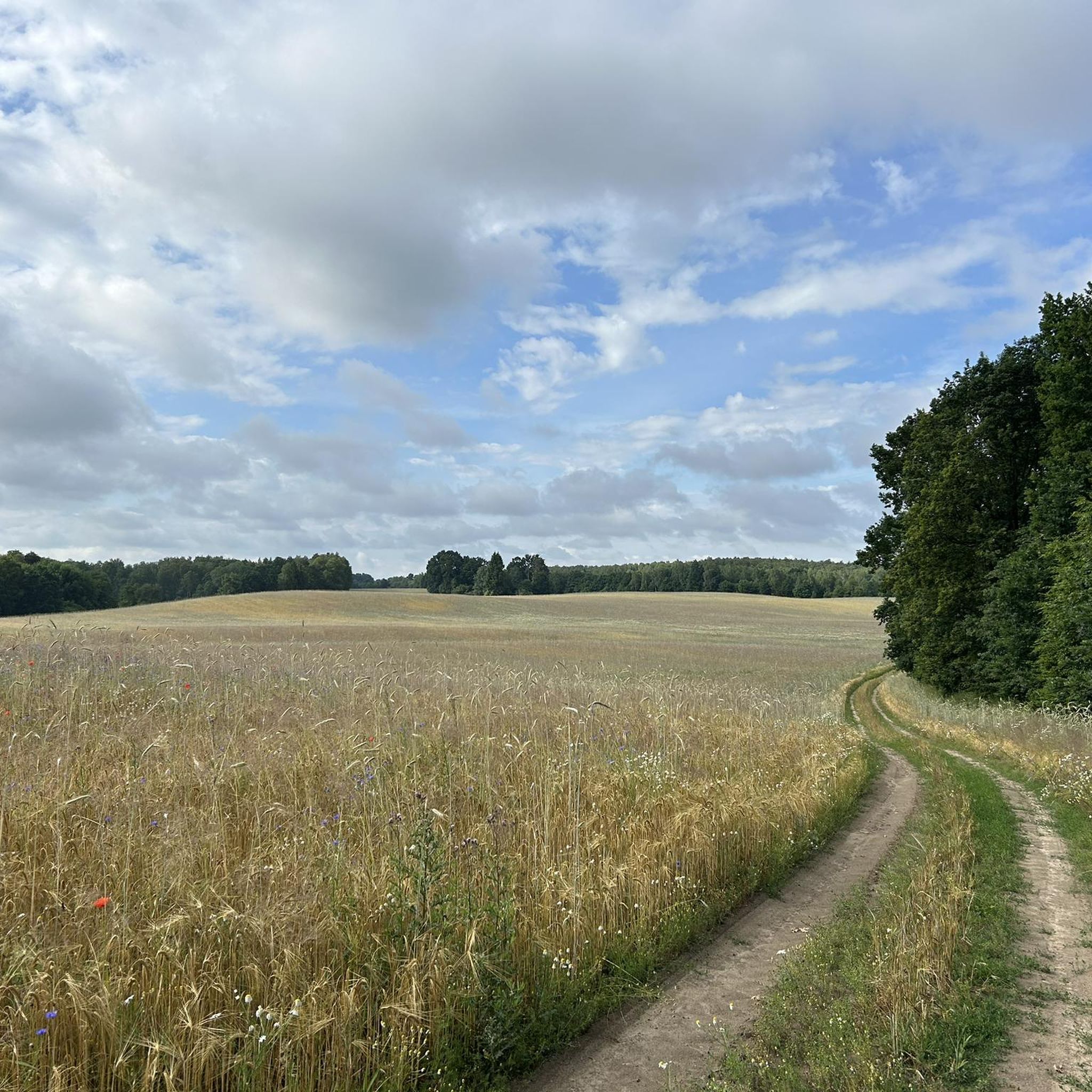
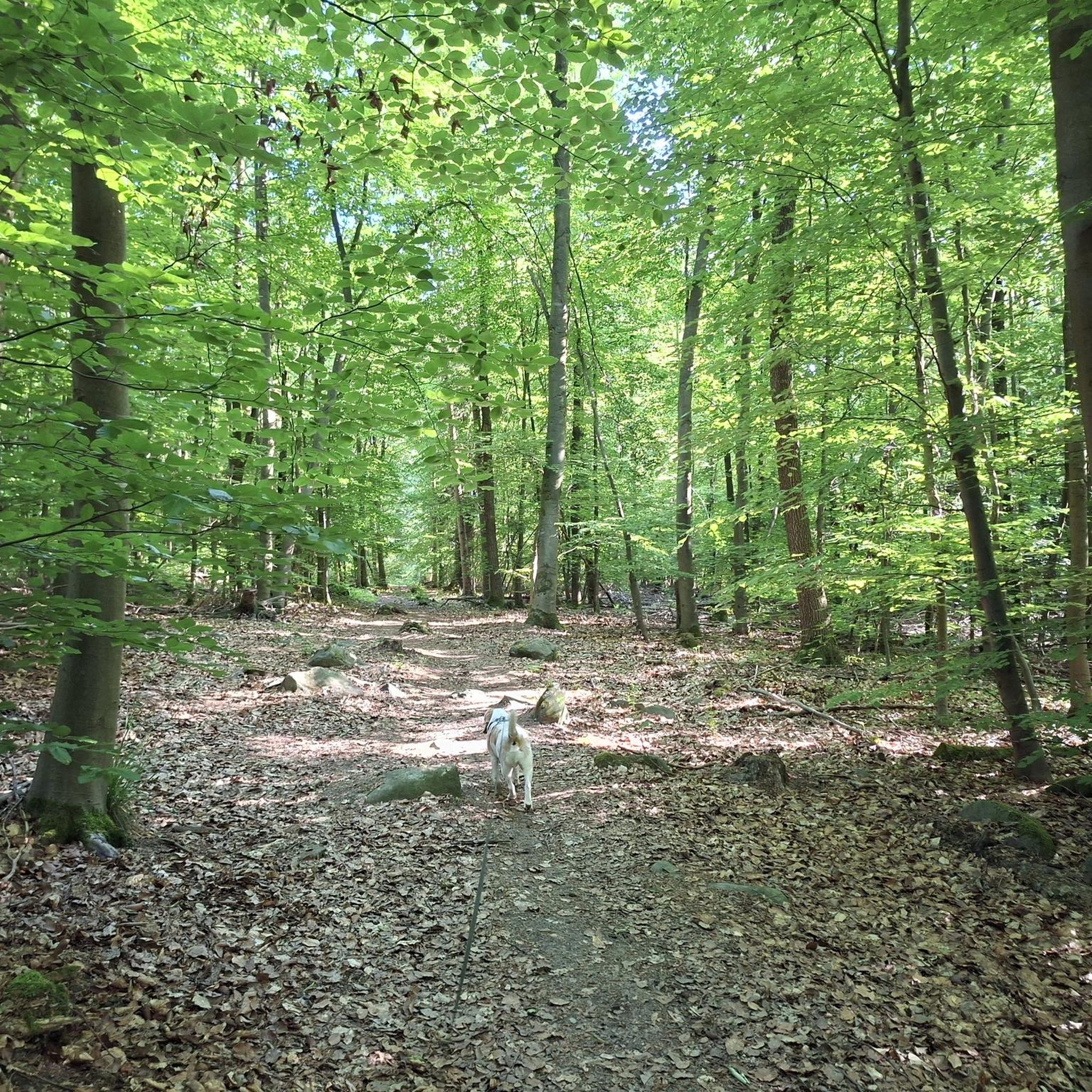
Tips from the Community

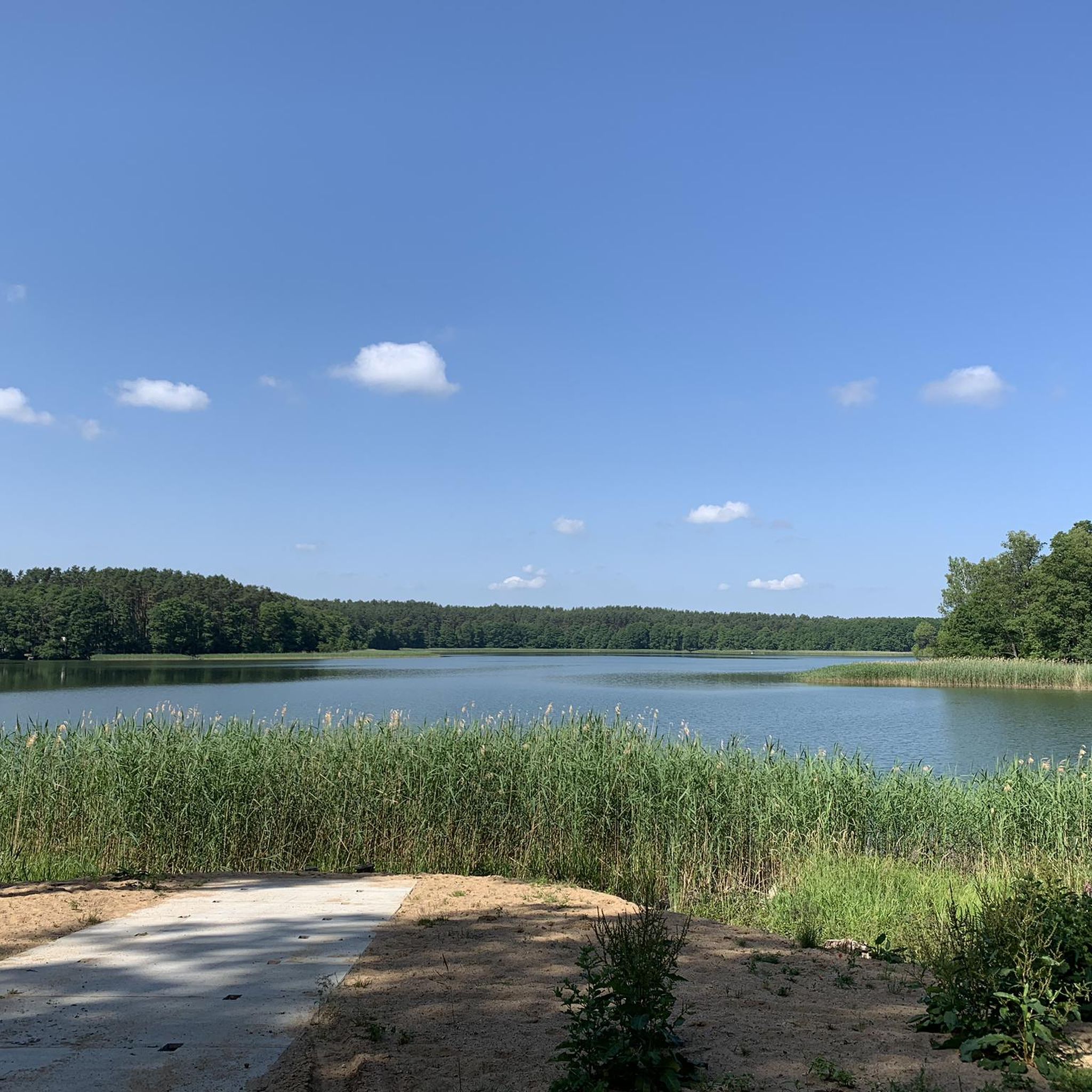
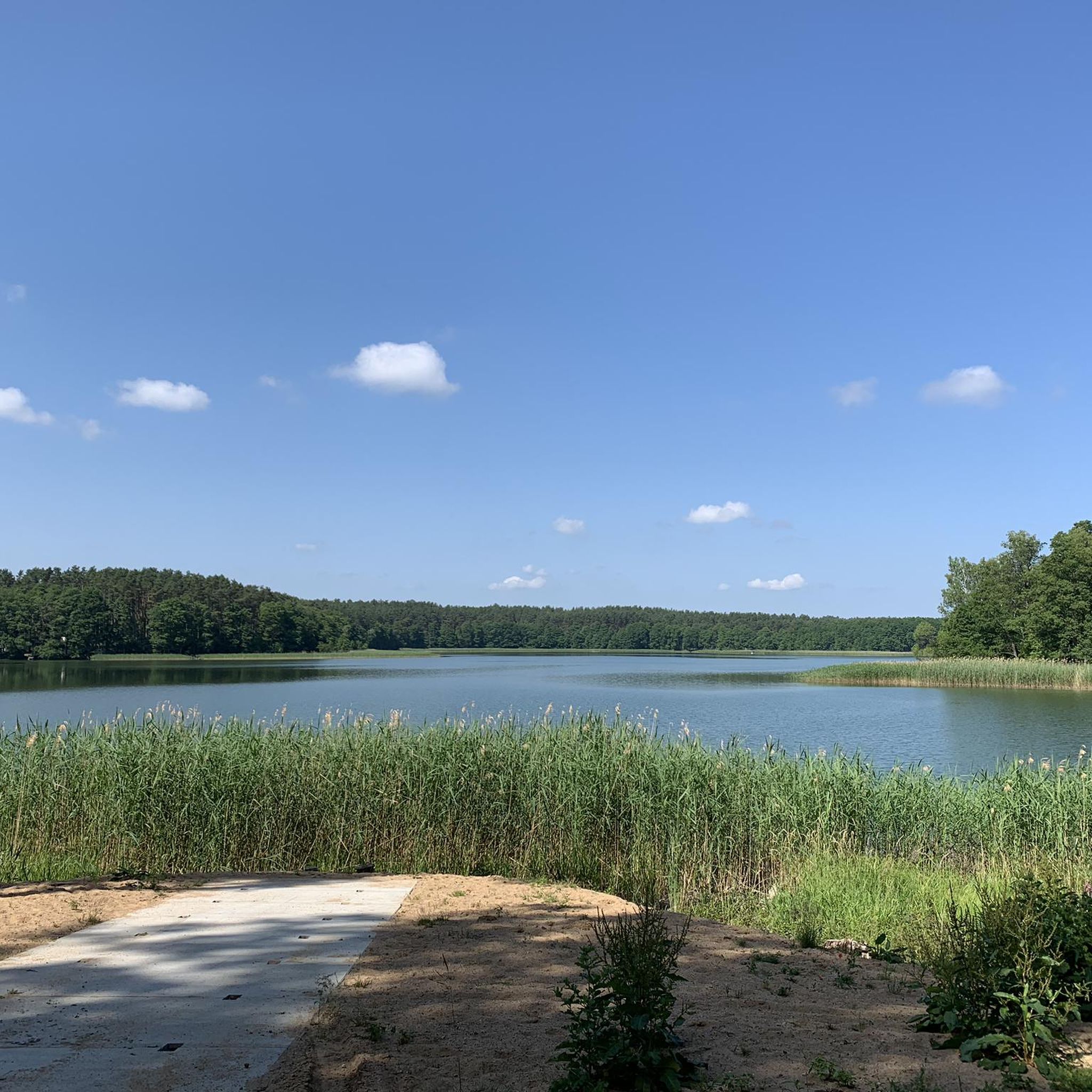
It's a beaver dam, you can cross it, even with a bike.
0
0

The construction of the castle began around 1398, the main western wing was completed in 1405, and the remaining works were completed in the spring of 1409[1]. The Teutonic procurator resided there. On July 12, 1410, on his way with his army into the depths of the Teutonic state, the undefended castle was occupied by Polish troops. During the Hunger War in 1414, the castle was besieged by Polish knights and captured on July 6 after an eight-day siege. In 1454, the castle was occupied by the pro-Polish Prussian Confederation and in February 1455, it was handed over to Czech mercenaries led by Jan Kolda of Žampach, who repelled the invasion of the Teutonic troops on April 28[2]. In 1517, the outer bailey was expanded and fortified. In 1784, the outer bailey burned down. In 1812, the castle was devastated by French troops. In the years 1828-1830 the castle was rebuilt into a court and prison. In the winter of 1945, Soviet troops bombarded the castle, which remained a ruin until its reconstruction in 1961-1965.
0
0

The Łyna flows from the outwash sands north of Nidzica, the river's sources are located near the village of Łyna, in the area of the Źródła Rzeki Łyny nature reserve. It is a landscape and geomorphological reserve with the phenomenon of reverse erosion occurring here, a very rare phenomenon in the lowlands. The Łyna River flows through the channel lakes: (Brzeźno Duże, Kiernoz Mały, Kiernoz Wielki, Jezioro Łańskie, Ustrych), among which the largest and deepest is Lake Łańskie. The Łyna changes its direction several times, crosses several series of terminal moraines, which affects the diverse character of individual sections of the valley. In Olsztyn, the Łyna flows through a diverse area. On the outskirts of the city, there is suburban development with large fragments of trees. A little further on, it gradually changes into the compact development of the city center. Leaving the city limits, the river crosses a large forest area (the Olsztyn City Forest). http://encyklopedia.warmia.mazury.pl/index.php/Rzeka_%C5%81yna
1
0

The Grunwald Monument stands imposingly on the vast site, a memorial whose striking shapes and clean lines are a striking reminder of the Battle of Grunwald in 1410. There is something majestic, almost solemn, about the atmosphere here. Strolling around the square, you can feel the importance of this place in Polish history. It is not just a monument, but a place where history comes alive. The massive stone and metal structures add a certain drama to the scene. From here, the view sweeps far over the surrounding landscape, which was once the scene of this decisive moment in medieval history. The monument is not just a memorial, but also a place of reflection and commemoration, offering visitors a special connection to history.
1
0
Nidzica Castle – was built at the beginning of the 15th century in the Gothic style as the seat of the Teutonic prosecutor.
0
0
First, some information about visiting, namely it is closed on Mondays. The construction of the castle began around 1370, and in 1409, a Teutonic prosecutor was already residing there. On July 12, 1410, on the way with an army into the depths of the Teutonic state, the undefended castle was occupied by Polish troops. During the Hunger War in 1414, the castle was besieged by Polish knights and captured on July 6 after an eight-day siege. In 1454, the castle was occupied by the pro-Polish Prussian Confederation. In February 1455, it was handed over to Czech mercenaries led by Jan Kolda of Žampach, who repelled the invasion of the Teutonic troops on April 28. In 1517, the castle's outer bailey was expanded and fortified. In 1784, the outer bailey burned down. The castle was damaged most by French soldiers, who were stationed here intermittently in the years 1806–1812. The building, devastated by the Napoleons, was saved from total ruin by the court counselor Ferdynand Tymoteusz Gregorovius, an effective initiator of the reconstruction (1828–1830) of the medieval fortress to serve as a courthouse, private apartments and a prison. However, Gregorovius stipulated that the people of Nidzica should build him a monument. The monument was built only more than seventy years after the castle was rebuilt. The monument is located in the castle park. In 1945, the castle was not so lucky – it was bombed by the Russians and burned down, losing its ceilings and part of the walls. However, the decision was quickly made to rebuild it. In 1949, the building was cleared of rubble, and three years later, the first security works began. The full restoration of the monument, including the conservation of the preserved paintings in the chapel and refectory, began in 1961 and was completed in 1965, after which it was ceremonially handed over to local cultural and social institutions. Currently, the castle serves as the city's center of business, culture and entertainment. It houses: the Museum of the Nidzica Region with an ethnographic and historical exhibition, the Nidzica Cultural Center, the Knights' Brotherhood of the Nidzica Commandery, the Hieronim Surpski Author's Gallery, a sculpture studio and a city library. There is also a hotel and a restaurant here. Admission to the outer bailey and the courtyard of the high castle is free, to the museum it is paid. The complex is surrounded by a dense 19th-century park. https://zamek-nidzica.pl/historia-zamku-2/
3
0

A smooth gravel road leads to this place from the east from Orłowo. The road from the parking place in the west is cobbled. In either direction, you decent to this place and then you have to climb out.
0
0
Frequently Asked Questions
What historical sites can I visit in Gmina Kozłowo and the surrounding area?
The region is rich in history. You can explore the historically significant Szkotowo village, home to the Parish Church of St. Joseph the Worker and the Szkotowo Manor House. Nearby, you'll find impressive castles such as Nidzica Castle, a Gothic fortress with a museum and cultural center, and Działdowo Castle, a Teutonic fortress with a modern exhibition. The Grunwald Monument also commemorates the historic Battle of Grunwald.
Are there any family-friendly attractions in Gmina Kozłowo?
Yes, several attractions are suitable for families. Both Nidzica Castle and Działdowo Castle are categorized as family-friendly, offering historical exploration. The Grunwald Monument provides an educational experience with views of the historic battlefield. Additionally, natural areas like Lake Szkotowskie and the protected landscapes offer opportunities for outdoor family activities.
What natural attractions can I explore in Gmina Kozłowo?
Gmina Kozłowo boasts beautiful natural features. You can visit Lake Szkotowskie, a 41.3-hectare lake with high, steep shores, ideal for enjoying the scenery. The area is largely covered by the Protected Landscape Area of the Nida and Szkotówka River Valleys and the Protected Landscape Area of Lake Mielno, offering diverse flora and fauna. The Łyna River Source is another notable natural monument, featuring a unique landscape and geomorphological reserve.
Where can I find opportunities for cycling or hiking near these attractions?
The gmina offers a network of trails for cycling and hiking. For cycling, you can explore routes like the 'Teutonic castle – Działdowo Castle loop' or the 'Działdowo Castle – Lake Szkotowskie loop'. Mountain biking enthusiasts can try the 'Descent to the Back of the Kołatek Resort loop'. Road cyclists have options such as the 'Swaderki Lake – Swaderki Shelter loop'. You can find more details on these and other routes in the Cycling around gmina gmina gmina Kozłowo, MTB Trails around gmina gmina gmina Kozłowo, and Road Cycling Routes around gmina gmina gmina Kozłowo guides.
What is the best time of year to visit Gmina Kozłowo?
The region offers different experiences throughout the year. Spring and summer are ideal for outdoor activities like cycling, hiking, and enjoying the lakes. Autumn is particularly popular for mushroom picking in the surrounding forests. While specific winter activities are not detailed, the historical sites and cultural centers remain accessible, offering a quieter, reflective experience.
Are there any cultural centers or events in Gmina Kozłowo?
Yes, the Gminne Centrum Kultury i Sportu (Communal Culture and Sports Center) in Kozłowo actively organizes various cultural events, including concerts, workshops, and local celebrations. Additionally, Nidzica Castle serves as a significant cultural and business center, hosting the Museum of the Nidzica Region, the Nidzica Cultural Center, and an author's gallery.
Can I find places to eat or relax near the attractions?
Yes, you can. Nidzica Castle houses a hotel and a restaurant with good cuisine. Another option is Łyński Młyn, a cafe that also offers a small shop with souvenirs and facilities, conveniently located near the Łyna River Source.
What are some lesser-known or 'hidden gem' attractions in the region?
Beyond the main castles, consider exploring the charming Browina village, which won an award for its aesthetic appeal and is home to the 'Kraina Pogody Ducha' social initiative. The ancient villages of Pielgrzymowo (established 1362) and Turowo (founded before 1321) offer a glimpse into the region's long history and agricultural significance, away from the more prominent tourist spots.
Is Gmina Kozłowo suitable for dog owners?
While specific dog-friendly trails are not explicitly listed, the extensive network of cycling and hiking trails through forests and natural landscapes, including the Protected Landscape Areas, generally offers ample opportunities for walks with dogs. Always ensure to follow local regulations regarding leashes and waste disposal.
Are there any accessible attractions for visitors with mobility needs?
Information on specific wheelchair accessibility for all attractions is limited. However, the courtyards of Nidzica Castle are free to enter, and the monument grounds at Grunwald Monument are generally open, which may offer some accessible viewing points. It is advisable to contact individual sites directly for detailed accessibility information.
What kind of wildlife can I expect to see in Gmina Kozłowo?
The region's rich flora and fauna are a highlight, especially within the Protected Landscape Area of the Nida and Szkotówka River Valleys and the Protected Landscape Area of Lake Mielno. Visitors often have the opportunity to observe various bird species, including storks and cranes, in their natural habitats.
What do visitors enjoy most about the attractions in Gmina Kozłowo?
Visitors appreciate the blend of historical depth and natural beauty. The komoot community has actively engaged with the highlights, with 28 upvotes and 113 photos, indicating a strong positive response. The historical significance of sites like the castles and the Grunwald Monument, combined with the serene natural landscapes, are frequently highlighted as enjoyable aspects.
Are there specific lakes suitable for recreation in the area?
Lake Szkotowskie is a prominent natural feature within Gmina Kozłowo, offering scenic views and a connection to Lake Kownatki via a small stream. While not explicitly mentioned for swimming, its natural beauty makes it suitable for lakeside relaxation and walks. The broader region also includes Lake Mielno, which is part of a protected landscape area.
Most popular routes around gmina gmina gmina Kozłowo
Most popular attractions around gmina gmina gmina Kozłowo

Get inspired with the komoot mobile app


Explore more
Still not found the Highlight you’re looking for? See guides of the top attractions in other regions:
