Attractions and Places To See around Łukta - Top 20
Best attractions and places to see around Łukta, a village in Poland's Warmian-Masurian Voivodeship, include a blend of historical landmarks and natural settings. The area is characterized by its tranquil countryside, proximity to clear lakes, and the Łukta river valley. Visitors can explore historical sites, cultural experiences, and natural features within the region.
Best attractions and places to see around Łukta
- The most popular attractions is Cannons in Front of Morąg Town Hall, a man-made monument located in Morag. This site is near the town hall and city wall remains, offering historical context and is suitable for exploring the city.
- Another must-see spot is Ostróda Lakeside Promenade, a trail that features a wide footpath and cycle path along the shore. It provides views of the lake and opportunities for boat trips, with the Teutonic castle nearby.
- Visitors also love Railway Bridge over the Drwęca in Czarny Róg, a historical bridge. This former railway bridge over the Drwęca River is part of a tourist path and offers views of the surrounding nature.
- Łukta is known for historical sites, natural landscapes, and cultural experiences. The region offers a variety of attractions to see and explore, from ancient churches to scenic lake areas.
- The attractions around Łukta are appreciated by the komoot community, with 14 highlights, 26 photos, and 52 upvotes.
Last updated: July 29, 2026
Basilica of Gietrzwałd
Highlight • Religious Site
Translated by Google •
Tip by

Cannons in Front of Morąg Town Hall
Highlight • Monument
Translated by Google •
Tip by

Sign up now to discover places like this
Get recommendations on the best single tracks, peaks, & plenty of other exciting outdoor places.
Sign up for free
Railway Bridge over the Drwęca in Czarny Róg
Highlight • Bridge
Formerly a bridge over the Drwęca River for railway line No. 257 - connecting Ostróda station with Miłomłyn station. In June 1992, passenger traffic was suspended and freight traffic in 1994.
Translated by Google •
Tip by

Ostróda Lakeside Promenade
Highlight • Trail
Translated by Google •
Tip by

Ostróda Teutonic Castle
Highlight • Castle
Translated by Google •
Tip by
Sign up for free to discover even more attractions around Łukta.
Sign up for free
Already have an account?
Start today with a free account
Your next adventure awaits.
Login or Signup

Tips from the Community

You have to drive sideways because the gate is closed.
0
0

The Zamek Krzyżacki Castle is part of the long history of the Teutonic Order, a powerful military and religious organization that had great influence in Eastern Europe during the Middle Ages. Originally founded as a hospital order in the Holy Land, the Teutonic Order began conquering and Christianizing the pagan territories in what is now Poland and the Baltic States from the 13th century onwards, building numerous castles as administrative centers and military bases. The castle itself served as an important fortress and administrative seat in the region, especially during the conflicts between the Teutonic Order and the Kingdom of Poland-Lithuania. The famous Battle of Grunwald (1410), in which the Teutonic Knights suffered a decisive defeat against the combined Polish-Lithuanian forces, marked a turning point for the Order. Even though the castle was not abandoned afterward, the Teutonic Order gradually lost power. Over the centuries, the castle underwent numerous changes and reconstructions, especially after the secularization of the Order in the 16th century, when it served various purposes, including as a residence and later as a storage facility. Today it is a testimony to this eventful history and an important place of remembrance of the region's medieval past.
0
0
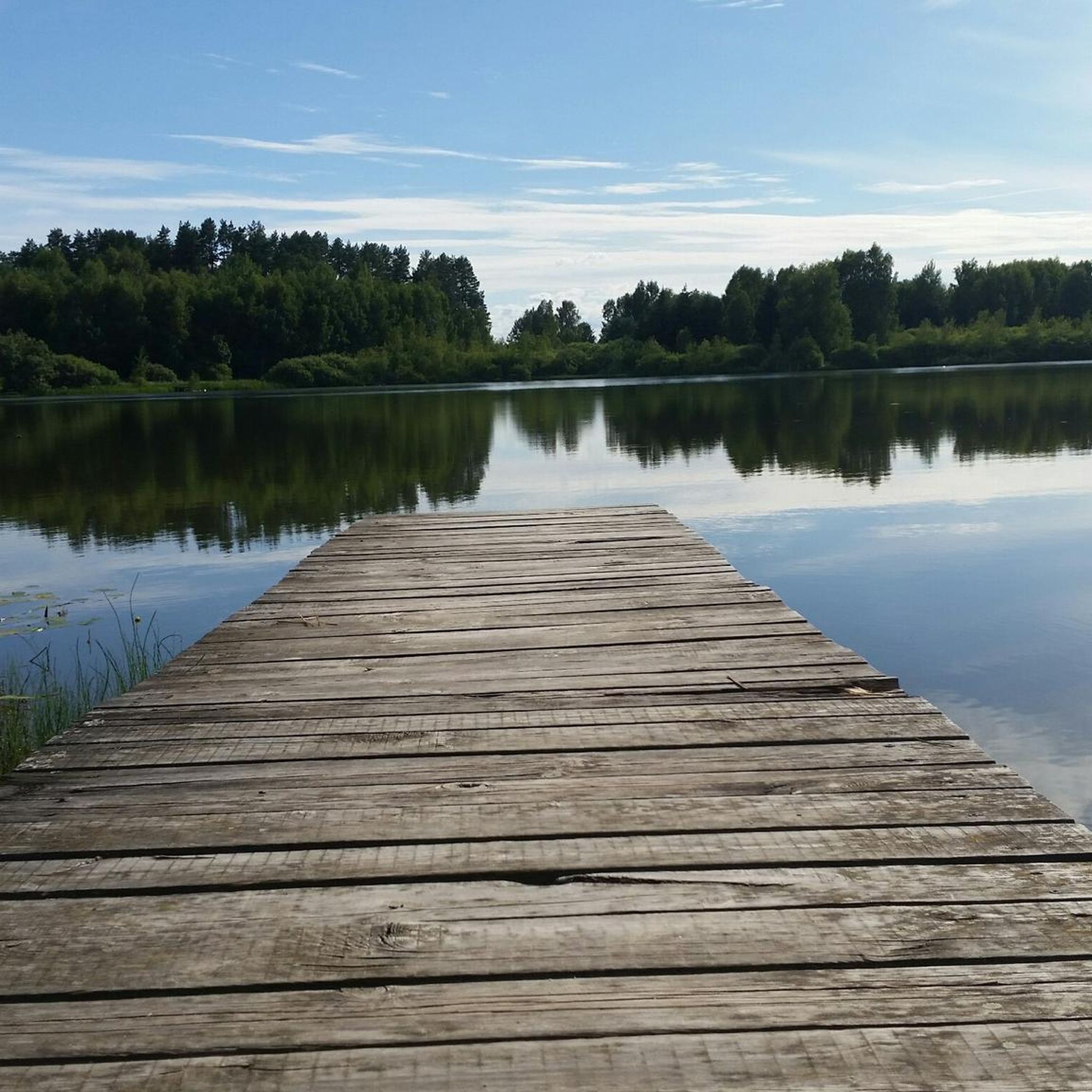
The Ostróda seafront promenade is a beautiful place that offers more than just a path along the water. The wide footpath and cycle path runs right along the shore and opens up new views of the lake, whose surface shimmers in different colors depending on the time of day. As you stroll, you can feel the fresh breeze and enjoy the hustle and bustle of people walking, cycling or simply sitting on one of the benches and enjoying the view. Just a few steps away, the old Teutonic castle towers up, telling its own story. From the masters of the Teutonic Order to Gustav Adolf of Sweden and Napoleon - many famous people have left their mark here. The castle forms an exciting contrast to the modern promenade and is worth a detour to immerse yourself a little in the history of the region. At the pier, you have the opportunity to take a boat trip across the lake district or even to the Elbląg Canal. These tours offer a relaxed opportunity to experience the surrounding nature from a different perspective. The promenade itself is a lively place that invites you to linger, be it for a break by the water or a longer walk along the lake.
0
0
The old railway bridge has something abandoned about it, as if it has already witnessed many a story. The rails have long been overgrown with moss and grass, and the beams creak quietly in the wind. Here, in the middle of the greenery, the former railway traffic is only a memory that resonates in the rusty railings and faded wooden planks. It almost feels like you are walking through a time capsule. The bridge not only connects the banks of the small river, but also the past with the present. You can literally feel how the trains once rattled here - a thought that gives the place a certain melancholy. The view from the bridge offers a charming view of the surrounding nature, which is reflected in the water and offers a moment of silence. Although the bridge is no longer passable, it remains a silent witness to history and a worthwhile detour for anyone who wants to discover the forgotten places on their hikes. A bit of a sense of adventure is required here, because the path is bumpy and the traces of time are unmistakable.
0
0

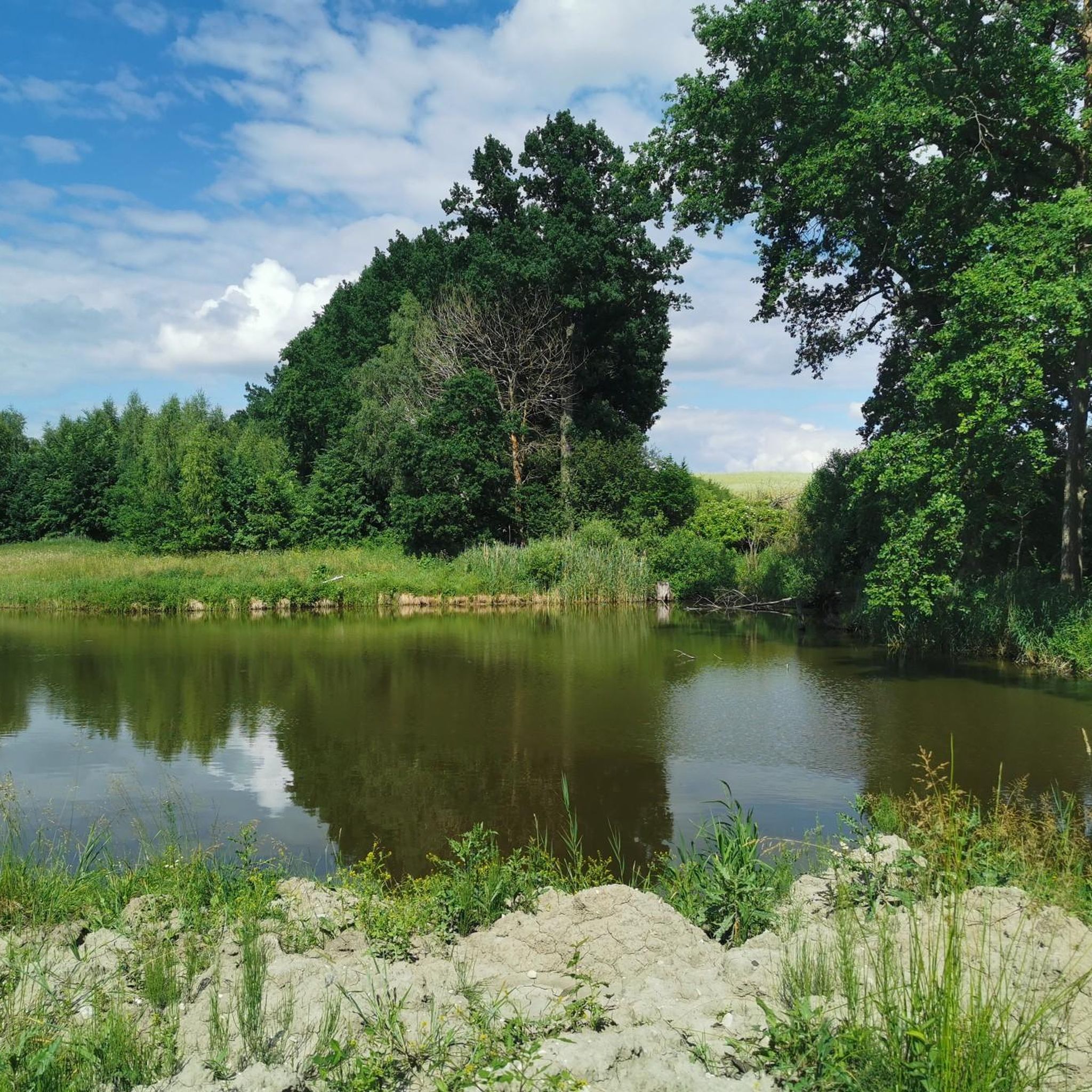
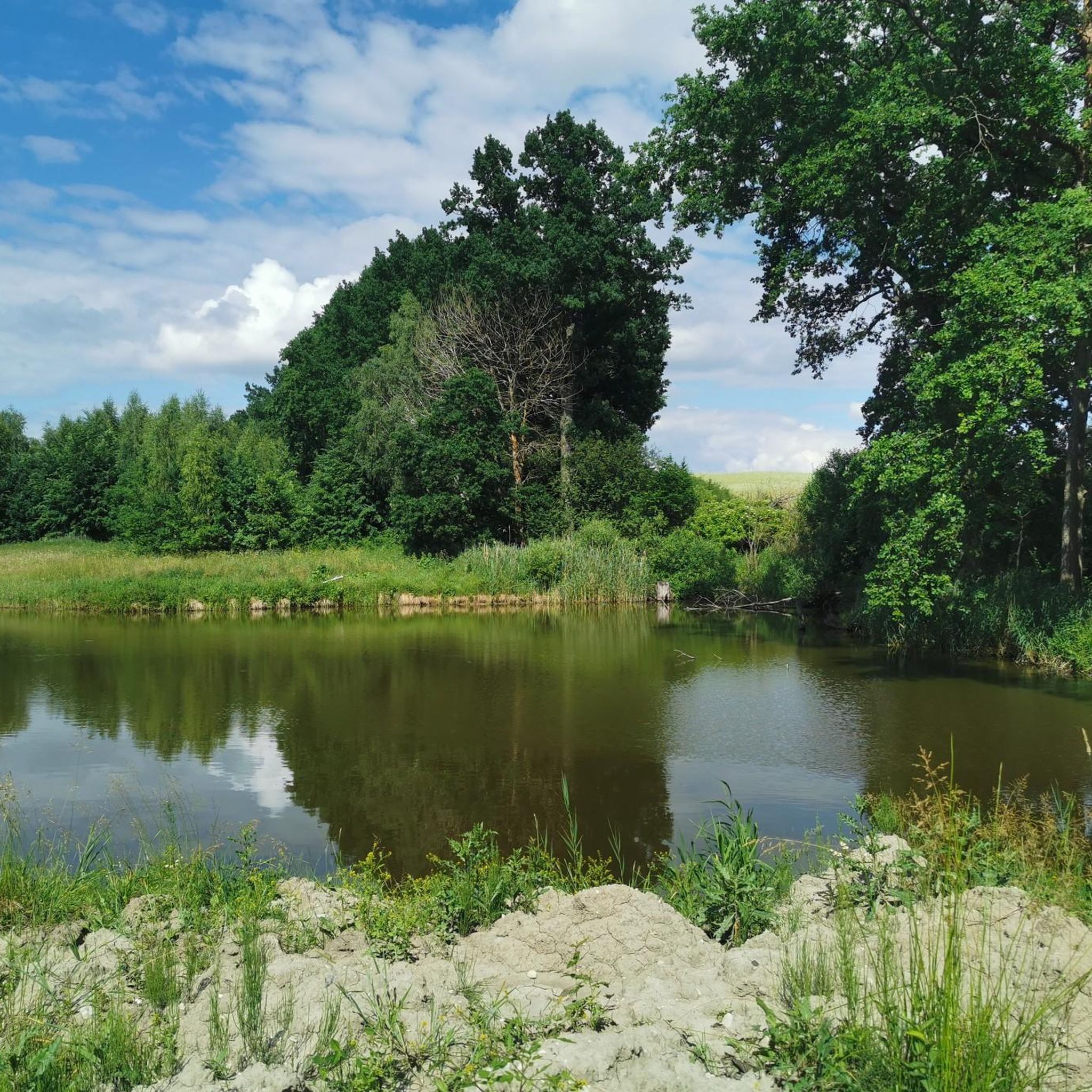
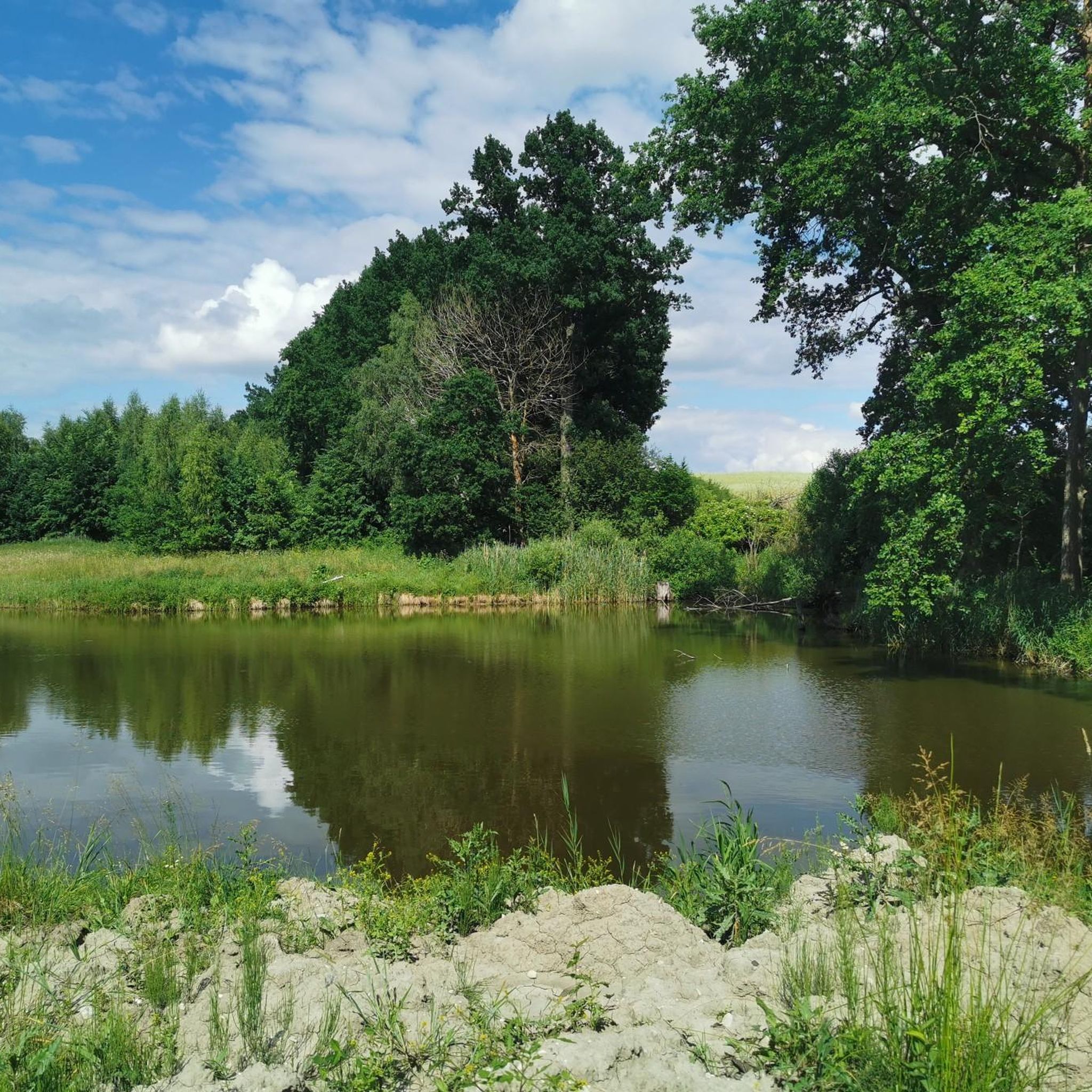
Bridge over the Drwęca River in Czarny Róg, tourist path. Formerly a bridge over the Drwęca River for railway line No. 257 - connecting Ostróda station with Miłomłyn station. In June 1992, passenger traffic was suspended and freight traffic in 1994.
2
0
Cannons in front of the town hall in Morąg, cast in 1864 in Liège, Belgium. They were among many cannons used by the French army during the war with Prussia that broke out in 1870. However, the guns were captured by the enemy. The commanders of the victorious Prussian army decided to use excess weapons as monuments. One of the cities where the guns were delivered was Morąg.
0
0
The town hall in Morąg - a Gothic building, built in 1444.
0
0

The town hall is next to the parking lot and in front of it there are two cannons :)
0
0
Frequently Asked Questions
What natural landmarks and scenic spots can I explore around Łukta?
Łukta is rich in natural beauty. You can visit the Taborskie Pines Nature Reserve, known for its 250-year-old local pine species. The region is also home to picturesque lakes like Morag Lake and Isag Lake, perfect for water sports and angling. The Łukta River Valley offers scenic views, and the former Railway Bridge over the Drwęca in Czarny Róg provides charming views of the surrounding nature, making it a worthwhile detour for hikers.
Are there opportunities for hiking or cycling near Łukta's attractions?
Yes, the area around Łukta offers various routes for outdoor enthusiasts. You can find several easy hiking loops, such as the "Hiking loop from Tabórz" or the "Hiking loop from gmina Łukta." For cyclists, there are road cycling routes like the "Lakeside Dock – New Asphalt loop from Łukta" and gravel biking options. You can explore more routes in the Easy hikes around Łukta, Road Cycling Routes around Łukta, and Gravel biking around Łukta guides.
What historical and cultural sites are there to visit in and around Łukta?
Łukta boasts a rich history. The Gothic Church (Kościół Matki Boskiej Częstochowskiej w Łukcie), dating back to 1407, features a Renaissance altar and a 400-year-old granite holy-water basin. Nearby, in Florczaki, you can find the 18th-century Church of St. Anthony of Padua. Further afield, consider visiting the Basilica of Gietrzwałd, an important religious site, or the historic Ostróda Teutonic Castle, offering a glimpse into the region's medieval past.
Are there any family-friendly attractions or activities in the Łukta area?
Many attractions around Łukta are suitable for families. The Cannons in Front of Morąg Town Hall and the Ostróda Teutonic Castle are both listed as family-friendly historical sites. The Ostróda Lakeside Promenade is also a great option, offering a wide footpath and cycle path along the shore, with opportunities for boat trips that families can enjoy together.
When is the best time to visit Łukta for outdoor activities?
The warmer months, typically from late spring to early autumn (May to September), are ideal for most outdoor activities around Łukta. During this period, the weather is pleasant for hiking, cycling, and water sports on Morag Lake and Isag Lake. Summer also brings local cultural events like Family Days, adding to the vibrant atmosphere.
What unique cultural experiences does Łukta offer?
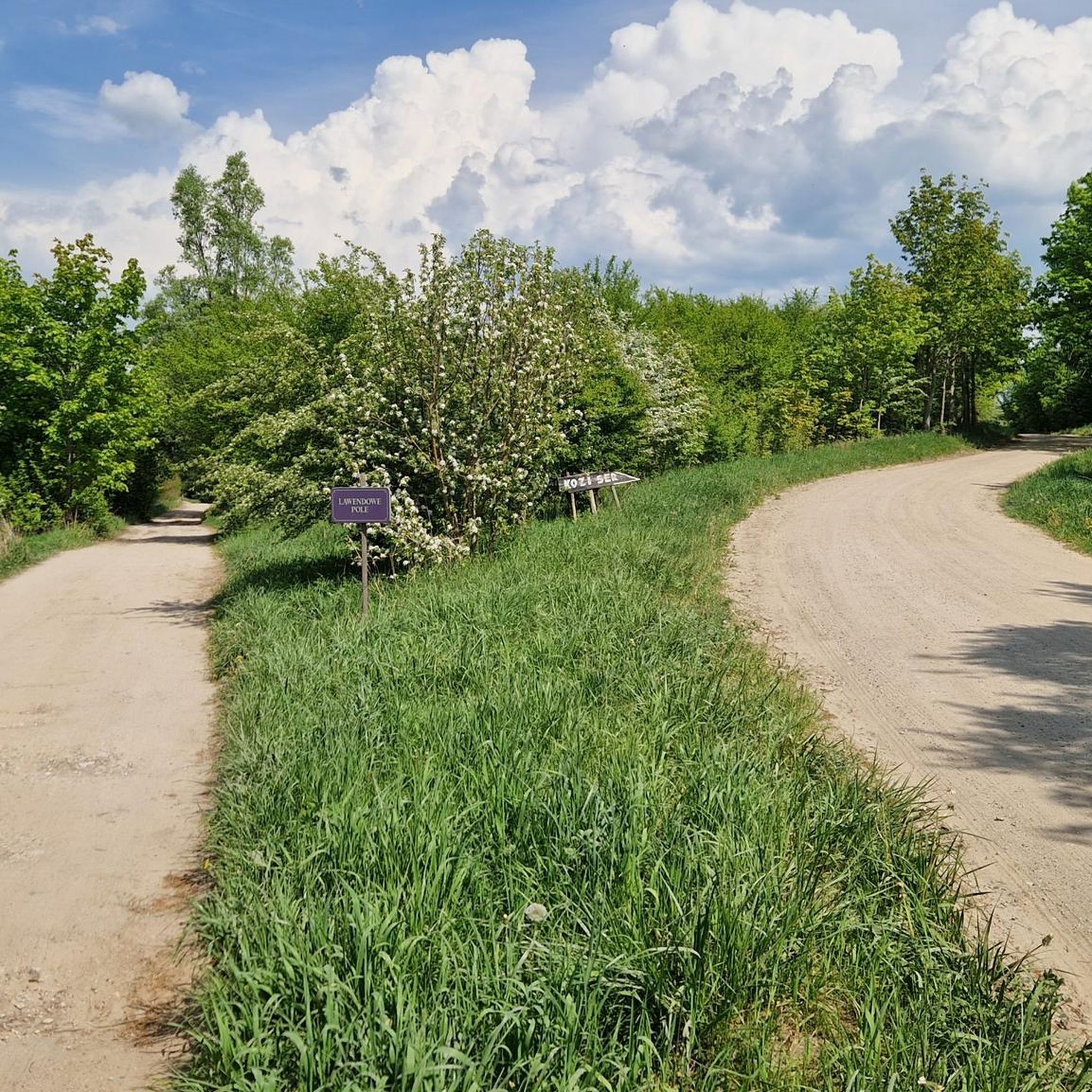
Łukta is known for its vibrant cultural scene. The Gminny Ośrodek Kultury w Łukcie (Municipal Cultural Center) hosts nationally recognized events. Annually, before Easter, you can experience the Exhibition of Folk Handicraft, showcasing local artists and traditional crafts. In the summer, Family Days offer performances and contests for all ages. Additionally, the nearby Lawendowe Pole (Lavender Field) and Jacek Olędzki Living Lavender Museum provide a unique sensory and historical experience.
Can I find accessible trails or attractions in the Łukta region?
Yes, some attractions in the region are noted for their accessibility. The Cannons in Front of Morąg Town Hall and the Ostróda Lakeside Promenade are both considered wheelchair accessible, offering pleasant experiences for visitors with mobility needs.
What do visitors enjoy most about the attractions around Łukta?
Visitors frequently appreciate the blend of historical significance and natural beauty. The Ostróda Lakeside Promenade is praised for its beautiful views, wide paths, and the opportunity for boat trips. The historical sites, like the Ostróda Teutonic Castle, are valued for their rich history. The tranquil countryside and opportunities for outdoor activities also receive high regard from the komoot community.
Are there any specific viewpoints or scenic spots recommended for photography?
For scenic photography, the lime-tree island on Morag Lake is a notable natural attraction, especially with its ancient lime trees and numerous cormorants and grey herons. The Railway Bridge over the Drwęca in Czarny Róg also offers charming views of the surrounding nature, providing a unique backdrop for photos.
What kind of water activities are available on the lakes near Łukta?
The proximity of Łukta to Morag Lake and Isag Lake makes it a prime location for water sports enthusiasts and anglers. While specific activities are not detailed, the lakes are generally suitable for boating, kayaking, swimming, and fishing, offering a refreshing way to enjoy the natural surroundings.
Are there any unique natural reserves or protected areas to visit?
Yes, the Taborskie Pines Nature Reserve (Sosny Taborskie) is a highly recommended unique natural area. It is celebrated for its 250-year-old local pine species, offering a distinct natural experience for those interested in local flora and tranquil forest environments.
Most popular routes around Łukta
Most popular attractions around Łukta

Get inspired with the komoot mobile app


Explore more
Still not found the Highlight you’re looking for? See guides of the top attractions in other regions:
