Attractions and Places To See around Kiszkowo - Top 20
Attractions and places to see around Kiszkowo include a blend of historical sites, cultural landmarks, and natural features within the Greater Poland Voivodeship. The region is characterized by its post-glacial lakes, such as Lake Lednica and Lake Turostowskie, and extensive forest areas, including parts of Puszcza Zielonka Landscape Park. Visitors can explore early medieval strongholds, historic churches, and open-air museums that preserve regional heritage. The area also offers opportunities for outdoor activities along the River Mała Wełna valley and around…
Last updated: May 20, 2026
Maruszka Graves
Highlight • Historical Site
The first legend …
Translated by Google •
Tip by

Zakrzewo Palace
Highlight • Castle
Translated by Google •
Tip by

Sign up now to discover places like this
Get recommendations on the best single tracks, peaks, & plenty of other exciting outdoor places.
Sign up for free
Wielkopolski Ethnographic Park in Dziekanowice
Highlight • Historical Site
Translated by Google •
Tip by

Church of the Annunciation of the Blessed Virgin Mary in Popowo Kościelne
Highlight • Religious Site
Translated by Google •
Tip by
Dębiniec swimming pool
Highlight • Lake
Translated by Google •
Tip by

Sign up for free to discover even more attractions around Kiszkowo.
Sign up for free
Already have an account?
Start today with a free account
Your next adventure awaits.
Login or Signup
Other adventures around Kiszkowo

Tips from the Community

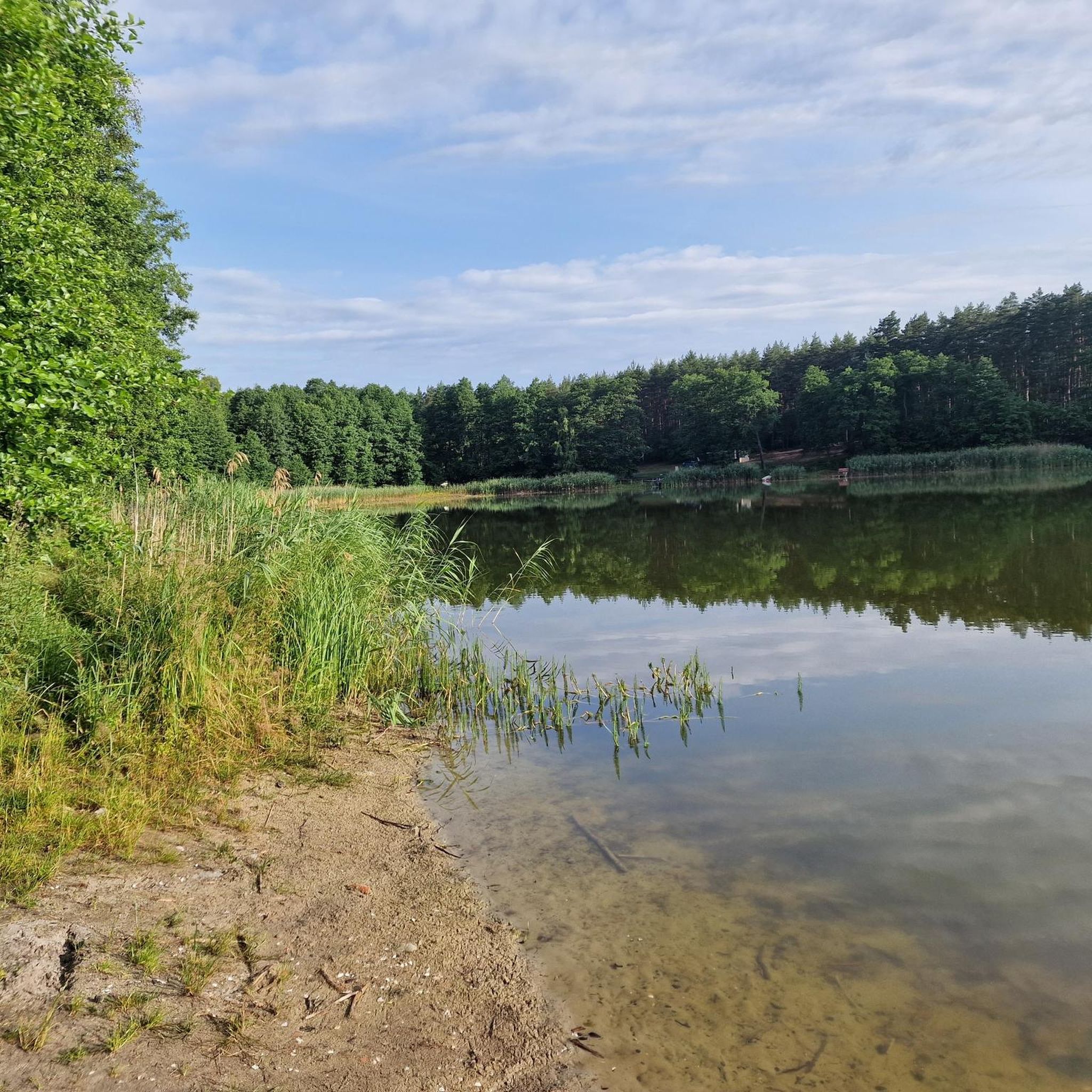
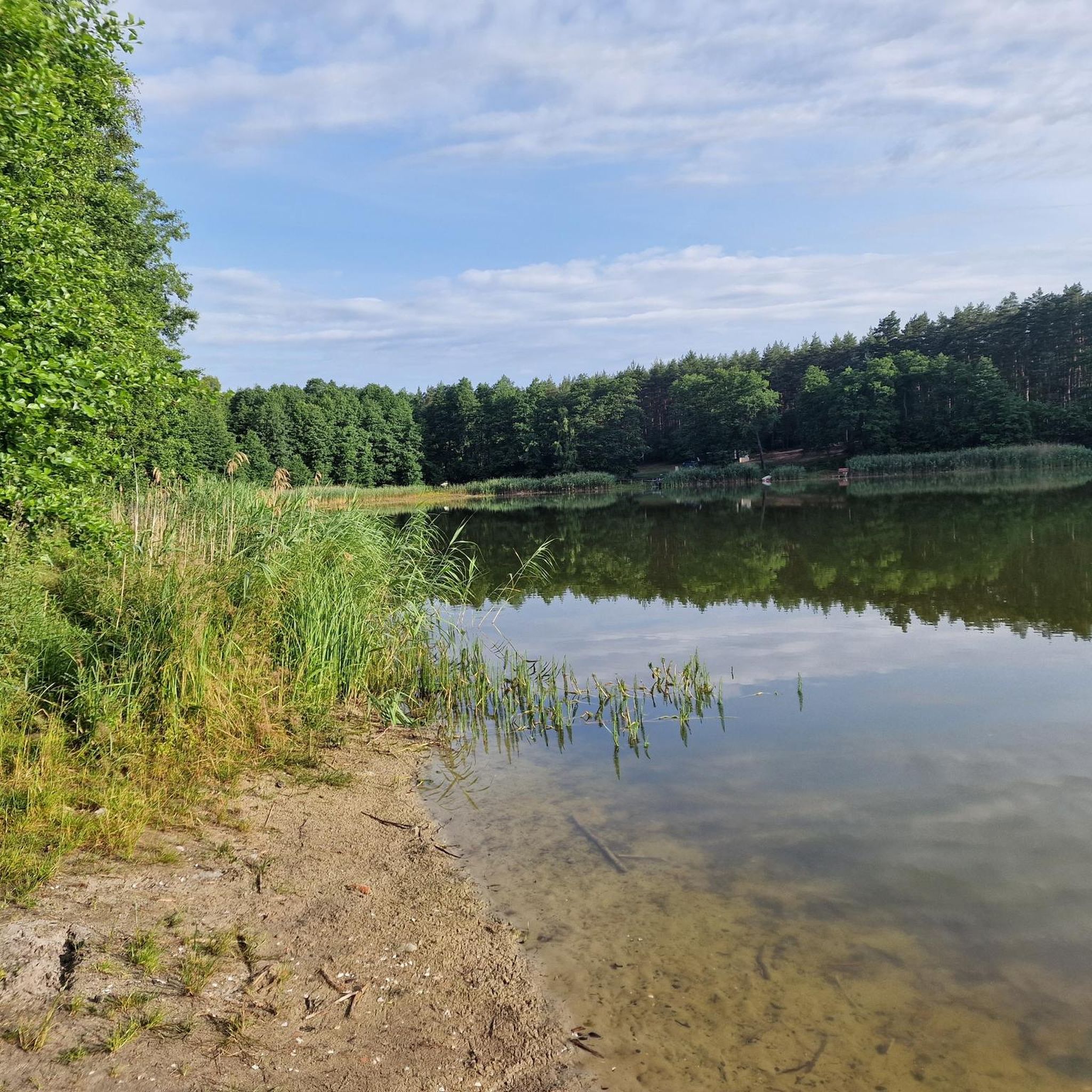
Lake Dębiniec is a small but picturesque body of water located in a nature reserve in the Pobiedziska commune. A small, unguarded beach and wooden viewing terraces add to the area's charm and lead to a clearing with a viewing point. The surrounding area is covered with peat bogs and forests, and numerous protected plants and waterfowl can be found in the water and on the shores. It's a popular place for walks and short trips, especially among residents of the surrounding towns. If you're looking for peace and quiet, it's best to visit this swimming spot during the week or early on a weekend morning.
2
0

It's hard not to notice the characteristic two black and white crosses
1
0

The water looked clean but I flew further. Can I swim?
0
0

The palace was built in the years 1870 (or 1871)-1872. Count Albin Belina Węsierski (owner of Zakrzewo) together with the builder from Gniezno Ludwik Ballenstaedt went to an exhibition in Paris and after returning, they built the current palace on the site of the old manor. During the occupation, the Germans threw the owners, the Chełmicki family, out of the palace. In 1945, the building was plundered and then adapted to serve the summer camps of children from the Cegielski Plants. In 1978, it was taken over by the PGR Rybno Wielkie. In 1990, the ruined building was taken over by the Wielkopolski Bank Kredytowy. In June 1991, a training center was opened here. In 1992, the gold medal of the Minister of Culture and Art was awarded for the careful renovation of the monument. Currently, since 2021, the palace has been in private hands. /Wikipedia/
0
0

The swimming area is unattended and located in the forest, thanks to which the trees provide shade on hot days.
0
0
There are also mysterious legends about these mysterious graves. These graves are almost identical, modest and both have birch crosses, but they are separated by a road. The first legend says that these are the graves of a village girl named Maruszka and a Prussian officer who were in love. They couldn't get married due to political, social and national differences, so they decided that death would unite them. The officer killed the girl and then himself. It is said that their bodies were specially buried on different sides of the road to mark their differences, while other sources also say that they were buried exactly where their bodies fell. The second legend also tells about the love of a young woman - the peasant's daughter - for the young man to whom she became engaged. They decided to go on a pilgrimage to Dąbrówka Kościelna to ask for the blessing of Our Lady. In Dąbrówka, the girl was noticed by the son of the Siekierków heir. He was a known womanizer and the girl knew that with him only shame and great disgrace awaited her, so she decided to commit suicide together with her fiancé. The next, third legend tells about the love between the daughter of a lumberjack from Mielno and a rich man. This love was also forbidden and led the young ones to death. We won't find out what really happened. However, these graves are still cared for because they are a very special place for nearby residents. /naszazielonka.pl/
1
0

A huge open-air museum with a lot of exhibits showing the life of rural people from the 17th and 18th centuries. The oldest exhibits date back to 1602.
2
0

Possibility to eat a hot meal in the bar in the open-air museum.
0
0
Frequently Asked Questions
What historical and cultural sites can I explore around Kiszkowo?
The region is rich in history. You can visit the wooden Church of the Annunciation of the Blessed Virgin Mary in Popowo Kościelne, dating back to 1629, or the older Church of St. John the Baptist in Kiszkowo from 1733, known for its Baroque interior. Explore early medieval strongholds in Turostowo and Sławno, or the conical earth mound in Imiołki. The Wielkopolski Ethnographic Park in Dziekanowice offers a glimpse into rural life, while the Museum of the First Piasts at Lednica delves into the origins of the Polish state.
Are there any natural attractions or scenic viewpoints in the Kiszkowo area?
Yes, Kiszkowo boasts significant natural beauty. The Dębiniec swimming pool is a picturesque lake in a nature reserve, featuring an unsupervised beach and wooden viewing terraces. The Kiszkowo Ponds, a Natura 2000 protected area, are a haven for birdwatchers with approximately 200 bird species. You can also explore the River Mała Wełna Valley, which meanders through the municipality, or the extensive forests within Puszcza Zielonka Landscape Park and Lednicki Landscape Park.
What outdoor activities are available near Kiszkowo?
Kiszkowo is ideal for active tourism. You'll find numerous hiking and cycling trails, including the Automotive Trail of Wooden Churches around Puszcza Zielonka, various color-coded cycling routes, and parts of the Cistercian Cycling Route. For walkers, there are trails like the 'Papal' trail and Nordic walking routes. You can find specific routes for hiking and running in the area.
Are there family-friendly attractions around Kiszkowo?
Absolutely. The Wielkopolski Ethnographic Park in Dziekanowice is a great option for families, offering an engaging look at historical rural life. The Dębiniec swimming pool provides a natural setting for relaxation and play, with an unsupervised beach. Many of the easy hiking and cycling trails, particularly those around the lakes, are also suitable for families.
What is the best time of year to visit Kiszkowo for nature activities?
Spring and autumn are generally excellent for nature activities, offering pleasant temperatures for hiking and cycling. For birdwatching at the Kiszkowo Ponds, spring and early summer are ideal when many species are nesting or migrating. The forests and lake areas are beautiful year-round, but summer provides the best conditions for swimming at spots like Dębiniec Lake.
Can I visit historical manors or palaces in the area?
Yes, the municipality features twelve historical manor and park complexes. While some are privately owned, like Zakrzewo Palace, which is not accessible to the public, others offer glimpses into the region's aristocratic past. Examples include a manor in Charzewo, built in 1905, and another in Myszki from 1878, surrounded by a 1.5-hectare park with monumental trees.
Are there any unique or lesser-known historical sites worth visiting?
Beyond the main attractions, consider visiting the Sanctuary of Our Lady of Consolation in Dąbrówka Kościelna, a pilgrimage destination for centuries. Another unique spot is the Maruszka Graves, which are two distinctive graves with birch crosses, steeped in local legends about forbidden love. The Memory and Tradition Chamber of the Kiszkowo Commune in Łagiewniki Kościelne also offers a collection of local historical artifacts.
What are the options for hiking trails around Kiszkowo?
Kiszkowo offers a variety of hiking trails catering to different difficulty levels. You can find easy loops like the 'Baptismal Font of Poland' from Ostrów Lednicki or Dziekanowice, or more moderate trails such as the 'Eko Beach Stęszewko loop'. Many trails pass through the scenic Puszcza Zielonka and Lednicki Landscape Parks. For detailed routes, explore the hiking guide for Kiszkowo.
Are there any places for swimming or water activities?
The region is dotted with eight post-glacial lakes. Dębiniec Lake, located in a nature reserve, features an unsupervised beach and is a popular spot for walks and short trips. Other notable lakes include Lake Lednica, Lake Kamionek, Lake Turostowskie, and Lake Rybno Wielkie, some of which are utilized for recreational purposes.
What do visitors enjoy most about the attractions around Kiszkowo?
Visitors appreciate the blend of historical depth and natural beauty. The well-preserved historical sites, like the ethnographic park and ancient strongholds, offer a rich cultural experience. The serene lakes, extensive forests, and protected areas like the Kiszkowo Ponds are highly valued for their peaceful atmosphere and opportunities for outdoor recreation and birdwatching. The variety of trails for hiking and cycling also receives positive feedback.
Are there any spiritual or pilgrimage sites in the area?
Yes, the Sanctuary of Our Lady of Consolation in Dąbrówka Kościelna is a significant pilgrimage destination, housing a miraculous image of the Mother of God with the Child Jesus. Additionally, the Lednica Fields hold spiritual importance as the host of the national youth meetings 'Lednica 2000' and are home to the House of John Paul II.
What are the main landscape parks in the Kiszkowo region?
Kiszkowo is situated within or near two significant landscape parks: Puszcza Zielonka Landscape Park and Lednicki Landscape Park. These parks protect the region's diverse natural landscapes, including forests, lakes, and river valleys, offering ample opportunities for nature appreciation and outdoor activities.
Most popular routes around Kiszkowo
Most popular attractions around Kiszkowo

Get inspired with the komoot mobile app


Explore more
Still not found the Highlight you’re looking for? See guides of the top attractions in other regions:
