The best cycling routes around Blizanów
4.8
(383)
2,321
riders
192
rides
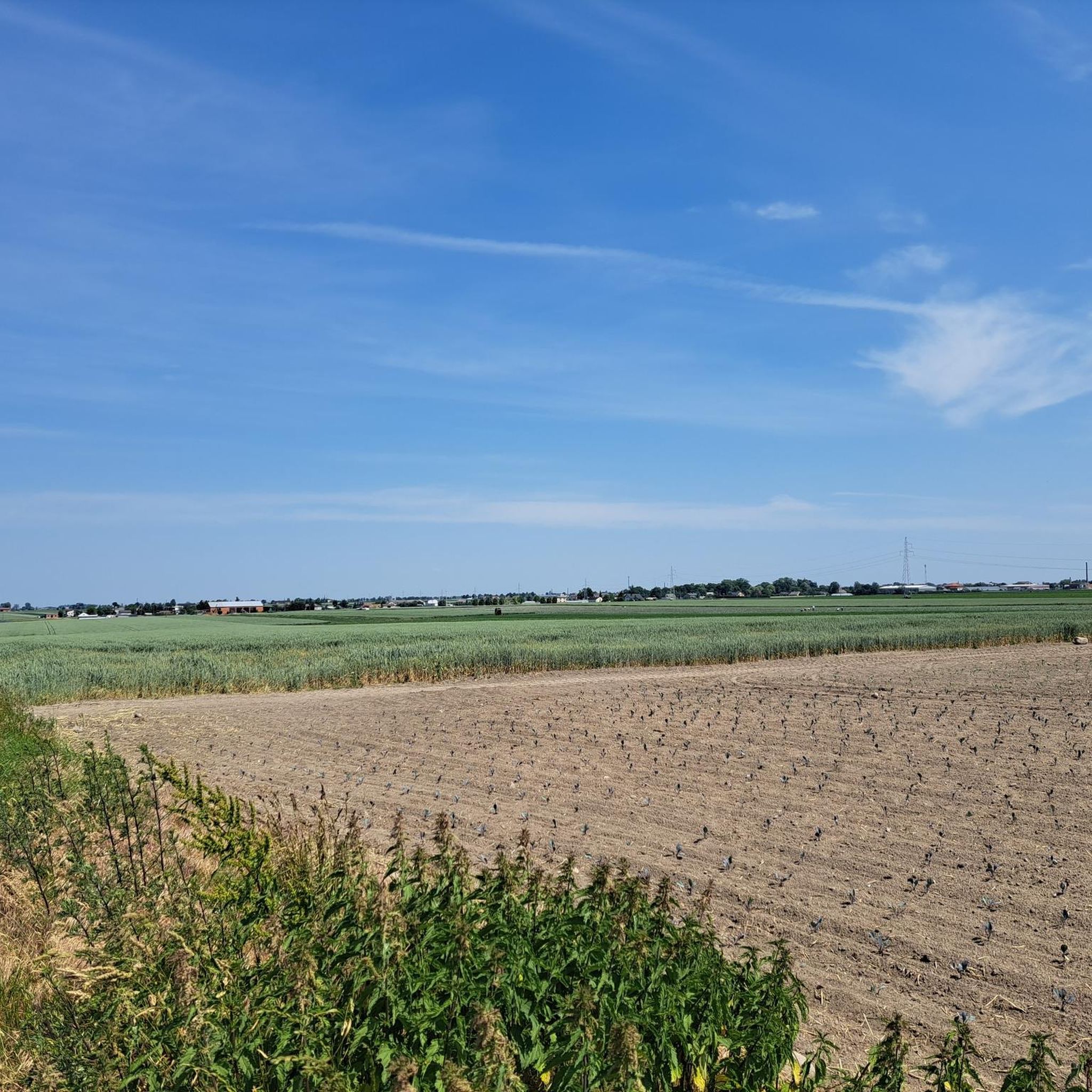
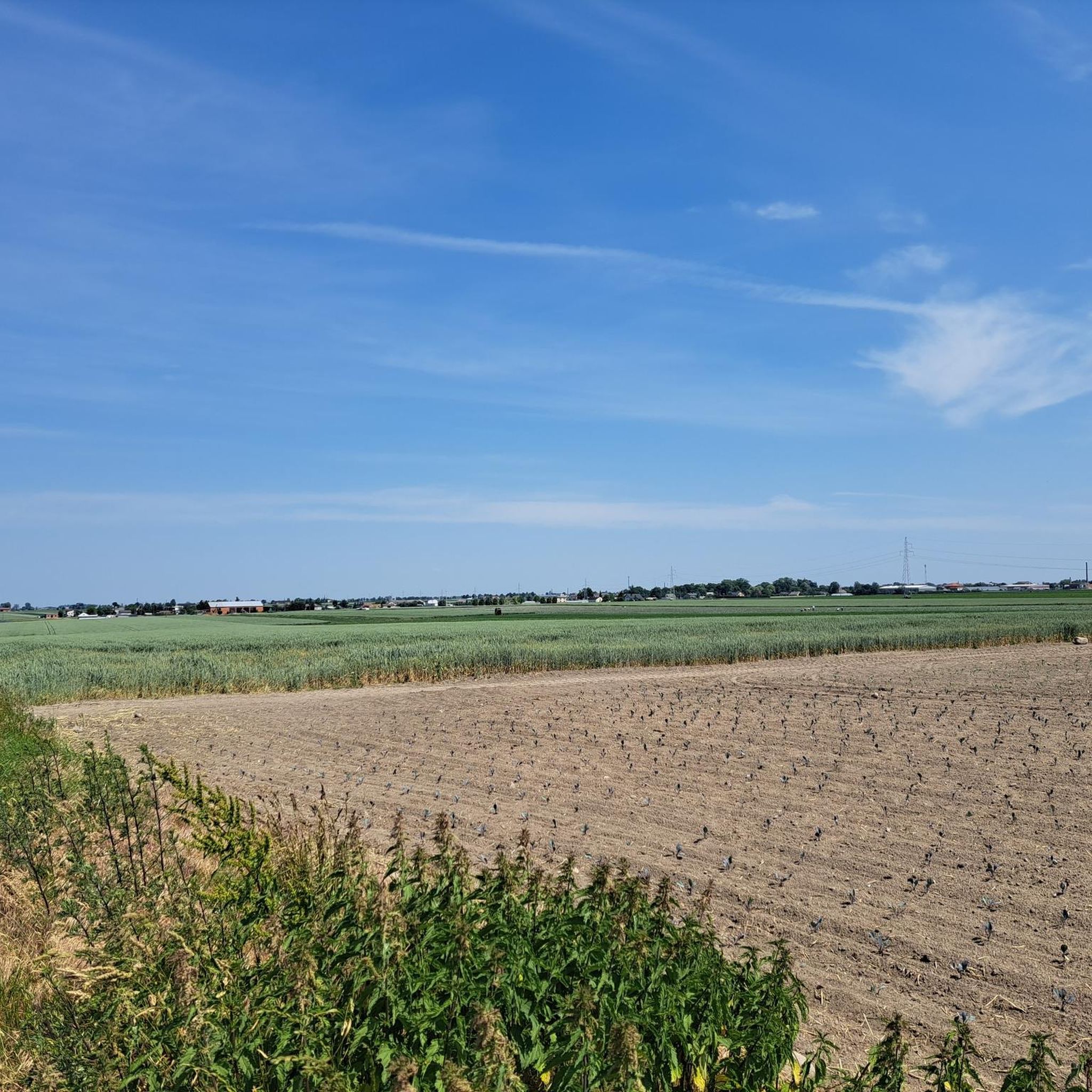
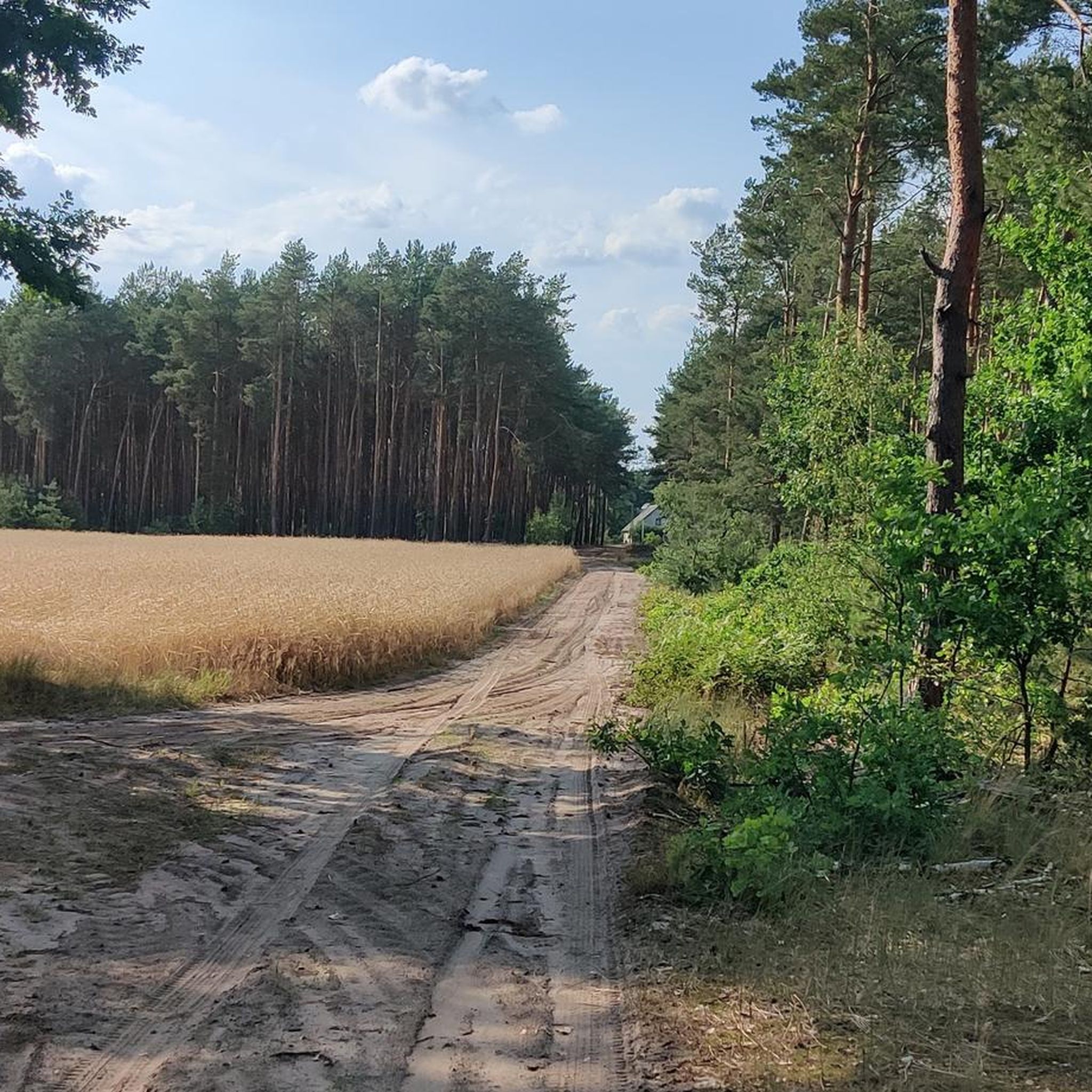
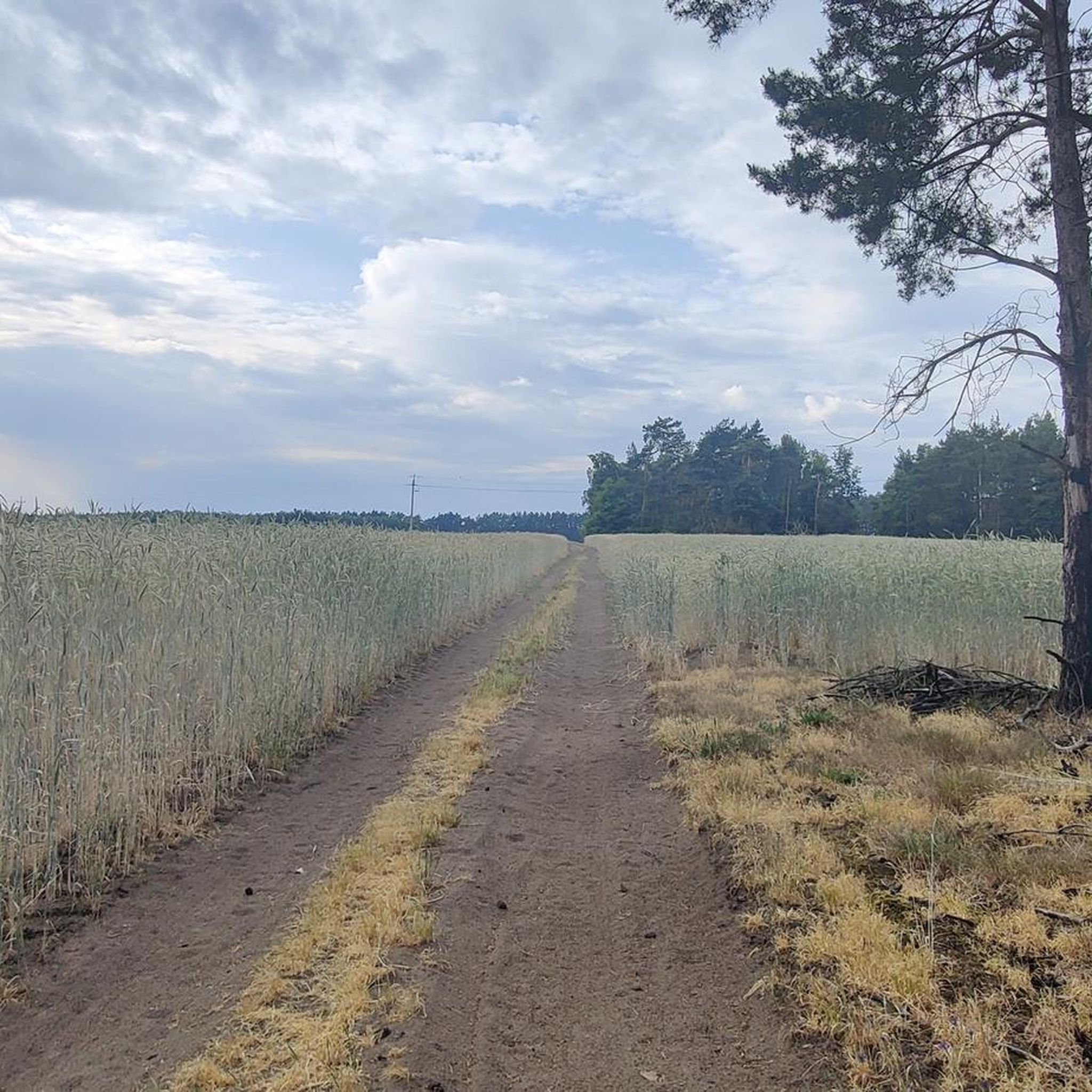
Touring cycling around Blizanów offers a network of routes through diverse landscapes in Poland's Greater Poland Voivodeship. The region features extensive forest complexes, primarily pine, covering over 3,000 hectares in its northern part. Cyclists can also explore the picturesque valley of the Prosna River, which contributes to the area's scenic beauty. The terrain generally includes quiet roads and tracks, with gentle elevation changes suitable for various cycling preferences.
Best touring cycling routes around Blizanów
- The most popular touring cycling route…
Last updated: October 7, 2026
12
riders
10.5km
00:45
90m
90m
Easy bike ride. Great for any fitness level. Mostly paved surfaces. Suitable for all skill levels.
9
riders
52.2km
03:08
200m
200m
Moderate bike ride. Good fitness required. Mostly paved surfaces. Suitable for all skill levels.

5.0
(1)
8
riders
Easy bike ride. Great for any fitness level. Mostly paved surfaces. Suitable for all skill levels.
4.8
(6)
10
riders
23.9km
01:29
100m
100m
Easy bike ride. Great for any fitness level. Mostly paved surfaces. Suitable for all skill levels.
6
riders
27.4km
01:53
140m
140m
Easy bike ride. Great for any fitness level. Mostly paved surfaces. Suitable for all skill levels.
Get access to more routes and recommendations from other explorers.
Already have an account?
Our route recommendations are based on thousands of hikes, rides, and runs completed by other people on komoot.
Start today with a free account
Your next adventure awaits.

Tips from the Community

The building was one of only two structures on Śródmiejska street to survive the near-total destruction of the area by Prussian forces in August 1914; the other survivor was the Holy Trinity Hospital.
0
0
This two-storey neo-classical bank building at ul. Śródmiejska 29 was designed by Warsaw architect Hugo Kuder and constructed in 1912 as the headquarters of Bank Handlowy Warszawski. The L-shaped structure features a distinctive rounded corner section framed by Ionic half-columns with garland-decorated capitals, crowned by a pediment containing an allegorical relief. The interior banking hall is notable for its marble checkerboard flooring, marbled pilasters with gilded capitals, elaborate stucco decorations, and a large steel-framed stained glass skylight.
0
0
The theatre has occupied four different buildings throughout its history: the original 1801 wooden structure collapsed after 15 years; its 1830s replacement burned in an 1858 city fire; the neo-Renaissance building erected in 1896–1900 was deliberately destroyed by German forces during the burning of Kalisz in 1914.
0
0
The Wojciech Bogusławski Theatre in Kalisz, founded in 1801 by the "father of Polish theatre" Wojciech Bogusławski, is one of the three oldest continuously operating drama theatres in Poland and holds the status of an honorary national stage. The current building, designed by architect Czesław Przybylski, was constructed between 1920 and 1936 and has been a listed historic monument since 1979. Since 1961, the theatre has hosted the annual Kalisz Theatre Meetings festival.
0
0

Classicist stone bridge over the Prosna River in Kalisz, built in 1824-1825
0
0

The Wojciech Bogusławski Theatre in Kalisz is one of the oldest theatre venues in Poland, with the city's theatrical traditions dating back to the early 19th century. The current theatre building was constructed between 1920 and 1936 and is located at Wojciech Bogusławski Square on the Prosna River. Since 1936, it has been named after Wojciech Bogusławski. The theatre serves as Kalisz's main theatre institution, presenting classical and contemporary repertoires and organizing the Kalisz Theatre Meetings, one of the most important theatre festivals in the country, since 1961. The building is an architectural monument and a key element of the city's cultural life.
2
0
The tower began to be called "Dorotka" in the mid-19th century, perhaps because it served as a prison for indecent women for a time. However, Kalisz residents believe its name is connected to a legend about a starosta named Dorotka who fell in love with a poor shoemaker and was locked in the tower by her father.
0
0

Great bike path along the Prosna River from the east.
1
0
Frequently Asked Questions
How many touring cycling routes are available in Blizanów?
Blizanów offers a wide selection of touring cycling routes, with over 160 options available. These routes cater to various preferences, including over 110 easy routes, 37 moderate routes, and 12 more challenging options.
What kind of terrain can I expect on touring cycling routes in Blizanów?
The terrain in Blizanów is diverse, featuring extensive forest complexes, particularly in the northern part of the gmina, and the picturesque valley of the Prosna River. You'll primarily encounter quiet roads and tracks with gentle elevation changes, making it suitable for various cycling preferences.
What natural features can I see along the touring cycling routes?
Cyclists can explore vast pine forests, rich in undergrowth, and the scenic Prosna River valley. The region is also home to nine ancient oak trees designated as natural monuments, some hundreds of years old, often found within former manor parks. Forest parking areas provide opportunities to rest and enjoy the natural surroundings.
Are there any historical or cultural attractions accessible by bike?
Yes, Blizanów and its vicinity offer several cultural and historical points of interest. You can cycle past nine former manor parks, quaint rural churches, and even visit sites like the historic Gołuchów Castle or the medieval Dorotka Tower in Kalisz. The Dorotka Tower – Halifax JD154 Airmen Memorial loop from Kalisz is one route that takes you through the historical vicinity of Kalisz.
What is the best time of year for touring cycling in Blizanów?
Many people choose to ride in June, suggesting it's a favorable time. The region's natural beauty, especially the forests and river valley, can be enjoyed throughout the warmer months.
Are there routes suitable for beginners or families?
Absolutely. Blizanów offers over 110 easy touring cycling routes. For example, the Nights and Days Fountain – Bernardine Weir loop from Warszówka is an easy 10.7-mile (17.3 km) path that navigates through local villages with gentle terrain, ideal for relaxed rides and families.
What do other cyclists say about the routes in Blizanów?
The touring cycling routes in Blizanów are highly rated by the komoot community, with an average score of 4.8 stars from over 300 reviews. Cyclists often praise the varied terrain, from quiet roads to forest tracks, and the scenic beauty of the region.
Are there any dedicated cycling paths in Blizanów?
Yes, local authorities are actively developing dedicated cycling paths. One notable route is "Szlakiem Dębów i Paproci" (Trail of Oaks and Ferns), a 20.4 km path designed to connect areas of natural beauty and historical significance through the local forests.
Is there parking available near the cycling routes?
Yes, the extensive forest complexes in the northern part of the gmina provide designated forest parking areas for visitors. These spots are convenient for starting your cycling tours and enjoying the natural surroundings.
Can I reach the cycling routes using public transport?
While the region is rural, major towns like Kalisz, which is often a starting point for routes such as the Dorotka Tower – Halifax JD154 Airmen Memorial loop from Kalisz, typically have public transport connections. It's advisable to check local bus or train schedules to nearby towns and plan your route accordingly.
Are dogs allowed on the touring cycling routes?
Generally, dogs are welcome on many outdoor trails in Poland, especially in rural and forest areas, provided they are kept on a leash and owners clean up after them. However, specific rules might apply in protected areas or private properties, so always look for local signage.
Are there places to eat or drink along the routes?
While specific cafes or pubs directly on every route might be limited, many routes pass through or near local villages where you can find small shops or eateries. For more options, larger towns in the vicinity, such as Kalisz, offer a wider selection of restaurants and cafes.
Are there any longer touring cycling routes for more experienced riders?
While many routes are easy to moderate, there are options for longer rides. For example, the Pier at the Lake Beach loop from Diecezja kaliska is a moderate 17.7-mile (28.4 km) trail, offering a good distance for those looking for a longer outing. The region also has 12 routes classified as difficult for those seeking a greater challenge.
Most popular attractions around Blizanów

Get inspired with the komoot mobile app


Explore more
Browse the best Cycling routes in other regions.
