The best walks and hikes around gmina Opatówek
4.7
(25)
442
hikers
86
hikes
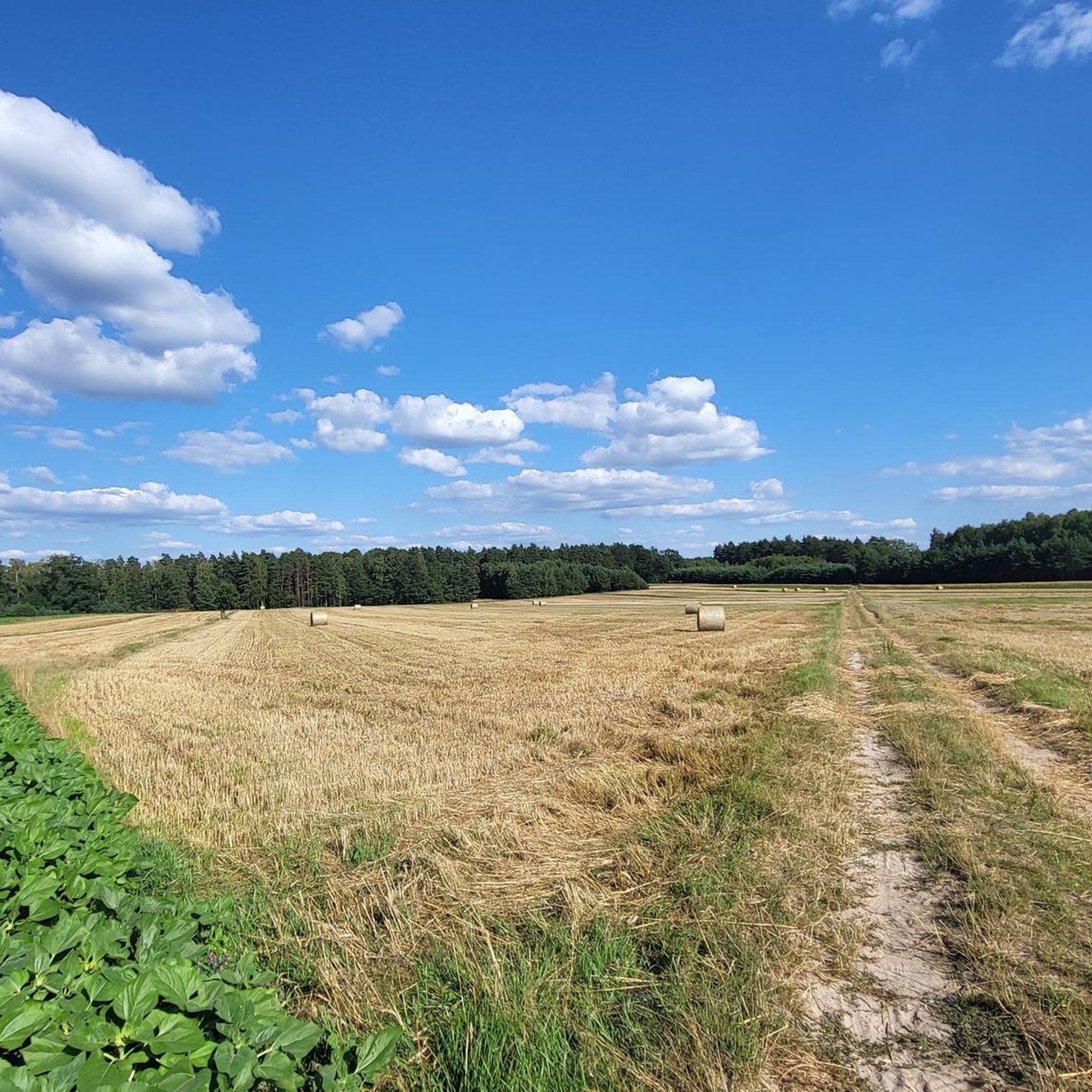
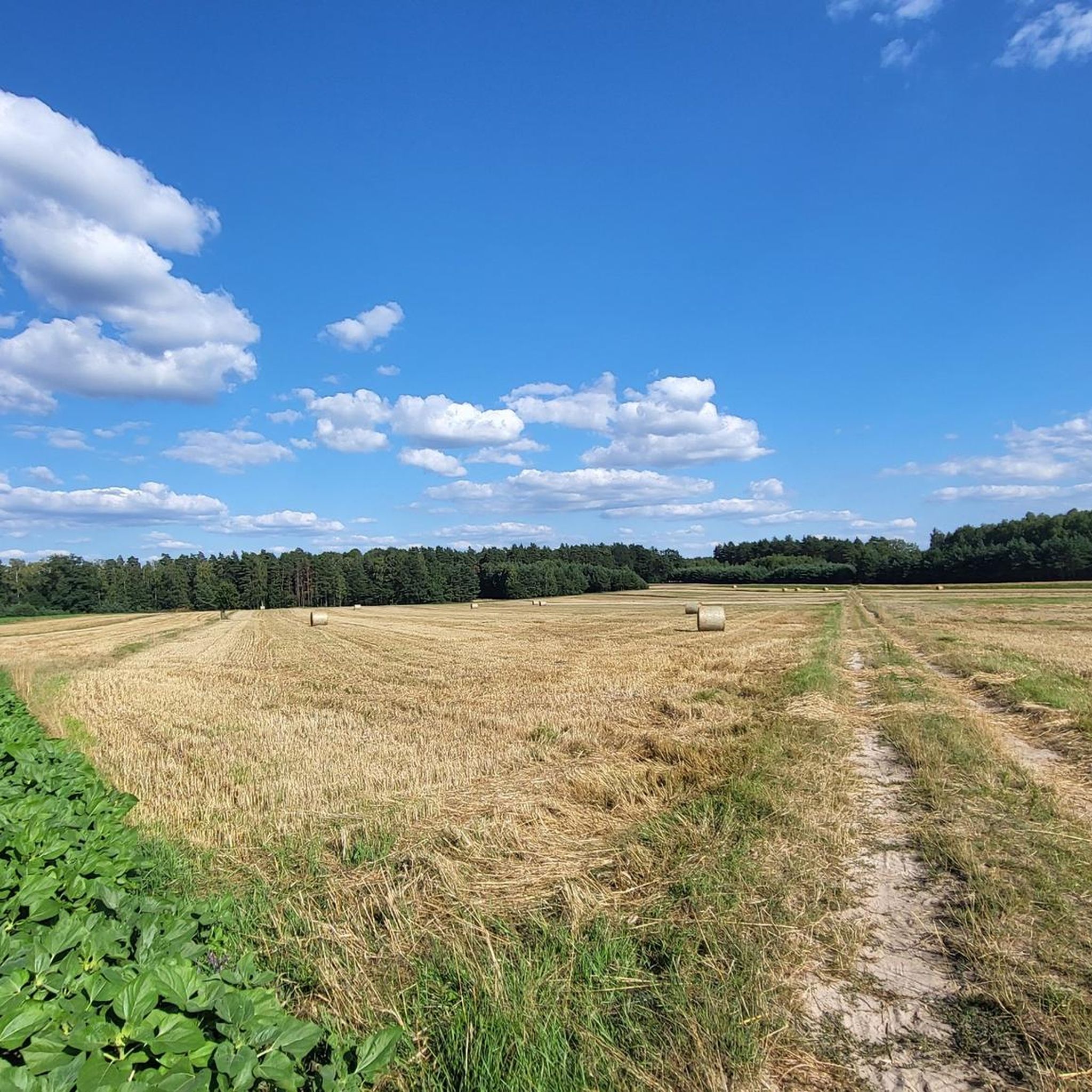
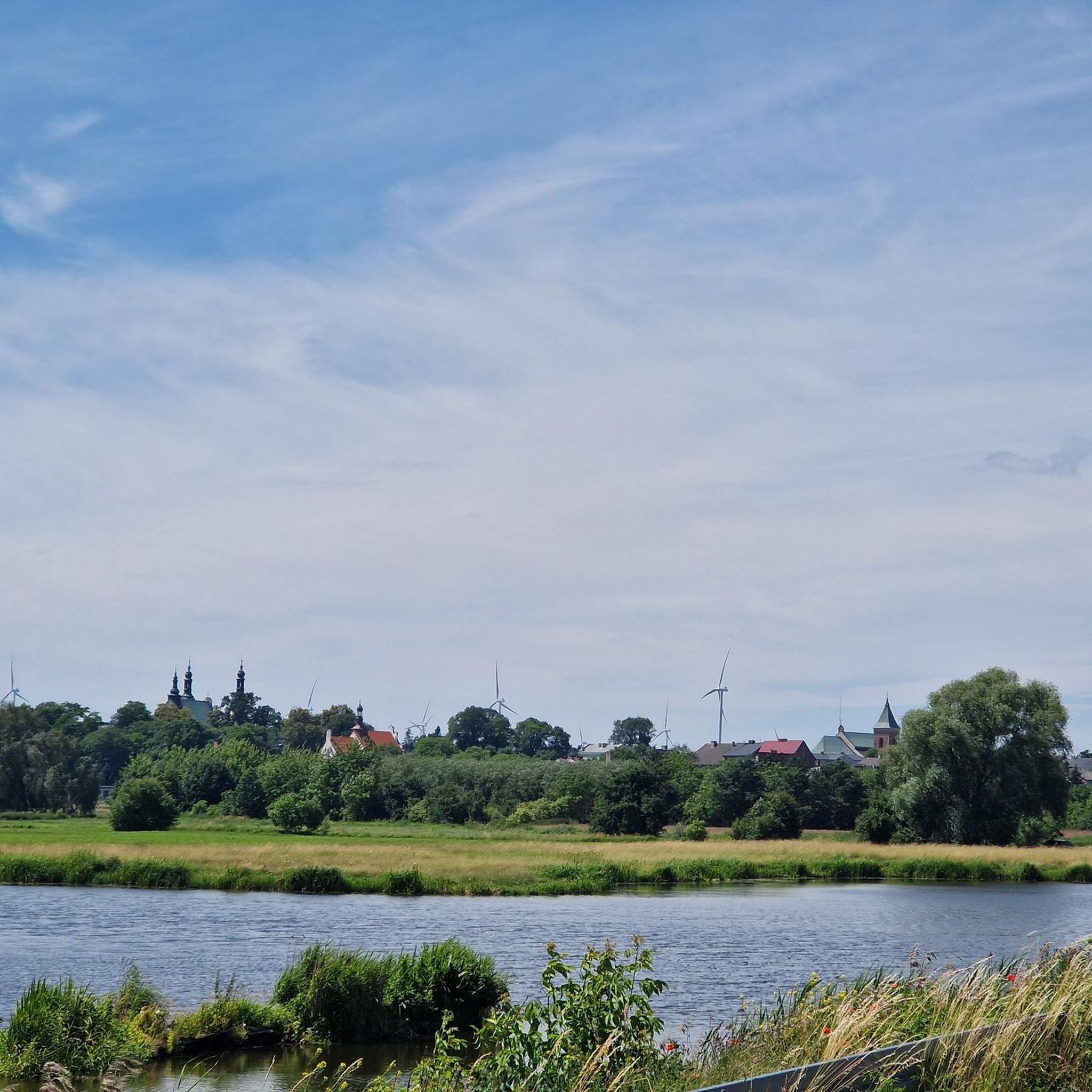
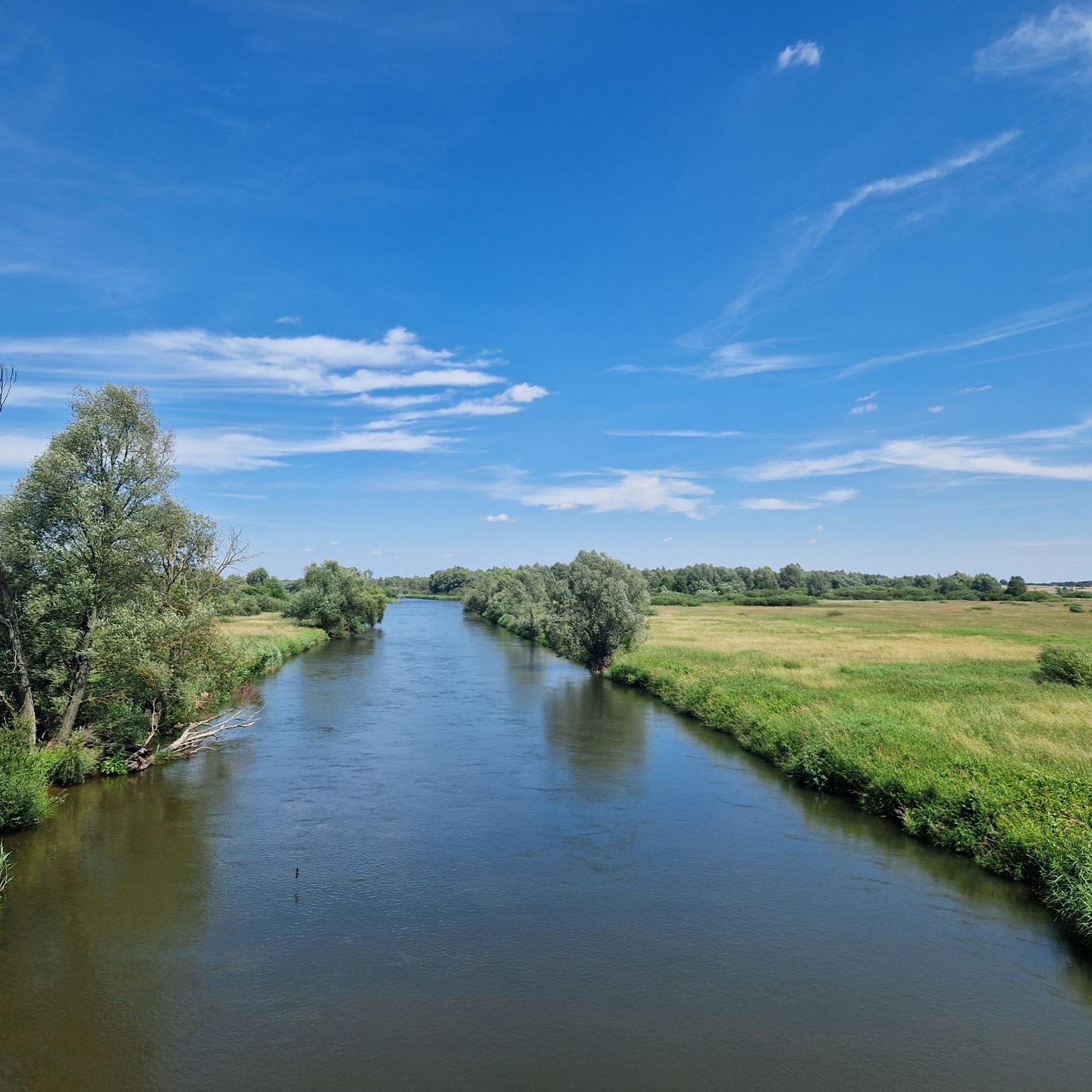
Hiking around gmina Opatówek offers diverse landscapes, including the banks of the Szałe Reservoir and the Trojanówka river valley. The region features post-glacial hills, moraine valleys, and areas known as "wądoły" (ravines). Historical parks, such as Opatówek Park and Tłokinia Kościelna Palace Park, provide additional natural and cultural points of interest. Trails often lead through agricultural fields, meadows, and hornbeam alleys.
Best hiking trails around gmina Opatówek
- The most popular hiking route is Szałe Dam – Szałe Reservoir loop from…
Last updated: October 7, 2026
5.0
(1)
22
hikers
5.11km
01:19
20m
20m
Easy hike. Great for any fitness level. Easily-accessible paths. Suitable for all skill levels.
21
hikers
Easy hike. Great for any fitness level. Easily-accessible paths. Suitable for all skill levels.

6
hikers
3.40km
00:52
20m
20m
Easy hike. Great for any fitness level. Easily-accessible paths. Suitable for all skill levels.
5
hikers
7.32km
01:53
40m
40m
Easy hike. Great for any fitness level. Easily-accessible paths. Suitable for all skill levels.
5
hikers
3.90km
01:00
20m
20m
Easy hike. Great for any fitness level. Easily-accessible paths. Suitable for all skill levels.
Get access to more routes and recommendations from other explorers.
Already have an account?
Our route recommendations are based on thousands of hikes, rides, and runs completed by other people on komoot.
Start today with a free account
Your next adventure awaits.

Tips from the Community

The building was designed by Marian Lalewicz, a prominent architect of the neoclassical era, whose work included the State Agricultural Bank building in Warsaw. Before the current building was constructed, the site housed the headquarters of the Society of Cyclists, and even before that, the Russian State Bank.
1
0
In 2019, a mural inspired by Flora by Michał Mąka was created on the tenement house at 6 Majkowska Street.
1
0
After an act of vandalism in 2011, the sculpture stood for some time without an arm and with a stone stuck in its head, which became a sad symbol of the destruction in the park.
1
0
This horizontal sundial was moved to its current location in 1889 by planner Franciszek Szanior after the flood of 1881. Previously, since 1878, the sundial stood in St. Joseph's Square, and was made by Spiro (likely a stonemason and sculptor) from the Berendt factory in Warsaw.
2
0

The sundial in the City Park in Kalisz is a historic garden clock with a gnomon and a dial, which is an element of the 19th-century small-scale architecture of the park.
3
0
The Flora sculpture in Kalisz City Park is a figure of the Roman goddess of flowers and spring, which has adorned the park since the 19th century as part of its historic small-scale architecture. The original 19th-century sculpture is currently located in the courtyard of Kalisz City Hall for conservation purposes, and a faithful replica stands in the park. This sculpture is often identified with the "flower girl" and is one of the few park statues to survive, while others were destroyed during the 20th century. Flora is also a target of vandalism, so the replica in the park has been repaired and secured several times.
3
0
The University of Kalisz Rector's Office building is located in the historic former Polish Bank building on Wojciech Bogusławski Square in Kalisz. Built between 1924 and 1926 in the neoclassical style, the building served as a bank for decades. After the bank's closure, it fell into disuse and was then transferred to the university and undergone a thorough revitalization. Following the completion of the renovation in 2025, it became the representative seat of the University of Kalisz authorities, housing the Rector's office, administration, and conference rooms. The building is an example of the successful adaptation of a historic building to academic functions and is one of the city's most important public buildings.
3
0
An artificial reservoir created in the second half of the 70s of the 20th century. It is about 4 km long and 500 m wide at its widest point. The reservoir is not very deep - a maximum of 6 m. There are a few wild bathing areas but I would not advise diving in it because it is heavily polluted. Nature is also more interesting on land than in the water.
3
0
Frequently Asked Questions
What types of landscapes can I expect to see while hiking in gmina Opatówek?
Gmina Opatówek offers a diverse range of landscapes, including the picturesque banks of the Szałe Reservoir and the Trojanówka river valley. You'll also encounter unique post-glacial hills, moraine valleys, and areas locally known as "wądoły" (ravines). Many trails lead through agricultural fields, meadows, and beautiful hornbeam alleys, providing varied scenery.
Are there any easy hiking trails suitable for beginners or casual walkers?
Yes, gmina Opatówek has many easy hiking options. Out of the 59 available routes, 45 are classified as easy. An example is the Kogutek Pond – Statue of Flora loop from Kalisz, which is 4.3 km long and takes about 1 hour 5 minutes to complete, offering minimal elevation gain.
What historical or cultural points of interest can I find along the hiking routes?
The region is rich in history. The Red Trail, for instance, passes by the historic 19th-century Public Library, the Museum of Industrial History (in a classical factory from 1824), a magnificent Gothic church, and a neo-Gothic confectionery. You can also explore Opatówek Park, which features old oak trees, hornbeam alleys, and a historic iron bridge from 1824. The Wojciech Bogusławski Theatre and Dorotka Tower are also notable nearby attractions.
Are there any circular hiking routes in gmina Opatówek?
Yes, many of the trails in gmina Opatówek are designed as loops, offering convenient circular routes. Popular options include the Zbiornik Murowaniec loop from Rogal, which is 8.6 km long, and the Sundial – Statue of Flora loop from Kalisz, a 6.6 km trail through urban and park landscapes.
What do other hikers say about the trails in gmina Opatówek?
The hiking routes in gmina Opatówek are highly regarded by the komoot community, with an average rating of 4.9 out of 5 stars from over 13 reviews. Hikers often praise the diverse terrain, the well-maintained paths, and the scenic beauty, particularly around the Szałe Reservoir and through the historical parks.
Are the hiking trails in gmina Opatówek suitable for families with children?
Yes, gmina Opatówek offers several family-friendly trails, especially the easier routes that feature minimal elevation gain and pass through interesting parks or along reservoir banks. The historical parks, like Opatówek Park, provide engaging environments for children to explore, with plenty of open space and natural features.
Can I bring my dog on the hiking trails in gmina Opatówek?
Generally, dogs are welcome on many of the hiking trails in gmina Opatówek. It's always recommended to keep your dog on a leash, especially in nature reserves, agricultural areas, or near wildlife, and to clean up after them. Specific regulations might apply in certain protected areas or private park sections, so always look for local signage.
What is the best time of year to go hiking in gmina Opatówek?
Spring, summer, and early autumn are generally the best times for hiking in gmina Opatówek. Spring brings blooming flora and mild temperatures, while summer offers warm weather perfect for walks around the reservoir. Autumn provides beautiful foliage. Winter hiking is also possible, especially on well-maintained paths, but be prepared for colder conditions and potentially icy surfaces.
Are there any specific natural features or parks worth exploring?
Absolutely. The Szałe Reservoir is a major natural highlight, with trails along its banks. Opatówek Park, a 19-hectare historical park, is known for its ancient oak trees, hornbeam alleys, and a pond. Another notable spot is the Tłokinia Kościelna Palace Park, featuring an original entrance gate and a pond with an island, surrounded by old trees.
Where can I find parking near the trailheads in gmina Opatówek?
Parking availability varies by trailhead. For trails starting in or near Opatówek town, you can often find parking near public spaces or designated areas. For routes around the Szałe Reservoir, there are usually parking facilities available near the dam or popular access points. It's advisable to check specific route details on komoot for recommended starting points and parking information.
Are there any cafes or pubs along the hiking routes in gmina Opatówek?
While many trails lead through natural and rural areas, you can find amenities in the towns and villages within gmina Opatówek, such as Opatówek itself. The Red Trail, for example, passes through the town center where you might find local establishments. For routes closer to Kalisz, more options for cafes and pubs will be available.
Most popular routes around gmina Opatówek
Most popular attractions around gmina Opatówek

Get inspired with the komoot mobile app


Explore more
Browse the best Hikes in other regions.
