The best cycling routes around gmina Ostrzeszów
4.7
(110)
539
riders
68
rides
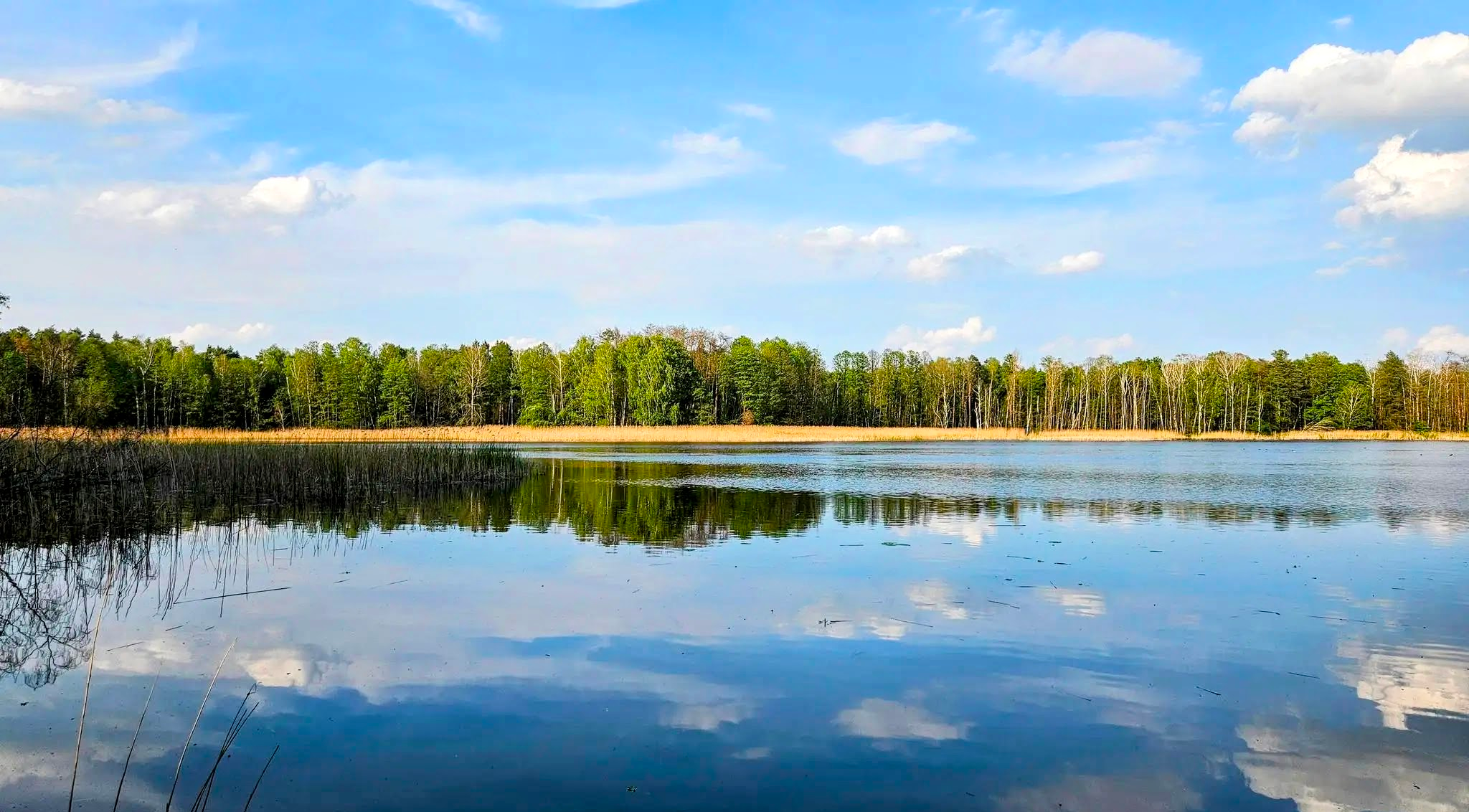
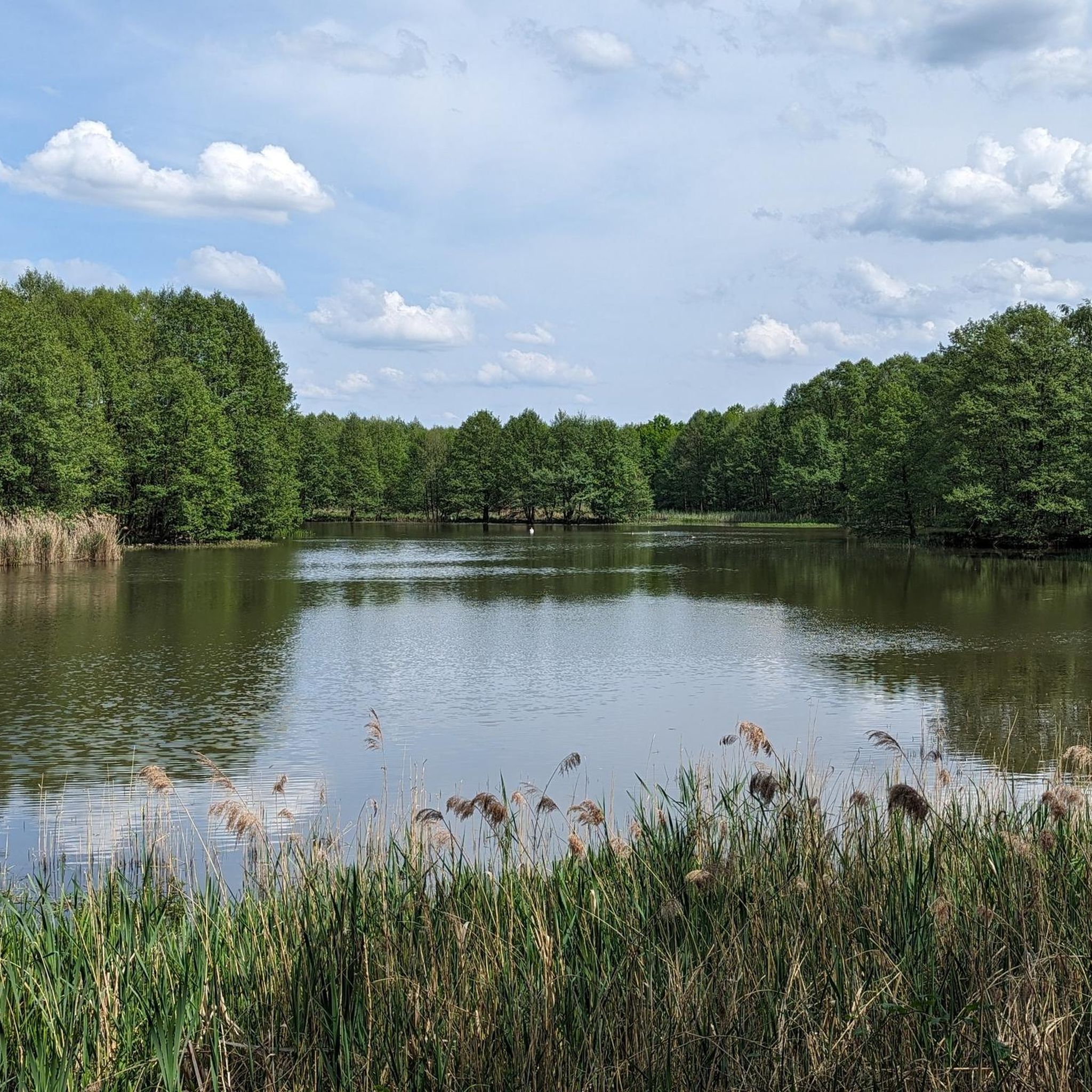
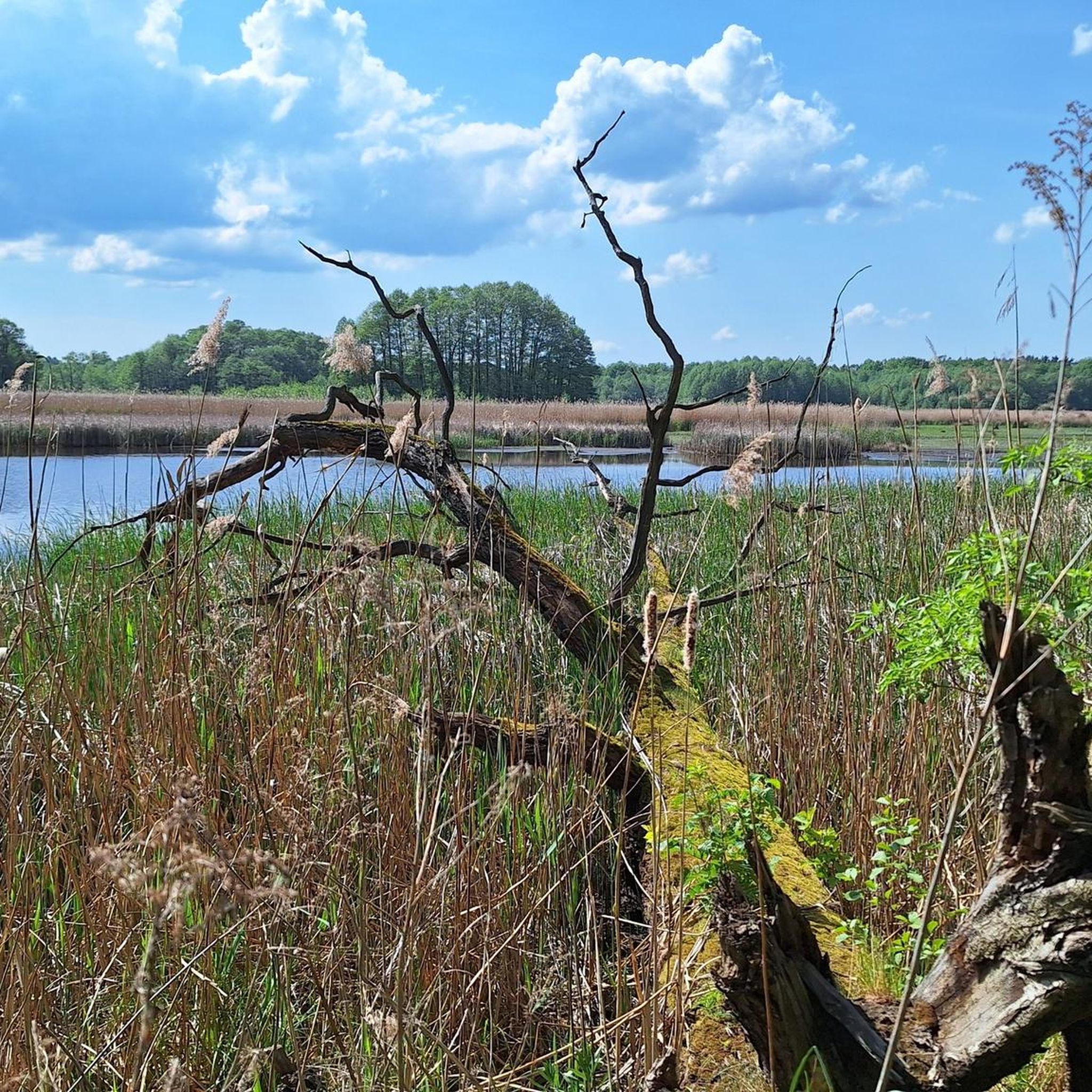
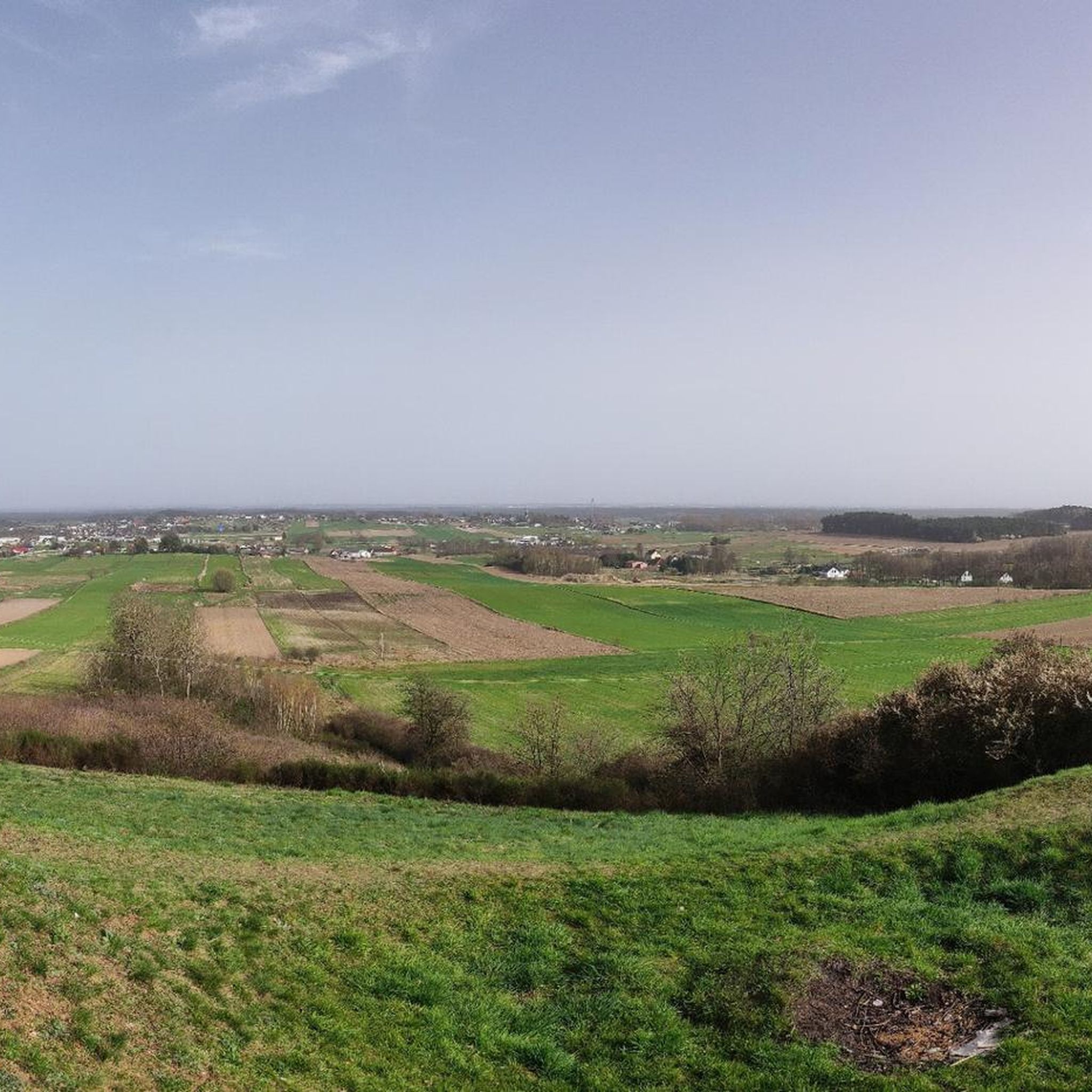
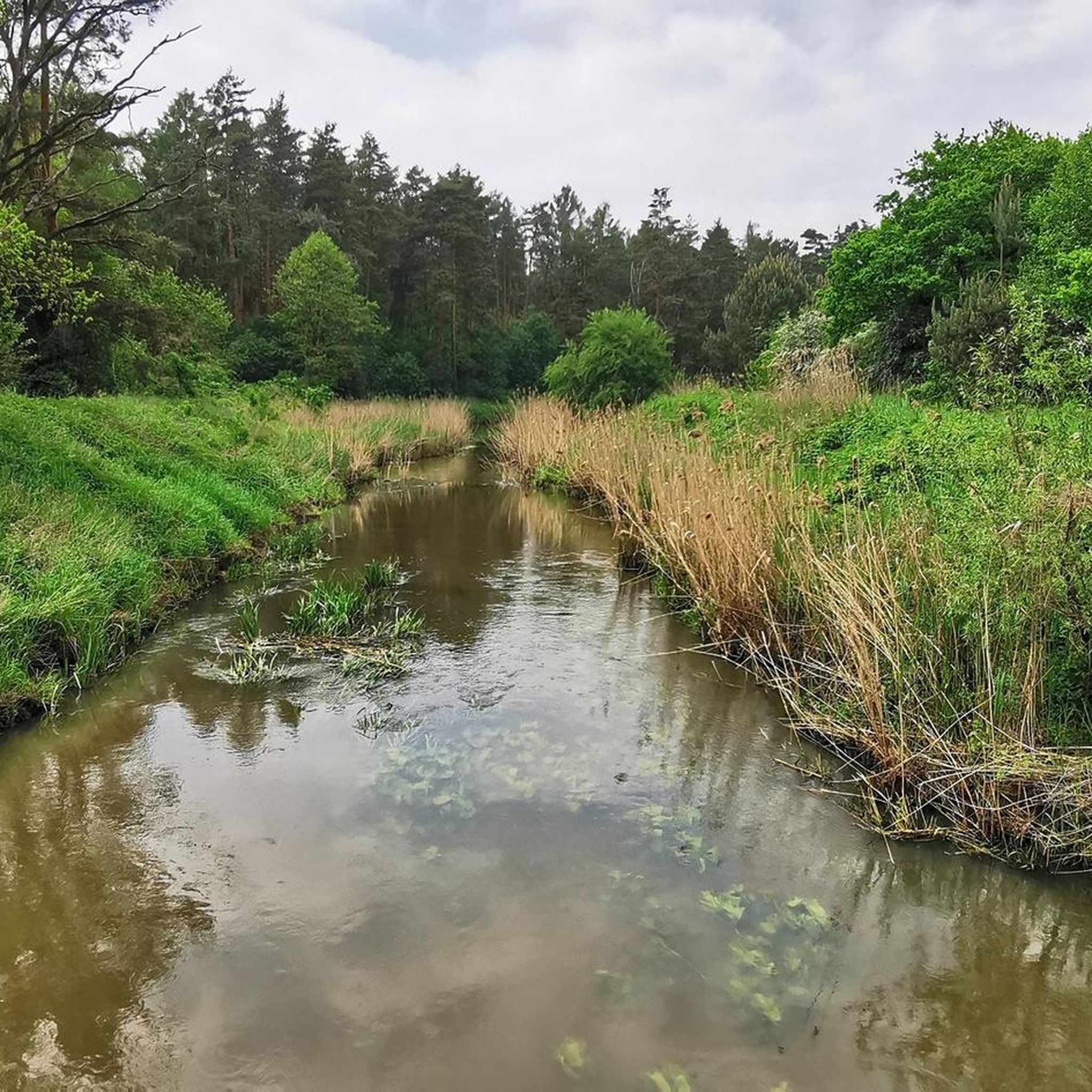
Touring cycling around gmina Ostrzeszów features diverse terrain, including the Ostrzeszów Hills, which contain the highest elevations in the Greater Poland region. The landscape is characterized by extensive forests covering 38% of the area, numerous ponds, and agricultural lands. These natural features provide varied routes for touring cyclists, from gentle paths through woodlands to routes with moderate elevation changes across the hills. The region's infrastructure supports cycling with well-marked trails and access to natural and historical attractions.
Best touring cycling…
Last updated: May 7, 2026
4.0
(7)
29
riders
37.5km
02:59
220m
220m
Moderate bike ride. Good fitness required. Mostly paved surfaces. Suitable for all skill levels.
4.7
(7)
30
riders
28.6km
01:48
100m
100m
Easy bike ride. Great for any fitness level. Mostly paved surfaces. Suitable for all skill levels.

Sign up for free
5.0
(3)
25
riders
34.2km
02:04
190m
190m
Moderate bike ride. Good fitness required. Mostly paved surfaces. Suitable for all skill levels.
4.7
(3)
28
riders
31.8km
01:56
160m
160m
Moderate bike ride. Good fitness required. Mostly paved surfaces. Suitable for all skill levels.
4.5
(4)
22
riders
18.5km
01:08
110m
110m
Easy bike ride. Great for any fitness level. Mostly paved surfaces. Suitable for all skill levels.
Get access to more routes and recommendations from other explorers.
Sign up for free
Already have an account?
Our route recommendations are based on thousands of hikes, rides, and runs completed by other people on komoot.
Start today with a free account
Your next adventure awaits.
Login or Signup

Other adventures around gmina Ostrzeszów

Tips from the Community

Beautifully renovated in a beautiful setting
0
0

A very nice place to relax
0
0

Post-Bernardine church with a monastery, built on a hill in the 17th century. In July 1629, a congress of Wieluń nobility approved the establishment of a monastery with the church of St. Michael the Archangel for the Bernardine Order. Initially, in 1638, a wooden church and monastery were built on the site of the current brick church. During the Swedish invasion in 1656, the monastery buildings were burned down; before that, the church was robbed. In the years 1680–1740, the current temple was built, and it was consecrated by Bishop Sommerfeld in 1741. The building in the Baroque style was built of plastered brick. The belfry from 1810 was demolished in 1946. The presbytery has an area of 8 × 7 m, and is 11 m high, while the nave is 8 × 16 m and 13 m high. Inside, the walls bear the coats of arms of the families that founded the monastery and the church: Psarski, Leszczyński, Siewierski, Krakowski, Karśnicki and Wężyk, sculptures commemorating Rafał and Jan Leszczyński, and a late Baroque polychrome made in 1740 by Antoni Ignacy Linki (the inscription above the choir). Next to the church is the chapel of St. Thaddeus Jude with an 18th-century painting of the patron saint in a Baroque altar. Currently, the monastery is occupied by the Sisters of the Holy Family of Nazareth.
0
0
The town hall is located in the middle of the Market Square and was built in 1840 on the foundations of an earlier one. The seat of the Civil Registry Office and the Władysław Golus Regional Museum. It is a two-story building erected on a rectangular plan, with an attic and basements. It is covered with a hipped roof made of red tiles. Cornices separate the floors from the outside. On the ridge of the roof there is a turret with a clock, topped with a tented roof with a spire. Barrel vaults have been preserved inside the town hall.
0
0
It is a wooden temple from 1758, covered with a shingle roof. Inside, semi-folk polychrome from the 18th century, on the wall of the presbytery, images of the evangelists among plant decorations. Several late Gothic sculptures. A painting of the Crucifixion with figures of the founders in Polish costumes from the 16th-17th centuries and a painting of the Madonna and Child surrounded by musical angels from around the mid-17th century.
0
0
Mural by Krakow artist Olaf Cirut. While searching for inspiration, he came across a black and white photograph taken in the late 1950s on Plac Borek in Ostrzeszów on the Internet. The artist is Stefan Solarek, and the main characters are three boys, a bicycle, and a teddy bear. The atmosphere of the photograph reminded the Krakowian of Olga Tokarczuk's famous speech after she received the Nobel Prize for Literature.
0
0
Catholic Church of St. Jadwiga of Silesia from 1807, a temple built in the classicist style. In 1984, a brick bell tower was built, which in style matches the body of the church. In the interior design of the temple, the main altar with a figure of the patron saint from 1947 and two classicist side altars with paintings: Our Lady of Częstochowa and the Transfiguration of the Lord are worthy of attention. Also worthy of attention are the ceiling plafonds, depicting St. Maximilian, Christ and a symbolic vision of the election of John Paul II to the apostolic see. These plafonds date back to the early eighties of the last century.
0
0
Church of St. Nicholas from 1780-81. Built from the foundation of Jan and Elżbieta Siewierski, Józef Wojakowski and Jan Grzymała Wiewiórkowski, by master Jan Kurzawa. Restored in the 1980s. A wooden church, single-nave, log construction. Not oriented. Two chapels on the sides, creating an apparent transept, closed rectangularly with ridges lower than the main nave. Smaller presbytery from the nave, closed on three sides with a side sacristy. Porch on the side of the nave. Low tower of post-and-beam construction, with a porch in the ground floor at the front. Topped with a tented roof with a tin, onion-shaped dome. Double-ridge roof, covered with sheet metal with a turret for a bell tower. Topped with an onion-shaped dome with a lantern. Flat ceiling inside with coffered decoration. Choir supported by two columns with a late Baroque organ prospect from the 2nd half of the 18th century. Main altar (founded by the Szyszkowski family) in the late Renaissance style with the Ostoja coat of arms, made by Jan Sifers in 1646. Rococo side altars from the 2nd half of the 18th century. Baroque pulpit from the mid-17th century. Two folk Baroque crucifixes. Numerous sculptures from the 17th and 18th centuries. Two contemporary paintings by Norbert Skupniewicz. Wooden belfry, not estimated, covered with a metal roof. Rectory from the late 20th century. Church surrounded by old oaks and beeches.
0
0
Frequently Asked Questions
How many touring cycling routes are available in gmina Ostrzeszów?
There are over 60 touring cycling routes available in gmina Ostrzeszów, offering a variety of experiences for different skill levels. The komoot community has explored nearly 500 of these routes.
What is the general terrain like for touring cyclists in gmina Ostrzeszów?
The terrain in gmina Ostrzeszów is diverse, featuring the rolling
Ostrzeszów Hills, which include some of the highest elevations in the Wielkopolska Region like Kobyla Góra. You'll also find extensive forests covering a significant portion of the area, numerous tranquil ponds, and agricultural lands. This mix provides routes with moderate elevation changes and gentle paths through woodlands.
What do other touring cyclists say about the routes in gmina Ostrzeszów?
The touring cycling routes in gmina Ostrzeszów are highly rated by the komoot community, with an average score of 4.7 stars from over 100 reviews. Cyclists often praise the varied terrain, the peaceful forest paths, and the scenic views across the landscape.
When is the best time of year to go touring cycling in gmina Ostrzeszów?
The best time for touring cycling in gmina Ostrzeszów is generally during the spring, summer, and early autumn months. These seasons offer pleasant weather conditions for exploring the diverse landscapes, from the Ostrzeszów Hills to the dense woodlands and tranquil ponds.
Are there easy touring cycling routes suitable for beginners or families?
Yes, gmina Ostrzeszów offers many easy touring cycling routes. For example, the Historic Fire Station in Kępno – Kępno Railway Station loop from Turze is an easy 17.6-mile (28.4 km) path that provides a gentler ride through the rural landscape. There are 39 easy routes in total, many of which are suitable for a relaxed family outing.
Are there more challenging touring cycling routes in gmina Ostrzeszów?
While most routes are easy to moderate, the varied terrain of the Ostrzeszów Hills provides some routes with more significant elevation changes, offering a moderate challenge. There are 19 moderate and 3 difficult routes available for those seeking a more demanding ride.
Can I find circular touring cycling routes in gmina Ostrzeszów?
Yes, many of the touring cycling routes in gmina Ostrzeszów are designed as loops, allowing you to start and end in the same location. Examples include the Ostrzeszów Railway Station – Stary Młyn loop from Ostrzeszów and the Forest Path by the Lake – Beach by Słupca Reservoir loop from Ostrzeszów.
What natural attractions can I see along the touring cycling routes?
You can explore diverse natural attractions, including the scenic Ostrzeszów Hills and dense woodlands. Routes often pass by nature reserves like "Pieczyska" and "Jodły Ostrzeszowskie." You might also encounter highlights such as the Observation Tower at Barycz Valley Landscape Park or the Entrance to the viewpoint in the Wydymacz Nature Reserve.
Are there any historical or cultural landmarks to visit while cycling?
Absolutely. Gmina Ostrzeszów is rich in historical and cultural sites. You can visit the unique Radziwiłł Hunting Palace in Antonin, known for its wooden architecture, or the architecturally interesting My Will Hunting Palace. Historic churches like the Church of the Nativity of the Blessed Virgin Mary in Myślniew also offer cultural stops.
Are there any scenic viewpoints along the touring cycling routes?
Yes, the region offers several scenic viewpoints, particularly in the Ostrzeszów Hills, which provide panoramic views. Specific highlights include the Observation Tower at Barycz Valley Landscape Park and the Entrance to the viewpoint in the Wydymacz Nature Reserve, offering great spots to pause and enjoy the landscape.
Can I bring my dog on the touring cycling routes in gmina Ostrzeszów?
Many outdoor areas and paths in gmina Ostrzeszów are generally dog-friendly, especially the forest paths and less crowded routes. It's always recommended to keep your dog on a leash, especially near wildlife or in more populated areas, and to be mindful of local regulations.
Where can I park my car when starting a touring cycling route?
While specific parking areas for cyclists are not detailed, towns like Ostrzeszów and Kępno, which serve as common starting points for routes, typically offer public parking facilities. Look for designated parking near railway stations or town centers, which are often convenient starting points for many loop routes.
Are there dedicated cycling paths in gmina Ostrzeszów?
Yes, gmina Ostrzeszów has invested in cycling infrastructure, including pedestrian-bicycle paths ("ścieżki pieszo-rowerowe") within the town and its rural areas. These dedicated paths contribute to a safer and more enjoyable cycling experience, connecting natural wonders with historical sites.
Most popular routes around gmina Ostrzeszów
Most popular attractions around gmina Ostrzeszów

Get inspired with the komoot mobile app


Explore more
Browse the best Cycling routes in other regions.
