The best running trails around Poznań
4.7
(725)
31,149
runners
674
runs
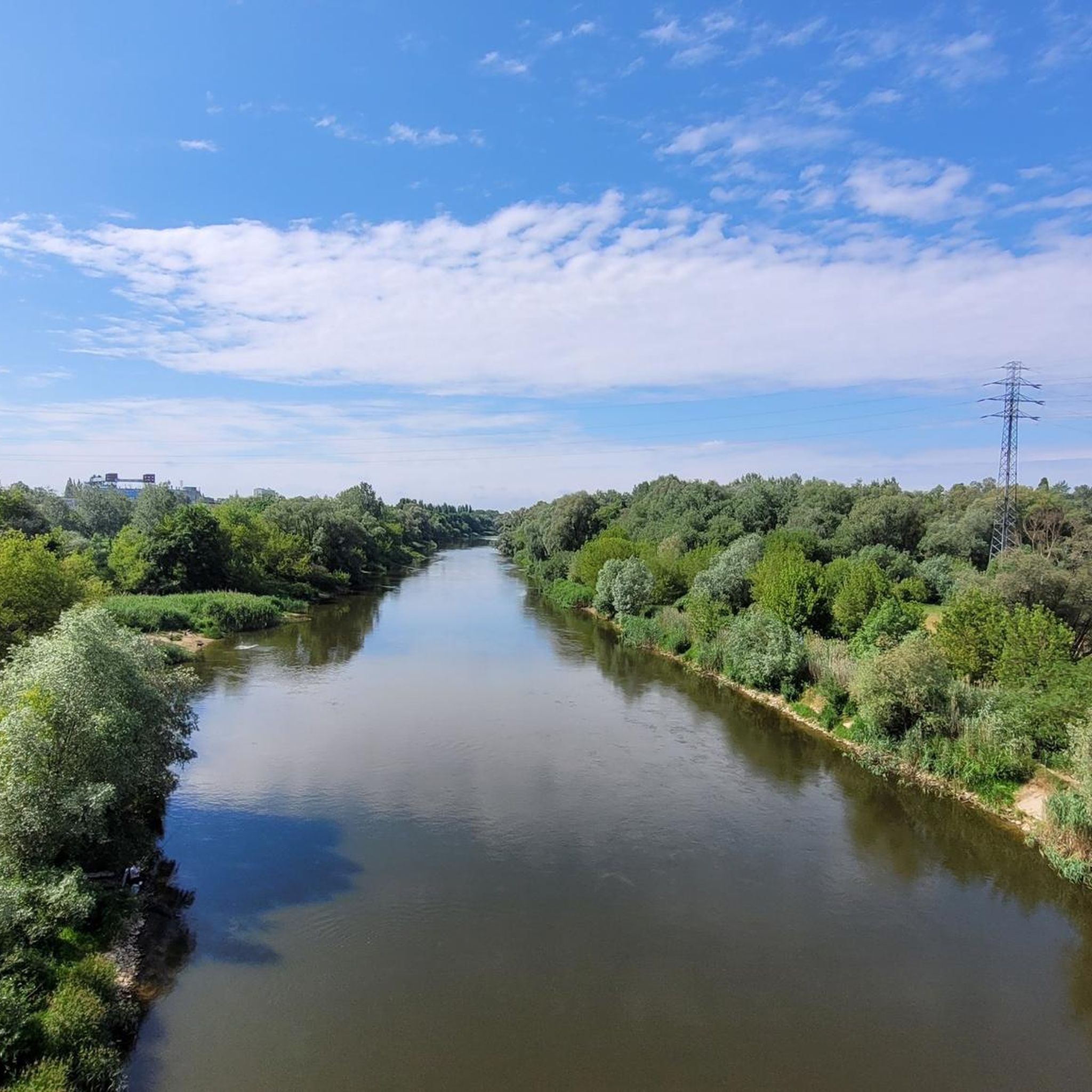
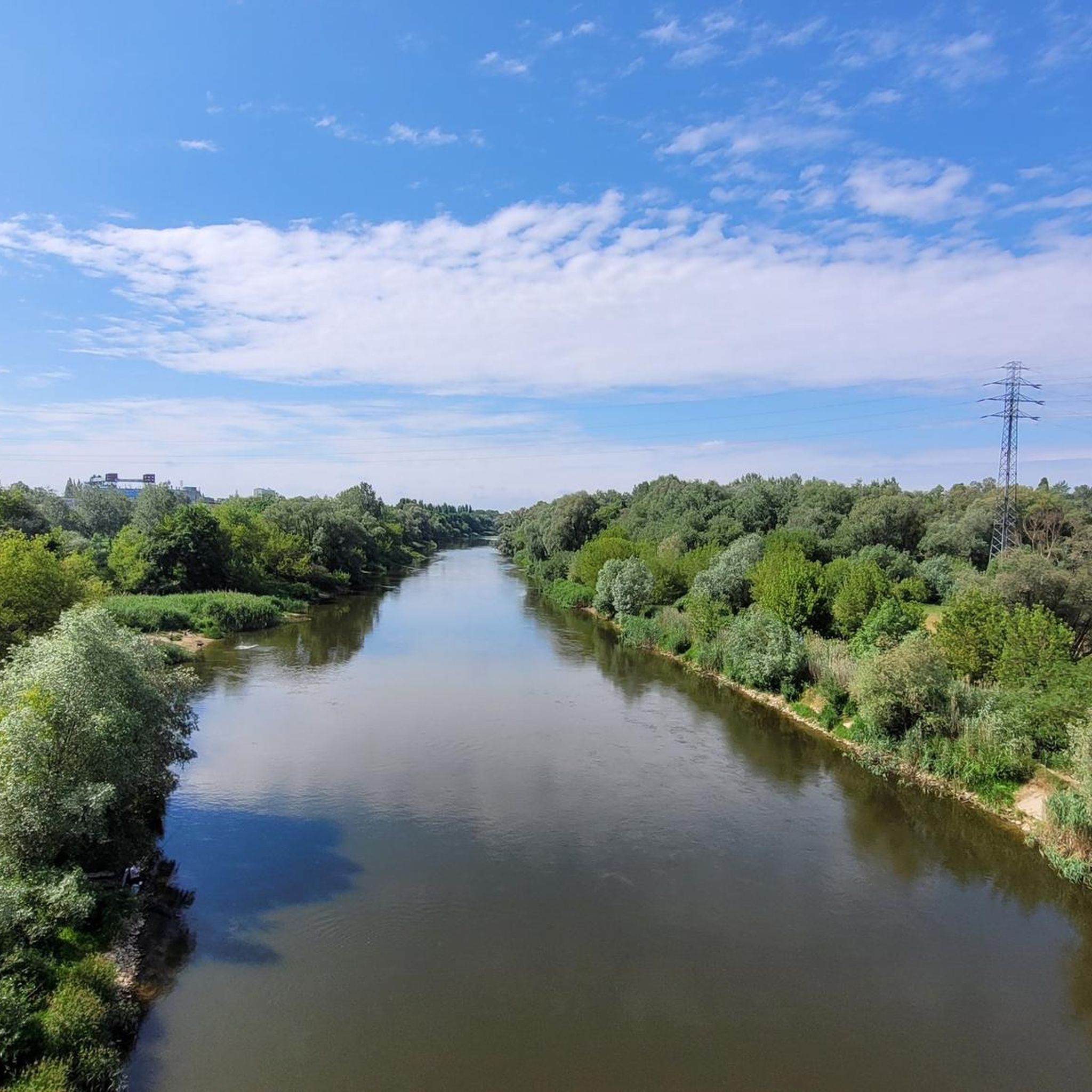
Jogging around Poznań offers diverse landscapes, with approximately 20% of the city covered in green spaces. The region features numerous lakes, including Malta Lake and Rusałka Lake, alongside the Warta River, which provides extensive riverside paths. Runners can explore varied terrain from flat, paved loops to forest trails and gentle hills, such as Morasko Hill. These natural features create a comprehensive network of routes suitable for various running preferences.
Best jogging routes around Poznań
- The most popular jogging route is Landrat's Office Poznań-East – Imperial Castle Poznań loop from Poznań Główny, a 13.25 miles (21.3 km) trail that takes 2 hours 14 minutes to complete. This challenging route offers a comprehensive exploration starting from the city center.
- Another top favourite among local runners is Lake Malta loop from Archidiecezja poznańska, a moderate 5.45 miles (8.8 km) path. This route circles the popular Malta Lake, known for its flat, paved surface and water views.
- Local runners also love the Lake Malta loop from Poznan, a 4.96 miles (8.0 km) trail leading through the scenic Malta Lake area, often completed in about 49 minutes.
- Jogging around Poznań is defined by its numerous lakes, the Warta River, and extensive forest areas like Marceliński Forest. The network offers options for different ability levels, from easy lakeside loops to more challenging routes with varied terrain.
- The routes in Poznań are highly rated by the komoot community with an average score of 4.7 stars from over 600 reviews. More than 26,000 runners have used komoot to explore Poznań's varied terrain.
Last updated: August 17, 2026
5.0
(12)
2,060
runners
Hard run. Very good fitness required. Mostly paved surfaces. Suitable for all skill levels.
4.8
(54)
2,181
runners
Moderate run. Good fitness required. Mostly paved surfaces. Suitable for all skill levels.

Sign up for free
4.6
(52)
2,031
runners
7.80km
00:48
30m
30m
Moderate run. Good fitness required. Mostly paved surfaces. Suitable for all skill levels.
5.0
(1)
1,075
runners
42.2km
04:26
150m
150m
Hard run. Very good fitness required. Mostly paved surfaces. Suitable for all skill levels.
5.0
(5)
975
runners
22.0km
02:19
60m
60m
Hard run. Very good fitness required. Mostly paved surfaces. Suitable for all skill levels.
Get access to more routes and recommendations from other explorers.
Sign up for free
Already have an account?
Our route recommendations are based on thousands of hikes, rides, and runs completed by other people on komoot.
Start today with a free account
Your next adventure awaits.
Login or Signup
Popular around Poznań
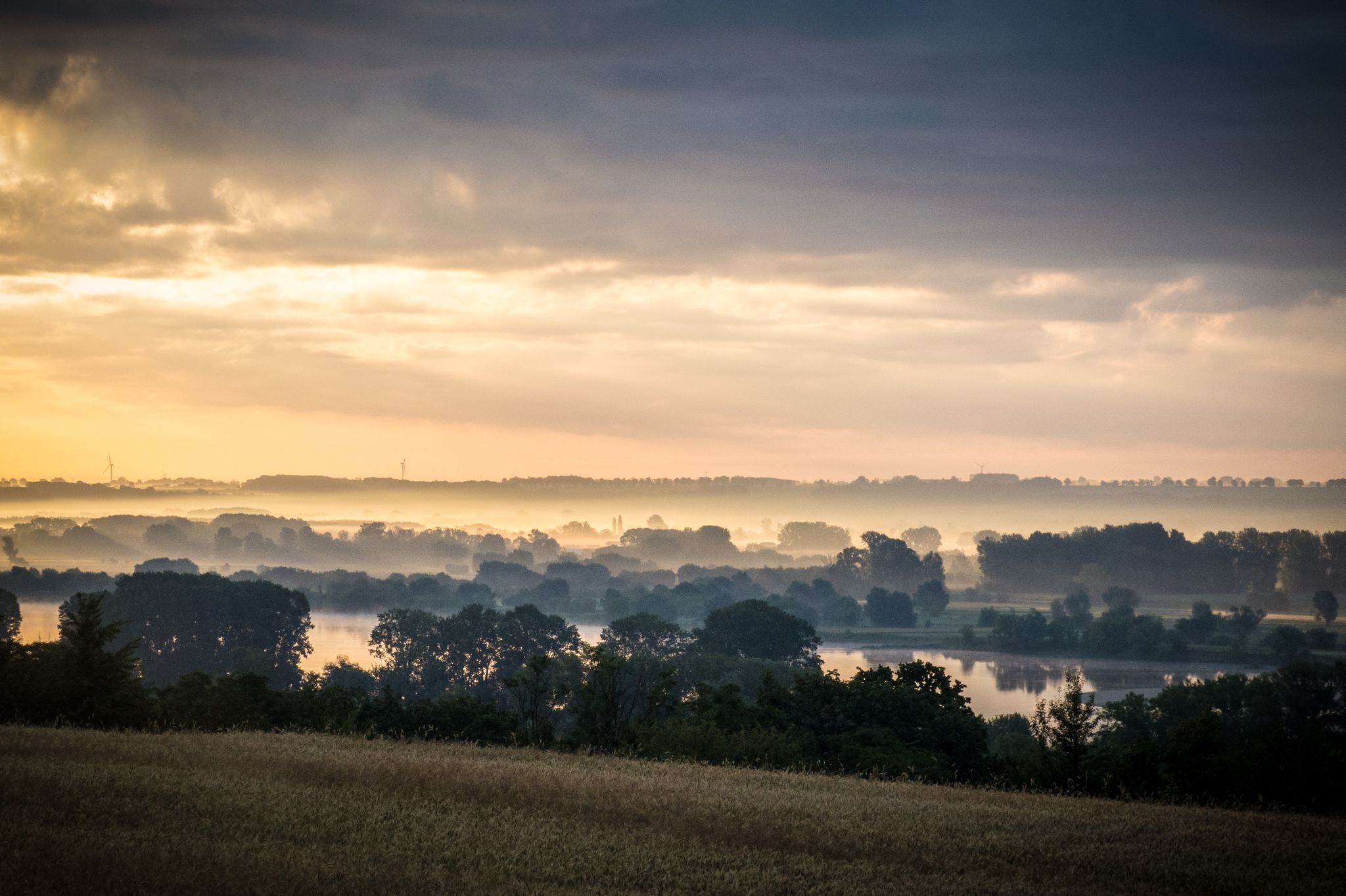
EuroVelo 9 – The Amber Route from the Baltic to Adriatic Sea
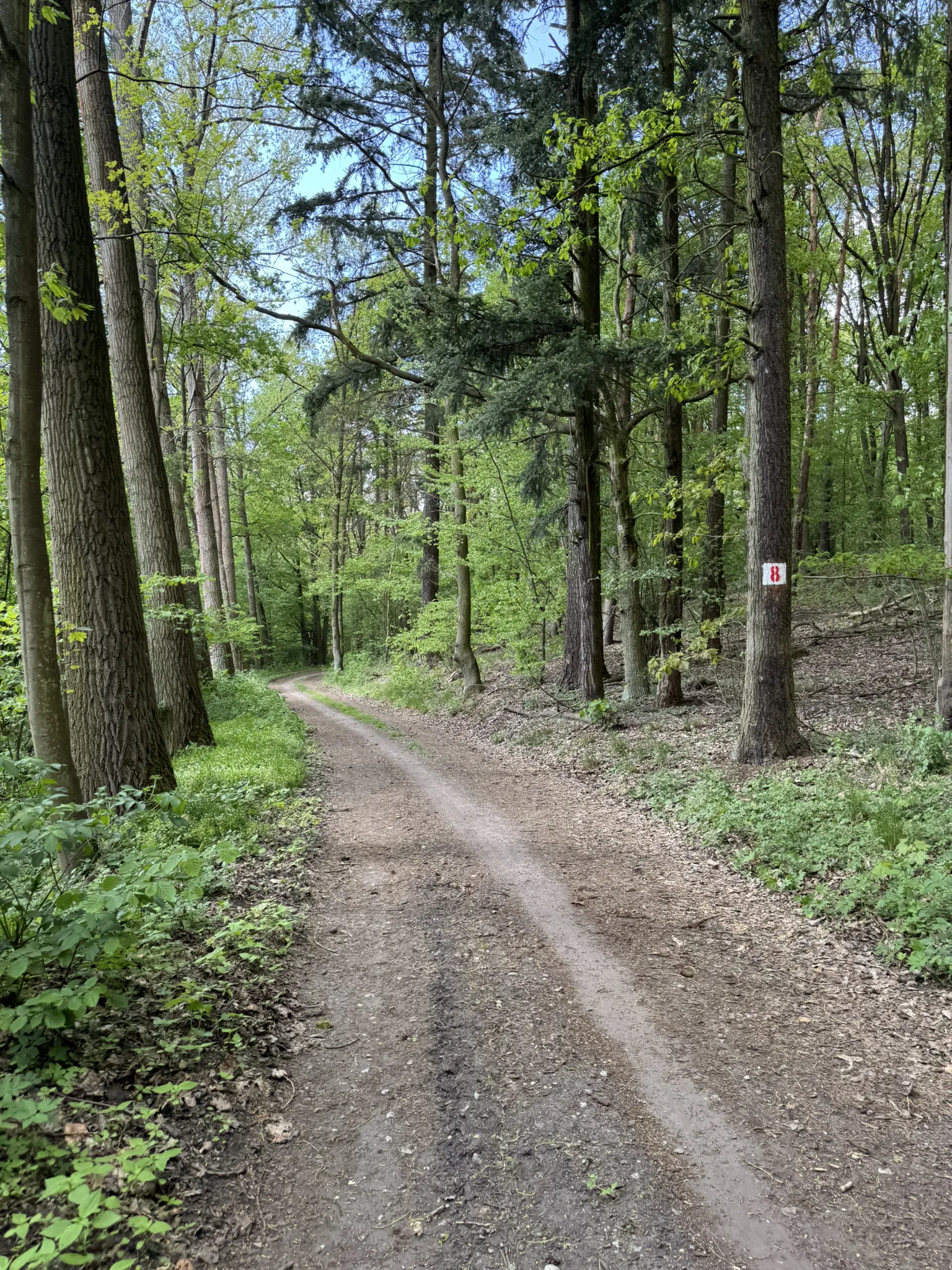
Piast Bicycle Route - by bicycle through the cradle of the Polish state
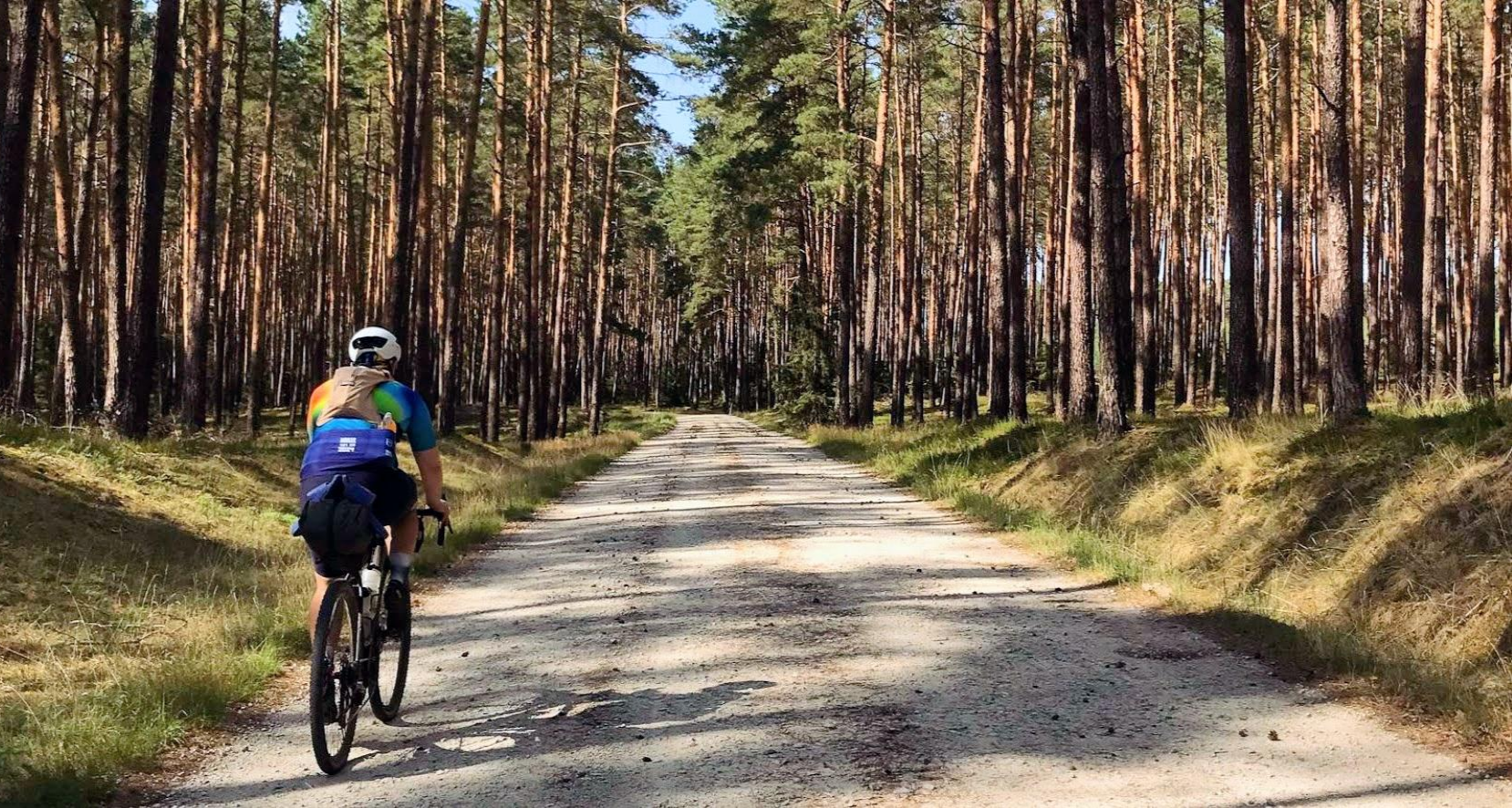
Trail of the Greater Poland Ultramarathon - Warta Gravel 400
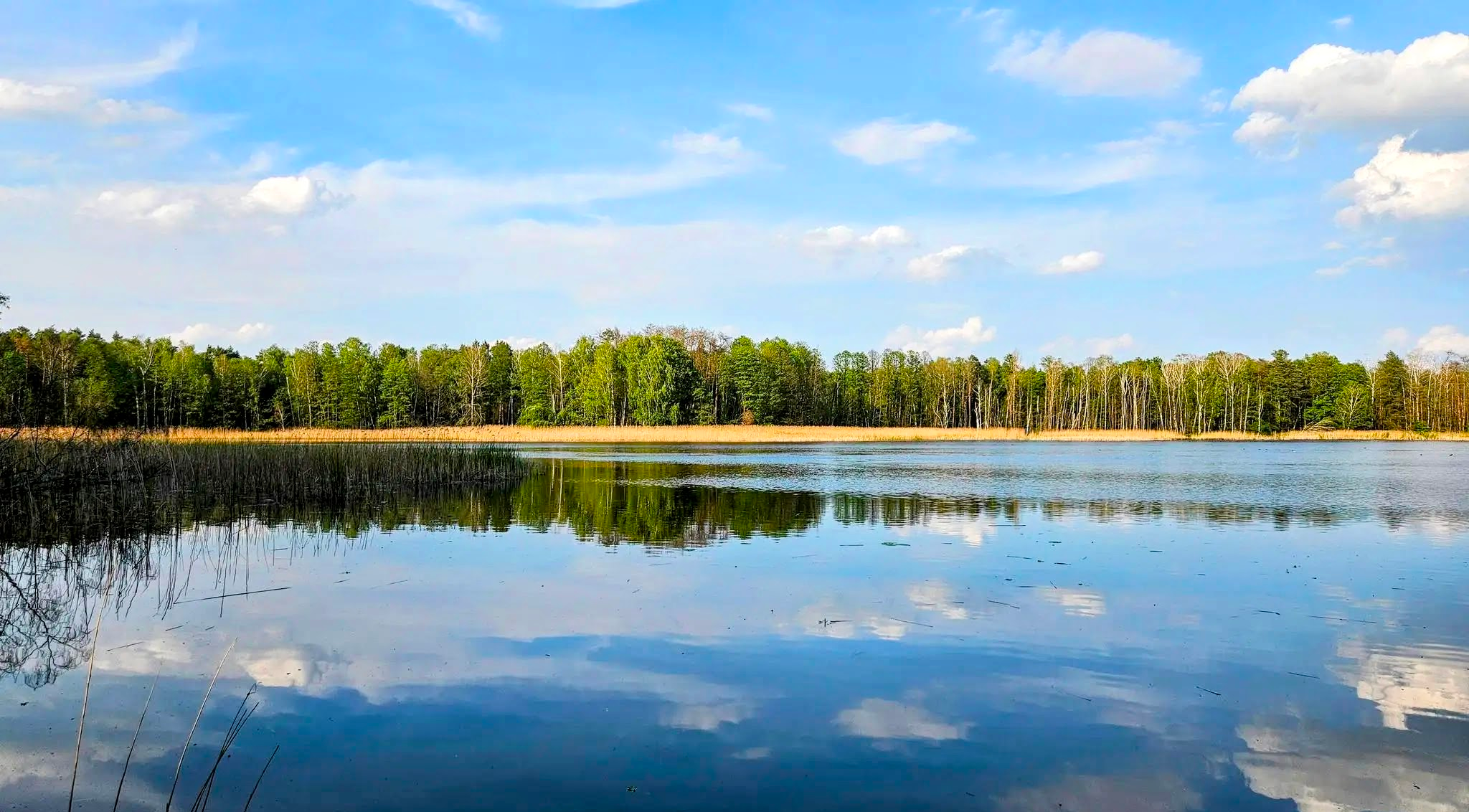
As Diverse as Greater Poland – Trans-Greater Poland Cycling Route (TTR)
Cycling around Poznań
Hiking around Poznań
Road Cycling Routes around Poznań
MTB Trails around Poznań

Gravel biking around Poznań
Other adventures around Poznań


Tips from the Community


In addition to the tennis courts and the restaurant right next door, the forester's lodge offers horse riding lessons and an area with a safe campfire.
0
0

Hidden between the blocks, the best ice cream parlor in town 😎🍦
0
0

A bit off the beaten track, but it's always worth stopping for a few moments and remembering the heroic assault.
0
0

On weekends, it's incredibly crowded, and sometimes it's difficult to cycle, especially along the Maltanka cable car route. During the week, it's much more pleasant; you can even easily do a few laps.
0
0

Before the pandemic, there were plans to convert the building into a hotel with a small museum: https://www.juedische-allgemeine.de/juedische-welt/betten-im-bethaus/
0
0
The synagogue was consecrated in 1907 and used until early September 1939. After the invasion of Poland, it was desecrated and used as a swimming pool by the Nazis. It continued to be used as a swimming pool after 1945. The synagogue was restituted in 2002. The building is currently protected by a construction fence.
0
0

At the Lech Stadium
0
0
Frequently Asked Questions
How many running routes are available in Poznań?
Poznań offers a wide variety of running experiences, with over 600 routes available on komoot. These range from easy lakeside loops to more challenging trails through forests and hills, catering to all fitness levels.
What kind of terrain can I expect on jogging trails in Poznań?
You'll find diverse terrain for running in Poznań. Many routes feature flat, paved paths, especially around Malta Lake and along the Warta River (Wartostrada). You can also explore soft, dirt paths through forests like Marceliński Forest and around Rusałka Lake, or tackle gentle climbs on routes like the 12 km loop around Morasko Hill.
Are there easy running routes suitable for beginners or casual joggers?
Yes, Poznań has over 80 easy running routes. Many of the lakeside loops, such as the 5.4 km paved path around Malta Lake, are ideal for beginners due to their flat surfaces and scenic views. The Lake Malta loop from Poznan is a popular moderate option that is still very accessible.
What do other runners enjoy most about jogging in Poznań?
The running routes in Poznań are highly rated by the komoot community, with an average score of 4.7 stars from over 600 reviews. Runners frequently praise the city's abundant green spaces, the picturesque lake and river paths, and the variety of terrain that allows for different types of workouts.
Are there any challenging routes for experienced runners looking for longer distances or elevation?
Absolutely. For those seeking a challenge, Poznań offers over 60 difficult routes. The Landrat's Office Poznań-East – Imperial Castle Poznań loop from Poznań Główny is a demanding 21.3 km trail with some elevation. Additionally, the 12 km loop around Morasko Hill provides a 70-meter climb, offering a mountain-like feel within the city limits.
Are there any circular running paths in Poznań?
Many of Poznań's most popular running spots feature circular paths. Malta Lake is famous for its 5.4 km paved loop, and Rusałka Lake offers a ~3.5 km dirt path loop. These loops are perfect for consistent training and enjoying the scenery.
Can I bring my dog on the running trails in Poznań?
Poznań's numerous parks and forest areas, such as Marceliński Forest and Citadel Park, are generally dog-friendly. While specific regulations may vary by location, most green spaces welcome dogs, often requiring them to be on a leash. Always check local signage for any specific rules.
Are there family-friendly running routes in Poznań?
Yes, many of Poznań's running paths are suitable for families. The flat, paved loops around Malta Lake and the Wartostrada along the Warta River are excellent choices, offering easy surfaces and often passing by recreational facilities that children might enjoy.
What are some scenic viewpoints or natural attractions I can see while jogging?
Poznań's running routes offer plenty of scenic beauty. You can enjoy picturesque water views around Malta Lake, explore the diverse trees of Marceliński Forest, or discover the unique meteorite craters within the Morasko Meteoryt Nature Reserve. The Lakes around Poznań guide also highlights other beautiful spots like Strzeszyńskie Lake.
Is public transport available to access the main running areas?
Yes, Poznań has a well-developed public transport system. Key running locations like Malta Lake, Citadel Park, and the Wartostrada are easily accessible by tram or bus from the city center. For example, Malta Lake is a short tram ride away, making it convenient for runners without a car.
Are there any permits required to run on trails in Poznań?
Generally, no special permits are required for jogging on the public trails and in the parks of Poznań. The city's green spaces are freely accessible for recreational activities. However, always be mindful of local regulations, especially in nature reserves like Meteoryt Morasko, to ensure you stay on marked paths.
What is the best time of year for running in Poznań?
Poznań offers good running conditions throughout the year. Spring and autumn provide pleasant temperatures and beautiful scenery with blooming flowers or colorful foliage. Summer is great for early morning or evening runs to avoid the heat, especially around the lakes. Even in winter, many paths, particularly the paved ones around Malta Lake, are maintained and suitable for running.
Are there places to eat or drink near the running routes?
Many popular running areas in Poznań have amenities nearby. Around Malta Lake, you'll find various cafes and restaurants. Similarly, areas along the Warta River (Wartostrada) and near Citadel Park often have kiosks or eateries where you can grab a refreshment after your run.
Most popular routes around Poznań
Most popular attractions around Poznań

Get inspired with the komoot mobile app


