Attractions and Places To See around gmina Nowe Miasto nad Wartą - Top 20
Best attractions and places to see around gmina Nowe Miasto nad Wartą include a blend of historical landmarks, natural areas, and cultural heritage sites. The region features ancient defensive structures, historic religious architecture, and tranquil nature reserves along the Warta River. Visitors can explore a variety of sites, from medieval castle remnants to 19th-century palaces and significant natural habitats. This area offers diverse points of interest for those exploring Greater Poland.
Best attractions and places to see around gmina Nowe…
Last updated: May 20, 2026
Miłosław Palace
Highlight • Monument
Translated by Google •
Tip by

Ruins of the Opaliński Palace in Radlin
Highlight • Historical Site
Translated by Google •
Tip by
Sign up now to discover places like this
Get recommendations on the best single tracks, peaks, & plenty of other exciting outdoor places.
Sign up for free
Ferry crossing
Highlight • Rest Area
Translated by Google •
Tip by

Ruins of the Church of the Holy Spirit in Jarocin
Highlight • Historical Site
Tip by

Radoliński Palace
Highlight • Castle
Tip by
Sign up for free to discover even more attractions around gmina Nowe Miasto nad Wartą.
Sign up for free
Already have an account?
Start today with a free account
Your next adventure awaits.
Login or Signup
Popular around gmina Nowe Miasto nad Wartą

Tips from the Community

The palace was built in the early 19th century at the request of Józef Mielżyński, according to a design by K.F. Schinkel, as a (then relatively modest) villa-palace. In the mid-19th century, it was expanded to include the wings of the southern façade, the western wing, and a tower in the Neo-Renaissance style. The reconstruction was designed by Count Seweryn Mielżyński himself. He intended to designate the eastern wing of the façade as a picture gallery. The next reconstruction took place at the end of the 19th century. It was carried out by the next owner of Miłosław, Józef Kościelski, to whom the palace owes its regular façade wings, the Grand Order portico, the balustrade-like finial, and the additional tower story, among other things. Thanks to these efforts, the palace acquired the classic appearance of a Neo-Renaissance residence. The façade, with its central projection and Grand Order portico, is particularly impressive. Four Ionic columns support the architrave, which supports the triangular pediment. The avant-corps is connected to the side wings, which protrude significantly from the facade, and feature charming galleries decorated with vases. A quadrangular tower, topped by a belvedere surrounded by a balustrade, dominates the entire structure. The garden façade is enhanced by a perpendicularly added wing. The palace stands in a beautiful landscaped park. (naprzekordniom.wordpress.com) Currently (October 2025), the building is undergoing facade renovations.
0
0

It may look more interesting from a bird's eye view (filming/photographing with a drone).
0
0

Miłosław Palace is a 19th-century Classicist residence located in the southern part of the city. Built as a Neo-Renaissance villa designed by Karl Friedrich Schinkel, it was subsequently expanded several times, including by Seweryn Mielżyński. In its heyday, it served as an "open house," hosting distinguished writers, musicians, and painters, and housed a museum housing a valuable art collection. Burnt down in 1945, it was rebuilt in the 1960s, preserving its original appearance. Today, it houses a school, and the building is surrounded by a picturesque park, worth visiting on a bicycle tour of the area.
3
0

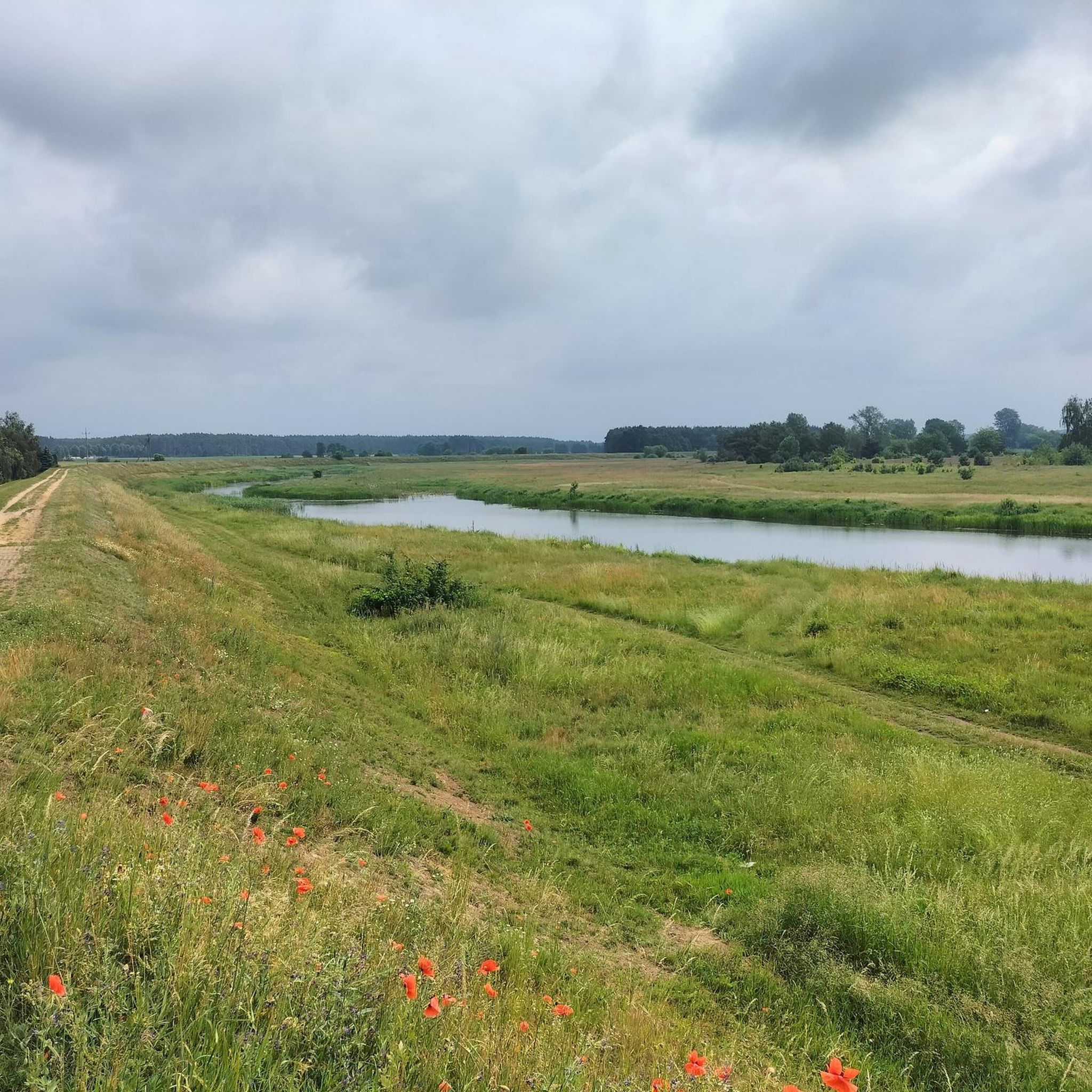
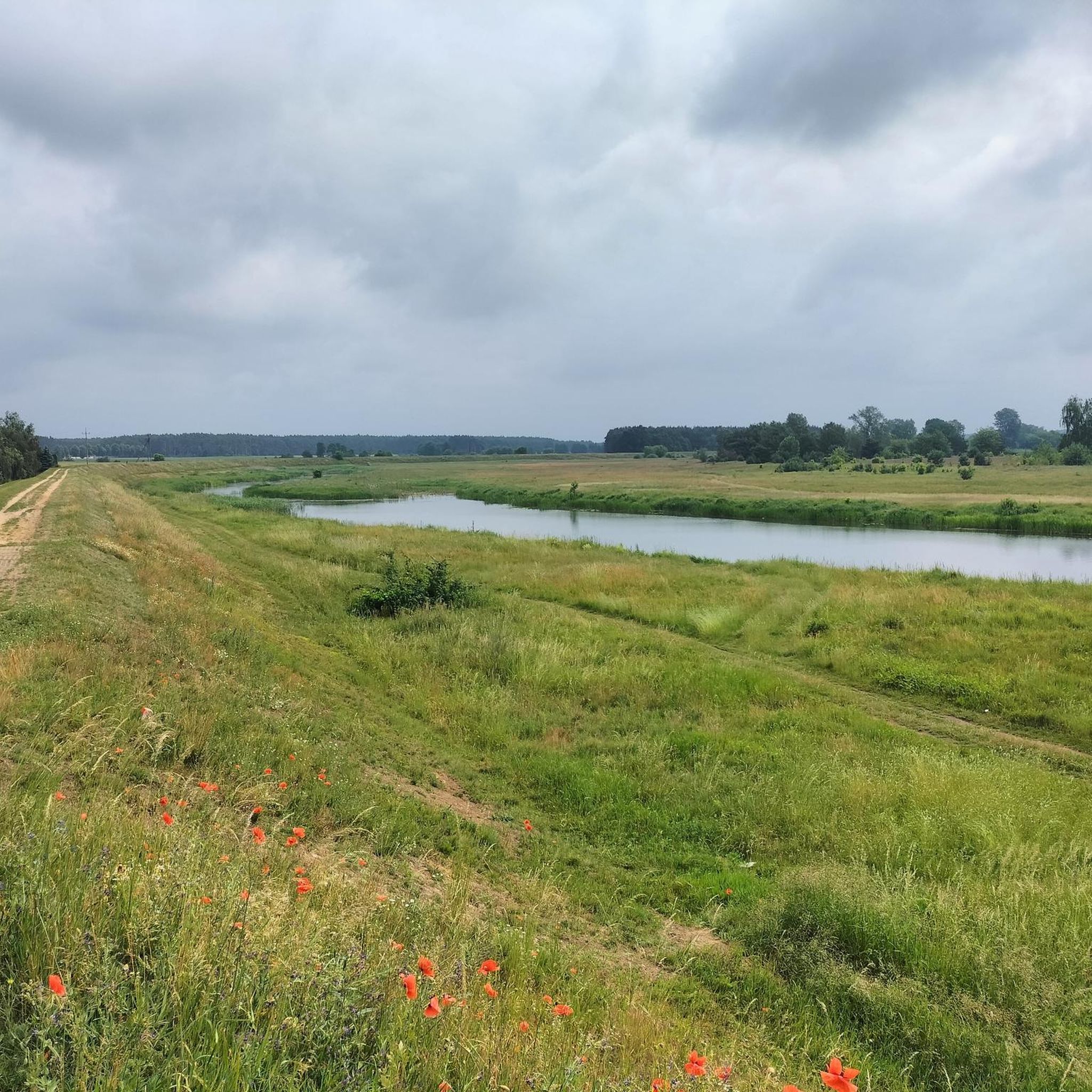
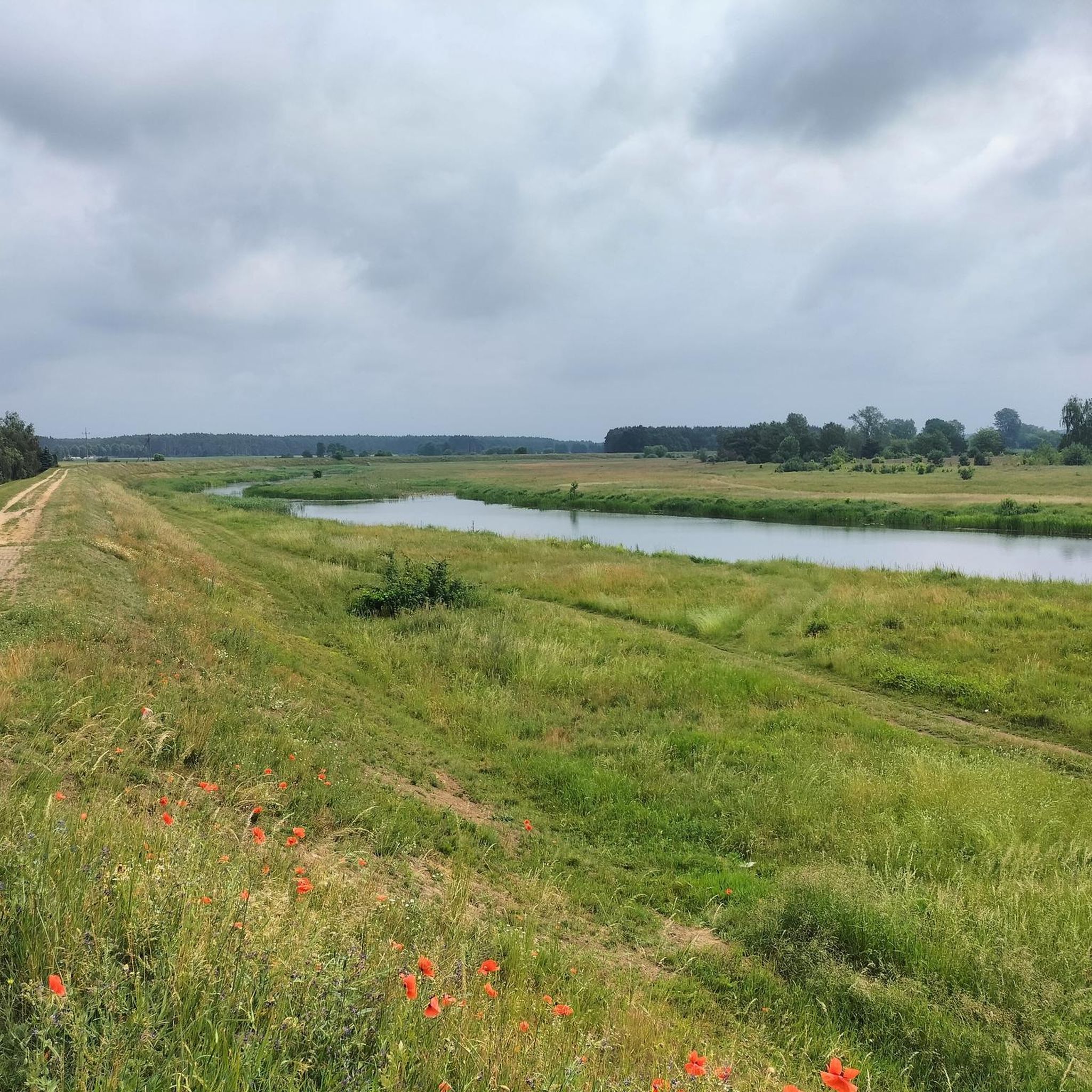
It is worth checking when planning whether the ferry runs
0
0
JAROCIN The district town is located approximately 70 km southeast of Poznań, on the road to Kalisz. The city park houses another of the city's most interesting monuments. These are the ruins of the late Gothic Church of the Holy Spirit. Initially a wooden structure, it served as a hospital church. The church, with its attached hospital, was founded between 1428 and 1437 by the owners of the estate in Prussia (Prussia). The brick church was likely built in 1516. Only the perimeter walls, along with buttresses and pointed-arch window openings, remain. Since 1833, the church has been in ruins. Masses are celebrated here only occasionally.
0
0
An interesting attraction in Jarocin
0
0
Radoliński Palace in Jarocin – a historic palace in Jarocin. The main family seat of the Radoliński family from Greater Poland, bearing the Leszczyc coat of arms. Designed in the English Neo-Gothic style by the Prussian royal architect Friedrich August Stüler, commissioned by Władysław Radoliński. Built between 1848 and 1865. Architectural style: Neo-Gothic
0
0

beautiful park
0
0
Frequently Asked Questions
What historical palaces and manors can I visit in gmina Nowe Miasto nad Wartą?
The region is rich in historical estates. You can explore the impressive Miłosław Palace, a 19th-century Classicist residence now housing a school and surrounded by a picturesque park. Another significant site is the Ruins of the Opaliński Palace in Radlin, once a magnificent 16th-century residence. Other notable estates include the 19th-century Skoraczew Manor Complex, Chocicza Palace, and the ruins of Dębno Palace with its mausoleum.
Are there any significant historical churches or religious sites in the area?
Yes, gmina Nowe Miasto nad Wartą features several historic religious sites. The 15th-century Gothic Church of the Holy Trinity in Nowe Miasto nad Wartą is a key monument, known for its Renaissance polychromy. You can also visit the Gothic Church of the Assumption of the Blessed Virgin Mary in Dębno nad Wartą, built between 1440-1447, and the 18th-century Wooden Church of St. Joseph the Betrothed of the Blessed Virgin Mary in Boguszynek.
What natural attractions or reserves are there to explore?
The region offers beautiful natural areas, particularly along the Warta River. While not entirely within the gmina, the Warta River and its surroundings are part of the Warta Landscape Park, known for oxbow lakes, meadows, and wetlands, crucial for aquatic birds. The "Dębno nad Wartą" Nature Reserve is unique for protecting invertebrate animals within a multi-species deciduous forest, with a green-marked tourist trail running through it.
What outdoor activities, like hiking or running, can I do near the attractions?
The area around gmina Nowe Miasto nad Wartą is great for outdoor activities. You can find several running trails, such as the 'Muzeum im. Adama Mickiewicza loop from gmina Żerków' or the 'Running loop from Książ Wielkopolski'. For hiking, consider easy routes like the 'Radoliński Palace – Glana (Combat Boot) Monument loop from gmina Jarocin' or a 'Hiking loop from Dębno'. You can find more details and routes on the Running Trails and Easy Hikes guide pages.
Are there cycling routes available near the attractions?
Yes, the region offers various cycling opportunities. The southern part of the Warta Bicycle Trail runs through the area. For road cycling, you can explore routes like the 'View of Brzóstków – Żerków Television Tower loop from Chocicza' or the 'Lutynia River – Polish Rock Granary loop from Chwalęcin'. More road cycling routes are available on the Road Cycling Routes guide page.
What are some unique historical structures besides palaces?
Beyond the grand palaces, you can discover the Medieval Motte-and-Bailey Castle ("Kopiec") on the outskirts of Nowe Miasto nad Wartą, a remnant of a late medieval defensive residence. The Old Bridge over the Warta, built in 1909, is notable for its early use of reinforced concrete. Additionally, a 19th-century Granary near the former river port on the Piaski stands as a reminder of the area's past.
What is the Green Market in Nowe Miasto nad Wartą?
The Green Market (Zielony Rynek) is an urban market square in Nowe Miasto nad Wartą. It marks the location of the former town of Laskówka. The Communal Cultural Center building, originally an evangelical church from 1879, closes the square from the north, adding to its historical character.
Are there any family-friendly attractions in gmina Nowe Miasto nad Wartą?
Many of the historical sites, such as Miłosław Palace with its picturesque park, and the Ruins of the Opaliński Palace in Radlin, can be interesting for families to explore. The natural areas along the Warta River and within the "Dębno nad Wartą" Nature Reserve also offer opportunities for family walks and appreciating nature.
What is the best season to visit gmina Nowe Miasto nad Wartą for outdoor activities?
The spring and summer months (April to September) are generally ideal for outdoor activities in gmina Nowe Miasto nad Wartą. During this time, the weather is pleasant for exploring historical sites, hiking, cycling, and enjoying the natural beauty of the Warta River and its reserves. Autumn also offers beautiful scenery with changing foliage.
What do visitors enjoy most about the attractions in gmina Nowe Miasto nad Wartą?
Visitors often appreciate the blend of historical and natural beauty. The architectural heritage, particularly the palaces and churches, offers a glimpse into the region's past. The tranquil river landscapes and nature reserves provide opportunities for peaceful walks and cycling, making it a diverse destination for those interested in both culture and the outdoors.
Is there a ferry crossing available on the Warta River?
There is a ferry crossing point, but it's important to note that the Ferry crossing has been reported as out of service at times. While there's information suggesting it might be operational in 2025, it's highly recommended to check its current status with local residents or official sources before planning your trip around it. A railway bridge is located about a kilometer away as an alternative.
Are there any specific historical ruins worth visiting?
Beyond the Opaliński Palace, you can visit the Ruins of the Church of the Holy Spirit in Jarocin. Founded between 1428-1437, this was originally a wooden hospital church, later rebuilt in late Gothic style. Today, only the perimeter walls, buttresses, and pointed arch window openings remain, offering a poignant historical experience.
Most popular routes around gmina Nowe Miasto nad Wartą

Get inspired with the komoot mobile app


Explore more
Still not found the Highlight you’re looking for? See guides of the top attractions in other regions:
