Attractions and Places To See around gmina Dobra - Top 19
Best attractions and places to see around gmina Dobra include a diverse range of natural and historical sites. The region features significant water bodies, historical architecture, and religious landmarks. Visitors can explore the largest reservoir in the Łódź Voivodeship, as well as ancient castles and churches. These attractions offer insights into the area's natural environment and its historical development.
Best attractions and places to see around gmina Dobra
- The most popular attractions is Jeziorsko Reservoir, a lake that is…
Last updated: July 15, 2026
Uniejów Castle
Highlight • Castle
Translated by Google •
Tip by

Church of St. Mark the Evangelist in Siedlątków
Highlight • Religious Site
Translated by Google •
Tip by

Sign up now to discover places like this
Get recommendations on the best single tracks, peaks, & plenty of other exciting outdoor places.
Sign up for free
Collegiate Church of the Assumption of the Blessed Virgin Mary in Uniejów
Highlight • Religious Site
pl.wikipedia.org/wiki/Kolegiata_Wniebowzi%C4%99cia_Naj%C5%9Bwi%C4%99tszej_Marii_Panny_w_Uniejowie
Translated by Google •
Tip by

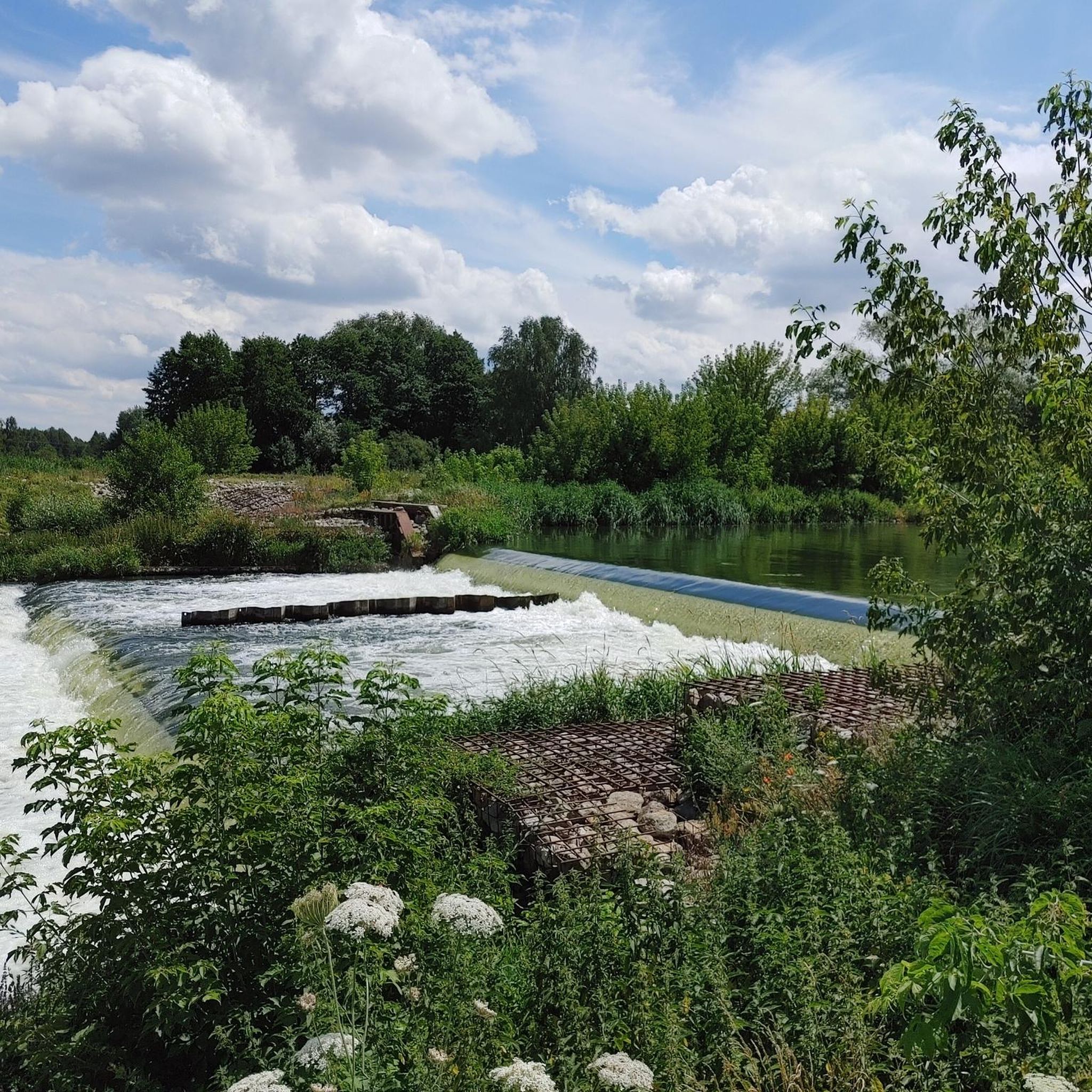
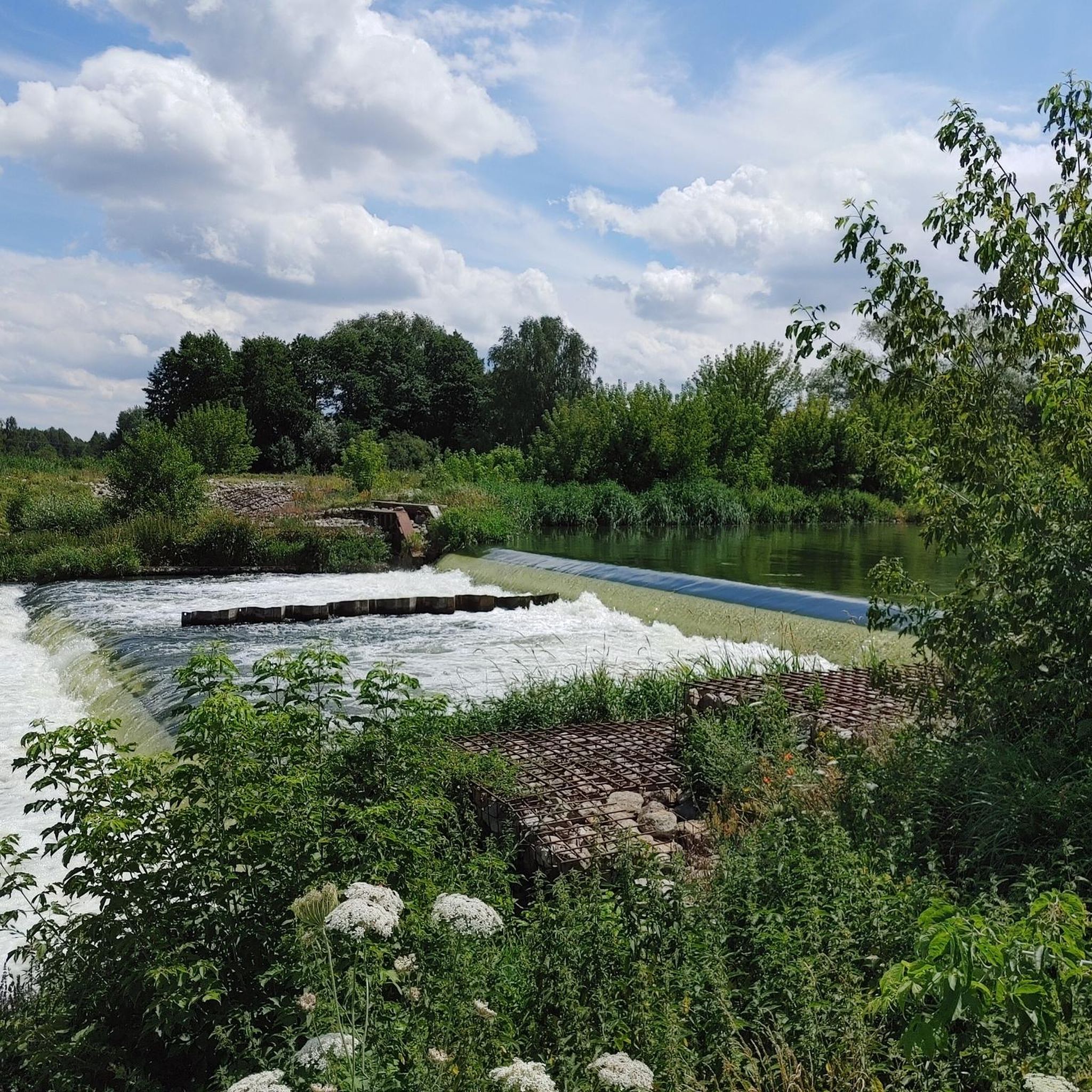
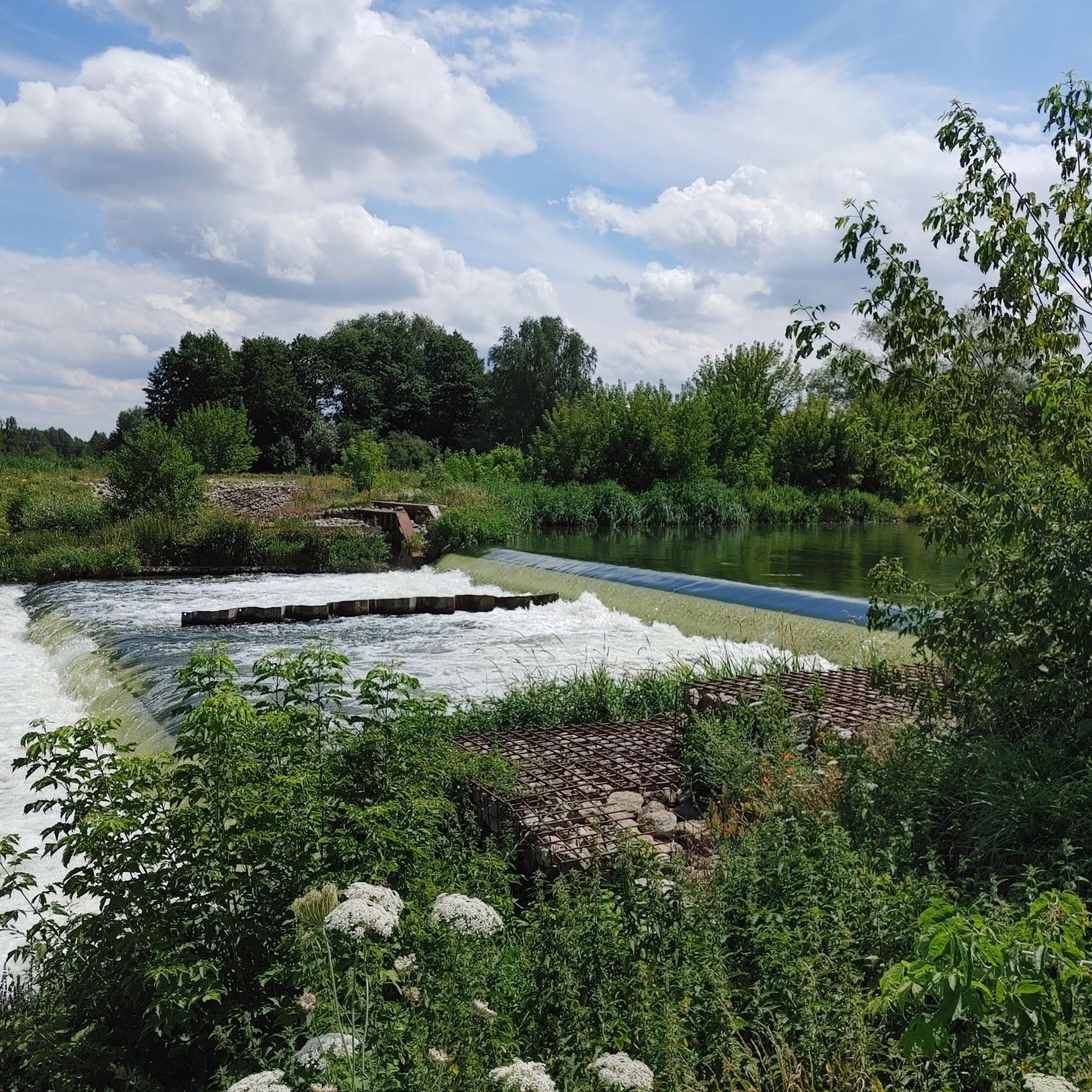
View of Jeziorsko Reservoir
Highlight • Lake
Translated by Google •
Tip by
Jeziorsko Reservoir
Highlight • Lake
Tip by

Sign up for free to discover even more attractions around gmina Dobra.
Sign up for free
Already have an account?
Start today with a free account
Your next adventure awaits.
Login or Signup

Tips from the Community

Uniejów Castle is one of the city's most important attractions, picturesquely situated on the left bank of the Warta River. Built between 1360 and 1365 at the initiative of Archbishop Jarosław Bogoria Skotnicki, it replaced an earlier wooden stronghold. For centuries, it served defensive, administrative, and residential functions, and after renovations, it gained Renaissance and Baroque elements. It is surrounded by a romantic landscape park with rare trees, perfect for strolling. Today, the castle houses a hotel, restaurant, and conference center, and the entire structure can be visited, admiring the restored interior and 25-meter-high tower.
2
0
The Jeziorsko Reservoir on the Warta River is the largest body of water in the Łódź Voivodeship, created in the 1980s for flood control and water retention purposes. Its surface area exceeds 40 km² when full and its length reaches approximately 17 km. The reservoir is an important bird habitat – it houses an ornithological reserve protecting herons, terns, and cormorants, among others (Jeziorsko Reserve and Nadwarciański Protected Landscape Area). It is also an excellent spot for observing sunsets and natural changes in the Warta Valley.
1
0

It is a Gothic building from the 14th century, founded by the Archbishop of Gniezno – Bogoria Skotnicki, rebuilt in the 16th century. As a result of the war operations in 1939, it was seriously damaged: the roof was burned down and the western gable with the vault collapsed. Right after the war (1945–1946), it was rebuilt and painted in 1958. The greatest historical value in the church is: the Gothic presbytery from the 14th century, side altars from the 17th century. In the chapel of Blessed Bogumił there is a sarcophagus made in bronze in 1667 in Gdańsk.
0
0
The original wooden church, funded by the owners of Siedlątków, the Ubyszek family, was built in the 15th century. Around 1684, a new, single-nave brick church was built in its place. Fieldstone and brick were used as materials. It was later plastered. The presbytery is rectangular in shape. The wider nave was originally two-bay. It was later extended westwards by one bay. Sections of the old façade have been preserved inside. In the presbytery, there is a barrel vault with modest stucco decoration at the seams. In the naves, there is a barrel vault with lunettes, and in the sacristy, a ceiling. The main, Renaissance altar with the miraculous painting of Our Lady of Siedlątków burned down in 1957. The current one is a copy from 1958. The side, late Renaissance altar from the mid-17th century was enriched with painted scenes from the life of St. Isidore. The second, late Renaissance side altar is dated to the mid-17th century. Other monuments of the church include: three processional crosses from the 18th century, a sculpture of St. John of Nepomuk, a Rococo monstrance from 1781, a chalice from the 17th century, a chalice from the beginning of the 17th century and chasubles from the turn of the 18th and 19th centuries. In the 1970s, the church in Siedlątków was to be dismantled and moved to another location. All because of the construction of the largest artificial reservoir in central Poland, Jeziorsko. Ultimately, it was decided to leave it on the embanked headland.
0
0

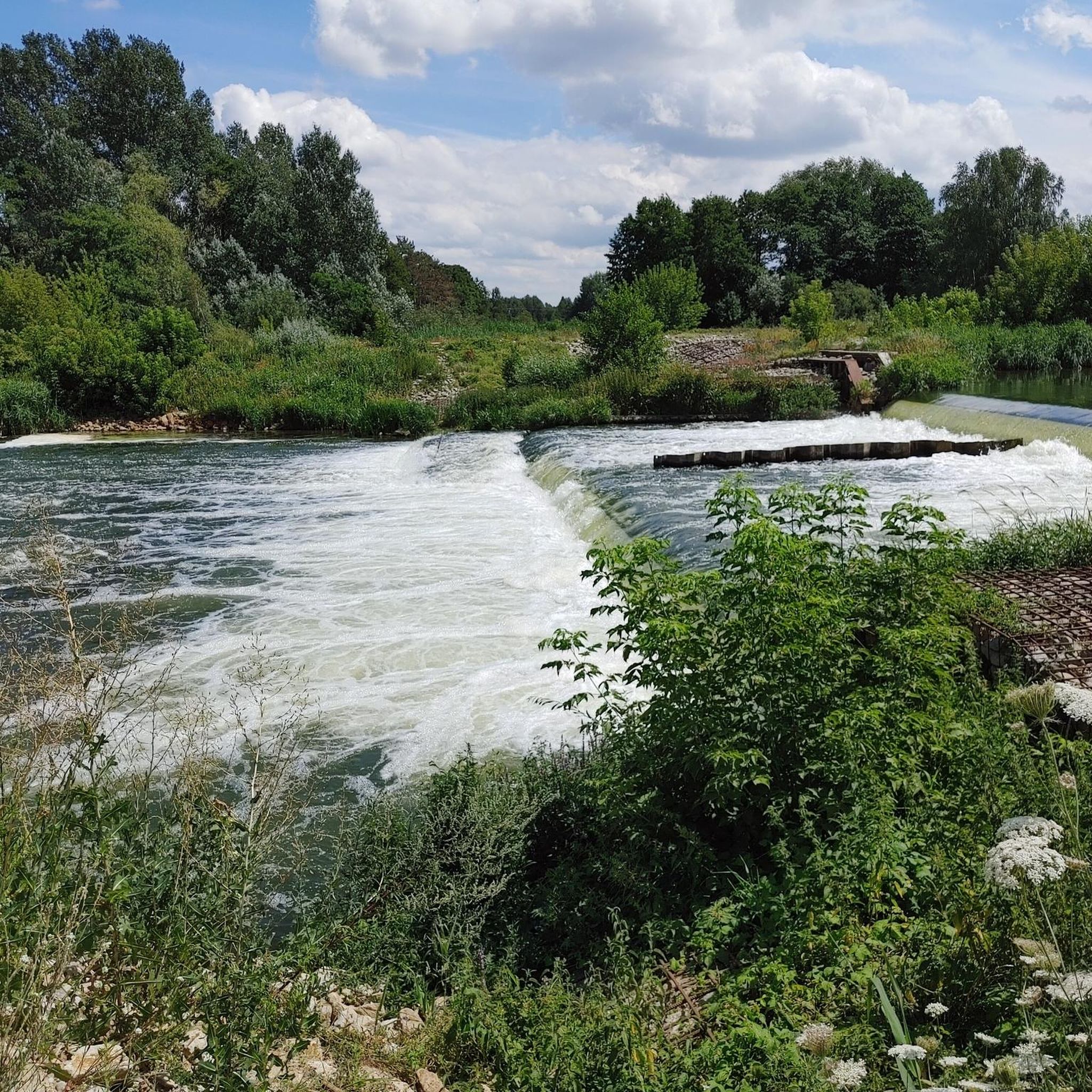
The dam reservoir on the Warta River, the largest reservoir and retention reservoir in the Łódź region, with an area of 42.3 km² and a capacity of 202.8 million m³. Located in the Poddębice and Sieradz counties of the Łódź Voivodeship and in a smaller part of the Turkish County of the Greater Poland Voivodeship, between the city of Warta in the south and the town of Skęczew in the north, where the dam is located. from Wikipedia
0
0

I recommend going straight to the other end of the dam and going down the stairs, where the water flows from the dam and joins the river.
0
0

2024 - ticket cost PLN 15 and PLN 10 reduced.
0
0
Frequently Asked Questions
What natural attractions and viewpoints can I explore in Gmina Dobra?
Gmina Dobra offers several natural highlights. You can visit View of Jeziorsko Reservoir, which provides perspectives of the largest body of water in the Łódź Voivodeship and is an important bird habitat. Other significant natural areas include Mogielica Mountain, featuring a lookout tower for panoramic views, and Łopień Mountain, home to the Zbójnicka Cave, unique Łopień Bogs, and the Widny Zrąbek viewpoint at Jaworze Glade. The entire Łopień area is part of the "Uroczysko Łopień" Natura 2000 site.
Are there any historical landmarks or sites of cultural significance in the region?
Yes, Gmina Dobra is rich in history. You can explore Uniejów Castle, a picturesque 14th-century castle on the Warta River, which now houses a hotel and restaurant. Other historical sites include St. Małachowski Park in Dobra, the former PKP Railway Station building and its impressive railway bridge, and the Primary School in Stróża, where the first Officer's Rifle School in Polish lands was founded by Józef Piłsudski. The region also has various monuments commemorating World War I and II.
What religious sites are notable in Gmina Dobra?
The area features several historic churches that are part of the Małopolska Wooden Architecture Route, such as the Church of Saints Simon and Jude Thaddeus in Dobra, the Church of Our Lady of Perpetual Help in Jurków, and the Church of Saint Nicholas Bishop in Skrzydlna. Additionally, the Collegiate Church of the Assumption of the Blessed Virgin Mary in Uniejów, a Gothic building from the 14th century, is a significant religious landmark. The Sanctuary of Our Lady of the Scapular in Dobra and the Rosary Way to Ćwilin Mountain also offer spiritual journeys.
Are there family-friendly attractions around Gmina Dobra?
Many attractions in Gmina Dobra are suitable for families. The Jeziorsko Reservoir is a great spot for outdoor activities, offering a beach and opportunities for observing nature. Uniejów Castle, with its historical appeal and surrounding park, can also be an engaging visit for families. The natural areas like Łopień Mountain provide gentle exploration opportunities.
What outdoor activities can I do near these attractions?
The area around Gmina Dobra is excellent for various outdoor activities, especially cycling. You can find numerous routes for touring bicycles, gravel biking, and road cycling. For example, there are routes like the 'Jeziorsko Observation Tower – Jeziorsko Reservoir loop' for touring bicycles, or the 'Uniejów Castle – Uniejów Castle loop' for gravel biking. You can explore more options and detailed routes on the Cycling around gmina Dobra, Gravel biking around gmina Dobra, and Road Cycling Routes around gmina Dobra guide pages.
What is the largest body of water in the region?
The largest body of water in the Łódź Voivodeship, and a significant feature of the region, is the Jeziorsko Reservoir. This retention reservoir on the Warta River covers an area of over 40 km² and is known for its importance as a bird habitat.
Are there any unique cultural events in Gmina Dobra?
Yes, Gmina Dobra is known for the unique cultural event called Dziady Śmiguśne. This national tradition is celebrated on Easter Monday and attracts numerous tourists, offering a glimpse into local customs and festivities.
What is the significance of the Primary School in Stróża?
The Primary School in Stróża holds historical importance as the site where the first Officer's Rifle School in Polish lands was established in 1913. Józef Piłsudski was among its founders and lecturers. A commemorative plaque was unveiled here in 2017 to mark the 100th anniversary of Poland's independence.
Can I visit the interior of Uniejów Castle?
Yes, Uniejów Castle, originally built between 1360 and 1365, has been restored and now houses a hotel, restaurant, and conference center. Visitors can explore the entire structure, admire the restored interiors, and ascend its 25-meter-high tower.
What do visitors enjoy most about the attractions around Gmina Dobra?
Visitors particularly appreciate the blend of natural beauty and historical depth. The expansive views from the View of Jeziorsko Reservoir and the historical significance of sites like Uniejów Castle are frequently highlighted. The serene environment of the reservoir and the opportunity to explore ancient structures are also popular among the komoot community.
Are there any historical figures associated with Gmina Dobra?
Yes, Stanisław Małachowski, a former owner of the Dobra estate and founder of a folk school in 1788, is commemorated in St. Małachowski Park. Additionally, Leopold Węgrzynowicz (1881-1960), an ethnographer and regionalist who promoted youth tourism, is buried in the parish cemetery in Dobra.
Where can I see examples of wooden architecture in the area?
Gmina Dobra is home to several historic churches that are part of the Małopolska Wooden Architecture Route. These include the Church of Saints Simon and Jude Thaddeus in Dobra, the Church of Our Lady of Perpetual Help in Jurków, and the Church of Saint Nicholas Bishop in Skrzydlna, showcasing traditional regional craftsmanship.

Get inspired with the komoot mobile app


Explore more
Still not found the Highlight you’re looking for? See guides of the top attractions in other regions:
