Attractions and Places To See around Wągrowiec - Top 12
Best attractions and places to see around Wągrowiec, a town in west-central Poland, offer a blend of historical landmarks and natural features. Situated in the ethnographic region of Pałuki, the area is characterized by its surrounding lakes, most notably Lake Durowskie. Wągrowiec's history is closely linked to the Cistercian monks who founded the town. The region provides diverse points of interest for visitors.
Best attractions and places to see around Wągrowiec
- The most popular attractions is Lake Durowskie, a…
Last updated: July 29, 2026
Church of the Annunciation of the Blessed Virgin Mary in Popowo Kościelne
Highlight • Religious Site
Translated by Google •
Tip by

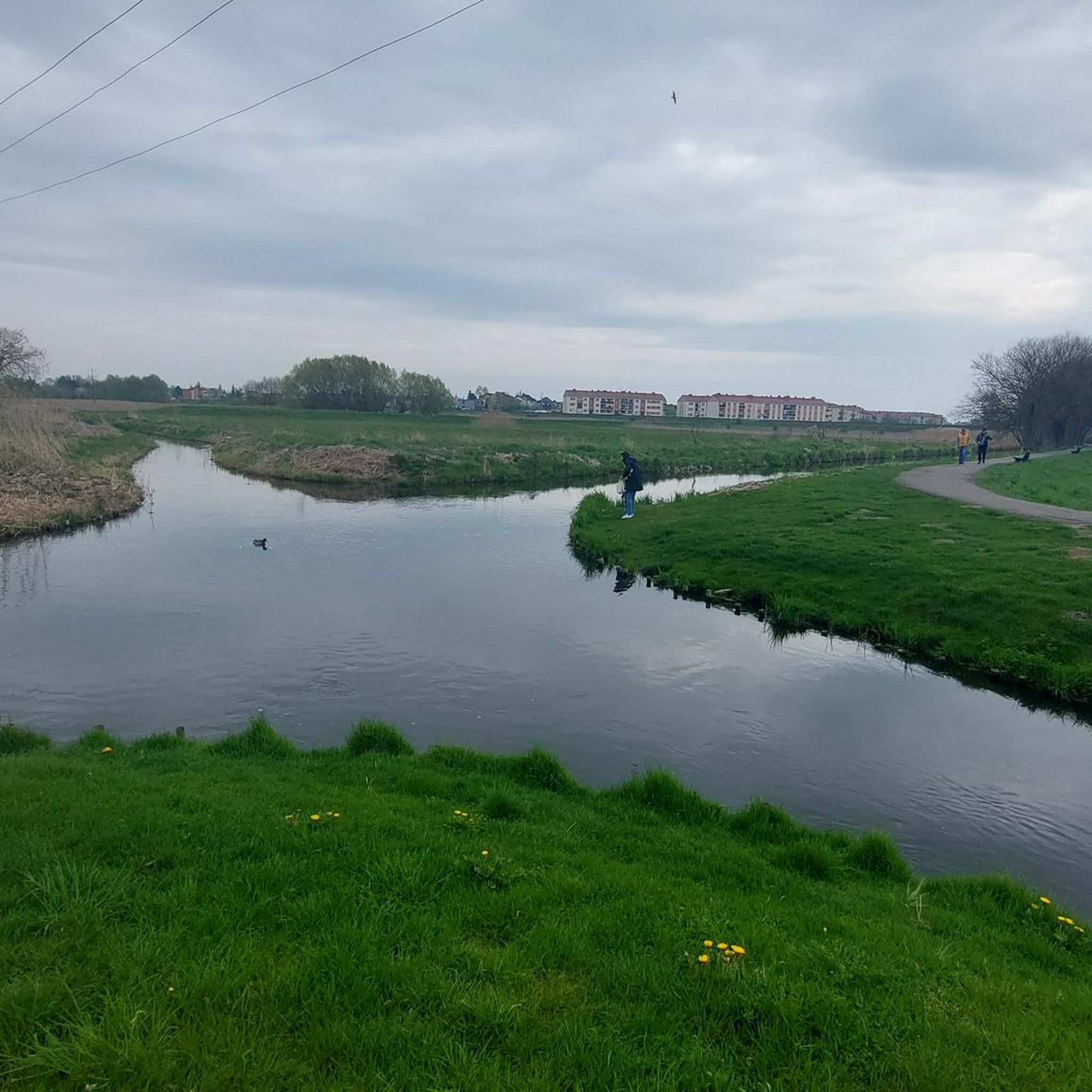
Confluence of the Wełna and Nielba Rivers
Highlight • River
Translated by Google •
Tip by

Sign up now to discover places like this
Get recommendations on the best single tracks, peaks, & plenty of other exciting outdoor places.
Sign up for free
Wooden Church of St. Catherine in Potulice
Highlight • Religious Site
Translated by Google •
Tip by
Cistercian Monastery in Wągrowiec
Highlight • Religious Site
Translated by Google •
Tip by

Lake Durowskie
Highlight • Lake
Translated by Google •
Tip by

Sign up for free to discover even more attractions around Wągrowiec.
Sign up for free
Already have an account?
Start today with a free account
Your next adventure awaits.
Login or Signup

Tips from the Community

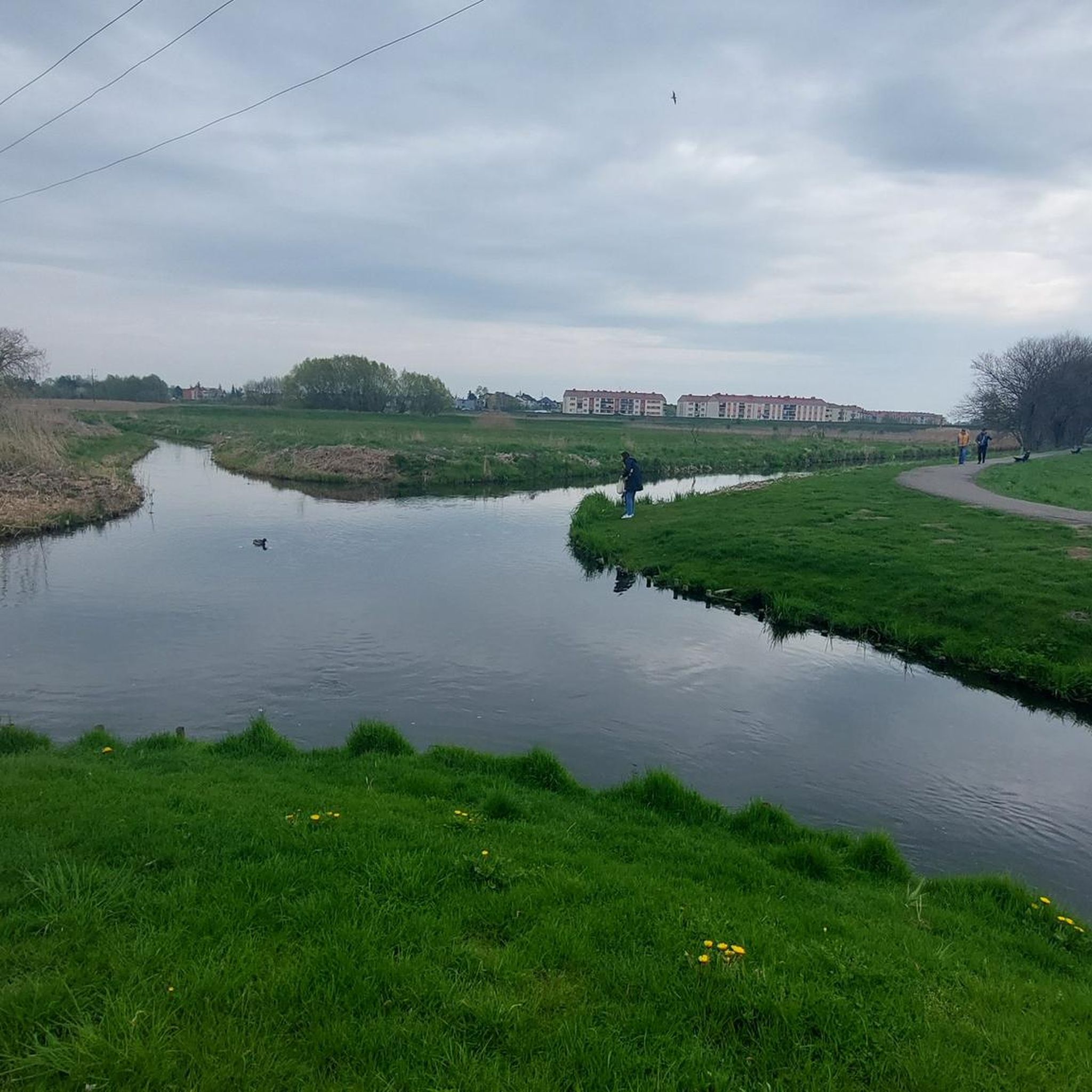
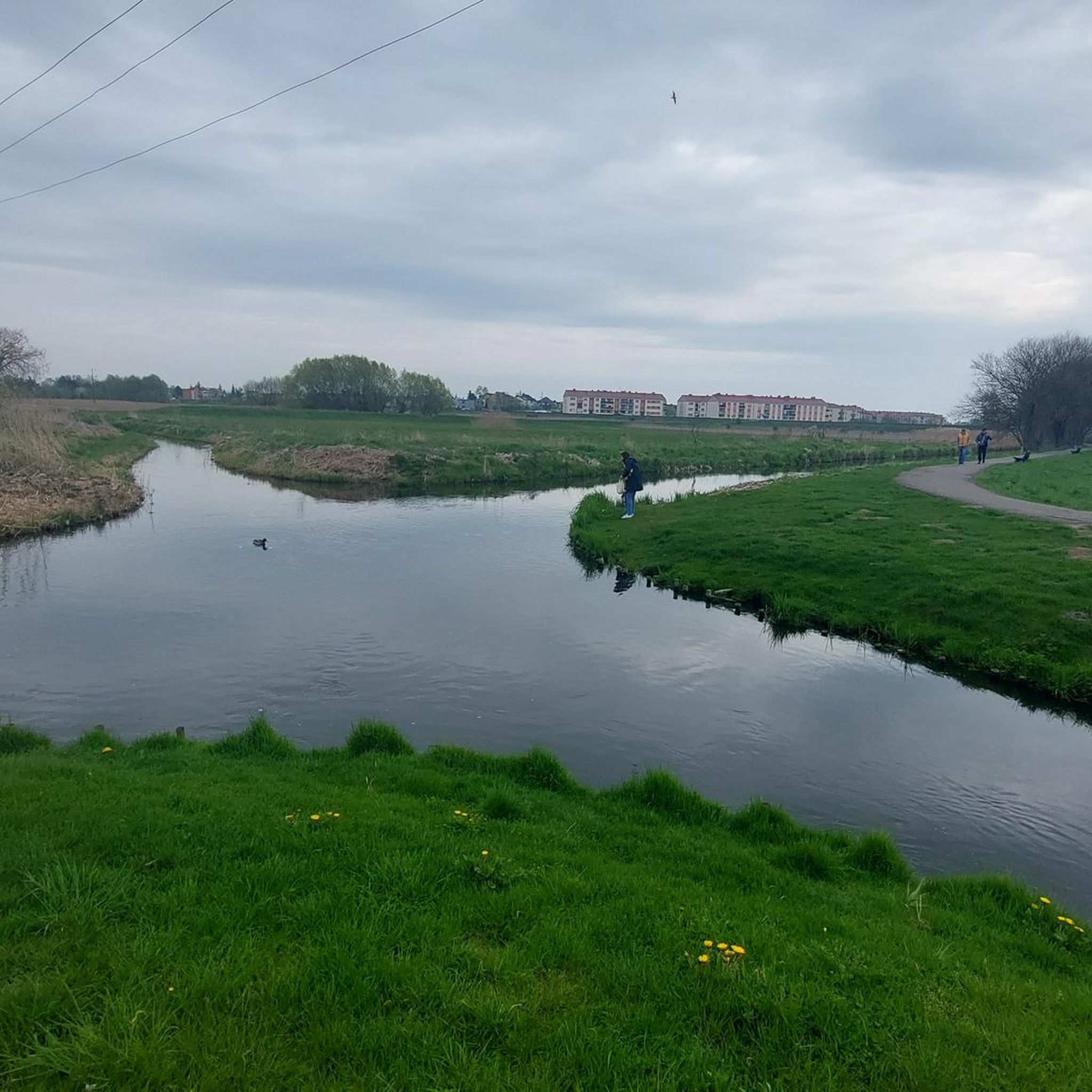
The only river crossing in Poland, the second in Europe in Wągrowiec, although very impressive, is not a natural phenomenon. It was created during drainage works in 1830. They changed the place where the Nielba flows into the Wełna, so that it falls exactly at the point where the Wełna flows apart. This solution was designed by Adalbert Schulemann from Bydgoszcz in order to protect Wągrowiec (then called Wongrowitz) from being flooded by flood waters of both rivers. Drainage works were also intended to ensure that the Wełna waters were adequately dammed during droughts, so that a water mill could operate on it. (wagrowiec.pl)
0
0

The building dates from 1629, erected on the site of an earlier church from before 1423. It was rebuilt after the destruction in 1730 by the parish priest Stanisław Łepkowski. In 1863 the church was renovated and covered with slate. Noteworthy is the interior (17th-18th century) and a number of chapels (from 1926) with figures around the church. In the church itself, 17th-century coffin portraits, including a portrait of the founder, Stanisław Zagórski from Zagorzyce, have been preserved on the side walls. An interesting puzzle is the matter of the family coat of arms - the coat of arms of Grzymała appears on Stanisław's coffin cartouche. However, in the upper part and in the frontage of the Baroque side altar, there is Ostoja, the coat of arms of the Zagórski family. One of the portraits hanging on the right side wall comes from the 18th century and shows a priest, most probably Stanisław Łepkowski.
1
0
The wooden church of St. Catherine from 1728, covered with shingles, with a tower with a baroque helmet. Inside, there is a rococo main altar from around 1778, 2 late baroque altars from the construction period and a stone baroque baptismal font from the second half of the 17th century. A brick chapel of the Bieganski tomb from around 1856 adjoins the church from the north.
1
0

There is a beautiful promenade by the lake, which can also be used by bike.
0
0
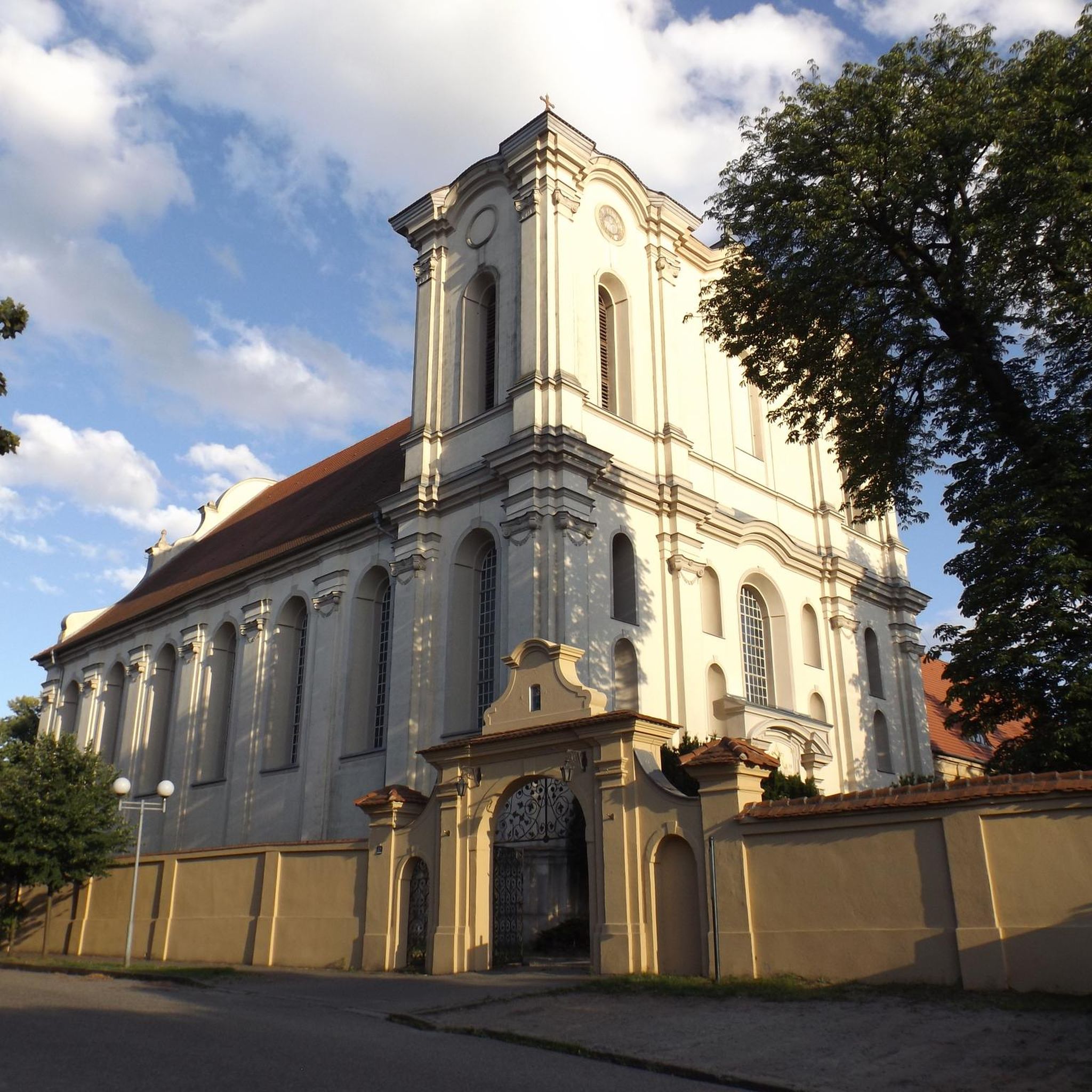
The complex in Wągrowiec is from the 15th century, the east wing was rebuilt between 1501 and 1528. After a major fire in 1747, the monastery was rebuilt on the Gothic foundations. The cloister is to the right of the church. The church in Wągrowiec was consecrated in 1493. The existing church is a plaster building from the end of the 18th century, a three-nave vaulted hall with a two-tower facade. It was destroyed in 1945 and rebuilt between 1946 and 1952. Source: Wikipedia
1
0

Right-angle crossing of Wool and Nielba, often incorrectly referred to as bifurcation. However, this is not a natural phenomenon - it was made by a man, it was created as a result of drainage works carried out by the Cistercians around 1830 (wikipedia)
2
0

A promenade along the shore leads to Hotel Pietrak. There is a lido in front of the hotel.
0
0
Frequently Asked Questions
What unique natural phenomena can I explore in Wągrowiec?
Wągrowiec is home to a rare and intriguing natural feature: the crossing of the Nielba and Wełna rivers. This phenomenon, often referred to as a bifurcation, was engineered by Cistercian monks around 1830 for drainage and flood protection. You can visit this unique spot at the Confluence of the Wełna and Nielba Rivers.
What historical and religious sites are prominent in Wągrowiec?
The town has a rich history tied to the Cistercian monks. You can visit the Baroque former Cistercian complex and church, dating from the latter half of the 18th century. Another significant site is the late-Gothic parish church, St. Jacob the Apostle's Church, from the 16th century, which features an interesting belfry and a monument to Jakub Wujek, a famous Jesuit and Bible translator.
Are there any notable wooden churches in the Wągrowiec area?
Yes, the region boasts several picturesque wooden churches. Among them is the Church of the Annunciation of the Blessed Virgin Mary in Popowo Kościelne, dating from 1629, known for its 17th-18th century interior. Another is the Wooden Church of St. Catherine in Potulice from 1728, featuring a rococo main altar. Also, consider visiting St. Anne's Wooden Church, Podlesie Kościelne, built in 1712.
What outdoor activities and trails are available around Wągrowiec?
Wągrowiec offers various outdoor activities, especially around Lake Durowskie. You can enjoy running on trails like the "Running loop from Durowo" or "Jezioro Durowskie loop from Nowe Miasto" found in the Running Trails around Wągrowiec guide. For cyclists, there are road cycling routes such as the "Neptune Statue in Wągrowiec loop from Wągrowiec" in the Road Cycling Routes around Wągrowiec guide. Hikers can explore easy paths like the "Durowskie Lake loop from Wągrowiec" from the Easy hikes around Wągrowiec guide.
Are there family-friendly attractions in Wągrowiec?
Yes, Wągrowiec offers several family-friendly options. The Lake Durowskie area is perfect for families, with a municipal bathing beach, water equipment rental, and a promenade. The Aquapark Wągrowiec is another great choice, featuring recreation pools, an 80-meter slide, a rushing river, and jacuzzis. The Dancing Fountain in the Market Square also provides entertaining multimedia shows daily from spring to autumn.
Where can I learn more about the history and culture of Wągrowiec?
The Regional Museum in Wągrowiec, housed in an 18th-century building at 15 Opacka St., is an excellent place to delve into the city's past. Established in 1987, it showcases historical and ethnographic objects related to Wągrowiec and the surrounding region, also engaging in archaeological research and educational activities.
Is there a good place for views or observation points in Wągrowiec?
Yes, you can visit the Observation Tower (Wieża Widokowa - Wspinalnia). This historic Volunteer Fire Brigade climbing wall was restored in 2008 and now features a viewing terrace at its summit, offering panoramic views of the area.
What is the Pyramid of Łakiński?
The Pyramid of Łakiński (Grobowiec Piramida Rotmistrza Franciszka Łakińskiego) is a unique pyramid-shaped tomb commemorating Captain Franciszek Łakiński, a captain in Napoleon's army. This 10-meter-high pyramid was built before his death and is associated with a prophecy about Poland regaining independence.
Are there any forest reserves or natural areas for wildlife spotting near Wągrowiec?
Yes, the Dębina Forest Reserve, located 4 km west of the town center, is an ideal spot. This reserve is home to numerous 270-year-old oak trees, including the impressive "Korfanty," and protects 38 species of trees and shrubs. It is also a known habitat for grey herons, offering opportunities for wildlife observation.
What can I expect from the revitalized Market Square in Wągrowiec?
The Market Square, beautifully revitalized in 2009, offers a charming atmosphere. It features picturesque tenements, a sundial, a wind rose, and small cafes. It's a pleasant place to stroll, relax, and enjoy the town's ambiance, especially with the Dancing Fountain as a central attraction.
What is the best time to visit Wągrowiec for outdoor activities?
The best time to visit Wągrowiec for outdoor activities, especially around Lake Durowskie and for exploring trails, is typically from spring to autumn. During these seasons, the weather is generally pleasant for hiking, cycling, and enjoying water-based recreation. The multimedia shows at the Dancing Fountain also run from spring to autumn.
Is there a place to swim or enjoy water sports in Wągrowiec?
Absolutely. Lake Durowskie is a central point for tourism and recreation, featuring a municipal bathing beach and facilities for water equipment rental. Additionally, the Aquapark Wągrowiec provides a modern water and leisure park with various pools and slides for all ages.
Most popular routes around Wągrowiec

Get inspired with the komoot mobile app


Explore more
Still not found the Highlight you’re looking for? See guides of the top attractions in other regions:
