Attractions and Places To See around Drawno - Top 20
Attractions and places to see around Drawno are primarily centered within the Drawieński National Park, a region in the West Pomeranian Voivodeship of Poland. This area is characterized by a post-glacial landscape featuring dense forests, numerous lakes, and the Drawa River basin. Visitors can explore a variety of natural features and historical sites, including remnants of past settlements and industrial heritage.
Best attractions and places to see around Drawno
- The most popular attractions is Ostrowite Historic Maple Avenue, a…
Last updated: August 11, 2026
Springe Historic Cemetery
Highlight • Historical Site
Translated by Google •
Tip by

Town church in Kalisz Pomorski
Highlight • Religious Site
More information: de.wikipedia.org/wiki/Kalisz_Pomorski, pl.wikipedia.org/wiki/Ko%C5%9Bci%C3%B3%C5%82_Matki_Bo%C5%BCej_Kr%C3%B3lowej_Polski_w_Kaliszu_Pomorskim and parafia.kaliszpom.pl/koscioly/kalisz-pomorski
Translated by Google •
Tip by

Sign up now to discover places like this
Get recommendations on the best single tracks, peaks, & plenty of other exciting outdoor places.
Sign up for free
Ostrowite Historic Maple Avenue
Highlight • Historical Site
Two shelters, it's worth taking a break in this place.
Translated by Google •
Tip by

Kamienna Hydroelectric Power Plant
Highlight • Monument
Translated by Google •
Tip by

Ruins of the Church and Cemetery in Ostrowite
Highlight • Historical Site
Translated by Google •
Tip by
Sign up for free to discover even more attractions around Drawno.
Sign up for free
Already have an account?
Start today with a free account
Your next adventure awaits.
Login or Signup

Tips from the Community

Ruins of a church from the 18th century. The church survived the last war and masses were held here until 1962. Later it was abandoned and fell into ruin. Today only the external walls remain. There is no roof and no tower. Next to it are the remains of an old, post-German cemetery. The gravestones are destroyed. The gravestone with blacksmith's insignia draws attention.
3
1
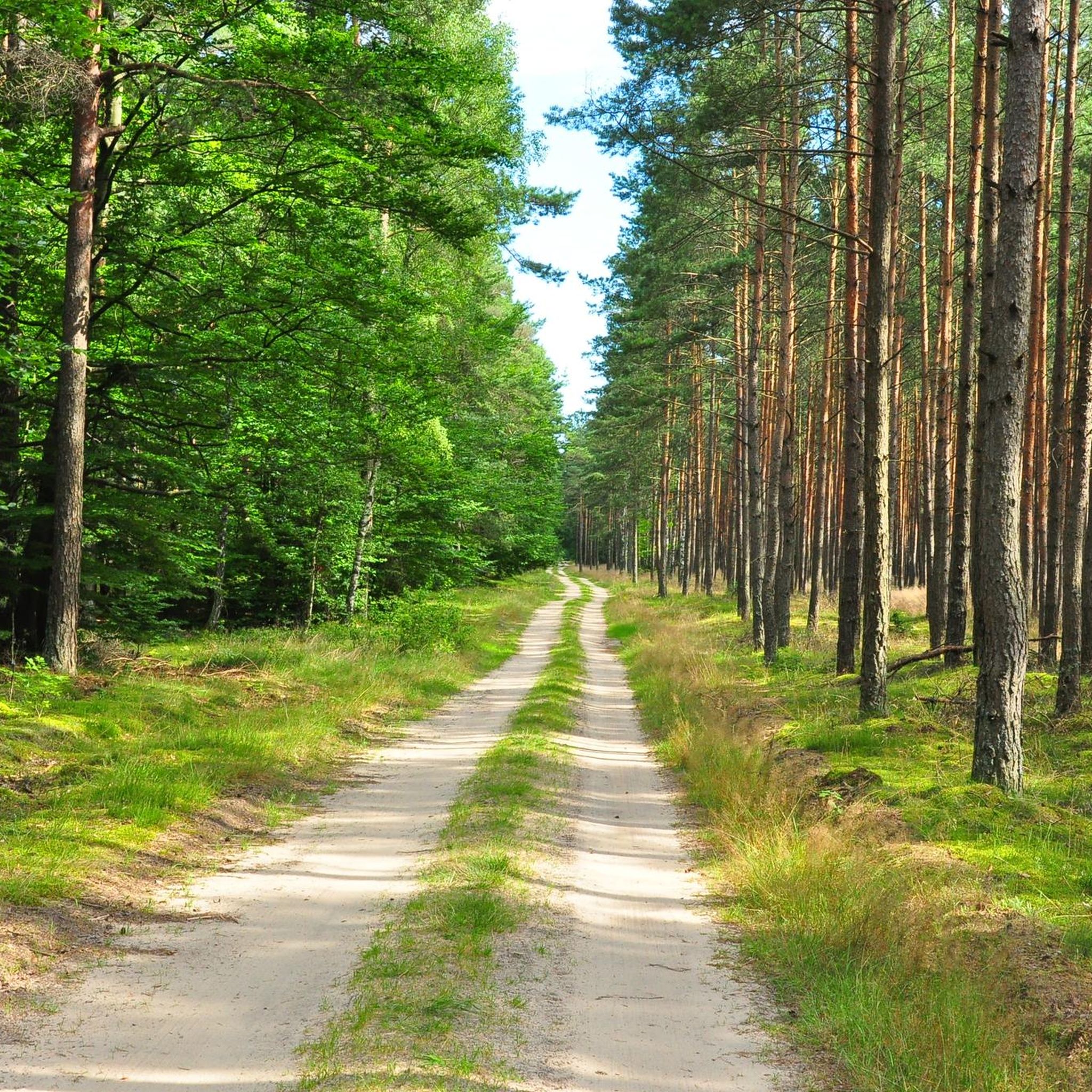
A small settlement of Ostrowite located in the heart of the Drawieński National Park. It was founded in 1588 by a representative of the Wedel-Rüdiger family from Drawno. In 1820, the village became the property of the von Sydow family from Głusk. There was a forge here, and a water mill on the Płociczna. The settlement has preserved 4 half-timbered buildings built for forest workers. A beautiful, historic maple alley leads through the center of the settlement.
5
1

The church in Ostrowite was built in the 18th century. However, the first temple existed here already in the 16th century, as evidenced by the remains of the floor from that period. The last masses were celebrated here in 1962. Inside there was an 18th-century altar with older figures of saints and the Virgin Mary with Child, which was moved to the parish church in Dobiegniew. The remains of the church were subjected to conservation in the early 21st century and secured as a permanent ruin. The brick and stone walls were reinforced with concrete bands.
0
0

The church was built in the years 1772-1781. The former medieval church was destroyed in a fire in 1771 and was demolished. The new church was built according to the design of the builder Holsche from Berlin. The building represents the classicist style. It is a single-body, rectangular hall church with a presbytery on the longitudinal axis of the eastern facade and a tower on the axis of the western facade. The church was built on a stone foundation made of brick and plastered. The interior is covered with a wooden ceiling, mirrored and plastered. A historic rectory is located next to the church.
1
1

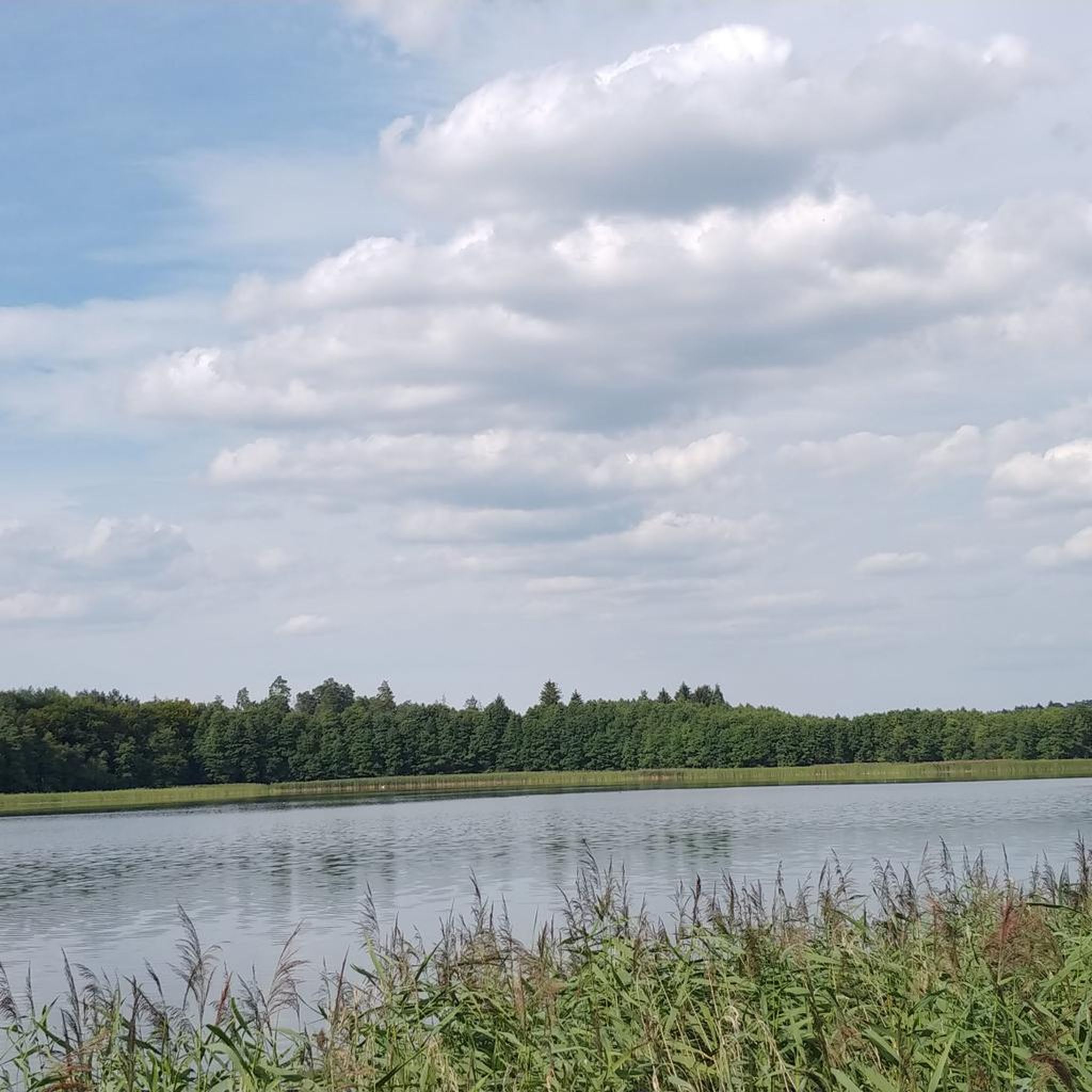
The historic settlement of Ostrowite at the Ostrowite lake (Ostrowskie lake). Charming half-timbered houses, a path, the remains of a church and a church cemetery. Two shelters, it's worth taking a break in this place.
4
0
One of the oldest hydropower plants in Poland and Europe. In 1896, only 5 years after the construction of the first hydroelectric power plant in the world, the first works on the construction of a power plant on the Drawa River were undertaken. The beginning of the industrial operation of the power plant dates back to 1903. In 1921, the hydro power plant was included in the German national network. Until 1941, as part of the "Kaskady Drawa" project, it was planned to expand the existing power plant and build new ones in Barnim, Zatom, the former settlement of Springe (Dąbrowa) and in Mostniki. These plans were not implemented.
3
2
Within the Drawieński National Park, we can find five interesting closed Evangelical cemeteries. They are usually located near non-existent settlements such as Zietenfier (Sitno), Steinbuscher Glashütte (Podszkle), Springe (Dąbrowa), Lüdertswalde bei Mariental and one in still inhabited Ostrowite. They are characterized by unusual stone tombstones in the shape of a tree trunk, symbolizing the cut down tree of life. They are so precisely reproduced that after years, when they are partially covered with lichen, it is difficult to distinguish them from real trunks. In Springe there is also an interesting tombstone in the shape of an open book. Since 2014, the DPN has started to renovate the cemeteries, the area of the necropolis has been cleaned, fenced and information boards have been set up, on which we can read the history of a given place. And so we will learn that the village of Spinge was founded after the Thirty Years' War as a grange and a sheepfold. There was a watermill and a brickyard here. An industrial railway with a length of 22 km was even built here, which was used to transport milk, cheese and bricks from the village. In its heyday, the village was inhabited by 212 people. On the other side of the road, opposite the cemetery, there was a school, and a bit further an inn. The village became depopulated in 1932. Today, the site of the village is located near the hamlet of Moczele.
3
2

Worth seeing town church in Kalisz Pomorski (Parafia pw. Matki Bożej Królowej Polski, Church of Our Lady Queen of Poland) in the center of the small town. More information: https://de.wikipedia.org/wiki/Kalisz_Pomorski, https://pl.wikipedia.org/wiki/Ko%C5%9Bci%C3%B3%C5%82_Matki_Bo%C5%BCej_Kr%C3%B3lowej_Polski_w_Kaliszu_Pomorskim and http://parafia.kaliszpom.pl/koscioly/kalisz-pomorski/
1
1
Frequently Asked Questions
What natural features can I explore in the Drawno area?
The Drawno area is dominated by the Drawieński National Park, which features a post-glacial landscape with dense forests, numerous lakes, and the Drawa River basin. You can explore natural beauty spots like the large Ostrowiec Lake and the unique Czerne Lake. The park is home to diverse flora and fauna, including 900 plant species and 130 nesting bird species.
Are there historical sites to visit around Drawno?
Yes, Drawno offers several significant historical sites. You can visit the Springe Historic Cemetery, known for its unique stone tombstones shaped like tree trunks. The Ostrowite Historic Maple Avenue leads through a historic settlement with half-timbered houses and the Ruins of the Church and Cemetery in Ostrowite. Another notable site is the Kamienna Hydroelectric Power Plant, one of the oldest in Poland and Europe, which began industrial operation in 1903.
What kind of outdoor activities can I do near Drawno's attractions?
The Drawieński National Park offers a wide range of outdoor activities. You can enjoy walking, cycling, horse riding, kayaking on the Drawa River, and fishing. For specific routes, consider exploring the easy hikes around Drawno, or if you prefer mountain biking, check out the MTB trails around Drawno.
Are there family-friendly attractions in the Drawno region?
Many attractions in the Drawno region are suitable for families. The Drawieński National Park itself offers educational trails, such as the 5 km route around Ostrowiec Lake. The Ostrowite Historic Maple Avenue and the nearby settlement with its half-timbered houses provide an interesting and accessible historical experience. The Town church in Kalisz Pomorski is also listed as family-friendly.
Where can I find easy hiking trails around Drawno?
There are several easy hiking trails available near Drawno, particularly within the Drawieński National Park. You can find routes like the Jezioro Dominikowskie – Cmentarzysko kurhanowe loop or a general hiking loop from Drawno. More details and options are available in the Easy hikes around Drawno guide.
What is the significance of the cemeteries in Drawieński National Park?
Within the Drawieński National Park, you'll find several historic Evangelical cemeteries, such as the Springe Historic Cemetery and the cemetery next to the Ruins of the Church and Cemetery in Ostrowite. These cemeteries are unique for their stone tombstones shaped like tree trunks, symbolizing the 'cut down tree of life.' Renovation efforts have been made to preserve these sites, with information boards detailing their history.
Can I go mountain biking near Drawno?
Yes, the area around Drawno offers mountain biking opportunities. There are moderate MTB trails available, such as the Chomętowo Palace Ruins – Barmimie Campsite loop. You can explore various routes in the MTB Trails around Drawno guide.
What is the Kamienna Hydroelectric Power Plant and why is it important?
The Kamienna Hydroelectric Power Plant is a significant historical and industrial site near Drawno. It is one of the oldest hydropower plants in Poland and Europe, with its construction on the Drawa River beginning in 1896 and industrial operation starting in 1903. It represents an early achievement in hydroelectric engineering.
Are there any running trails in the Drawno area?
Yes, there are running trails available around Drawno. You can find moderate routes like the Dudek loop from Jaworze or the Jezioro Dominikowskie loop from Dominikowo. For more options, refer to the Running Trails around Drawno guide.
What is the Ostrowite settlement known for?
The historic settlement of Ostrowite, located in the heart of the Drawieński National Park, was founded in 1588. It is known for its charming half-timbered houses, a historic maple alley, and the ruins of an 18th-century church and an old, post-German cemetery. It offers a glimpse into the region's past and provides a peaceful setting for visitors.
What is the best time to visit Drawno National Park?
The Drawieński National Park is beautiful year-round, but the best time to visit largely depends on your preferred activities. Spring and autumn offer pleasant temperatures for hiking and cycling, with vibrant foliage in autumn. Summer is ideal for kayaking and water activities on the Drawa River and lakes. The park's diverse flora and fauna can be observed throughout the warmer months.
Most popular routes around Drawno

Get inspired with the komoot mobile app


Explore more
Still not found the Highlight you’re looking for? See guides of the top attractions in other regions:
