Attractions and Places To See around gmina gmina gmina Czaplinek - Top 20
Best attractions and places to see around gmina gmina gmina Czaplinek are found within the Drawsko Lakeland, a region characterized by its glacial terrain and numerous lakes. The area features Lake Drawsko, one of Poland's deepest lakes, alongside historical sites and preserved medieval urban layouts. Visitors can explore natural features like the Drawski Landscape Park and cultural landmarks that reflect the region's past. This area offers a mix of outdoor activities and historical exploration.
Best attractions and places to see…
Last updated: July 15, 2026
Rail trail in Cieszyno
Highlight • Cycleway
Overnight accommodation in the old station building in Cieszyno.
More information: achim-bartoschek.de/bahneur_pl.htm#pl01_05, rowery.wzp.pl/stary-kolejowy-szlak-15 and rezydencja-starydworzec.pl /
Translated by Google •
Tip by

Old Railway Trail: Połczyn-Złocieniec Bike Path
Highlight (Segment) • Cycleway
Translated by Google •
Tip by

Sign up now to discover places like this
Get recommendations on the best single tracks, peaks, & plenty of other exciting outdoor places.
Sign up for free
Old Railway Cycle Route: Połczyn-Zdrój to Złocieniec (Part 1)
Highlight (Segment) • Cycleway
Showing Translation
Tip by
Drahim Castle Ruins
Highlight • Castle
Historical sources attribute the construction of the castle in Drahim to the knightly order of the Knights of St. John at the end of …
Translated by Google •
Tip by

Wał Pomorski Military Open-Air Museum in Zdbice
Highlight • Historical Site
Translated by Google •
Tip by

Sign up for free to discover even more attractions around gmina gmina gmina Czaplinek.
Sign up for free
Already have an account?
Start today with a free account
Your next adventure awaits.
Login or Signup
Popular around gmina gmina gmina Czaplinek

Tips from the Community

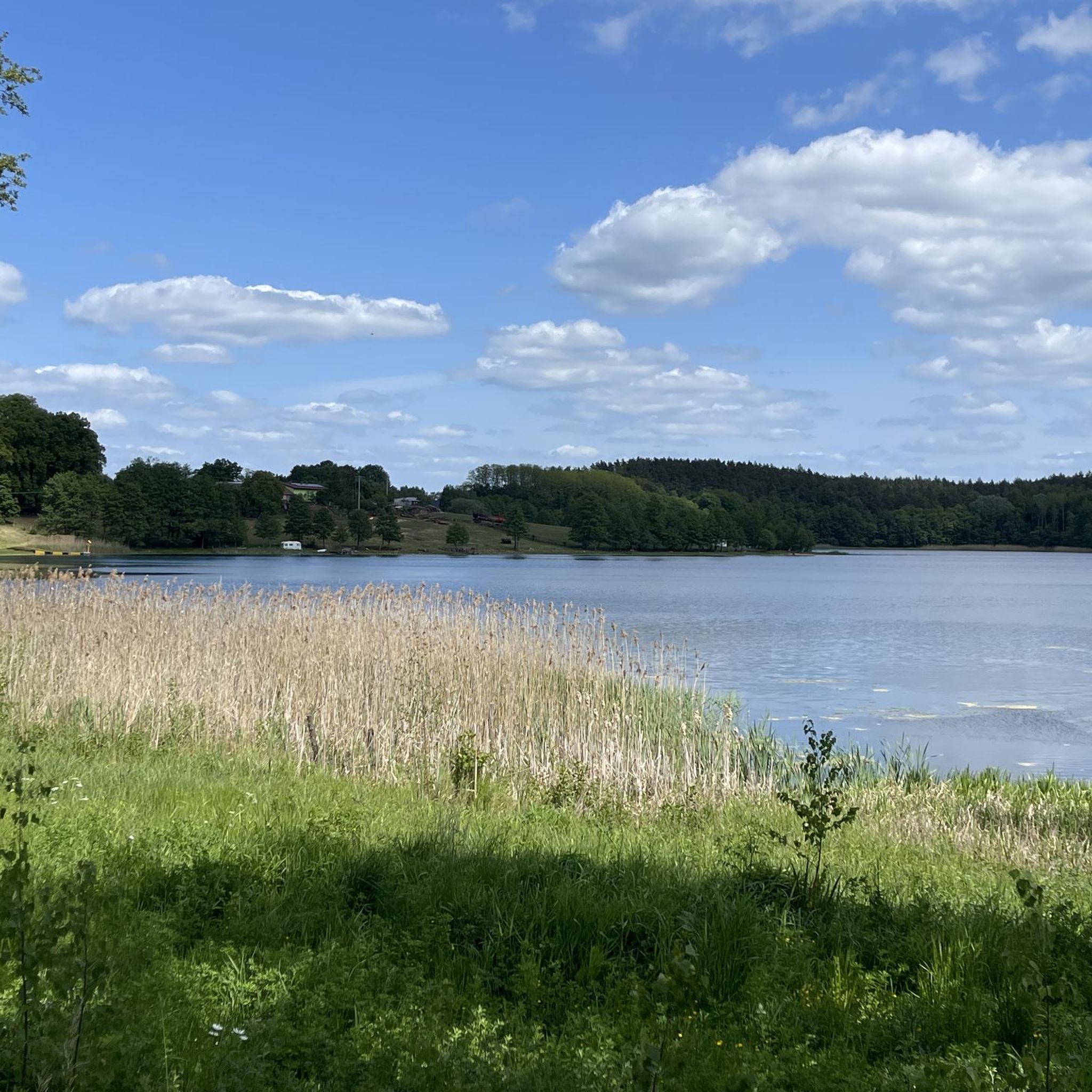
We also had to realize that the railway cycle path has seen better days in some places. Many cracks in the asphalt and on the edges. In May 2026, there were hardly any cyclists around, so we could easily ride around the mentioned spots. A really beautiful landscape and tour from Zlocieniec to Polczyn-Zdroj .
0
0

Interesting arrangement, but the ticket price of 25 PLN (August 2025) doesn't encourage a quick visit. If I were to come here and sit for three hours, that's fine, but by bike, not so much...
1
0

A beautiful, and if you want, a fast route.
3
0

The establishment of the open-air museum is connected with the decision made in 1980 to create the Central Remembrance Region of the 1st Polish Army in the Zdbice area. The plan had a very broad program and consisted of the intention to create a kind of panorama of the battles of 1945. Some of the works were carried out (e.g. on Lake Smolne and in Zdbice), others were never implemented. The army was involved in the creation of the project, among others. One of the elements of the Remembrance Region was the creation of a large open-air museum of combat and engineering equipment used by the Polish side during the battles for the Pomeranian Wall. It was organized along the eastern slope of the Zdbiczno Lake gutter, slightly to the northwest of the village. The intention was for the exhibition to illustrate the attack of one of the battalions of the 12th Infantry Regiment on the German positions and fortifications located on the other bank of the river. On the Polish side, rifle trenches and earthen combat bunkers were made. A large amount of mobile equipment was also exhibited: mortars, cannons, tanks and Katyushas (some of them did not take part in the fighting for this area at all). A large parking lot and pavilions for tourists were set up by the road. Ultimately, a monumental monument to the conquerors of the Pomeranian Wall was to be built here, which was never built. An approximately three-kilometer educational trail was marked out from the parking lot along the German fortifications to the Morzyca farm. The area around the open-air museum is rich in memorabilia of World War II - combat bunkers and bunkers. In the summer of 2012, the open-air museum was very neglected. The pavilions by the parking lot were in ruins, and only three exhibits of the equipment by the parking lot remained: a T-34 tank, a howitzer and an anti-aircraft gun. However, there was a Room of National Remembrance located in the centre of the village with an exhibition entitled Forest as a Witness to the Battle of the Pomeranian Wall – objects evidencing the destruction of the tree stand in 1945 (e.g. shrapnel stuck in tree trunks), weapons and ammunition, photographs, maps and soldier documents were exhibited here.
0
0

Is it possible to recharge the bike's batteries somewhere along this route?
0
2

A fragment of a bicycle path built on the trace of a former narrow-gauge railway. Good surface, minimal elevation gain, no car traffic, nice views make this route an ideal place for those who shy away from the idea of a bike ride. It's worth it
2
0

The ruins of the castle were added to the monument register in 1959 and are now managed by the private Motor and Technology Museum in Otrębusy as a showcase of medieval architecture. It lies on an isthmus between Lake Dratzig in the west and Lake Sareben in the east (Polish: Jezioro Drawsko and Jezioro Srebrne).
2
0

Very scenic corner. The railway line is unfortunately getting old in some places, but is still very passable.
2
1
Frequently Asked Questions
What natural features can I explore in Gmina Czaplinek?
Gmina Czaplinek is rich in natural beauty, centered around Lake Drawsko, the second deepest lake in Poland, perfect for water activities and featuring Bielawa Island. You can also visit the Drawski Landscape Park, which includes the scenic "Dolina Pięciu Jezior" (Valley of Five Lakes) Reserve. Don't miss the impressive Tempelburg Erratic Boulder near Cichorzecze, a glacial remnant.
Are there opportunities for cycling in the Gmina Czaplinek area?
Yes, cycling is a popular activity. The most notable route is the Old Railway Trail: Połczyn-Złocieniec Bike Path, an over 30 km asphalt path built on a former railway line, offering beautiful scenery through hilly terrain, meadows, and forests. You can find more cycling routes, including moderate and difficult options, in the Cycling around Gmina Czaplinek guide.
What historical sites can I visit in Gmina Czaplinek?
The region boasts several historical sites. Explore the Drahim Castle Ruins, a significant point of interest with a long history. Another key site is the Wał Pomorski Military Open-Air Museum in Zdbice, dedicated to the battles of 1945. Additionally, the Sławogród Historic Settlement offers a reconstructed medieval experience.
Where can I go hiking around Gmina Czaplinek?
The Drawski Landscape Park provides excellent hiking opportunities, especially within the "Dolina Pięciu Jezior" Reserve with its picturesque lakes and beech forests. For specific routes, you can check the Hiking around Gmina Czaplinek guide, which lists trails like the easy Church of Piaseczno loop or moderate routes around Drawsko Lake.
Are there any notable churches or religious buildings in the area?
Yes, Gmina Czaplinek features several historic churches. The Holy Trinity Church in Czaplinek is a Gothic/Baroque structure dating back to the 15th century. The Church of the Exaltation of the Holy Cross in Czaplinek, built in a Neo-Romanesque style, is also impressive. Additionally, the Church in Broczyno is unique for its 16-sided rotunda shape.
What family-friendly attractions are available in Gmina Czaplinek?
Families can enjoy the Old Railway Trail: Połczyn-Złocieniec Bike Path for easy cycling. The Drahim Castle Ruins and the Wał Pomorski Military Open-Air Museum in Zdbice offer engaging historical exploration. The Sławogród Historic Settlement provides an interactive glimpse into medieval life with traditional crafts and animal enclosures, making it a great option for children.
Can I enjoy water activities on Lake Drawsko?
Absolutely. Lake Drawsko is ideal for various water activities. You can take cruises on the "Perkoz" tourist boat to explore its vastness and visit Bielawa Island. The lake's depth and size also make it suitable for swimming, kayaking, and other water sports.
What is the best time of year to visit Gmina Czaplinek for outdoor activities?
The best time to visit Gmina Czaplinek for outdoor activities is typically from late spring through early autumn (May to September). During these months, the weather is generally pleasant for cycling, hiking, and water sports on Lake Drawsko, allowing you to fully enjoy the region's natural beauty.
What is the Old Town of Czaplinek like?
Czaplinek has preserved its medieval urban layout, which is still visible today. The central point of the Old Town is its rectangular market square, measuring 80x65 meters. Exploring the Old Town offers a glimpse into the town's historical structure and charm.
Are there any unique natural monuments to see?
Beyond the larger natural areas, Gmina Czaplinek features unique natural monuments. The Tempelburg Erratic Boulder, a massive granite rock near Cichorzecze, is a striking remnant of glacial activity. Additionally, the Kamienna Droga (Stone Road) in Pławno showcases the historical use of glacial erratic boulders as building material.
What kind of outdoor activities are popular in Gmina Czaplinek?
Gmina Czaplinek is a hub for outdoor enthusiasts. Popular activities include cycling, especially on the Old Railway Trail, and hiking through the scenic Drawski Landscape Park. Water sports on Lake Drawsko, such as kayaking and boat cruises, are also highly favored due to the region's numerous lakes.
Can I experience medieval history in Gmina Czaplinek?
Yes, you can immerse yourself in medieval history. The Drahim Castle Ruins offer a tangible connection to the past, dating back to the 14th century. For a more interactive experience, the Sławogród Historic Settlement provides a reconstructed medieval stronghold where you can observe traditional crafts and daily life.
Most popular routes around gmina gmina gmina Czaplinek
Most popular attractions around gmina gmina gmina Czaplinek

Get inspired with the komoot mobile app


Explore more
Still not found the Highlight you’re looking for? See guides of the top attractions in other regions:
