Attractions and Places To See around Wierzchowo - Top 20
Best attractions and places to see around Wierzchowo include historical landmarks and opportunities for outdoor activities. The region offers picturesque landscapes suitable for cycling and hiking. Wierzchowo is situated in an area with a rich history, including sites potentially linked to the Knights Templar. There are 3 highlights waiting to be explored in this area.
Best attractions and places to see around Wierzchowo
- The most popular attractions is Rail trail in Cieszyno, a cycle way that follows an old…
Last updated: November 1, 2026
Rail trail in Cieszyno
Highlight • Cycleway
Overnight accommodation in the old station building in Cieszyno.
More information: achim-bartoschek.de/bahneur_pl.htm#pl01_05, rowery.wzp.pl/stary-kolejowy-szlak-15 and rezydencja-starydworzec.pl /
Translated by Google •
Tip by

Old Railway Cycle Route: Połczyn-Zdrój to Złocieniec (Part 1)
Highlight (Segment) • Cycleway
Showing Translation
Tip by

Sign up now to discover places like this
Get recommendations on the best single tracks, peaks, & plenty of other exciting outdoor places.
Wał Pomorski Military Open-Air Museum in Zdbice
Highlight • Historical Site
Translated by Google •
Tip by

Holy Trinity Church in Czaplinek
Highlight • Religious Site
Translated by Google •
Tip by

Tempelburg Boulder
Highlight • Natural Monument
The circumference of the boulder is 19.5 m, and the height above the ground: 3.5 …
Translated by Google •
Tip by
Sign up for free to discover even more attractions around Wierzchowo.
Already have an account?
Start today with a free account
Your next adventure awaits.

Tips from the Community

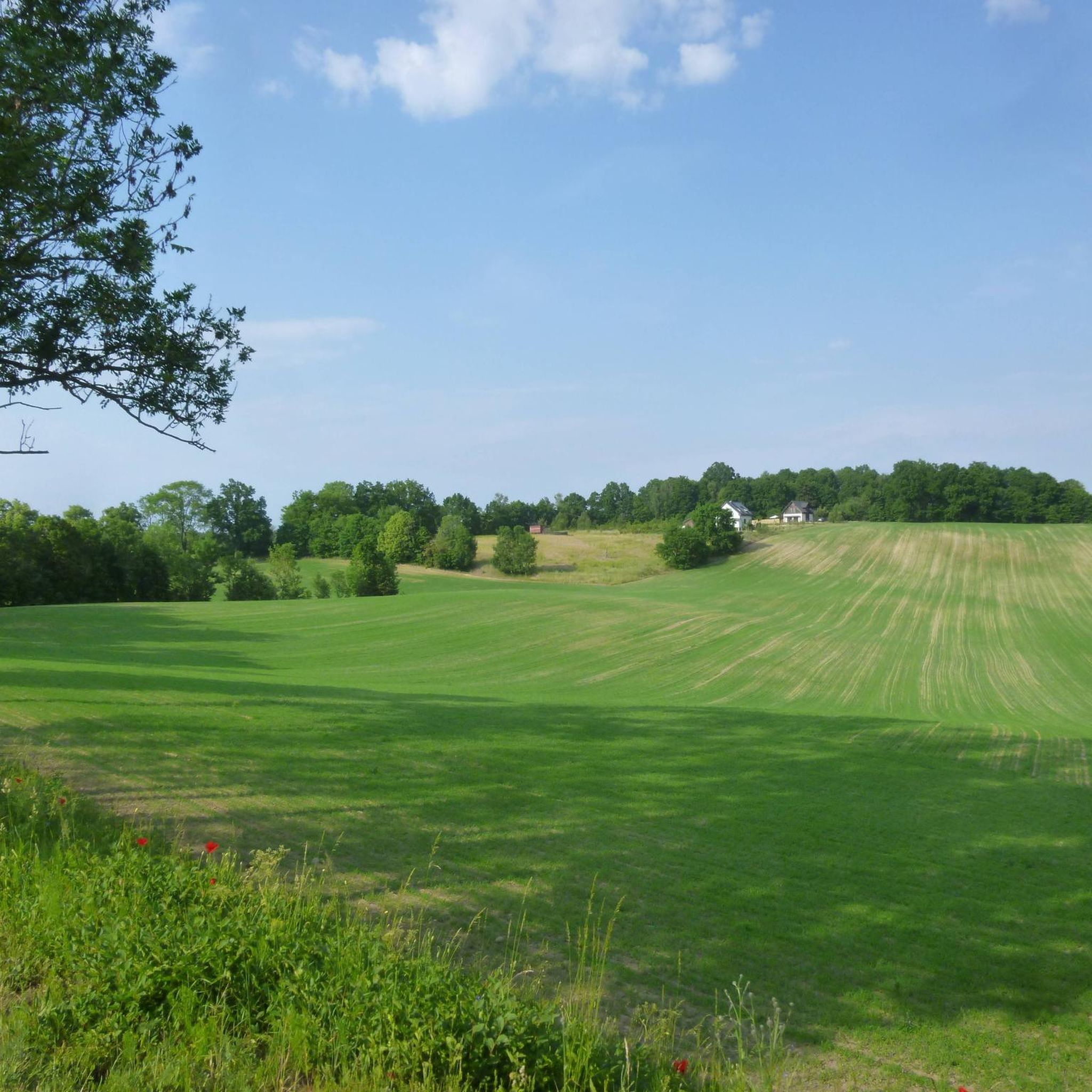
We also had to realize that the railway cycle path has seen better days in some places. Many cracks in the asphalt and on the edges. In May 2026, there were hardly any cyclists around, so we could easily ride around the mentioned spots. A really beautiful landscape and tour from Zlocieniec to Polczyn-Zdroj .
0
0

A beautiful, and if you want, a fast route.
3
0

The establishment of the open-air museum is connected with the decision made in 1980 to create the Central Remembrance Region of the 1st Polish Army in the Zdbice area. The plan had a very broad program and consisted of the intention to create a kind of panorama of the battles of 1945. Some of the works were carried out (e.g. on Lake Smolne and in Zdbice), others were never implemented. The army was involved in the creation of the project, among others. One of the elements of the Remembrance Region was the creation of a large open-air museum of combat and engineering equipment used by the Polish side during the battles for the Pomeranian Wall. It was organized along the eastern slope of the Zdbiczno Lake gutter, slightly to the northwest of the village. The intention was for the exhibition to illustrate the attack of one of the battalions of the 12th Infantry Regiment on the German positions and fortifications located on the other bank of the river. On the Polish side, rifle trenches and earthen combat bunkers were made. A large amount of mobile equipment was also exhibited: mortars, cannons, tanks and Katyushas (some of them did not take part in the fighting for this area at all). A large parking lot and pavilions for tourists were set up by the road. Ultimately, a monumental monument to the conquerors of the Pomeranian Wall was to be built here, which was never built. An approximately three-kilometer educational trail was marked out from the parking lot along the German fortifications to the Morzyca farm. The area around the open-air museum is rich in memorabilia of World War II - combat bunkers and bunkers. In the summer of 2012, the open-air museum was very neglected. The pavilions by the parking lot were in ruins, and only three exhibits of the equipment by the parking lot remained: a T-34 tank, a howitzer and an anti-aircraft gun. However, there was a Room of National Remembrance located in the centre of the village with an exhibition entitled Forest as a Witness to the Battle of the Pomeranian Wall – objects evidencing the destruction of the tree stand in 1945 (e.g. shrapnel stuck in tree trunks), weapons and ammunition, photographs, maps and soldier documents were exhibited here.
0
0

The temple is called a "small church" by the city's residents. The building was built at the turn of the 14th and 15th centuries on the site of a wooden castle of the Templars and the Hospitallers, and previously a Slavic stronghold[2], on a hill called "Kazimierzowski". The temple is oriented. Built as a squat building of field stone, it has features of the Gothic style with elements of Romanesque. However, multiple reconstructions after fires resulted in the obliteration of the original form. The church has no tower. The previously existing one burned down in 1725 and was not rebuilt. from Wikipedia
2
0

Tempelburg boulder - a natural monument, granite, the largest erratic boulder in the Czaplinek commune and the Drawskie Lake District. The boulder was much larger in ancient times, but over the centuries it was crushed for construction purposes. Tempelburg was the pre-war name of Czaplinek. The inscription "Tempelb 1858" (referring to Czaplinek) and "Plago" (German nave of nearby Pławno) are carved on the rock. For many years it served as a boundary stone, as the border of the Drahim Starosty ran through here.
2
0
Church of St. Holy Trinity in Czaplinek - Gothic/Baroque from the 15th century. Destroyed and rebuilt in 1753.
3
0

The Church of the Holy Trinity was built at the turn of the 14th and 15th centuries on the site where probably stood the wooden castle of the Knights Templar and the Knights of St John and the former Slavic fortress on a hill called “Kazimierzowski”. The towerless building made of field stone has Gothic features with Romanesque elements. Inside the church there is a unique baroque canopy altar. It is covered with a wooden, gilded canopy supported by six columns decorated with figures of angels. There are 19th century wings on the side of the altar. Next to the altar there is a wooden pulpit in the classicist style from 1823.
1
1

Very scenic corner. The railway line is unfortunately getting old in some places, but is still very passable.
2
1
Frequently Asked Questions
What historical sites can I visit around Wierzchowo?
The region offers several historical points of interest. You can explore the Wał Pomorski Military Open-Air Museum in Zdbice, which showcases combat and engineering equipment from the 1945 battles for the Pomeranian Wall. Another significant site is the Holy Trinity Church in Czaplinek, a Gothic/Baroque church built on a site with a rich history, possibly linked to the Knights Templar and an earlier Slavic fortress.
Are there good cycling routes around Wierzchowo?
Yes, the area is known for its excellent cycling opportunities, particularly along old railway lines. The Rail trail in Cieszyno and the Old Railway Cycle Route: Połczyn-Zdrój to Złocieniec (Part 1) offer scenic rides through hilly post-glacial terrain, meadows, and forests. These routes are often asphalted and feature stopping points along the way. For more cycling options, check out the Cycling around Wierzchowo guide.
Can I go hiking near Wierzchowo?
Absolutely. The picturesque landscapes around Wierzchowo are ideal for hiking. You'll find trails leading through diverse natural settings. For detailed routes and difficulty levels, refer to the Hiking around Wierzchowo guide, which includes options like the easy Kańsko loop or moderate trails around Jezioro Machliny Małe.
Are there family-friendly attractions in the Wierzchowo area?
Many attractions in the Wierzchowo area are suitable for families. The old railway cycle routes, such as the Rail trail in Cieszyno and the Old Railway Cycle Route: Połczyn-Zdrój to Złocieniec (Part 1), are great for family bike rides. The Wał Pomorski Military Open-Air Museum in Zdbice offers an engaging historical experience, and the Tempelburg Boulder is an interesting natural monument for all ages.
What natural features can I see around Wierzchowo?
Beyond the scenic routes, a notable natural feature is the Tempelburg Boulder. This granite natural monument is one of the largest erratic boulders in the Czaplinek commune and the Drawskie Lake District, with a circumference of 19.5 meters and a height of 3.5 meters above ground. The surrounding region also boasts diverse landscapes including meadows, forests, and swamps, particularly along the cycling paths.
What is the best time to visit Wierzchowo for outdoor activities?
The region around Wierzchowo is best enjoyed during the warmer months, typically from spring through early autumn. This period offers pleasant weather for cycling, hiking, and exploring historical sites. The natural scenery, including meadows and forests, is particularly vibrant during these seasons.
Are there options for gravel biking near Wierzchowo?
Yes, gravel biking is a popular activity in the area. You can find various routes that combine different terrains, offering a challenging and rewarding experience. Explore options like the 'Ryby Lubie Restaurant – Village church Linowo loop' or the 'Chlebowo Former Train Station – Rail trail in Cieszyno loop' in the Gravel biking around Wierzchowo guide.
What kind of terrain can I expect on the cycling and hiking trails?
The trails around Wierzchowo often traverse hilly post-glacial terrain, offering varied landscapes. You can expect to encounter meadows, dense forests, pastures, and even some swampy areas, particularly along the old railway lines. The cycling routes are frequently asphalted, providing a smooth ride through this diverse scenery.
What do visitors enjoy most about the attractions near Wierzchowo?
Visitors frequently praise the scenic beauty of the cycling routes, especially those built on old railway lines, noting their well-maintained asphalt surfaces and picturesque surroundings. The historical significance of sites like the Military Open-Air Museum and the ancient Holy Trinity Church also receives positive feedback, offering a glimpse into the region's past.
Is there accommodation available near the cycling routes?
Yes, for those looking to extend their cycling adventures, accommodation is available. For instance, along the Rail trail in Cieszyno, you can find overnight accommodation in the old station building in Cieszyno, offering a unique stay right on the route.
Are there any ancient landmarks or historical curiosities besides the main sites?
Beyond the prominent historical sites, the region holds subtle historical curiosities. The Holy Trinity Church in Czaplinek, for example, stands on a site believed to have been a wooden castle of the Knights Templar and Knights of St. John, and an earlier Slavic fortress. The Tempelburg Boulder also bears historical inscriptions, including its pre-war name, linking it to the area's past.
Most popular attractions around Wierzchowo

Get inspired with the komoot mobile app


Explore more
Still not found the Highlight you’re looking for? See guides of the top attractions in other regions:
