Attractions and Places To See around Dobrzany - Top 20
Best attractions and places to see around Dobrzany offer a mix of historical landmarks and natural landscapes. The region, located in the West Pomeranian Voivodeship of Poland, is characterized by its post-glacial terrain, rolling hills, and numerous lakes. Much of the area falls within the Ińsko Landscape Park, which features extensive forests, particularly beechwood. Visitors can explore historical sites and enjoy diverse outdoor activities.
Best attractions and places to see around Dobrzany
- The most popular attractions is Ińsko Beach,…
Last updated: August 11, 2026
Ińsko Observation Tower
Highlight • Viewpoint
Translated by Google •
Tip by

Pęzino Castle
Highlight • Castle
Translated by Google •
Tip by
Sign up now to discover places like this
Get recommendations on the best single tracks, peaks, & plenty of other exciting outdoor places.
Sign up for free
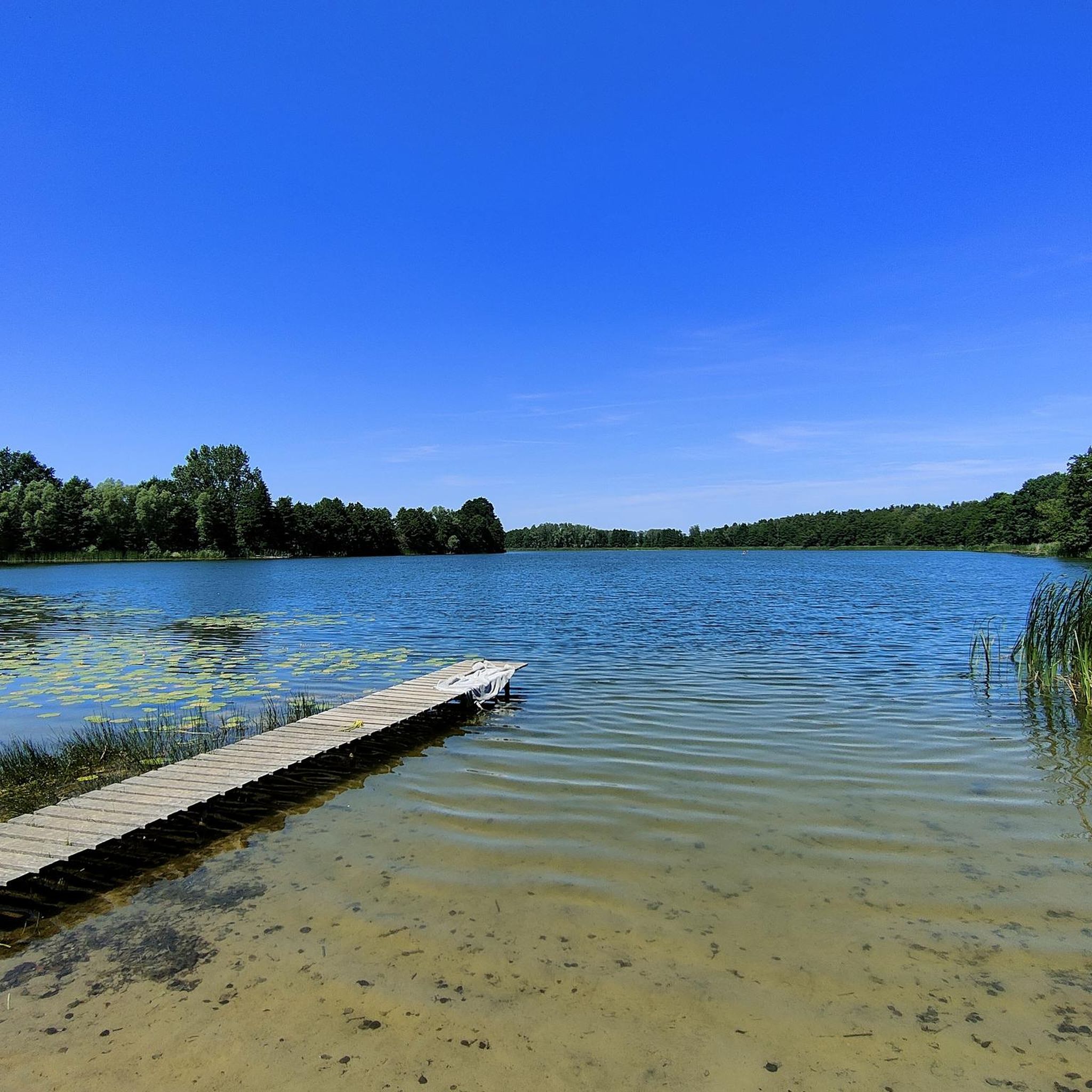
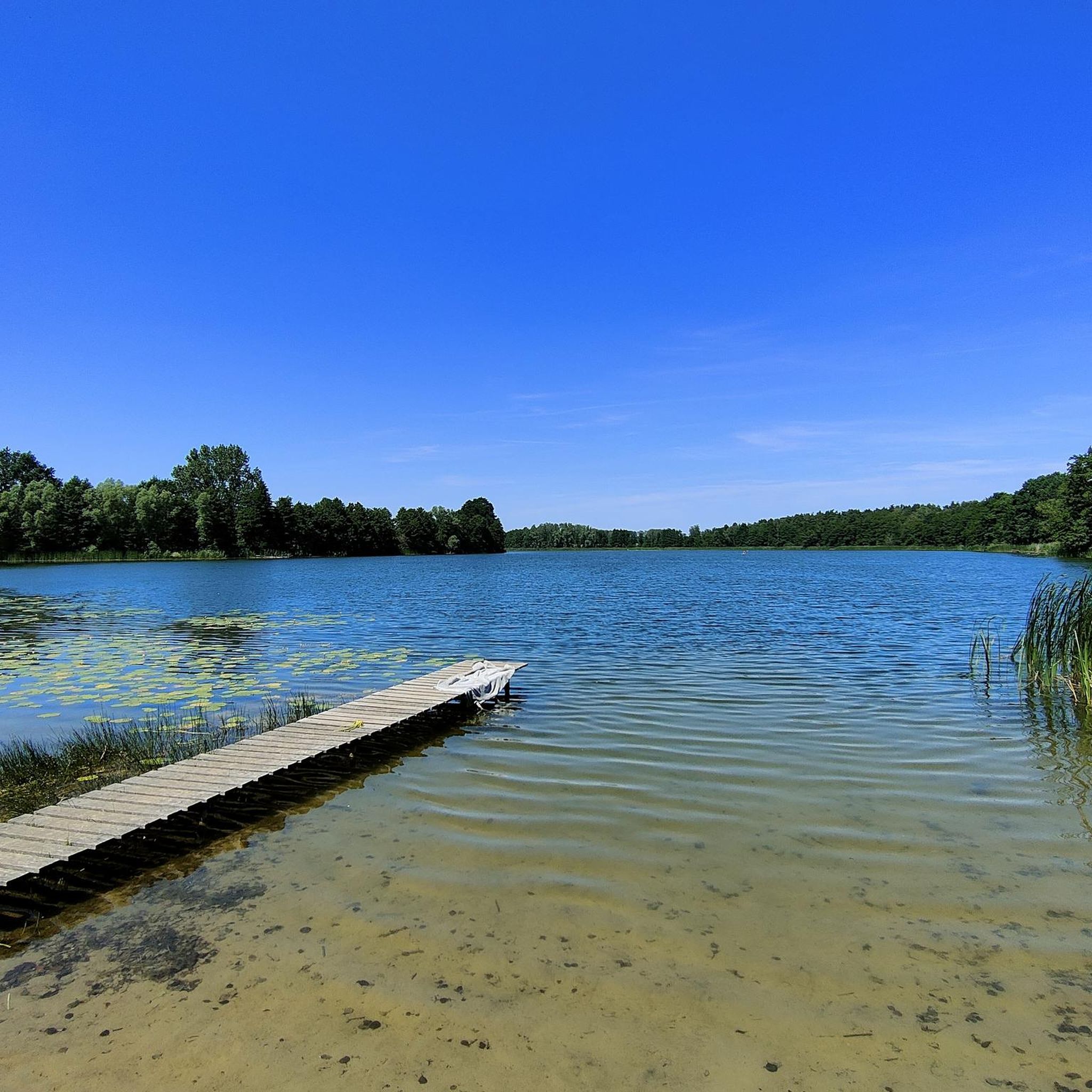
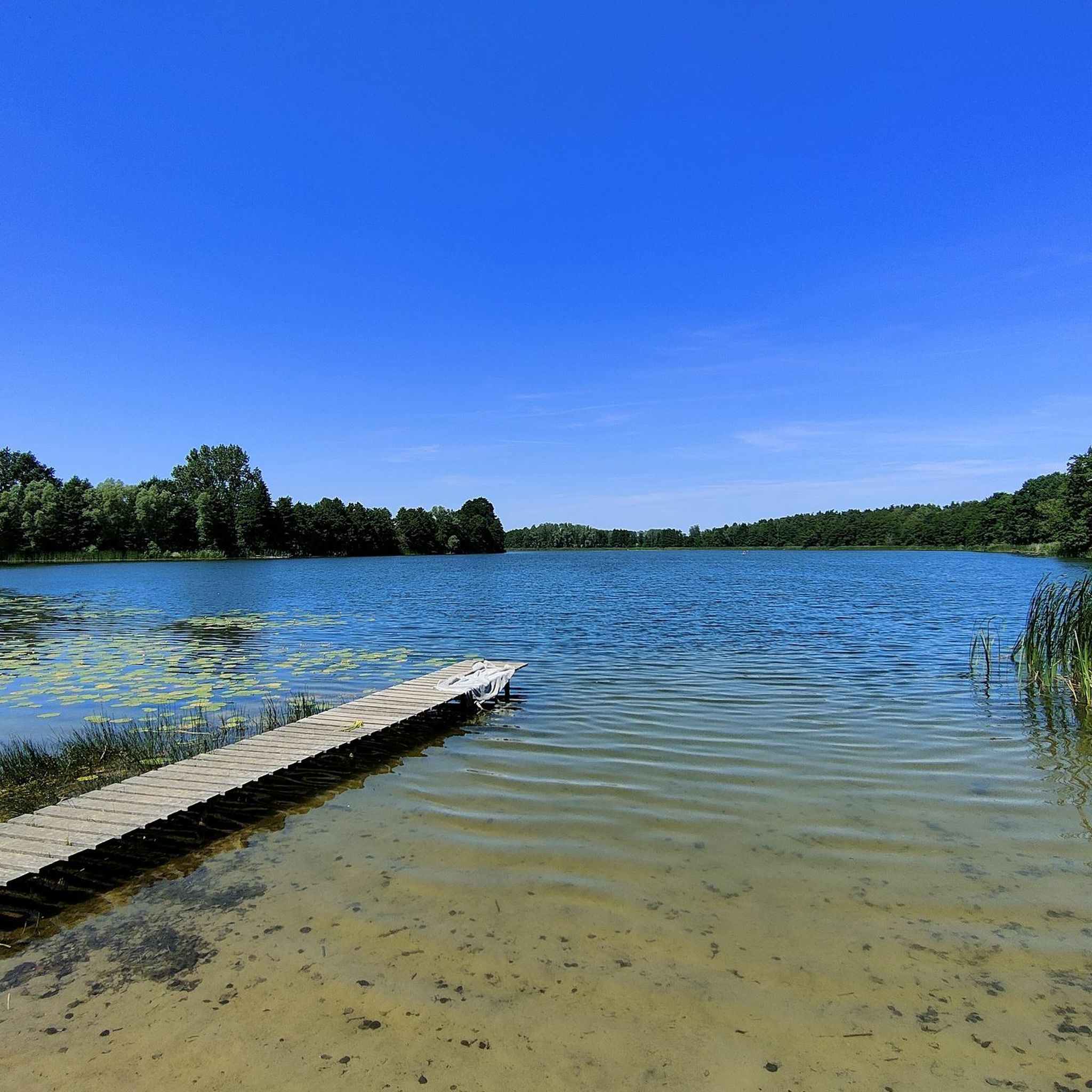
Ińsko Beach
Highlight • Beach
Showing Translation
Tip by

Cistercian Monastery Complex in Marianowo
Highlight • Historical Site
Translated by Google •
Tip by
West Pomeranian Lake District Route R20: Ińsko–Storkowo Bike Path
Highlight • Cycleway
Tip by

Sign up for free to discover even more attractions around Dobrzany.
Sign up for free
Already have an account?
Start today with a free account
Your next adventure awaits.
Login or Signup


Tips from the Community

Pęzino Castle is one of the best-preserved and most beautiful knightly and monastic castles in West Pomerania. This Gothic-Renaissance stronghold lies in the Stargard district, about 10–14 km east of Stargard, picturesquely situated at the confluence of the Krąpiel and Pęzinka rivers.
1
1

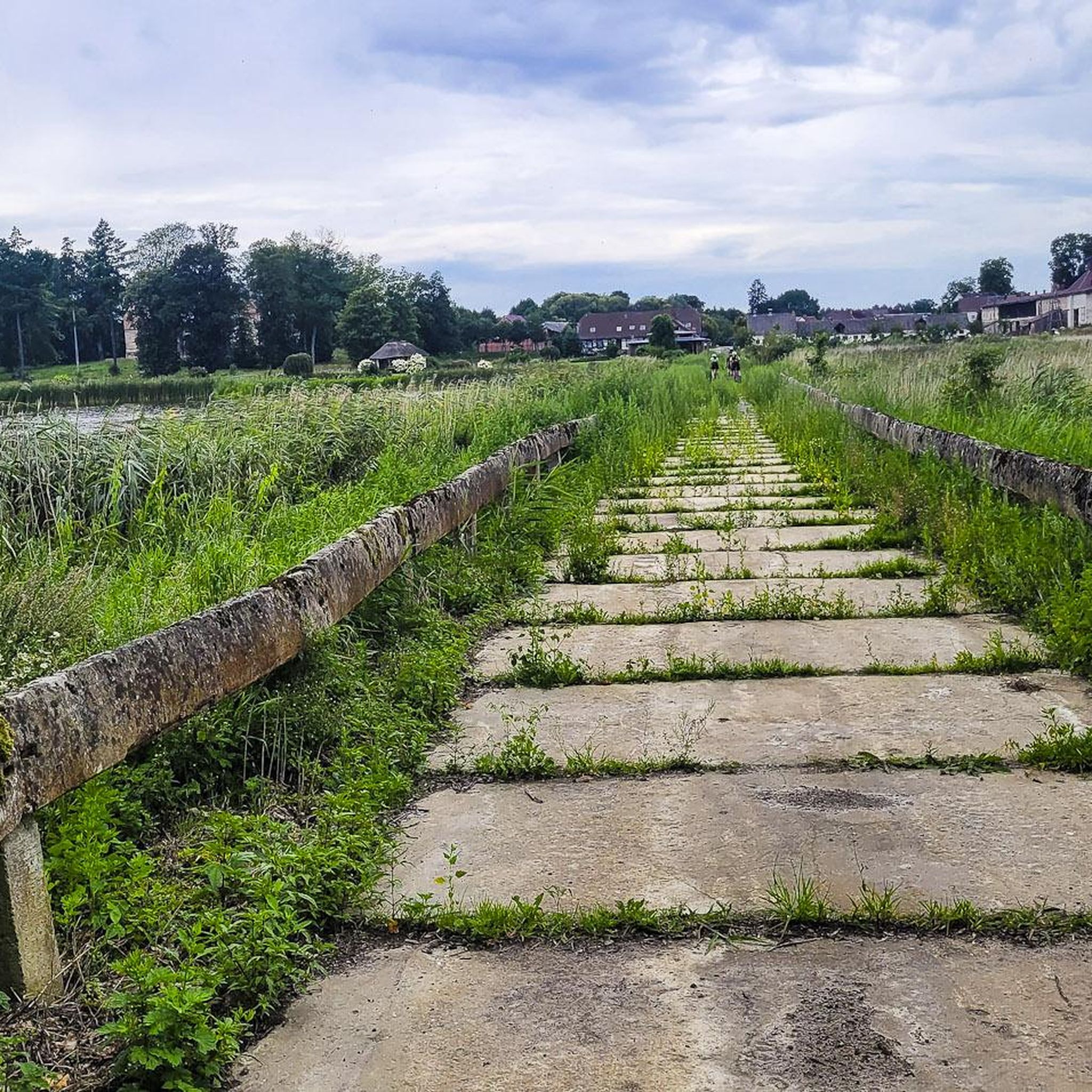
Nice cycle path - Western Lakeland Route marked No. R20
0
0
Buildings of the former convent house of Cistercian nuns in Marianowo, later transformed into a residence for Pomeranian noblewomen. Sydonia von Borck, accused of witchcraft, stayed in this institution for about 15 years (from 1604 to 1619).
0
1
viewing tower in Ińsko with an interesting shape. A beautiful view of the entire lake spreads out from it
0
1
Large beach on a clean lake like J. Ińsko.
2
0

The elevator will take you to heaven.
0
0

A popular and arguably the most beautiful sandy beach on Lake Ińsko, with holiday homes and a campsite right behind it. All surrounded by nature.
0
0
Magnificent view over the small town of Ińsko and the beautiful lake. A wide, comfortable metal staircase and even an elevator! Several floors offer ever-expanding views the higher you go.
0
0
Frequently Asked Questions
What historical sites can I explore near Dobrzany?
The region offers several significant historical sites. You can visit Pęzino Castle, a structure built by the Knights Hospitaller between the 14th and 15th centuries, later transformed into a Renaissance residence. Another notable site is the Cistercian Monastery Complex in Marianowo, dating back to the 13th century, which was founded for Cistercian nuns and is one of the best-preserved complexes of its kind in Western Pomerania. Additionally, the ruins of Szadzko Castle, a significant Pomeranian stronghold, are located near Lake Szadzko.
Are there any family-friendly attractions around Dobrzany?
Yes, the area provides several family-friendly options. Ińsko Beach is a popular summer destination on one of Poland's cleanest lakes, offering a large pier, a beach volleyball court, and water equipment rentals. The Crab Monument in Ińsko, commemorating a local legend, can also be an interesting stop for families. The Ińsko Landscape Park, with its numerous lakes and forests, provides ample opportunities for outdoor family activities like easy walks and cycling.
What natural features are prominent in the Dobrzany area?
The Dobrzany area is characterized by its post-glacial landscape, rolling hills, and numerous lakes, much of which lies within the Ińsko Landscape Park. Key natural features include Lake Ińsko, known as one of Poland's cleanest lakes, and Lake Krzemień, popular for diving due to its depth and clear waters. The Ina River also originates in this region. Over half of the Ińsko Landscape Park is covered by forests, predominantly beechwood, offering diverse natural habitats.
What kind of outdoor activities can I do near Dobrzany?
The region is excellent for various outdoor activities. You can enjoy hiking on trails like the 'Pojezierza Ińskiego' Blue Trail or the 'Wzniesienia Moreny Czołowej' Green Trail, which passes through Dobrzany. For cycling, there's the West Pomeranian Lake District Route R20: Ińsko–Storkowo Bike Path. You can find more detailed routes for road cycling at Road Cycling Routes around Dobrzany, running at Running Trails around Dobrzany, and easy hikes at Easy hikes around Dobrzany.
Are there easy walking trails suitable for all fitness levels?
Yes, the Ińsko Landscape Park offers several marked trails suitable for various fitness levels. For easy walks, you can explore routes around Lake Ińsko, such as the 'Ińsko Observation Tower – Ińsko Beach loop' or the 'World Wars Memorial in Ińsko – Ińsko Observation Tower loop'. These trails provide accessible ways to enjoy the scenic beauty of the area. More options for easy hikes can be found in the Easy hikes around Dobrzany guide.
What is the Ińsko Landscape Park known for?
The Ińsko Landscape Park is renowned for its diverse post-glacial landscape, featuring rolling hills, wet valleys, and numerous lakes. Over half of the park is covered by extensive forests, primarily beechwood. It's a haven for outdoor enthusiasts, offering marked hiking and cycling trails, and is home to Lake Ińsko, one of Poland's cleanest lakes, and Lake Krzemień, popular for diving.
Can I find viewpoints or observation towers in the area?
Yes, the Ińsko Observation Tower offers panoramic views of Lake Ińsko and the surrounding landscape within the Ińsko Landscape Park. It's a great spot to appreciate the natural beauty of the region.
What is the significance of the Crab Monument in Ińsko?
The Crab Monument in Ińsko is a metal sculpture placed by Lake Ińsko in 2005. It commemorates a local legend about a large, destructive crayfish that once terrorized the local population. The monument honors the blacksmith who, according to folklore, devised a plan to trap the creature, making him a hero to the inhabitants.
Are there opportunities for swimming or water sports?
Absolutely. Ińsko Beach on Lake Ińsko is a popular spot for swimming and offers water equipment rentals. Lake Ińsko is known for its clean waters, making it ideal for aquatic activities. Lake Krzemień is also popular among divers due to its clean and deep waters, and it features a beach and swimming area.
What is the best time to visit Dobrzany for outdoor activities?
The summer months are particularly popular for visiting Dobrzany, especially for activities around Lake Ińsko, which can get very crowded. The pleasant weather is ideal for swimming, cycling, and hiking. However, the Ińsko Landscape Park's forests offer beautiful scenery throughout spring and autumn, which might be preferred for hiking and cycling to avoid peak crowds and enjoy milder temperatures.
What kind of historical architecture can be found in the villages around Dobrzany?
Beyond the major landmarks, several villages within the Dobrzany municipality showcase historic rural architecture. You can find residential and farm buildings dating back to the 18th and 19th centuries, which provide a glimpse into traditional Pomeranian rural construction and the region's past.
Most popular attractions around Dobrzany

Get inspired with the komoot mobile app


Explore more
Still not found the Highlight you’re looking for? See guides of the top attractions in other regions:
