Attractions and Places To See around Suchań - Top 20
Best attractions and places to see around Suchań include historical landmarks and natural features within Stargard County, West Pomeranian Voivodeship, Poland. The town is situated on the Reczek River, a tributary of the Ina River, contributing to its natural landscape. Notable landmarks include the Gothic Church of Our Lady of Perpetual Help and an old watermill, reflecting the town's past. Suchań also has a Market Square, a central point for the community.
Best attractions and places to see around Suchań
…Last updated: August 11, 2026
Pęzino Castle
Highlight • Castle
Translated by Google •
Tip by

Strachocin Stone Church
Highlight • Religious Site
Showing Translation
Tip by

Sign up now to discover places like this
Get recommendations on the best single tracks, peaks, & plenty of other exciting outdoor places.
Sign up for free
Pier on Lake Klukom
Highlight • Lake
More information: de.wikipedia.org/wiki/Choszczno#Geographische_Lage
Translated by Google •
Tip by

Cistercian Monastery Complex in Marianowo
Highlight • Historical Site
Translated by Google •
Tip by

R20 Western Lakes Route: Choszczno to Pełczyce
Highlight (Segment) • Cycleway
Nice section in the Pełczyce and Choszczno area.
In Pełczyce through the nice place, but not on the …
Translated by Google •
Tip by
Sign up for free to discover even more attractions around Suchań.
Sign up for free
Already have an account?
Start today with a free account
Your next adventure awaits.
Login or Signup
Tips from the Community

The church in Strachocin (gmina Stargard) is a historic, 13th-century filial church dedicated to St. Faustyna Kowalska, belonging to the parish of St. Maximilian Maria Kolbe in Krąpiel. Rebuilt after wartime destruction, the church is famous for its stone walls and historic portals. Erected at the end of the 13th century by the Knights Hospitaller. In the western and northern facade, historic stepped portals have been preserved (on the jambs, engravings of a chessboard and a cross are visible, among other things). A hall building on a rectangular plan (20 × 11 m) made of ashlar, with walls 1.2 meters thick. The building, destroyed after 1945, was thoroughly rebuilt in the years 1992–2004.
3
0
Pęzino Castle is one of the best-preserved and most beautiful knightly and monastic castles in West Pomerania. This Gothic-Renaissance stronghold lies in the Stargard district, about 10–14 km east of Stargard, picturesquely situated at the confluence of the Krąpiel and Pęzinka rivers.
1
1

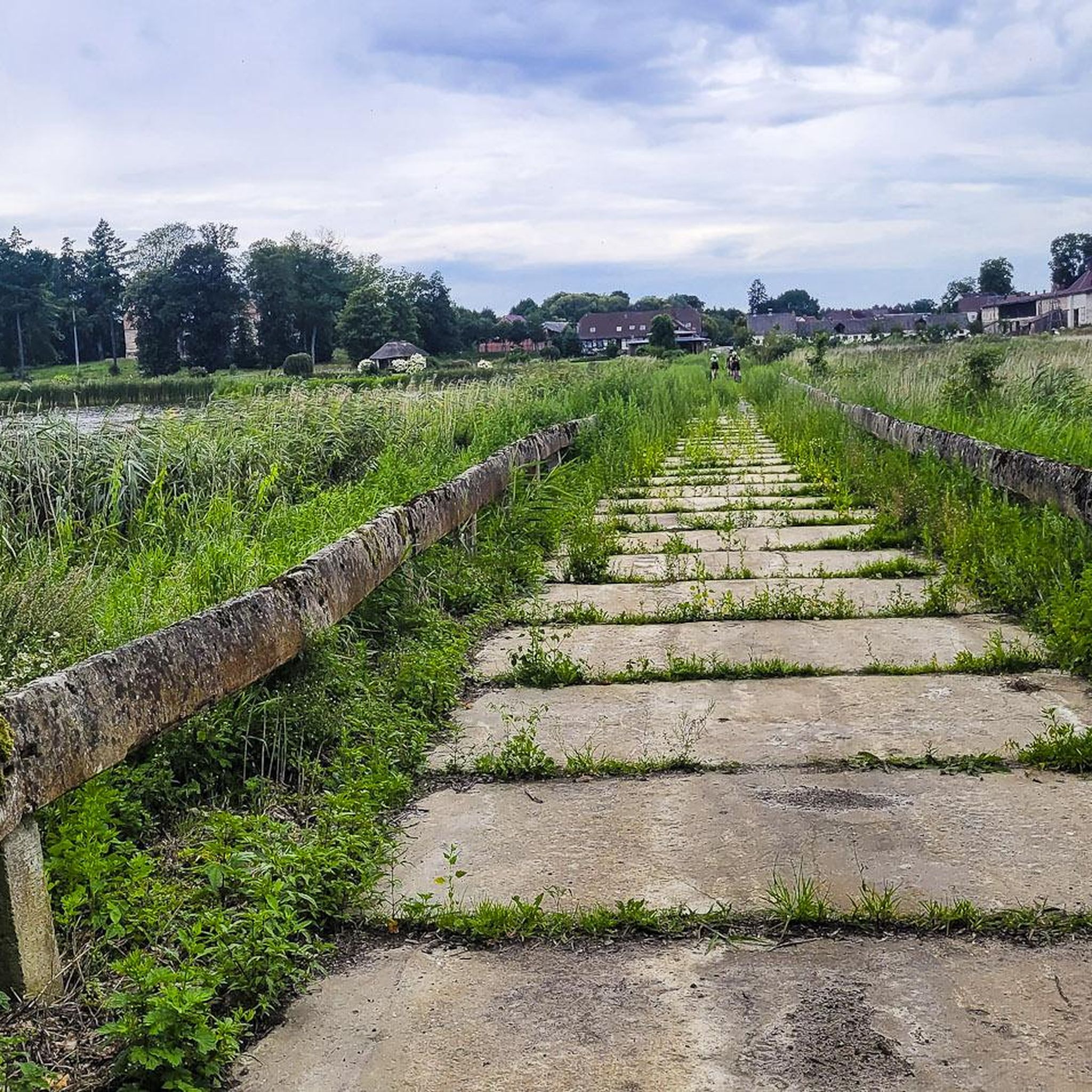
Wooden footbridge jutting into the waters of Lake Klukom
1
0
Buildings of the former convent house of Cistercian nuns in Marianowo, later transformed into a residence for Pomeranian noblewomen. Sydonia von Borck, accused of witchcraft, stayed in this institution for about 15 years (from 1604 to 1619).
0
1
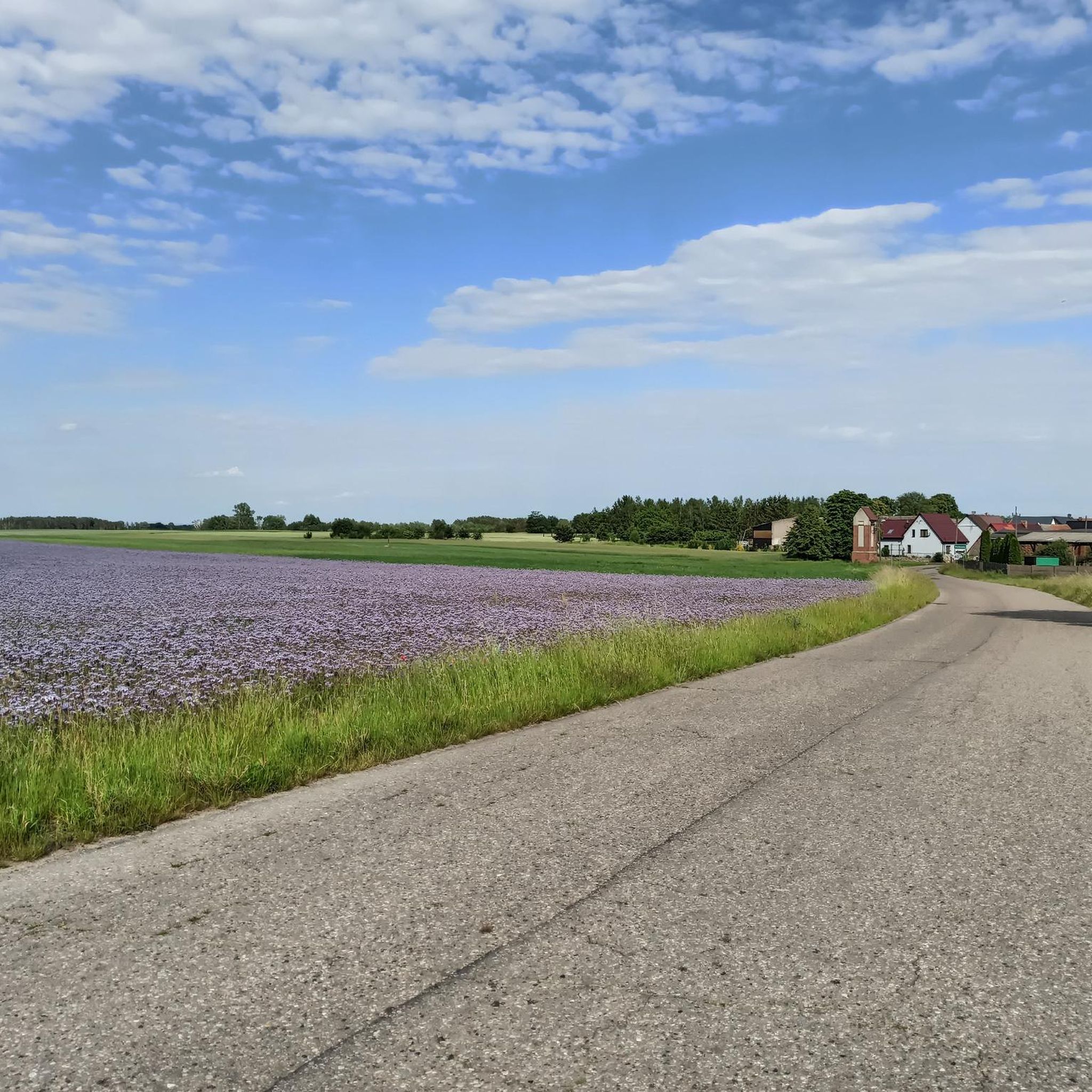
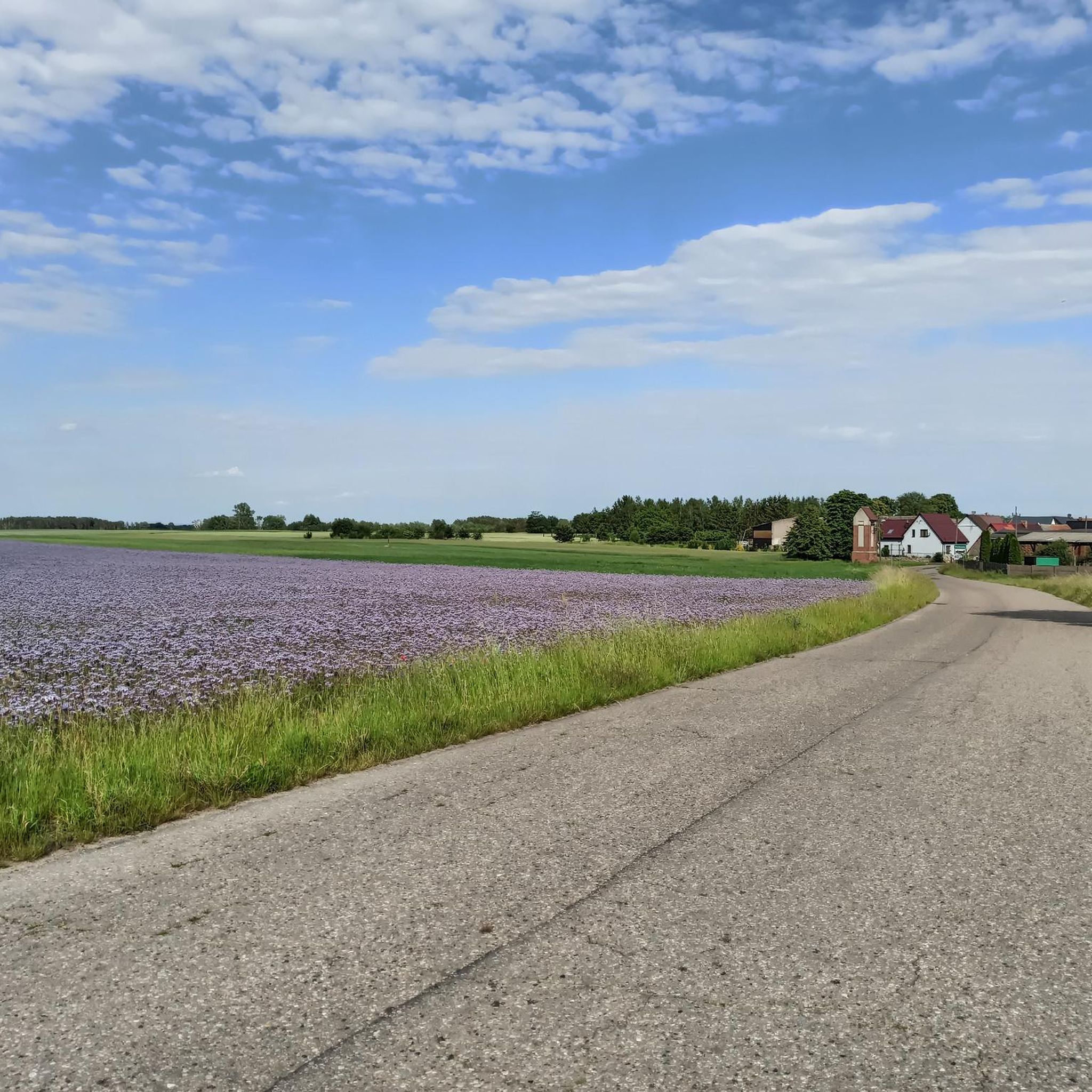
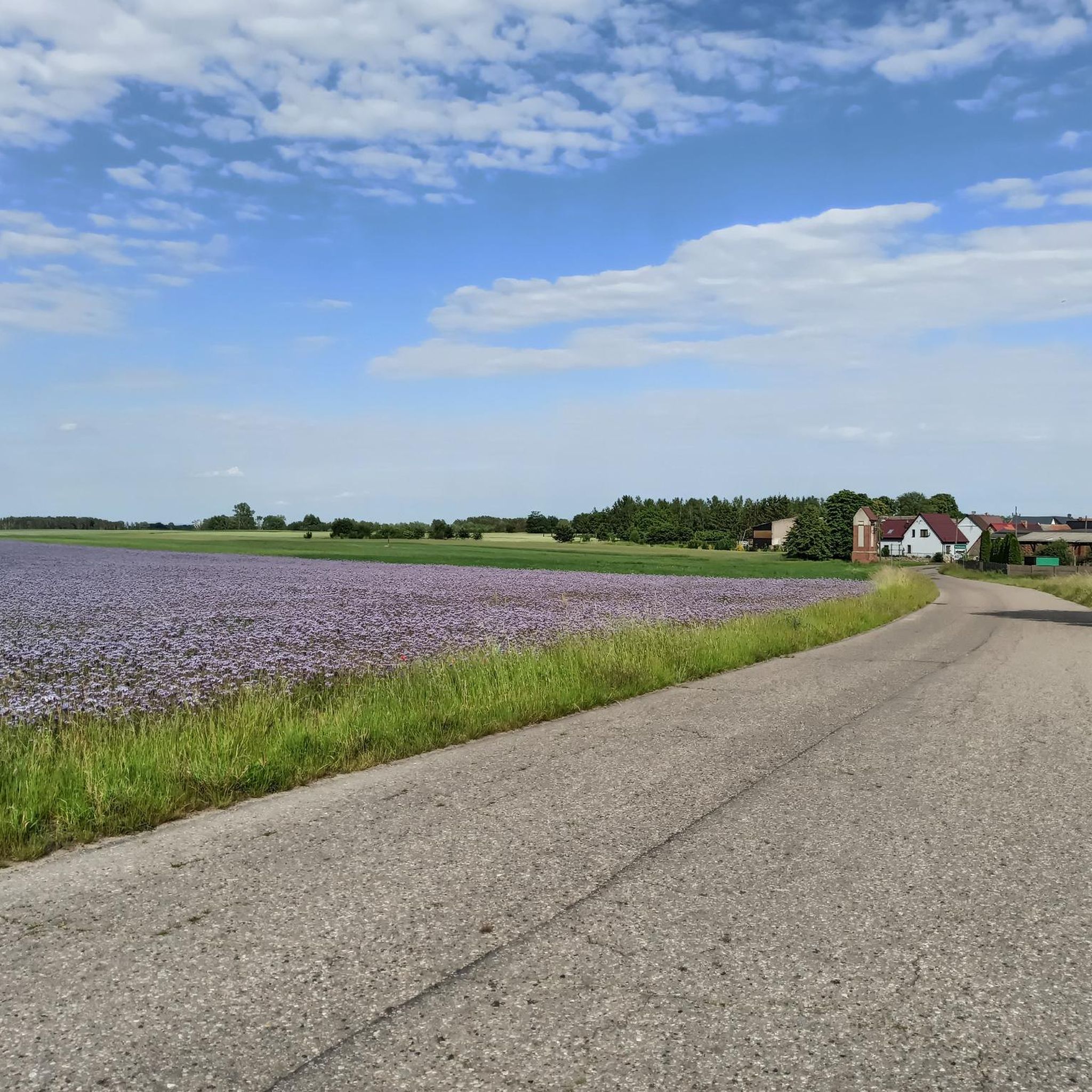
The former railway line 410. The asphalt Western Lakeland Cycle Route No. R20 now runs along the old track of the former line. There are a number of old stations and railway stations along the route. Very picturesque areas of the Choszczno Lake District.
2
2
The area of the reservoir, according to various data, ranges from 85.2 ha to 85.37 ha. The volume of water in the reservoir is 6,990.3 thousand. m³.
4
2
The most valuable historic building in the village is a stone church built at the end of the 13th century, destroyed after 1945, rebuilt in 1992-2003 thanks to the efforts of the villagers and engineer. Zdzisław Kosikowski, as well as with the support of the former German inhabitants of this town. The hall church, measuring 11.1 x 20.1 m, is covered with tiles and has a turret above it. The western portal with three-step jambs has signs placed by the builders: on the left side, a poorly readable chessboard carved on a granite square, and on the right side, a Joannite cross in the outline of a circle. At the church square, stone walls have been partially preserved. The church has survived several cataclysms in its history. Most likely it was destroyed during the 30-year war in the 17th century, rebuilt in the 18th century, and underwent a thorough renovation in the 19th century. At that time, the windows and the southern portal were rebuilt - they were enlarged and given ogival forms. After 1945, the church was devastated and its furnishings plundered; only the perimeter walls and gables remain. The end of the 20th century turned out to be kind to this valuable monument - the damage done was repaired and the temple regained its due rank as the most important building in the village.
1
1

The castle was built at the turn of the 14th and 15th centuries by the Knights of St. John, who in 1382 purchased Pęzino from the Borek family. They modeled the structure of the castle on their other seat, the castle in Swobnica. In 1492, the castle was acquired by the Borek family as a hereditary fief of the order in private possession. Around 1600, large-scale construction works began, including erecting a three-story residential wing and transforming the entire castle into a Renaissance residence. From 1680, the castle was managed by the Puttkamer family, who in 1703 became its owners. In the middle of the 19th century, they added a new wing called neo-gothic to the eastern frontage of the Gothic wing. In the 1860s, the Puttkamers tidied up the surroundings of the castle by demolishing the outbuildings located there. In their place, green areas and romantic buildings in the form of a garden pavilion and the ruins of a chapel were built. After World War II, the castle was taken over by the State Agricultural Farm in Pęzino. His condition gradually deteriorated. In 1977, a general renovation of the castle began, allocating it to the headquarters of the Combine of State Agricultural Farms. The renovation was completed in 1990. As a result of the political changes that soon followed, the castle became the property of the Agricultural Property Agency of the State Treasury, which in 1996 sold the castle to a private buyer. Today the castle is closed. Weddings, communions, conferences, trainings and other celebrations are organized there. Sightseeing is difficult, but possible. Sometimes there are open days for tourists.
5
1
Frequently Asked Questions
What historical landmarks can I explore around Suchań?
Suchań and its surroundings offer several historical sites. You can visit Pęzino Castle, a Gothic and Renaissance structure built by the Knights of St. John. The town itself features the Gothic Church of Our Lady of Perpetual Help and an old watermill. Additionally, the Cistercian Monastery Complex in Marianowo, a well-preserved 13th-century nunnery, is also nearby.
Are there any significant religious sites in the Suchań area?
Yes, the region has notable religious architecture. In Suchań, you can find the historic Gothic Church of Our Lady of Perpetual Help. Further afield, the Cistercian Monastery Complex in Marianowo includes a post-Cistercian church with Gothic portals, representing the best-preserved Cistercian nunnery building in Western Pomerania. Another impressive site is St. Mary's Church in Choszczno, a Gothic brick church from the 14th century.
What is the history behind Pęzino Castle?
Pęzino Castle was originally built at the turn of the 14th and 15th centuries by the Knights of St. John. It was modeled after their castle in Swobnica. Over the centuries, it transitioned through various owners, including the Borek and Puttkamer families, who undertook significant renovations, transforming it into a Renaissance residence and later adding Neo-Gothic elements. Today, it hosts events, and while generally closed, sightseeing is sometimes possible.
What natural attractions are there to visit near Suchań?
Suchań is situated on the Reczek River, which flows into the Ina River, contributing to the local natural landscape. A prominent natural feature nearby is Pier on Lake Klukom. This large lake, approximately 85 hectares in size and up to 18 meters deep, offers scenic views from its wooden pier.
Are there opportunities for cycling around Suchań?
Yes, the area around Suchań offers several cycling routes. For example, the R20 Western Lakes Route: Choszczno to Pełczyce is a new asphalt bike path on a former railway line, offering picturesque views of the Choszczno Lake District. You can find more cycling options, including road cycling and touring bicycle routes, by exploring the guides for Road Cycling Routes around Suchań and Cycling around Suchań.
Where can I find easy hiking trails near Suchań?
For easy hiking, consider trails around Choszczno, such as the 'Pier on Lake Klukom – Old Railway Tracks loop' or the 'Golden Trail – Old Railway Tracks loop,' both around 5-7 km. Another easy option is the 'Dilapidated Barn loop from Marianowo,' which is about 7.5 km. More details can be found in the guide for Easy hikes around Suchań.
Are there any scenic viewpoints in the Suchań region?
The Pier on Lake Klukom provides excellent scenic views of the lake and its surroundings. The area's natural features, including the Reczek and Ina Rivers, also offer picturesque spots for observation.
What is the best time of year to visit Suchań for outdoor activities?
The warmer months, typically spring through early autumn (May to September), are generally best for outdoor activities like cycling and hiking around Suchań. During this period, the weather is more favorable for exploring the natural landscapes and historical sites. Winter can offer unique scenery for walks, but some paths might be less accessible.
Are there family-friendly attractions or activities in Suchań?
Yes, several attractions are suitable for families. The Pier on Lake Klukom is a great spot for a leisurely visit, offering scenic views that children can enjoy. Additionally, the R20 Western Lakes Route, a paved cycling path, is family-friendly and away from car traffic, making it safe for cycling with children.
Are there dog-friendly walking options around Suchań?
While specific dog-friendly designations are not always listed, many of the natural areas and trails around Suchań, especially the easy hiking routes and the former railway line cycle paths, are suitable for walks with dogs, provided they are kept on a leash and owners clean up after them. The scenic areas around Lake Klukom and the Reczek River are good options for a stroll with your canine companion.
Are there any accessible paths or attractions for visitors with mobility needs?
The R20 Western Lakes Route, a paved bicycle path on a former railway line, is noted as wheelchair accessible, making it a good option for visitors with mobility needs to enjoy the outdoors. For other attractions, it's advisable to check specific accessibility details, as historical sites may have limitations.
What amenities, like pubs or cafes, are available near walking routes in Suchań?
Suchań has a Market Square (Rynek) which serves as a central point and likely offers some local amenities. For routes further afield, towns like Choszczno and Pełczyce, which are connected by the R20 Western Lakes Route, would have cafes, pubs, and other services. It's always a good idea to check local listings for specific establishments along your chosen route.
Are there any lesser-known attractions or "hidden gems" around Suchań?
Beyond the main highlights, exploring the smaller villages and natural areas along the Reczek and Ina Rivers can reveal charming, less-trafficked spots. The historical mention of Suchań Castle, though no longer standing in its original form, hints at a rich past that can be explored through local history. The former railway lines, now converted into scenic paths, also offer a unique perspective on the region's heritage.
What do visitors generally appreciate about the attractions around Suchań?
Visitors appreciate the blend of historical sites, natural beauty, and outdoor activity options. The historical depth of places like Pęzino Castle and the Cistercian Monastery Complex is highly valued. The scenic views from the Pier on Lake Klukom and the well-maintained cycling routes also receive positive feedback from the komoot community.
Most popular attractions around Suchań

Get inspired with the komoot mobile app


Explore more
Still not found the Highlight you’re looking for? See guides of the top attractions in other regions:
