Attractions and Places To See around Szczecinek - Top 20
Attractions and places to see around Szczecinek include historical sites, natural landscapes, and recreational areas. The city is situated between Lake Trzesiecko and Lake Wielimie, surrounded by forests. It offers well-developed infrastructure for tourists, including trails and parks. Visitors can explore landmarks, engage in outdoor activities, and experience cultural sites.
Best attractions and places to see around Szczecinek
- The most popular attractions is Pomeranian Dukes' Castle in Szczecinek, a castle that features an oldest southern wing dating back to…
Last updated: July 29, 2026
Pomeranian Dukes' Castle in Szczecinek
Highlight • Castle
Translated by Google •
Tip by

Trzesiecko Lake Beach
Highlight • Beach
Translated by Google •
Tip by

Sign up now to discover places like this
Get recommendations on the best single tracks, peaks, & plenty of other exciting outdoor places.
Sign up for free
Browar Szczecinek
Highlight • Restaurant
Translated by Google •
Tip by

Bismarck Tower
Highlight • Monument
Translated by Google •
Tip by
St. Mary's Church in Szczecinek
Highlight • Religious Site
The old St. Nicholas Church was dilapidated and closed. It was demolished in 1909, only the tower remained standing.
Translated by Google •
Tip by

Sign up for free to discover even more attractions around Szczecinek.
Sign up for free
Already have an account?
Start today with a free account
Your next adventure awaits.
Login or Signup

Tips from the Community

We67rtfh chiheriidfu00df soft xly cop diretor cirugía fhiprpafp0dfdypg video clfof
0
0

Bismarck Towers – simple tower- or column-shaped structures built between 1869 and 1934, glorifying Otto von Bismarck and expressing German national pride. The first structures of this type were built during Bismarck's lifetime, and the last tower was completed in 1926 in Polanów.
0
0

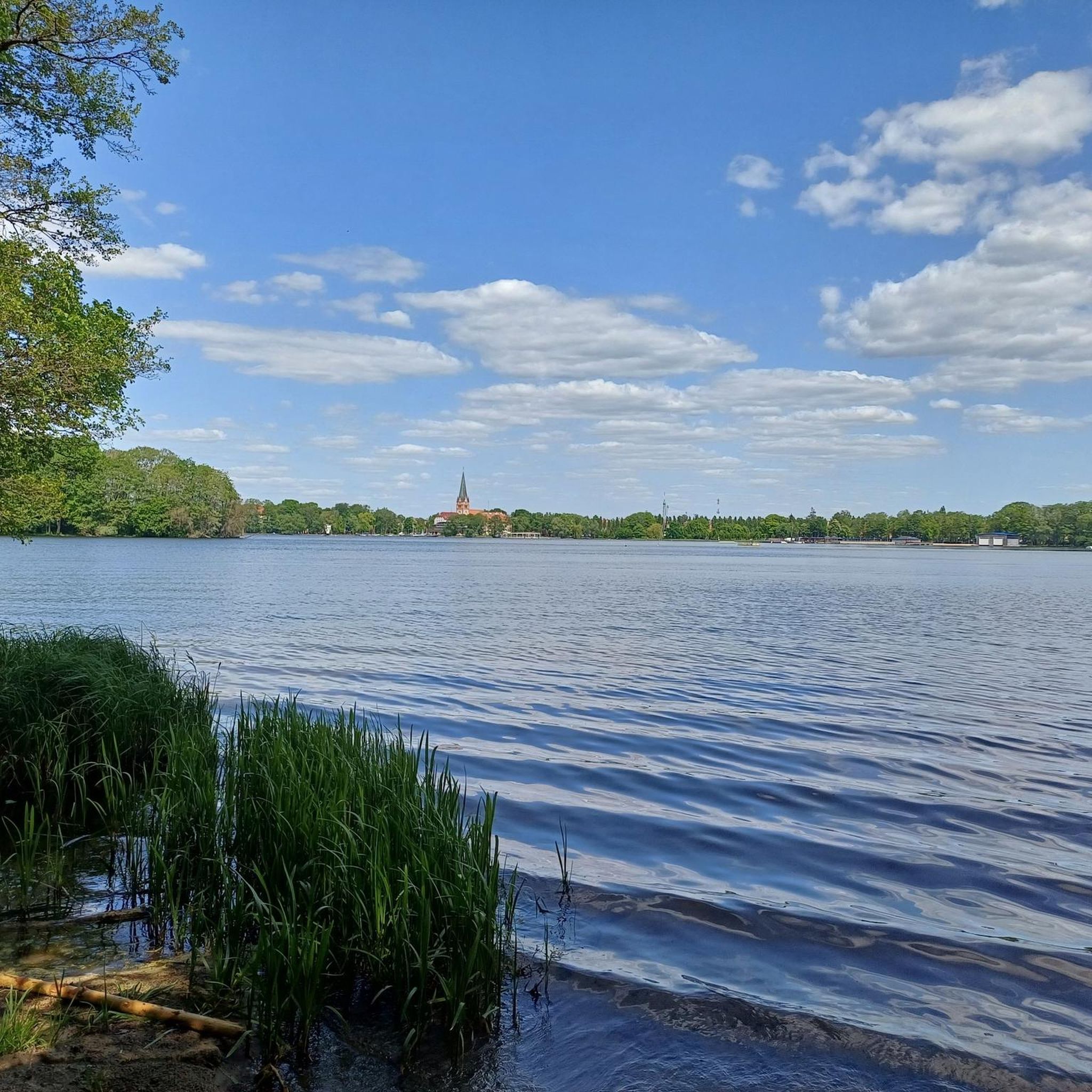
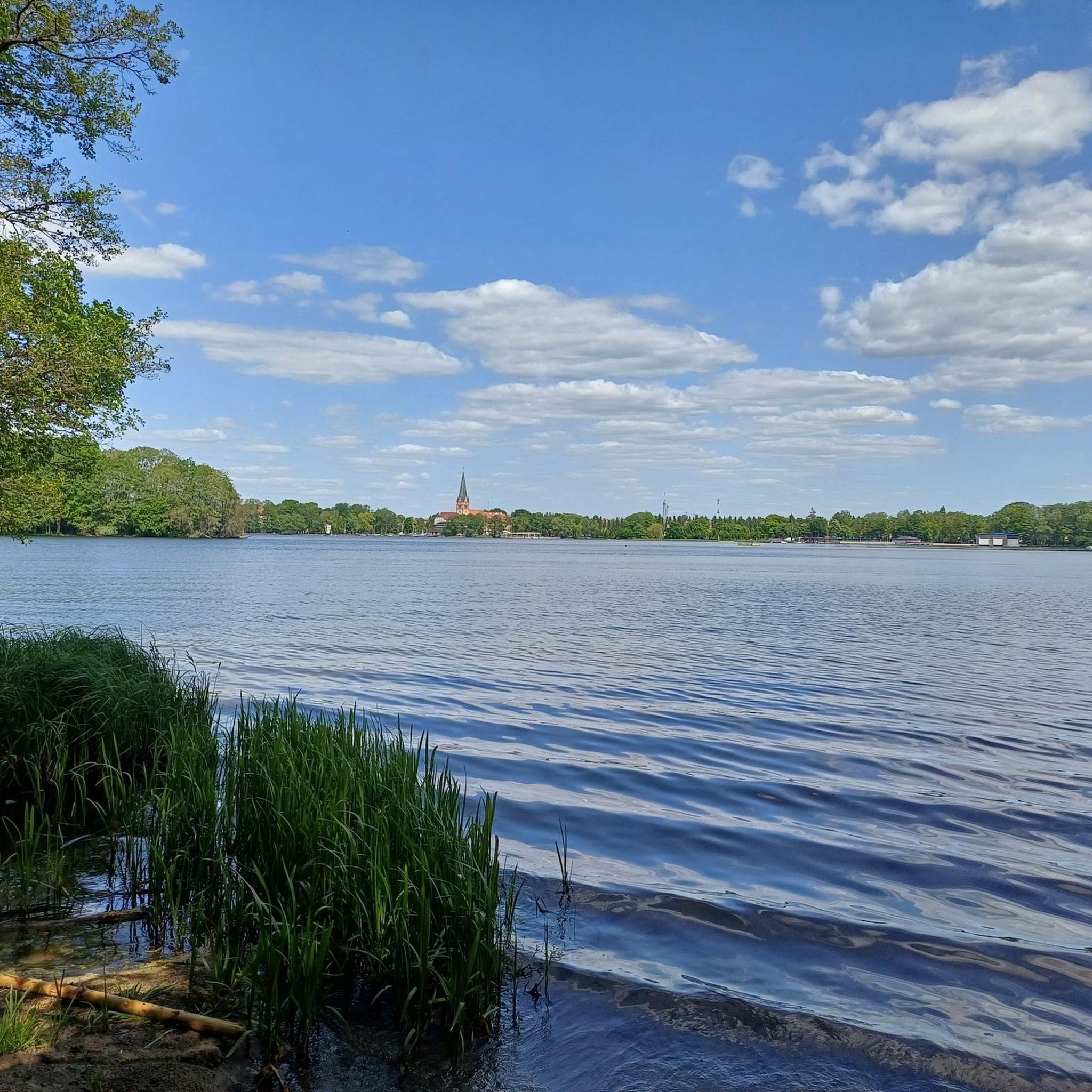
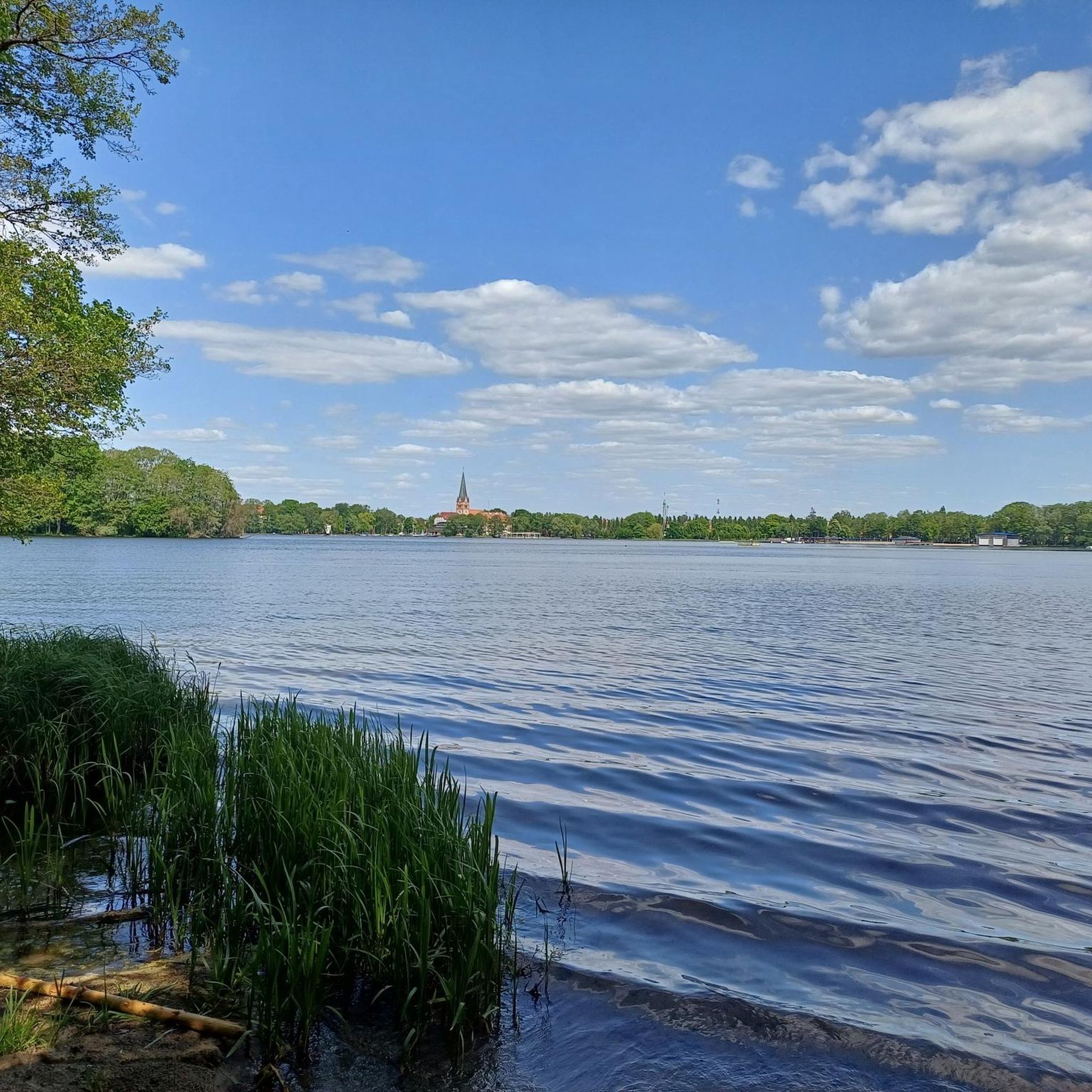
The beach on Lake Trzesiecko in Szczecinek is a popular place to relax with well-developed infrastructure – there are piers, a guarded swimming area, water equipment rental and recreational areas. The lake has clean water and is surrounded by greenery, which makes it an attractive destination for a break on the route. A bicycle path runs along the shore, making it easy to get here from the city centre. It is a great place to relax, especially on warm days, and getting there by trekking or gravel bike is easy.
4
0

The Browar Szczecinek restaurant is located on the site of the former Prince's Mill, where beer is brewed just like in the 17th century.
2
0

The tower was built in 1910 in honor of the "iron" German Chancellor Otto von Bismarck. Every year a bonfire was lit at the top of the tower.
1
1
The Pomeranian Dukes' Castle initially stood on an island on Lake Trzesiecko, but as a result of land improvement works carried out in the years 1780-84 and 1866-68, the water level was lowered and the island on which the Castle was situated turned into a peninsula. At the same time, an English-style park was created on the drained land. The southern, oldest wing of the castle dates back to the first half of the 14th century. It was built on the site of an earlier Slavic stronghold. As a result of later alterations, from the 16th to the 20th century, the building did not retain its original character. The other two wings - the eastern and northern, date back to the 19th and 20th centuries.
5
1
The church was built in 1905-1908. It is a neo-Gothic building with a richly decorated interior. The church suffered only minor damage during World War II, so it has survived in almost its original form to this day.
1
1
Frequently Asked Questions
What historical landmarks can I explore in Szczecinek?
Szczecinek boasts several significant historical sites. You can visit the Pomeranian Dukes' Castle in Szczecinek, which features an oldest southern wing dating back to the 14th century. Another notable landmark is the Bismarck Tower, built in 1910, offering historical significance and views. The St. Mary's Church in Szczecinek, a neo-Gothic temple from the early 20th century, is also a key historical and architectural site. Additionally, the city's Old Town, with much of its architecture preserved from before World War II, has been declared a national heritage monument.
What natural attractions and parks are there in Szczecinek?
Szczecinek is rich in natural beauty, situated between Lake Trzesiecko and Lake Wielimie. The city's heart is Lake Trzesiecko, offering clean beaches and recreational areas. The Municipal Park, stretching along Lake Trzesiecko, provides walking paths and green spaces. For more expansive nature, the Drawski Landscape Park is nearby, featuring vast forests, lakes, and nature reserves like the Wielkie Błoto High Peat Bog and the "Bagno Kusowo" Nature Reserve, ideal for exploring diverse ecosystems.
Are there family-friendly attractions in Szczecinek?
Yes, Szczecinek offers several family-friendly options. The Trzesiecko Lake Beach is perfect for families, with guarded swimming areas and water equipment rentals. The Municipal Park provides playgrounds and picnic areas. The water tram on Lake Trzesiecko is also a fun activity for all ages. Many of the historical sites, such as the Pomeranian Dukes' Castle, also welcome families.
Where can I find scenic views of the area?
For panoramic views of Szczecinek and Lake Trzesiecko, head to the Bismarck Tower. Located on a hilltop, it provides excellent vistas of the surrounding landscape. The cycling path around Lake Trzesiecko also offers continuous scenic views of the lake and its shores.
What cultural experiences does Szczecinek offer?
Szczecinek has a vibrant cultural scene. The Pomeranian Dukes' Castle hosts exhibitions and cultural events. The Regional Museum in Szczecinek, one of the oldest in Western Pomerania, showcases the history and art of the region. The city is also known for its colorful murals, often created during the Art Piknik Festival, with a dedicated mural route for visitors to explore.
Can I go cycling around Szczecinek?
Absolutely! Szczecinek is very cyclist-friendly. A popular 14-kilometer cycling path circles Lake Trzesiecko, easily accessible from the city center. For more cycling adventures, you can explore various routes listed in the komoot guide Cycling around Szczecinek, which includes routes like the 'Trzesiecko Lake – Castle Pier on Lake Trzesiecko loop'.
Are there good places for swimming or water sports?
Yes, Lake Trzesiecko is the primary spot for water activities. It features clean beaches, guarded swimming areas, and rentals for water equipment. You can enjoy sailing, kayaking, and fishing. A water ski lift is also available near the city beach, offering an exciting option for water sports enthusiasts.
What is the best time of year to visit Szczecinek?
The best time to visit Szczecinek largely depends on your preferred activities. The summer months (June to August) are ideal for enjoying the lakes, beaches, and outdoor sports like cycling and water activities. Spring and autumn offer pleasant weather for hiking and exploring historical sites, with beautiful natural scenery. Winter can be charming for those who enjoy colder weather and quieter exploration, though some outdoor activities may be limited.
Are there any unique historical ruins to discover?
Yes, you can explore the Ruins of Juchowo Palace. Founded in the 16th century, this site features the remains of a family seat established between 1570-1580, with an L-shaped manor house likely built in the 18th century on the older residence's foundation. It offers a glimpse into the region's aristocratic past.
Are there specific trails for hiking or running near Szczecinek?
Szczecinek and its surroundings offer numerous trails for hiking and running. The area around Lake Trzesiecko is particularly popular, with a nearly 15 km long trail. You can find detailed routes in the komoot guides for Hiking around Szczecinek and Running Trails around Szczecinek. These include options like the 'Trzesiecko Lake in Szczecinek loop' for hiking and various loops around the lake for running.
What makes Lake Trzesiecko a central attraction in Szczecinek?
Lake Trzesiecko is considered the heart of Szczecinek due to its central location and diverse offerings. It provides a picturesque setting for relaxation and recreation, with clean beaches, guarded swimming areas, and water equipment rentals. A 14-kilometer cycling path encircles the lake, making it easily accessible, and a water tram operates on its waters, offering unique perspectives of the city and its surroundings. It's a hub for both active pursuits and tranquil enjoyment.
Are there any nature reserves nearby for wildlife observation?
Yes, several significant nature reserves are located near Szczecinek. The Drawski Landscape Park encompasses areas like the Wielkie Błoto High Peat Bog, which features educational boards and a wooden walkway over one of Poland's most valuable Baltic-type high peat bogs. Additionally, the "Bagno Kusowo" Nature Reserve is a large, well-preserved forest peat bog with a nature trail, ideal for observing unique flora and fauna.
Most popular routes around Szczecinek
Most popular attractions around Szczecinek

Get inspired with the komoot mobile app


Explore more
Still not found the Highlight you’re looking for? See guides of the top attractions in other regions:
