Attractions and Places To See around Wałcz - Top 20
Best attractions and places to see around Wałcz include a diverse range of historical sites, natural landscapes, and outdoor activity areas. Situated in the picturesque Wałeckie Lake District, the town is uniquely nestled between two prominent lakes, Zamkowe and Raduń, which are central to its appeal. Visitors can explore significant military history, enjoy water sports, or discover numerous cycling and walking paths through forests. The region offers a blend of cultural heritage and natural beauty for exploration.
Best attractions and…
Last updated: July 16, 2026
Wał Pomorski Military Open-Air Museum in Zdbice
Highlight • Historical Site
Translated by Google •
Tip by

Wałcz Market Square
Highlight • Settlement
Translated by Google •
Tip by

Sign up now to discover places like this
Get recommendations on the best single tracks, peaks, & plenty of other exciting outdoor places.
Sign up for free
Zamkowe Lake in Wałcz
Highlight • Lake
Translated by Google •
Tip by

Old Railway Trail
Highlight • Cycleway
and really beautiful to cycle!
In Kolno, on the railway cycle path, there is a
really great and covered rest area with
a trash can and information boards about the history.
Showing Translation
Tip by

Wałcz Town Hall
Highlight • Monument
Translated by Google •
Tip by

Sign up for free to discover even more attractions around Wałcz.
Sign up for free
Already have an account?
Start today with a free account
Your next adventure awaits.
Login or Signup

Tips from the Community

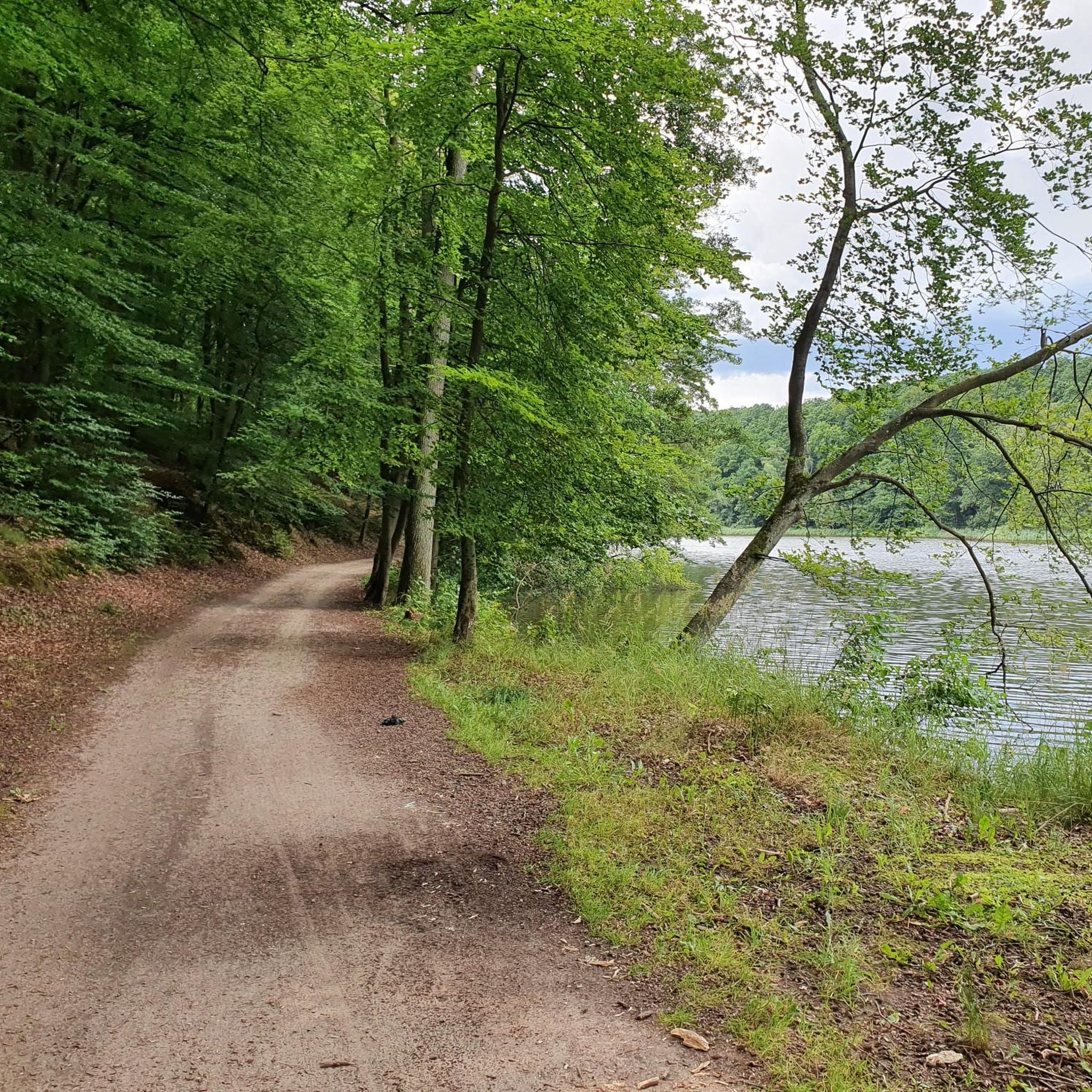
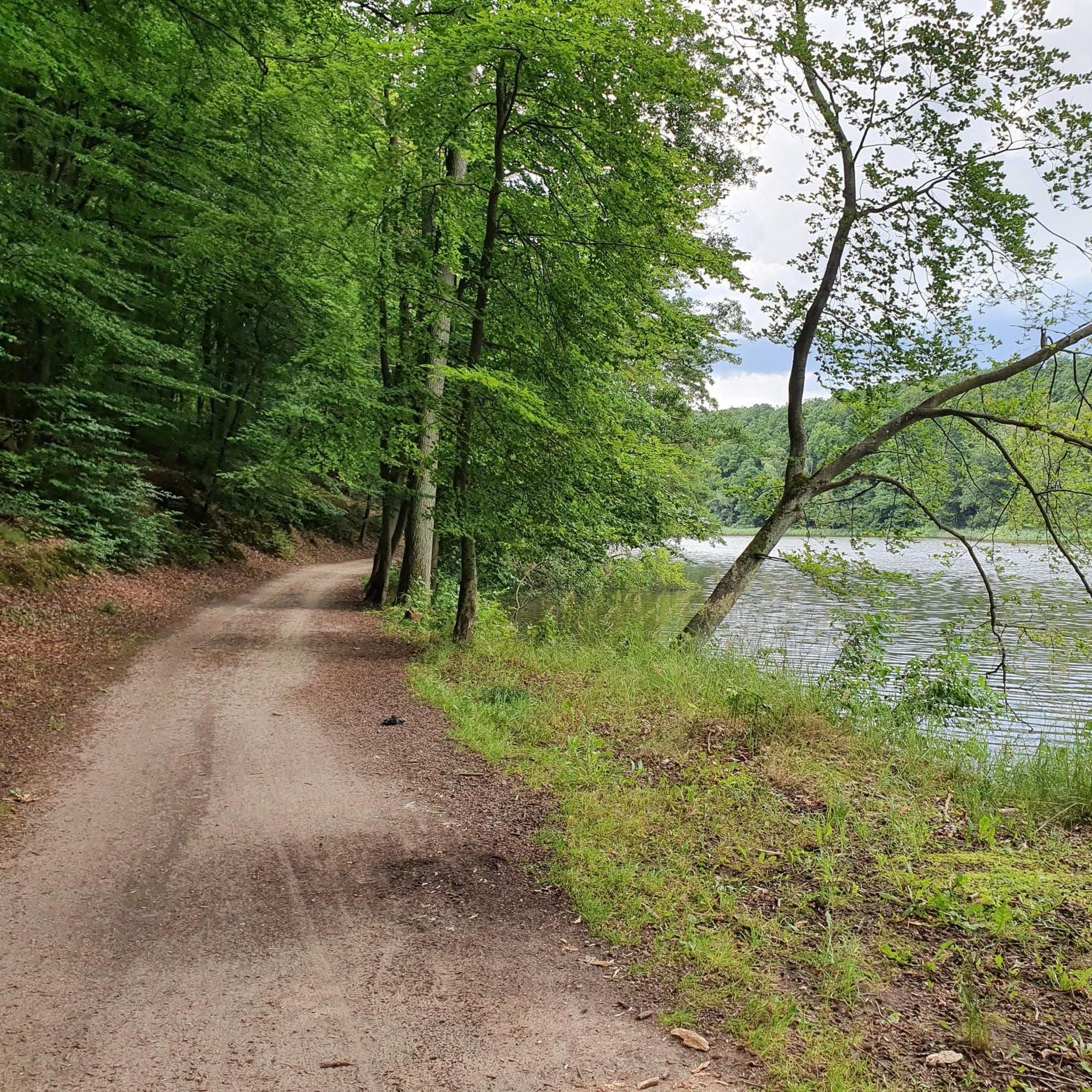
The entire route is perfectly asphalted and really beautiful to cycle! In Kolno, on the railway cycle path, there is a really great and covered rest area with a trash can and information boards about the history.
1
0

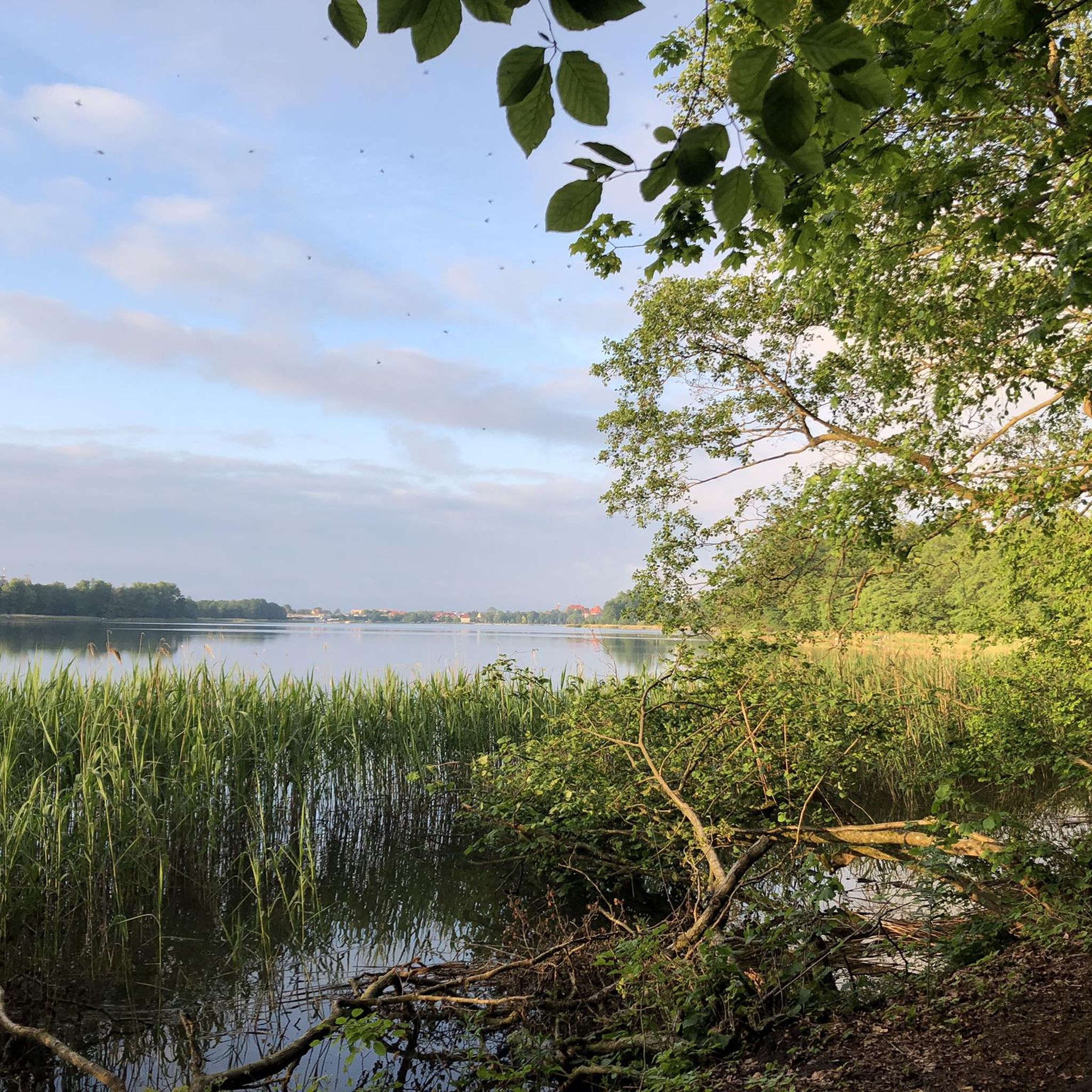
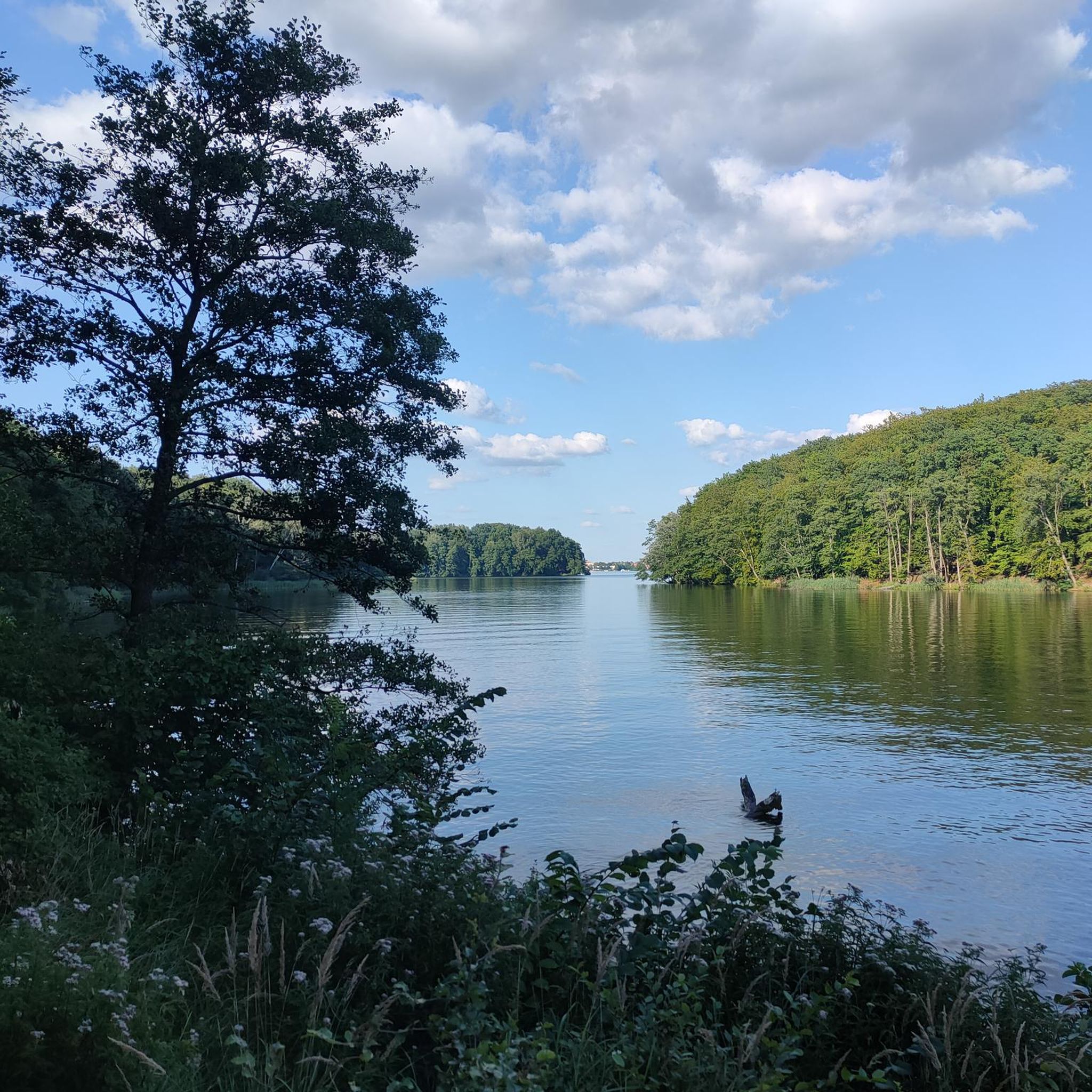
Lake Zamkowe in Wałcz is an attractive reservoir with an area of 133 ha and a depth of up to 41 m. The proximity of the city makes it a popular place for recreation and water sports - there is a marina here, and the use of motorboats is allowed. Anglers will find many interesting sites here, and the lake is regularly stocked. It is worth combining a visit to the water with a visit to the nearby church of St. Anthony. Cyclists will appreciate the easy access and interesting views, especially on the northern side of the lake.
3
0

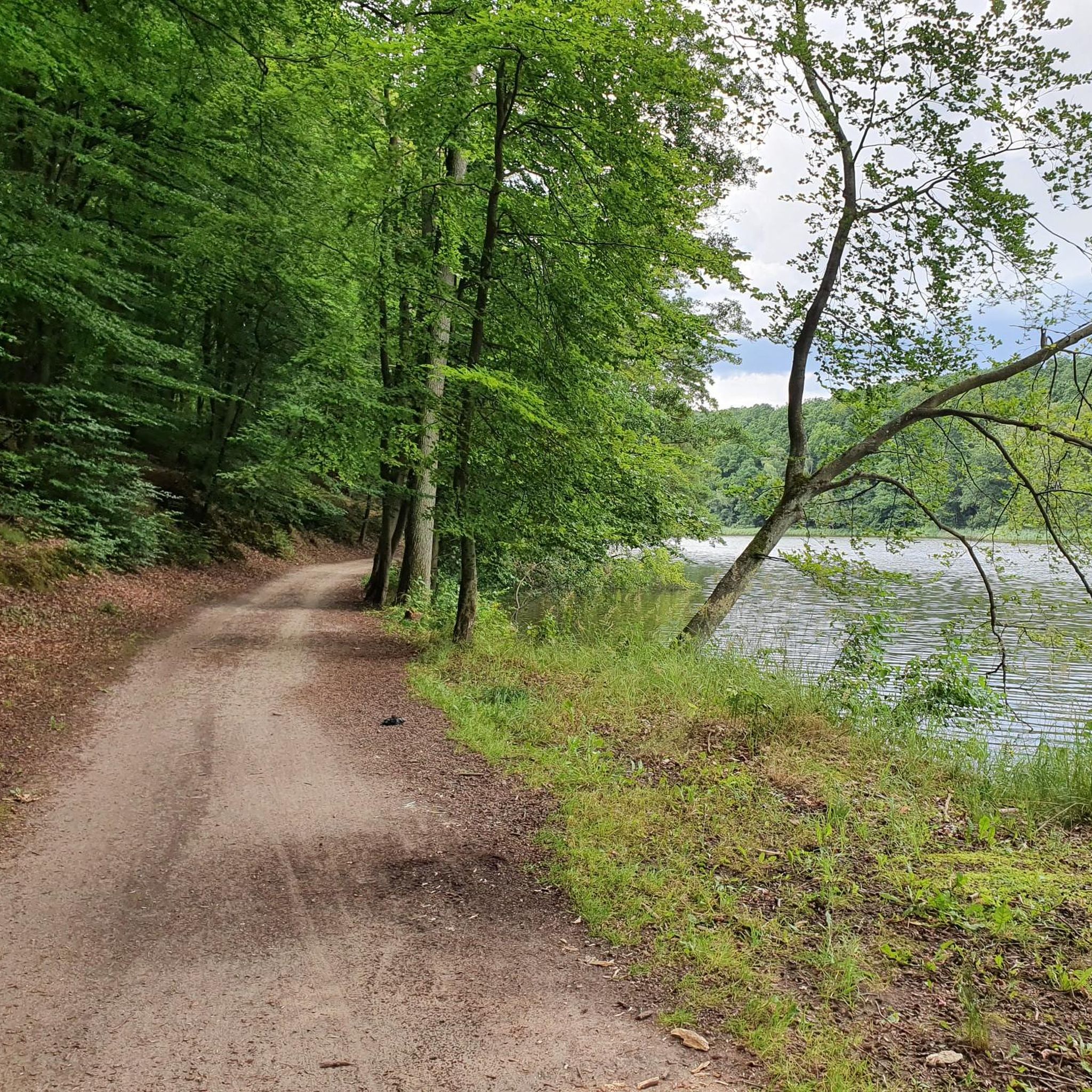
the route is probably not officially opened yet, in some places not all the layers of the surface are finished and there are no smooth crossings at the intersections with roads, but the route seems passable especially on weekends when the roadworks are at a standstill, during the week the construction is still going on
0
0


The establishment of the open-air museum is connected with the decision made in 1980 to create the Central Remembrance Region of the 1st Polish Army in the Zdbice area. The plan had a very broad program and consisted of the intention to create a kind of panorama of the battles of 1945. Some of the works were carried out (e.g. on Lake Smolne and in Zdbice), others were never implemented. The army was involved in the creation of the project, among others. One of the elements of the Remembrance Region was the creation of a large open-air museum of combat and engineering equipment used by the Polish side during the battles for the Pomeranian Wall. It was organized along the eastern slope of the Zdbiczno Lake gutter, slightly to the northwest of the village. The intention was for the exhibition to illustrate the attack of one of the battalions of the 12th Infantry Regiment on the German positions and fortifications located on the other bank of the river. On the Polish side, rifle trenches and earthen combat bunkers were made. A large amount of mobile equipment was also exhibited: mortars, cannons, tanks and Katyushas (some of them did not take part in the fighting for this area at all). A large parking lot and pavilions for tourists were set up by the road. Ultimately, a monumental monument to the conquerors of the Pomeranian Wall was to be built here, which was never built. An approximately three-kilometer educational trail was marked out from the parking lot along the German fortifications to the Morzyca farm. The area around the open-air museum is rich in memorabilia of World War II - combat bunkers and bunkers. In the summer of 2012, the open-air museum was very neglected. The pavilions by the parking lot were in ruins, and only three exhibits of the equipment by the parking lot remained: a T-34 tank, a howitzer and an anti-aircraft gun. However, there was a Room of National Remembrance located in the centre of the village with an exhibition entitled Forest as a Witness to the Battle of the Pomeranian Wall – objects evidencing the destruction of the tree stand in 1945 (e.g. shrapnel stuck in tree trunks), weapons and ammunition, photographs, maps and soldier documents were exhibited here.
0
0

In the very center of the market there used to be a wooden, two-story town hall built around 1683, and in the north-eastern part of the market there was a fire station. The proximity of the fire station, however, did not save the town hall - it burned down in 1841. The new seat of the authorities was built on the edge of the market square in 1890, the building and currently serves as the City Hall.
1
2
The present Plac Wolności was the center of the city in the early centuries of Wałcz's existence. The layout of the streets of the Old Town is similar to the plans of Lübeck and Freiburg. Legend has it that this project was prepared for Wałcz, but it was stolen, and therefore both cities were built earlier than Wałcz, which was built only after the plan was recovered. The streets of the Old Town, which still exist today, started from the market square. In the middle of the market square there used to be a wooden, two-story town hall built around 1683, and in the north-eastern part of the market there was a fire station. The proximity of the fire station, however, did not save the town hall - it burned down in 1841. The new seat of the authorities was built on the edge of the market square in 1890, the building now serves as the City Hall. For centuries, the town square was one of the most important places in the city, it was the official, religious and commercial center, markets and fairs were held here, and shops and stalls were built around it. From time to time, the market lost its commercial function, because the place of the fair was moved to other regions, but these traditions returned. Even after the war, there was a city market here, only in the 1960s the market finally became a city square. Trees, shrubs, lawns and flower beds were planted, and benches were erected. In the years 2003 - 2004, the square was revitalized, now its appearance refers to the beginning of the 20th century. The surface was paved with cubes, a fountain appeared again, which, according to initial plans, was supposed to resemble its pre-war predecessor, but in the end it was decided that it would have the shape of a cup. A pump was placed near the fountain, masts with flags near the town hall and a stone mosaic depicting the city's coat of arms right next to them. There are also benches where you can rest while listening to the sound of the fountain. On the outskirts of the square there is a parking place for passenger cars. In the south-western frontage of the market square, pre-war tenement houses have been preserved, their ground floors serve commercial and service functions.
0
2
Frequently Asked Questions
What historical sites can I explore in Wałcz?
Wałcz offers a rich history to explore. You can visit the Museum of Wałcz Lands, housed in a classical-style court building, or delve into military history at the Wał Pomorski Military Open-Air Museum in Zdbice, which showcases fortifications and equipment from WWII. The town's historic Wałcz Market Square with its neo-Renaissance Town Hall is also a significant historical landmark.
What kind of outdoor activities can I do around Wałcz's lakes?
The lakes around Wałcz, particularly Zamkowe Lake in Wałcz and Lake Raduń, are central to outdoor recreation. You can enjoy water sports like motorboating and kayaking, with equipment rentals available. Both lakes feature swimming areas and guarded beaches. The 'Pętla Wałecka' is a notable kayaking route spanning six lakes, starting from Lake Raduń.
Are there cycling routes suitable for families near Wałcz?
Yes, Wałcz offers several family-friendly cycling options. The Old Railway Trail is a cycle way that follows a former railway line, providing a passable path. Another pleasant option is the Cycling Route to Nakielno, which is noted for low car traffic and passes through forests, making it ideal for families. For more routes, you can explore the Cycling around Wałcz guide.
Where can I find hiking trails around Wałcz?
The area around Wałcz is excellent for hiking. The Bukowina Forest, close to Wałcz, offers numerous walking paths, especially along Lake Raduń. You can also find various trails in the Wałeckie Lake District. For specific routes and difficulty ratings, check out the Hiking around Wałcz guide, which includes trails like the 'Radun Lake Loop Trail' and routes through the 'Arboretum Morzycówka'.
What unique natural attractions are there near Wałcz?
Beyond the beautiful lakes, a unique natural anomaly near Wałcz is the Magnetic Hill (Magic Hill), located between Strączno and Rutwica, where objects appear to roll uphill. The surrounding Wałeckie Lake District also features numerous nature reserves, perfect for observing local flora and fauna.
Are there any attractions related to World War II history in the Wałcz area?
Absolutely. The Wał Pomorski Military Open-Air Museum in Zdbice is a significant site, showcasing combat and engineering equipment used during the battles for the Pomeranian Wall. Additionally, the Grupa Warowna Cegielnia is an open-air ethnographic museum featuring bunkers that were part of the Pomeranian Line, a reinforcement line built by Germans in the 1930s.
What is the best time of year to visit Wałcz for outdoor activities?
The best time to visit Wałcz for outdoor activities is generally during the warmer months, from late spring to early autumn (May to September). This period offers ideal weather for water sports on the lakes, cycling, and hiking through the forests and nature reserves. The region's natural beauty is particularly vibrant during these seasons.
Are there any cultural or religious landmarks worth visiting near Wałcz?
Yes, Wałcz and its surroundings boast several cultural and religious landmarks. In town, you can see the impressive neo-Gothic Former Jesuit College and two notable neo-Gothic churches: St. Anthony and St. Nicholas. Just 11 km away, the Sanktuarium Matki Bożej Bolesnej w Skrzatuszu is a stunning Baroque Roman Catholic church known for its ornate decorations and rich history.
Where can I find facilities for sports and recreation in Wałcz?
Wałcz is well-equipped for sports and recreation. The Olympic Training Centre (Ośrodek Przygotowań Olimpijskich) offers extensive facilities including an indoor swimming pool, gym, tennis courts, and football pitches. Additionally, the Miejski Ośrodek Sportu i Rekreacji (Municipal Sports and Recreation Centre), located on the coastline of Lake Raduń, provides a swimming area and water slide.
Are there any interesting architectural features or viewpoints in Wałcz?
Beyond the historical buildings, Wałcz has some interesting architectural features and viewpoints. The Kłosowski Suspension Bridge spanning Lake Raduń is a notable architectural highlight. For historical views, the ruins of the Wałcz–Złotów Railway Bridge over the Gwda River, destroyed in 1945, offer a poignant glimpse into the past and a good viewpoint.
What kind of forest areas can I explore for walking or cycling near Wałcz?
The Bukowina Forest Area, known locally as 'Bukowina,' is very close to Wałcz and features numerous bicycle lines and walking paths, particularly along Lake Raduń. This beech forest is ideal for leisurely strolls or more active cycling, offering a refreshing natural escape.
Are there any hidden historical gems or lesser-known sites in the Wałcz area?
For those looking for lesser-known historical sites, the Forgotten Ironworks near Wiesiółka (also known as Czapla), about 12 km from Wałcz, is an intriguing option. This ancient water ironworks produced metal products like horseshoes and offers a glimpse into the region's industrial past.
Most popular routes around Wałcz
Most popular attractions around Wałcz

Get inspired with the komoot mobile app


Explore more
Still not found the Highlight you’re looking for? See guides of the top attractions in other regions:
