The best road cycling routes around Angeja
4.6
(91)
3,637
riders
208
rides
Road cycling around Angeja, located in the Aveiro District of Portugal, offers diverse landscapes characterized by quiet roads and paved surfaces. The region features the Baixo Vouga Lagunar, an ecosystem with rich biodiversity, and the Pateira de Frossos, a vital habitat for migratory birds. Cyclists can experience "Bocage" landscapes with corn plantations and green corridors along the Vouga River, as well as scenic views along the Ria de Aveiro estuary.
Best road cycling routes around Angeja
- The most popular road…
Last updated: May 21, 2026
46
riders
118km
05:38
1,490m
1,490m
Hard road ride. Very good fitness required. Some segments of this route may be unpaved and difficult to ride.
32
riders
86.1km
03:24
200m
200m
Moderate road ride. Good fitness required. Some segments of this route may be unpaved and difficult to ride.

Sign up for free
25
riders
64.4km
02:36
150m
150m
Moderate road ride. Good fitness required. Some segments of this route may be unpaved and difficult to ride.
11
riders
43.6km
01:51
130m
130m
Moderate road ride. Great for any fitness level. Some segments of this route may be unpaved and difficult to ride.
11
riders
38.2km
01:37
140m
140m
Easy road ride. Great for any fitness level. Mostly well-paved surfaces and easy to ride.
Get access to more routes and recommendations from other explorers.
Sign up for free
Already have an account?
Our route recommendations are based on thousands of hikes, rides, and runs completed by other people on komoot.
Start today with a free account
Your next adventure awaits.
Login or Signup

Tips from the Community

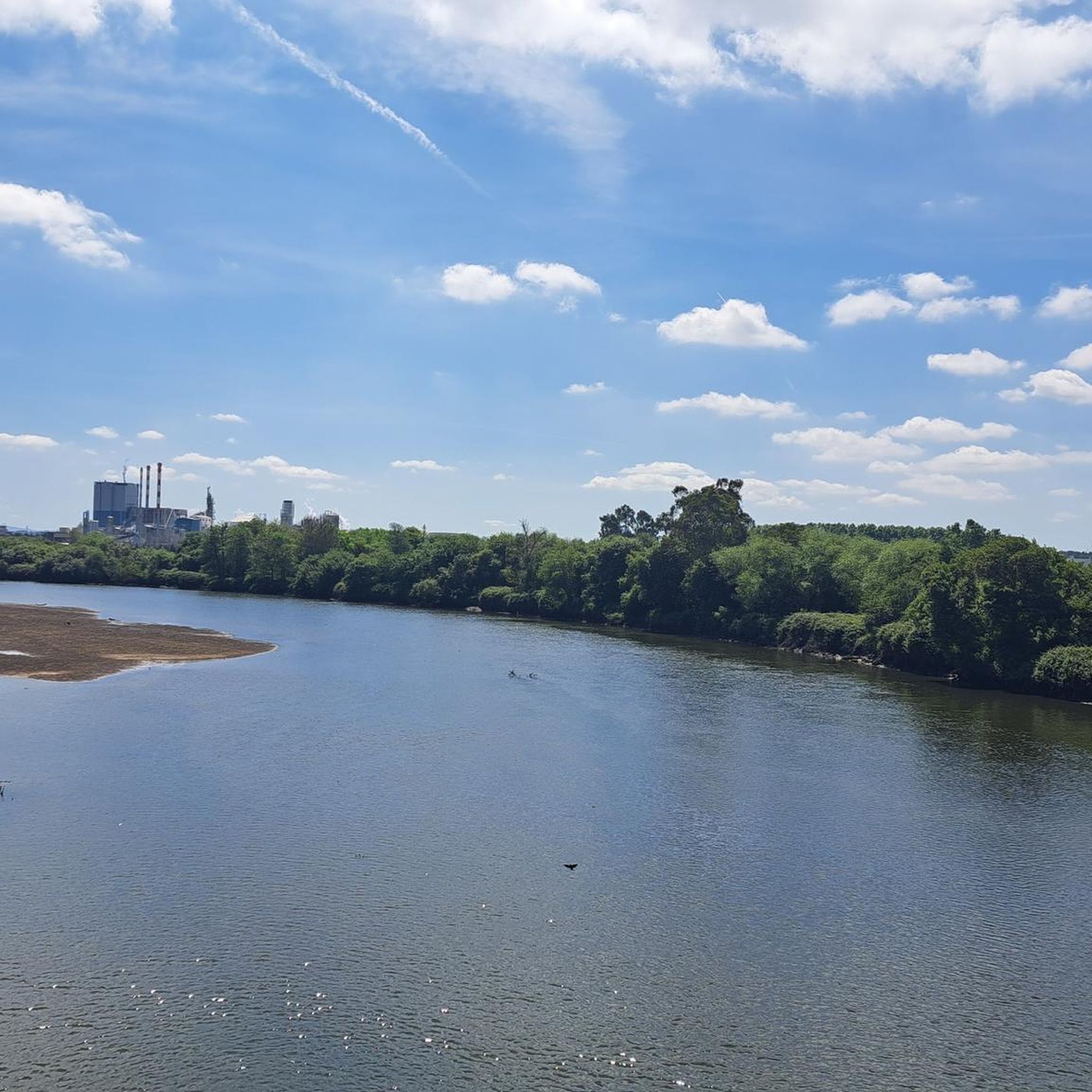
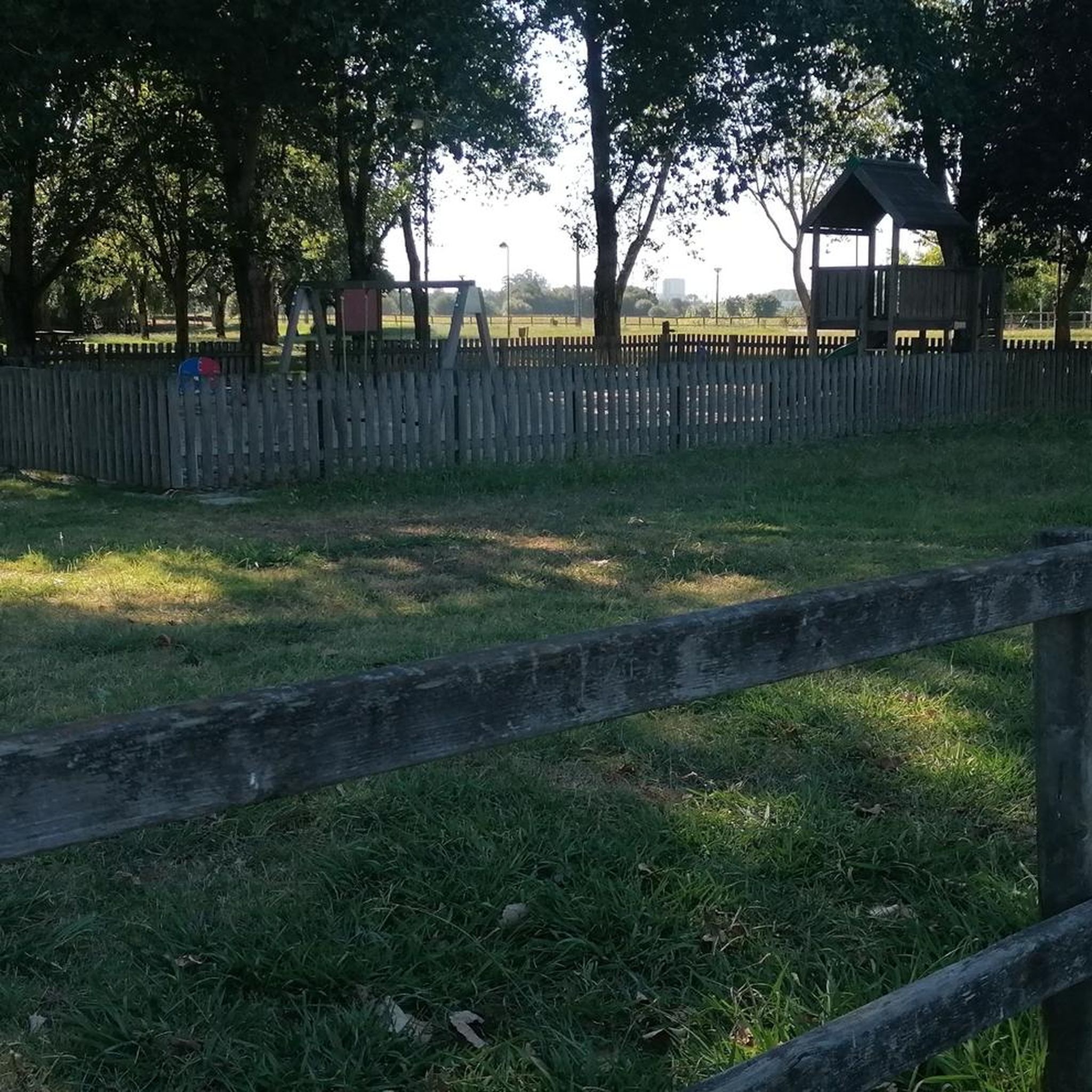
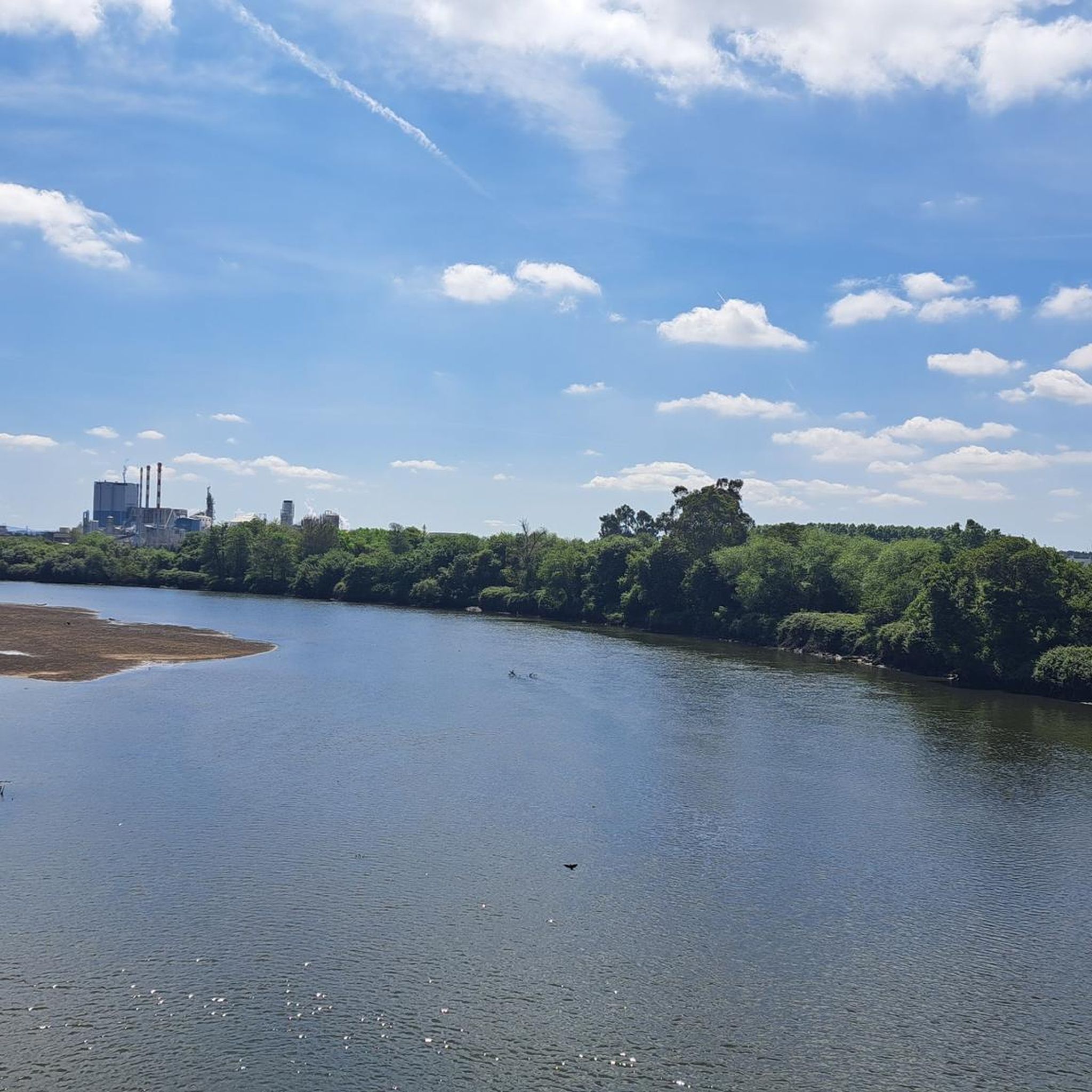
Very beautiful place. To rest a little.
1
0
Spectacular view over the river.
1
0

This pedestrian bridge connects all three banks in the shape of a circular ring ("pedestrian roundabout"). The structure is visually striking.
4
0
In the past, this bridge was used to be used to ask for the hand of the beloved (engagement bridge).
4
0

Quick and easy connection for bikes, cars and pedestrians
0
0

Aveiro boasts a unique natural and urban landscape, dominated by the Ria de Aveiro and the streams that penetrate the urban space and have permanently marked the local history, heritage, culture, and identity. Aboard one of the typical boats, including the Moliceiro boat, take the opportunity to explore the city through the canals, which, at sunset, turn from silver to gold with the reflection of the sun's rays. There are other types of tourist transport available that can take you on a longer tour to explore the rest of the city and its main tourist attractions, such as the typical fishing and seafaring neighborhood, the Beira-Mar neighborhood, the old, walled, upscale area of the city, the Alboi neighborhood, the Cais da Fonte Nova, or the University of Aveiro, a true open-air museum of contemporary Portuguese architecture. (Source: www.turismodocentro.pt)
9
0
Salt mining in the Aveiro region dates back to a time before the Ria de Aveiro itself existed, with the first written document about Aveiro salt production dating back to before the founding of the nation. Over the centuries, the instability of the inlet (isolation from the sea) was a decisive factor in the variation in the number and production of salt pans. This resulted in periods of decline interspersed with periods of great favorability for production. This occurred in 1572, when, given the favorable condition of the inlet and the high and progressive commercial and maritime index, Aveiro became one of the best ports in Portugal, with a significant increase in salt trade and cod fishing. In 1808, the new inlet (an artificial system that allows seawater to enter) was finally opened, a fact of exceptional importance for the future of Aveiro and the entire region. (Source: Wikipedia) (Source: Wikipedia)⁶
13
0
Located on the São Roque canal, the Carcavelos Bridge was built in 1953 to replace the original bridge, which collapsed 11 years earlier. It was a mandatory crossing point for workers on the Sal River. It is one of the oldest and most emblematic bridges in Aveiro. It was built over the São Roque canal. Yellow, adorned with balusters and the city's coat of arms (the eagle represents the symbol of Aveiro), the Carcavelos Bridge can be visited during a stroll through the typical Beira-Mar neighborhood or on one of the many boat tours along the estuary. (www.turismo.portugal.com)
10
0
Frequently Asked Questions
How many road cycling routes are available around Angeja?
There are over 200 road cycling routes around Angeja, offering a wide variety of options for different skill levels and preferences. You'll find everything from easy, shorter rides to challenging, longer tours.
What kind of terrain can I expect on road cycling routes in Angeja?
Road cycling routes in Angeja feature diverse landscapes, primarily characterized by quiet, paved roads. You'll find scenic sections along the Ria de Aveiro estuary and agricultural paths following the Vouga River. While mostly paved, some routes might include short gravel sections, offering a varied experience.
Are there routes suitable for beginners or those looking for an easy ride?
Yes, Angeja offers a good selection of routes for beginners. For example, the Republic Square, Aveiro – Carcavelos Bridge loop from Cacia is an easy 37.3 km path with moderate elevation, perfect for a relaxed ride.
What natural features or landmarks can I see along the road cycling routes?
Cyclists can enjoy stunning natural features like the Baixo Vouga Lagunar and the Pateira de Frossos, a vital habitat for migratory birds. You'll also encounter the picturesque Ria de Aveiro estuary. Notable highlights include the Pateira de Frossos itself, and the View of the Salt Pans, Rua do Sal.
Are there any challenging routes for experienced road cyclists?
Absolutely. For experienced cyclists seeking a challenge, the Ponte do Poço de S. Tiago – Paradela Railway Station loop from Cacia is a difficult 118 km route with significant elevation gain, typically taking over 5 hours to complete.
What are some popular loop routes around Angeja?
Many cyclists enjoy loop routes for their convenience. Popular options include the Carcavelos Bridge – Aveiro Old Train Station loop from Cacia, a moderate 86.1 km ride, and the Canal de Mira Bridge – Aveiro – São Jacinto Ferry loop from Cacia, covering 66.9 km through diverse landscapes.
What is the best time of year for road cycling in Angeja?
The region generally offers pleasant cycling conditions for much of the year. The diverse landscapes, including the 'Bocage' areas with corn plantations and green corridors, are particularly vibrant in spring and early summer. Always check local weather forecasts for optimal riding conditions.
Are there any family-friendly road cycling options in the area?
While specific family-friendly routes are not highlighted, the presence of quiet roads and dedicated bike paths, such as along the EN230-2, suggests that many of the easier routes could be suitable for families. Look for routes with minimal elevation and away from heavy traffic.
What do other road cyclists say about the routes in Angeja?
The road cycling routes around Angeja are highly rated by the komoot community, with an average score of 4.5 stars from over 80 reviews. Cyclists frequently praise the quiet roads, diverse scenery, and the beautiful views along the Ria de Aveiro and Vouga River.
Can I find routes that offer views of the Ria de Aveiro?
Yes, many routes in the region offer incredible scenic views of the Ria de Aveiro. Roads like EN 327 run parallel to this famous estuary. The Carcavelos Bridge – Aveiro Old Train Station loop from Cacia is one such route that includes sections along the Ria de Aveiro.
Are there any points of interest or cultural attractions accessible by bike?
Beyond natural beauty, you can cycle to various points of interest. Consider visiting the Moliceiro Boats on the Canals of Aveiro, the Republic Square, Aveiro, or even the Cathedral of Aveiro. The EV1 on the Ria de Aveiro also offers a dedicated cycling path.
Are there routes that follow the Vouga River?
Yes, the area around Angeja benefits from agricultural paths that follow the right bank of the Vouga River, providing picturesque routes for cyclists. These paths offer a unique perspective of the 'Bocage' landscape with its corn plantations and green corridors.
Most popular attractions around Angeja

Get inspired with the komoot mobile app


Explore more
Browse the best Road cycling routes in other regions.
