Attractions and Places To See around Espinho - Top 20
Best attractions and places to see around Espinho include a variety of coastal and natural sites. This region in Portugal is characterized by its extensive sandy beaches, coastal dunes, and unique natural reserves. Visitors can explore historical religious buildings situated directly on the coastline, as well as protected wetlands and nature parks. The area offers diverse outdoor experiences, from coastal walks to cycling paths, making it a destination for those seeking natural beauty and cultural points of interest.
Best attractions and places to see around Espinho
- The most popular attractions is Chapel of Senhor da Pedra (Chapel of the Lord of the Rock), a religious building that is built on rocks in the middle of a beach. This chapel, with its hexagonal floor plan, is known for its unique setting where it can be completely surrounded by the sea at high tide.
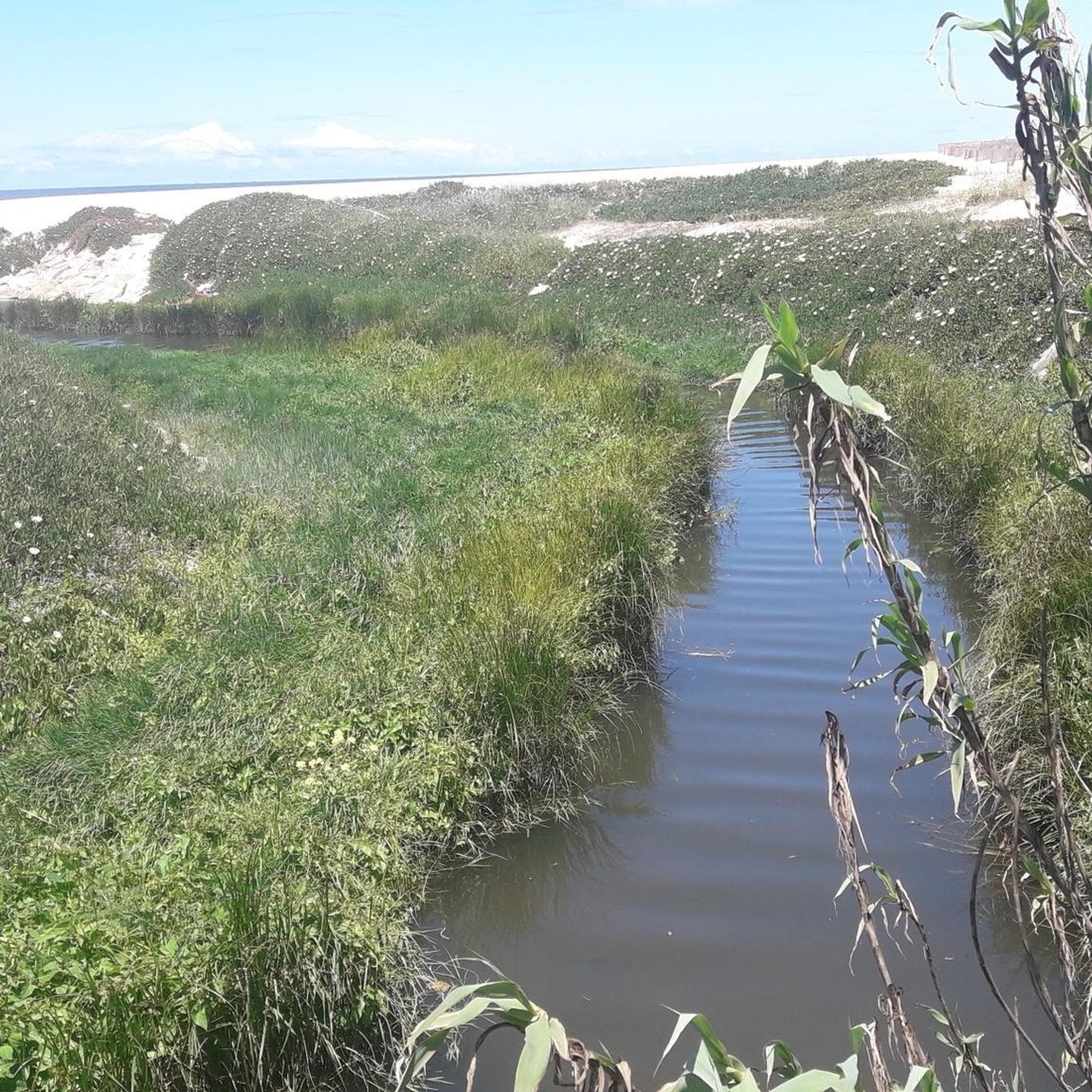
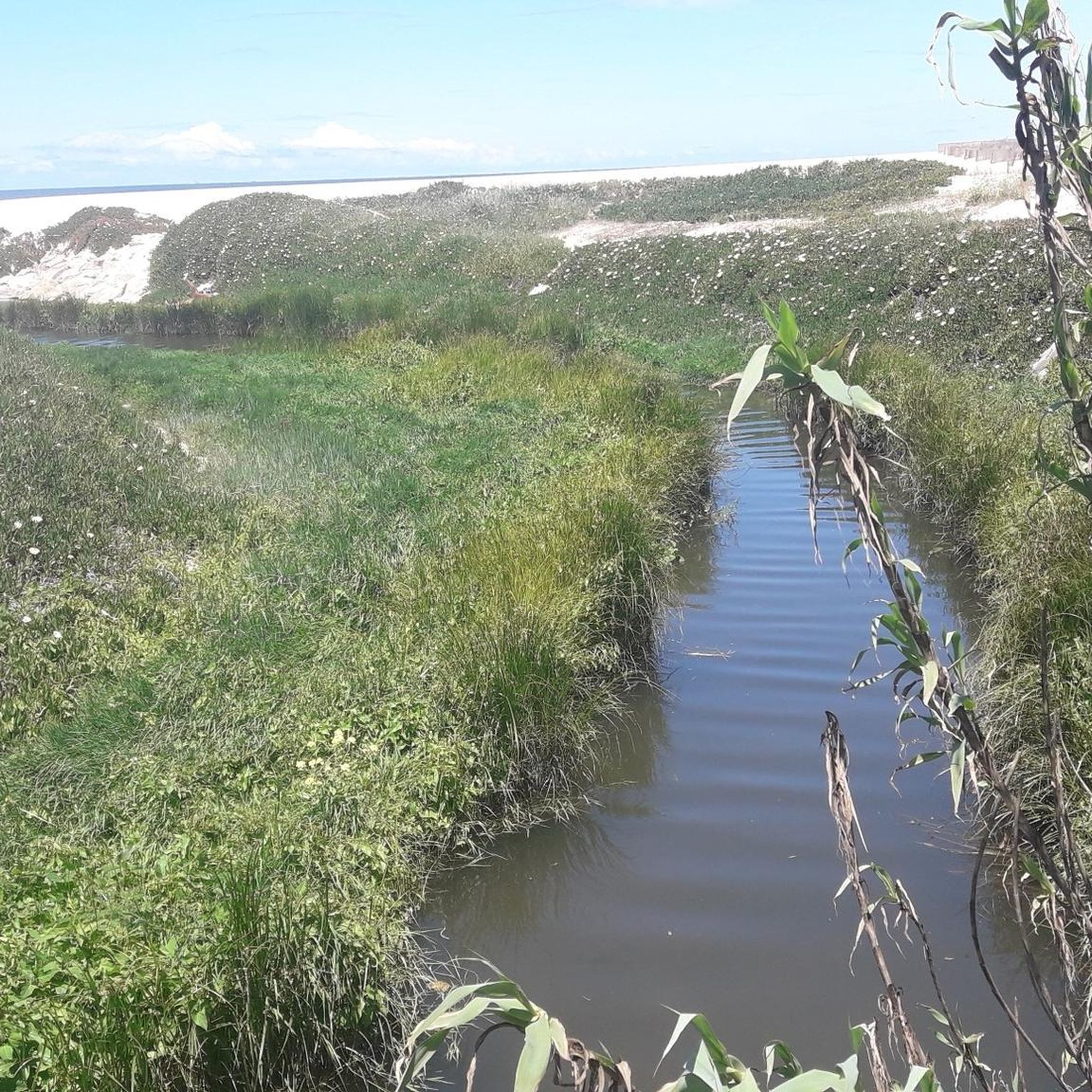
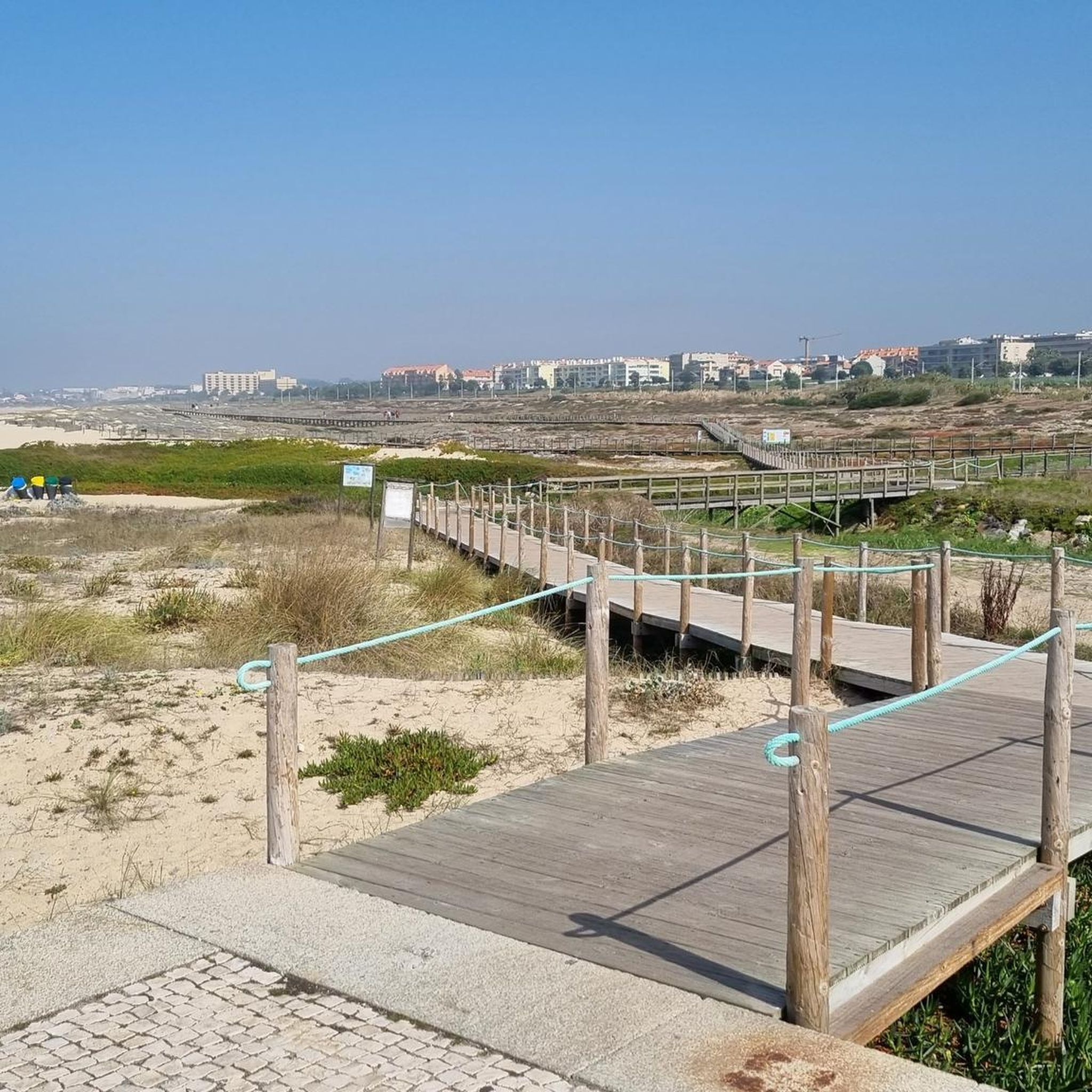
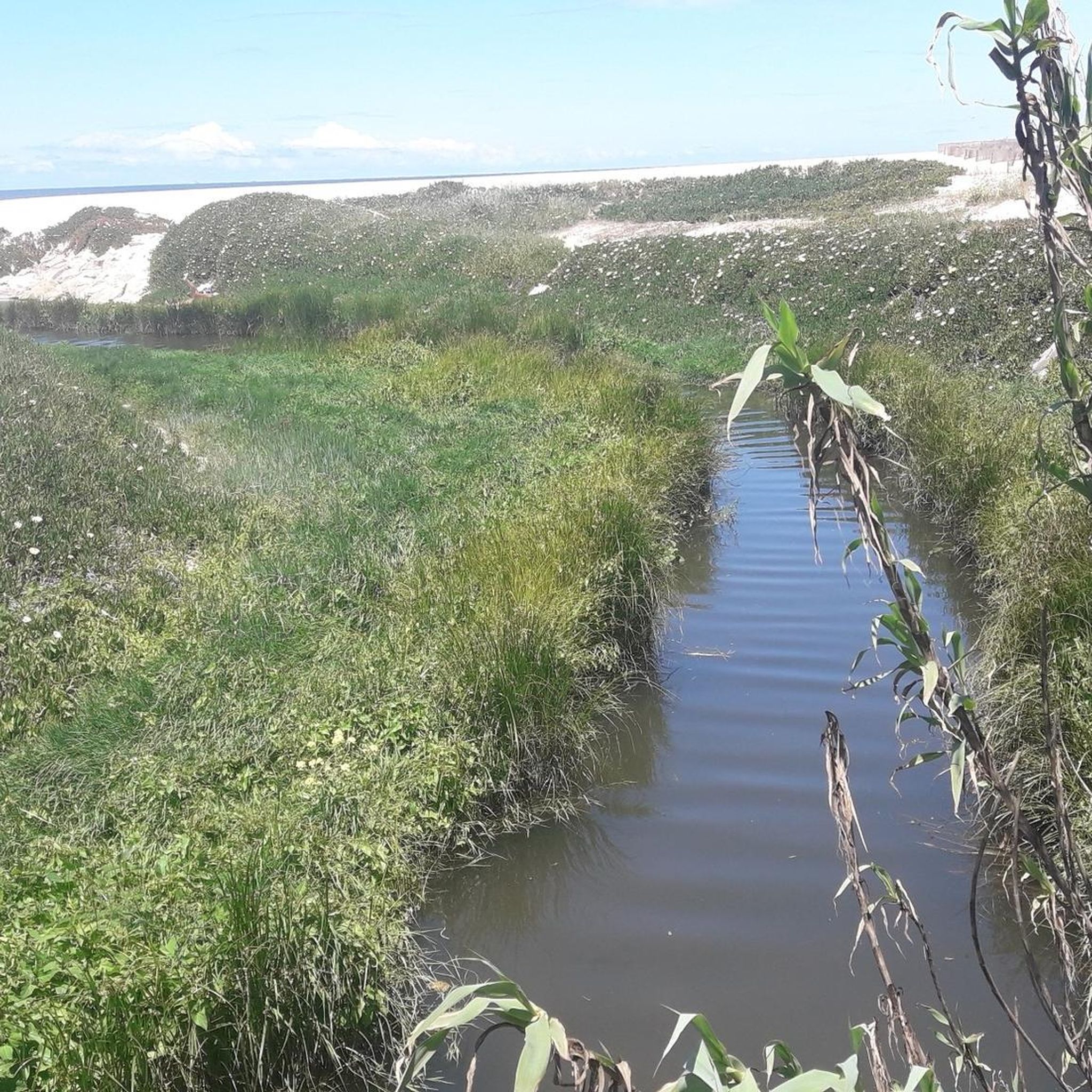
- Another must-see spot is Barrinha de Esmoriz Nature Reserve, a lake and coastal lagoon of brackish water. This reserve is recognized as an Important Area for the Preservation of Birds and offers paths over wooden planks, suitable for walks or bicycle rides.
- Visitors also love Aguda Dunes Park, an extensive coastal natural park. This park is accessible by trails along the beach and further inland by road, showcasing dunes generated by the combined action of sand, wind, and deposition surfaces.
- Espinho is known for its coastal chapels, natural reserves, and extensive dune systems. The area provides a variety of attractions to see and explore, from historical sites to protected natural landscapes.
- The attractions around Espinho are appreciated by the komoot community, with more than 280 upvotes and over 100 photos shared by visitors.
Last updated: October 5, 2026
Barrinha de Esmoriz Nature Reserve
Highlight • Lake
Wonderful circuit; to drive well with children. With beach access.
Translated by Google •
Tip by

Chapel of Senhor da Pedra (Chapel of the Lord of the Rock)
Highlight • Religious Site
Translated by Google •
Tip by

Sign up now to discover places like this
Get recommendations on the best single tracks, peaks, & plenty of other exciting outdoor places.
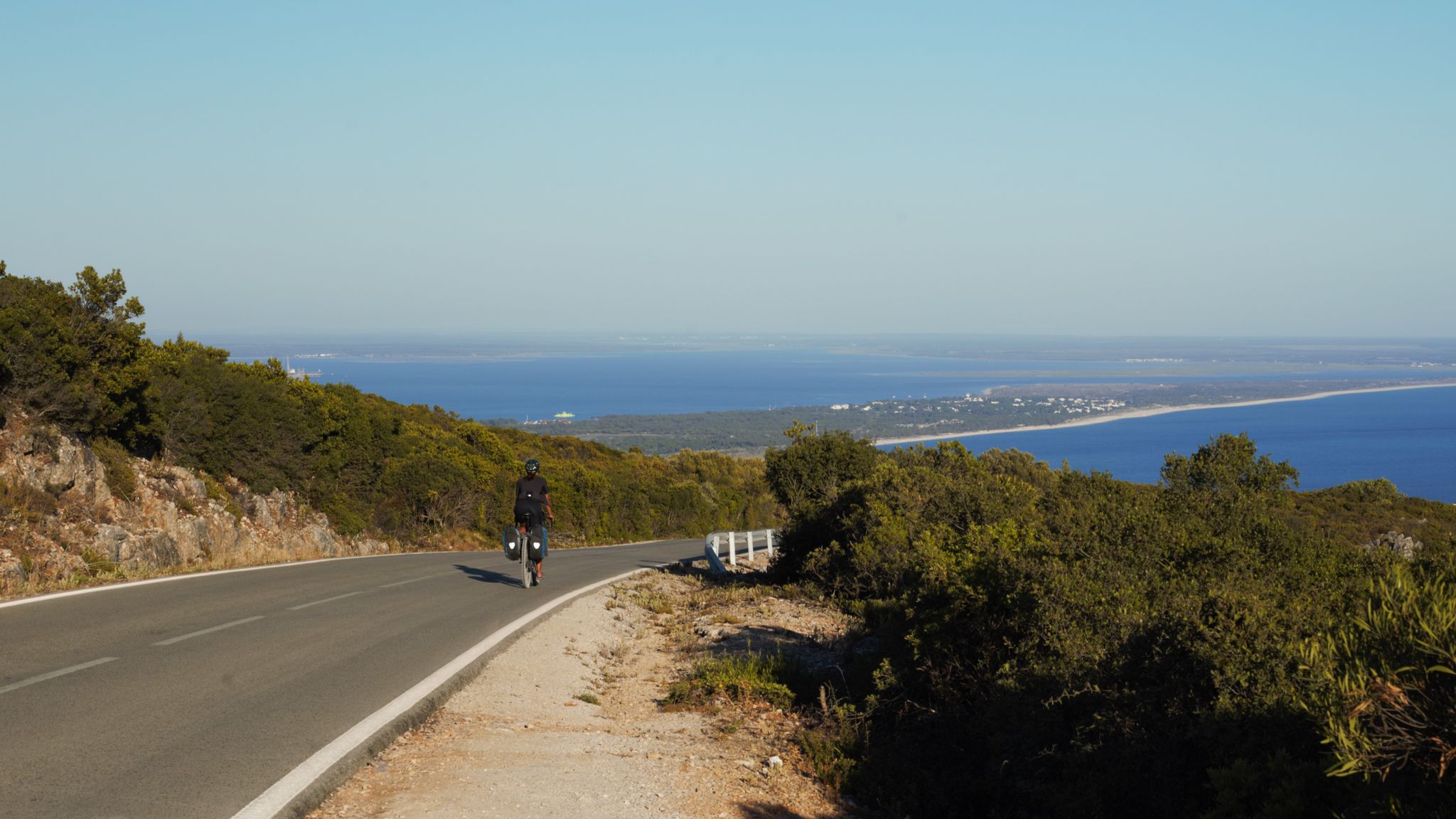
Atlantic Cycle Path and the Dunes of Ovar
Highlight (Segment) • Cycleway
Tip by

Aguda
Highlight • Beach
Translated by Google •
Tip by
Esmoriz Beach 🏖️
Highlight • Beach
Tip by
Sign up for free to discover even more attractions around Espinho.
Already have an account?
Start today with a free account
Your next adventure awaits.

Other adventures around Espinho

Tips from the Community

There are some pretty buildings. However, the vast majority looks rather modest.
3
0

Cool view of a beautiful house
1
0

I recommend it very beautiful
1
0

super good shared bike path
1
0

The Chapel of Senhor da Pedra is located on Praia do Senhor da Pedra, in Gulpilhares, in the current parish of Gulpilhares and Valadares, in the Municipality of Vila Nova de Gaia, Porto District, in Portugal. The Chapel of Senhor da Pedra, built on a rocky massif, on the sands of Gulpilhares beach, was built on a rock by the sea in June 1763. It is believed that the origin of the cult at the Chapel of Senhor da Pedra may have its origins in an ancient pagan cult, of a naturalist nature, of pre-Christian peoples, whose deities were venerated in the midst of nature, having later been converted to Christianity.
1
0

The Aguda were ex-slaves from Brazil who settled in Portugal.
3
0
The chapel was built later in 1673, causing the original nature cult to be eradicated by Christianity
8
0
It is believed that the origin of the cult in the Capela do Senhor da Pedra can have its origins in an ancient pagan cult, of a naturalistic nature, of pre-Christian people, whose gods were worshiped in full nature, after they were later converted to Christianity . Source Wikipedia
9
0
Frequently Asked Questions
What natural features can I explore around Espinho?
The region around Espinho is rich in natural beauty. You can visit the Barrinha de Esmoriz Nature Reserve, a coastal lagoon recognized for bird preservation, offering paths over wooden planks. Another option is the Aguda Dunes Park, an extensive coastal natural park with trails along the beach. The Atlantic Cycle Path and the Dunes of Ovar also offer a pleasant experience through pine trees and access to dunes and beaches.
Are there easy walks or hiking trails near Espinho attractions?
Yes, there are several easy hiking options. For example, you can explore the area around the Barrinha de Esmoriz Nature Reserve, which has a wonderful circuit suitable for walks. You can find more easy hikes, including routes like the 'Paramos Beach – Esmoriz Dunes loop', by checking the Easy hikes around Espinho guide.
What historical or religious sites can I visit near Espinho?
The most notable historical and religious site is the Chapel of Senhor da Pedra (Chapel of the Lord of the Rock). This unique chapel is built on rocks in the middle of a beach and can be completely surrounded by the sea at high tide. It's known for its distinctive hexagonal floor plan and ancient origins.
Are there family-friendly attractions around Espinho?
Absolutely. Many attractions are suitable for families. The Chapel of Senhor da Pedra offers a unique coastal experience. The Barrinha de Esmoriz Nature Reserve has paths over wooden planks, great for walks or bicycle rides with children. The Aguda Dunes Park and the Atlantic Cycle Path and the Dunes of Ovar also provide enjoyable outdoor activities for all ages.
Can I go cycling near Espinho's attractions?
Yes, cycling is a popular activity in the area. The Atlantic Cycle Path and the Dunes of Ovar is an excellent paved section of the EuroVelo 1, offering shaded routes through pine trees. For more cycling options, you can explore the MTB Trails around Espinho guide or the Road Cycling Routes around Espinho guide.
What is the best time to visit attractions around Espinho?
The region is generally pleasant for outdoor activities from spring to early autumn (April to October). During these months, the weather is typically mild and sunny, ideal for exploring coastal areas, nature reserves, and cycling paths. Summer (June to August) is peak season, offering warm temperatures perfect for beach visits, but attractions might be busier.
Are there any hidden gems or less-known spots worth visiting near Espinho?
While the main attractions are well-known, exploring the smaller coastal villages and their local beaches can offer a more tranquil experience. The extensive dune systems, such as those found within the Aguda Dunes Park, provide quiet trails away from the crowds, showcasing the unique coastal ecosystem formed by sand, wind, and vegetation.
What do visitors enjoy most about the attractions around Espinho?
Visitors particularly appreciate the unique setting of the Chapel of Senhor da Pedra, especially when it's surrounded by the sea at high tide. The peaceful atmosphere and well-maintained paths of the Barrinha de Esmoriz Nature Reserve are also highly praised, as is the pleasant, shaded cycling experience along the Atlantic Cycle Path.
Can I find coastal walks or trails around Espinho?
Yes, the region is known for its coastal trails. You can walk along the beach trails within the Aguda Dunes Park, or enjoy the scenic routes that run parallel to the coast, such as sections of the Atlantic Cycle Path. The Barrinha de Esmoriz Nature Reserve also offers pleasant circuits with wooden walkways near the water.
Are there any places for birdwatching near Espinho?
Yes, the Barrinha de Esmoriz Nature Reserve is an excellent spot for birdwatching. It is recognized as an Important Area for the Preservation of Birds (IBA) and is home to species like Charadrius alexandrinus and various cane passerines. It also serves as a stopover for migratory birds in the autumn.
What kind of landscapes can I expect to see around Espinho?
The landscape around Espinho is characterized by its extensive sandy beaches, coastal dunes, and unique natural reserves. You'll find a mix of ocean views, protected wetlands, and areas with pine forests, offering diverse scenery from the dramatic setting of the Chapel of Senhor da Pedra to the tranquil paths of the Barrinha de Esmoriz Nature Reserve.
Most popular attractions around Espinho

Get inspired with the komoot mobile app


Explore more
Still not found the Highlight you’re looking for? See guides of the top attractions in other regions:
