Attractions and Places To See around Norte Pequeno - Top 20
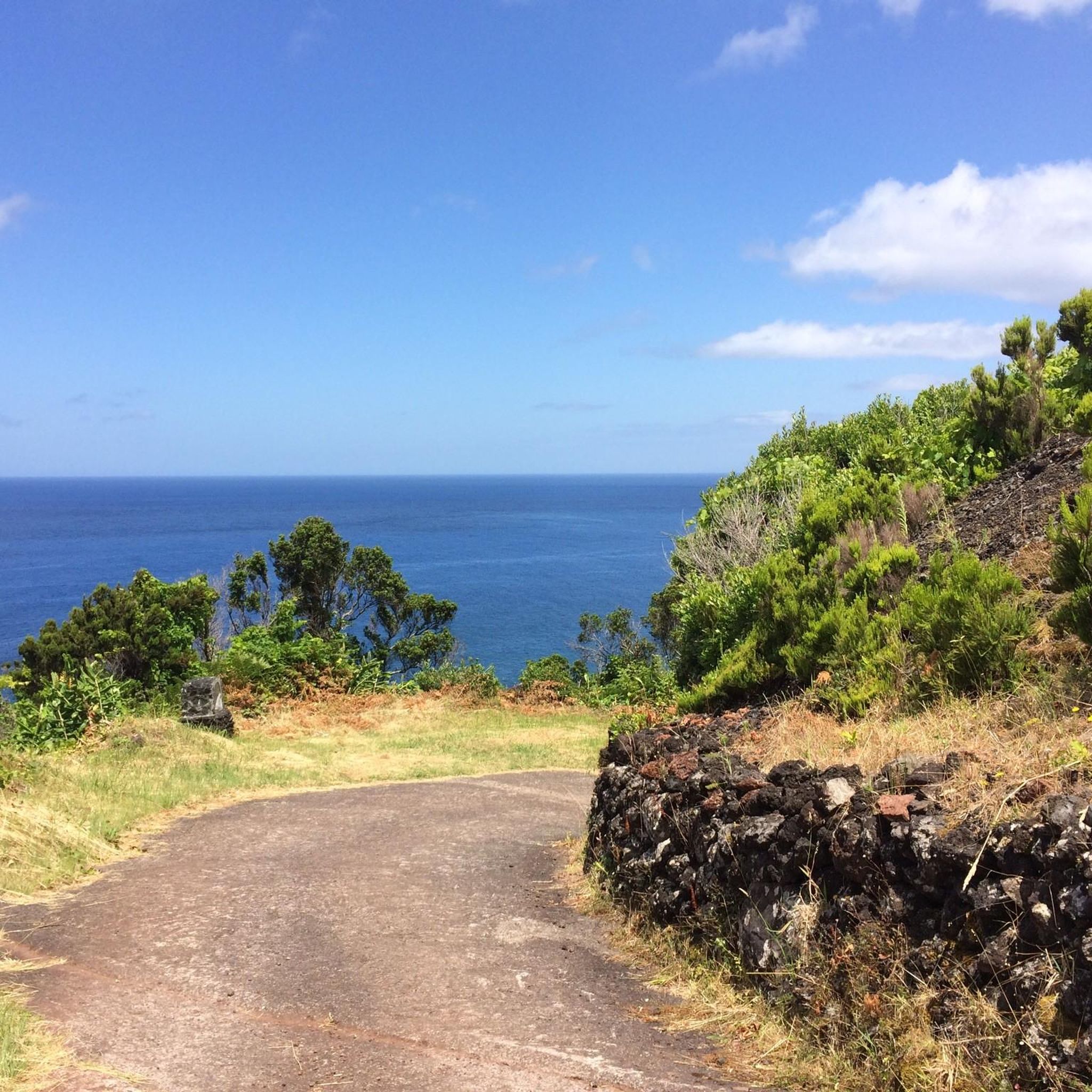
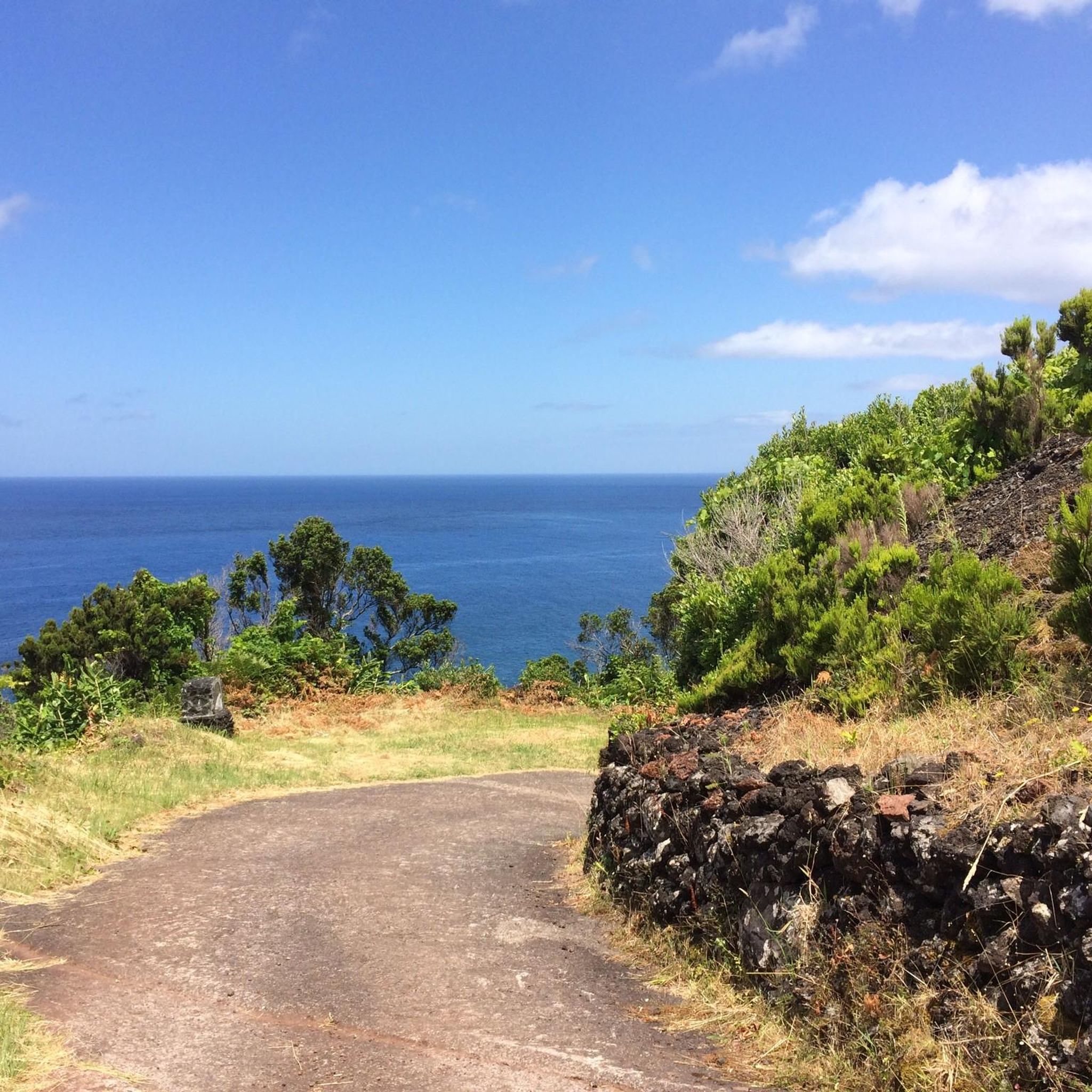
Best attractions and places to see around Norte Pequeno include a variety of natural and cultural sites on the northern coast of São Jorge Island in the Azores. This region is characterized by its unique geological formations known as "fajãs," which are landmasses created by cooled lava flows at the base of coastal cliffs. The area also features scenic hiking trails that connect these distinctive landscapes. Visitors can explore traditional Azorean culture and diverse natural beauty.
Best attractions and places to see around Norte Pequeno
- The most popular attractions is Fajã de Santo Cristo, a settlement that is a unique landmass formed by cooled lava flows. It is notable for its remote location, offering a small town with overnight options and a restaurant serving fresh seafood.
- Another must-see spot is Pico da Esperança Crater Lake, the highest summit on São Jorge Island. This volcanic mountain reaches an altitude of 1053 meters and features abundant vegetation of high botanical value.
- Visitors also love Fajã de Além, a settlement accessible via walking paths. This fajã is characterized by drinking water streams, a historic water mill, and traditional cultivation of crops like corn and sweet potatoes.
- Norte Pequeno is known for its unique fajãs, scenic hiking trails, and traditional Azorean settlements. Visitors can explore a variety of natural monuments and cultural sites.
- The attractions around Norte Pequeno are appreciated by the komoot community, with 4 highlights featuring 64 photos and receiving 117 upvotes.
Last updated: May 20, 2026
Fajã de Santo Cristo
Highlight • Settlement
Tip by

Fajã dos Cubres
Highlight • Settlement
Translated by Google •
Tip by

Sign up now to discover places like this
Get recommendations on the best single tracks, peaks, & plenty of other exciting outdoor places.
Sign up for free
Pico da Esperança Crater Lake
Highlight • Summit
Translated by Google •
Tip by
Small Waterfall
Highlight • Waterfall
Translated by Google •
Tip by

Fajã de Além
Highlight • Settlement
Translated by Google •
Tip by
Sign up for free to discover even more attractions around Norte Pequeno.
Sign up for free
Already have an account?
Start today with a free account
Your next adventure awaits.
Login or Signup
Popular around Norte Pequeno
Tips from the Community

If you come to Sao Jorge, you'll most likely want to take one of the hikes to Caldeira de Santo Cristo. The flat and short route there starts from the Faja dos Cubres and is definitely a feast for the eyes. The sound of the waves and how they pull the rounded lava rocks back into the sea is almost meditative. 🤌
0
0
The Fajã de Santo Cristo was not formed by a lava flow like most other fajas, but by the undermining of the rocks and the collapse of the overlying rock walls.
0
0

Came around 17h and found not a single soul, so could enjoy the pool all to myself
0
0

Fajã dos Cubres marks the end point of the route that begins in Serra do Topo. A beautiful and idyllic place by the sea. For those who choose to return to walking, it is a mandatory stopping point. However, it is also possible to return from here by taxi to the start.
0
0
Fajã dos Cubres marks the end point of the route that begins in Serra do Topo. A beautiful and idyllic place by the sea. For those who choose to return walking, it is an obligatory stopping point. However, it is also possible to return from here by taxi to the start.
0
0
Just look at a map to realize that São Jorge Island is a long mountain range - even with the Atlantic hiding and submerging much of the mountain range. The highest point of the Island is Pico da Esperança, with its 1053 meters of altitude, a volcanic mountain with abundant vegetation of high botanical value.
2
0
Fajã de Além, located on the north coast of the island of São Jorge, is accessible via two paths that take approximately 3 hours. It is characterized by its drinking water streams and a historic water mill. The fajã has around 20 houses inhabited mainly on weekends and is known for growing corn, sweet potatoes, cabbage and yams. The transport of goods is done by a system of cables and animals, maintaining its isolated and traditional nature.
1
0

Beautiful church right on the beach. Good place to take a short break on your hike. Here you will find peace and shade.
0
0
Frequently Asked Questions
What unique natural features can I explore in Norte Pequeno?
Norte Pequeno is renowned for its unique geological formations called "fajãs," which are landmasses created by cooled lava flows at the base of coastal cliffs. You can explore several, including Fajã de Santo Cristo, Fajã dos Cubres, and Fajã de Além. Additionally, the highest point on São Jorge Island, Pico da Esperança Crater Lake, offers a volcanic mountain with abundant vegetation.
What hiking trails are available around Norte Pequeno?
The region offers a variety of hiking trails. For a general overview of routes, you can check the Hiking around Norte Pequeno guide. Popular routes include the PRC6SJO Trilho do Norte Pequeno, which explores Fajãs do Mero, Penedia, and Pontas, and trails leading to Fajã de Santo Cristo and Fajã dos Cubres.
Are there easy hiking options for beginners or families in Norte Pequeno?
Yes, there are easy hiking options suitable for families and beginners. For instance, the Easy hikes around Norte Pequeno guide lists routes like the loop from Área de Paisagem Protegida das Fajãs do Norte to Fajã de Santo Cristo and the Small Waterfall, which is about 4 km long and considered easy.
What cultural or historical sites can I visit in Norte Pequeno?
Norte Pequeno offers a glimpse into traditional Azorean culture, particularly through its isolated fajãs. In Fajã de Além, you can see a historic water mill and traditional cultivation. The Hiking North Route also allows visitors to experience a typical Fajã house and meet residents maintaining a traditional lifestyle. The recently rebuilt Chapel of Santa Filomena in Fajã da Penedia is another point of interest.
Are there family-friendly attractions in Norte Pequeno?
Many of the natural attractions in Norte Pequeno are considered family-friendly. For example, the Fajã de Santo Cristo and Fajã dos Cubres are great for exploring, and the Small Waterfall is an easy and enjoyable spot for families to visit and even cool off.
What is the best time of year to visit Norte Pequeno?
While specific seasonal data isn't provided, the Azores generally enjoy a mild climate year-round. For hiking and exploring the fajãs, spring and early autumn often offer pleasant temperatures and less rainfall, making it ideal for outdoor activities.
Where can I find accommodation or dining options near Norte Pequeno's attractions?
In the remote Fajã de Santo Cristo, there are options for overnight stays and a restaurant serving fresh seafood. The Taberna o Convés in Fajã de Santo Cristo is noted for its friendly service and delicious food. For broader options, nearby towns on São Jorge Island would offer more choices.
How can I reach the more remote fajãs like Fajã de Santo Cristo?
Fajã de Santo Cristo is notably remote and is primarily accessible by walking, bike, or quad. Goods are sometimes transported by cable systems and animals, highlighting its isolated and traditional nature. Fajã de Além is also accessible via walking paths, typically taking around 3 hours.
Are there any notable viewpoints in the Norte Pequeno area?
Yes, the region offers several stunning viewpoints. Pico da Esperança Crater Lake, as the highest point on São Jorge, provides expansive views. Many of the fajãs, such as Fajã de Santo Cristo, Fajã dos Cubres, and Fajã de Além, also offer picturesque coastal views.
Can I find running trails near Norte Pequeno's attractions?
Yes, there are several running trails in the vicinity. You can explore options in the Running Trails around Norte Pequeno guide. Routes like the Serra do Topo - Caldeira de Santo Cristo - Fajã dos Cubres Trail offer challenging and scenic runs.
What wildlife might I encounter in Norte Pequeno?
While specific wildlife details are not extensively provided, the region's rich vegetation, especially around Pico da Esperança Crater Lake, suggests a diverse ecosystem. The coastal areas and fajãs are home to various marine birds and possibly unique island fauna. The hiking trails showcase diverse plant species like Azorean Heather, Firetree, and Yellow Ginger Lily.
Are there any less crowded hiking spots in Norte Pequeno?
The remote nature of many fajãs, such as Fajã de Santo Cristo, often means they are less crowded due to their accessibility primarily by foot. Exploring the lesser-known fajãs along the PRC6SJO Trilho do Norte Pequeno, like Fajã do Mero or Fajã da Penedia, could offer a more tranquil experience.
Most popular routes around Norte Pequeno
Most popular attractions around Norte Pequeno

Get inspired with the komoot mobile app


Explore more
Still not found the Highlight you’re looking for? See guides of the top attractions in other regions:
