The best road cycling routes around Lajes Do Pico
5.0
(5)
77
riders
4
rides
Road cycling routes around Lajes Do Pico traverse a landscape shaped by volcanic activity, offering diverse terrain for cyclists. The island features a robust road network winding through pastures, villages, and coastal areas. Cyclists encounter varied elevations, from coastal roads to ascents towards higher volcanic features. The region is characterized by its unique vineyard landscape, volcanic lagoons, and views of Pico Mountain.
Best road cycling routes around Lajes Do Pico
- The most popular road cycling route is Church of the…
Last updated: May 24, 2026
5.0
(1)
2
riders
35.1km
02:06
920m
920m
Hard road ride. Very good fitness required. Mostly well-paved surfaces and easy to ride.
5.0
(2)
6
riders
67.5km
03:36
1,270m
1,270m
Hard road ride. Very good fitness required. Some segments of this route may be unpaved and difficult to ride.

Sign up for free
5
riders
94.1km
04:56
1,750m
1,750m
Hard road ride. Very good fitness required. Mostly well-paved surfaces and easy to ride.
3
riders
82.0km
05:00
2,080m
2,080m
Hard road ride. Very good fitness required. Some segments of this route may be unpaved and difficult to ride.
10
riders
60.3km
02:52
820m
820m
Moderate road ride. Good fitness required. Mostly well-paved surfaces and easy to ride.
Our route recommendations are based on thousands of hikes, rides, and runs completed by other people on komoot.
Start today with a free account
Your next adventure awaits.
Login or Signup
Popular around Lajes Do Pico
Tips from the Community

Close your eyes, make a wish, walk around the tree forward 3 times and backward 3 times, and then enjoy your wish fulfilled 🤗 (Be careful of the large roots and please don't fall while doing this 😱) Mighty tree that is a natural monument.
0
0

Definitely worth seeing! It tells the story of whaling on Pico. The film vividly depicts how simple and difficult life is on Pico (Lajes) and how the men killed such a gigantic animal with simple means. The museum is very inexpensive and even free to visit on Sundays.
1
0

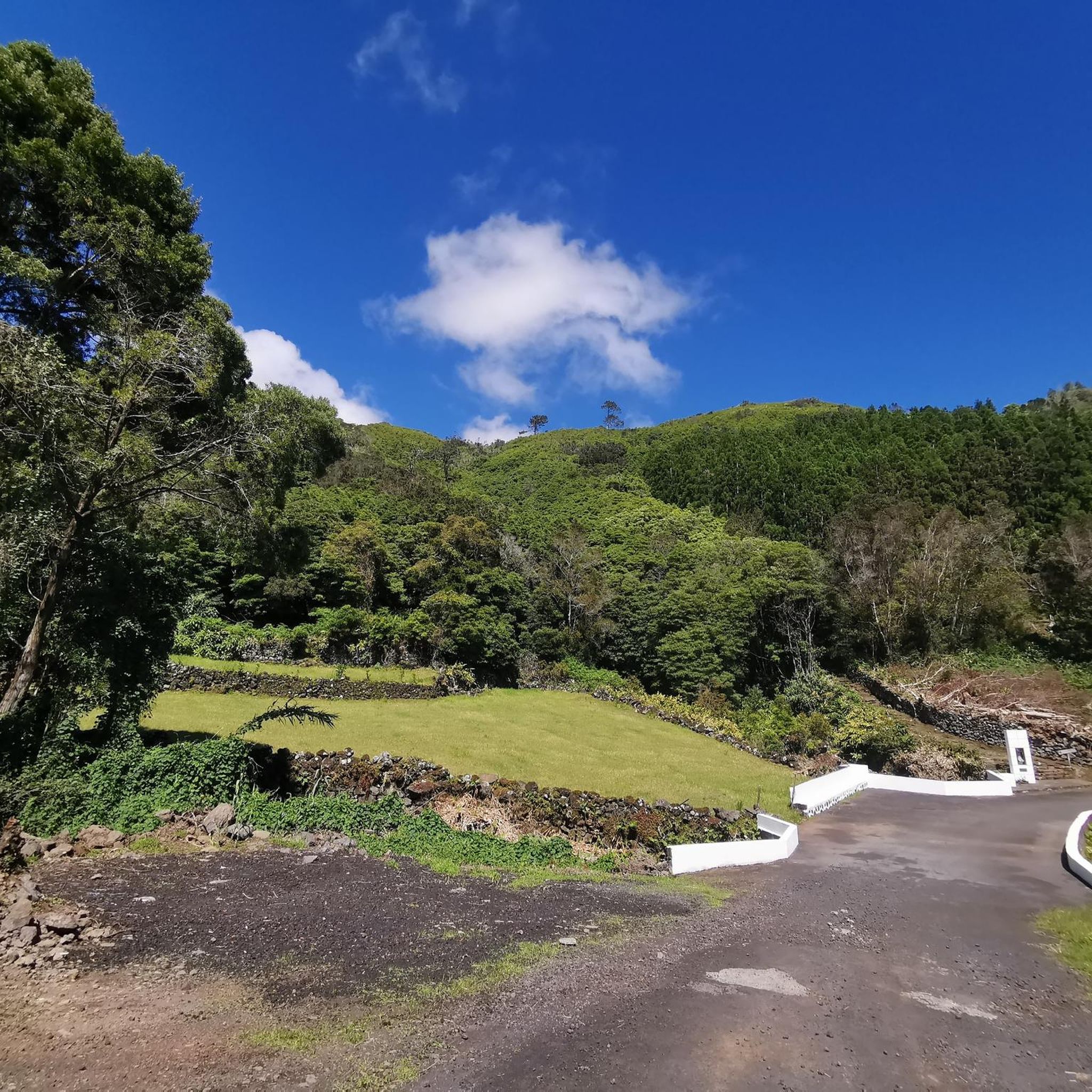
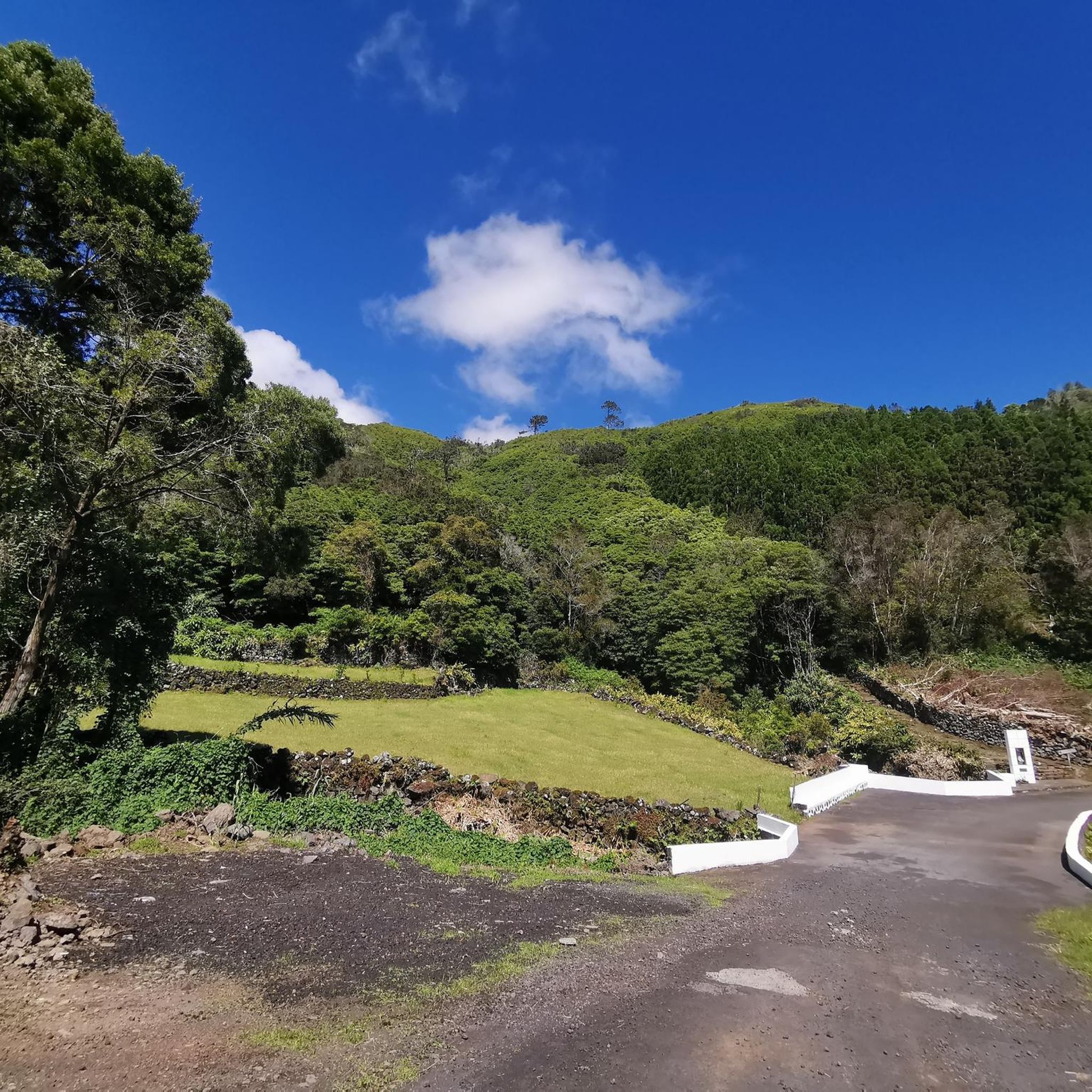
The Mistério de São João Forest Recreation Reserve is a forest park located in the parish of São João, in the municipality of Lajes do Pico, on Pico Island in the Azores. Covering an area of 212 hectares between the parishes of São Caetano and São João, the park is called "Mistério" due to a volcanic eruption in 1718 that destroyed a chapel dedicated to Saint John the Baptist. The park features leisure areas such as picnic spots, a playground, and hiking trails, and is home to notable tree and shrub species like maritime pine and cryptomeria.
0
0


The whaling museum in Lajes do Pico offers an impressive look back to the time when whales were hunted in the Azores rather than just observed. Various products made from the killed animals, lances and harpoons, and a whaling boat are on display. In addition, a film with scenes from a sperm whale hunt is shown in a separate room. The former whale processing factory on Faial (which has also been a museum since the end of whaling in the early 1980s) can also be seen. And like the "Peter's Scrimshaw Museum" in Horta, this museum also houses handicraft exhibits made using the scrimshaw technique. https://de.wikipedia.org/wiki/Scrimshaw
2
0

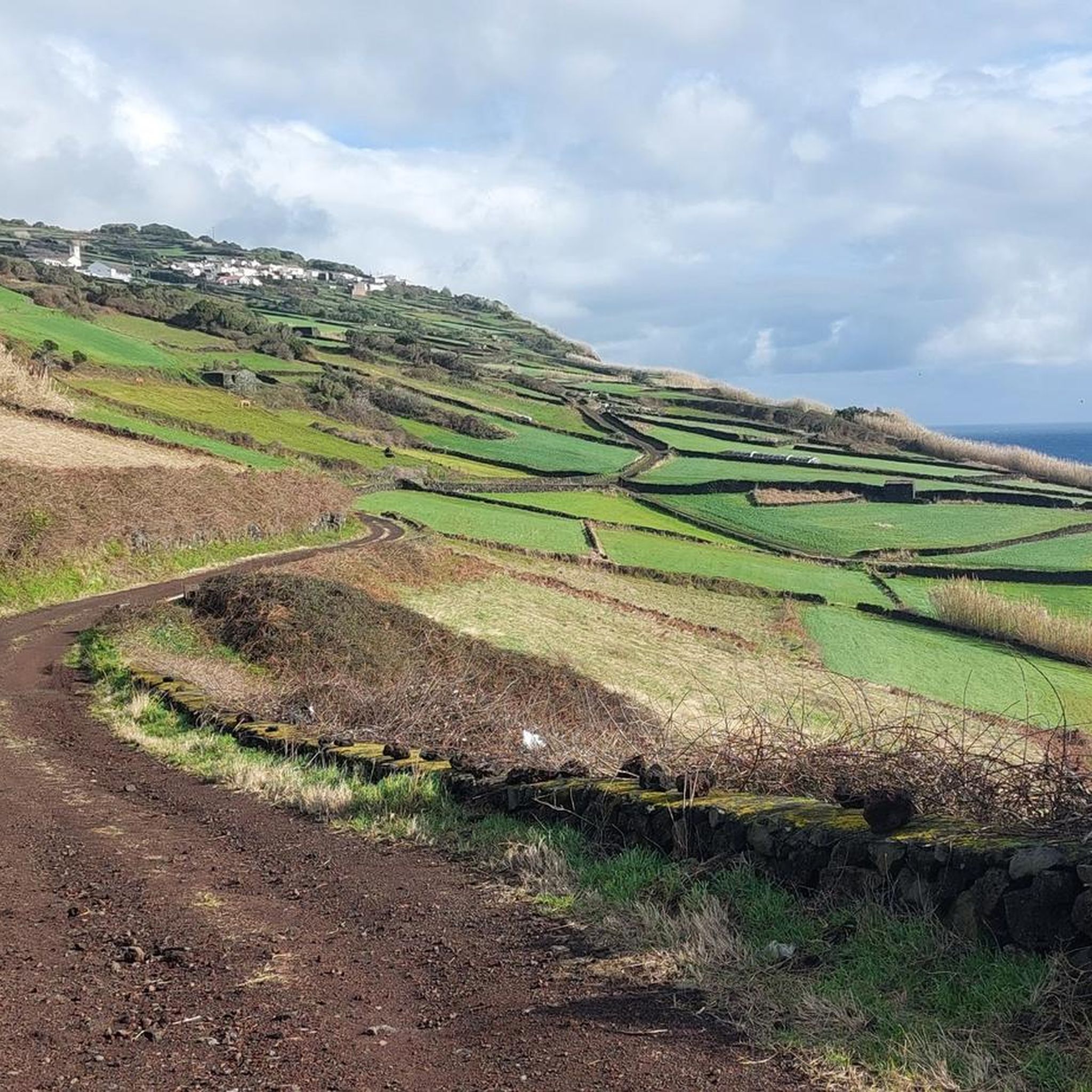
The road that follows the eastern ridge of Pico Island offers unique landscapes - some of the most beautiful in the Azores. It is worth pointing out, however, that the floor is somewhat "rustic", and is not in the best condition. So a 35mm tire wouldn't be a bad choice here.
1
0
At this point on the way up (or descent) from Pico Mountain you have a privileged view. On clear days it is possible to see the entire mountain clearly.
0
0
Nothing more, nothing less than the view of the highest mountain in Portugal: Pico Mountain. The site is unique and deserves a stop for contemplation. It is also worth mentioning the presence of ancient vineyards that cover the landscape.
0
0
Frequently Asked Questions
How many road cycling routes are available around Lajes do Pico?
There are currently 4 road cycling routes around Lajes do Pico listed in this guide. These routes range from moderate to difficult, offering a good challenge for experienced cyclists. Specifically, there is 1 moderate route and 3 difficult routes.
What is the best time of year for road cycling in Lajes do Pico?
The ideal times for road cycling in Lajes do Pico are during the spring (March-May) and fall (September-November) months. During these periods, you can expect mild temperatures and minimal rainfall, making for more comfortable and enjoyable rides through the island's unique landscapes.
Are there any challenging road cycling routes around Lajes do Pico?
Yes, Lajes do Pico offers several challenging road cycling routes. For instance, the Church of São Roque – Terra Alta Viewpoint loop from São Roque do Pico is a difficult route covering over 80 km with more than 2000 meters of elevation gain. Another demanding option is the Whalers' Museum – View of Pico Mountain loop from Ribeiras, which spans nearly 95 km with significant climbs.
What kind of natural features can I expect to see along the road cycling routes?
Road cycling routes around Lajes do Pico showcase the island's dramatic volcanic landscapes. You'll encounter picturesque volcanic lagoons like Captain's Lagoon and Caiado Lagoon, often situated at high elevations. The routes also offer views of the UNESCO World Heritage Vineyard Landscape, characterized by its intricate dry stone walls, and the imposing Pico Mountain, Portugal's highest peak.
Are there any viewpoints or landmarks along the cycling routes?
Absolutely. Many routes offer stunning vistas. For example, the Church of São Roque – Terra Alta Viewpoint loop passes by the Terra Alta Viewpoint, providing panoramic views. You might also pass by cultural landmarks such as the Whaler's Museum, which commemorates the island's rich maritime history.
Are there any loop routes available for road cycling?
Yes, all the road cycling routes listed in this guide are designed as loops, allowing you to start and finish at the same point. Examples include the Church of Saint Mary Magdalene – Friar's Mill loop from São João and the Church of the Holy Trinity – Moinho do Juncal loop from Lajes do Pico.
What do other road cyclists enjoy most about cycling in Lajes do Pico?
The area is highly rated by the komoot community, with an average score of 5.0 stars. Reviewers often praise the dramatic volcanic scenery, the challenging climbs, and the unique cultural elements like the vineyard landscapes and traditional villages encountered along the routes.
Is it possible to cycle to the volcanic lagoons on Pico Island?
Yes, some road cycling routes provide access to the island's volcanic lagoons. The Lagoas do Caiado e Seca route, for instance, takes you towards Caiado Lagoon and Dry Lagoon, offering stunning views at higher elevations.
Are there any specific permits required for road cycling on Pico Island?
Generally, no specific permits are required for road cycling on the public roads of Pico Island. However, if your route involves entering protected natural areas or specific private properties, it's always advisable to check local regulations. For information on protected areas, you can consult the official Azores government website: parquesnaturais.azores.gov.pt.
Can I find places to eat or drink along the road cycling routes?
While the routes themselves might pass through more remote areas, Lajes do Pico and other villages along the coast offer various cafes, restaurants, and pubs where cyclists can refuel. It's recommended to plan your stops in advance, especially on longer routes, and carry sufficient water and snacks.
What are the typical distances and elevation gains for road cycling routes in this area?
The road cycling routes around Lajes do Pico vary significantly. Distances typically range from approximately 35 km to nearly 95 km. Elevation gains are substantial, reflecting the island's volcanic terrain, with routes featuring ascents from around 770 meters up to over 2000 meters, making for challenging and rewarding rides.
Most popular attractions around Lajes Do Pico

Get inspired with the komoot mobile app


Explore more
Browse the best Road cycling routes in other regions.
