Attractions and Places To See around Wiesentheid - Top 20
Best attractions and places to see around Wiesentheid include a blend of Baroque architecture and natural landscapes. Situated between the Steigerwald forest and the Franconian wine country, Wiesentheid offers cultural heritage and outdoor activities. The town is known for its well-preserved historical ensemble and scenic vineyards, providing a diverse range of experiences.
Best attractions and places to see around Wiesentheid
- The most popular attractions is Volkach Market Square and Fountain, a settlement that features a historic town hall and adjacent alleys. This market square serves as a central point in the wine town of Volkach.
- Another must-see spot is Volkacher Mainschleife, a river area known for its scenic views. Visitors can expect a very beautiful area around Volkach, popular for cycling and hiking.
- Visitors also love Sommerach vineyards, an other natural area offering promising panoramas. Here, the famous Main Loop runs along the wine slopes, providing scenic sections for cycling and walking.
- Wiesentheid is known for its Baroque architecture, extensive vineyards, and numerous hiking and cycling trails. The region offers a variety of attractions, from historical town centers to natural landscapes along the Main river.
- The attractions around Wiesentheid are appreciated by the komoot community, with more than 3,800 upvotes and over 1,600 photos shared across more than 35 highlights.
Last updated: September 26, 2026
Volkach Market Square and Fountain
Highlight • Settlement
Translated by Google •
Tip by

Volkacher Mainschleife
Highlight • River
Translated by Google •
Tip by

Sign up now to discover places like this
Get recommendations on the best single tracks, peaks, & plenty of other exciting outdoor places.
Sommerach vineyards
Highlight • Natural
Translated by Google •
Tip by

Sommerach Market Square
Highlight • Settlement
Translated by Google •
Tip by

View of Maria im Weingarten Pilgrimage Church
Highlight • Religious Site
Translated by Google •
Tip by

Sign up for free to discover even more attractions around Wiesentheid.
Already have an account?
Start today with a free account
Your next adventure awaits.
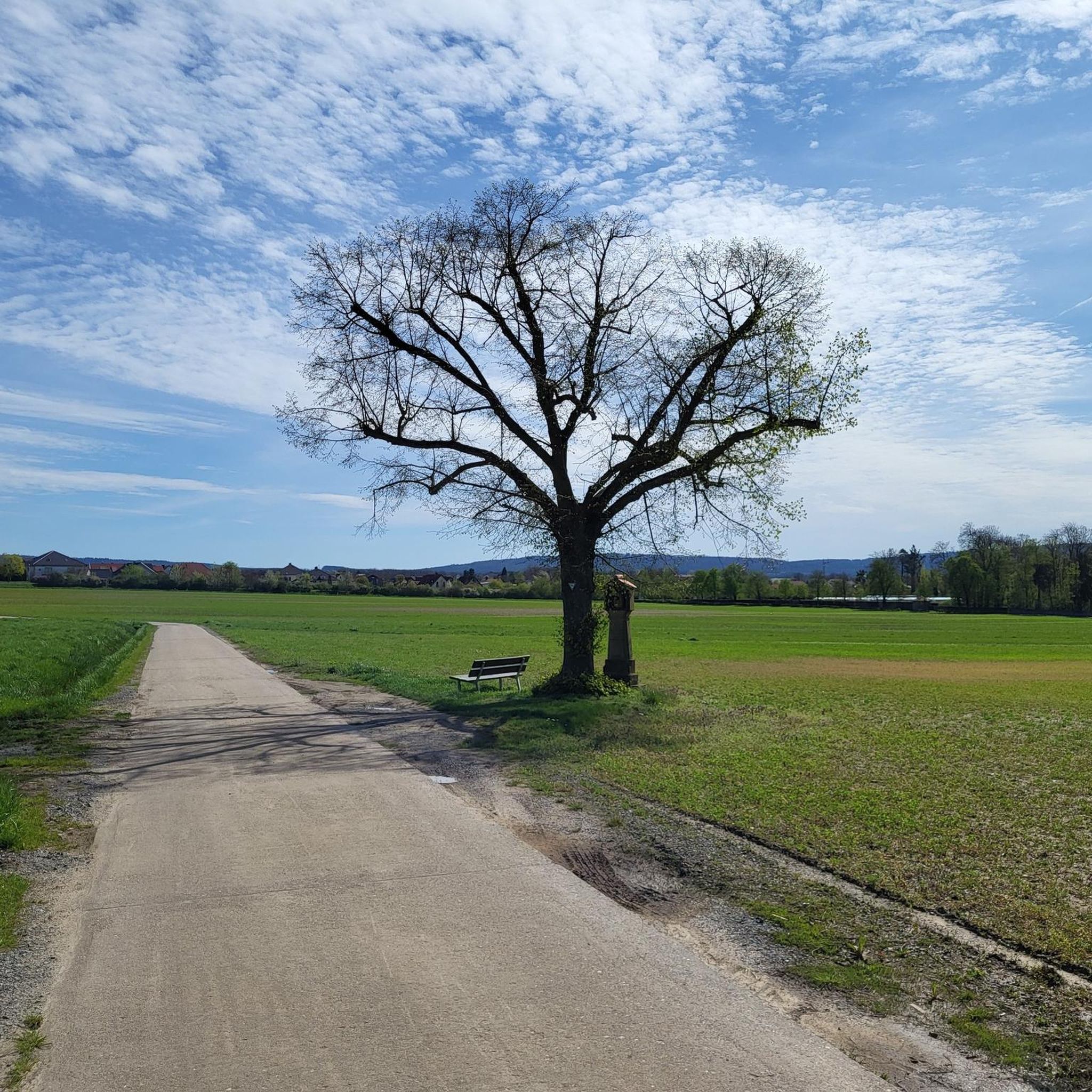
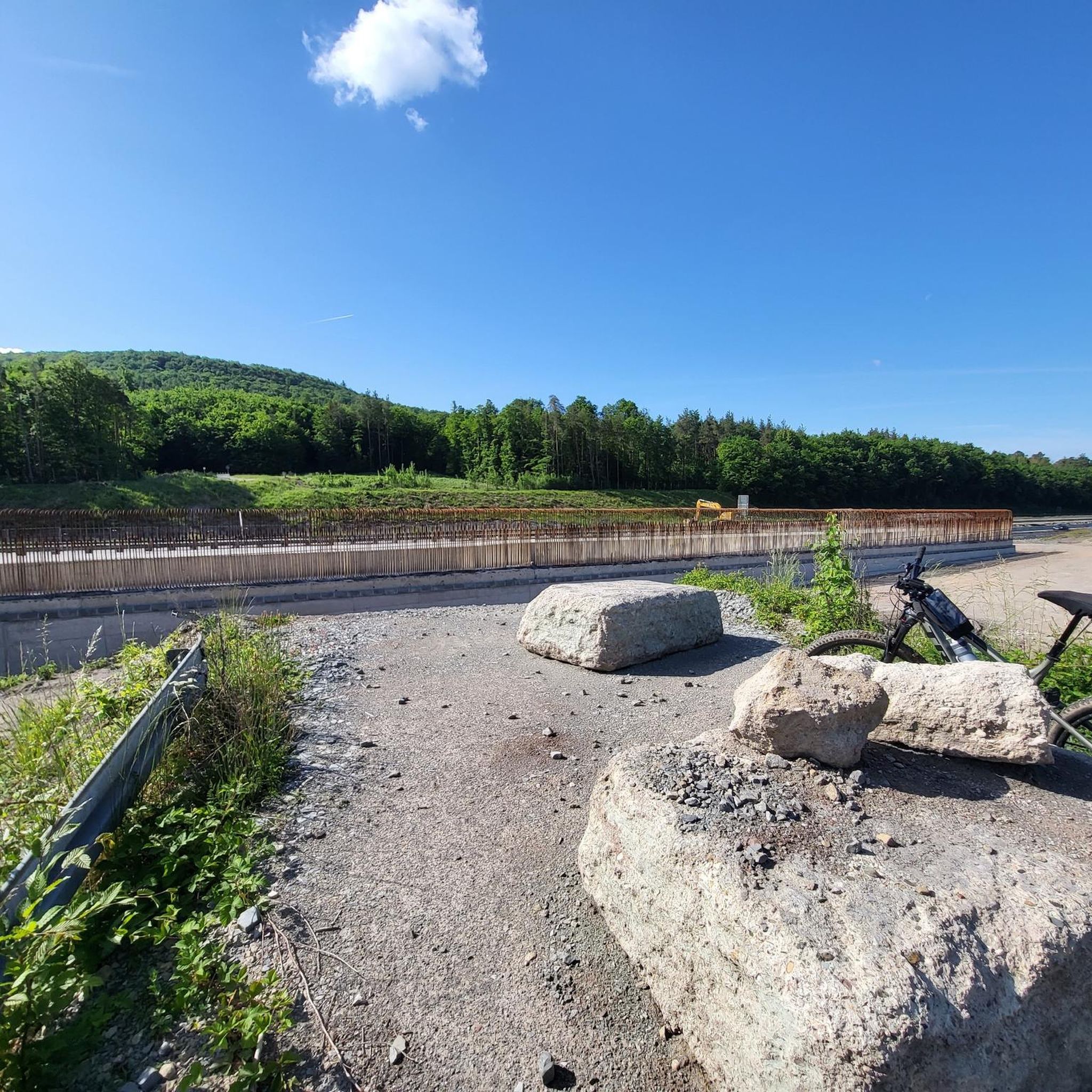
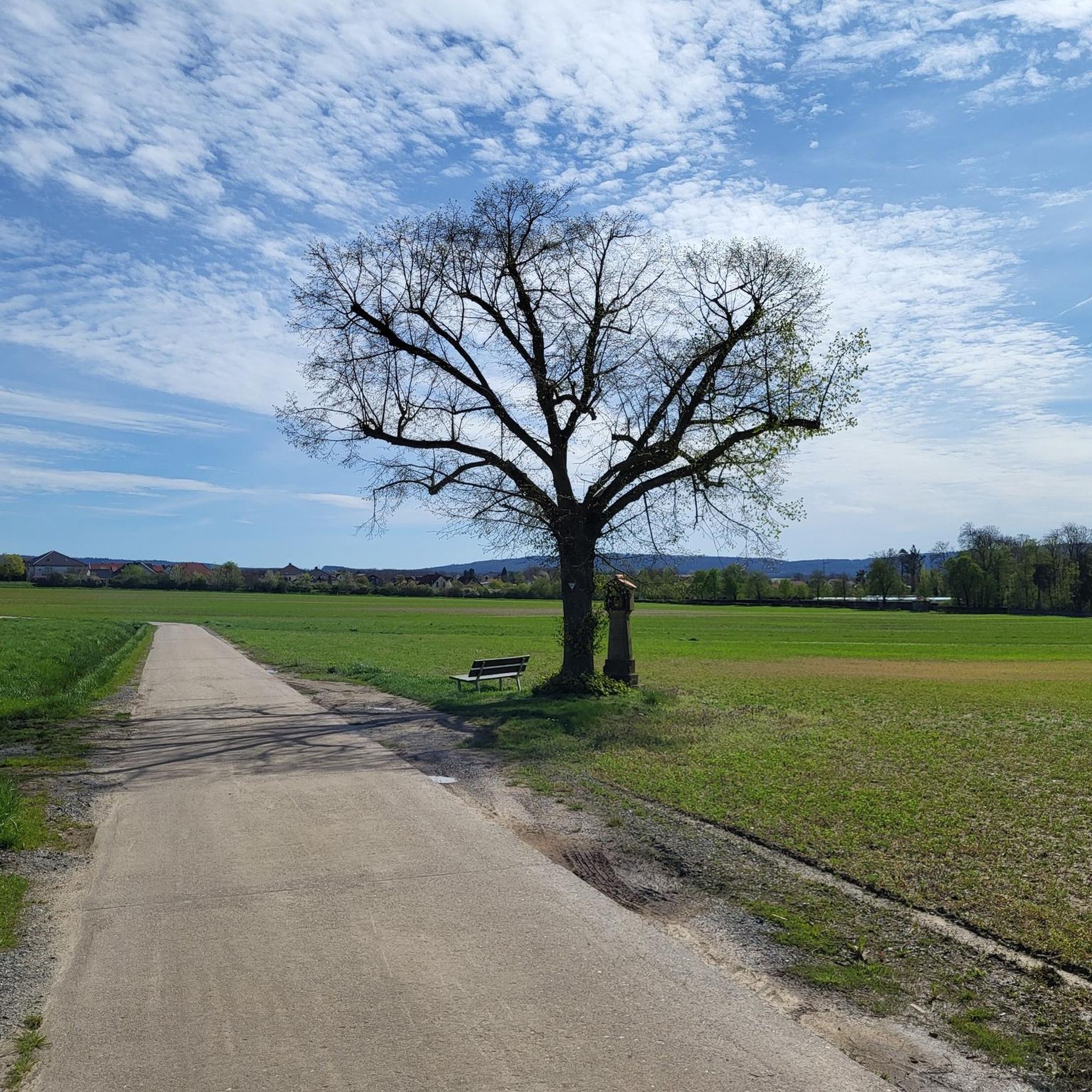
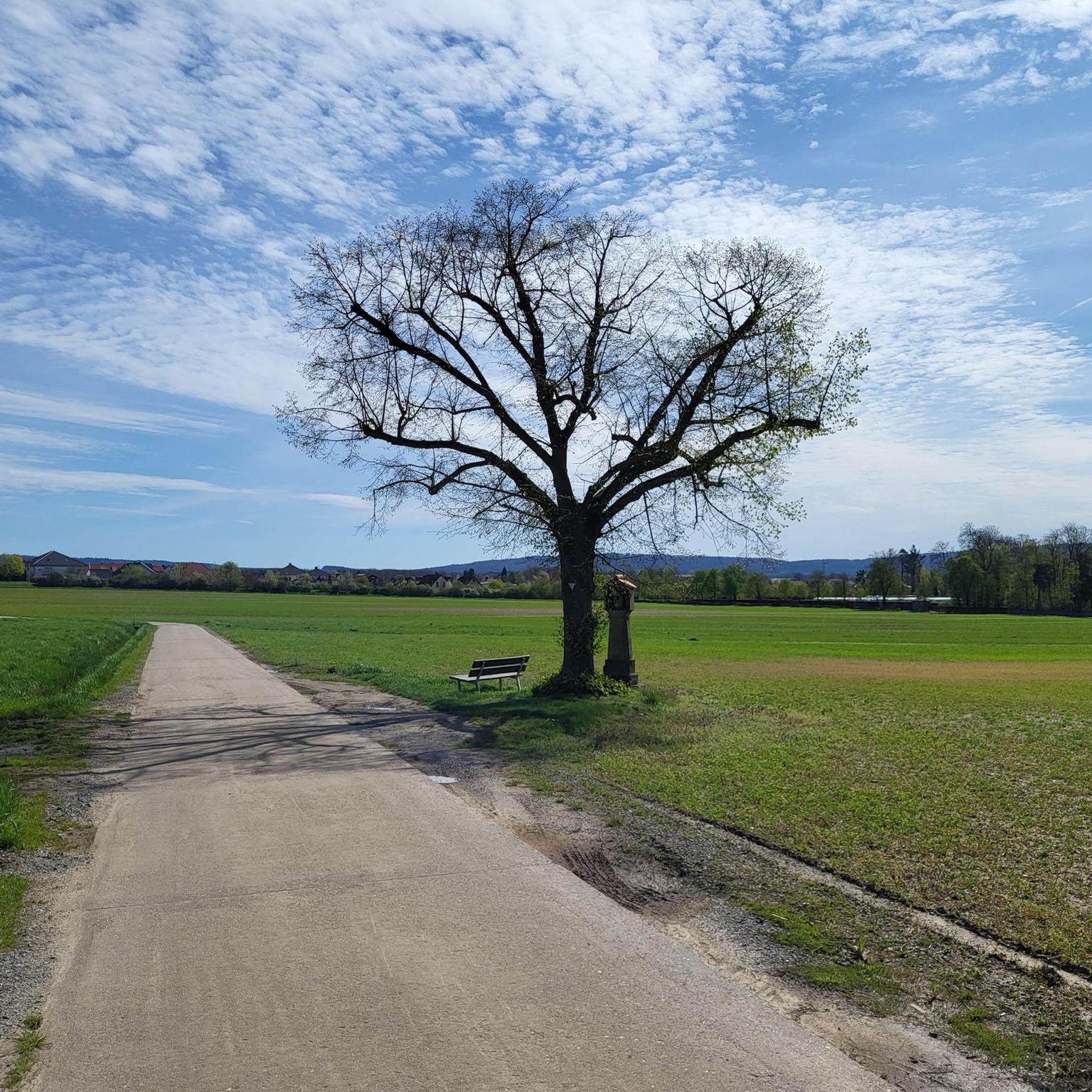
Tips from the Community


Well-kept vineyards far and wide, I know a lot about them ☺️
4
0

On the wine island there are great paths in the vineyard and viewpoints with fantastic views of the surrounding area and into the distance.
3
0


Vineyards, dozens of winegrowers and hedgerow taverns invite you
5
2

Beautiful view of the Main river loop, in every season!
6
0


Church/monastery in the middle of the vineyards
4
0
Frequently Asked Questions
What historical and architectural sights can I explore in Wiesentheid?
Wiesentheid is renowned for its Baroque architecture. You can admire the exterior of Schloss Wiesentheid, a private residence with a long history. The town center features a unique Baroque ensemble including the Historic Town Hall and the impressive St. Mauritius Church, designed by Balthasar Neumann. A Barockrundgang (Baroque Walking Tour) guides visitors through 14 stations, highlighting the town's rich history and magnificent buildings.
Where can I experience the natural beauty of the Franconian wine country?
The region around Wiesentheid is nestled within the Franconian wine country. You can visit the Sommerach vineyards, which offer promising panoramas where the famous Main Loop runs along the wine slopes. Another must-see spot is the Volkacher Mainschleife, a river area known for its scenic views, popular for cycling and hiking.
Are there parks or gardens for a leisurely stroll in Wiesentheid?
Yes, the Schlosspark (Castle Park) adjacent to Schloss Wiesentheid is largely open to the public. This Baroque garden was transformed into an English landscape garden and offers a diverse variety of trees and picturesque sightlines, providing a serene setting for a leisurely walk. You might also enjoy the Hortus Garten "Emilie" for nature lovers.
What kind of hiking and cycling trails are available around Wiesentheid?
The region is a paradise for outdoor enthusiasts, with numerous well-signposted hiking and cycling paths. You can find routes traversing dense forests, rolling hills, and charming villages. Popular options include sections of the "Steigerwald Panoramaweg" and trails along the Main river. For specific routes, you can explore the hiking guide for Wiesentheid or the running trails guide.
Are there easy hiking trails suitable for families or casual walkers?
Absolutely. There are several easy hiking trails around Wiesentheid perfect for families or those seeking a relaxed walk. For instance, the "Owl Oak – Owl Lake loop from Reupelsdorf" is an easy 3.6 km route. Another option is the "Castell Castle Park – Schönborn Palace Wiesentheid loop from Wiesentheid," which is an easy 7.6 km trail. You can find more easy options in the easy hikes guide for Wiesentheid.
What family-friendly activities are available in the Wiesentheid area?
Families will enjoy the Walderlebnisweg (Forest Adventure Trail) located in Reupelsdorf, which offers exciting stations for play and discovery, along with educational information about local flora and fauna. Many of the natural areas, like the Sommerach vineyards and Volkacher Mainschleife, are also considered family-friendly for walks and cycling.
What are some other historic towns or villages to visit near Wiesentheid?
Beyond Wiesentheid, you can explore the charming Volkach Market Square and Fountain, a historic wine town with over 1,100 years of history. Another notable nearby destination is Dettelbach Old Town, a popular holiday spot known for its historic town hall and unique pastry specialty, the Muskatzinen.
What do visitors enjoy most about the attractions around Wiesentheid?
Visitors frequently praise the scenic beauty of the Sommerach vineyards, especially during harvest season, noting the beautiful colors and charming atmosphere of villages like Sommerach. The Volkacher Mainschleife is highly regarded for its very beautiful area around Volkach, ideal for cycling and hiking. The historic town centers, like Volkach Market Square, are appreciated for their historical charm and opportunities to enjoy local wine.
Are there any cultural routes or specific historical sites beyond the main landmarks?
Yes, beyond the main landmarks, you can discover the Kreuzkapelle St. Jakob, which serves as the burial place and crypt chapel for the Counts of Schönborn. Additionally, the European Cultural Route in Reupelsdorf delves into the history of the ancient settlement, including a significant Bronze Age hoard discovery, offering a deeper dive into the region's past.
When is the best time of year to visit Wiesentheid for outdoor activities and sightseeing?
The region is beautiful throughout the warmer months. The harvest season is particularly recommended for visiting the vineyards, as the landscape is vibrant with color. Spring and summer offer ideal conditions for hiking and cycling along the numerous trails and enjoying the natural beauty of the Main river and surrounding forests.
Are there any attractions or areas that are wheelchair accessible?
Yes, some areas are noted for their accessibility. The Volkach Market Square and Fountain and Volkacher Mainschleife are listed as wheelchair accessible. Additionally, Sommerach Market Square, with its restaurants and cafés, is also noted as being wheelchair friendly.
Most popular routes around Wiesentheid
Most popular attractions around Wiesentheid

Get inspired with the komoot mobile app


Explore more
Still not found the Highlight you’re looking for? See guides of the top attractions in other regions:
