The best cycling routes around Beja (Santiago Maior)
3.8
(4)
23
riders
8
rides
Touring cycling around Beja (Santiago Maior) offers diverse landscapes across Portugal's Alentejo region. The terrain features rolling hills and vast plains, providing both challenging ascents and relatively flat stretches. Cyclists can explore routes winding through extensive olive groves, vineyards, and traditional cork oak forests. Riverbanks and valleys also characterize the region's natural environment, offering varied cycling experiences.
Best touring cycling routes around Beja (Santiago Maior)
- The most popular touring cycling route is Statue of Queen Dona Leonor – Pedestrian zone Beja loop from Beja, a 21.7 miles (34.9 km) trail that takes 2 hours 17 minutes to complete. This moderate route explores the historic urban landscape of Beja.
- Another top favourite among local touring cyclists is Al-Mu’tamid Memorial loop from Beja, an easy 7.5 miles (12.1 km) path. This route offers a relaxed ride around a significant historical landmark.
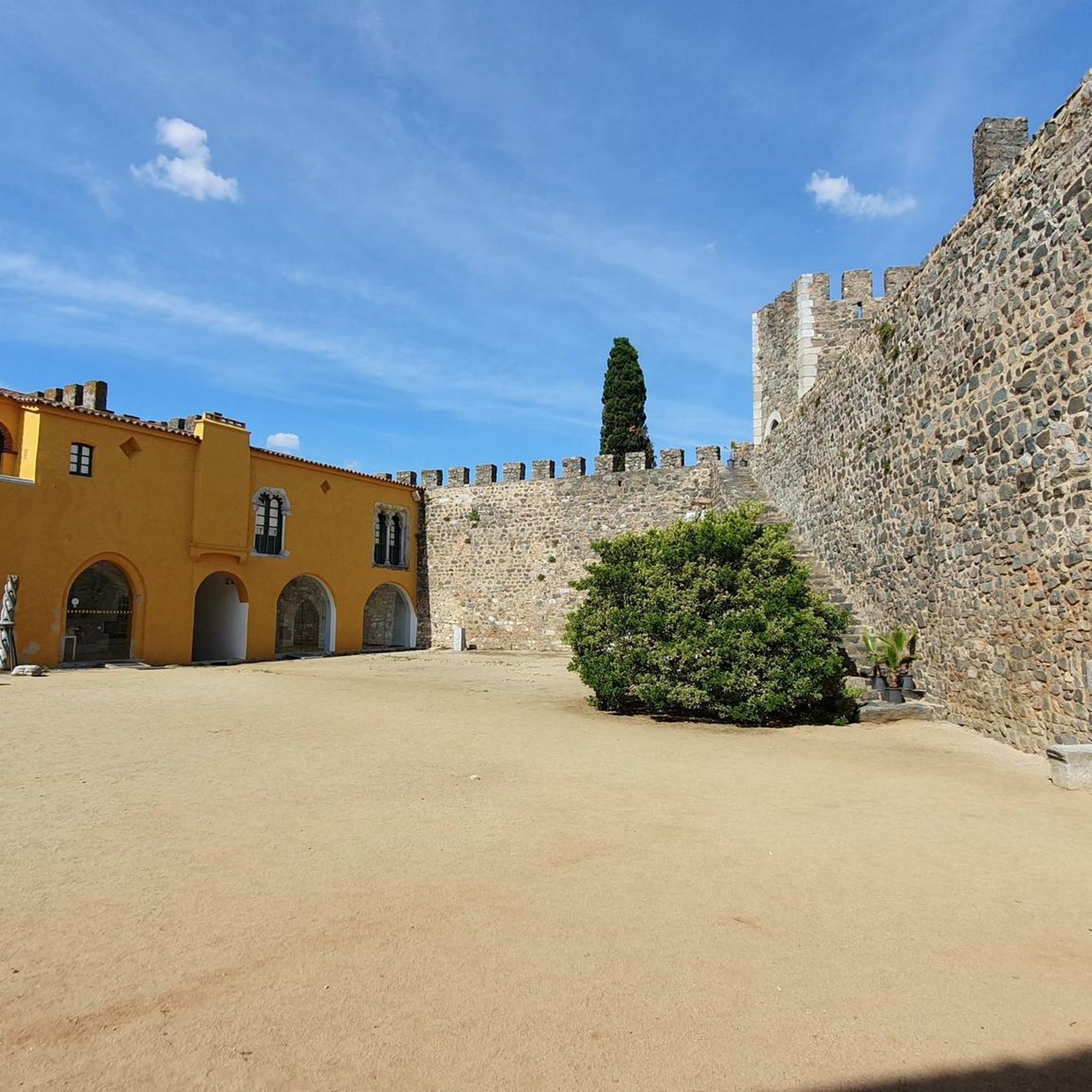
- Local touring cyclists also love the Statue of Queen Dona Leonor – Castle of Beja loop from Beja, a 12.4 miles (19.9 km) trail leading through the historic center and past the Castle of Beja, often completed in about 1 hour 26 minutes.
- Touring cycling around Beja (Santiago Maior) is defined by its rolling hills, vast plains, and routes through vineyards and olive groves. The network offers options for different ability levels, from easy rides to more moderate challenges.
- The routes in Beja (Santiago Maior) are highly rated by the komoot community with an average score of 4.2 stars from over 4 reviews. More than 20 touring cyclists have used komoot to explore Beja (Santiago Maior)'s varied terrain.
Last updated: November 25, 2026
7
riders
34.8km
02:15
310m
310m
Moderate bike ride. Good fitness required. Mostly paved surfaces.
4.0
(1)
9
riders
11.8km
00:43
90m
90m
Easy bike ride. Mostly paved surfaces.

3.0
(1)
2
riders
19.4km
01:29
150m
150m
Moderate bike ride. Good fitness required. Mostly paved surfaces.
4.0
(1)
1
riders
39.8km
03:12
230m
230m
Moderate bike ride. Good fitness required. Mostly paved surfaces.
4.0
(1)
1
riders
16.6km
01:14
140m
140m
Easy bike ride. Mostly paved surfaces.
Get access to more routes and recommendations from other explorers.
Already have an account?
Our route recommendations are based on thousands of hikes, rides, and runs completed by other people on komoot.
Start today with a free account
Your next adventure awaits.

Tips from the Community

The relatively short pedestrian passage offers numerous shops as well as some nice restaurants, making it ideal for an evening stroll.
5
4

The statue represents the queen, life-size and majestic in appearance, cast in cast bronze, and was originally placed in front of the museum, occupying the site where it is today, flanking the entrance to the museum, in 1961. The inauguration took place on 8 December 1958, to mark the fifth centenary of the birth of Queen Leonor. The then recently created Calouste Gulbenkian Foundation was the precursor to this event, promoted by a national committee, which included the mayor of Beja at the time, José António Silva. But who was Queen Leonor and what does she represent for the city of Beja? This queen was born in Beja in 1458, the daughter of D. Fernando and D. Brites, the first dukes of Beja, princes of Portugal, who in the second half of the 15th century founded one of the richest convents in the south of the country, the Royal Monastery of Our Lady of the Conception, where the museum bearing her name is located. Wife of King D. João II, and queen consort of Portugal from 1481 to 1495, she made an indelible impression in the areas of culture and charity. In the cultural field, she is known for her protection of Gil Vicente and Damião de Gois, for her support of the arts and the press, and for having also been responsible for the printed and translated version of the work O Espelho de Cristina, considered by some contemporary authors to be the beginning of the feminist movement, by Christine de Pisan. In the area of charity, she founded the mother institution of the charities, the Santa Casa da Misericórdia de Lisboa, an entity replicated throughout the kingdom. In 2025, 500 years after his death (1525), his legacy is still very much alive, the Misericórdias continue to exist and play a leading role in the country's social life.
5
1

The route continues in (2nd part)
0
0
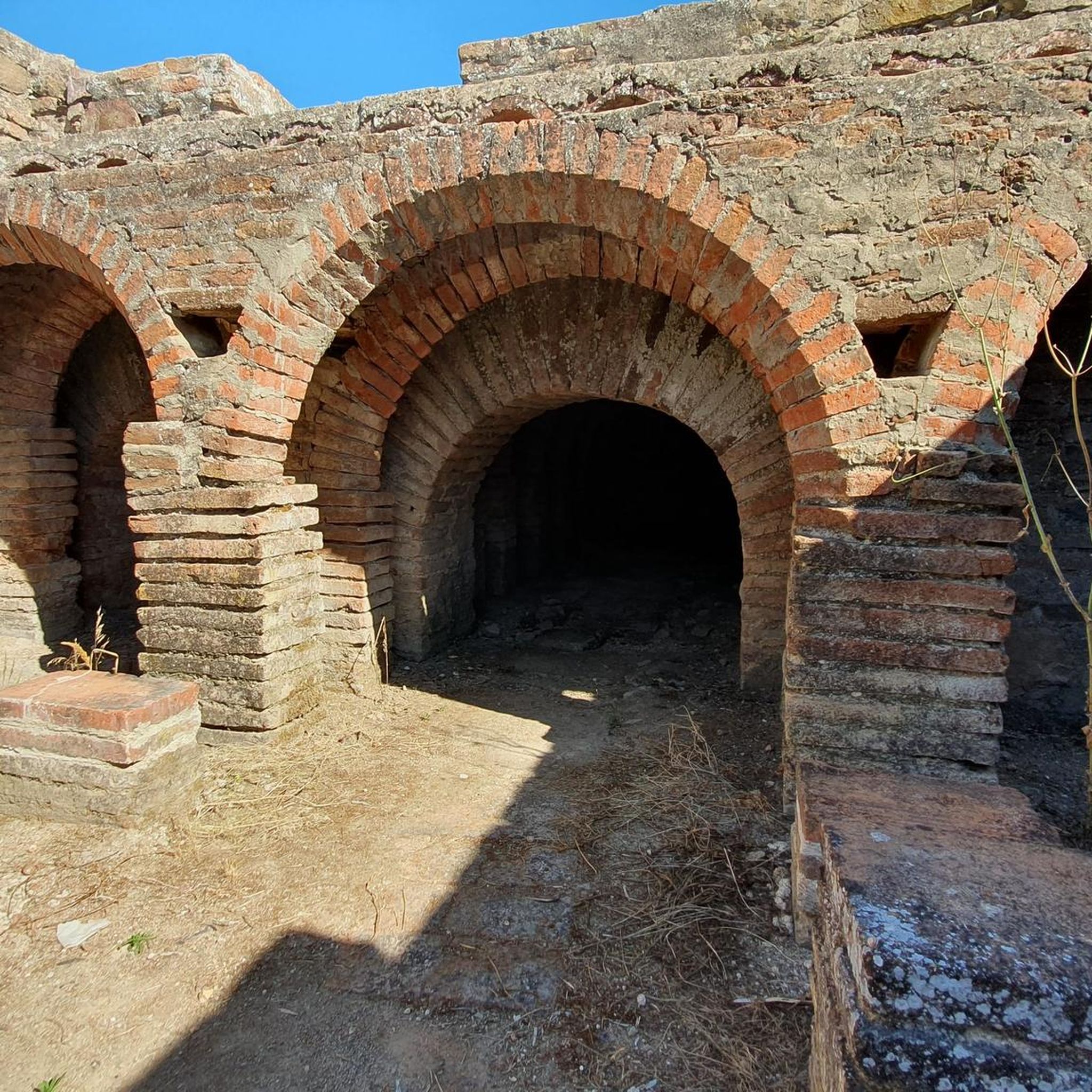
A little detour to see some architectural gems!
0
0
This route is in the middle of the olive trees just because of the ruins, but it is easier to follow the road and after the bridge turn right
0
0
She was a Portuguese princess from the House of Avis. She became Queen of Portugal in 1481 when she married her cousin João II. The statue is quite new and dates from 1958.
5
1

Frequently Asked Questions
What kind of landscapes can I expect to see while touring cycling around Beja (Santiago Maior)?
The region offers a diverse cycling experience, characterized by rolling hills and vast plains. You'll ride through picturesque landscapes featuring extensive olive groves, lush vineyards, and traditional cork oak forests. Many routes also follow scenic riverbanks and valleys, providing varied natural beauty.
Are there any easy touring cycling routes suitable for beginners or a relaxed ride?
Yes, there are several easy routes. For a relaxed ride around a significant historical landmark, consider the Al-Mu’tamid Memorial loop from Beja, which is 7.5 miles (12.1 km) long. Another easy option is the Bacia de Contenção – Reservatório de Beringel loop from Beringel, covering 10.5 miles (16.8 km).
What historical landmarks or attractions can I explore along the cycling routes?
Beja is rich in history. Many routes pass by significant sites. For instance, the Statue of Queen Dona Leonor – Castle of Beja loop from Beja takes you through the historic center and past the impressive Castle of Beja. Other notable attractions in the area include the Pelourinho de Beja, the Church of Mercy of Beja, and the ancient Évora Gates.
Are there any circular touring cycling routes available?
Yes, many of the touring cycling routes around Beja (Santiago Maior) are designed as loops, allowing you to start and end in the same location. Examples include the Statue of Queen Dona Leonor – Pedestrian zone Beja loop from Beja and the Bar Praia dos 5 Reis loop from Beringel.
What is the best time of year for touring cycling in Beja (Santiago Maior)?
The Alentejo region generally offers pleasant cycling conditions outside of the peak summer months. Spring (March to May) and autumn (September to November) are ideal, with milder temperatures and beautiful scenery. Summers can be very hot, making early morning or late afternoon rides preferable if visiting during this season.
What is the typical difficulty level of touring cycling routes in this region?
The routes around Beja (Santiago Maior) cater to various skill levels. You'll find a good mix of easy and moderate trails. The terrain includes rolling hills, offering some challenging ascents, but also vast plains with relatively flat stretches, making it adaptable for different cycling preferences.
What do other touring cyclists enjoy most about cycling in Beja (Santiago Maior)?
The area is highly rated by the komoot community, with an average score of 4.2 stars. Reviewers often praise the diverse landscapes, including the quiet olive groves and vineyards, and the opportunity to explore historic urban areas and landmarks like the Castle of Beja. The variety of routes suitable for different abilities is also frequently highlighted.
Are there any routes that offer views of natural parks or protected areas?
While specific routes listed here may not directly enter them, the region is close to natural areas like the Parque Natural do Vale do Guadiana, offering diverse ecosystems. The broader Beja District also provides access to stunning coastal landscapes within the Parc naturel du sud-ouest de l'Alentejo et de la côte vicentine, known for its rugged coastlines and beautiful bays, which can be explored on extended tours.
How long do the touring cycling routes typically take to complete?
The duration varies depending on the route and your pace. For example, the Al-Mu’tamid Memorial loop from Beja, an easy 7.5-mile (12.1 km) path, typically takes around 47 minutes. A moderate route like the Statue of Queen Dona Leonor – Pedestrian zone Beja loop from Beja, at 21.7 miles (34.9 km), usually takes about 2 hours and 17 minutes.
Can I find routes that are part of larger cycling networks like the Rota Vicentina?
Yes, the Rota Vicentina, a network of trails connecting the Alentejo and Algarve regions, is a significant draw for touring cyclists. While the routes listed here are local loops, the Beja area serves as an excellent base for exploring or connecting to parts of the Rota Vicentina, offering extended touring possibilities through some of Portugal's most precious natural sites.
Are there options for longer, more adventurous touring cycling experiences in the region?
Absolutely. Beyond the local loops, the Lower Alentejo region, where Beja is located, is known for longer adventures. For instance, the 'Off the Road - Into the Wildscapes' route is a 400 km adventure primarily on scenic gravel paths and quiet roads, showcasing fantastic natural landscapes for those seeking a multi-day touring experience.
Most popular attractions around Beja (Santiago Maior)

Get inspired with the komoot mobile app


Explore more
Browse the best Cycling routes in other regions.
