Attractions and Places To See around Salvada - Top 20
Best attractions and places to see around Salvada include historical monuments and natural wonders in the Alentejo region of Portugal. This area is characterized by its rich history, with ancient fortifications and significant architectural sites. Visitors can explore diverse landscapes, from river gorges to expansive plains. The region offers a blend of cultural heritage and natural beauty, providing various points of interest for exploration.
Best attractions and places to see around Salvada
- The most popular attractions is Castle of Beja, a castle that stands as a medieval fortification with a prominent Keep Tower. This Gothic fortress offers panoramic views of the Alentejo landscape.
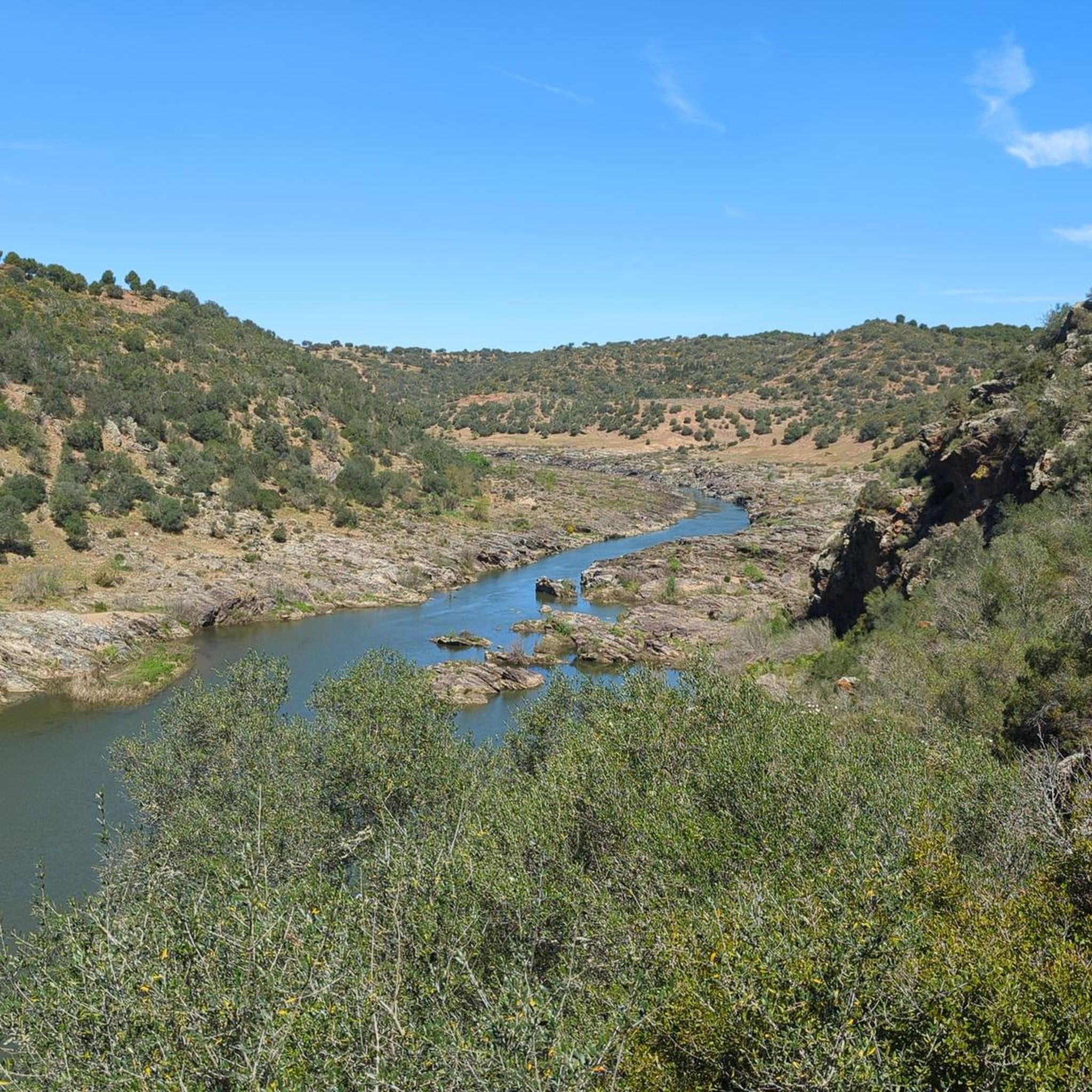
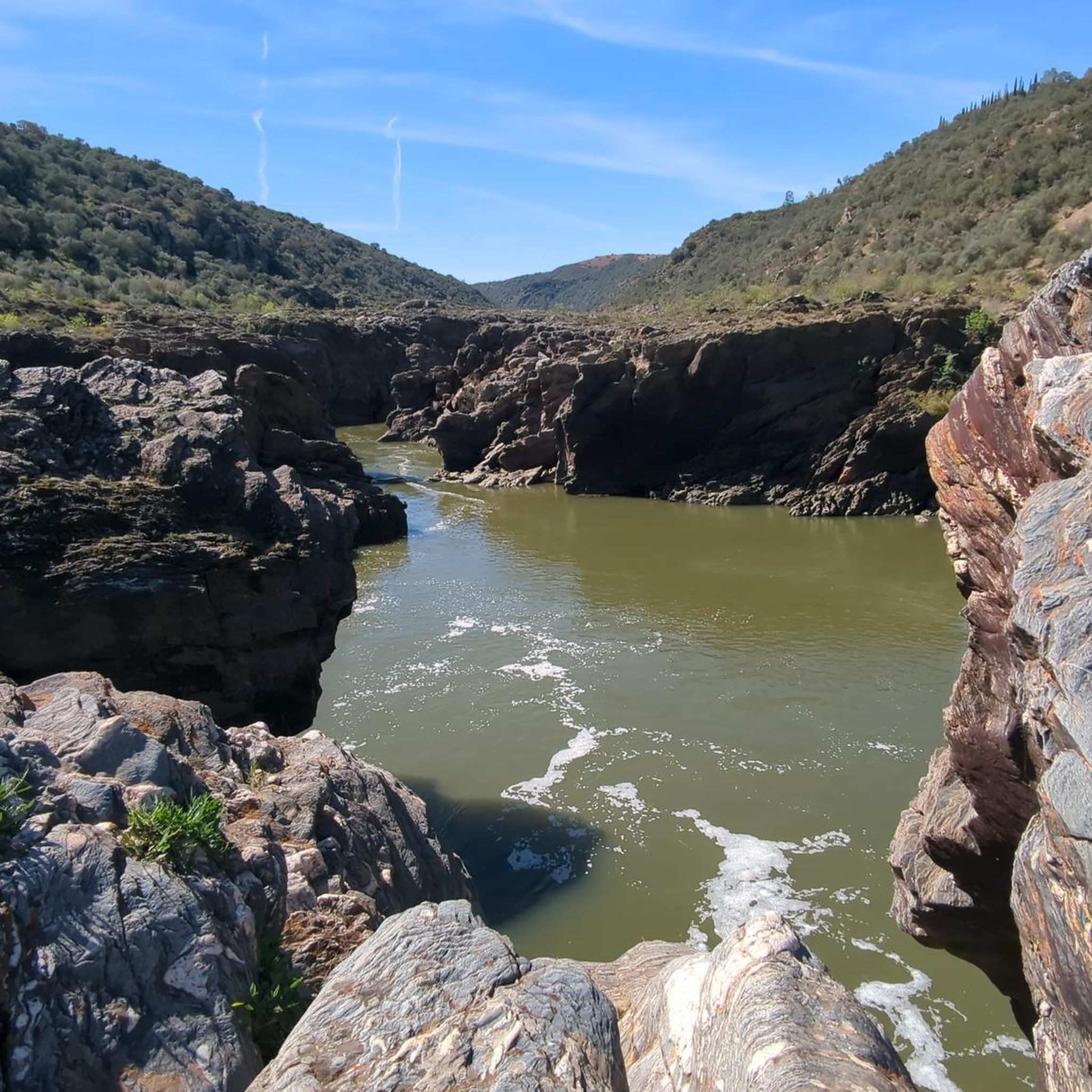
- Another must-see spot is Pulo do Lobo Waterfall, the largest waterfall in southern Portugal. The waters fall from over 20 meters into a rocky gorge on the Guadiana River, offering a spectacular landscape.
- Visitors also love Pelourinho de Beja, a 16th-century pillory. This historical monument was originally ordered by King Manuel I and is an example of revivalist reconstruction.
- Salvada is known for its historical castles, significant waterfalls, and ancient monuments. The region offers a variety of attractions to see and explore, from natural landscapes to cultural landmarks.
- The attractions around Salvada are appreciated by the komoot community, with 23 upvotes and 184 photos shared by visitors.
Last updated: June 4, 2026
Castle of Beja
Highlight • Castle
Tip by

Pulo do Lobo Waterfall
Highlight • Waterfall
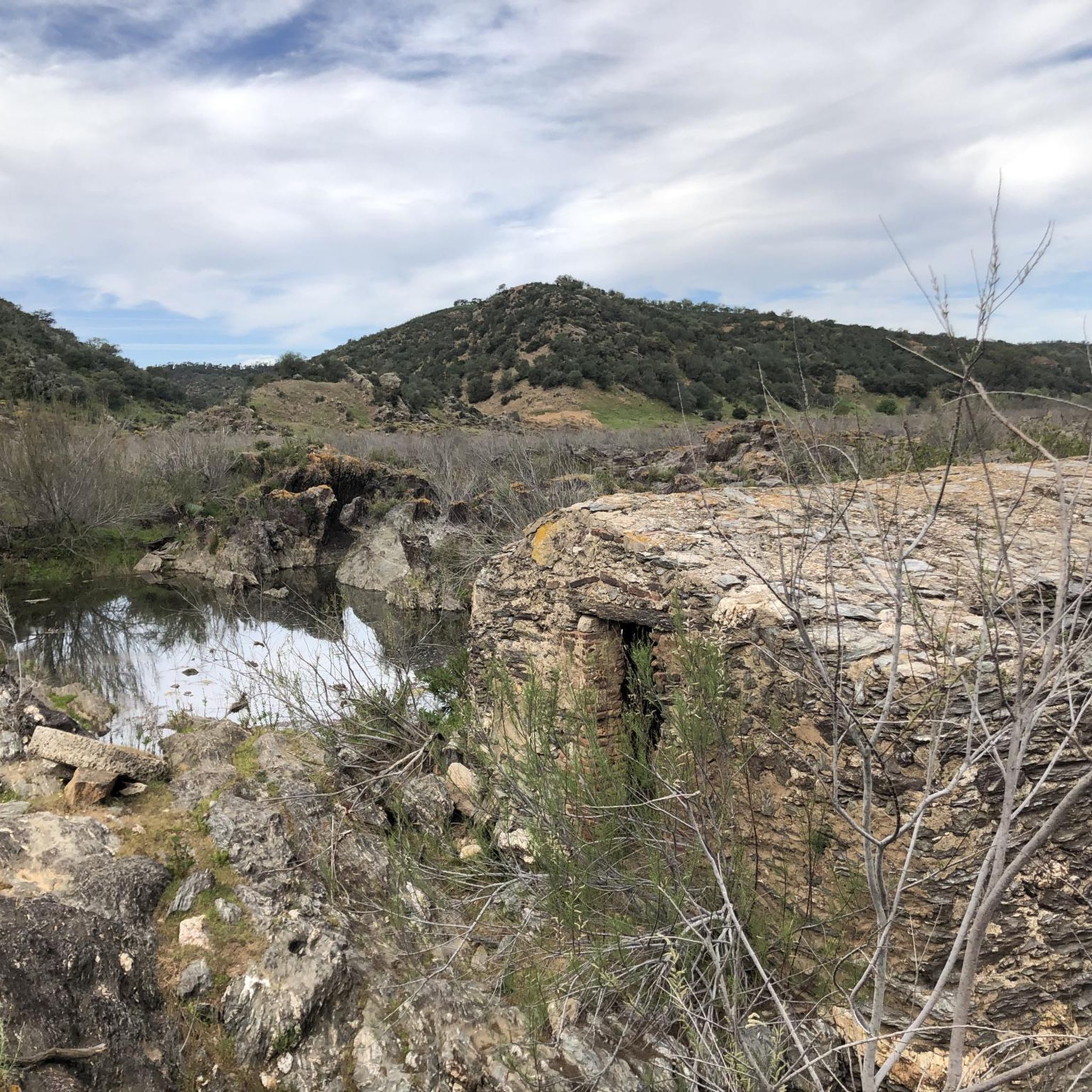
The waters fall from a height of over 20 metres and, surrounded by a sea of foam, descend the rocky gorge to the bottom, emptying into a lake between the rocks.
The banks of the waterfall are so narrow that, according to legend, even a wolf could cross them in one leap. Hence the name Pulo do Lobo.
The landscape of Pulo do Lobo is spectacular, the riverbed after the waterfall is completely exposed, in rock, between which the Guadiana River meanders, in a groove created over thousands of years.
Access to Pulo do Lobo can be from the east or west.
To the east, take a detour on the road that connects Serpa to Mértola. Access to the waterfall is difficult and you have to walk, crossing the rocky riverbed to reach the waterfall. We recommend caution.
To the west, take a detour on the road that connects Beja to Mértola and continue to the village of Amendoeira da Serra, following the signs to Pulo do Lobo. You will then reach Herdade de Pulo do Lobo, open the gate and it is about 1000m on a dirt road to the waterfall. Access is prohibited to heavy vehicles.
Access to the waterfall from the west is easier, and there is even a structure to better observe the waterfall.
Translated by Google •
Tip by
Sign up now to discover places like this
Get recommendations on the best single tracks, peaks, & plenty of other exciting outdoor places.
Sign up for free
Statue of Queen Dona Leonor
Highlight • Monument
Church of Mercy of Beja
Highlight • Religious Site
Translated by Google •
Tip by
Pelourinho de Beja
Highlight • Monument
Sign up for free to discover even more attractions around Salvada.
Sign up for free
Already have an account?
Start today with a free account
Your next adventure awaits.
Login or Signup
Tips from the Community

The Castle of Beja, a central point of Beja
3
0
The iconic gatehouse of Beja Fortress
0
0
The castle walls of the fortress of Beja. The central point of the city
0
0

From this tower, we have a spectacular view of the Alentejo landscape. The fields are now full of olive and almond trees, but in the past, they were cultivated with wheat.
10
0

Dominating the skyline with an imposing presence, the Castle of Beja stands as a testament to the city’s resilient past. Dating back to the Moorish period, this ancient fortress has witnessed the ebb and flow of history, from medieval battles to tranquil periods of peace. As you ascend its weathered steps, you’re greeted by panoramic views that stretch across the Alentejo landscape.
13
0
Pulo do Lobo. This is the largest waterfall in southern Portugal and is located on the Guadiana River, upstream from Mértola. The waters fall from a height of over 20 metres and, surrounded by a sea of foam, descend the rocky gorge to the bottom, emptying into a lake between the rocks. The banks of the waterfall are so narrow that, according to legend, even a wolf could cross them in one leap. Hence the name Pulo do Lobo. The landscape of Pulo do Lobo is spectacular, the riverbed after the waterfall is completely exposed, in rock, between which the Guadiana River meanders, in a groove created over thousands of years. Access to Pulo do Lobo can be from the east or west. To the east, take a detour on the road that connects Serpa to Mértola. Access to the waterfall is difficult and you have to walk, crossing the rocky riverbed to reach the waterfall. We recommend caution. To the west, take a detour on the road that connects Beja to Mértola and continue to the village of Amendoeira da Serra, following the signs to Pulo do Lobo. You will then reach Herdade de Pulo do Lobo, open the gate and it is about 1000m on a dirt road to the waterfall. Access is prohibited to heavy vehicles. Access to the waterfall from the west is easier, and there is even a structure to better observe the waterfall.
5
0
Beja Castle is a National Monument. A medieval fortification that is the city's most emblematic monument. Its Keep Tower, almost 40 metres high, is considered by some authors to be the tallest military tower in the country. Beja Castle, and its Keep Tower in particular, is the city's best-known and most emblematic monument. It is a Gothic fortress whose construction began in the 13th century, shortly after the Christian conquest of the city, and continued through the 14th and possibly 15th centuries. Standing out from the fortress complex is the imposing Keep Tower, almost forty metres high, considered by some experts to be a masterpiece of European Gothic military architecture. In addition to the castle, the walls that, dating from the same period, surrounded the medieval city are still visible, with twenty-eight towers and their respective sections of the wall remaining.
12
0
The Church of Misericórdia in Beja is a National Monument. Built in the 16th century by order of Prince D. Luís, it is a unique building in the panorama of Portuguese architecture. When, shortly after 1530, Prince D. Luís, Duke of Beja, ordered the construction of the current Church of Misericórdia, the idea was to build a butcher's shop at the top of the city's main square. The building followed the Italian loggia style, deeply influenced by the Italian Renaissance. The building was so magnificent that D. Luís himself considered it unsuitable for its original purpose, and offered it to the brotherhood of the Santa Casa da Misericórdia to house their church, which was adapted for this purpose. In the 1940s, the building recovered part of its original appearance.
7
0
Frequently Asked Questions
What historical landmarks can I explore around Salvada?
The region is rich in history. You can visit the impressive Castle of Beja, a medieval Gothic fortress with a prominent Keep Tower offering panoramic views. Another significant historical monument is the Pelourinho de Beja, a 16th-century pillory. Don't miss the Church of Mercy of Beja, a unique 16th-century building originally designed in the Italian loggia style.
Are there any natural wonders to see near Salvada?
Absolutely! The most spectacular natural attraction is the Pulo do Lobo Waterfall, the largest waterfall in southern Portugal. Its waters plunge over 20 meters into a rocky gorge on the Guadiana River, creating a breathtaking landscape.
What are some family-friendly attractions in the Salvada area?
For families, the Pelourinho de Beja and the Church of Mercy of Beja are both considered family-friendly historical sites. Exploring the grounds of the Castle of Beja can also be an engaging experience for all ages.
Are there easy hiking trails available near Salvada's attractions?
Yes, there are several easy hiking options. You can find routes like the 'View of the Guadiana Valley – Pulo do Lobo Waterfall loop' or the 'Évora Gates – Castle of Beja loop'. For more details and routes, check out the Easy hikes around Salvada guide.
What kind of outdoor activities can I do around Salvada?
Beyond exploring attractions, you can enjoy various outdoor activities. There are numerous cycling routes, including easy and moderate options, as well as mountain biking trails. For specific routes, refer to the Cycling around Salvada and MTB Trails around Salvada guides.
What is the significance of the Statue of Queen Dona Leonor?
The Statue of Queen Dona Leonor commemorates a Portuguese princess born in Beja in 1458, who became Queen of Portugal. She was highly influential in culture and charity, known for protecting artists and founding the Santa Casa da Misericórdia, an institution replicated across the kingdom.
Can I get a good view of the landscape from any of the attractions?
Absolutely. The Keep Tower of Beja Castle offers spectacular panoramic views of the Alentejo landscape. Additionally, the Pulo do Lobo Waterfall has viewpoints that provide stunning perspectives of the waterfall and the Guadiana River gorge.
Are there any challenging trails or activities for experienced adventurers?
For those seeking a challenge, the Pulo do Lobo Waterfall area offers challenging terrain for exploration, especially if you venture to the right bank viewpoint. Additionally, the MTB Trails around Salvada guide includes some difficult mountain biking routes, such as the 'Mountainbike loop from Cabeça Gorda'.
What do visitors particularly enjoy about the Castle of Beja?
Visitors appreciate the Castle of Beja for its imposing presence and the panoramic views it offers from its Keep Tower. It's considered a testament to the city’s resilient past and a masterpiece of European Gothic military architecture.
What makes the Church of Mercy of Beja unique?
The Church of Mercy of Beja is unique because it was originally planned as a butcher's shop in the 16th century. However, its magnificent Italian loggia style design led Prince D. Luís to deem it too beautiful for its intended purpose, and it was instead offered to the Santa Casa da Misericórdia brotherhood to house their church.
How can I best experience the Pulo do Lobo Waterfall?
To best experience the Pulo do Lobo Waterfall, it's recommended to access it from the west, following signs from Amendoeira da Serra. There's a dedicated structure for observation, and the best view is often from the viewpoint on the right bank. Be prepared for a walk to reach the best vantage points.
Most popular attractions around Salvada

Get inspired with the komoot mobile app


Explore more
Still not found the Highlight you’re looking for? See guides of the top attractions in other regions:
