Attractions and Places To See around Santana De Cambas - Top 20
Best attractions and places to see around Santana De Cambas, located in the municipality of Mértola, Portugal, offers a combination of natural features, historical landmarks, and cultural sites. The region is characterized by the Guadiana River and its valley, providing a setting for exploration. Visitors can find a variety of points of interest, from ancient structures to significant natural phenomena. Santana De Cambas Portugal tourism focuses on these diverse offerings.
Best attractions and places to see around Santana De Cambas
…Last updated: May 20, 2026
Pulo do Lobo Waterfall
Highlight • Waterfall
Translated by Google •
Tip by

Church of Our Lady of the Annunciation (Mértola Mother Church)
Highlight • Religious Site
Translated by Google •
Tip by

Sign up now to discover places like this
Get recommendations on the best single tracks, peaks, & plenty of other exciting outdoor places.
Sign up for free
Mértola Castle
Highlight • Castle
Translated by Google •
Tip by

Achada do Gamo Copper Mine Ruins
Highlight (Segment) • Monument
Tip by

Castelo Velho de Alcoutim
Highlight • Castle
Translated by Google •
Tip by

Sign up for free to discover even more attractions around Santana De Cambas.
Sign up for free
Already have an account?
Start today with a free account
Your next adventure awaits.
Login or Signup

Tips from the Community

The "old" castle of Alcoutim is located about one kilometer north of the town, on a hill overlooking the Guadiana River and the Castillo de San Marcos in Spain. The site complements a visit to the Archaeological Museum and is freely accessible.
3
0
The Mezquita Mosque, now the Igreja de Nossa Senhora da Assunção Matriz, was built below the castle complex in the mid-12th century as a square building with a minaret. After the Reconquista by Sancho II, King of Portugal, in 1238, the Mezquita of Mértola, then supplemented by a small bell tower on the minaret, retained its original form for almost 300 years. In 1532, the Mezquita was converted into a church in its present form, with striking small battlements and turrets on the roof. The original mosque was never destroyed.
3
0
The battlements and cones along the edge of the church's roof are striking, clearly a reminder of the former mosque. The interior of the church is rather plain compared to many others in Portugal. However, the vaulted ceiling is very beautiful.
3
0
You can access Pulo do Lobo from either side of the river: from Aldeia da Amendoeira, on the Mértola-Beja road (left bank), or from Serpa, in the village of Vale de Poços, where you'll find signs indicating exactly where to turn right (right bank). Both paths are well signposted, and both have several viewpoints. The best view of the waterfall, however, is undoubtedly from the viewpoint on the right bank. Further ahead, you'll see Pego dos Sáveis, the spot where the water suddenly calms down again, forming a tranquil lake.
4
0

I have already visited the outskirts of Mértola on a hike that I really enjoyed, an area of short bushland, along well-marked trails. Good food and with many historical elements of Islamic culture. Relatively close by, we have the Mina de S. Domingos, where we also had an excellent hike, where you can see the remains of the old mines. We can also visit the village, with many skills from the workers of the old mines. I recommend it.👍🇵🇹
2
0

Pulo do Lobo. This is the largest waterfall in southern Portugal and is located on the Guadiana River, upstream from Mértola. The waters fall from a height of over 20 metres and, surrounded by a sea of foam, descend the rocky gorge to the bottom, emptying into a lake between the rocks. The banks of the waterfall are so narrow that, according to legend, even a wolf could cross them in one leap. Hence the name Pulo do Lobo. The landscape of Pulo do Lobo is spectacular, the riverbed after the waterfall is completely exposed, in rock, between which the Guadiana River meanders, in a groove created over thousands of years. Access to Pulo do Lobo can be from the east or west. To the east, take a detour on the road that connects Serpa to Mértola. Access to the waterfall is difficult and you have to walk, crossing the rocky riverbed to reach the waterfall. We recommend caution. To the west, take a detour on the road that connects Beja to Mértola and continue to the village of Amendoeira da Serra, following the signs to Pulo do Lobo. You will then reach Herdade de Pulo do Lobo, open the gate and it is about 1000m on a dirt road to the waterfall. Access is prohibited to heavy vehicles. Access to the waterfall from the west is easier, and there is even a structure to better observe the waterfall.
5
0

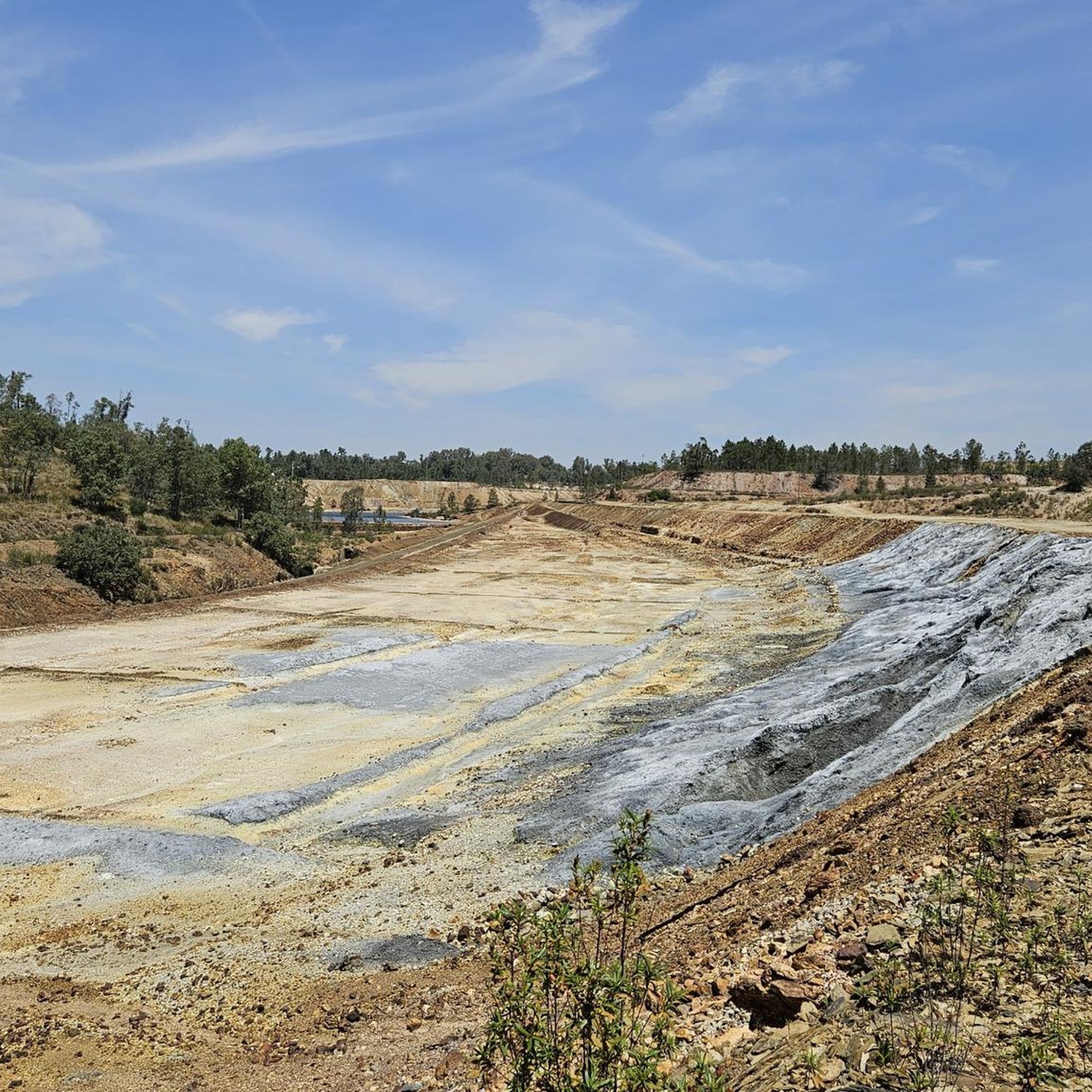
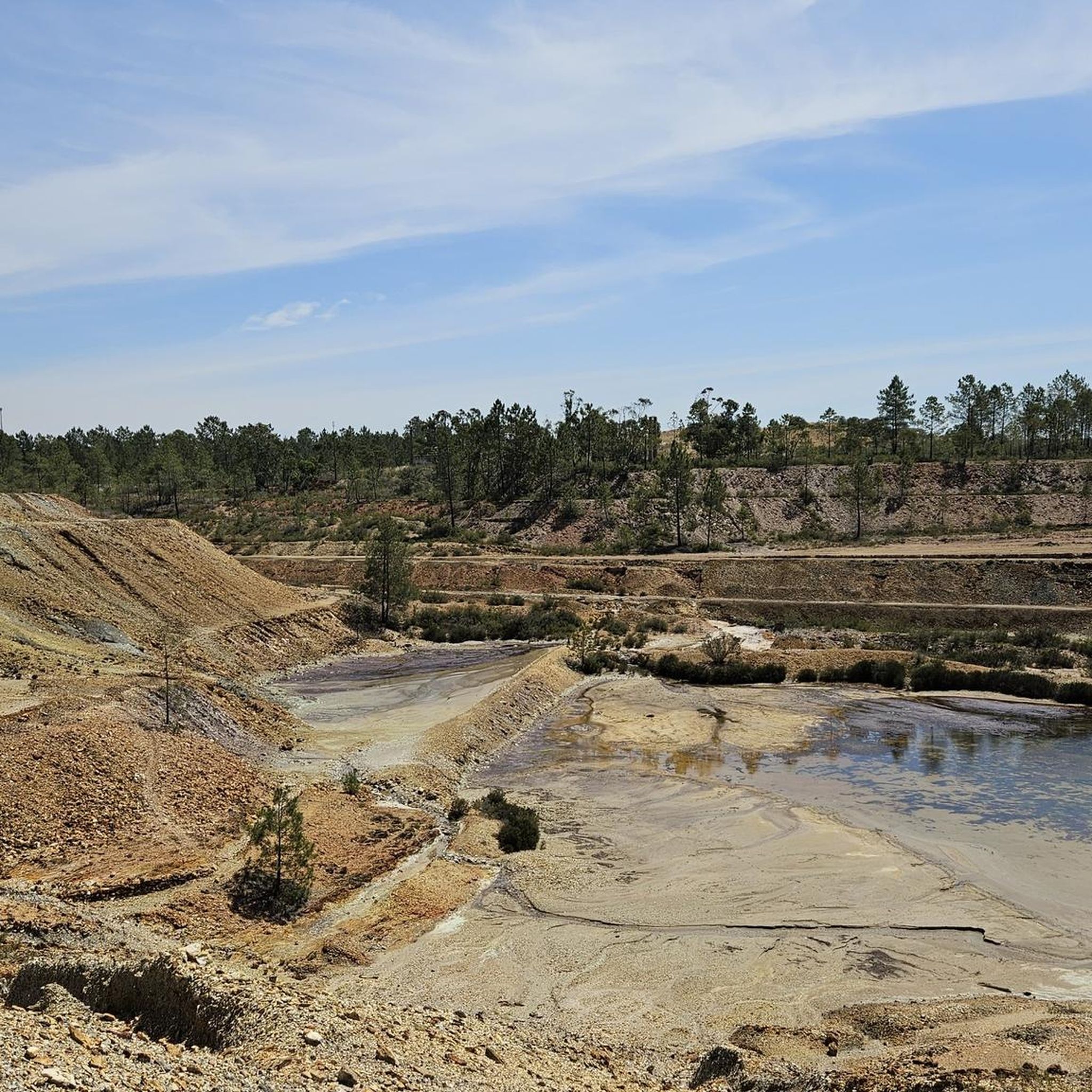
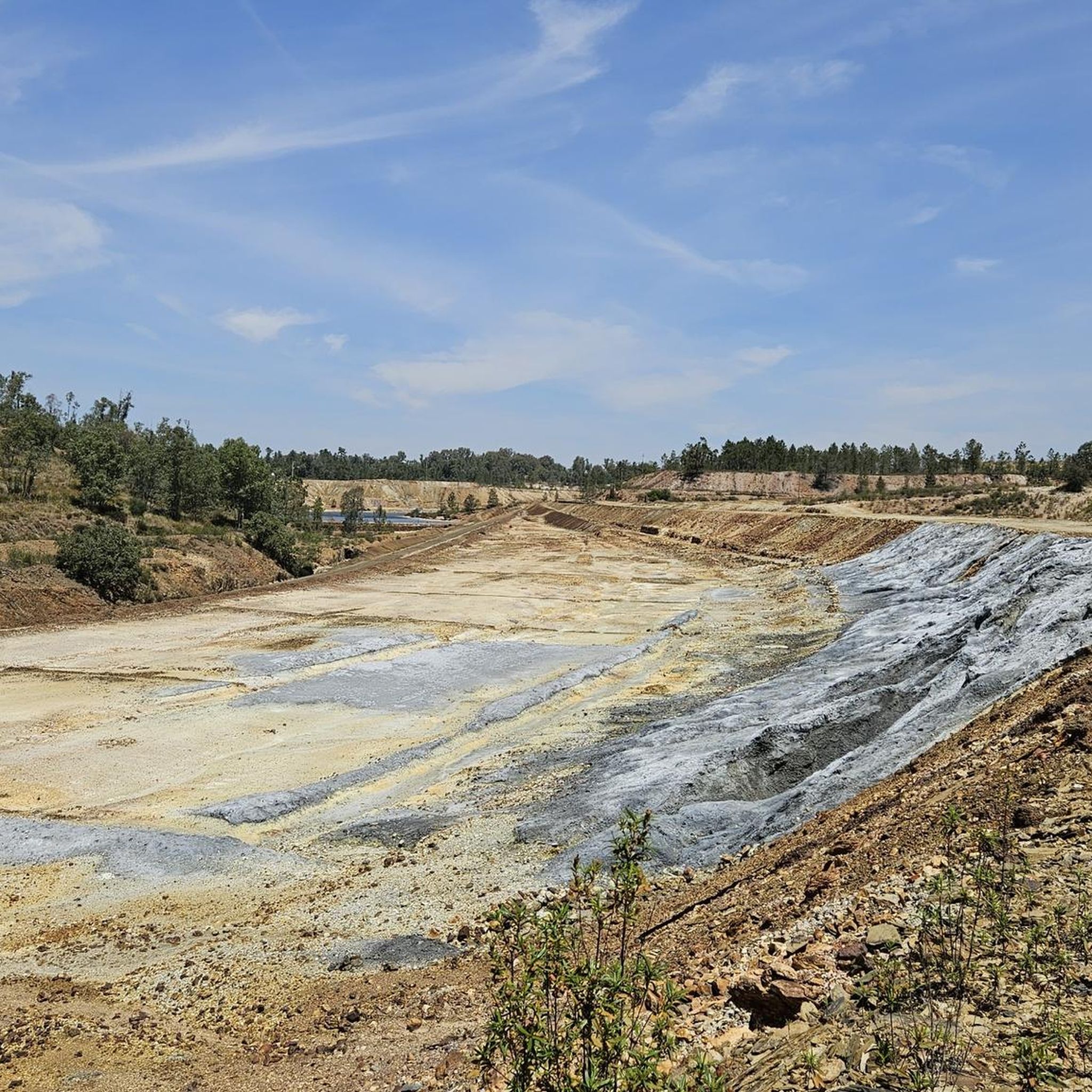
Unforgettable connection between Mina and Santana de Cambas. Route of the old railway line. The ACHADA DO GAMO site is post-apocalyptic (blast sulphur furnaces from the 1940's).
2
0

Great castle complex with a view of the surrounding area.
2
1
Frequently Asked Questions
What are the most significant natural attractions to visit around Santana De Cambas?
The most prominent natural attraction is the Pulo do Lobo Waterfall, the largest waterfall in southern Portugal, located on the Guadiana River. Its waters plunge over 20 meters into a lake, creating a dramatic spectacle. You can access it from either the left bank (near Aldeia da Amendoeira) or the right bank (from Vale de Poços near Serpa), with the right bank generally offering the best view. Further along the Guadiana River, you can also find Pego dos Sáveis, a tranquil lake formed where the river calms after the waterfall.
Are there any historical castles or fortresses to explore in the area?
Yes, the region boasts several historical fortifications. The Mértola Castle, built in the 13th century on the site of a Moorish fortress, offers panoramic views over the city and the surrounding area. Its courtyard is typically open for free visits. Additionally, the Castelo Velho de Alcoutim (Castro de Santa Bárbara), an important site of Islamic military architecture, is located north of Alcoutim overlooking the Guadiana River and is freely accessible.
What ancient monuments can I find near Santana De Cambas?
You can visit the Lavajo Menhirs, a collection of Neolithic stone monoliths that have stood for over five thousand years. These ancient sentinels, carved in greywacke, have been restored and returned to their original location, offering a glimpse into the region's prehistoric past.
What kind of outdoor activities can I do near these attractions?
The area around Santana De Cambas is excellent for outdoor activities. You can find numerous options for hiking, cycling, and mountain biking. For easy hikes, consider routes like the 'Lavajo Menhirs – Shamwari Hilltop Retreat loop' or the 'Mértola Clock Tower – Mértola Castle loop'. For more options, explore the easy hikes around Santana De Cambas, cycling routes, or MTB trails.
Are there family-friendly attractions or activities in the Santana De Cambas area?
Yes, the Lavajo Menhirs are considered a family-friendly historical site, offering an interesting outdoor experience for all ages. The natural landscapes, such as the Guadiana River and its valley, also provide opportunities for family walks and nature appreciation.
How can I access the Pulo do Lobo Waterfall, and what are the best viewing points?
You can access Pulo do Lobo Waterfall from either side of the Guadiana River. From Aldeia da Amendoeira (on the Mértola-Beja road), you reach the left bank. From Serpa, in the village of Vale de Poços, you can find signs leading to the right bank. Both paths are well signposted, but the best view of the waterfall is generally from the viewpoint on the right bank.
What is the historical significance of the Mina de São Domingos area?
The Former Mining Complex (Mina de São Domingos area) was a major ore extraction operation between 1854 and 1966. It played a crucial role in the region's development, bringing one of Portugal's first railway lines and the first power plant in the Alentejo. Today, it's a public heritage site, recognized for its unique landscape and historical importance.
Are there any religious or cultural buildings of note in Santana De Cambas?
The Parochial Church of Santana de Cambas, dating back to the 17th century, is a central cultural site within the village. In the nearby town of Mértola, the Church of Our Lady of the Annunciation (Mértola Mother Church) is also significant, built on the site of a former mosque, reflecting the region's rich and varied cultural past.
What is the Guadiana River's role in the region's attractions?
The Guadiana River is central to many of the region's attractions, forming a significant natural boundary and providing a picturesque setting. It is home to the dramatic Pulo do Lobo Waterfall and the tranquil Pego dos Sáveis. The river also flows through the Guadiana Valley Natural Park, offering extensive opportunities for nature appreciation, hiking, and cycling along its banks. Historically, areas like Pomarão served as crucial fluvial ports on the river for mineral export.
What do visitors particularly enjoy about the attractions around Santana De Cambas?
Visitors often appreciate the blend of natural beauty and historical depth. The dramatic Pulo do Lobo Waterfall is a highlight for its spectacular landscape. The historical sites like Mértola Castle are valued for their well-preserved structures and the beautiful views they offer over the region. The ancient Lavajo Menhirs also captivate visitors with their mysterious, ancient presence.
Are there opportunities for cycling or mountain biking near Santana De Cambas' attractions?
Yes, the area offers various routes for both cycling and mountain biking. You can find moderate cycling routes like the 'Rest area by the lake – Dirt road through the mines loop' or more challenging options. For mountain biking, there are routes such as the 'Rest area by the lake – Minas de São Domingos loop'. You can explore more options for cycling and MTB trails in the region.
Most popular routes around Santana De Cambas
Most popular attractions around Santana De Cambas

Get inspired with the komoot mobile app


Explore more
Still not found the Highlight you’re looking for? See guides of the top attractions in other regions:
