Attractions and Places To See around Creixomil - Top 20
Best attractions and places to see around Creixomil include a blend of natural landscapes, historical sites, and cultural landmarks within this civil parish of Guimarães, Portugal. The area features remnants of Roman influence and deep historical roots, with documents dating back to the 10th century. Visitors can explore sites that showcase the region's heritage and natural beauty. Creixomil is closely associated with the broader Guimarães area, offering a variety of points of interest.
Best attractions and places to see around…
Last updated: June 4, 2026
Fão Bridge
Highlight • Bridge
Translated by Google •
Tip by

São João Baptista Fort and Lighthouse, Esposende
Highlight • Historical Site
Translated by Google •
Tip by

Sign up now to discover places like this
Get recommendations on the best single tracks, peaks, & plenty of other exciting outdoor places.
Sign up for free
Apúlia Church
Highlight • Religious Site
Translated by Google •
Tip by
Barcelos Medieval Bridge
Highlight • Viewpoint
Translated by Google •
Tip by

Barcelos Rooster statue
Highlight • Monument
Translated by Google •
Tip by

Sign up for free to discover even more attractions around Creixomil.
Sign up for free
Already have an account?
Start today with a free account
Your next adventure awaits.
Login or Signup
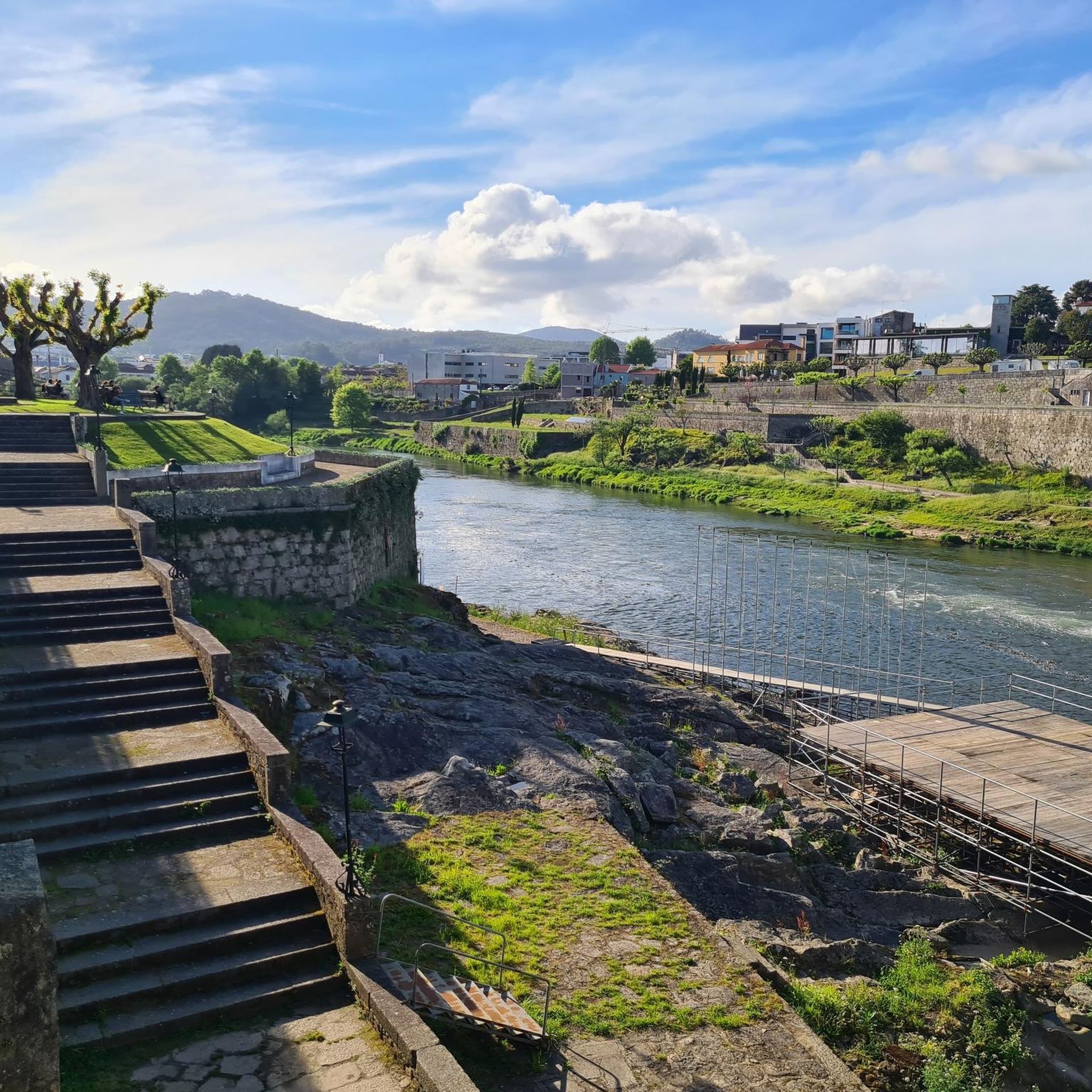
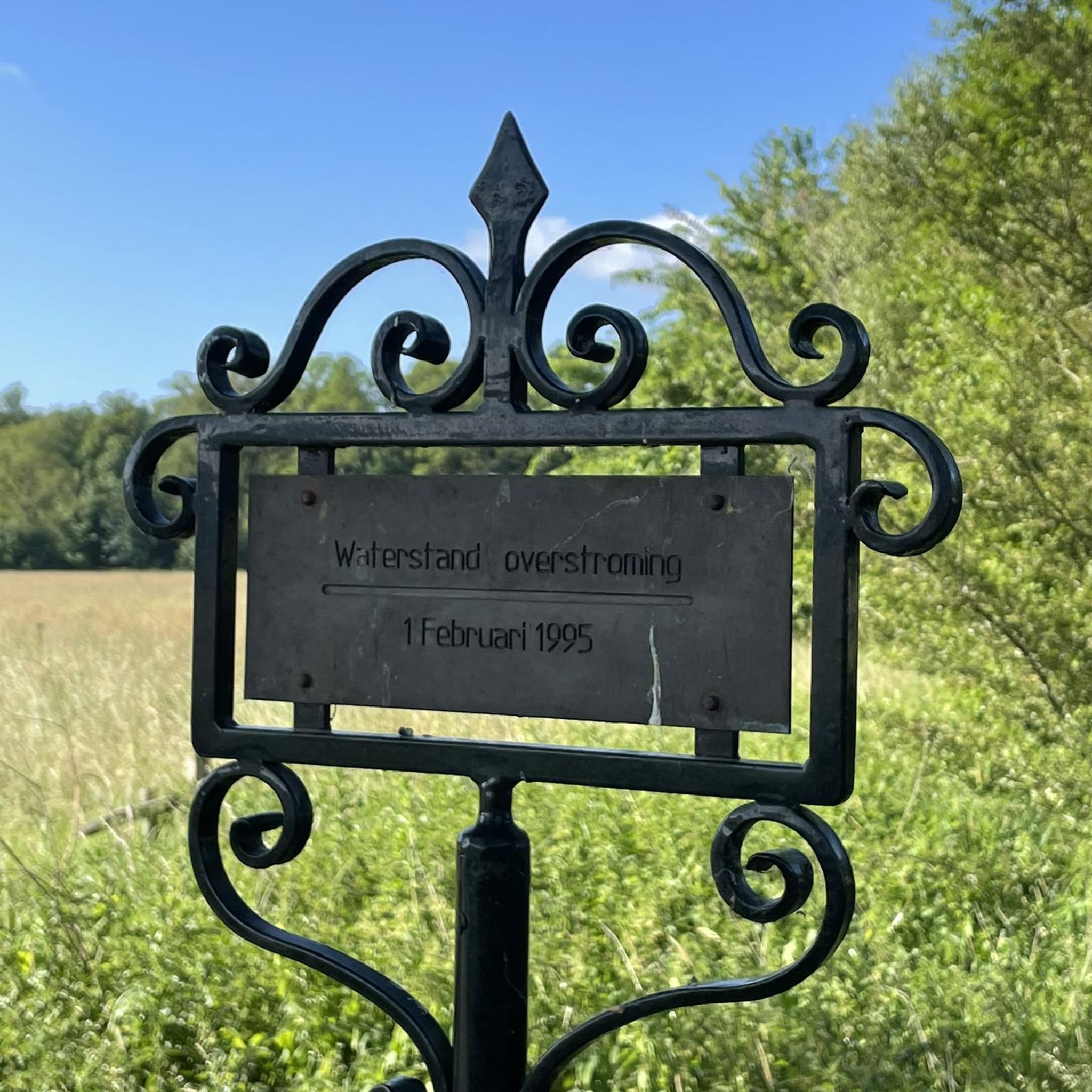
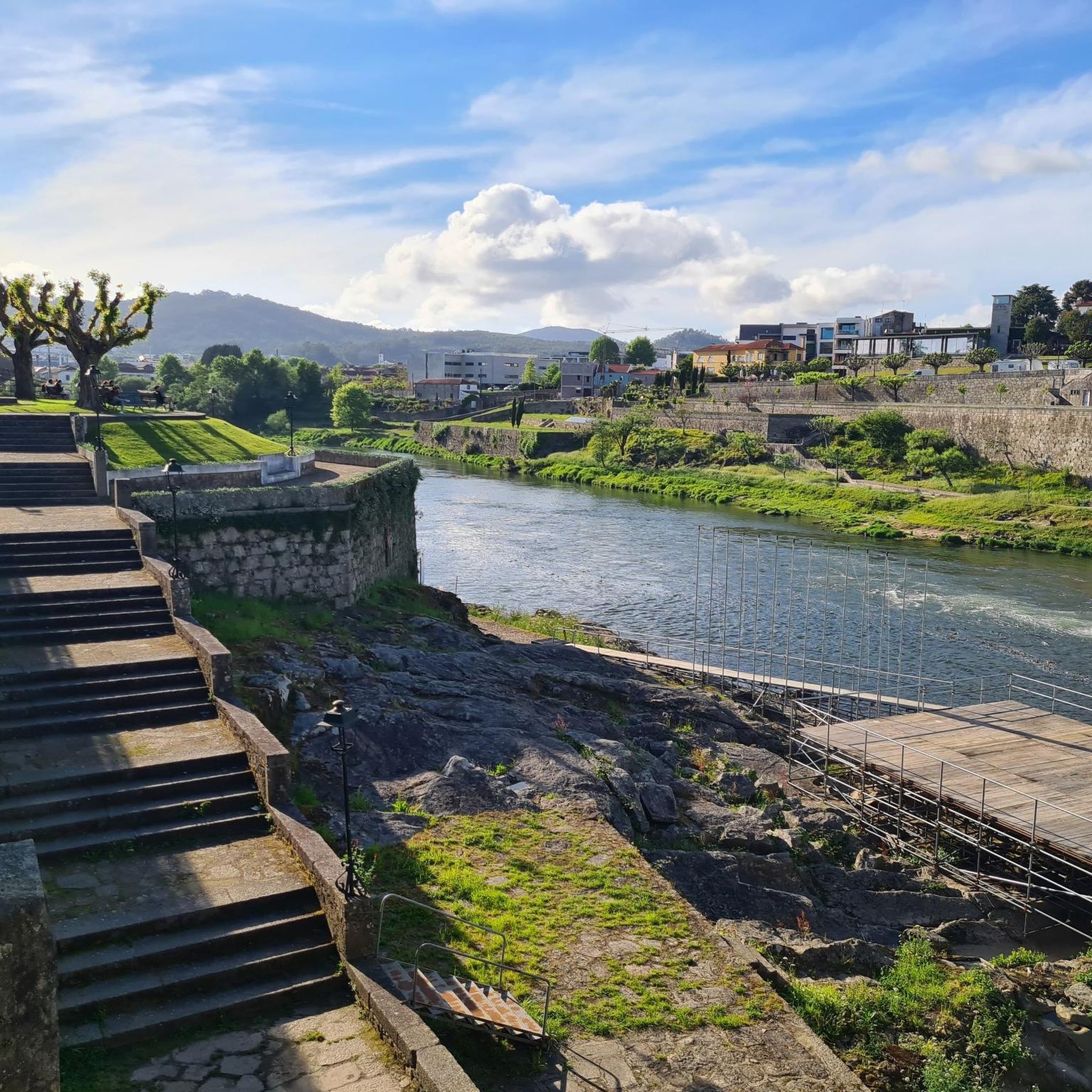

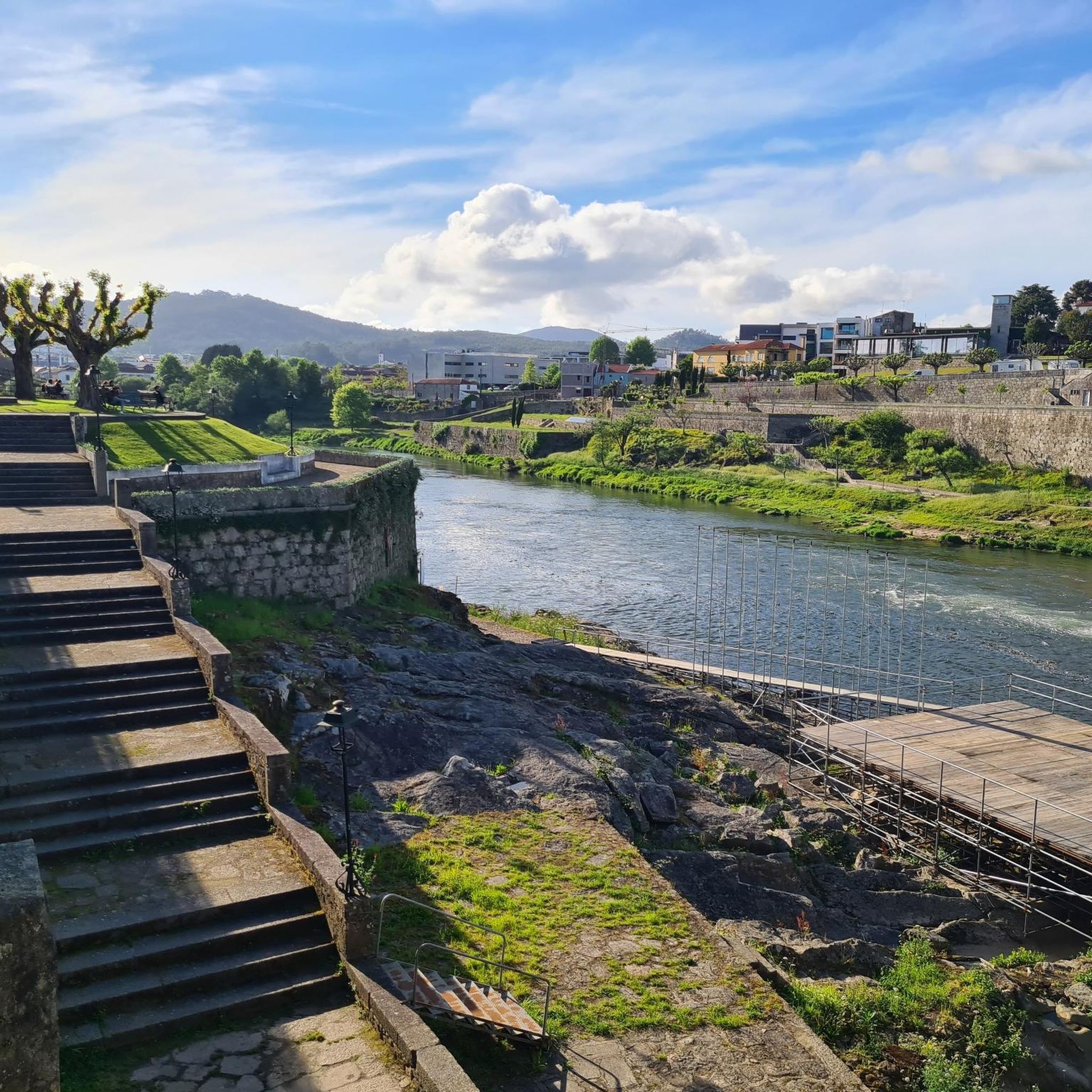

Tips from the Community

The Metal Bridge of Fão (Esposende) Location: It crosses the Cávado River, on National Road 13 (EN13), in the parish of Fão, in Esposende. Alternative Name: It is frequently referred to as the D. Luís Filipe Bridge. History: It is a significant example of iron architecture in Portugal, inaugurated on August 7, 1892. Characteristics: The bridge, which is a Property of Public Interest, has an extensive metal structure and has recently been rehabilitated.
2
0
In Esposende, the main historical bridge that crosses the Cávado River is the Ponte Metálica de Fão, also known locally as Ponte D. Luís Filipe.
2
0

The Barcelos Bridge is more than just an entrance to the city. It's a gateway to its legends, like that of the rooster. Over the Cávado River, this Gothic stone bridge, commissioned by Count Pedro between 1325 and 1330, connects Barcelos to Barcelinhos and has been classified as a National Monument since 1910. And if the heat gets too much, right next door awaits a river beach perfect for a refreshing dip.
3
0

A highlight that should not be missed on any visit to the region!
2
1
A highlight that should not be missed on any visit to the region!
1
0
A highlight that should not be missed on any visit to the region!
1
0

You pass here. Then through the village and on to Santiago
1
0
The stamp is right at the entrance. There are also benches in front of the church where you can rest.
2
1
Frequently Asked Questions
What historical attractions can I explore in and around Creixomil?
Creixomil and its surroundings offer a rich historical tapestry. You can visit the Barcelos Medieval Bridge, a Gothic stone bridge over the Cávado River, or the Apúlia Church, with its history dating back to the Middle Ages. Other notable sites include the São João Baptista Fort and Lighthouse in Esposende, and the Fão Bridge, an impressive metal structure from 1892. Beyond these, the region boasts the Capelas dos Passos da Paixão de Cristo, the ancient Ponte Romana da Pisca, and the Monumento Comemorativo no Monte da Senhora da Luz. The nearby Guimarães Castle, Palace of the Dukes of Braganza, and the UNESCO-listed Historic Centre of Guimarães are also significant.
Are there any natural beauty spots or parks near Creixomil?
Yes, for nature enthusiasts, Montanha - Parque da Penha is a prominent natural feature near Creixomil. This expansive park offers spectacular views of Guimarães and the surrounding countryside, with numerous hiking trails and excellent viewpoints for photography.
What outdoor activities can I do near Creixomil's attractions?
The area around Creixomil is excellent for outdoor activities. You can find various hiking routes, including easy and moderate options. For example, there's an easy 4.2 km loop from Barcelos covering the Barcelos Medieval Bridge and the Barcelos Rooster statue. For more options, explore the hiking routes around Creixomil or the easy hikes around Creixomil. Road cycling is also popular, with routes like the 64.7 km loop from Barcelos connecting the Barcelos Medieval Bridge to the Fão Bridge. Discover more road cycling options in the Road Cycling Routes around Creixomil guide.
Are there family-friendly attractions in the Creixomil area?
Several attractions around Creixomil are suitable for families. The Fão Bridge, Apúlia Church, and Barcelos Medieval Bridge are all categorized as family-friendly. Montanha - Parque da Penha also offers trails suitable for various experience levels, making it a good option for families looking to enjoy nature.
What is the significance of the Barcelos Rooster statue?
The Barcelos Rooster statue is a significant man-made monument that symbolizes not only the city of Barcelos but also Portugal itself. It represents the famous Galo de Barcelos legend, a tale of a rooster that crowed to prove the innocence of a man wrongly sentenced to the gallows. It's considered a symbol of good luck.
Can I find any Roman remnants in Creixomil?
Yes, Creixomil holds traces of Roman influence. The Ponte Romana da Pisca is a notable example, featuring masonry arches that are remnants of a Roman bridge. This area was also part of a 'royal road' that once connected Guimarães to Burgo, indicating its historical importance during Roman times.
What is the best time to visit Creixomil for outdoor activities?
While specific data for Creixomil isn't provided, generally, spring and autumn offer pleasant weather for outdoor activities like hiking in Portugal. The temperatures are milder, and the landscapes are vibrant. Montanha - Parque da Penha is particularly enjoyable during these seasons for its views and trails.
Are there any cultural events or markets in Creixomil?
The Multiusos de Guimarães, located within Creixomil, hosts the 'Feira das Antiguidades' (Antiques Fair). This event offers a variety of unique items, including decoration pieces, books, furniture, and records, providing a glimpse into the region's cultural heritage and local customs.
What do visitors enjoy most about the attractions around Creixomil?
Visitors appreciate the blend of historical significance and natural beauty. The Barcelos Medieval Bridge is loved for its historical charm and the nearby river beach. The Barcelos Rooster statue is popular for its cultural symbolism. The Apúlia Church is noted for its unique crosses on the towers and its historical rebuilds. Overall, the komoot community has shared over 90 photos and given more than 360 upvotes, highlighting the area's appeal.
Is the Barcelos Rooster statue accessible for wheelchairs?
Yes, the Barcelos Rooster statue is categorized as wheelchair accessible, making it an inclusive attraction for all visitors.
Where can I find information about the history of Creixomil itself?
Creixomil has deep historical roots. The oldest known document referring to Creixomil dates back to 926, when King Ramiro II of León donated the 'Villa Nominata de Creiximir' to Countess Mumadona. The area's 'veiga' (fertile plain) is also believed by some historians to be the site of the Battle of São Mamede, a pivotal event in Portuguese history. The Casa dos Pombais e Costeado, an emblazoned house, also contributes to the rich historical narrative of the parish.
Most popular attractions around Creixomil

Get inspired with the komoot mobile app


Explore more
Still not found the Highlight you’re looking for? See guides of the top attractions in other regions:
