The best road cycling routes around Pousa
4.5
(57)
2,617
riders
145
rides
Road cycling around Pousa offers diverse terrain, from rolling hills to more challenging ascents, particularly near the Montes de Toledo. The region features picturesque holm oak forests and dehesas, providing scenic routes with minimal traffic on secondary roads. Cyclists can also traverse varied natural environments, including areas alongside the Pusa River and through agricultural landscapes. This varied topography ensures a range of experiences for different fitness levels.
Best road cycling routes around Pousa
- The most popular road cycling route is…
Last updated: May 5, 2026
74
riders
58.4km
02:50
670m
670m
Moderate road ride. Good fitness required. Mostly well-paved surfaces and easy to ride.
5.0
(3)
34
riders
76.1km
03:51
1,090m
1,090m
Hard road ride. Very good fitness required. Mostly well-paved surfaces and easy to ride.

Sign up for free
4.0
(1)
30
riders
30.6km
01:27
410m
410m
Moderate road ride. Good fitness required. Mostly well-paved surfaces and easy to ride.
28
riders
91.7km
04:57
1,630m
1,630m
Hard road ride. Very good fitness required. Mostly well-paved surfaces and easy to ride.
24
riders
83.0km
04:09
1,070m
1,070m
Hard road ride. Very good fitness required. Mostly well-paved surfaces and easy to ride.
Get access to more routes and recommendations from other explorers.
Sign up for free
Already have an account?
Our route recommendations are based on thousands of hikes, rides, and runs completed by other people on komoot.
Start today with a free account
Your next adventure awaits.
Login or Signup


Tips from the Community

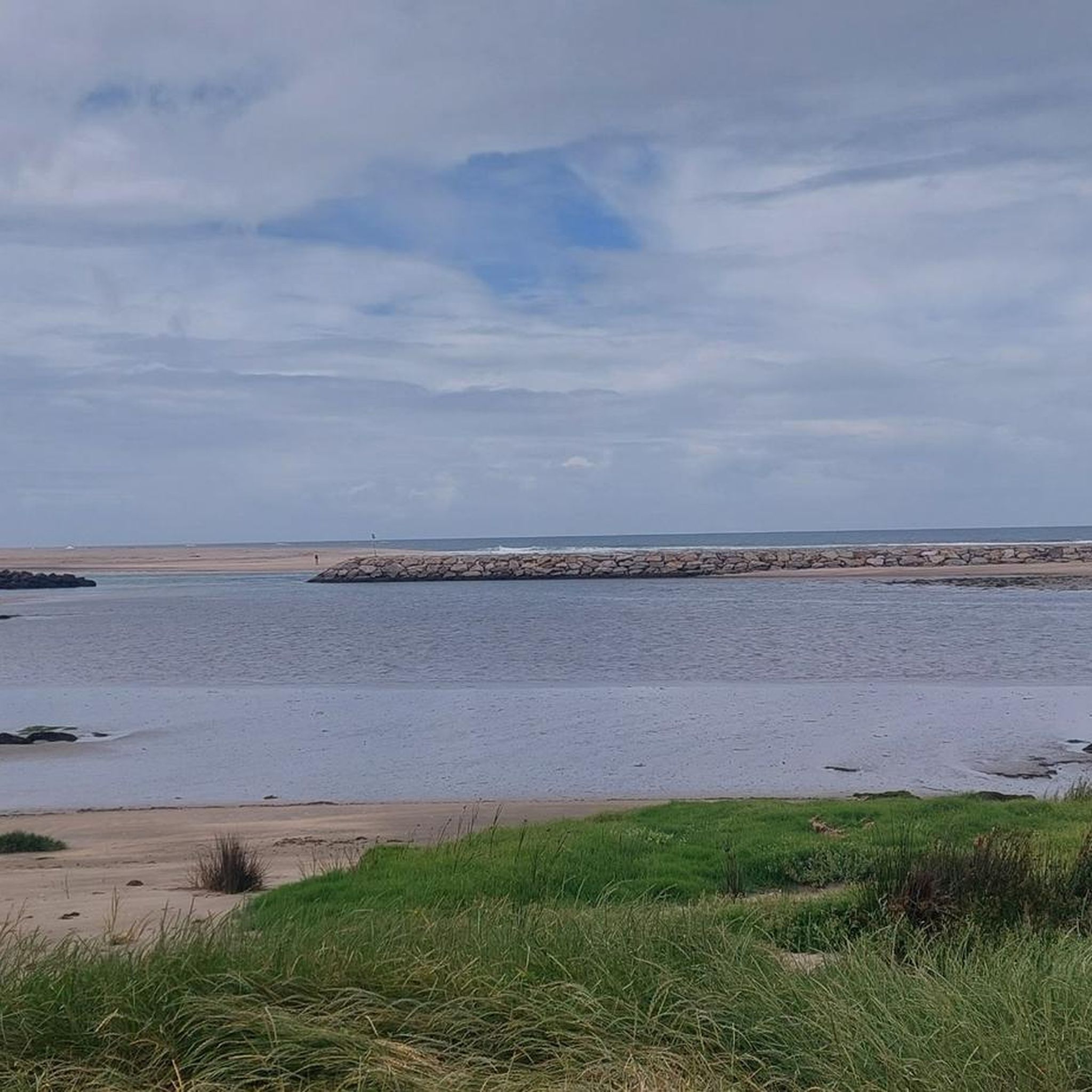
Excellent trail, very good for cycling, quite long. In the heat, there are several shady spots for resting.
0
0

The Cathedral of Braga, the oldest archdiocese in Portugal
3
0

The Cathedral of Braga (Portuguese: Sé de Braga) is one of the most important monuments in the city of Braga in the north of Portugal. As the seat of the Archbishop of Braga, it is the oldest cathedral in Portugal and is one of the most important buildings in the country due to its history and artistic significance[1]. It offers a rich mix of architectural and artistic styles.
1
0

Dam with a fantastic view, and also provides quick access to both banks...
0
0

The Cathedral of Braga (Portuguese: Sé de Braga) is one of the most important monuments in the city of Braga in the north of Portugal. As the seat of the Archbishop of Braga, it is the oldest cathedral in Portugal and is one of the most important buildings in the country due to its history and artistic significance[1]. It offers a rich mix of architectural and artistic styles.
3
1

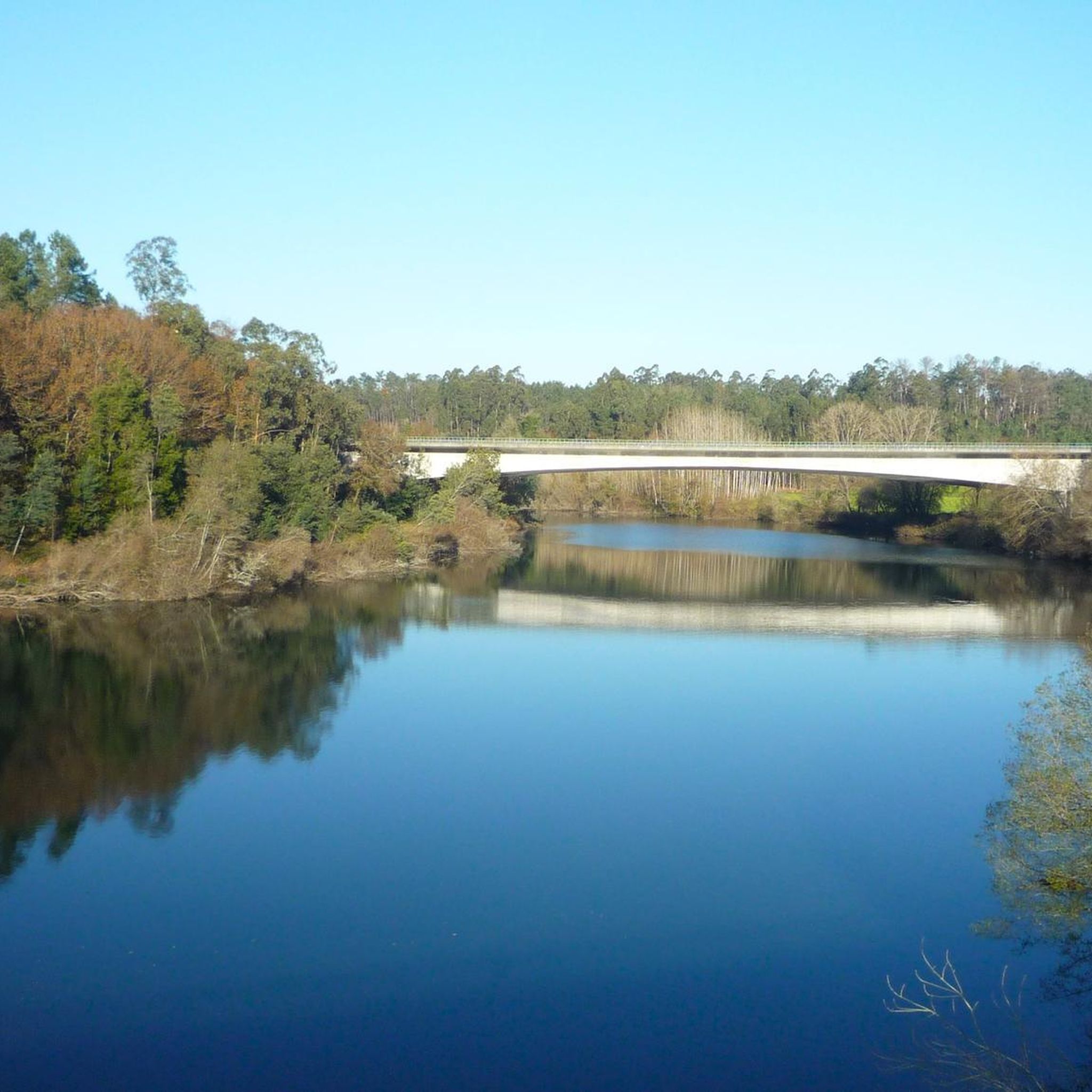
One of the oldest bridges to cross the Cávado River. It can now only be crossed on foot or by bicycle.
0
0

Braga Cathedral (Portuguese: Sé de Braga) is one of the most important architectural monuments in the city of Braga in northern Portugal. As the seat of the Archbishop of Braga, it is the oldest cathedral in Portugal and, due to its history and artistic significance, is one of the most important buildings in the country. It offers a rich blend of architectural and artistic styles. Source: Wikipedia
2
1

According to tradition, the diocese of Braga dates back to the 3rd century, although historical confirmation dates back to 400. This makes it one of the oldest dioceses on the Iberian Peninsula. It is considered the center of the Christianization of Gallaecia, as the region in northwestern Spain and northern Portugal was called. When Rome's power was dismantled by invading Germanic tribes, Braga became the capital of the Kingdom of the Suebi from 409 to 584. Through the influence of Bishop Martin of Dumio, the Suebi converted to Catholicism around 550. Martin of Dumio had come to Gallaecia at this time and first founded a monastery in Dumio near Braga. He became Bishop of Dumio in 556 and finally Bishop of Braga in 562. However, the Suebi kingdom fell under Visigothic control and was incorporated into the Visigothic Empire in 585. Braga's importance subsequently declined. After the Moorish conquest of the Iberian Peninsula from 711 to 719, Braga lost its bishopric in 716. As a result of the Reconquista, the Christian reconquest, the Diocese of Braga was re-established around 1070. Bishop Dom Pedro, bishop of the diocese from 1071 to 1091 and the first archbishop, had a cathedral built, which was consecrated in 1089 by Bernard of Toledo. At that time, however, only the eastern chapels were finished. The present cathedral was built on the site of an older religious building, possibly an earlier cathedral. Despite the restoration of the Diocese of Braga, the city never managed to regain its former importance. Next to Toledo, which was declared the new metropolis by Urban II and was the residence of the Kingdom of Castile from 1087 and remained the capital of Spain until 1561, there was no room for Braga as a metropolis. Since Bishop Dom Pedro had himself awarded the pallium by Antipope Clement III in 1091, the former capital of Braga continued to decline in importance. Bishop Dom Pedro was deposed and banished to a monastery. From 1093 onwards, the County of Portugal was ruled by Count Henry of Burgundy, who, together with Bishop Geraldo de Moissac, persuaded the Pope to reinstate Braga as an archbishopric in 1107. Construction work on the cathedral resumed and continued until the mid-13th century. The building, constructed in the 12th century, was designed in the Burgundian Romanesque style of the Abbey Church of Cluny and influenced the construction of many churches and monasteries in Portugal. The cathedral was frequently altered in the following centuries. Today, it features a mixture of different architectural styles, including Romanesque, Gothic, Baroque, and Manueline. In 1905, Pope Pius X granted the cathedral the additional title of minor basilica. Source: Wikipedia
8
3
Frequently Asked Questions
How many road cycling routes are available in Pousa?
Pousa offers a wide selection of road cycling routes, with over 140 tours available. This includes options for various skill levels, ensuring there's a ride for everyone.
What are the different difficulty levels for road cycling in Pousa?
The routes in Pousa cater to all abilities. You'll find approximately 6 easy routes, 98 moderate routes, and 43 difficult routes, offering everything from gentle rides to challenging ascents, especially near the Montes de Toledo.
What kind of landscapes can I expect to see while road cycling in Pousa?
Road cycling in Pousa takes you through diverse and picturesque landscapes. You can expect to ride through serene holm oak forests and dehesas, alongside the Pusa River, and across agricultural lands. The region's varied topography includes rolling hills and more demanding terrain, particularly as you approach the Montes de Toledo.
What is the best season for road cycling in Pousa?
The region's climate generally makes spring and autumn ideal for road cycling in Pousa, offering pleasant temperatures and vibrant scenery. Summer can be warm, so early morning or late afternoon rides are often preferred, while winter offers cooler, crisp conditions for those who don't mind the chill.
Are there any loop road cycling routes in Pousa?
Yes, Pousa features numerous loop road cycling routes. For example, the Igreja Matriz de Lamas – Ecovia do Rio Este loop from Aveleda is a popular moderate option, and the Caniçada Dam – Braga Cathedral (Sé de Braga) loop from Aveleda offers a more challenging experience.
Are there any easy road cycling routes for beginners in Pousa?
Yes, Pousa has several easy road cycling routes suitable for beginners. These routes typically feature less elevation gain and are shorter in distance, allowing new cyclists to enjoy the scenic countryside without excessive challenge. There are approximately 6 easy routes available.
What are some challenging road cycling routes for experienced riders in Pousa?
Experienced riders looking for a challenge will find plenty of options in Pousa, with about 43 difficult routes. A notable example is the Caniçada Dam – Braga Cathedral (Sé de Braga) loop from Aveleda, which covers 76.1 km with significant elevation gain, providing a demanding experience through varied terrain.
Are there family-friendly road cycling options in Pousa?
While many road cycling routes in Pousa are designed for more experienced riders, some of the easier, flatter sections through agricultural lands or along the Pusa River could be suitable for families with older children. Always check the route's difficulty and elevation profile before heading out.
What do other road cyclists enjoy the most about road cycling in Pousa?
The road cycling experience in Pousa is highly rated by the komoot community, with an average score of 4.5 stars from over 50 reviews. Cyclists often praise the diverse terrain, from rolling hills to challenging ascents, and the peaceful rides through holm oak forests and dehesas with minimal traffic on secondary roads.
Are there any long-distance road cycling routes in Pousa?
Yes, Pousa offers several longer road cycling routes for those seeking extended rides. For instance, the Braga Cathedral (Sé de Braga) – Caniçada Dam loop from Aveleda is a challenging route spanning over 91 km, providing a substantial journey through the region's varied landscapes.
What are the typical road conditions like for cycling in Pousa?
Most road cycling routes in Pousa feature well-paved surfaces, ensuring a smooth and enjoyable ride. However, some segments, particularly on more challenging routes or those venturing into less developed areas, might include unpaved sections. It's always a good idea to check route details for specific surface information.
Where can I find cafes or places to stop during my road cycling trip in Pousa?
While specific cafes are not listed in the route data, the region of Pousa, including San Martín de Pusa, has local villages and towns along the routes. These often provide opportunities to find small cafes, bars, or shops where you can refuel and take a break. Planning your route to pass through these settlements is recommended.
Most popular attractions around Pousa

Get inspired with the komoot mobile app


Explore more
Browse the best Road cycling routes in other regions.
